





RENTS, LAND VALUES AND DEVELOPMENT IN FOCUS AS INDUSTRIAL MARKET STABILISES
Australia’s industrial property market is moving from a post-COVID boom to a steadier phase, with vacancy rates normalising and rental growth diverging across regions.
 3 min
3 min
Australia’s industrial property market is shifting gears after five years of record-breaking growth in demand, rents and construction.
Vacancy levels have climbed from historic lows, bringing the sector back into more balanced territory, according to Knight Frank’s latest research, From Surge to Stabilisation.
Vacancy rates normalise
Blended vacancy across the East Coast now sits at 3.2 per cent. While still considered tight, that represents a significant change from the 0.6 per cent recorded in the first quarter of 2023. The post-COVID surge in tenant demand had driven unprecedented leasing take-up and fuelled a wave of new construction, but that momentum has since cooled.
The report suggests that effective rental growth will remain subdued in the short term, although the picture is far from uniform. Vacancy is expected to concentrate in emerging precincts with a large pipeline of new projects, while more established markets are likely to prove resilient.
Diverging rental outlook
Sydney’s South West and Outer South, Melbourne’s North and Brisbane’s South and South West are flagged as more exposed, with lower prospects for rental growth. By contrast, Sydney’s Inner South, Melbourne’s South East and East, and Brisbane’s Trade Coast are expected to deliver stronger outcomes thanks to lower construction and tighter vacancy.
Knight Frank Partner, Research and Consulting, Queensland, Jennelle Wilson, said tenants in some markets will still face higher costs even as more space becomes available.
“It is expected that face rents will be defended with a corresponding increase in incentives to impact effective rents,” she said. “Tenants on leases negotiated prior to 2021 will still face significant rental reversion on renegotiation or relocation, despite having greater choice in the market, to bring them into line with current market rents resulting from significant growth over the boom.”
According to Wilson, prime industrial rents rose by between 30 and 60 per cent on the East Coast over the past three years, underscoring just how intense the recent surge was.
Supply pipeline rebalances
The report found that the supply side will correct relatively quickly, with speculative development slowing and more reliance on pre-commitments. Lower levels of speculative projects and a greater focus on pre-leased space are expected to ease new supply through the second half of 2025 and into 2026.
Wilson said occupiers will continue to look for operational efficiency and upgrades. “Over time, there will be a lift in pre-commitment activity as upgrading and unlocking operational efficiency remains key for large occupiers,” she said. “A more conservative development environment will limit speculative supply in 2026, diverting demand back to pre-commitments to tenants seeking a technology and building fabric upgrade.”
She added that the market would increasingly split between businesses willing to pay for high-efficiency, tech-enabled facilities and those seeking to minimise rental costs, even if it means compromising on optimisation.
Land values remain firm
One of the strongest findings from the research is that serviced industrial land values are expected to hold firm, even as demand eases. Over the past five years, land values across the East Coast have climbed sharply — by 46 to 118 per cent for smaller blocks and 46 to 131 per cent for lots of one to five hectares.
While prices have plateaued recently in Sydney and Melbourne, Wilson said the most significant bottleneck has been the time taken to service land.
“In contrast to building construction timeframes, recent years have proven that the timeline for industrial land servicing and development is the most critical step in the development process,” she said. Lessons from markets such as Western Sydney, and to a lesser extent Brisbane and Melbourne, around the delivery of power and water are expected to continue supporting values.
Looking ahead
The industrial market is settling into a new rhythm. Rental growth will be patchy, depending on location and level of development.
Pre-commitments are expected to dominate new supply, while speculative activity is expected to recede. And despite a cooling in overall tenant demand, the value of well-serviced land is likely to remain robust.
For investors, developers and occupiers alike, the message is clear: the frenzy of the boom years is over, but fundamentals remain strong for quality assets in the right locations.
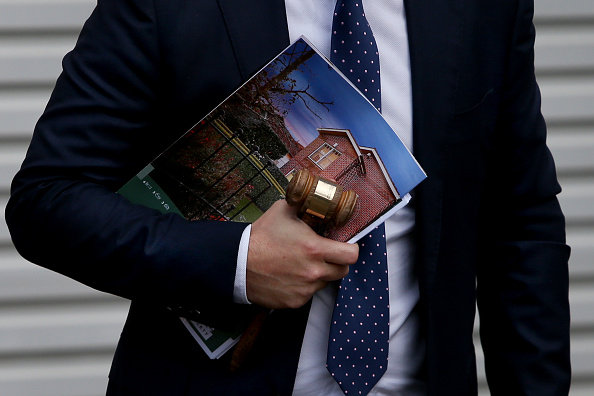
Victorian auction buyers will soon receive a piece of information that has traditionally been withheld until bidding reaches it: the vendor’s reserve price. Under new property-sale and underquoting laws, agents must publish the agreed reserve at least seven days before an auction or fixed-date sale. Most changes begin on 1 October 2026 and apply to …
Continue reading “Victoria’s New Auction Rules Will Force Reserve Prices Into the Open”
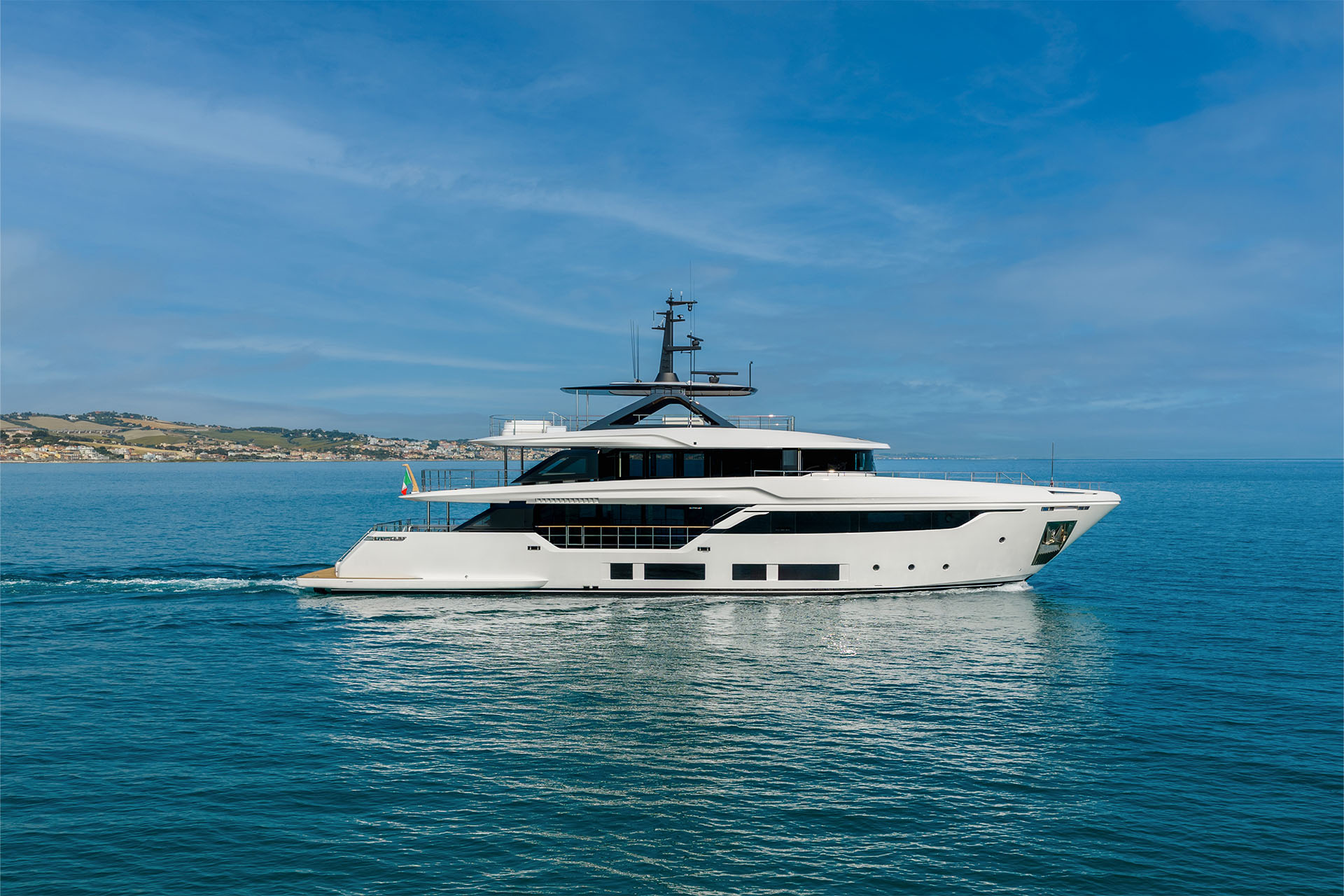
Four decks, 34.5 metres and a made-to-measure interior: step aboard the new Custom Line Navetta 35, unveiled at Cannes.
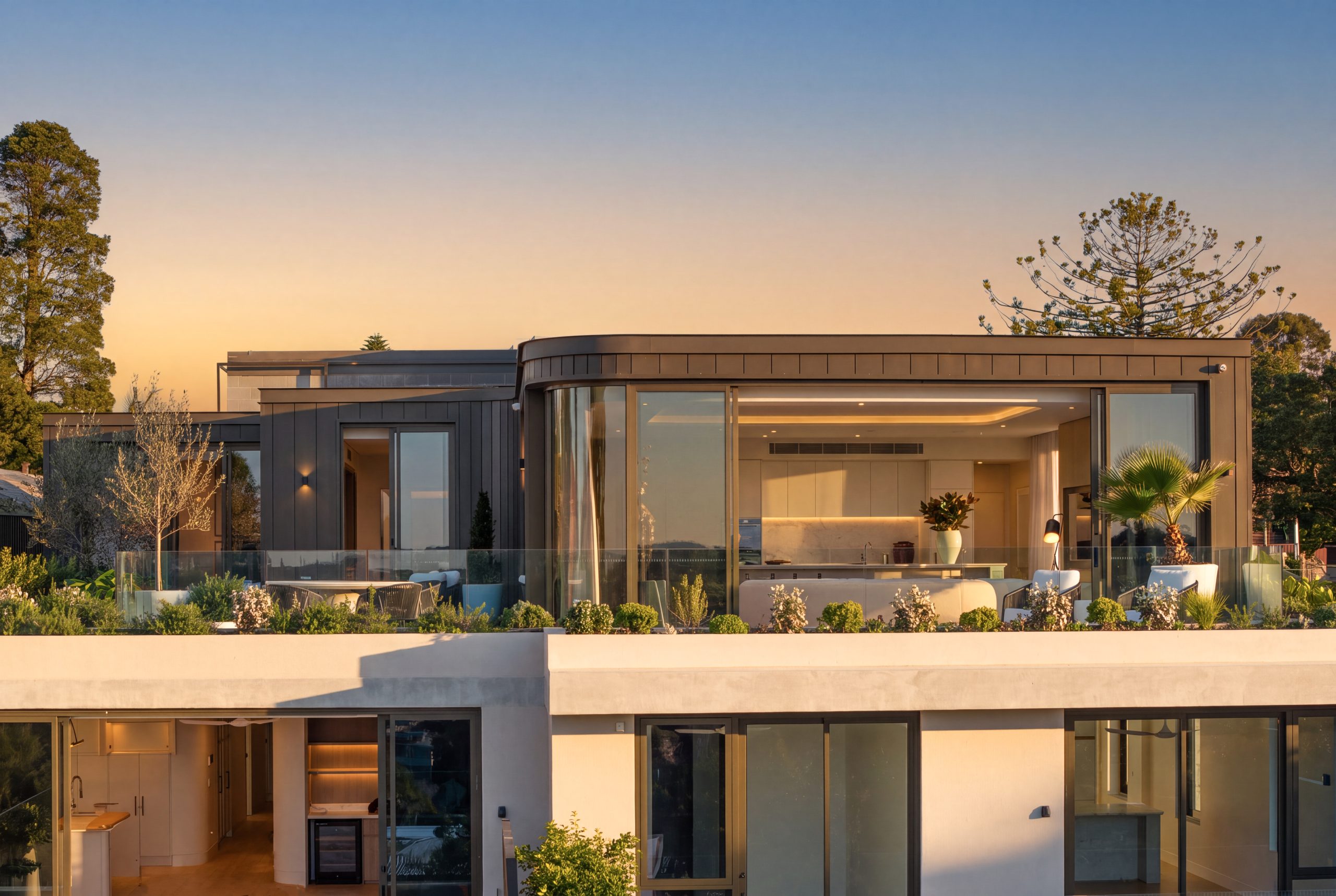
New detached-home sales fell 10% nationally in August, led by a 27% decline in Victoria, raising concerns about construction starts in 2027.
2 minAustralia’s hoped-for recovery in housing construction is losing momentum before it has had time to close the national supply gap.
Sales of new detached homes fell 10 per cent nationally in August, according to the Housing Industry Association’s survey of major volume builders across the five largest mainland states. It was the fourth consecutive monthly decline.
The fall was broad rather than isolated. Victoria recorded the largest retreat, down 27 per cent, followed by Queensland at 20.2 per cent, New South Wales at 17.5 per cent, South Australia at 10.8 per cent and Western Australia at 8.2 per cent.
Across the three months to August, sales were 19.3 per cent below the preceding three-month period and 7.7 per cent lower than the equivalent period a year earlier.
New-home sales matter beyond the immediate fortunes of volume builders. They are an early indicator of future starts: buyers sign contracts, finance is finalised, approvals are secured and construction follows months later. A sustained sales decline during the middle of 2026 is therefore likely to weaken commencements during 2027.
The slowdown reflects the collision of several pressures. Households have absorbed multiple interest-rate rises, reducing borrowing capacity and increasing the repayment cost attached to a new build. Established-home prices have softened in some markets, weakening the relative appeal of waiting through a construction period. Builders continue to face elevated labour and material costs.
The Reserve Bank’s August analysis showed new-dwelling construction prices increased 1.8 per cent during the June quarter and 5.3 per cent over the year. It attributed part of the pressure to oil-derived building products and other conflict-related costs.
Policy uncertainty can also cause buyers and investors to defer large commitments. But the precise contribution of any single tax or regulatory change is difficult to isolate from rates, confidence, land prices and construction costs. The HIA survey should be read as an indicator from large builders rather than a complete count of every dwelling sale.
The figures complicate progress towards the Housing Accord target of 1.2 million homes. The National Housing Supply and Affordability Council reported 308,000 completions since the Accord began and 244,000 dwellings under construction in the March quarter. Approvals and commencements had improved, but falling sales risk undermining the next wave.
For developers and governments, the warning is that planning approvals alone do not create homes. Projects need finance, viable construction pricing and buyers able to settle. If one part fails, approved supply can remain on paper.
Data box
National August new-home sales: Down 10 per cent
Three months to August: Down 19.3 per cent from the preceding three months
Year-on-year three-month comparison: Down 7.7 per cent
Victoria: Down 27 per cent
Queensland: Down 20.2 per cent
New South Wales: Down 17.5 per cent
South Australia: Down 10.8 per cent
Western Australia: Down 8.2 per cent
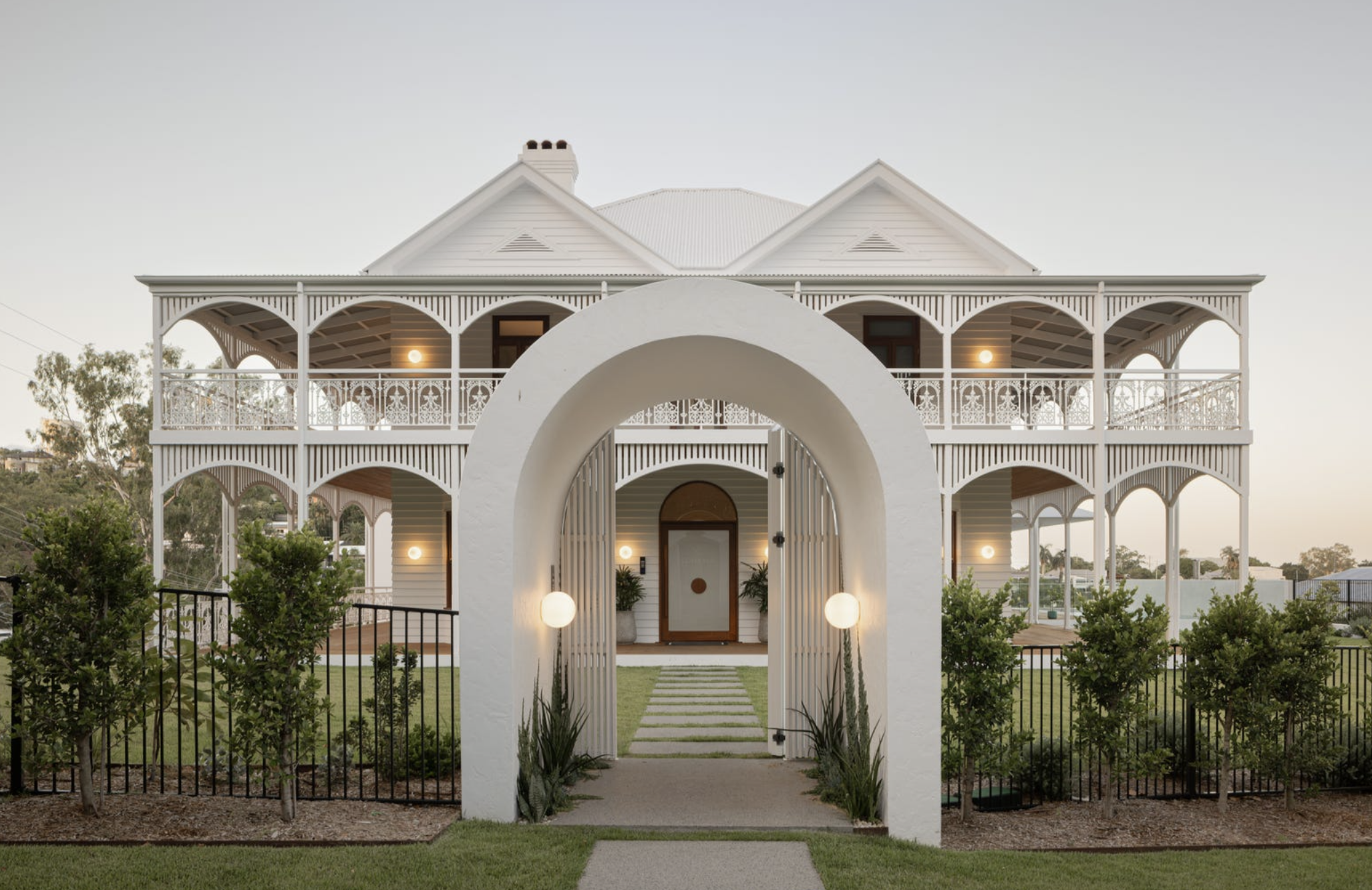
A restored 1860s Brisbane residence transformed by GRAYA has smashed Paddington’s house price record, selling for more than $12 million.

With two waterfronts, bushland surrounds and a $35 million price tag, this Belongil Beach retreat could become Byron’s most expensive home ever.

