BMW LAUNCHES NEUE KLASSE WITH GLOBAL DEBUT OF ELECTRIC iX3
BMW has unveiled the Neue Klasse in Munich, marking its biggest investment to date and a new era of electrification, digitalisation and sustainable design.
 2 min
2 min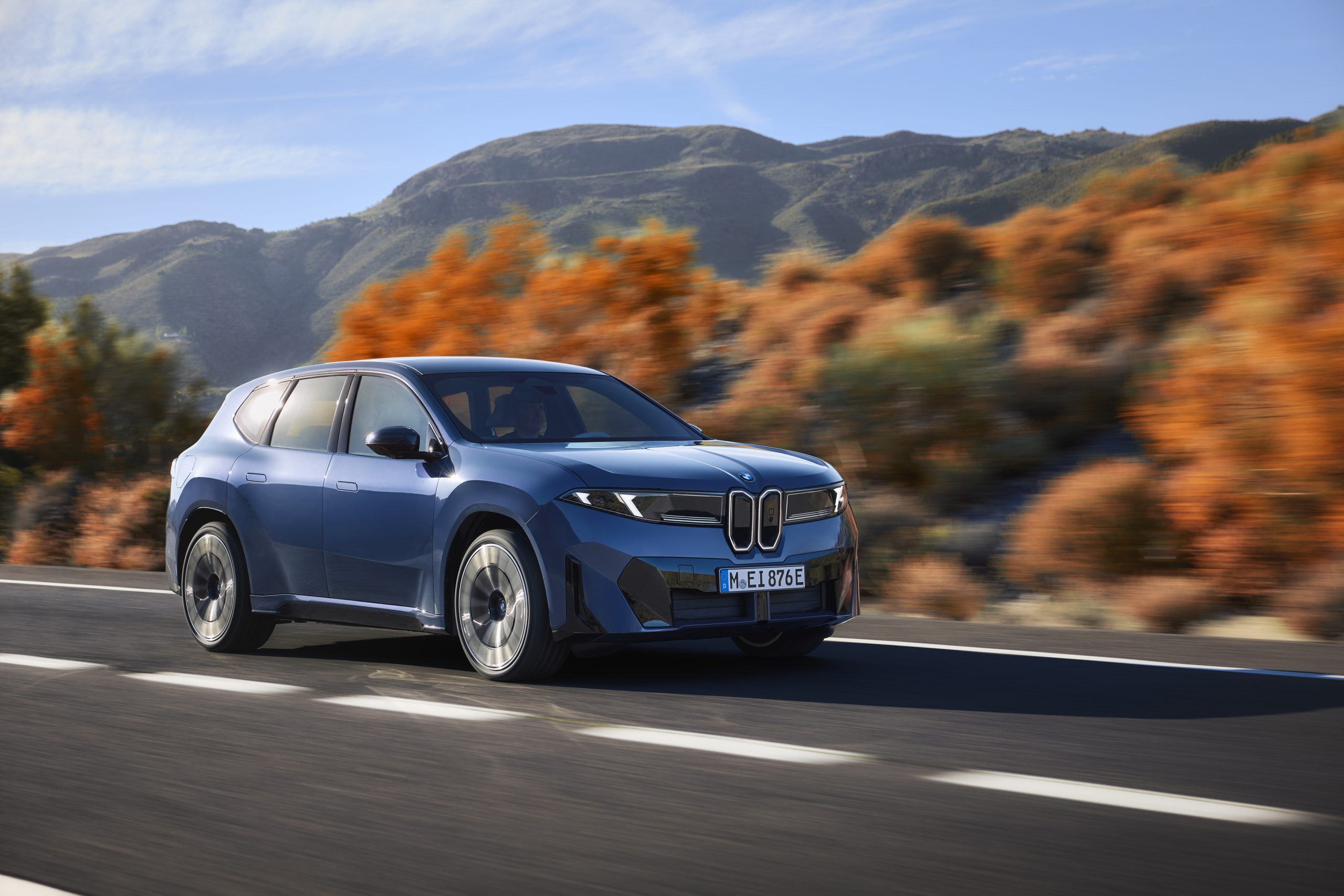
BMW has launched a new brand era with the global debut of its Neue Klasse in Munich, laying the foundation for the company’s future in electrification, digitalisation and circularity.
The Neue Klasse represents BMW’s largest-ever investment and applies not only to an all-new generation of vehicles arriving from late 2025 into 2026, but also to technologies, manufacturing processes and operations across the company’s value chain.
The name evokes the pivotal 1961 launch of the original Neue Klasse, which introduced the 1500 sedan and helped re-establish BMW as a global automotive force.
At the heart of the 2025 debut is the fully electric iX3 Sports Activity Vehicle, one of six models to be launched with Neue Klasse DNA over the next two years.
The iX3 integrates BMW’s latest electric drive system with a driving range of up to 805 kilometres (WLTP) and high-speed charging capability. Its design references BMW heritage with monolithic surfaces, precise lines and a new light signature.
Inside, the cabin is bright and expansive, showcasing innovations such as the Panoramic iDrive, which projects key information across the windscreen on a specially developed 43.3-inch surface.
Other features include a 17.9-inch Central Display in free-cut design, a floating instrument panel with backlit fabric, large window surfaces and a panoramic sunroof. Sustainability has been a core focus, with BMW citing a 42 per cent smaller carbon footprint in the supply chain compared with the previous model.
The iX3 also introduces new computing power, including the “Heart of Joy” system that manages the drive system to deliver greater efficiency and driving pleasure.
Oliver Zipse, Chairman of the Board of Management of BMW AG, said the Neue Klasse represents a landmark transformation for the brand.
“The Neue Klasse is our biggest future-focused project and marks a huge leap forward in terms of technologies, driving experience and design,” he said.
“Practically everything about it is new, yet it is also more BMW than ever. What started as a bold vision has now become reality: the BMW iX3 is the first Neue Klasse model to go into series production.”
Production of the iX3 will begin at BMW’s new plant in Debrecen, Hungary, later this year. Vehicles for the Australian market will enter production from March 2026, with local deliveries expected by mid-2026.
The first variant for Australia will be the BMW iX3 50 xDrive.
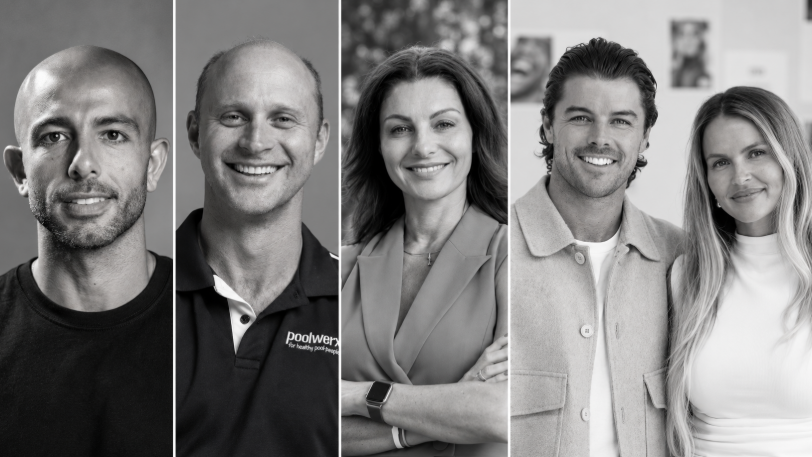
From making unpopular decisions to learning when to listen, leaders from five businesses reveal what nobody prepared them for — and how running a company has challenged their expectations.

Technology and semiconductor shares fell sharply as investors questioned the debt financing the AI infrastructure boom and confronted higher rates and Chinese competition.
Tesla’s new Roadster used suction technology and SpaceX-derived thrusters to jump and flip—but production, price and road legality remain unresolved.
3 min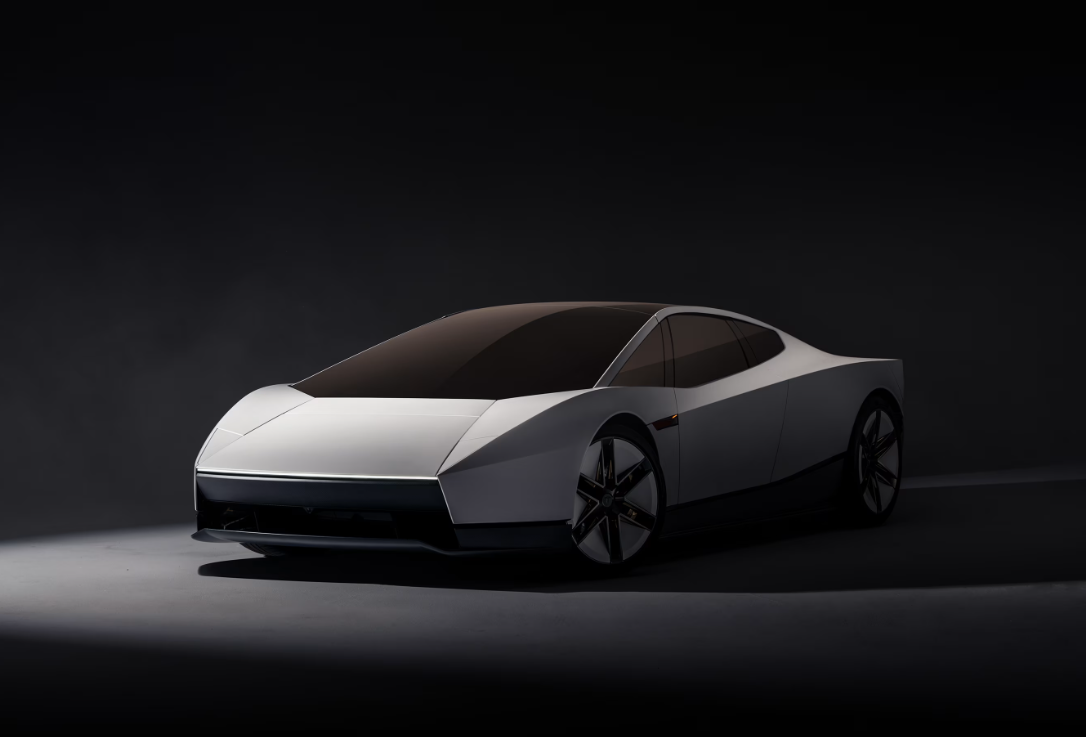
Tesla has finally revealed its radically redesigned Roadster—and delivered the airborne spectacle Elon Musk has been promising for years.
Unveiled at a SpaceX testing facility near Waco, Texas, the new electric supercar drove onto a steeply curved ramp, used a suction system to cling to its underside and launched into the air. Cold-gas thrusters stabilised the vehicle as it rotated and returned to the ground.
In another demonstration, the Roadster cleared a line of Tesla vehicles that included a Semi, Cybertruck, Cybercab, Model Y and Model 3.
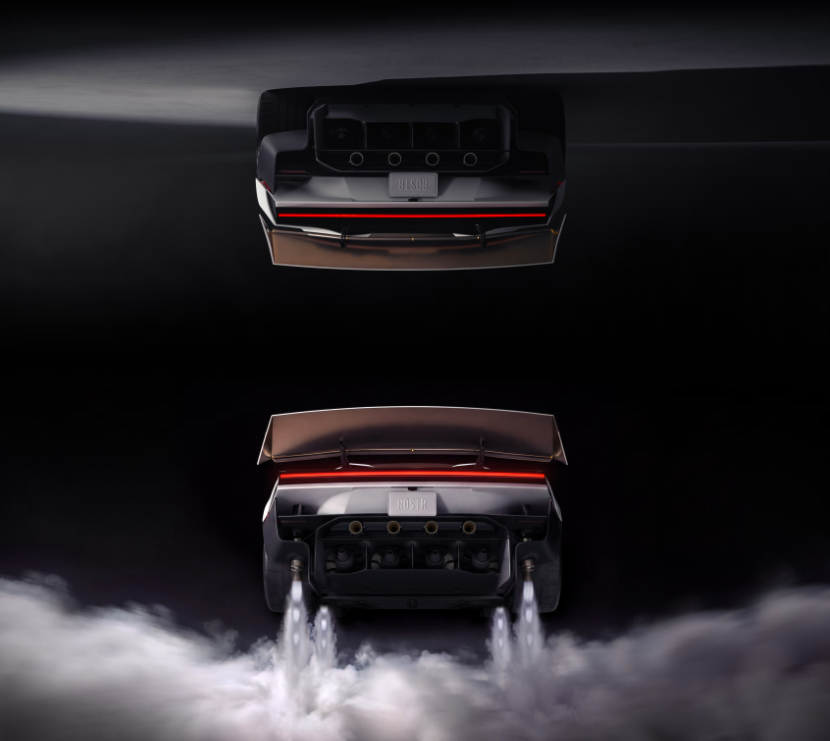
It was an extraordinary stunt. Whether it proved Tesla has created a genuine flying car is another matter.
The vehicle did not demonstrate sustained, controlled flight of the kind associated with an aircraft or electric vertical take-off and landing vehicle. Its thrusters instead produced brief powered leaps, rotation and landing control.
“We’re not talking about sustained flight,” Smithsonian National Air and Space Museum curator Roger Connor told CNN. “We are literally talking about hopping.”
How does it work?
Tesla has outlined three intended Roadster configurations.
The two-seat Performance model is the comparatively conventional version, although little about it sounds ordinary. It uses active aerodynamics and what Tesla calls a multi-mode suction system to increase downforce and allow the car to adhere to steep or inverted surfaces.
The two-seat Thrust adds rear-mounted cold-gas thrusters, designed to deliver acceleration from zero to 60mph—approximately 97km/h—in less than one second.
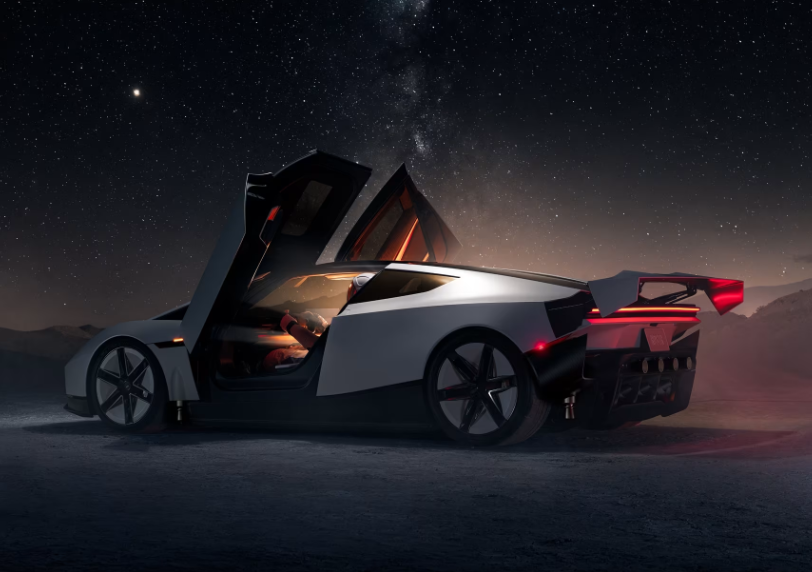
At the top is the single-seat Rocket, equipped with 10 thrusters positioned around the vehicle. This is the version intended to perform the airborne manoeuvres demonstrated in Texas.
Tesla engineering vice-president Lars Moravy said the system uses approximately 600 litres of compressed air. Carbon-fibre-wrapped pressure vessels occupy available spaces throughout the car, supplying the thrusters used for acceleration, lift and directional control.
The technology is more closely related to a rocket reaction-control system than a conventional flying-car powertrain. Rather than producing continuous lift through wings or propellers, it releases highly pressurised gas to generate short bursts of thrust.
Tesla says all three versions will offer approximately 300 miles—or 483 kilometres—of driving range and a top speed exceeding 230mph, equivalent to about 370km/h.
These remain company claims rather than independently verified production specifications.
Can buyers order one?
Reservations have reopened in selected markets. According to reporting from the launch, Tesla is seeking US$50,000 to reserve the Performance variant and US$250,000 for the Thrust. Access to the Rocket is described as invitation-only.
No final purchase price was announced, and Tesla has not confirmed Australian pricing, delivery timing or regulatory approval.
Musk said production would begin in 2028. That should be treated as an ambition rather than a settled delivery date.
The second-generation Roadster was originally unveiled in 2017 and was expected to reach customers within several years. The program was subsequently delayed in 2020, 2021, 2023 and 2024. Some customers have consequently held substantial reservations for close to a decade.
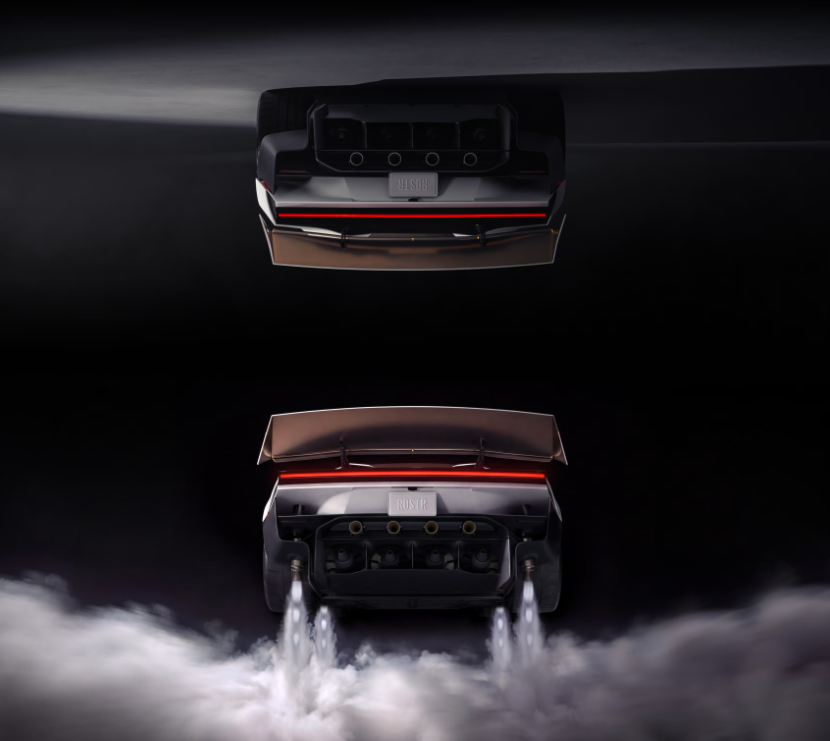
There are also formidable regulatory questions. A road-registered vehicle capable of deliberately leaving the ground, rotating and landing among other traffic does not fit neatly within existing vehicle standards. Its compressed-air system, pressure vessels and unconventional manoeuvres would require extensive safety assessment.
The more plausible outcome is that Tesla produces the Performance and perhaps Thrust versions for road and track use, while tightly restricting the Rocket’s airborne functions—or reserving them for controlled environments.
Tesla has produced a genuine moving prototype capable of remarkable stunts. It has not yet demonstrated that customers will be permitted to repeat them on public roads.
For now, the Roadster is real enough to jump. Whether it becomes a car people can buy, register and use as demonstrated remains the more consequential test.
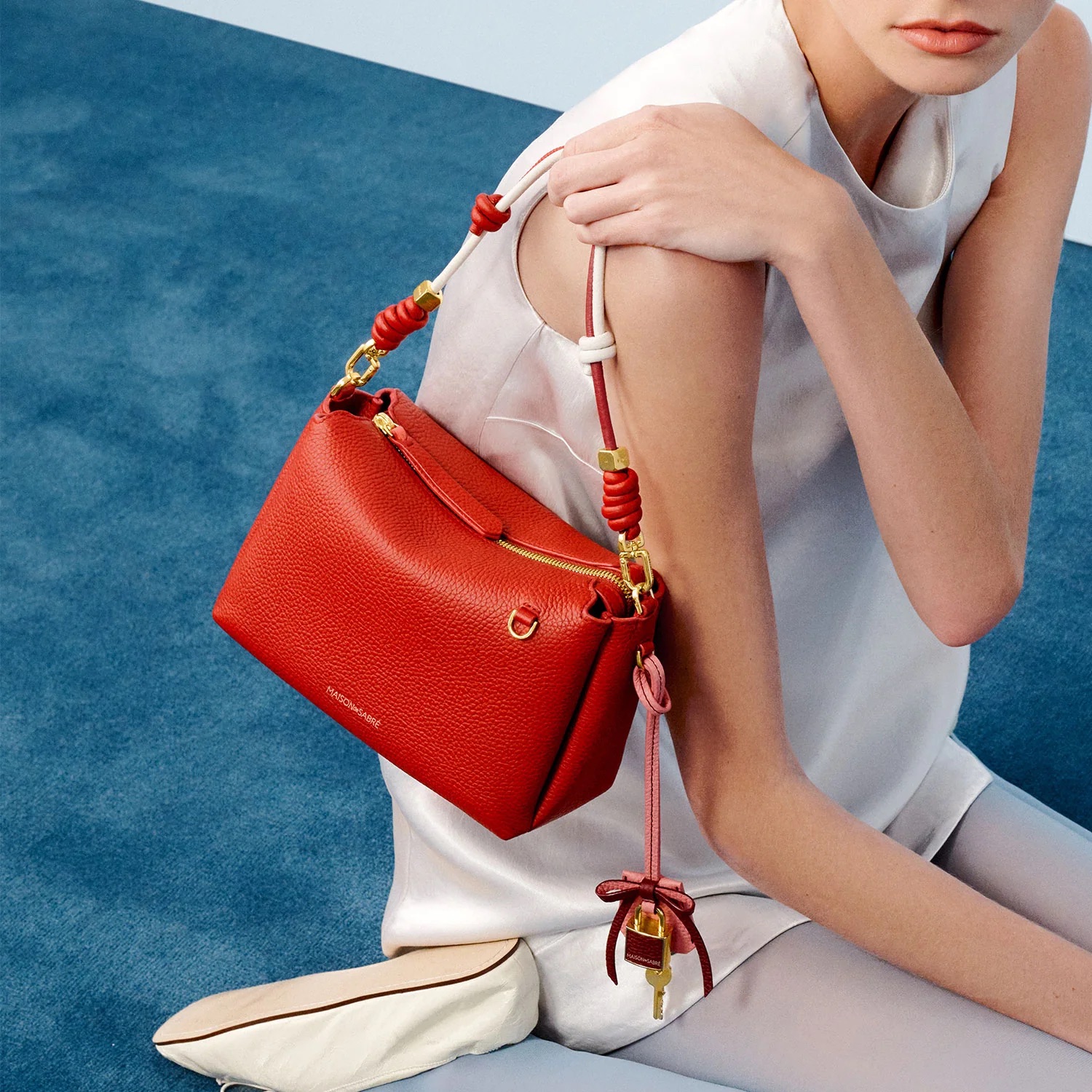
Following the successful launch of its Palais Collection, MAISON de SABRÉ has unveiled a new modular handbag system offering more than 720 styling combinations.

From Tokyo backstreets to quiet coastal towns and off-grid cabins, top executives reveal where they holiday and why stepping away makes the grind worthwhile.