Why First-Home Buyer Schemes Are Becoming a Stealth Investment Strategy
First-home incentives can still form part of a long-term investment plan if used strategically.
 3 min
3 min
Australia’s home prices continue to grow, and while that makes them great investments, they are also some of the most unaffordable in the world.
That’s why first-home buyer schemes such as the First Home Owner Grant, the First Home Guarantee, and stamp duty concessions have become so valuable.
These programs are designed to reduce upfront costs and fast-track people into homeownership.
But the question many aspiring investors are now asking is can these schemes be used as part of an investment strategy? These government initiatives aren’t designed for investors, but they can still play a key role in your long-term investment journey if used strategically.
What the schemes actually allow
Every first-home buyer incentive in Australia is created to support owner-occupiers, not investors.
Whether it’s a cash grant, reduced deposit requirement, or a stamp duty discount, the catch is always the same in that you must live in the property for a set period of time. For example, the First Home Owner Grant often requires you to live in the property for at least six to twelve months, depending on the state.
The First Home Guarantee allows you to purchase with just a 5 per cent deposit without paying lenders’ mortgage insurance, but again, you’re required to live in the property for at least one year.
Likewise, state-based stamp duty concessions are only available for properties intended as a principal place of residence. If your intention from the outset is to buy a property solely for rental income, you won’t be eligible. However, if you’re open to living in the property initially, then transitioning it into an investment, there’s a path forward.
A strategy that works
Rentvesting has emerged as one of the most practical ways for first-time buyers to take advantage of these schemes while also laying the groundwork for a property portfolio.
The concept is simply, buying a property in an area you can afford (using the first-home buyer schemes to assist), live in it for the minimum required period, and then rent it out after fulfilling the occupancy condition.
This approach lets you legally access the benefits of first-home buyer schemes while building equity and entering the market sooner. Instead of waiting years to save a full 20 per cent deposit for an investment property, or getting priced out altogether, you get your foot in the door with reduced upfront costs.
Once you’ve satisfied the live-in requirement, the property can become an income-generating asset and even serve as collateral for your next purchase.
What to look for in a rentvestment property
If you plan to eventually convert the property into an investment, you need to think beyond your short-term living experience. It’s essential to buy a property that performs well both as a home and as a long-term asset.
That means looking at key fundamentals like location, rental demand, and growth potential. Suburbs with strong infrastructure, access to employment hubs, good transport links, and low vacancy rates should be high on your list.
A balanced price-to-rent ratio will help ensure manageable holding costs once the property transitions to an investment.
Established low-density areas often outperform high-rise apartment developments that flood the market with supply and limit capital growth. And ideally, your property should offer scope for future improvements, whether that’s a cosmetic renovation, granny flat addition, or potential to subdivide down the track.
Mistakes to avoid
There are a few common missteps that can undermine this strategy. The first is selling too soon. Some grants and stamp duty concessions include clawback provisions if you offload the property within a short period, which could see you lose the benefits or even owe money back.
It’s also a mistake to let the lure of a government handout sway your purchasing decision. A $10,000 grant doesn’t justify compromising on location, growth prospects, or property fundamentals.
Another pitfall is failing to consider the financial impact once the property becomes an investment. Repayments, tax treatment, and outgoings may change, so it’s important to stress-test your position from day one.
Lastly, beware of buying into oversupplied areas simply because they’re marketed to first-home buyers. Not all new builds are good investments. If hundreds of identical properties are being built nearby, your long-term growth could be seriously limited.
With the right approach, your first home can be the foundation for an entire property portfolio. It starts with using available government support to lower your entry cost.
From there, you occupy the property for the required time, convert it to an investment, and leverage the equity and rental income to fund your next purchase.
Many of the most successful investors today began with a single, strategically chosen property purchased using these exact schemes. By buying well, you can turn your first home into the launchpad for long-term wealth.
Abdullah Nouh is the Founder of Mecca Property Group (MPG), a buyers’ advisory firm specialising in investment opportunities in residential and commercial real estate. In recent years, his team has acquired over $300 million worth of assets for 250+ clients across Australia.
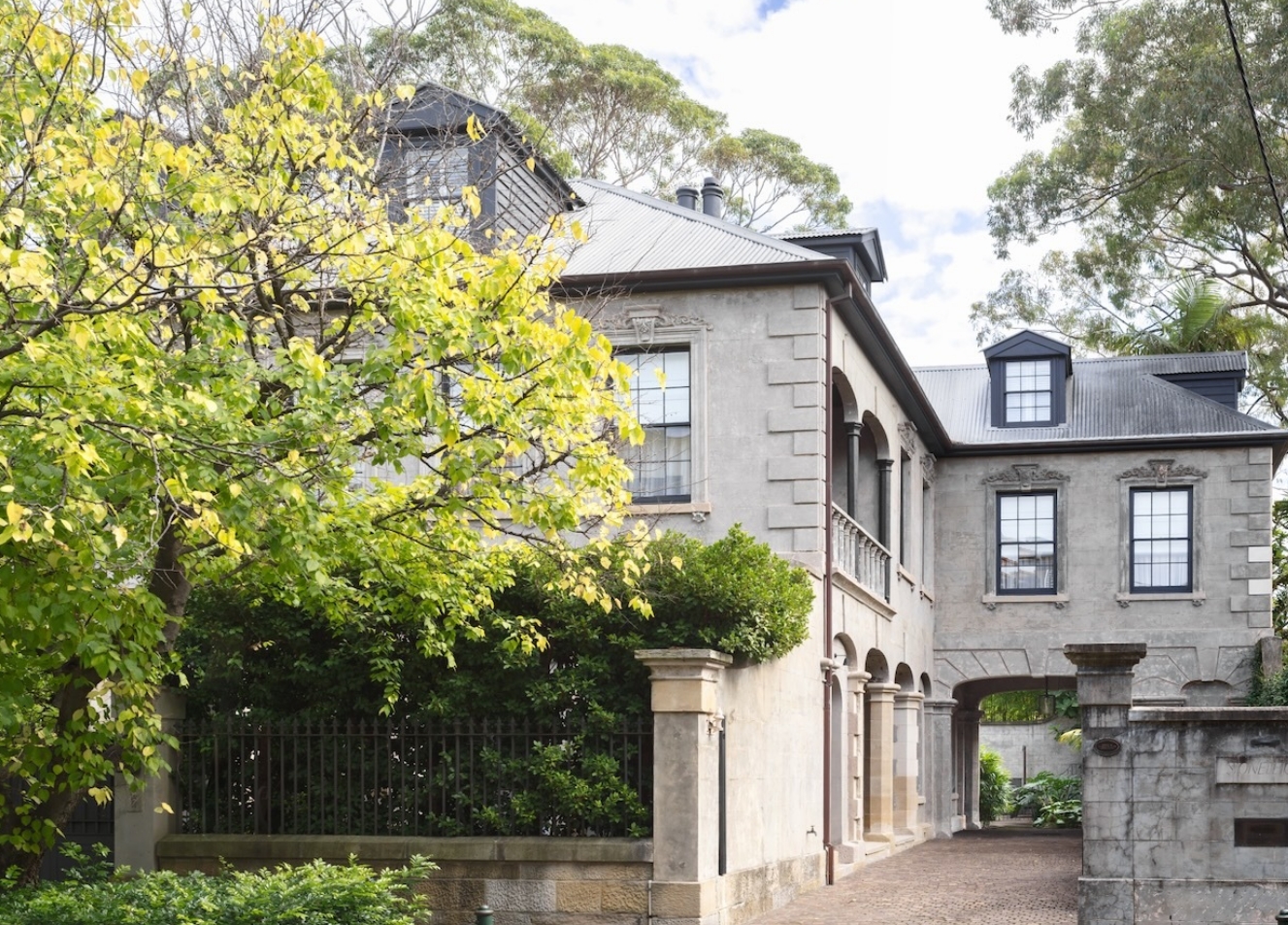
The 1860s Darlinghurst mansion Stoneleigh could become Sydney’s most expensive home ever sold under the hammer when it goes to auction. Clint Ballard is giving buyers a $28 million guide for the heritage-listed mansion on Darley Street, opposite Iona, the former home of Hollywood royalty Baz Luhrmann. Stoneleigh is being offered for sale for the …
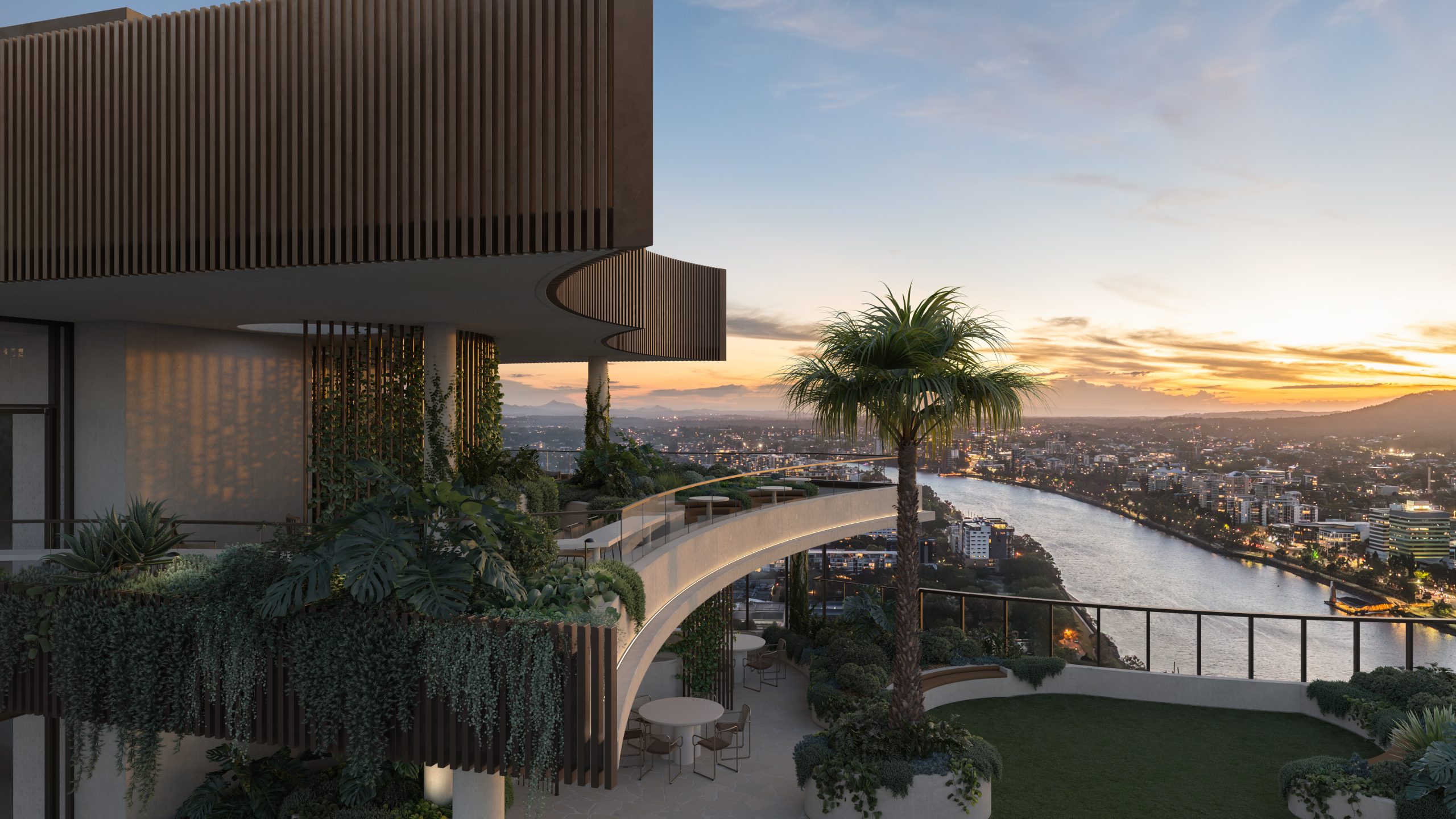
Set on one of the city’s last absolute riverfront sites, The Riversdale by Mosaic combines irreplaceable waterfront ownership with one of Brisbane’s most significant residential opportunities.

 3 min
3 min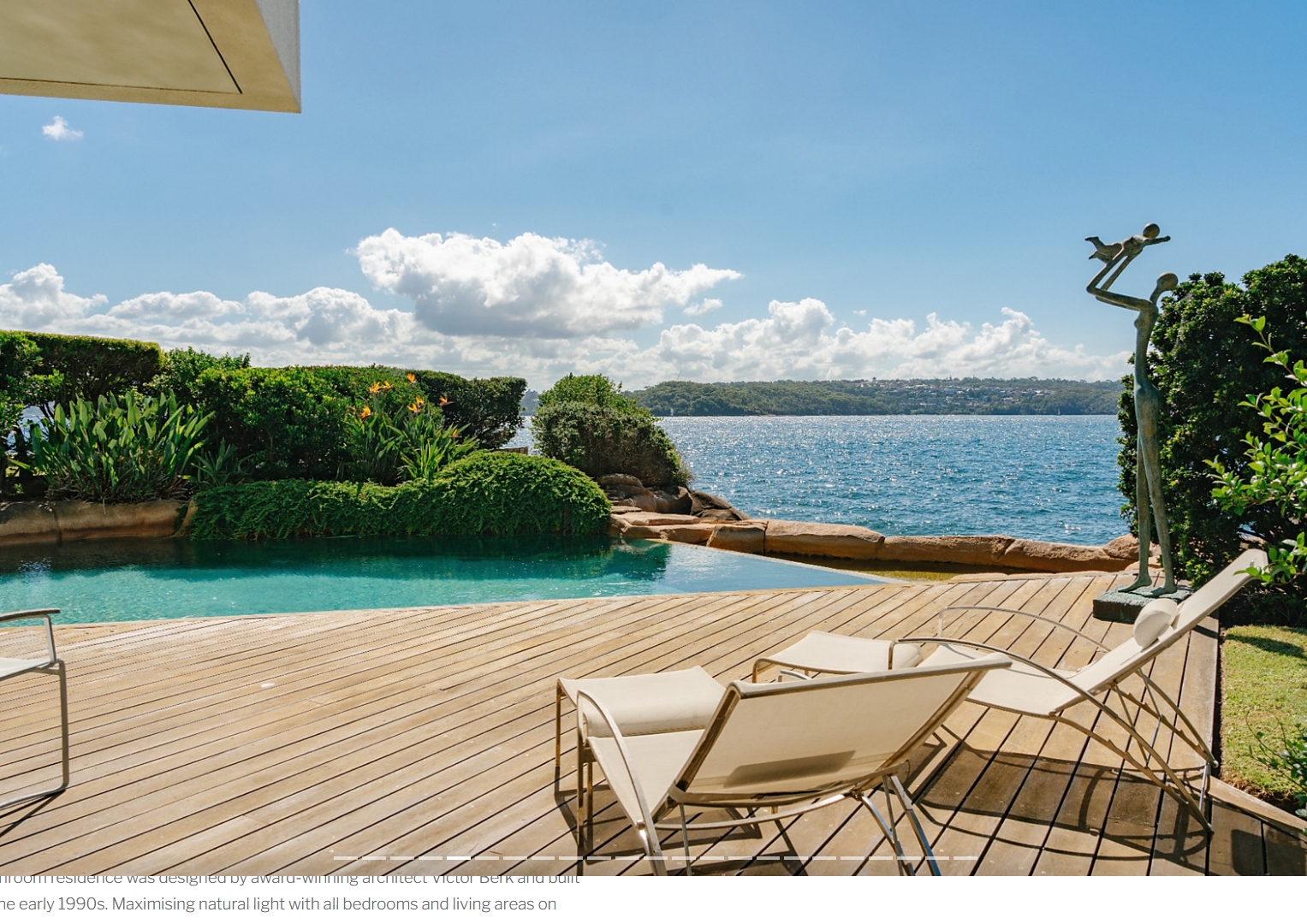
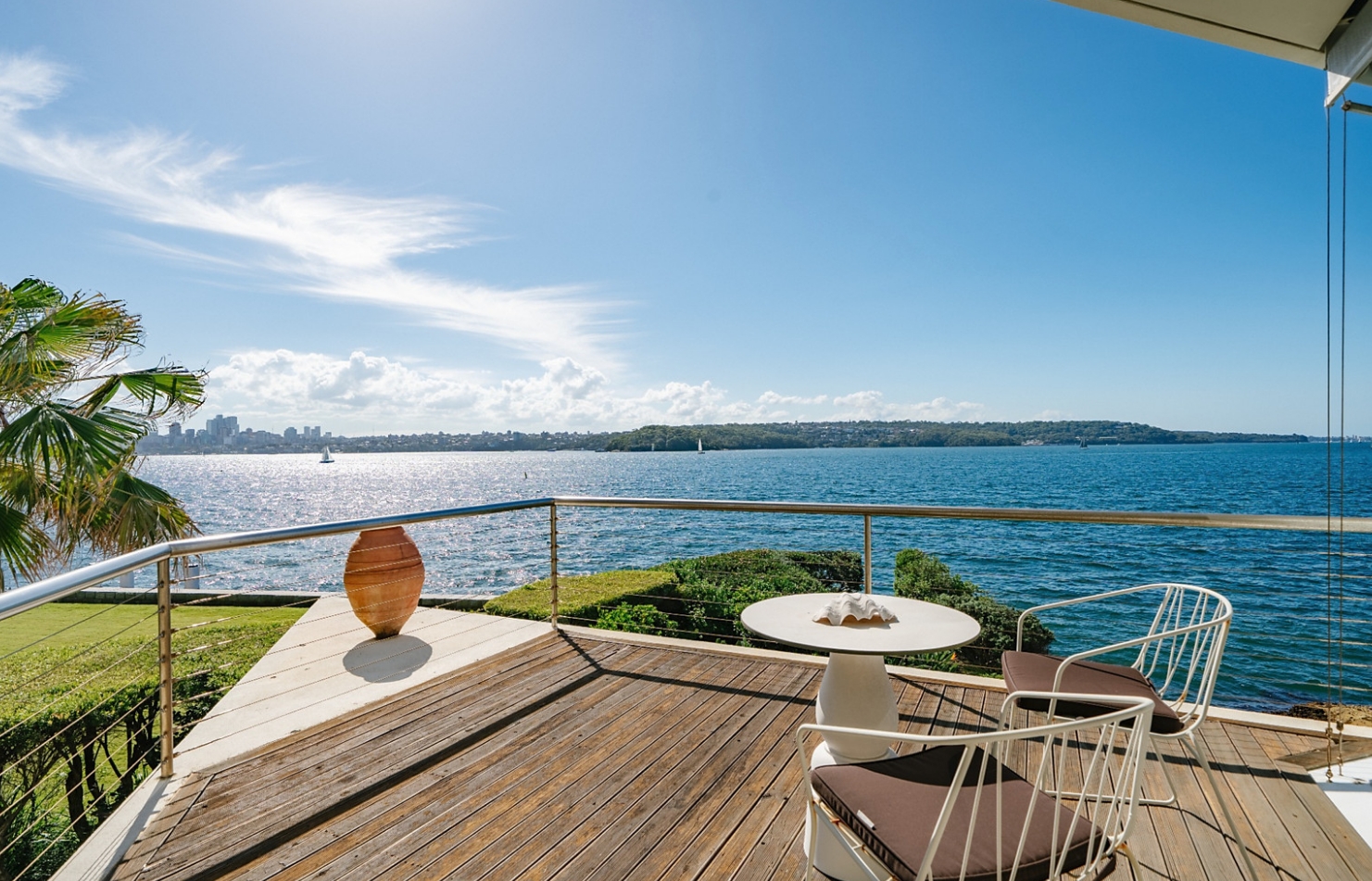
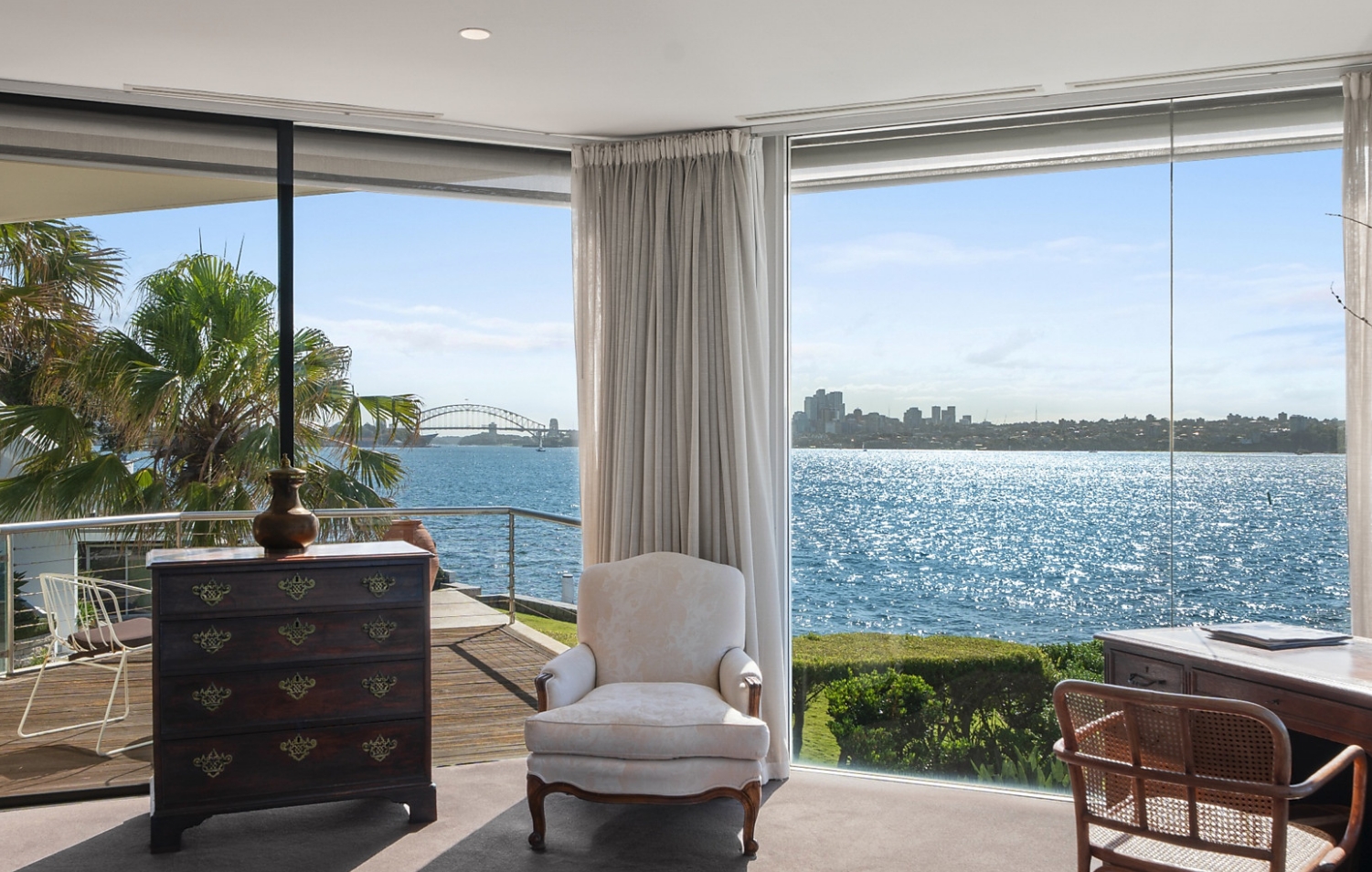
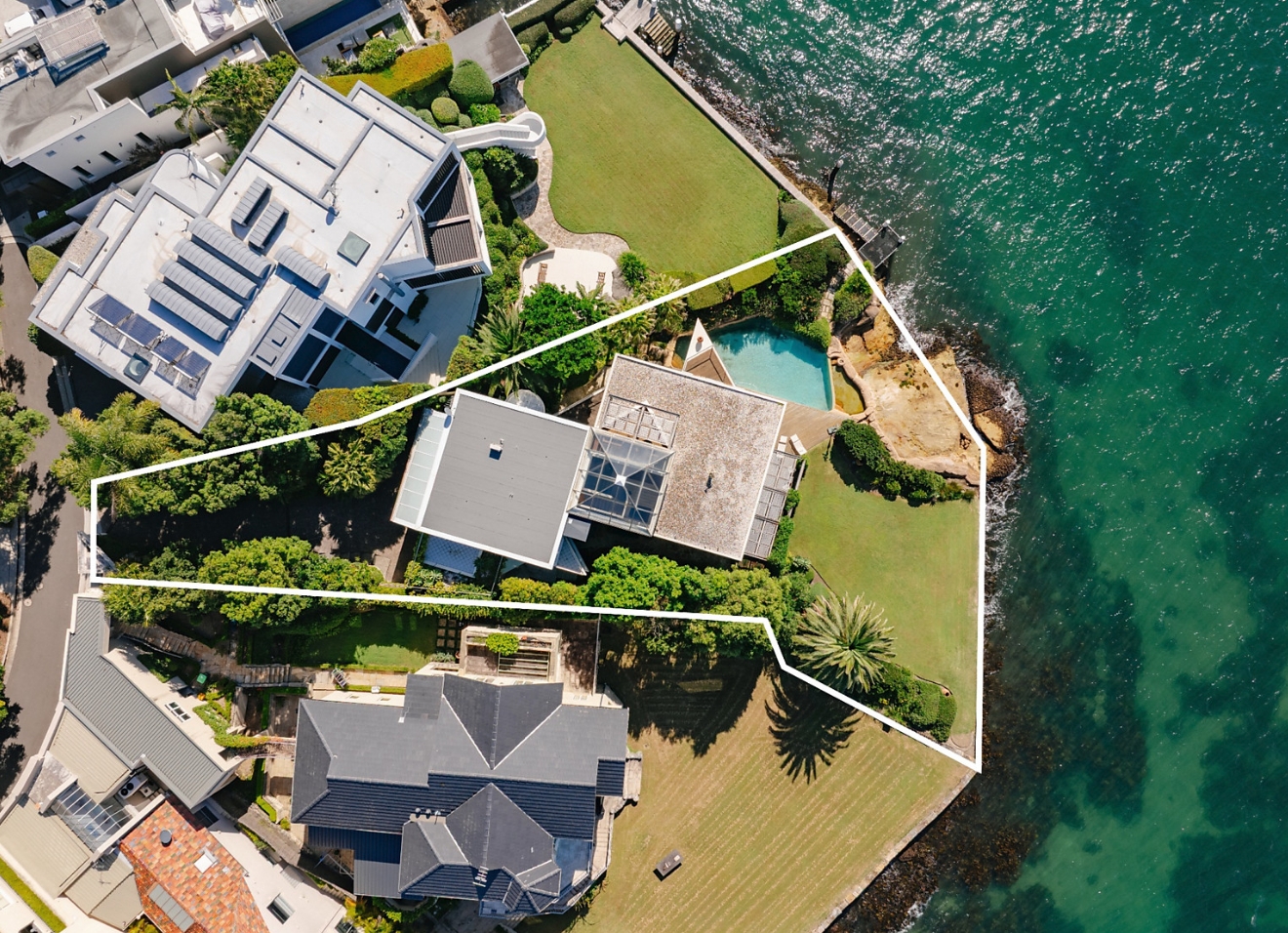
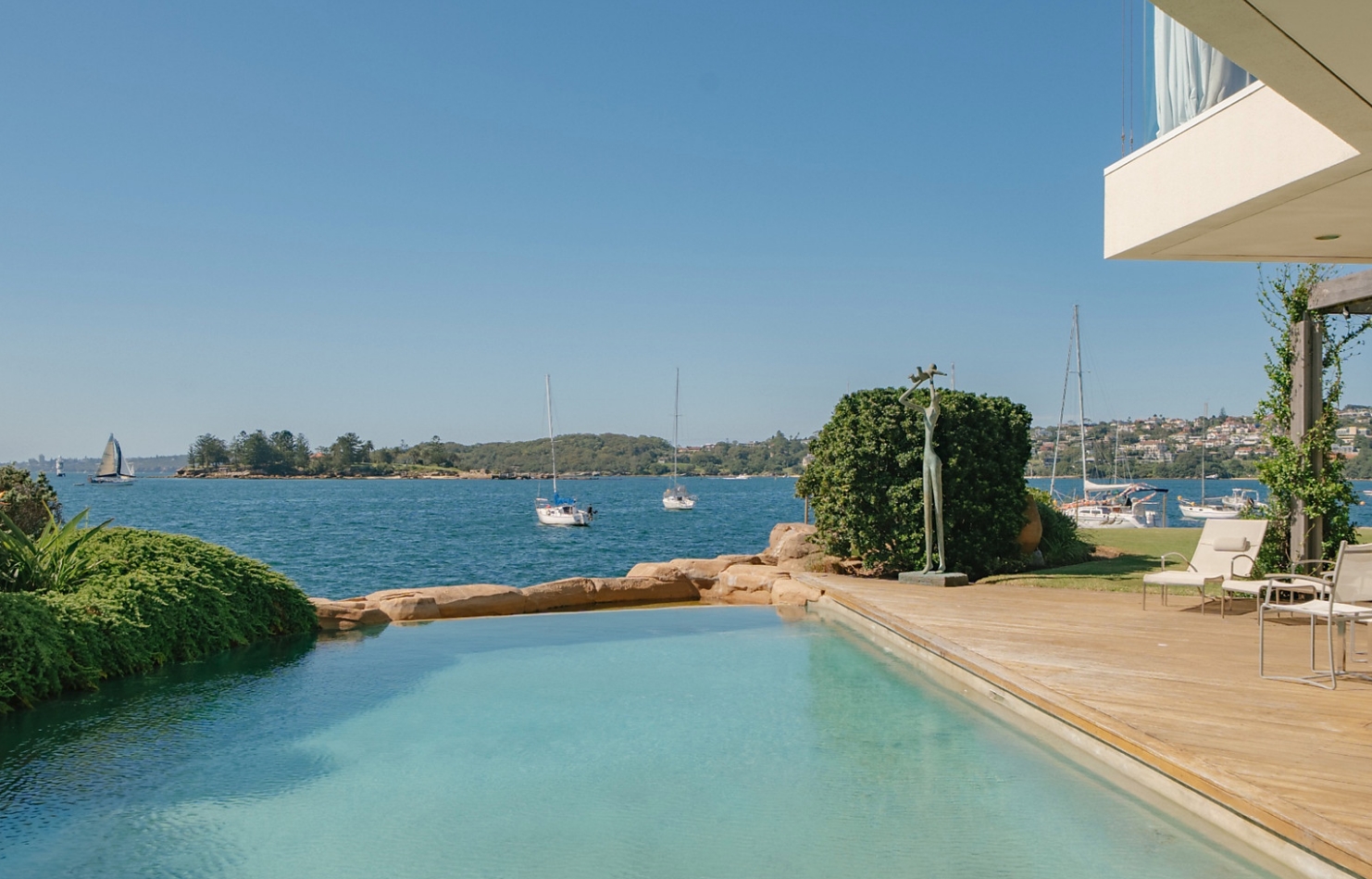
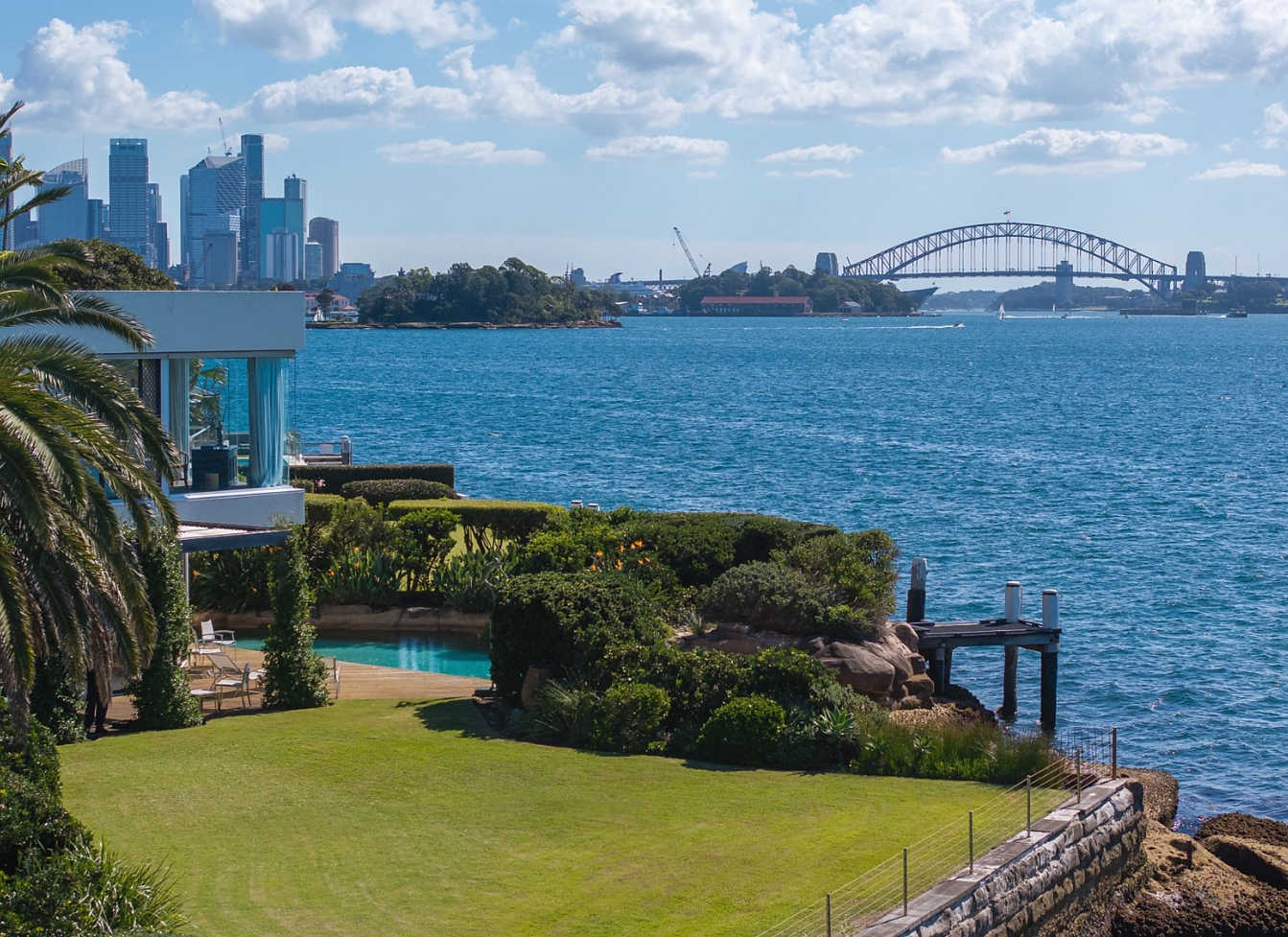
At the northern tip of Point Piper, hidden from the street and positioned directly on Sydney Harbour, “Radford” combines cinematic views, rare waterfront access and a fascinating connection to one of Australia’s most storied estates.
The five-bedroom residence occupies land once belonging to Paradis Sur Mer, the celebrated three-block waterfront estate that made Australian property history in 1982. The original mansion became the country’s first home reported to have sold for more than $5 million—and may also have inspired one of its fastest and most profitable resales.
Property developer and yachtsman Bernard Lewis purchased the estate at auction for $5.25 million, only to sell it within hours to English betting magnate and thoroughbred breeder Robert Sangster. Lewis reportedly made a $500,000 profit in the process.
Sangster renamed the property Toison D’Or—French for “Golden Fleece” and the name of one of his racehorses—and established it as a Sydney base with his then-wife, Susan. The estate subsequently changed hands and identities again, becoming Paradis Sur Mer, or “Paradise on the Sea”, during Susan’s marriage to financier Sir Frank Renouf.
After another headline-making sale near the peak of Sydney’s late-1980s property boom, the original mansion was eventually demolished and the waterfront holding subdivided. “Radford” now stands on one of those prized parcels, carrying a thread of that extraordinary history into the present day.
Harbour views take centre stage
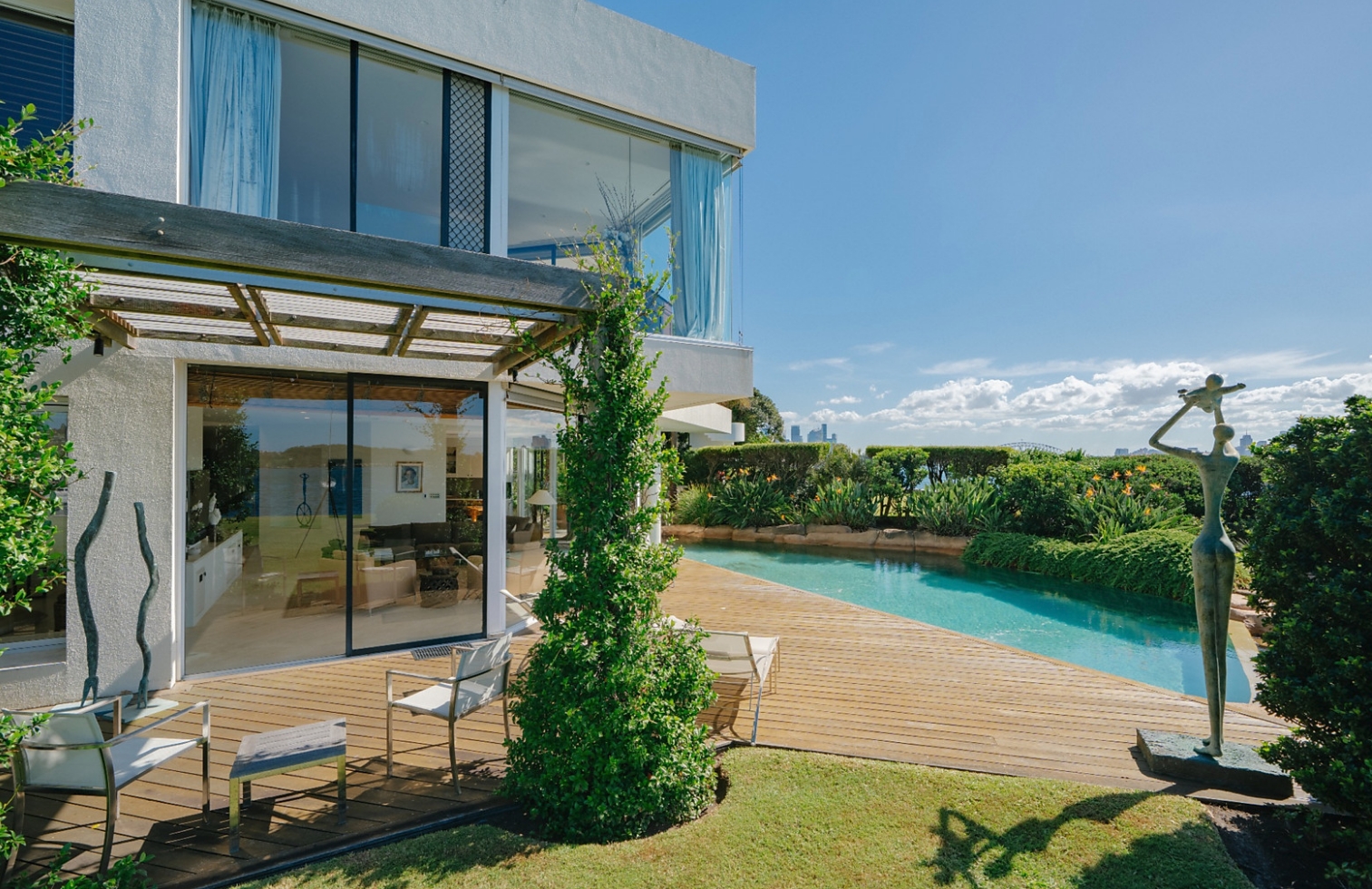
Designed by award-winning architect Victor Berk and constructed in the early 1990s, the three-level modernist residence has been planned around its exceptional position.
Panoramic views stretch from the Sydney Harbour Bridge across Shark Island and Rose Bay to Manly. A prized northerly aspect fills the home with natural light, while bedrooms and living spaces open to decks, balconies and terraces overlooking the water.
The main living areas flow to a broad alfresco entertaining terrace, sunny swimming pool and level harbourfront lawn. Beyond the garden, a private jetty completes the quintessential Sydney waterfront lifestyle.
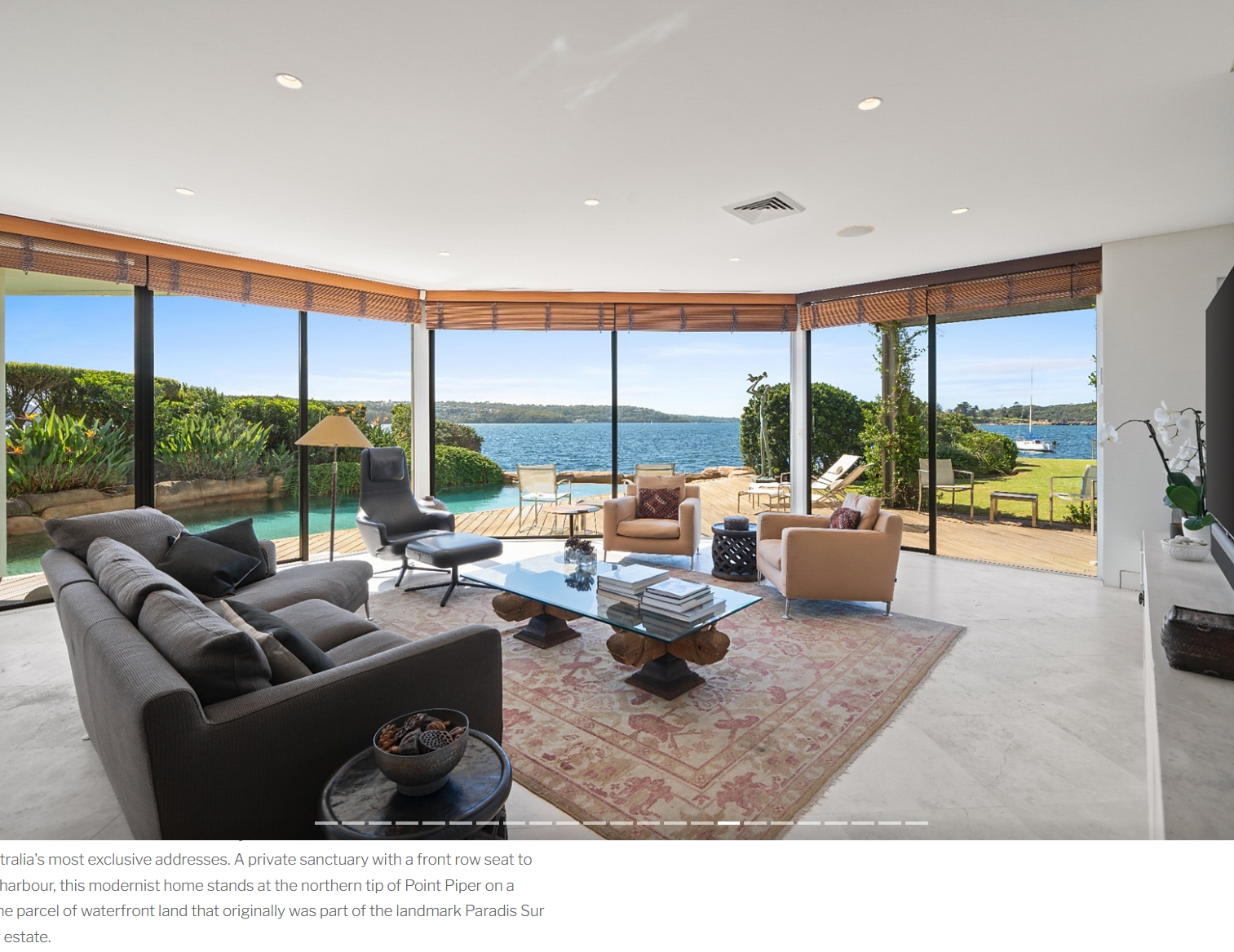
Inside, generous proportions make the home equally suited to private family life and large-scale entertaining. The formal dining area can accommodate up to 14 guests, while a Gaggenau-appointed kitchen incorporates an island, walk-in pantry and casual breakfast area opening to the poolside deck.
A fireplace anchors the principal living space, complemented by high ceilings, travertine floors and expansive glazing that keeps the harbour present throughout the home.
A private sanctuary on every level
The main bedroom is accompanied by two walk-in wardrobes, a sitting area and an ensuite featuring a spa bath, separate shower and twin basins. Three further bedrooms each have an ensuite, while a gym with its own kitchenette, built-in storage and bathroom can serve as a fifth bedroom or private guest retreat.
Additional spaces include a fitted home office, an upper-level family area, sauna, two powder rooms and a substantial laundry. A lift connects all three levels, and the central staircase sits beneath an atrium-style glass roof fitted with an electric retractable blind.
Ducted and zoned air-conditioning, extensive storage and a security alarm add everyday practicality. Internal access leads to an oversized secure double garage, with additional driveway parking.
Set in an elite cul-de-sac on one of Australia’s most prestigious waterfront streets, “Radford” is close to Lady Martins Beach, Prince Edward Yacht Club, the Royal Motor Yacht Club, Rose Bay’s marinas and leading schools. Double Bay’s restaurants, boutiques and village amenities are only minutes away.
It is an exceptional harbourfront residence in its own right—but its connection to the record-breaking Paradis Sur Mer estate gives it a place within the wider story of Sydney real estate.
Property details
Address: Wolseley Road, Point Piper, NSW
Bedrooms: Five, including a flexible gym or guest suite
Bathrooms: Five, plus two powder rooms
Parking: Oversized double garage and additional driveway space
Key features: Northerly aspect, panoramic harbour views, private jetty, swimming pool, level waterfront lawn, lift, sauna, home office and Gaggenau kitchen
Architect: Victor Berk
Agents: Michael Pallier, Sydney Sotheby’s & Brad Pillinger, Pillinger

Sydney Children’s Hospitals Foundation CEO Kristina Keneally says Australia’s culture of large-scale philanthropy is becoming more sophisticated as Gold Dinner raises $75.5 million for children’s health, research and innovation.
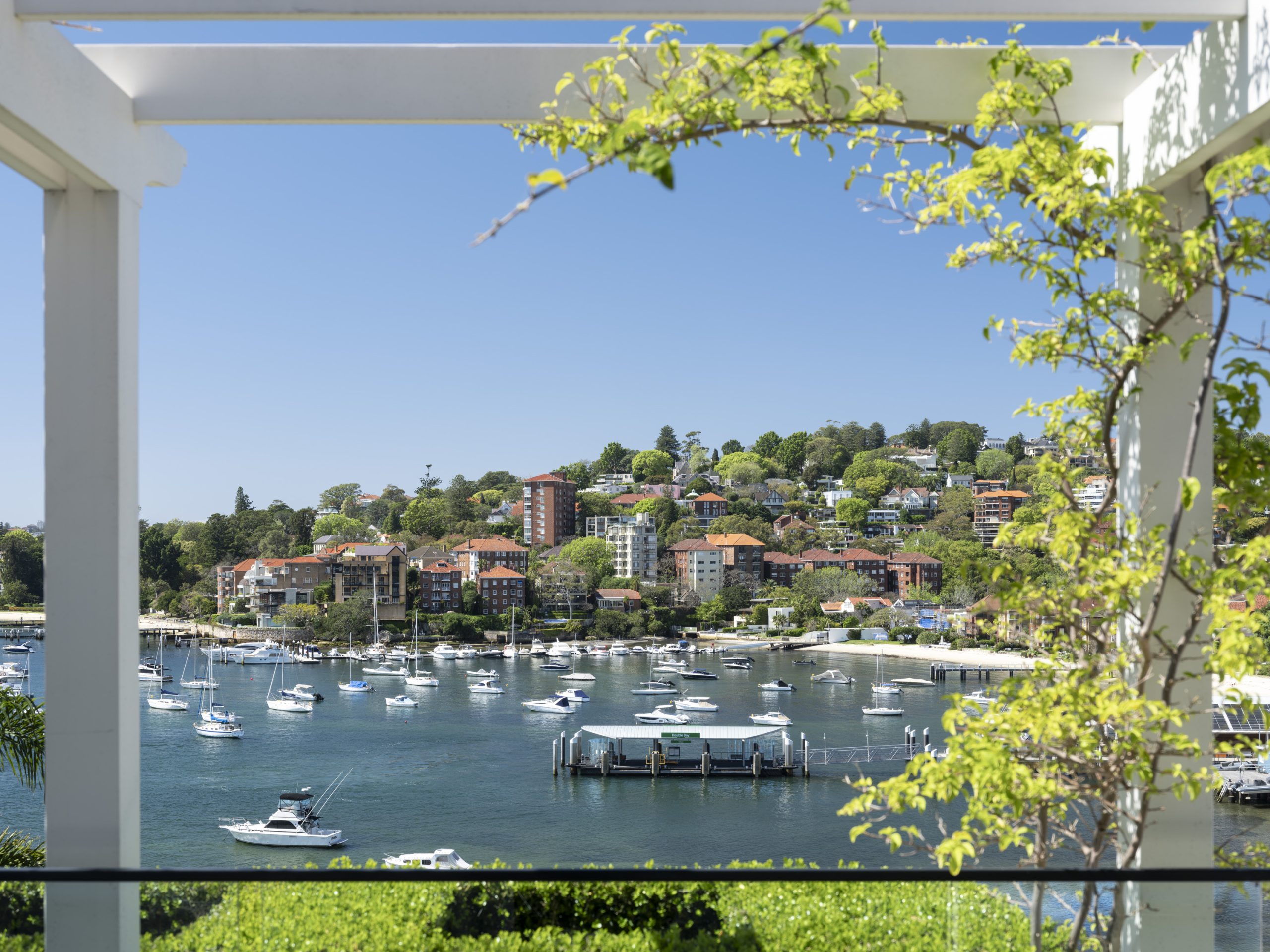
The grand harbourside residence combines sweeping Sydney Heads views, resort-style entertaining and refined designer finishes with a reported $36 million price guide.