LESS SHOW, MORE SOUL: MOSAIC’S BROOK MONAHAN ON AUSTRALIAN LUXURY
Queensland’s prestige property market is maturing fast. Here, Mosaic Property Group founder Brook Monahan explains why true luxury in 2025 is all about substance, not flash.
 7 min
7 min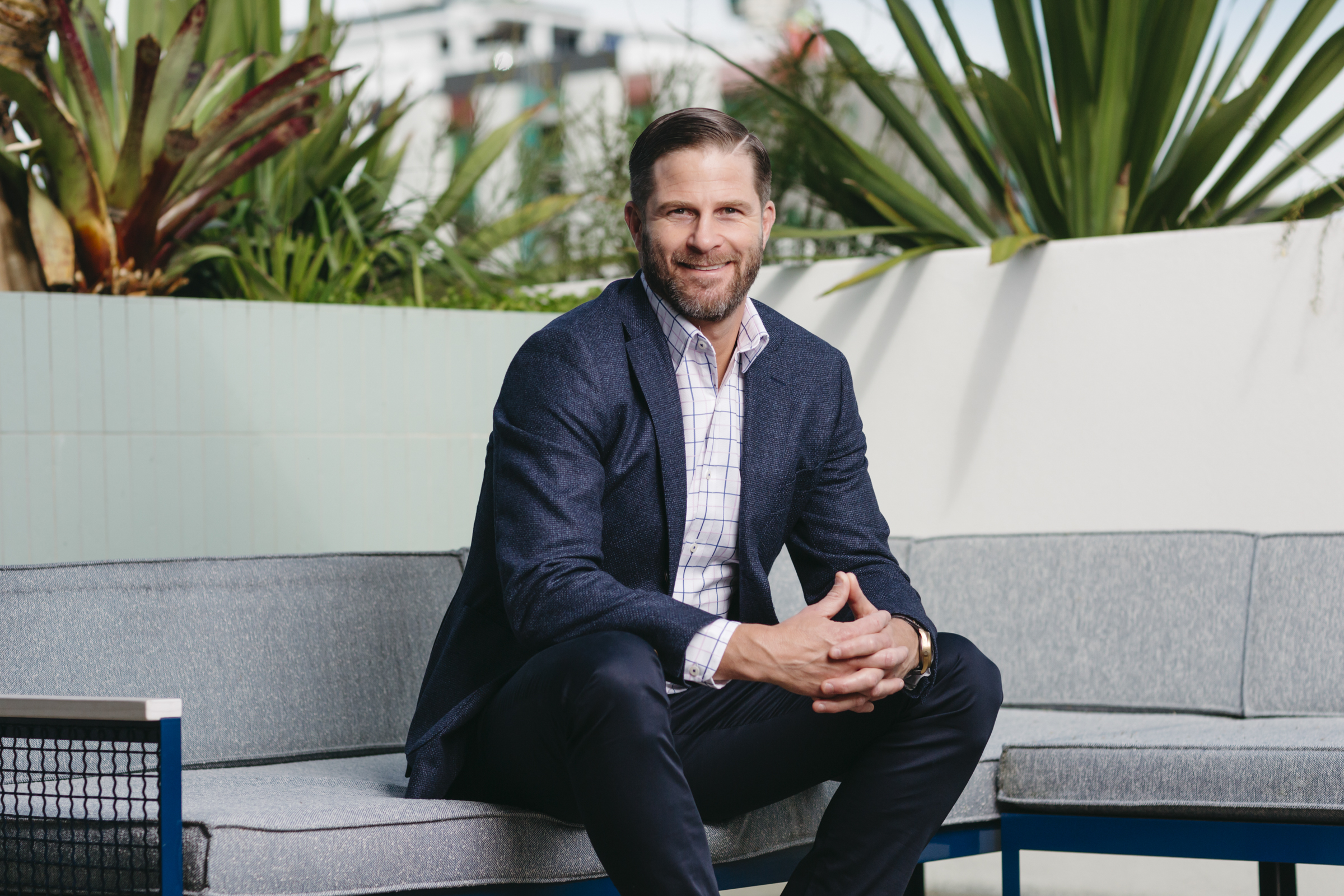
Australia’s top-end property scene has shifted gear. Gone are the days when luxury meant marble overload and imported everything. The new elite buyer is hunting something quieter; homes that feel grounded, crafted and enduring.
Few understand that evolution better than Brook Monahan, Founder and Managing Director of Mosaic Property Group, whose projects span the Gold Coast, Brisbane and the Sunshine Coast.
Monahan says resilience in Queensland’s prestige market comes from authenticity: design integrity, lifestyle appeal and a deep sense of place.
Here, he shares his insights on the state’s most resilient luxury markets, the evolution of Australian design, and the quiet details that separate good from great.
Q: In Queensland, prime buyer demand has shifted between beach, river and the inner-city. Where is the most resilient pocket for top-end stock, and why?
Resilience comes from substance — locations where natural beauty, amenity and scarcity combine with established demand from owner-occupiers. In Queensland, that strength is most evident across the beachfront Gold Coast, Brisbane’s inner riverside suburbs and on the Sunshine Coast its river and oceanfront corridors.
On the Gold Coast, the beachfront market has matured. There’s an extraordinary depth of demand for homes that can’t be replicated; true beachfront positions with scale, architectural integrity, and enduring appeal. Scarcity of developable beachfront land means that a premium product, well-executed, holds its value through every cycle.
In Brisbane, the river and city-view corridors continue to outperform. These are tightly held, highly liveable suburbs that balance connection and calm: walkable to local amenity and major precincts, yet private and residential in feel. Infrastructure investment and the city’s ongoing evolution ahead of 2032 are only strengthening that desirability.
The Sunshine Coast has also matured into a sophisticated prestige market, particularly along the Maroochydore River, Cotton Tree and oceanfront corridor.
The mix of natural beauty, limited developable waterfront land, and the emergence of a vibrant new CBD has created genuine long-term demand. Buyers are drawn to its balance of connection and calm; the ability to live on the water’s edge with access to strong local amenity and year-round liveability.
Ultimately, these are end-user-driven markets, not speculative ones. They attract people buying for lifestyle, and that’s what underpins long-term stability and growth.
Q: Define Australian luxury in 2025. How does that identity show up in Mosaic’s latest projects?
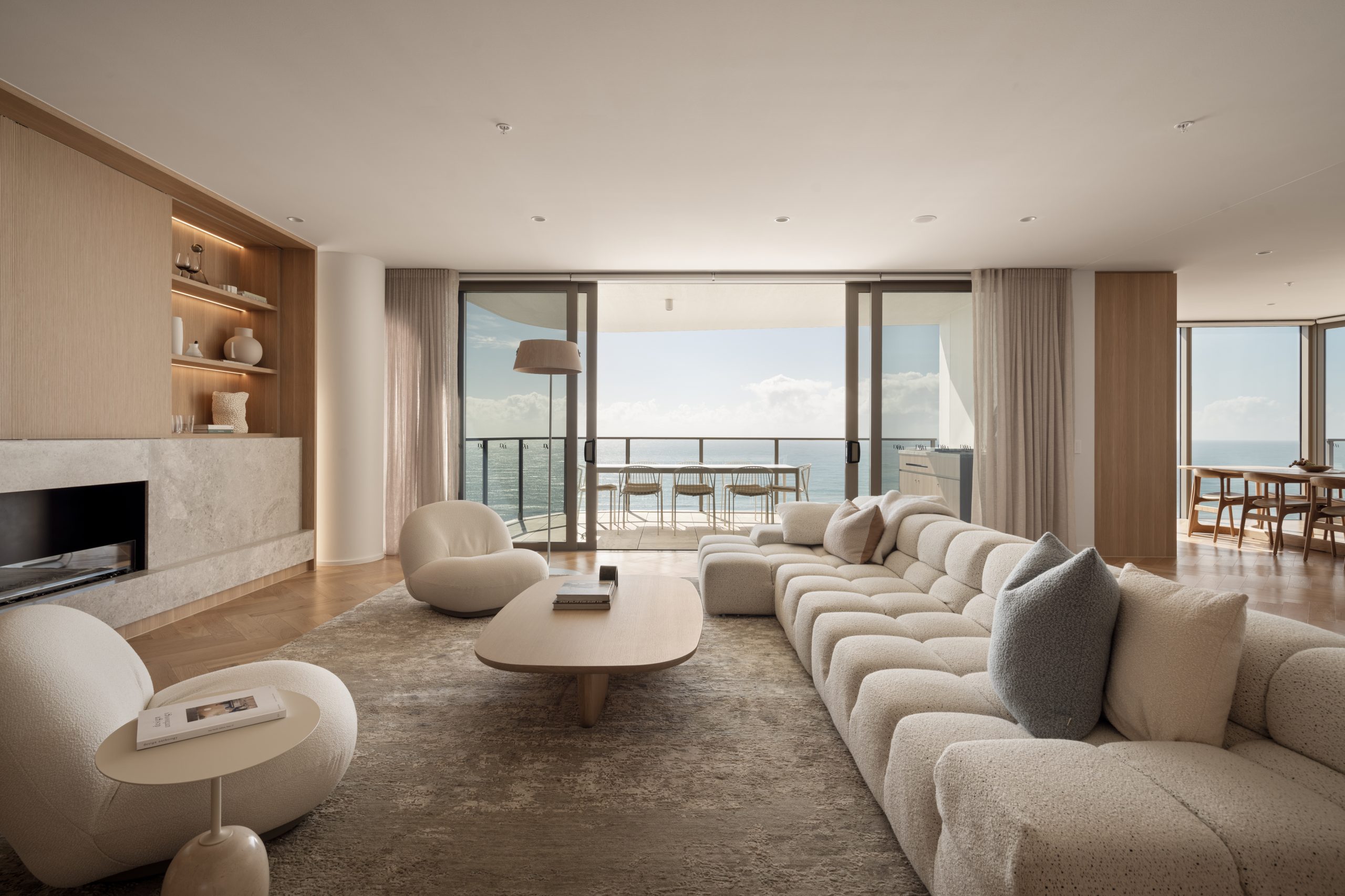
Australian luxury has matured. It’s less about statement and more about detail and quality, a quiet confidence built on space, natural light, clever design, craftsmanship, and connection to place. The new benchmark isn’t excess; it’s effortlessness. It’s how a home makes you feel every day – calm, confident, comfortable, and intuitively functional.
True luxury in Australia is deeply contextual. Our climate, our landscape, and our way of life demand homes that breathe, that blur the boundary between indoors and outdoors, and that are as enduring as they are beautiful. It’s architecture that sits lightly in its environment but delivers a richness of experience through proportion, materiality, and detail.
At Mosaic, that philosophy defines everything we do. Our approach to design is grounded in longevity, homes crafted for permanence, not fashion or social media likes.
Because we design, build and manage our buildings end-to-end, we see how they perform over time, and that accountability sharpens our focus on what genuinely matters: enduring materials, intelligent layouts, acoustic privacy, and a sense of calm that comes from considered design.
You see that in every Mosaic address, = luxury residences that feel inherently Australian, refined yet relaxed, built for real living and for the long term. That’s the future of Australian luxury: less show, more soul.
Q: What quiet inclusions deliver the biggest lift in comfort, privacy and resale?
The features that have the greatest impact aren’t always the ones people notice first;they’re the ones you feel. Acoustic performance, for example, makes an enormous difference to day-to-day comfort. The ability to live in peace, to hear nothing but what you choose, is one of the greatest luxuries there is.
Proportion and planning are just as powerful. Well-considered layouts that separate living and sleeping zones, generous storage, and logical flow elevate liveability in a way that’s immediately intuitive. When a home simply “works”, buyers sense it.
Then there’s climate control through passive design, orientation, advanced glazing systems, and cross-ventilation that make a space comfortable year-round without overreliance on mechanical systems. It’s a smarter, more sustainable form of comfort that Australians instinctively value.
These are the quiet qualities that underpin both enjoyment and long-term value. They’re not about embellishment; they’re about thoughtfulness. A well-designed home ages gracefully and that’s what ultimately protects resale.
Q: Materials are having a truth moment. Which finishes or systems have proven their worth over ten years of Queensland sun and salt?
You can’t outlast Queensland’s climate without respect for it. The combination of heat, humidity and salt is unforgiving. It exposes every weakness in design and material choice. Over time, we’ve learned that honest, well-detailed materials always win.
We continue to rely on solid masonry construction, high-performance glazing systems, and powder-coated aluminium for their resilience and low maintenance. Natural stone, when correctly specified and detailed, weathers beautifully.
But the real difference isn’t the material itself, it’s the way it’s resolved. Longevity lives in the detailing: fixings, joints, drainage and protection from the elements.
Because we design, build and then manage our projects for up to 25 years post completion, we see how every decision performs over time.
The customer feedback loop has also shaped a culture of accountability and refinement. We’re constantly learning from what we’ve delivered. Ten years on, the buildings that still look and function as they did on day one are the ones that were designed with restraint, built with care, and finished with authenticity.
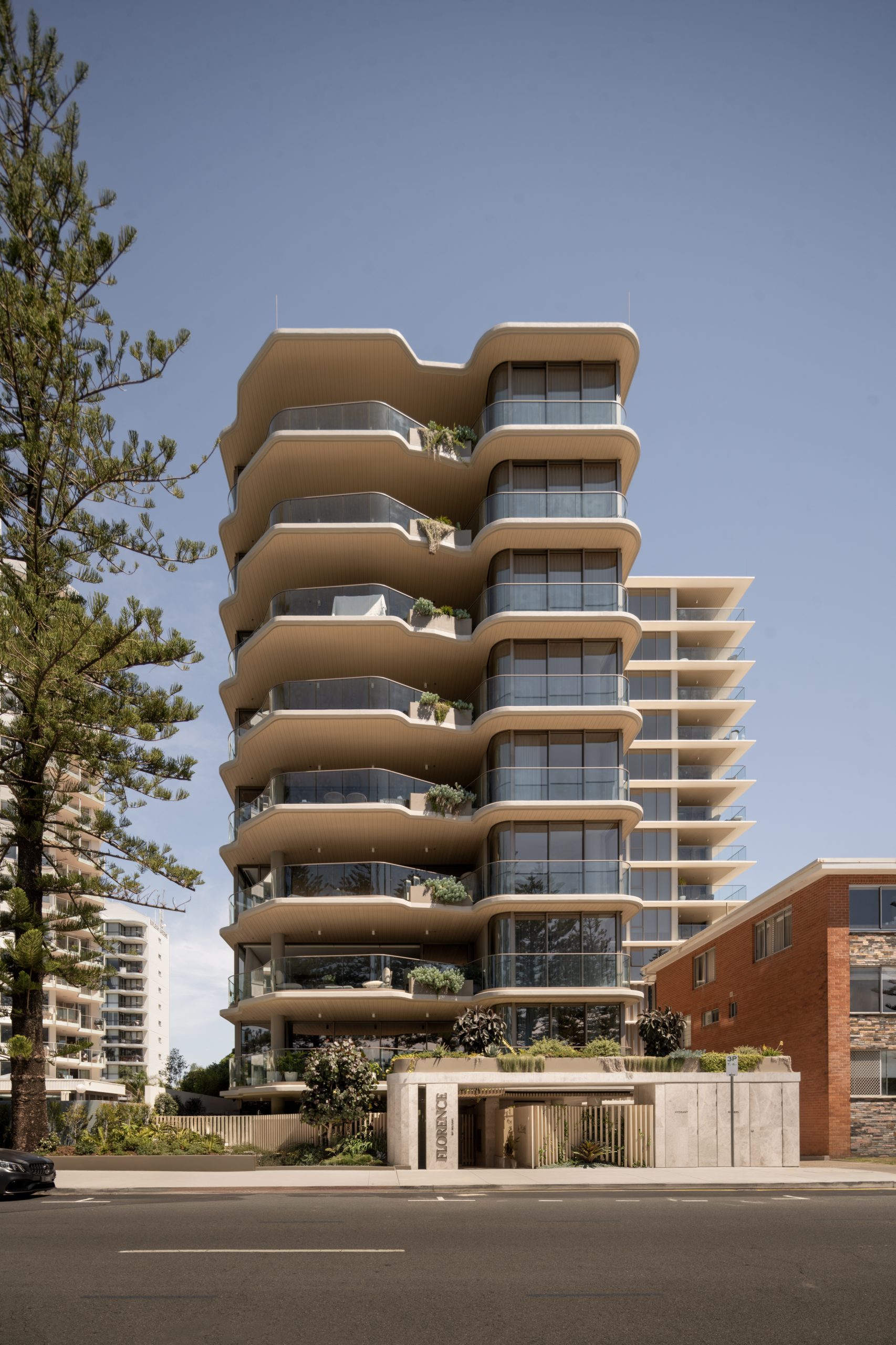
Q: What do you think will be the impact of Brisbane 2032 on the property market?
The 2032 Games will be a defining moment for Brisbane, not just economically, but culturally. It will fast-track infrastructure, elevate global awareness, and build confidence in the city’s long-term potential. But its real legacy won’t be about short-term growth; it will be about maturity.
Brisbane is already evolving from a big country town into a genuinely international city. The Olympics will accelerate that transformation, attracting talent, capital, and global attention, but the lasting benefit will come from the way the city learns to carry itself.
We’ll see more design excellence, stronger placemaking, and a shift toward higher expectations in quality and delivery.
For developers like Mosaic, that’s an exciting challenge. It raises the bar, which is exactly what the city needs. But resilience won’t come from hype; it will come from substance – well-located, enduring homes that respond to Brisbane’s climate, character, and way of life.
That’s where we’re focused: delivering projects that will stand the test of time long after 2032.
Q: What is the strongest source of buyer demand you expect over the next two years, and how are you designing apartments to match it?
The strongest demand continues to come from downsizers and rightsizers, people at a stage in life where quality, comfort and connection matter most. They’re looking to simplify without compromise; to exchange maintenance for mastery, a home that offers the same sense of space, privacy and permanence they’ve always valued, but in a location that genuinely enhances daily life.
For this buyer, location is everything. They want to stay close to the places and communities they love, the beach, the river, the village, but in a home that delivers ease rather than upkeep.
Walkability, outlook and proximity to amenity have become defining qualities of luxury. The most sought-after sites are those with inherent, lasting value, places that can’t simply be replicated elsewhere.
We’re also seeing continued growth from professionals and families who now view apartment living as a permanent choice rather than a stepping stone.
They expect the design sophistication and amenity of a freestanding home, paired with the connection, convenience and security of well-considered, professionally managed communities.
We invest heavily in research and customer feedback to deeply understand how people live and what they value most. Insights from that process shape everything, from apartment functionality and material selection to communal amenity and building management.
It’s a constant learning loop that ensures the homes we create consistently meet the market and evolve with changing buyer expectations.
That understanding directly informs our design philosophy. Many of our residences now occupy full or half floor apartments, offering the scale and privacy of a traditional home within a secure, low-maintenance building.
Layouts are generous and highly functional, with direct lift access, thoughtful zoning between living and sleeping areas, refined acoustics and abundant storage. The goal is simple: create apartments that live comfortably, privately and intuitively.
Curated resident amenities extend that sense of comfort and belonging beyond the front door, from pools, wellness spaces and landscaped retreats to private dining areas and lounge zones that encourage genuine connection while preserving privacy.
These spaces are designed as an extension of home, reflecting the same level of care and craftsmanship that defines the residences themselves.
The homes that continue to perform, both in liveability and value. are those conceived with longevity in mind: defined by place, designed for real living, and crafted to stand the test of time.
Genuine demand always centres on where and how people truly want to live.
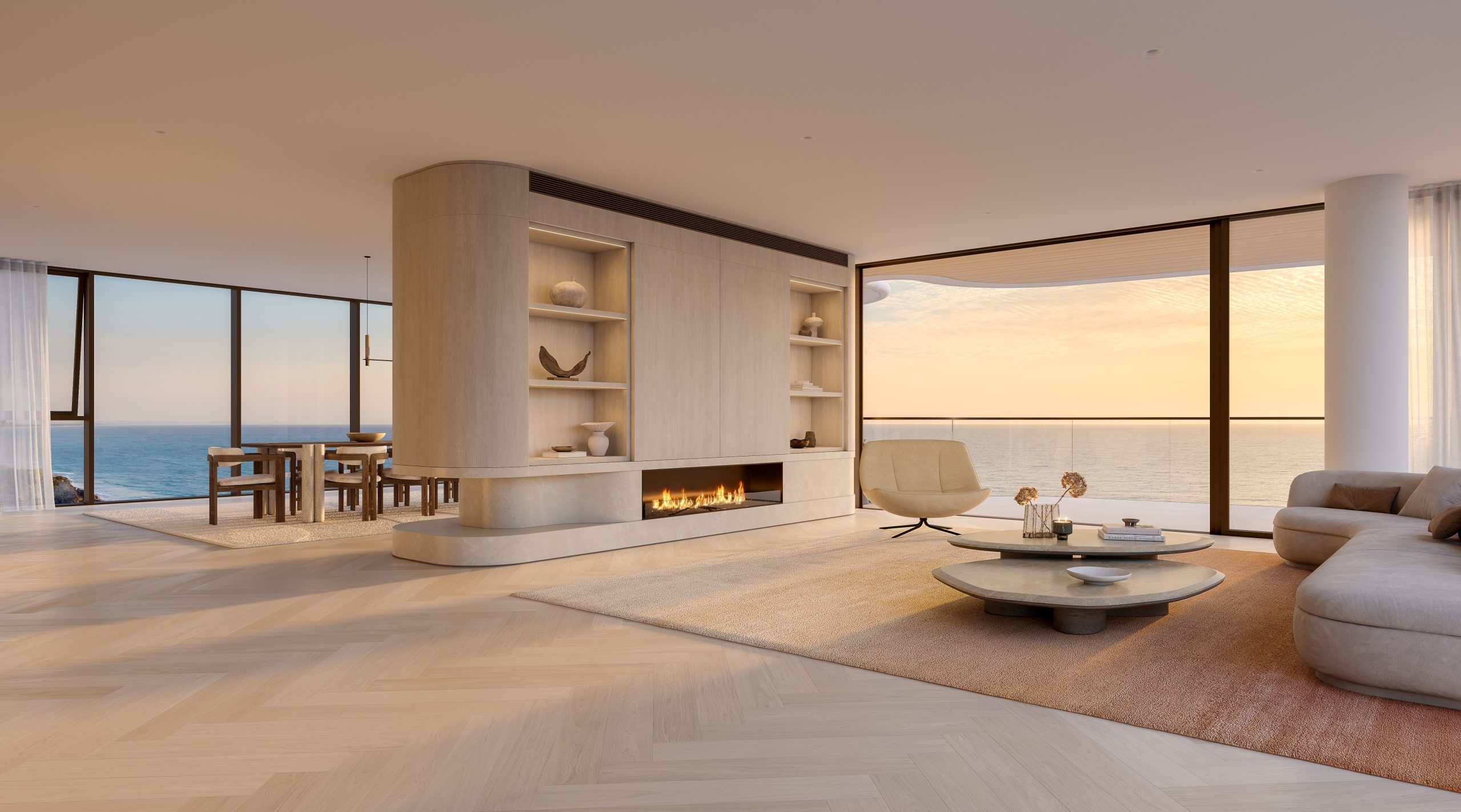
Q: What is one piece of advice you can give high-net-worth buyers?
Buy quality, and buy from people who stand behind what they deliver. In today’s market, trust, track record and delivery are everything.
We’ve seen too many projects falter because promises weren’t matched by execution or capability. A developer’s record of delivery, their depth of involvement, and their willingness to remain accountable beyond settlement are the clearest indicators of genuine value.
Quality isn’t about surface impressions, it’s about integrity. The way a building is conceived, constructed, detailed and maintained determines how it performs over time.
Too often, decisions are made on aesthetics or views, but true confidence comes from how a home lives: how it feels every day and how it continues to function years down the track. A well-built home should age gracefully, not visibly.
We’re unique in that we’re not just the developer, we’re also the co-designer and builder. That direct control from concept to completion safeguards quality at every stage and ensures what’s promised is what’s delivered.
Over the years, we’ve built deep trust in our brand because we’ve delivered every project we’ve ever committed to, through every cycle, without exception.
People know that we remain involved long after completion, and that level of accountability gives them confidence their investment will stand the test of time.
For buyers, the smartest decision is to align with a developer that designs and builds for longevity and legacy, not for turnover. When values and intentions align, you’re not just buying a property, you’re investing in confidence, continuity and something that will hold its worth in every sense of the word.
This interview appeared in the summer 2025 issue of Kanebridge Quarterly Magazine, which you can buy here.
For Central Element, the start of work at Pearl represents another step in the company’s growing eastern suburbs pipeline.

All three vehicles will form part of a broader charitable initiative benefiting Big Brothers Big Sisters of America, the American Red Cross and Starlight Children’s Foundation
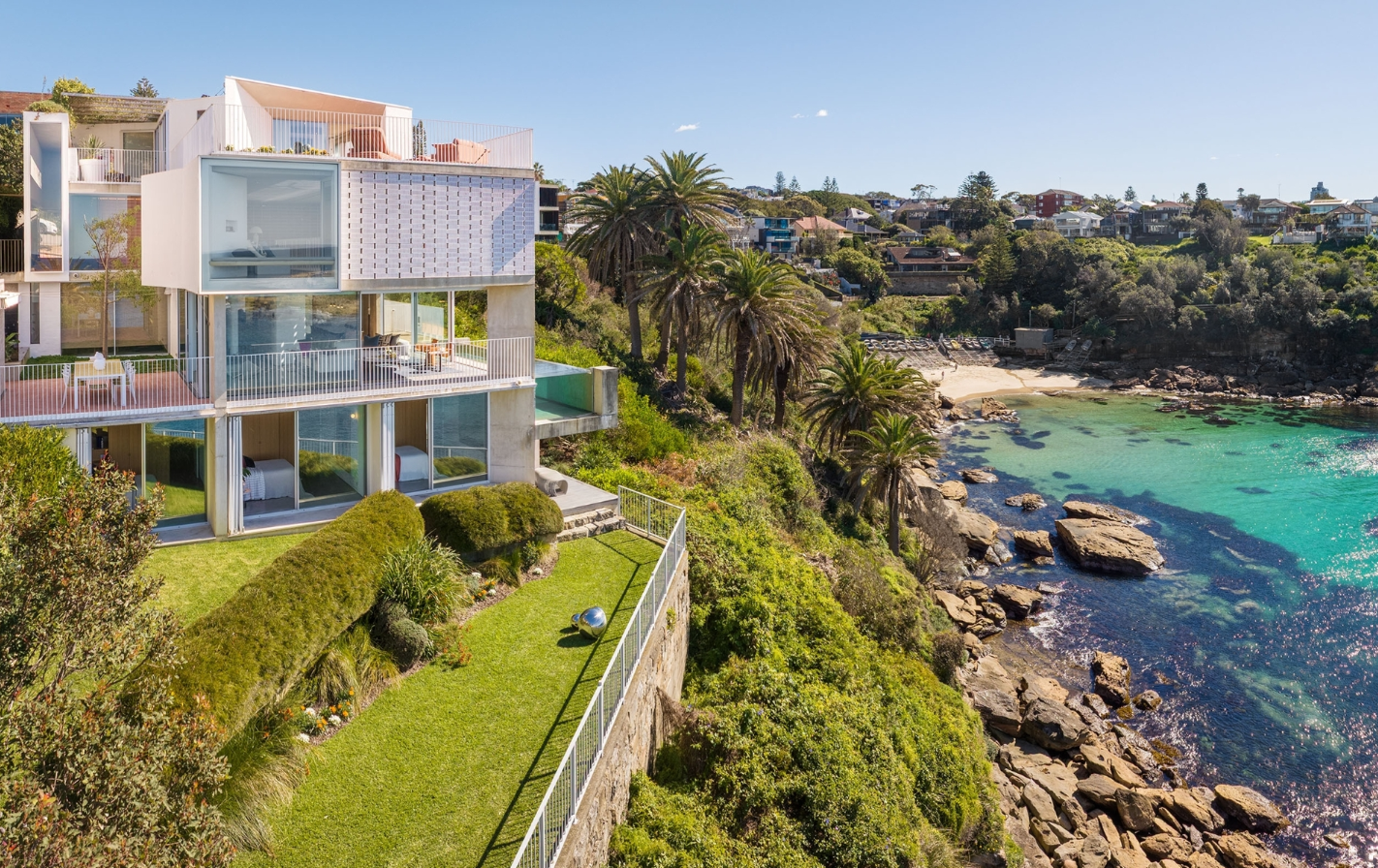
Jack Freeman believes the most compelling interiors are not decorated, but collected. The FREEMAN & CO founder creates layered, personal spaces shaped by art, travel and craftsmanship.
4 min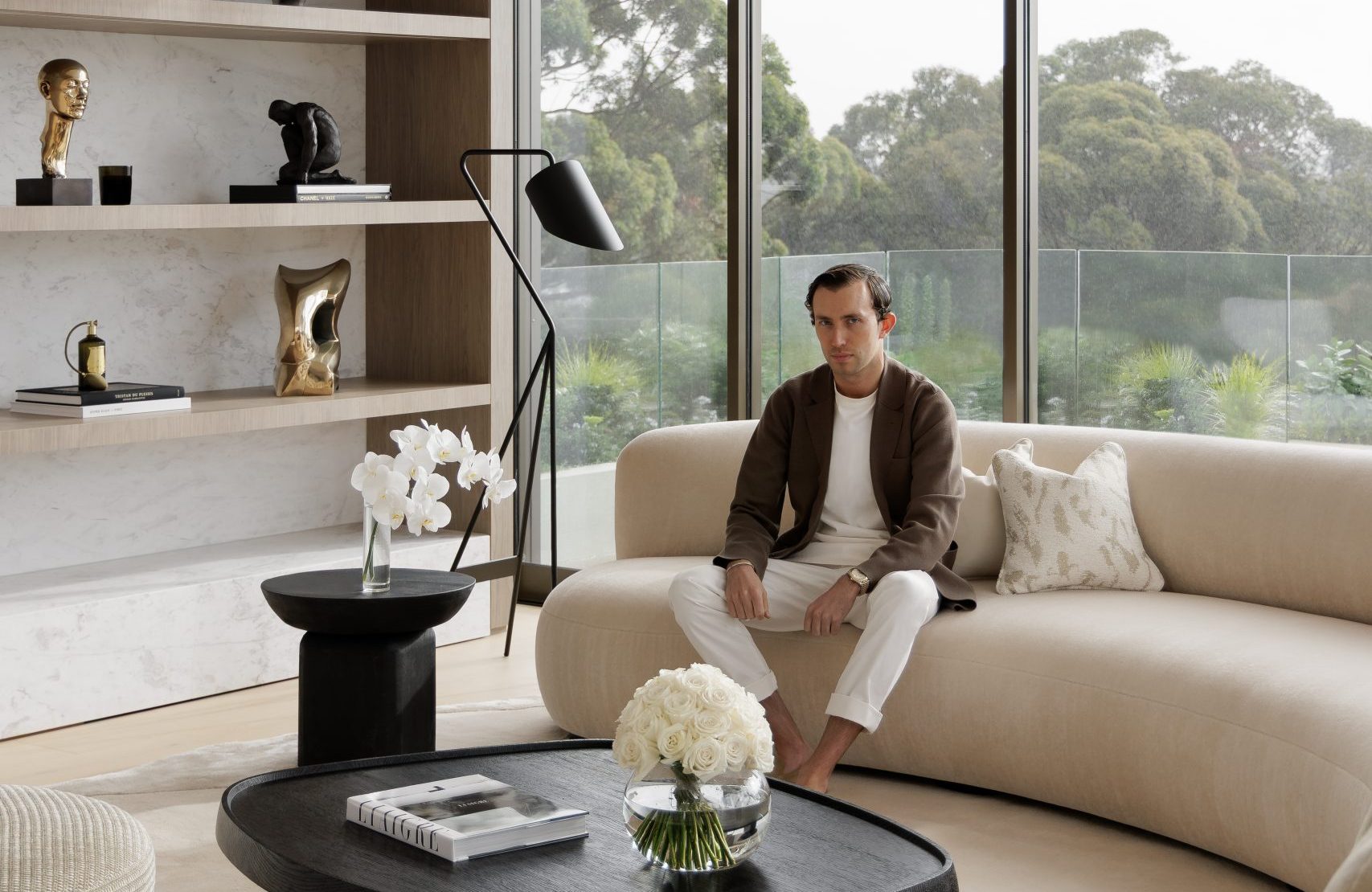
For Jack Freeman, a compelling interior should not look as though it was completed in a single shopping trip.
The founder and designer behind FREEMAN & CO prefers rooms that develop through art, travel, commissioned furniture and objects collected over time. It is an approach that treats the home less as a decorative project and more as an evolving portrait of its owner.
“I am a true believer in collecting versus decorating,” Freeman says.
That distinction underpins the international practice he has built across private residences, hotels, property developments, yachts and private aviation. Its projects stretch from Point Piper, Vaucluse, Circular Quay and Toorak to Mayfair, Bel Air and the Caribbean.
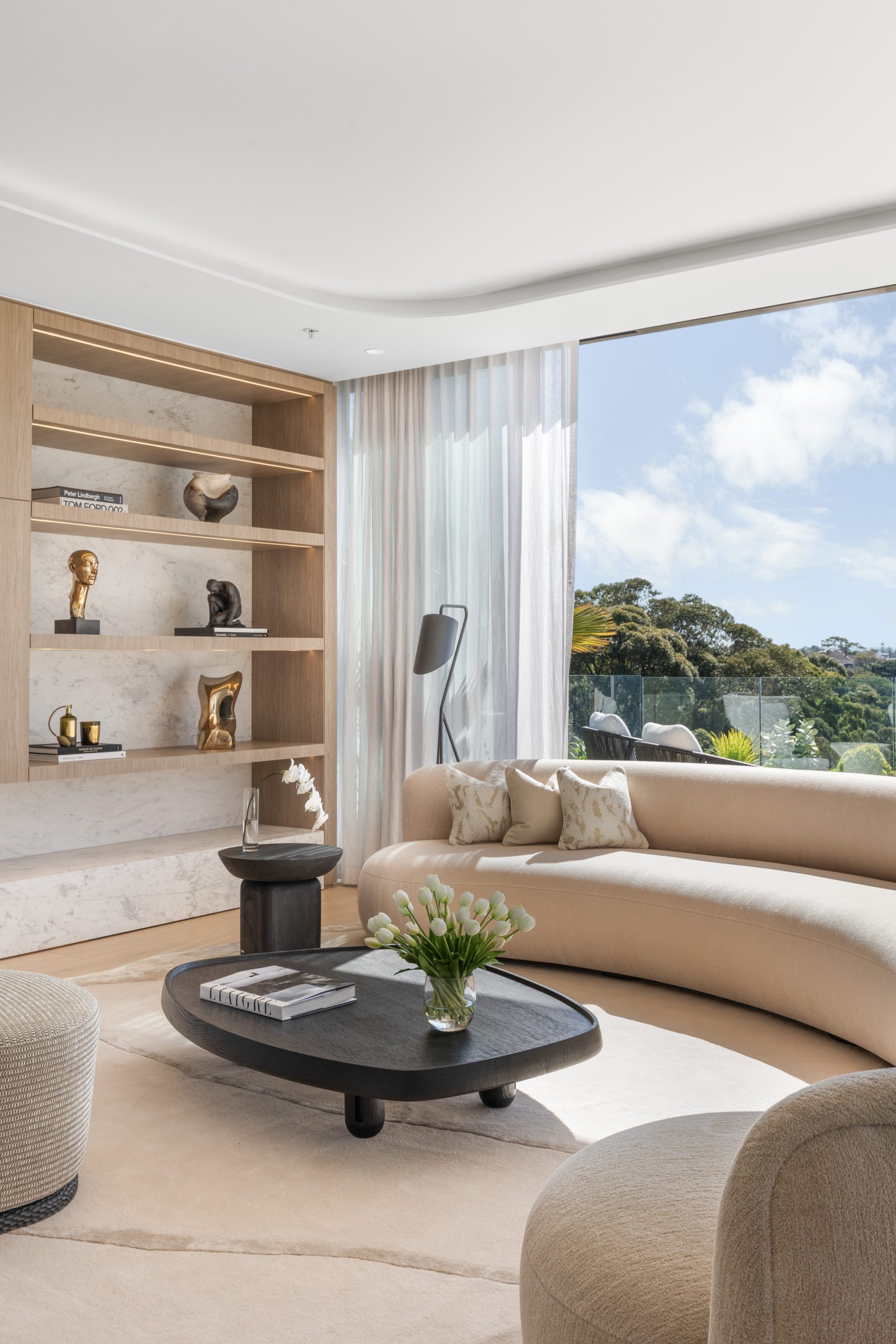
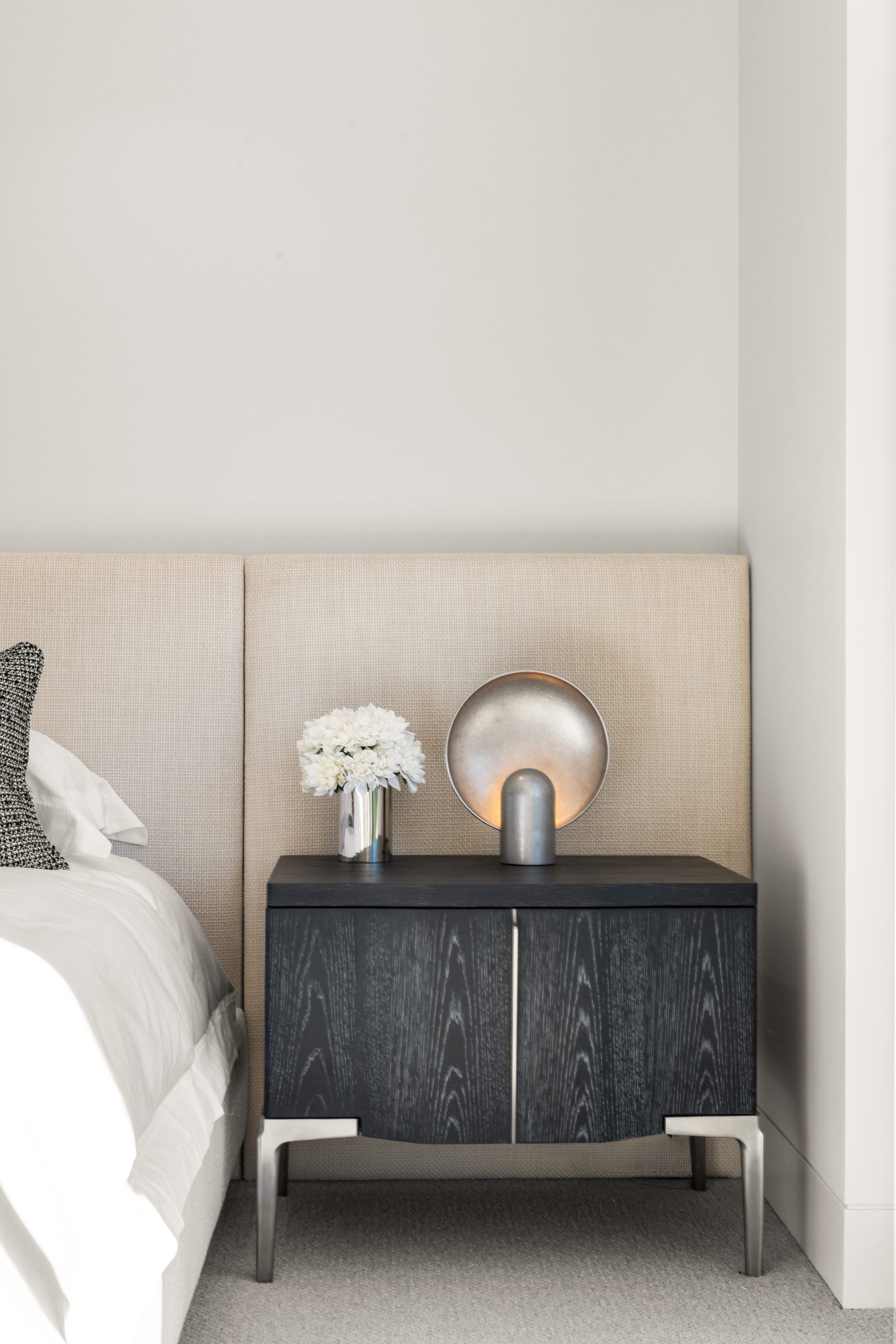
Although the locations and architecture vary considerably, the work is connected by a restrained design language. Natural stone, warm timbers and sculptural furniture establish the foundation, while art, bespoke lighting and individual objects give each interior its identity.
The objective is not to overwhelm a room with obvious symbols of expense. It is to create an environment that feels calm, layered and particular to the people living within it.
“The greatest luxury isn’t about excess,” Freeman says. “It’s about creating an oasis where you come home and feel immediately grounded — effortlessly chic and deeply personal.”
Collecting instead of decorating
Decorating can imply the completion of a room: selecting the required furniture, filling the available walls and producing a coherent finished image.
Collecting is less conclusive.
A collected interior has room to change as its owners travel, discover artists, inherit pieces or reassess how they use their home. Its character comes from the relationship between objects rather than adherence to a single brand or season.
That does not mean placing unrelated pieces together without discipline. The designer must understand scale, proportion, material and provenance well enough to create a dialogue between them.
A contemporary artwork might sit beside a historic piece of furniture. A precisely detailed new interior may be interrupted by an irregular object made by hand. Smooth stone can be balanced by timber, textiles or a patinated metal surface that becomes richer with age.
The tension between those elements is part of the appeal.
For Freeman, art is not an accessory to be added once the furniture plan is complete. It forms part of the architecture and atmosphere of the room from the beginning.
Lighting is considered in the same way. Beyond its practical purpose, a bespoke fitting can operate as a suspended sculpture, changing both the room’s composition and the way its materials are experienced after dark.
A design perspective shaped by travel
International travel plays a significant role in Freeman’s creative process.
Design fairs such as PAD Paris and Salone del Mobile in Milan provide opportunities to encounter emerging designers, established galleries, new materials and collectible furniture away from the filter of social media.
More spontaneous discoveries can prove equally important.
“Sometimes it’s the simple things,” Freeman says. “That piece found on a shopping trip with a client in Paris, stumbling across an artisan’s workshop, or a special memory that forms the narrative of the story.”
Objects selected during travel bring more than visual interest into a home. They carry an association with a place, maker or experience, giving the client a connection that cannot be reproduced by ordering an entire interior from a catalogue.
Freeman’s influences are international, but his projects are not conceived as replicas of Parisian, Milanese or Californian style. Each commission responds to its architecture, setting, natural light and the daily lives of its occupants.
A waterfront Sydney residence demands a different treatment from a Mayfair townhouse. A Caribbean estate shaped by brutalist architecture and reflecting pools calls for another response again.
The designer’s role is to absorb those references without allowing them to overwhelm the individual qualities of the property.
Designing the complete experience
FREEMAN & CO extends beyond conventional interior decoration.
The practice’s stated services include interior design and architecture, project management, property acquisition, development advice, concept design, documentation, furniture and lighting design, procurement and art curation.
That breadth allows the team to become involved before a room’s dimensions and finishes are fixed.
Early participation can be important at the top end of the residential market, where architecture, landscape, interiors, technology and art must operate as one environment. Decisions about ceiling heights, wall dimensions, sightlines and lighting can directly affect where art is installed or how custom furniture is proportioned.
The practice can then carry those decisions through to procurement and final installation, maintaining the design narrative as a project moves between architects, builders, specialist craftspeople, dealers and suppliers.
Its residential portfolio includes a South Coast retreat conceived as an escape from urban life, a Caribbean estate with reflecting pools, an East Coast-inspired Palm Beach residence and a Mayfair townhouse organised around an expressive drawing room.
The studio also says it has worked on highly tailored Sydney residences with values exceeding $100 million, although the private nature of such commissions means individual addresses and clients are not always disclosed.
A home that can keep changing
The risk in creating a perfectly resolved interior is that it can become too static — a composition that looks exceptional in photographs but leaves little room for life.
Freeman sees the home as something that should evolve with its owners.
“I love the evolution of design,” he says. “We are talking about people’s lives, and as they evolve, so too should their private sanctuaries.”
That evolution might involve adding art, reupholstering a significant piece, adapting rooms as a family changes or making space for objects gathered through future travels.
The original design needs to be strong enough to accommodate those layers.
This may be the clearest expression of Freeman’s approach to luxury. It is not simply access to rare stone, collectible furniture or commissioned craftsmanship. It is the creation of a personal environment whose meaning deepens rather than diminishes with time.
Fact box
- Designer: Jack Freeman
- Role: Founder and managing director
- Practice: FREEMAN & CO
- Base: Australia, with international projects
- Project locations named by the practice: Point Piper, Vaucluse, Circular Quay, Toorak, Palm Beach, the NSW South Coast, Mayfair, Bel Air and the Caribbean
- Sectors: Private residences, hotels, residential developments, private aviation and superyachts
- Services: Interior design and architecture, property development, project management, property acquisition, documentation, furniture and lighting design, FF&E procurement, interior dressing and art curation
- Design philosophy: Collected, personal interiors shaped by art, craftsmanship, travel and enduring materials
- Website: free-man.co

Formula 1 may be the world’s most glamorous sport, but for Oscar Piastri, it’s also one of the most lucrative. At just 24, Australia’s highest-paid athlete is earning more than US$40 million a year.
International AI strategist Justin Kabbani will headline the Kanebridge Property Summit in Sydney on June 18, with tickets selling fast.