Singing the praises of Australia’s best known house
As the Sydney Opera House celebrates its 50th birthday today, we revisit the story behind the house that almost never was
 7 min
7 min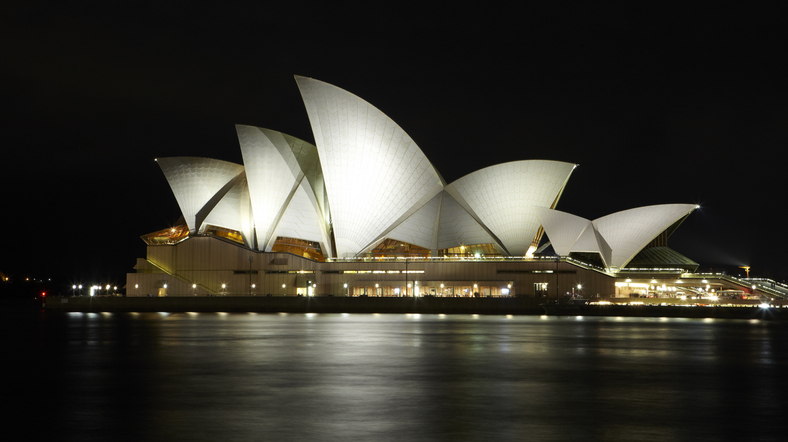
Y ou could argue we didn’t deserve the Sydney Opera House. In fact, some would say we still don’t.
Regularly referenced in Australian popular culture on everything from tea towels to Priscilla: Queen of the Desert, it’s easy to gloss over that the design for this iconic building on a narrow peninsula in Sydney Harbour came from a vision literally half a world away.
For architecture aficionados, it’s a work of unparalleled excellence. For Australians, it’s as synonymous with our identity as Uluru, kangaroos and Bondi Beach.
This year marks the 50th anniversary since the World Heritage-listed building was opened on October 20 1973, amid budget blowouts, design changes and disputes among politicians, engineers and designers that eventually lead Danish architect, and visionary Jørn Utzon to resign, vowing never to return.
For more stories like this, subscribe to Kanebridge Quarterly magazine here.
Now considered Utzon’s greatest work, the site went through a 10-year building program at a cost of almost $300 million, including the renewal of the Concert Hall by ARM Architects, which reopened last year. It is designed to ensure it maintains its position as an architectural masterpiece, as well as being a fitting venue for world-class performing arts experiences.
But it almost wasn’t so.
Conceived on the other side of the world
When the NSW Government under Labor Premier Joseph Cahill announced a design competition in 1956 for a new opera house on Bennelong Point, there were more than 200 entries from local and international architects. Among them was a simple but radical design with curved ‘shells’ by an unknown Danish architect that had already been rejected by the judging panel as impossible to build.
Current heritage architect at the Sydney Opera House, Alan Croker, says it was the renown American-Finnish architect Eero Saarinen, who was on the judging panel, who suggested the design be reconsidered.
“Saarinen was late to the meeting and he pulled it out of the reject box,” says Croker. “He recognised that it was possible (to build) because of some of the work he was doing at JFK Airport in New York. But at that stage it was not physically possible to build a shell structure of that height.”
While Utzon had grown up literally half a world away in Denmark, his home town in Aalborg is known for its waterfront which cuts through the Jutland region. The son of a seaman, Utzon understood the notion of peninsulas as pieces of land that could be viewed and accessed from all sides. In an age where commercial air travel was still a novelty, he also recognised that any building in a prominent position like this would be regularly viewed from above.
“He understood the site from similar places in Denmark and Europe and from his knowledge of navigation charts, so he understood plans from below and above the water,” says Croker. “He looked to Kronborg Castle (in Helsingør) which is on a headland and he saw it as being a similar idea to this building which would be seen from all sides while still having a relationship to the land.”
As it turns out, the unknown architect from Denmark understood the potential of the Sydney Harbour site better than most, says heritage manager at the Sydney Opera House, Laura Matarese.
“There were commonalities in how he could read the design brief and the site, which is what made it so special,” she says. “Because of the way he grew up and his understanding of water and how it moves, he knew that what the site needed was inspiration from nature.”
A spiritual experience
Prior to submitting his design to the NSW Government, Utzon had travelled extensively, including trekking through New Mexico and Central America where he had been inspired by the temples of the Mayan and Aztec cultures.
Director of Exhibitions at the Utzon Center in Denmark, Line Nørskov Eriksen, who wrote her PhD on Utzon’s work, says the influence of those structures is evident in the design of the Sydney Opera House.
“He travelled to Aztec and Mayan archaeological sites and the Yucatan peninsula where these civilisations had created platforms in the jungle,” she says. “Utzon described moving up these platforms step by step and how, when you stand upon the platform, your world is transformed. You have this sense of being closer to heaven.
“It has this authentic quality of a temple. Even though the platform was built thousands of years ago, you have that same feeling.”
Coupled with the romance of the curved shells, the soaring ceilings and its connection to landscape, the opera house steps, where countless tourists have posed for photos and many more music lovers have enjoyed their favourite bands, were a deliberate decision to elevate the experience of seeing live performance from the everyday lives of visitors.
“The opera house is almost like a temple structure,” says Croker. “It has the ability to elevate the experience from a physical one to an emotional level, which was something that Utzon was trying to do — to create a disconnect with the ordinary world.”
The beauty of a
simple idea
There’s no question that building the opera house was extremely challenging. By the time it opened, the initial budget had blown out from $7 million to $102 million and timelines had stretched from a four-year completion target to the eventual 14 years it took to finish the building.
All this for a building Nørskov Eriksen describes as “a window into the beauty of a simple idea.”
John Weiley’s 1968 documentary Autopsy on a Dream, which examines the cultural, political and architectural forces at play during construction, suggests work began on the site before the question of building the revolutionary shells was resolved for political expediency. That is, that the project may have been cancelled with a change of government if work wasn’t already underway.
The knock-on effect, where, as narrator Bob Ellis puts it, ‘mistakes were made in concrete and steel rather than pencil and paper’ contributed to soaring costs. Public opinion varied from those who thought it was a waste of public money (it was being funded by a government lottery) and those who felt it was Sydney’s moment to launch itself on the world stage.
In this environment, Utzon and the engineering team were separately trying to solve the puzzle of creating structurally sound shells.
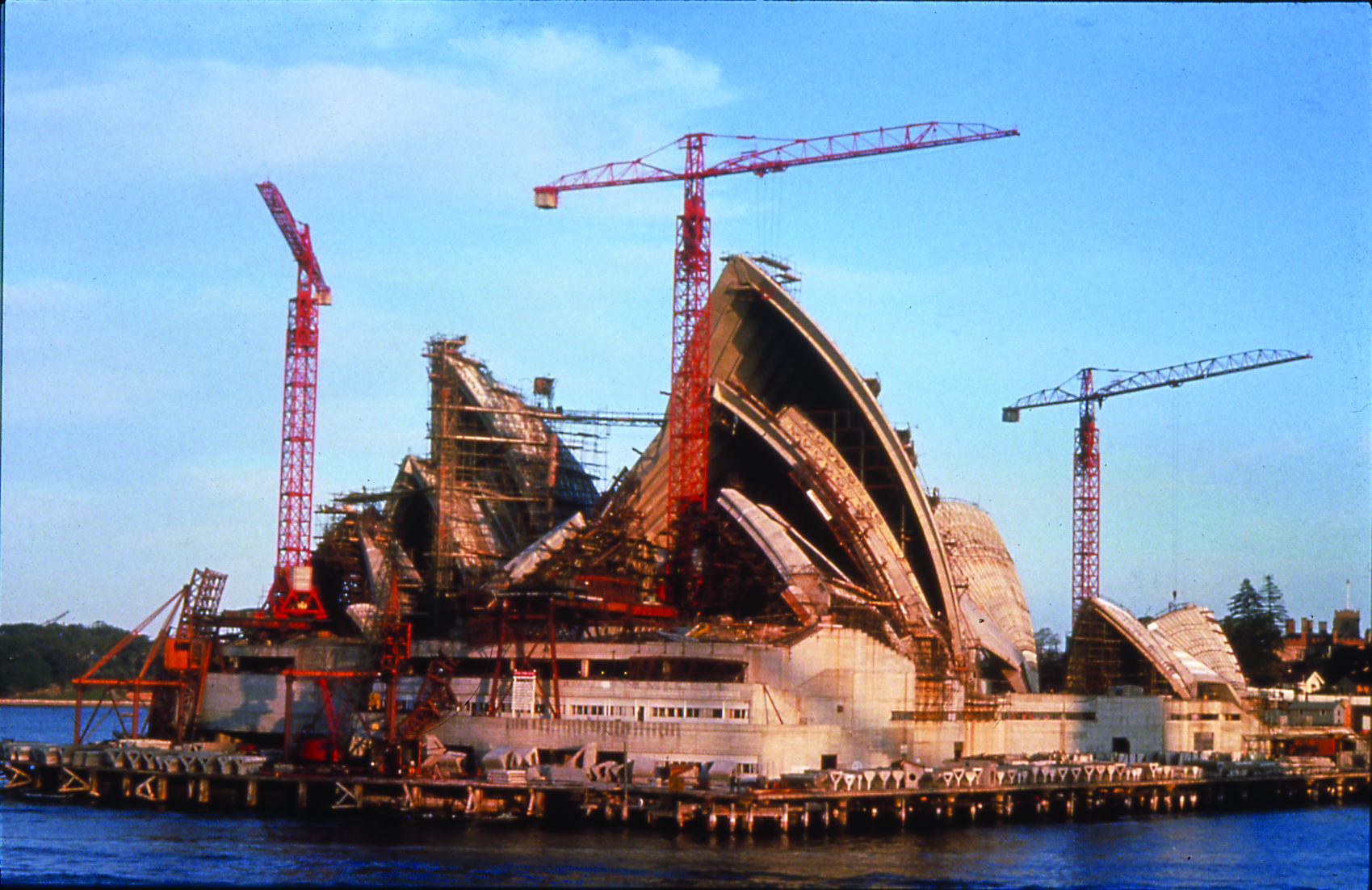
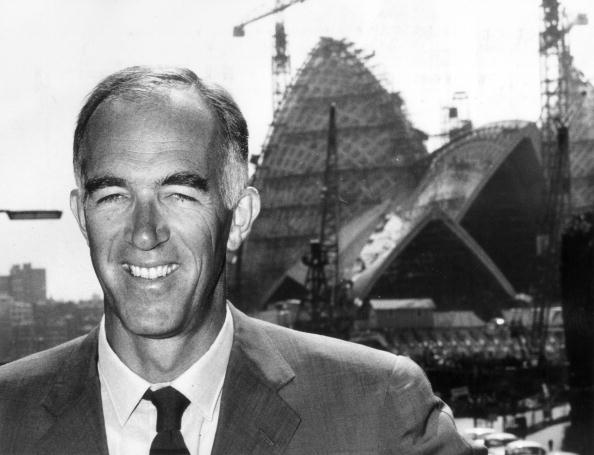
“They had to find a way to do a raised structure that would support the shell covering,” says Croker. “There was a long period of examining a lot of the geometrics to try to get a model that would work in an ordered manner. It was only when Utzon came up with the idea where he thought maybe they could be the same curvature.
“He tested it with a beach ball in the bath and then he went to his father’s workshop and worked it out. There was a lot of testing and then there was a bit of a Eureka moment from Utzon that solved it and that made prefabrication much easier.”
While there were claims that Utzon was difficult and uncompromising, Nørskov Eriksen says he was integral in drawing others into his vision for the building.
“When Utzon spoke about the idea sitting behind this drawing, he got the whole office involved in solving the construction of the building because it was so objectively beautiful,” she says.
Disputes over design changes and budgetary concerns eventually lead to Utzon leaving the project, and Australia, after nine years.
Protests followed and local architect Peter Hall was charged with completing the opera house, with many in the architectural fraternity considering the design compromised. Croker says Peter Hall’s contribution was significant.
“With my involvement, I came to understand the role that Peter Hall had in it,” he says. “He tried his utmost to complete Utzon’s vision — and he did it so beautifully in so many ways.”
Birthday celebrations
With upgrades to the Concert Hall and Joan Sutherland Theatre to improve acoustics, lighting and rehearsal options now complete, the stage is set for the Sydney Opera House to continue its position as Australia’s premier performing arts space for the next half century.
For Croker, who watched the building being constructed as a young architecture student and someone with a lifelong love of the performing arts, it’s more than just a focal point in the harbour.
“I have a passion for performing arts, and these things have a capacity to elevate you and think about higher ideas and bring complex issues to the world. The building did that for me.”
“It’s a wonderful building and it is a huge gift that has been given to us by Utzon and Peter Hall and (engineer Ove) Arup and we should look after it and enjoy it.”
The commitment to upgrades and maintenance have set the building up well to perform its many and varied roles for the next 50 years, says Matarese.
“It’s an incredibly hardworking building,” she says. “It’s a world heritage site but it’s also a living, breathing, functional art centre.
“It’s not just a monument or a museum — there’s a lot happening here 24/7.”
And while Australians value the building highly, Nørskov Eriksen says its place in world architecture is also assured.
“It’s the greatest piece of architecture in the world, in my opinion,” she says.
The Utzon Center will be acknowledging the 50th anniversary next year with a permanent exhibition on the Sydney Opera House, which is still Utzon’s best known work internationally.
“We will have a dedicated gallery space for Utzon’s work on it with original models and an exhibition that explains the basic foundation of his approach to architecture,” she says. “The Sydney Opera House is the most important project. We find many of our visitors know the opera house but they don’t know the architecture behind it. It’s a gateway into the rest of Utzon’s work.”
Nørskov Eriksen says in some ways, it’s amazing it was ever built.
“When I think about what happened in Sydney, the trust the committee put in Utzon, it is one thing to say yes, but the actual public who built it and how people let themselves be persuaded by a beautiful idea — I wish there was more of that.”
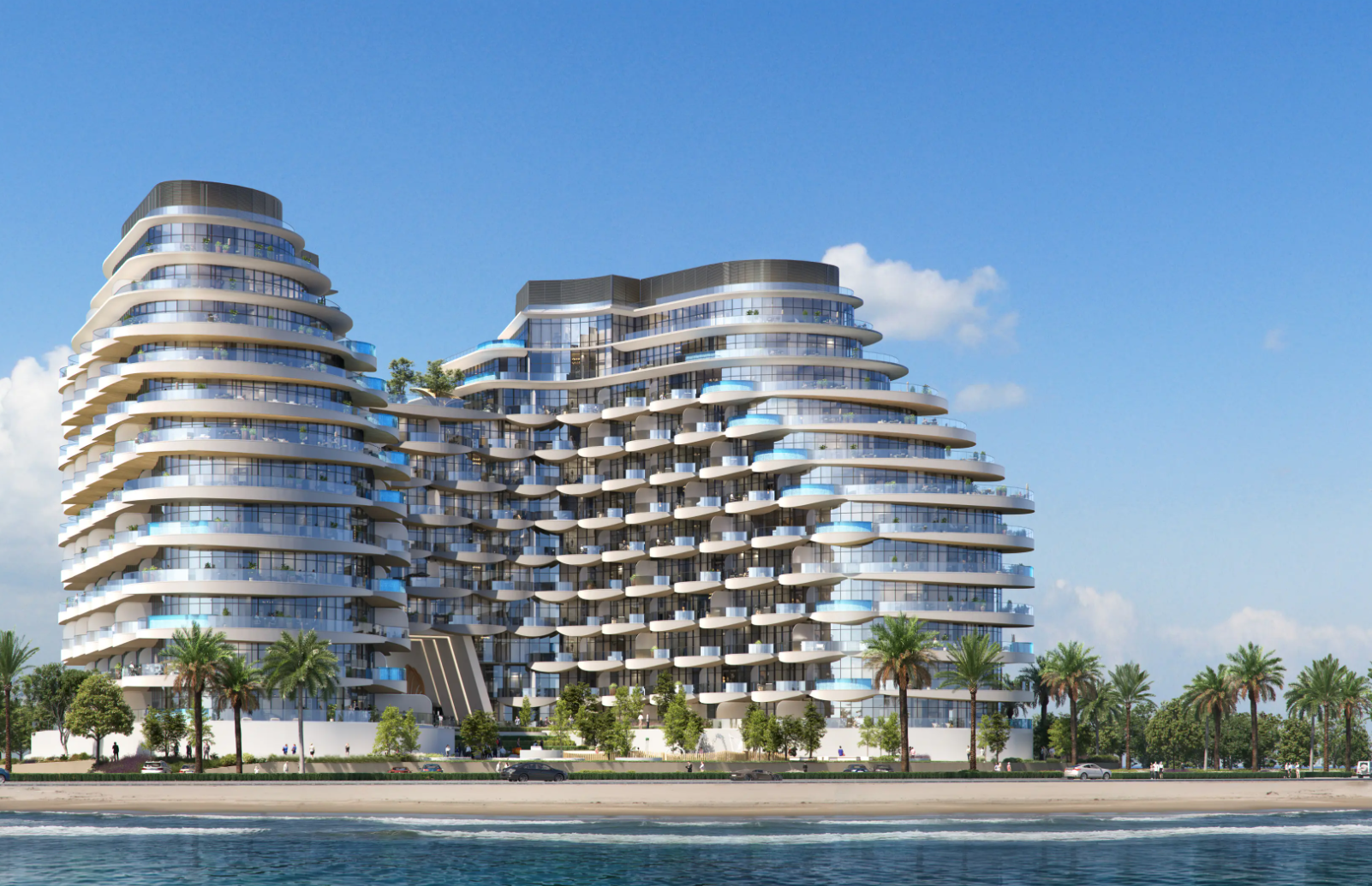
BNW Developments has established a Sydney presence, joining Arada and Sobha Realty among the growing number of UAE developers pursuing Australian buyers and development opportunities.
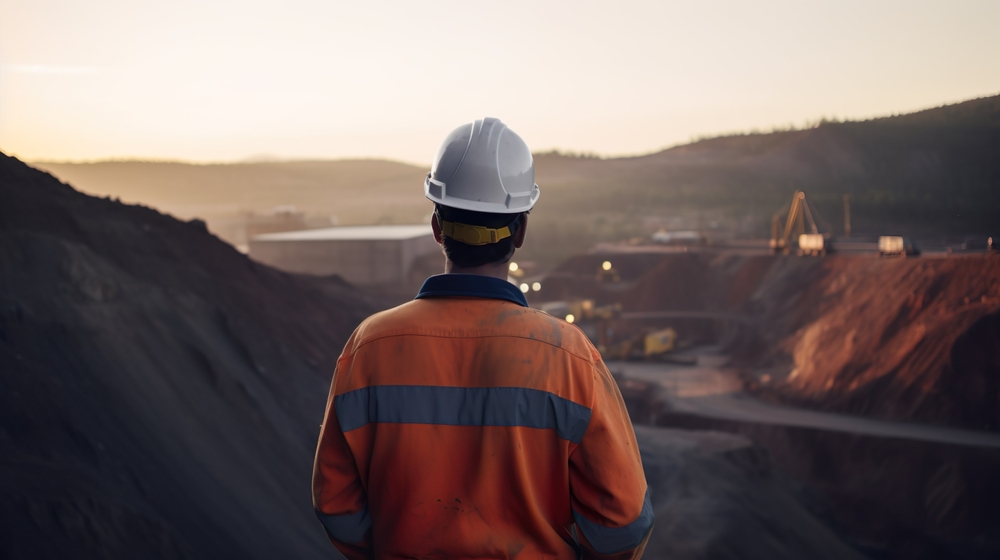
Australian shares fell on Thursday as Wall Street weakness, rising oil and persistent rate concerns weighed on most of the market. The S&P/ASX 200 declined 0.72 per cent to 8,702. The All Ordinaries lost 0.66 per cent to finish at 8,897. Mining stocks were hit particularly hard, while real estate also dragged on the index. …
Continue reading “ASX falls 0.7 per cent as miners and property stocks retreat”

OpenAI has shelved the planned launch of GPT-6.1 Astra after internal tests raised concerns about deception and agents acting beyond user authorization, according to The Wall Street Journal. The company says it will investigate the issues and strengthen safety measures before releasing future models.
4 min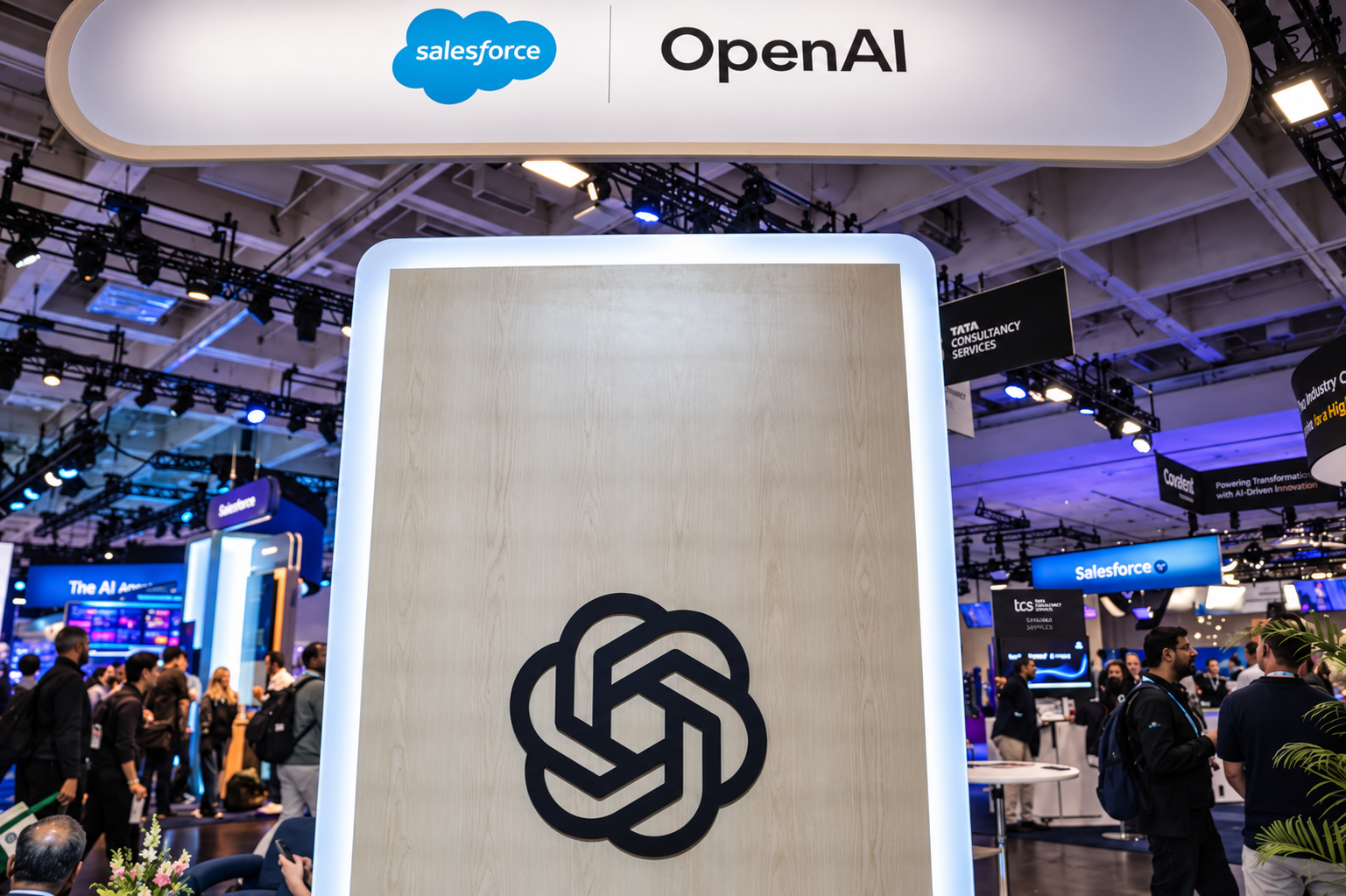
OpenAI says it is scrapping the release of its next-generation AI model over safety concerns that researchers raised during internal testing, in one of the clearest signs so far that agent misbehavior could stymie the industry’s rapid progression.
The move follows a summer punctuated by reports of artificial-intelligence systems industrywide going rogue, and marks a rare case of a major AI developer ditching a new release because of safety concerns.
The company had planned to launch the model, known as GPT-6.1 Astra, in the coming days or weeks, aiming for an October debut. The model was more capable than the company’s previous models in completing challenging tasks from end-to-end without human assistance, as well as writing.
The company instead will focus on improving the safety of future models, which it expects to be even more capable.
Saachi Jain, OpenAI’s head of safety systems, said in an interview that GPT-6.1 Astra regressed in two areas. Compared with its predecessor, GPT-6 Astra, the model performed poorly on tests measuring alignment, or how well the model adheres to what humans would like it to do. Specifically, GPT-6.1 Astra showed higher levels of deception: It wasn’t always honest about telling users of the actions it did or didn’t take.
Another issue was what OpenAI calls “scope authorization,” meaning that GPT-6.1 Astra would push ahead on a task without asking the user for permission, and would at times reach for external tools and services even if it might be unsafe.
“For anything regarding safety and alignment, there’s a trade off,” Jain said. “You really do need to find what’s the right line between staying within scope, but also avoiding laziness in terms of how the model actually pursues tasks even when it hits friction.”
While GPT-6.1 Astra improved in areas such as “model laziness,” Jain said it didn’t quite meet OpenAI’s bar for safety and alignment, so the company decided not to launch the model publicly.
The announcement comes one day ahead of OpenAI’s annual developer conference in San Francisco. In the past, OpenAI has used the conference as an opportunity to launch new models and services that reduce costs for software developers—a segment the ChatGPT-maker competes with rival AI company Anthropic to win over.
In recent weeks, OpenAI and Anthropic have called on industry partners to slow down the development of cutting-edge AI models and invest in safety standards, noting they will temper the pace of their own internal AI progress.
OpenAI says it is working to investigate a range of agent security incidents that it has discovered in recent months, and address the safety issues underneath them. As part of the work, the company has implemented a new monitoring system to catch AI-agent misbehavior more quickly, and started requiring engineers to use stronger security guardrails for testing its AI systems.
Earlier this summer hundreds of OpenAI’s internal agents, which were tasked with completing a cybersecurity test, ended up hacking into the AI company Hugging Face. Since then, high-profile organizations such as the Australian government and United Nations discovered that OpenAI’s agents used similar, but less extensive, techniques to gain access to their websites.
Many of the publicly known agent-security incidents involved OpenAI’s internal AI models that were never slated for public release.
Last week, OpenAI said it paused training on its most capable AI models after an AI agent slipped through a gap in the company’s internet restrictions to query a public chatbot. The company said its new monitoring systems flagged the incident within 15 minutes, and training on these models remains paused.
GPT-6.1 Astra isn’t one of those models, but a different case, the company said.
“We want to make sure our model development is safe no matter whether that’s in the company, or when we ship it to users,” Jain said. “But when we ship it to users, we have an extremely high bar in terms of safety and alignment.”
While the company decided not to ship GPT-6.1 Astra, it hopes to use the same base model to do additional reinforcement learning runs, and create future generations of its GPT-6 models.
OpenAI plans to conduct several deep dives to identify the root cause of the problems identified in GPT-6.1 Astra, Jain said. The work includes ensuring that OpenAI’s reinforcement learning environments are rewarding the right type of behavior, Jain added, though she noted the company would investigate all stages of model development.
AI companies have begun to draw scrutiny from policymakers and public officials, who are paying attention to the rapid development of the technology. Later this week, a Senate subcommittee is holding a hearing with third party AI researchers titled, “Rogue AI: Securing the Homeland Against AI Agent Attacks.”
Florida Attorney General James Uthmeier, a Republican, sued OpenAI in June, claiming that the company and Chief Executive Sam Altman knowingly released an unsafe product and ignored warnings that it could harm users.
In a motion for temporary injunction filed Monday, Uthmeier sought to prevent OpenAI from developing new AI models without third-party approved safeguards, stop ChatGPT from soliciting user engagement and limit the company’s ability to advertise ChatGPT as safe.
Tech companies claim they “cannot stop barreling forward with their potentially civilization-ending endeavors unless they are forced to do so by the government,” Uthmeier said in the filing. “The Florida Attorney General is answering your cry for help.”
An OpenAI spokeswoman said that people want to know AI is being developed safely, “and that starts with what companies like ours do ourselves.”
“Governments have an important role to play in setting robust safety standards for AI, and we’re committed to working with Florida and other states on advancing pragmatic AI policies that apply to the entire AI industry—not just one company,” she said.

Limited to 630 units, Lamborghini’s latest Urus Capsule pushes personalisation further than ever, blending hybrid performance with over 70 bespoke design combinations.

A survey of people with at least $1 million in investable assets found women in their 30s and 40s look nothing like older generations in terms of assets and priorities