Funky U-Shaped Toronto House Once Toured by David Bowie Lists for C$14 Million
The late rock star and his wife, model Iman, visited the house after seeing a news story about its unusual design by local architects Shim-Sutcliffe.

 3 min
3 min
An award-winning architectural home in Toronto that once got the attention of David Bowie is on the market for nearly C$14 million (US$9.79 million) in one of Canada’s most exclusive neighborhoods.
After seeing a 2002 news story about the home’s design, by Toronto architects Shim-Sutcliffe, Bowie reached out to the firm in 2004 for a tour.
The owners, Toronto financial executive David Fleck and wife, Yvonne Domerchie-Fleck, rushed home from an Ottawa trip to meet the star and his wife, model Iman. The Flecks, who had commissioned the home in 2001, are also the sellers.
“I took Bowie and Iman around” the 7,500-square-foot house in Toronto’s exclusive Bridle Path neighborhood, David Fleck said. “He was one of those icons who was beyond fame, so he was easy to talk to and open-minded.”
According to Fleck, Bowie and Iman were scouting architects to build a summer home in Woodstock, New York, where they owned land.
“They were fascinated by the architects and the materials,” including wood and steel, Fleck said. The couple never followed through on the plan, however; Bowie died in 2016 at age 69.
The Flecks once shopped the Highland Crescent home around in 2012, asking C$6.85 million. More than a decade later, it just hit the market for C$13.99 million.
The Flecks have listed it again as they are downsizing now that their two children have grown up and moved out, according to co-listing agent Jimmy Molloy.
“The house won the Governor-General’s Medal in Architecture for 2004. Modern residential architecture can be cold, sterile, and austere.
Shim-Sutcliffe makes everything seem organic, and made the house seem like it’s part of its location,” said Molloy, an agent with Chestnut Park Real Estate Brokerage/Christie’s International Real Estate who is co-listing the home with Lindsay Van Wert.
The home’s exterior, built as a series of vertical panels, is clad in mahogany and Corten steel.
“It’s timeless, warm, and seems to have sprung out of nature―even using steel, the most manufactured of products,” Molloy said. “The house is more than 20 years old, and still looks new. If you visit in a hundred years, it won’t feel dated. Great architecture is about creating something timeless.”
Shim told the Globe and Mail in 2012 that steel “is interactive with the environment. … We think of the steel not as hard and cold, but warm and rich.”
The home has four bedrooms, six bathrooms, two garage spaces and parking for five cars. The sellers are “major art collectors in Toronto who curated and built this house with” the architects, Molloy said.
“We have such mixed feelings about selling the house,” David Fleck said. “It’s an entire environment. Howard [Sutcliffe] shifts ceiling heights, so there is movement in the house to create spaces that are unique. And almost every room looks out onto nature.”
To renovate the kitchen and bathrooms, the sellers retained Kelly Buffey of Toronto’s Akb Architects, “but in conjunction with Shim-Sutcliffe, Molloy said.
The kitchen features a Thermador induction cooktop, Wolf wall oven, Fisher & Paykel refrigerator, and Miele dishwasher.
Upstairs, a skylit landing connects three bedrooms, including a primary suite with a study, custom closet and a balcony overlooking the backyard pool.
The lower level features a media room, bedroom suite, second kitchen and gym. All rooms on the lower level open to a garden courtyard.
The U-shaped house surrounds a lap pool and lily pond. “The house is all about how it responds to its setting and to natural light, with walls of glass,” Molloy said.
Overlooking a ravine, the house also has views of the Rosedale Golf Club, which was founded in 1893.
According to Canadian data site Realosophy, the median sales price for the Bridle Path in February was C$16.2 million, based on three sales. The neighborhood’s highest-price listing is a 13-bedroom estate that’s on the market for C$23.98 million.
Neighbors in its affluent enclave north of downtown Toronto include Drake ; and residents have included Prince, Celine Dion, Elton John and Gordon Lightfoot.
Toronto’s downtown core is about 7 miles south of the neighborhood. Billy Bishop Toronto City Airport is about 9.5 miles south.
 Copyright 2020, Dow Jones & Company, Inc. All Rights Reserved Worldwide. LEARN MORE





From making unpopular decisions to learning when to listen, leaders from five businesses reveal what nobody prepared them for — and how running a company has challenged their expectations.

Technology and semiconductor shares fell sharply as investors questioned the debt financing the AI infrastructure boom and confronted higher rates and Chinese competition.

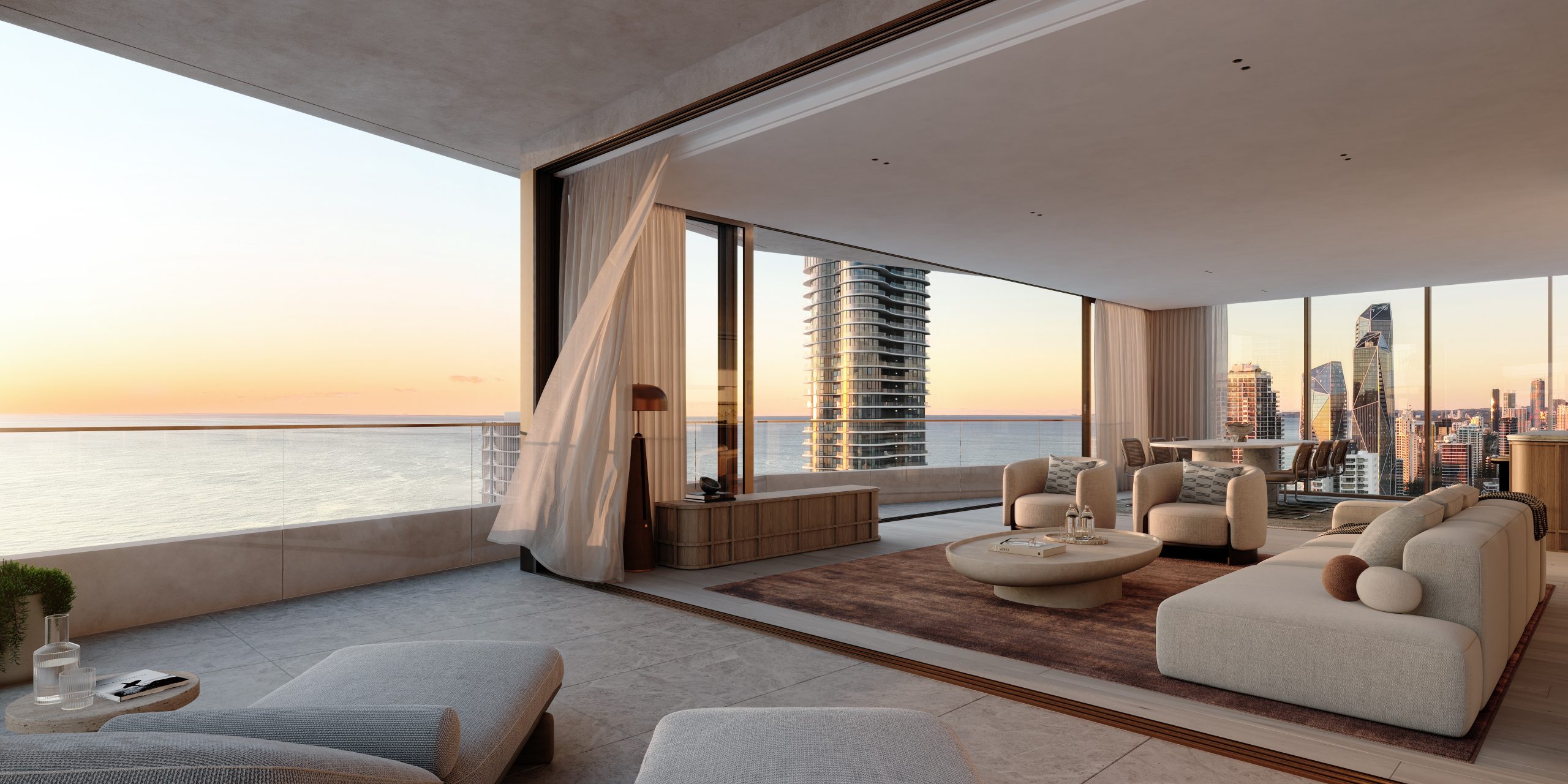
Mirvac’s 45-level Trielle has topped out at Yarra’s Edge, pairing riverfront apartments with wellness facilities, private dining and resident services.
3 min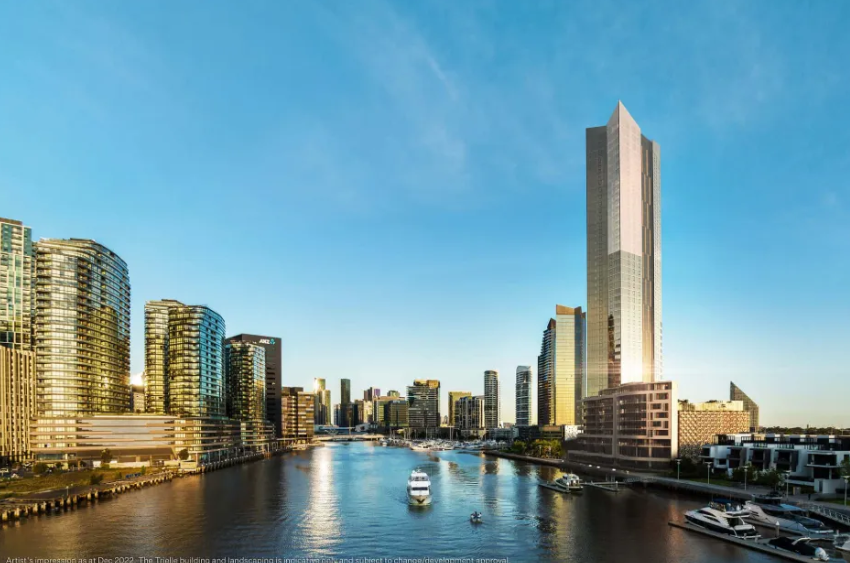
Mirvac has topped out Trielle at Melbourne’s Yarra’s Edge, with more than 70 per cent of the riverfront development sold and approximately 80 per cent of purchasers intending to make their apartment a home.
The figures, released on September 22, point to an owner-occupier audience for one of the precinct’s final residential towers. Mirvac began developing Yarra’s Edge in 2003, and its latest addition occupies one of the remaining absolute riverfront sites.
Mirvac CEO of Development Stuart Penklis said existing residents were among those moving up within the neighbourhood.
“Many purchasers already have a connection to Yarra’s Edge,” Mr Penklis said, describing buyers whose changing needs were encouraging an upgrade within the precinct.
“As one of the final residential towers within Yarra’s Edge, Trielle represents the culmination of more than two decades of creating one of Melbourne’s most established and sought-after waterfront communities,” Penklis said.
“Positioned on the Collins Street axis with absolute river frontage, Trielle offers residents a rare opportunity to enjoy sweeping views across the Yarra River, Melbourne skyline and Port Phillip Bay, while remaining seamlessly connected to the CBD. With Trielle now more than 70 per cent sold, we’re continuing to see strong demand from buyers seeking quality homes in established locations.”
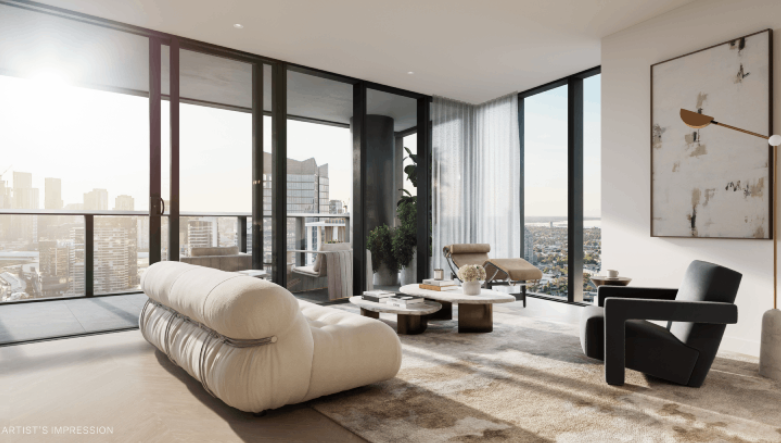
The developer also flagged a penthouse and sub-penthouse collection with larger layouts, premium finishes and broad outlooks. The planned wellness centrepiece, The Oasis, encompasses a 900-square-metre elevated urban rainforest.
Mirvac General Manager Residential Development Victoria Elysa Anderson said Trielle had resonated strongly with buyers seeking a rare lifestyle offering in Melbourne.
“Opportunities to secure a new luxury residence on a riverfront site of this calibre are incredibly rare, particularly within a community like Yarra’s Edge,” Anderson said.
“What makes Trielle unique is the combination of exceptional views, world-class residential facilities and the lifestyle that already exists around it. Residents are buying into a mature waterfront community with parks, promenades, dining, wellness and strong community connections already in place.”
The 45-level tower brings a substantial new presence to that waterfront. Its residential offering spans one-, two-, three- and four-bedroom apartments, with Signature, Prestige and Sub-Penthouse collections accommodating different household sizes. The north-facing position connects the apartments visually to the river and city beyond.
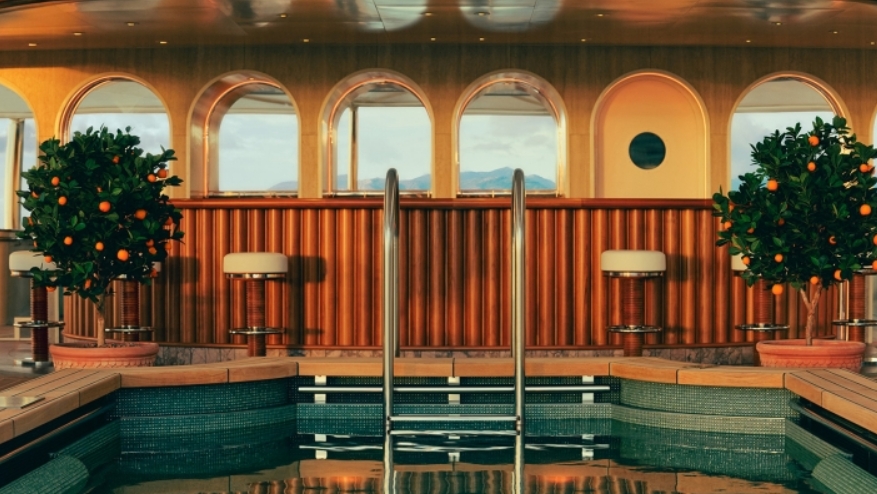
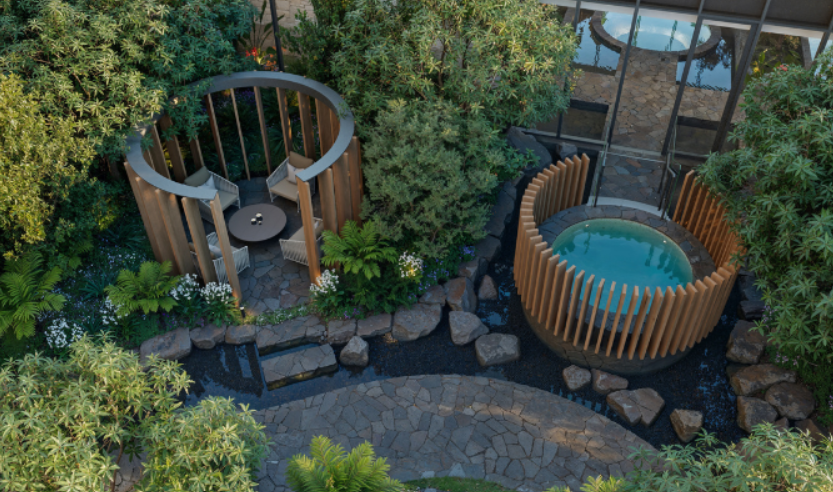
Seven storeys above the promenade, the planned Oasis combines planting and a running stream with a Scandinavian-inspired wellness club developed with spa specialist Naomi Gregory. Facilities include a 25-metre lap pool, hot magnesium pool, sauna, hydrotherapy, a gym, yoga and Pilates room, and treatment spaces.
The amenity extends beyond exercise. Residents will have access to The Biblioteca library and workspaces, ground-floor work pods, and The Salone piano lounge. A private Chef’s Table dining room offers a setting for larger gatherings, while a cinema, games room and sports lounge broaden the entertaining options. Concierge services and a dog-wash area support everyday routines.
Trielle comprises a collection of one, two, three and four-bedroom residences. Reflecting strong demand from owner occupiers, approximately 80 per cent of purchasers to date intend to live in their homes, highlighting the project’s appeal to those seeking a long-term waterfront lifestyle.
Mirvac has recently delivered The Albertine, a premium apartment development on the edge of Melbourne’s CBD, and is nearing completion of Prince & Parade in Brunswick, further strengthening its portfolio of thoughtfully designed apartment communities in some of Melbourne’s most sought-after urban locations.
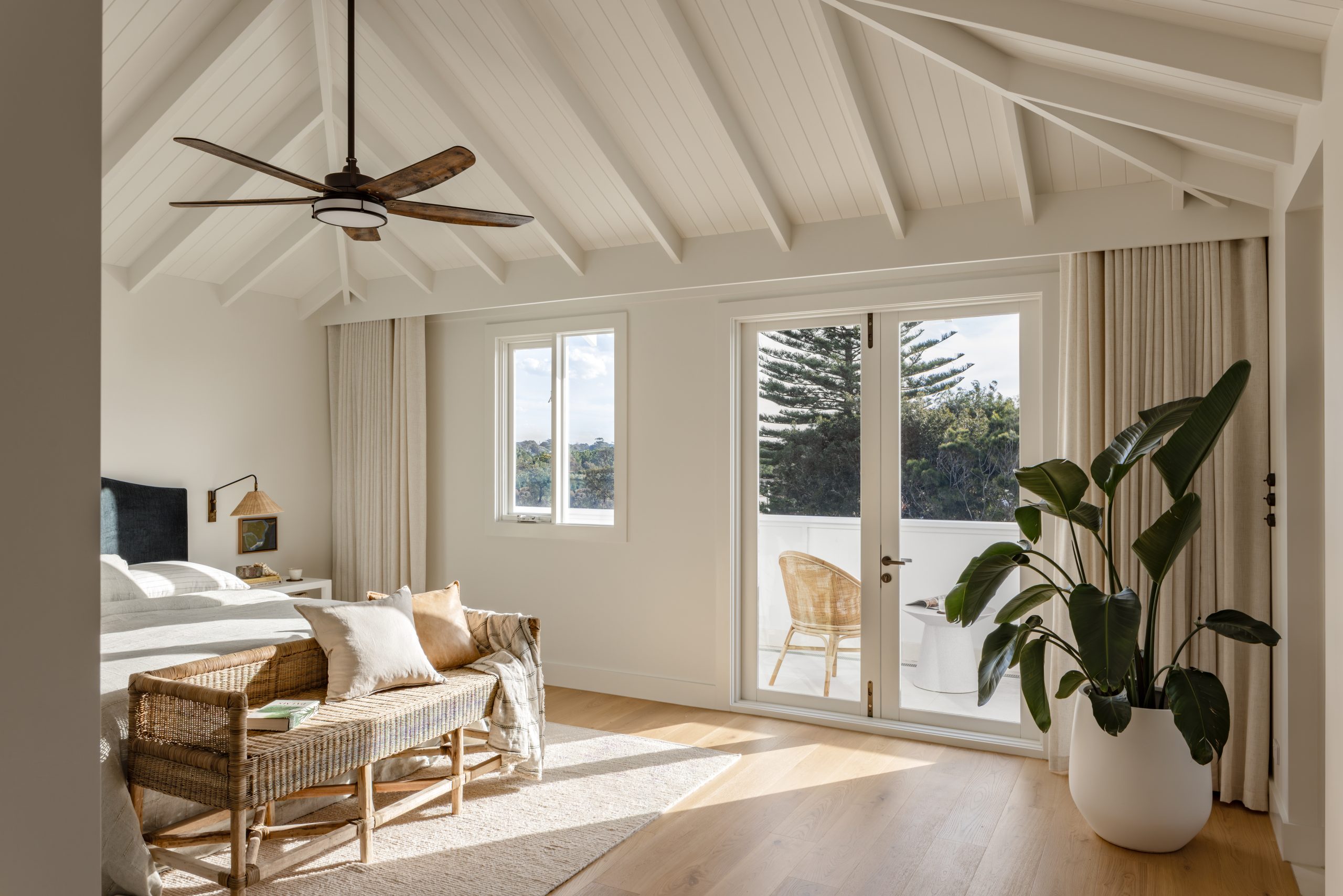
From warmer neutrals to tactile finishes, Australian homes are moving away from stark minimalism and towards spaces that feel more human.

Limited to 630 units, Lamborghini’s latest Urus Capsule pushes personalisation further than ever, blending hybrid performance with over 70 bespoke design combinations.