INVESTORS FLIP THE SCRIPT TO HELP FIRST HOME BUYERS
Investors are registering to help first home buyers own sooner while strengthening their own portfolios.
 3 min
3 min
For years, first-time home buyers have blamed investors for locking them out of the market, snapping up properties, and driving prices sky-high.
But a groundbreaking Rent-to-Sell scheme is flipping the script—turning investors into key allies, helping renters break free from the cycle and step onto the property ladder.
New data from PublicSquare reveals that 500 investors per month indicate their willingness to volunteer their properties, offering a much-needed lifeline to aspiring homeowners struggling to save for a deposit in NSW and QLD.
This groundbreaking model is helping first-time home buyers break free from the rental cycle by turning typical investment properties into a structured pathway to ownership.
Investors, who often face criticism for driving housing demand, are now making homeownership possible—while securing a 50% boost in rental returns and a guaranteed future sale price.
“There’s always been this battle between first home buyers and investors, but this model is proving they can work together,” said Dean Arnold, CEO of PublicSquare.
“We’re seeing investors who were once viewed as the enemy now giving renters the best shot they’ve ever had at owning their own home.
“It’s a win-win—investors get higher returns and a secure exit strategy, while first home buyers get a genuine pathway to ownership without needing a massive deposit upfront.”
With demand skyrocketing, there is now a three-month waitlist for investors eager to participate in the program, which is exclusive to NSW and Queensland. Meanwhile, thousands of pre-approved homebuyers are waiting for their chance to move in and begin their journey toward homeownership.
Making Homeownership Achievable
PublicSquare’s Rent-to-Buy model is proving to be a game-changer in a housing market where many Australians feel locked out.
First home buyers can move into a property with just 1.1% of the valuation upfront—a fraction of a traditional deposit. Instead of struggling to save while renting, tenants pay an additional 50% in rent each week, which goes directly toward their deposit.
Over time, this structured approach helps renters build savings while locking in a pre-set purchase price range, shielding them from future property price hikes.
The program ensures that only financially capable applicants are approved.
In New South Wales, only 41% of applicants meet the eligibility criteria, meaning they can afford both market rent and the additional deposit-building rent premium.
In Queensland, just 28% of applicants qualify, highlighting the program’s commitment to responsible homeownership.
The Investor Shift
With 30% of Australians now owning an investment property and the ATO reporting that 60% of these properties don’t generate enough rent to cover mortgage repayments and upkeep costs, the Rent-to-Buy model is changing the way property investment works. Investors who take part in the program benefit from:
- 50% higher rental income, providing immediate financial relief while helping first home buyers.
- Guaranteed future sale price range, giving certainty for both investors and buyers.
- Long-term, committed tenants, as renters are future homeowners who treat the property as their own.
- Portfolio growth opportunities, using increased rental income to secure more investments.
Arnold says the overwhelming demand shows the model is working.
“We’ve got over 45,000 eager homebuyers ready to take their first step toward ownership. Investors are recognising they don’t have to be seen as the bad guys—they can be the ones giving renters a real shot at owning their home, while securing their own financial future,” he said.
A New Era
Instead of waiting years to save a deposit while paying ever-rising rent, first home buyers now have an opportunity to move in and gradually secure their home while avoiding skyrocketing property prices. Meanwhile, investors have a sustainable way to expand their portfolios and ensure steady, reliable rental income.
“This is about flipping the narrative,” Arnold said. “For once, investors and first home buyers aren’t on opposite sides—they’re working together. Rent-to-Buy is proving that investors don’t have to be the villains of the housing market; they can be the reason renters finally become homeowners.”

From making unpopular decisions to learning when to listen, leaders from five businesses reveal what nobody prepared them for — and how running a company has challenged their expectations.

Technology and semiconductor shares fell sharply as investors questioned the debt financing the AI infrastructure boom and confronted higher rates and Chinese competition.

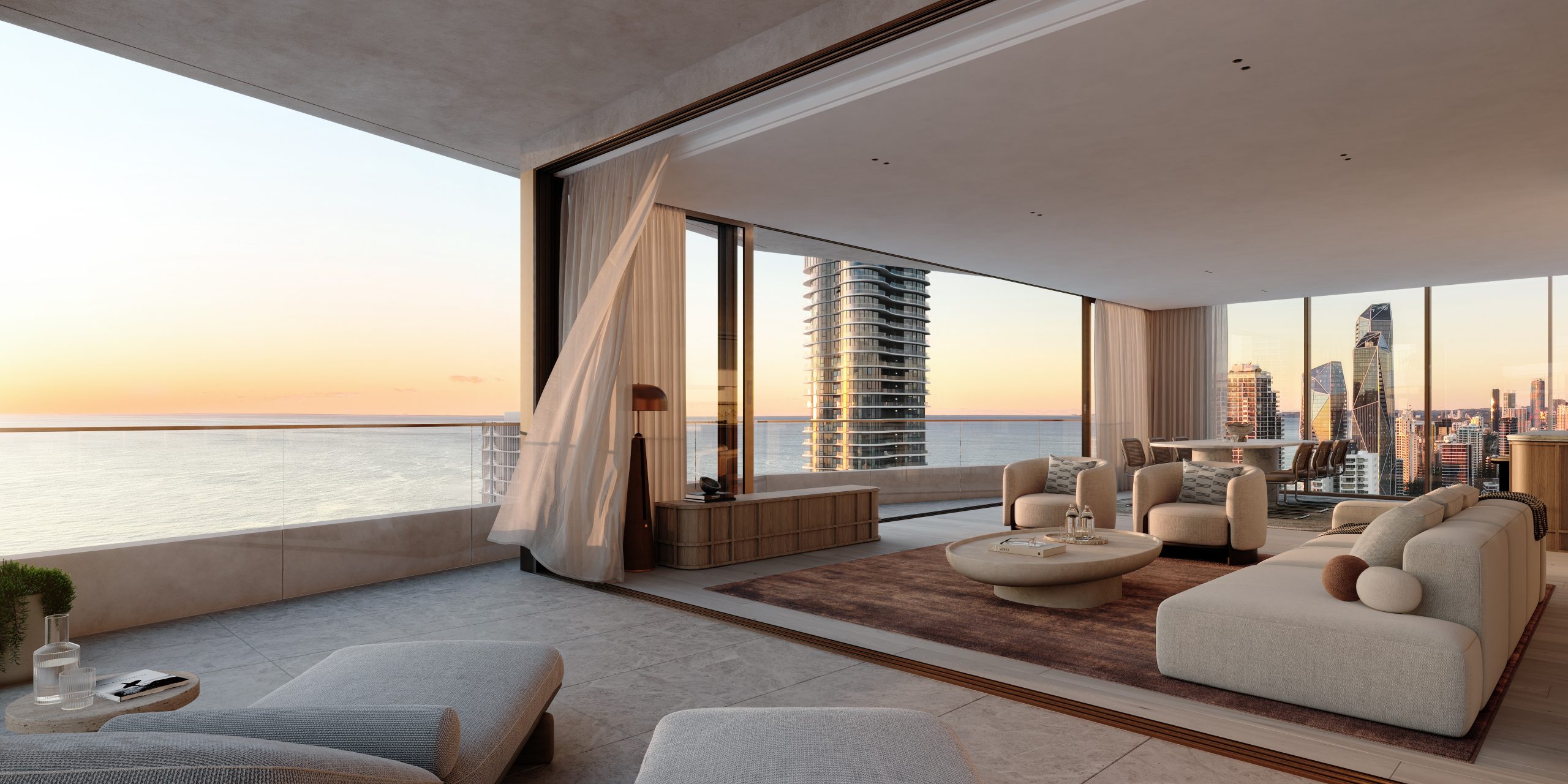
Mirvac’s 45-level Trielle has topped out at Yarra’s Edge, pairing riverfront apartments with wellness facilities, private dining and resident services.
3 min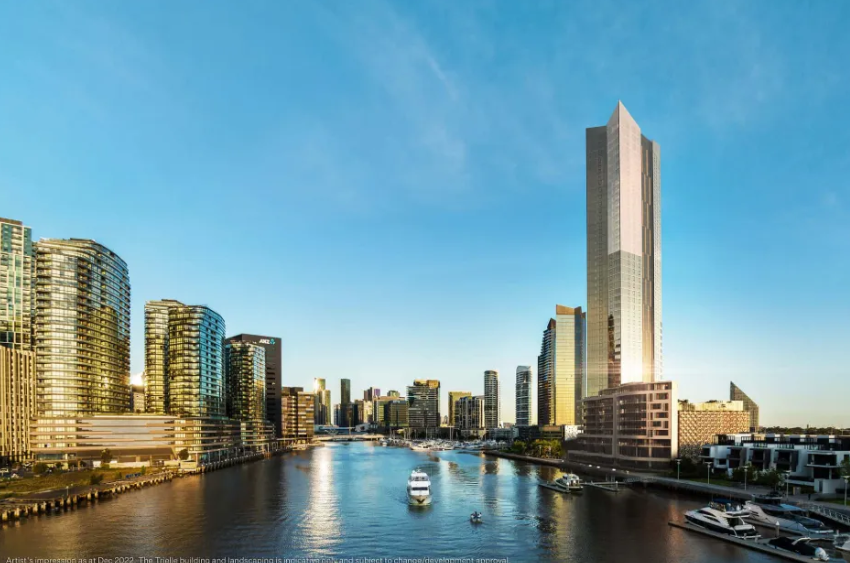
Mirvac has topped out Trielle at Melbourne’s Yarra’s Edge, with more than 70 per cent of the riverfront development sold and approximately 80 per cent of purchasers intending to make their apartment a home.
The figures, released on September 22, point to an owner-occupier audience for one of the precinct’s final residential towers. Mirvac began developing Yarra’s Edge in 2003, and its latest addition occupies one of the remaining absolute riverfront sites.
Mirvac CEO of Development Stuart Penklis said existing residents were among those moving up within the neighbourhood.
“Many purchasers already have a connection to Yarra’s Edge,” Mr Penklis said, describing buyers whose changing needs were encouraging an upgrade within the precinct.
“As one of the final residential towers within Yarra’s Edge, Trielle represents the culmination of more than two decades of creating one of Melbourne’s most established and sought-after waterfront communities,” Penklis said.
“Positioned on the Collins Street axis with absolute river frontage, Trielle offers residents a rare opportunity to enjoy sweeping views across the Yarra River, Melbourne skyline and Port Phillip Bay, while remaining seamlessly connected to the CBD. With Trielle now more than 70 per cent sold, we’re continuing to see strong demand from buyers seeking quality homes in established locations.”
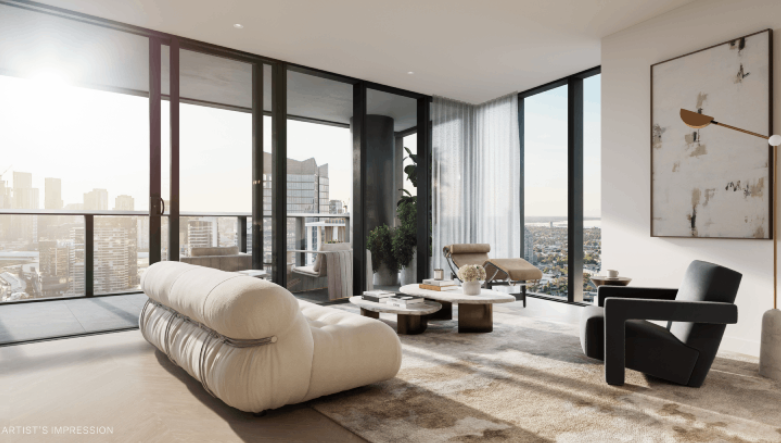
The developer also flagged a penthouse and sub-penthouse collection with larger layouts, premium finishes and broad outlooks. The planned wellness centrepiece, The Oasis, encompasses a 900-square-metre elevated urban rainforest.
Mirvac General Manager Residential Development Victoria Elysa Anderson said Trielle had resonated strongly with buyers seeking a rare lifestyle offering in Melbourne.
“Opportunities to secure a new luxury residence on a riverfront site of this calibre are incredibly rare, particularly within a community like Yarra’s Edge,” Anderson said.
“What makes Trielle unique is the combination of exceptional views, world-class residential facilities and the lifestyle that already exists around it. Residents are buying into a mature waterfront community with parks, promenades, dining, wellness and strong community connections already in place.”
The 45-level tower brings a substantial new presence to that waterfront. Its residential offering spans one-, two-, three- and four-bedroom apartments, with Signature, Prestige and Sub-Penthouse collections accommodating different household sizes. The north-facing position connects the apartments visually to the river and city beyond.
Seven storeys above the promenade, the planned Oasis combines planting and a running stream with a Scandinavian-inspired wellness club developed with spa specialist Naomi Gregory. Facilities include a 25-metre lap pool, hot magnesium pool, sauna, hydrotherapy, a gym, yoga and Pilates room, and treatment spaces.
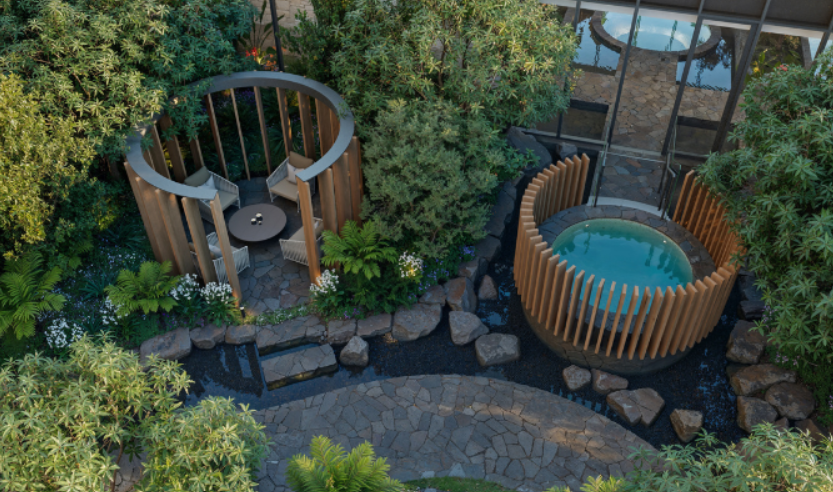
The amenity extends beyond exercise. Residents will have access to The Biblioteca library and workspaces, ground-floor work pods, and The Salone piano lounge. A private Chef’s Table dining room offers a setting for larger gatherings, while a cinema, games room and sports lounge broaden the entertaining options. Concierge services and a dog-wash area support everyday routines.
Trielle comprises a collection of one, two, three and four-bedroom residences. Reflecting strong demand from owner occupiers, approximately 80 per cent of purchasers to date intend to live in their homes, highlighting the project’s appeal to those seeking a long-term waterfront lifestyle.
Mirvac has recently delivered The Albertine, a premium apartment development on the edge of Melbourne’s CBD, and is nearing completion of Prince & Parade in Brunswick, further strengthening its portfolio of thoughtfully designed apartment communities in some of Melbourne’s most sought-after urban locations.

A Vaucluse masterpiece by MHNDU with interiors by Poco Designs brings architectural ambition and breathtaking ocean outlook to the auction block.

A thoughtful timber-led renovation in Byron Bay has reimagined an existing house as a warm, resort-style family sanctuary grounded in natural materials.