Jamie Durie Unveils Sustainable Dream Home on Sydney’s Northern Beaches
Award-winning landscape designer Jamie Durie has completed “Growing Home,” an eco-focused residence that balances sustainability, comfort and style.
 2 min
2 min


Award-winning landscape designer and television host Jamie Durie has completed building his eco-friendly dream home on Sydney’s northern beaches.
Over a three-year journey, Durie and his partner Ameka Jane created what they call “Growing Home,” designed to prove that sustainability doesn’t have to mean sacrificing comfort or style.
The five-level residence includes five bedrooms, a gym, an office, landscaped gardens and an infinity swimming pool.
“The house is full of eco-innovation like our state-of-the-art geothermal heating and cooling system, this combined with our Solar system gives us the ability to be ‘grid independent’,” Durie said.
“Every element in this house has been engineered to serve a purpose – whether it’s saving energy, providing healthier air, or a greater connection to nature, the house was designed to be healthy for our family and the environment.”
Set on a steep 37-degree slope surrounded by native spotted gums, the home’s design responds closely to its environment.
“Building on a site like this means every decision has to respect the landscape,” Durie said. “It’s not just about fitting the house onto the land, but making sure the land feels part of the home.”
Large windows and open-plan spaces encourage airflow and blur the boundary between indoors and outdoors.
“We wanted the house to feel connected to the landscape through natural materials, textures, and light,” he added. “It’s about creating a calm, grounded space where we can grow as a family.”
Durie chose Bradford Gold High Performance insulation to help maintain stable temperatures, reducing reliance on artificial heating and cooling.
“Every detail in the home needed to elevate our quality of life and respect the environment,” he said. “With Bradford’s products, we’re able to create spaces that are peaceful, energy-efficient, and functional without sacrificing style.”
Other features include Luxaflex Duette Shades, crafted from 95% recycled materials, designed to regulate temperature while adding comfort and privacy.
“It’s not just about insulation,” Durie explained, “but about creating spaces that feel cosy and considered, no matter the time of year.”
Curved interior walls made possible with Gyprock Flexible add flow between spaces, while high-density Gyprock was used to reduce sound transmission.
“It’s all about layering softness and light,” Durie said of the use of Luxaflex® sheer curtains throughout the home. “The sheers run like waves along the track, wrapping the room in a way that feels both open and intimate.”
Outdoor living was another focus, with a patio leading to the pool and shaded by motorised Luxaflex Nordic Folding Arm Awnings.
“We knew we’d be spending a lot of time outside,” Durie said, “so it was important to have a solution that could handle Australia’s unpredictable weather.”
Durie describes the project as more than just a build, but an example of sustainable design in action.
“This project is about showing that sustainable design isn’t just possible – it’s beautiful,” he said.
“It’s about how thoughtful design and innovative products can make a house not just a home, but a legacy. Building smarter, creating homes that feel good to live in, and respecting the environment along the way.”
From making unpopular decisions to learning when to listen, leaders from five businesses reveal what nobody prepared them for — and how running a company has challenged their expectations.

Technology and semiconductor shares fell sharply as investors questioned the debt financing the AI infrastructure boom and confronted higher rates and Chinese competition.

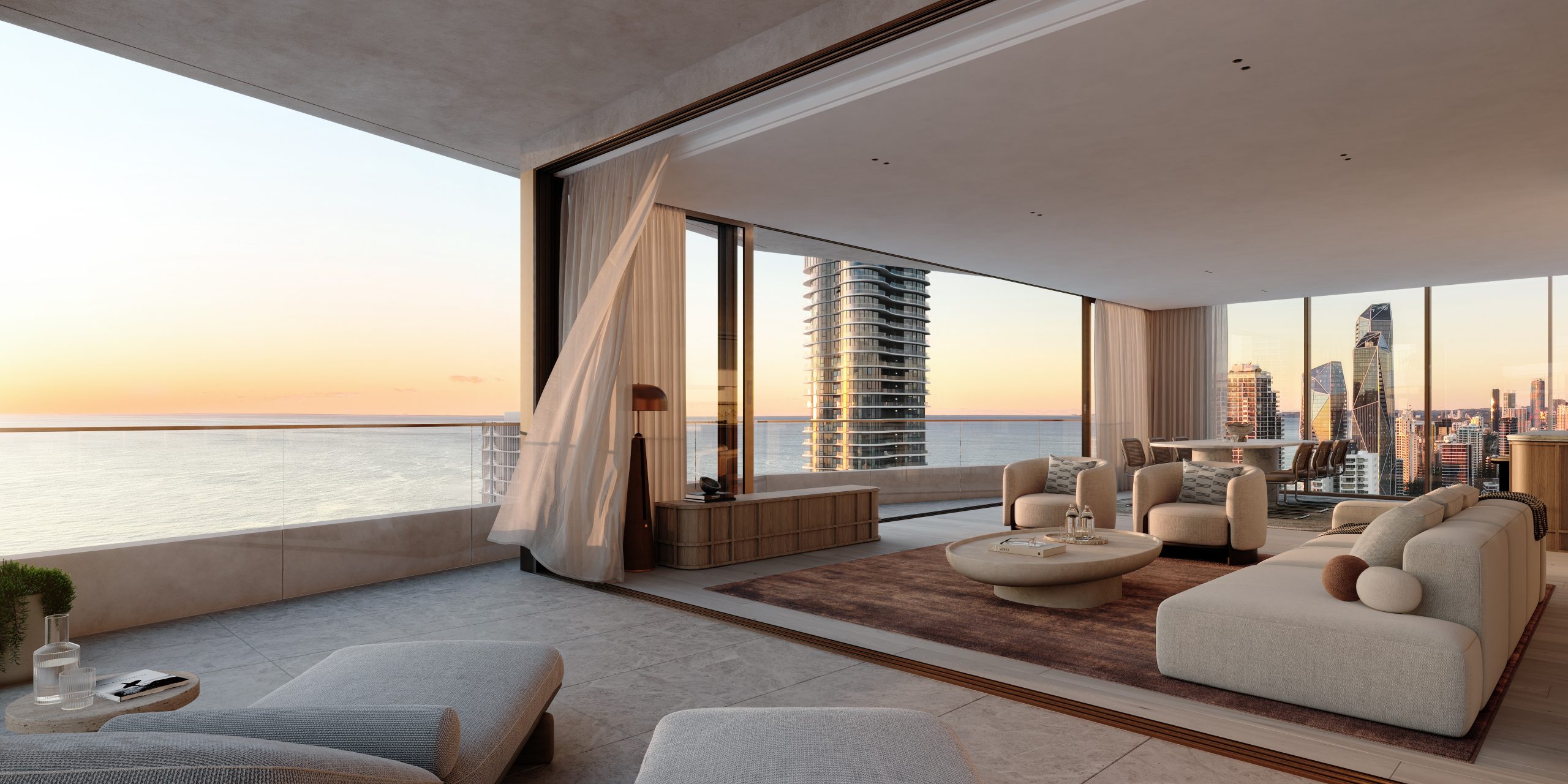
Mirvac’s 45-level Trielle has topped out at Yarra’s Edge, pairing riverfront apartments with wellness facilities, private dining and resident services.
3 min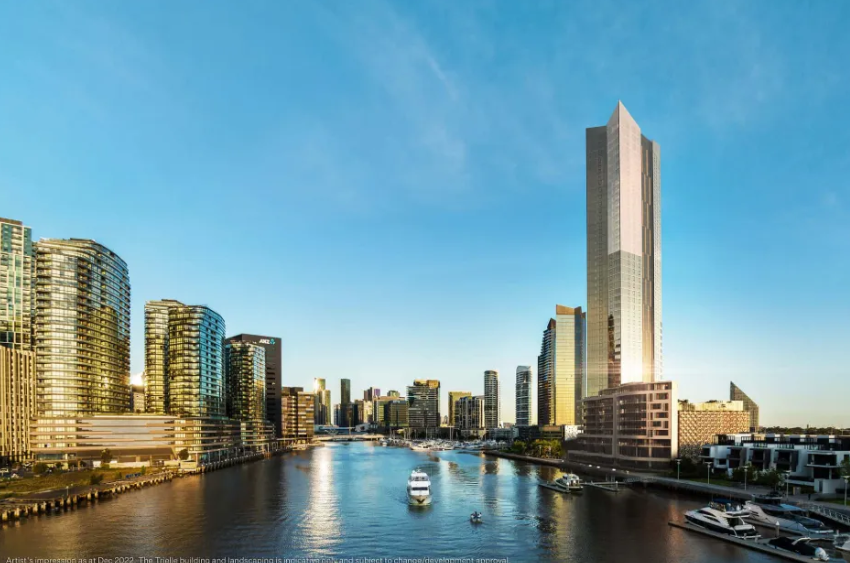
Mirvac has topped out Trielle at Melbourne’s Yarra’s Edge, with more than 70 per cent of the riverfront development sold and approximately 80 per cent of purchasers intending to make their apartment a home.
The figures, released on September 22, point to an owner-occupier audience for one of the precinct’s final residential towers. Mirvac began developing Yarra’s Edge in 2003, and its latest addition occupies one of the remaining absolute riverfront sites.
Mirvac CEO of Development Stuart Penklis said existing residents were among those moving up within the neighbourhood.
“Many purchasers already have a connection to Yarra’s Edge,” Mr Penklis said, describing buyers whose changing needs were encouraging an upgrade within the precinct.
“As one of the final residential towers within Yarra’s Edge, Trielle represents the culmination of more than two decades of creating one of Melbourne’s most established and sought-after waterfront communities,” Penklis said.
“Positioned on the Collins Street axis with absolute river frontage, Trielle offers residents a rare opportunity to enjoy sweeping views across the Yarra River, Melbourne skyline and Port Phillip Bay, while remaining seamlessly connected to the CBD. With Trielle now more than 70 per cent sold, we’re continuing to see strong demand from buyers seeking quality homes in established locations.”
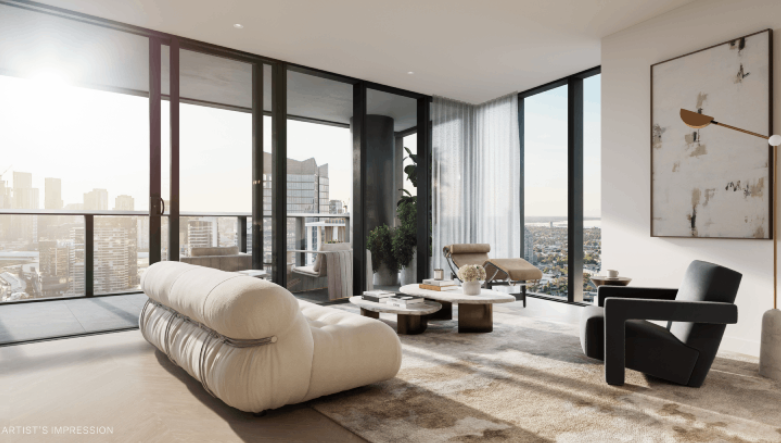
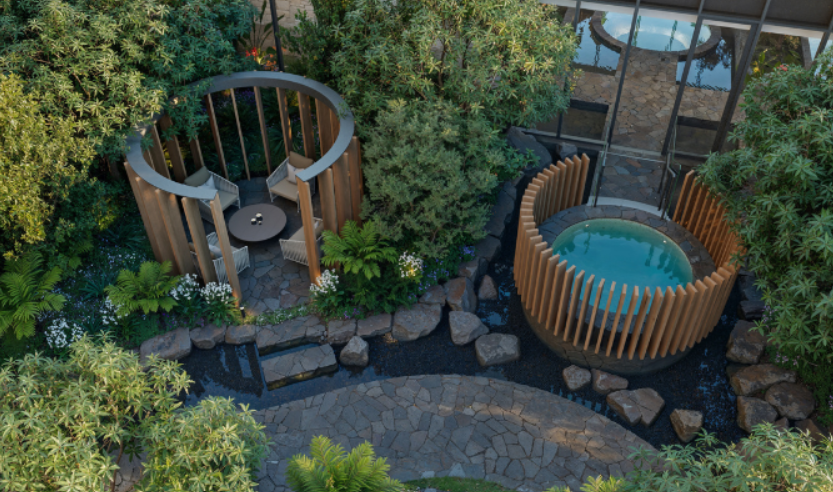
The developer also flagged a penthouse and sub-penthouse collection with larger layouts, premium finishes and broad outlooks. The planned wellness centrepiece, The Oasis, encompasses a 900-square-metre elevated urban rainforest.
Mirvac General Manager Residential Development Victoria Elysa Anderson said Trielle had resonated strongly with buyers seeking a rare lifestyle offering in Melbourne.
“Opportunities to secure a new luxury residence on a riverfront site of this calibre are incredibly rare, particularly within a community like Yarra’s Edge,” Anderson said.
“What makes Trielle unique is the combination of exceptional views, world-class residential facilities and the lifestyle that already exists around it. Residents are buying into a mature waterfront community with parks, promenades, dining, wellness and strong community connections already in place.”
The 45-level tower brings a substantial new presence to that waterfront. Its residential offering spans one-, two-, three- and four-bedroom apartments, with Signature, Prestige and Sub-Penthouse collections accommodating different household sizes. The north-facing position connects the apartments visually to the river and city beyond.
Seven storeys above the promenade, the planned Oasis combines planting and a running stream with a Scandinavian-inspired wellness club developed with spa specialist Naomi Gregory. Facilities include a 25-metre lap pool, hot magnesium pool, sauna, hydrotherapy, a gym, yoga and Pilates room, and treatment spaces.
The amenity extends beyond exercise. Residents will have access to The Biblioteca library and workspaces, ground-floor work pods, and The Salone piano lounge. A private Chef’s Table dining room offers a setting for larger gatherings, while a cinema, games room and sports lounge broaden the entertaining options. Concierge services and a dog-wash area support everyday routines.
Trielle comprises a collection of one, two, three and four-bedroom residences. Reflecting strong demand from owner occupiers, approximately 80 per cent of purchasers to date intend to live in their homes, highlighting the project’s appeal to those seeking a long-term waterfront lifestyle.
Mirvac has recently delivered The Albertine, a premium apartment development on the edge of Melbourne’s CBD, and is nearing completion of Prince & Parade in Brunswick, further strengthening its portfolio of thoughtfully designed apartment communities in some of Melbourne’s most sought-after urban locations.

Porsche’s Cayenne Turbo Electric produces up to 1,156PS and reaches 100km/h in a claimed 2.5 seconds.
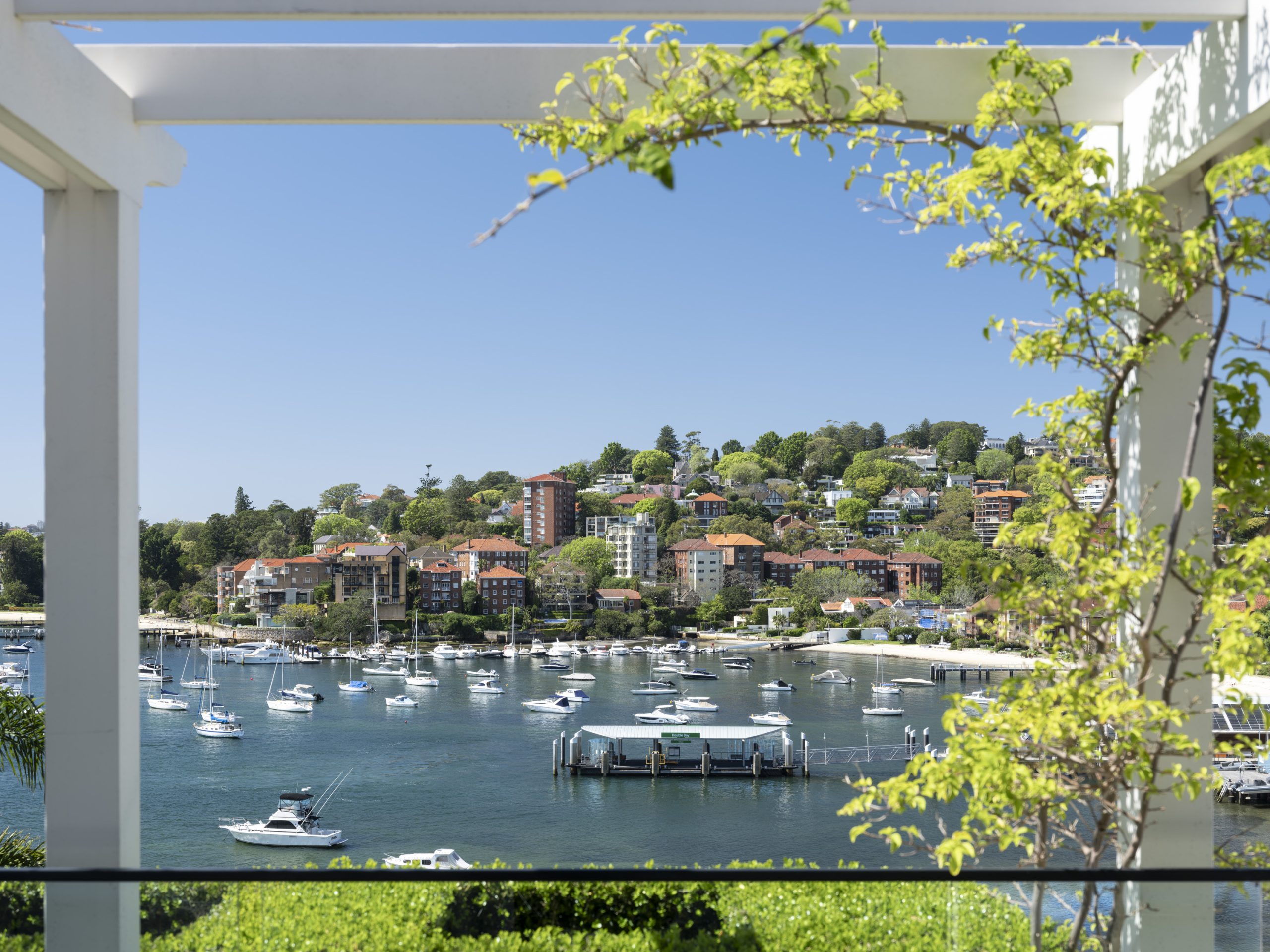
The grand harbourside residence combines sweeping Sydney Heads views, resort-style entertaining and refined designer finishes with a reported $36 million price guide.