

New Luxury Nile Riverboat Opens for 2026 as Grand Egyptian Museum Ignites Tourism Boom
A&K Sanctuary’s newest Nile vessel, Nile Seray, will launch in October 2026 as Egypt enters a new era of global tourism
 2 min
2 min
A new luxury riverboat set to sail the Nile from late 2026 has opened for bookings, as Egypt experiences its biggest surge in international tourism in more than a decade following the opening of the Grand Egyptian Museum.
Nile Seray, the latest vessel from A&K Sanctuary, will launch in October and operate four-night voyages between Aswan and Luxor.
The boat will accommodate just 64 guests across 32 suites, placing it firmly at the premium end of the fast-expanding Nile cruising market.
The launch coincides with the opening of the Grand Egyptian Museum in November 2025, a project more than 20 years in the making.
Located near the Giza pyramids, the museum spans more than 480,000 square metres and is now the largest archaeological museum in the world.
It houses more than 100,000 artefacts, including, for the first time ever, the complete collection of King Tutankhamun’s treasures displayed together in one place.
The museum’s opening has been widely credited with transforming global interest in Egypt, driving record visitor numbers and sparking a wave of new hotel openings, aviation capacity and high-end travel investment across the country.
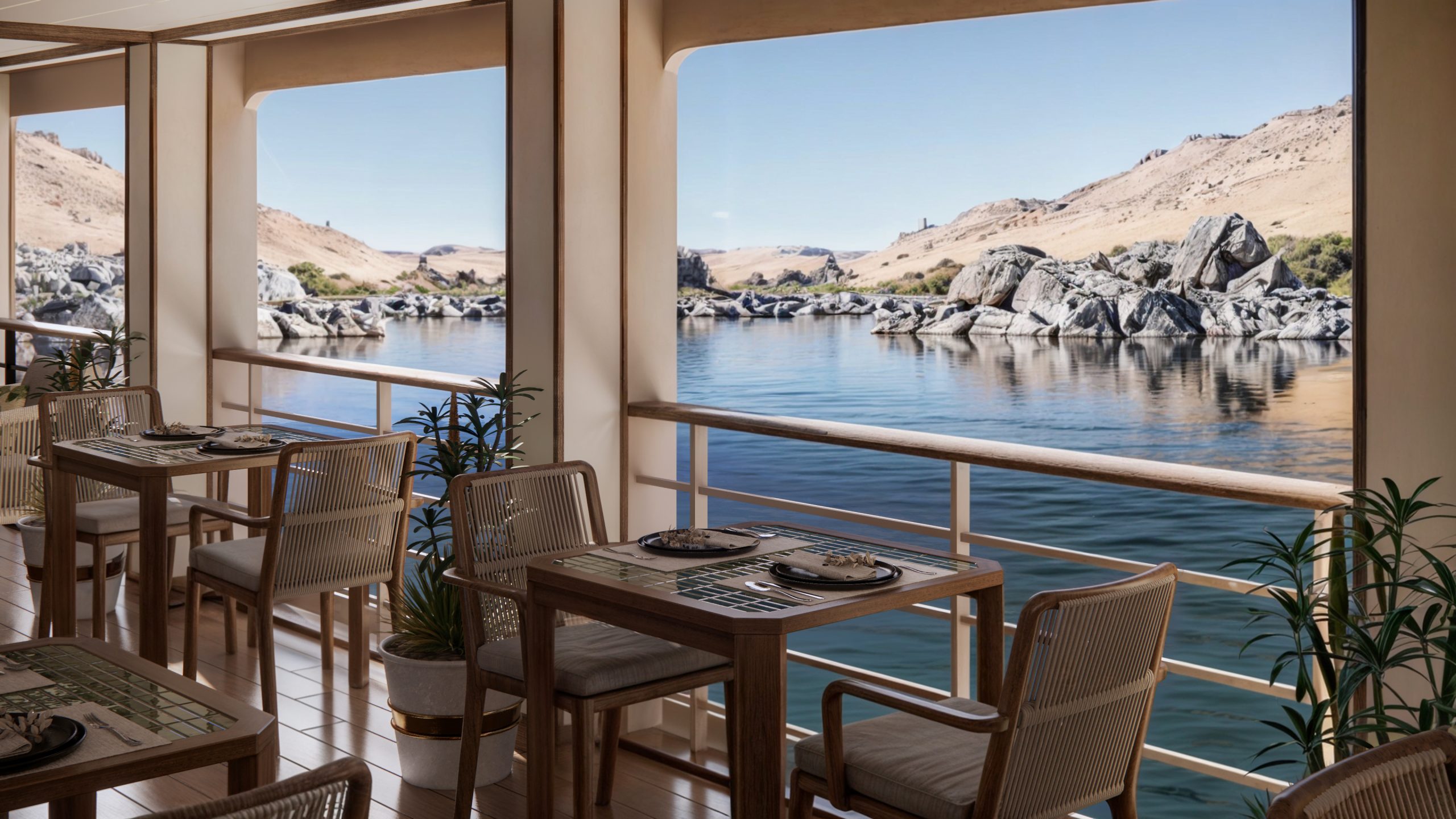
Interior renderings released this week show Nile Seray adopting a contemporary design approach that blends modern lines with heritage references.
The 32 suites feature floor-to-ceiling windows overlooking the Nile, with natural materials and colour palettes drawing from Egypt’s desert landscape.
Two onboard restaurants open onto deck spaces, while the top deck includes a swimming pool and shaded daybeds designed for daytime cruising and sunset views.
Each voyage will include guided access to key archaeological sites on the West Bank, including the tombs of Seti I and Ramses VI, along with private openings of the tombs of King Tutankhamun and Amenhotep III. Excursions are led by specialist Egyptologists, with daily touring built into the itinerary.
With only 64 guests onboard, the vessel is aimed at travellers seeking a more intimate alternative to the larger Nile cruise ships that dominate the route during peak season.
Luxury hotel availability across Egypt remains tight during busy periods, particularly following the museum’s opening.
Nile Seray becomes the fifth vessel in A&K Sanctuary’s Nile fleet, joining the Nile Adventurer, Sun Boat III, Sun Boat IV and Zein Nile Chateau. A sister ship is also scheduled for launch in 2028.
Voyages include visits to the temples of Luxor, Karnak and Aswan, felucca sailing around Elephantine Island, Egyptian cooking demonstrations and traditional entertainment. All meals, excursions and onboard activities are included.
Each sailing will also contribute to A&K Philanthropy programs in Egypt, including long-running partnerships in Luxor and Aswan focused on youth education and cardiac care.
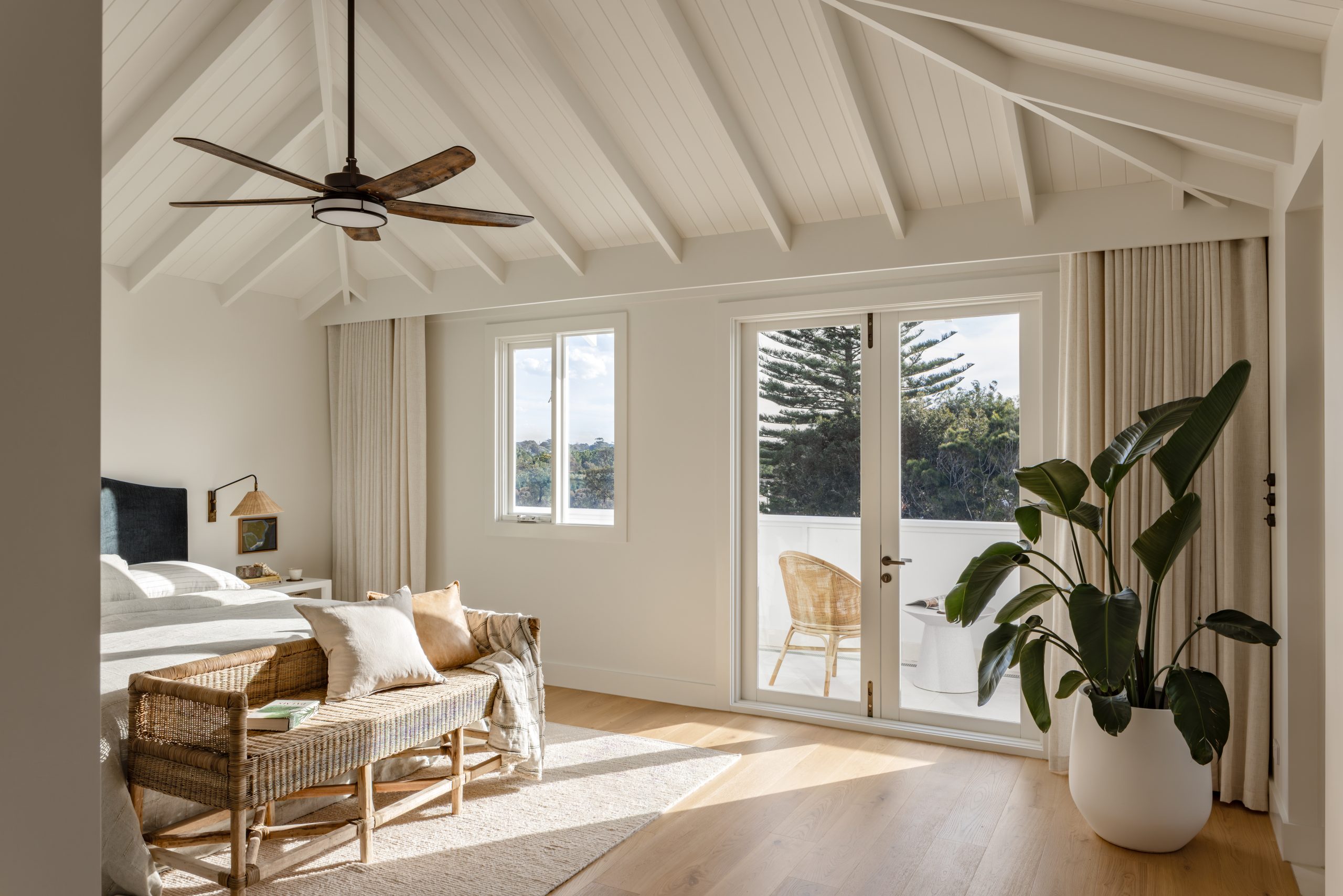
From warmer neutrals to tactile finishes, Australian homes are moving away from stark minimalism and towards spaces that feel more human.

French luxury-goods giant’s results are a sign that shoppers weren’t splurging on its collections of high-end garments in the run-up to the holiday season.


From warmer neutrals to tactile finishes, Australian homes are moving away from stark minimalism and towards spaces that feel more human.
2 minFor years, Australian interiors have been ruled by restraint. Pale palettes, clean lines and an almost reverential devotion to minimalism dominated living rooms and bedrooms alike. In 2026, that aesthetic is finally softening.
Designers are responding to a cultural shift that favours comfort and emotional connection over perfection. Homes are becoming warmer, more layered and more expressive, reflecting a growing desire for spaces that feel restorative rather than simply impressive. The new look is not about excess, but about depth.
Colour plays a central role in this evolution. Cool whites and greys are giving way to warmer, earth-based tones such as sandstone, oatmeal and soft mushroom, often lifted with muted greens or gentle spice notes. The effect is grounding and quietly sophisticated, creating interiors that feel calm without tipping into blandness.
Texture matters just as much. Natural materials, tactile fabrics and layered finishes are being used to add softness and movement to rooms that once relied on sharp contrasts. Raw timbers, stone and linen sit alongside more refined details, striking a balance between polish and authenticity. This look feels considered without being clinical.
Diana Altiparmakova, Head of Product and Marketing for Luxaflex Window Fashions, recognises that this movement toward layered softness marks a distinct shift from 2025.
“Last year’s approach leaned into minimalism and simplicity, but 2026 expands into a more expressive and sensory direction as designers and homeowners are favouring depth, tactility and warmer tones to create environments that feel cocooning and emotionally supportive,” she said.
“No longer just a practical addition, window coverings are also helping shape this design evolution by enhancing comfort, mood and individuality within the home.
“Window coverings in 2026 aren’t just about blocking light or adding privacy, they’re about shaping atmosphere, improving comfort and supporting wellbeing.
“Often seen as the finishing touch to a home’s overall design, the right window coverings can elevate a room, creating depth and warmth, while providing functionality tailored to the homeowner’s individual needs.”
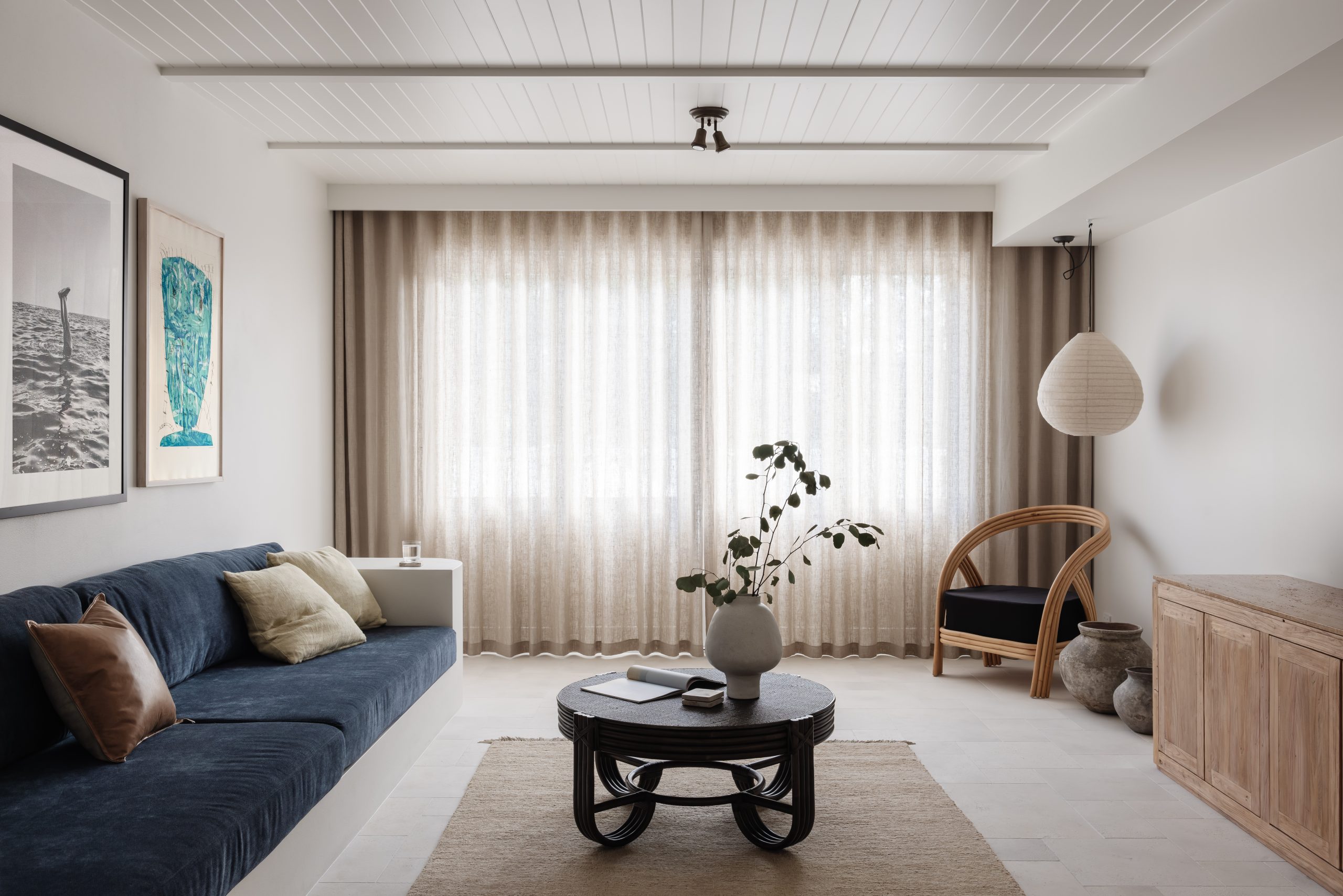
Light has become a defining feature of how homes are designed and lived in. Rather than flooding interiors indiscriminately, there is a growing emphasis on controlling and filtering natural light to suit different moments of the day. Window treatments are no longer treated as an afterthought but as part of a space’s architectural language, shaping mood as much as function.
Technology is quietly supporting this shift. Automation is being embraced not for novelty, but for ease. The ability to adjust light and privacy seamlessly throughout the day speaks to a broader desire for homes that work intuitively around daily life, rather than demanding attention.
In particular, across regional and coastal homes, softer interpretations of farmhouse and coastal styles are emerging. These interiors lean into relaxed elegance, using filtered daylight, natural textures and unfussy forms to create spaces that feel timeless rather than trend-led. Fabric-forward window dressings, in particular, are used to soften hard architectural elements and create a sense of ease.
What defines this new design direction is not a single look, but a mindset. In a world that feels increasingly loud and accelerated, the modern Australian home is being reshaped as a place of retreat. Beauty still matters, but so does comfort, warmth and emotional resonance.
Minimalism is not disappearing. It is simply growing up.
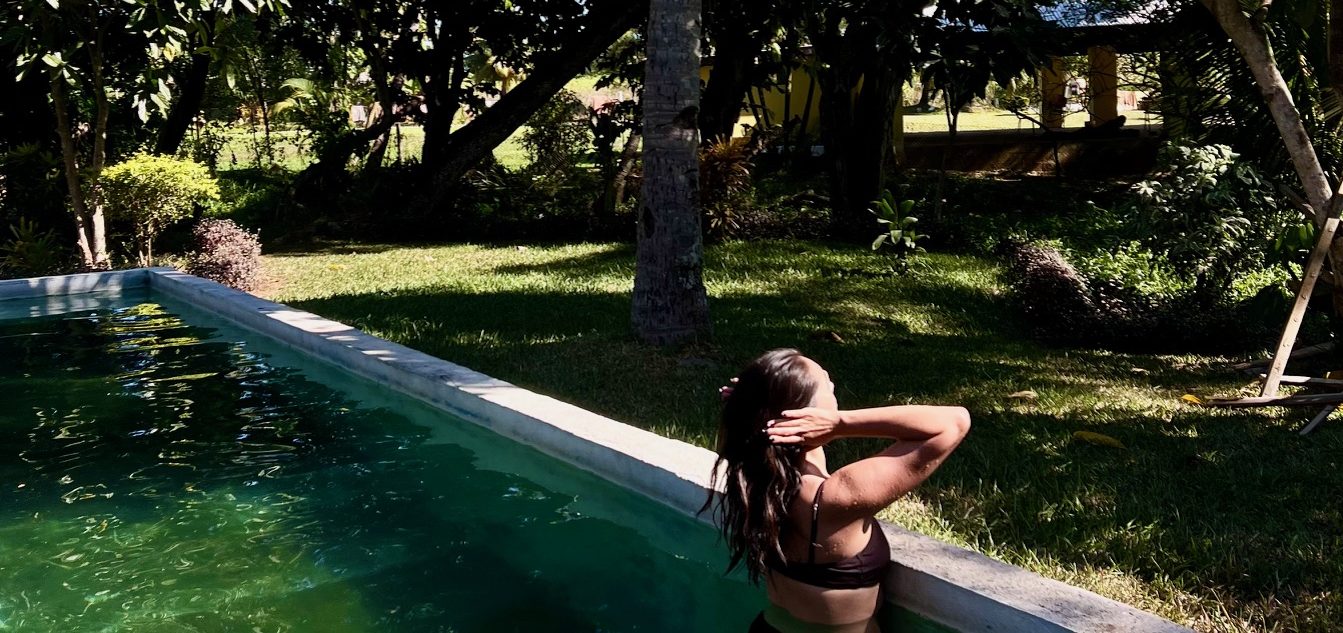
From mud baths to herbal massages, Fiji’s heat rituals turned one winter escape into a soul-deep reset.
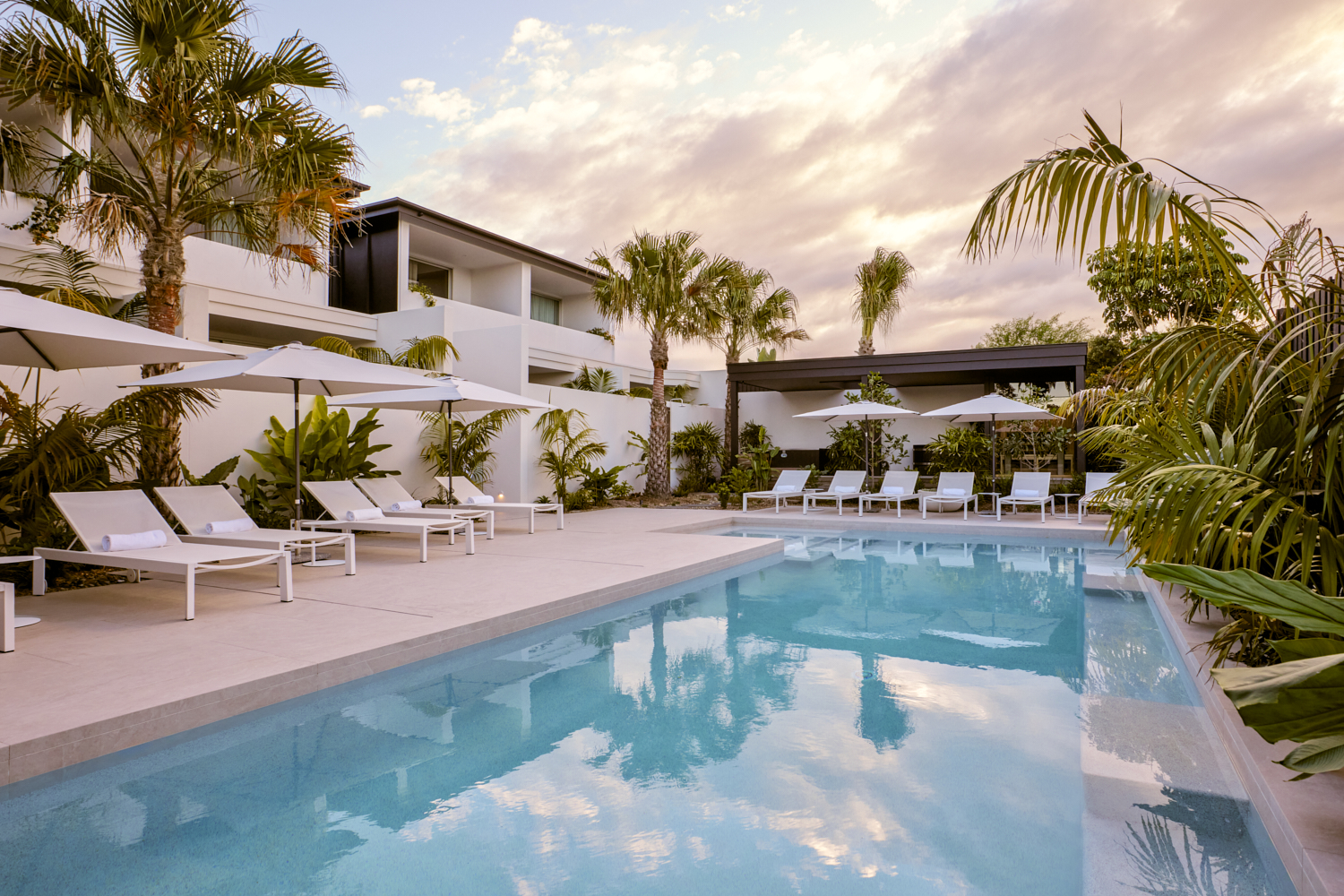
When the Writers Festival was called off and the skies refused to clear, one weekend away turned into a rare lesson in slowing down, ice baths included.