TEE OFF IN LUXURY ON THE PINES’ MOST EXCLUSIVE ADDRESS
This luxury Sanctuary Cove estate offers prime fairway frontage beside Australia’s only Arnold Palmer-designed golf course.
 2 min
2 min


Golf connoisseurs with a love of architecture can hit a hole in one with this palatial estate in the exclusive Masters Enclave gated community.
The sprawling 1798sq m Sanctuary Cove property was recognised as one of Queensland’s Top 50 Amazing Homes in 2023 by The Courier Mail and sits alongside the country’s only Arnold Palmer-designed golf course, The Pines.
Recognised as one of Australia’s best and most challenging courses, The Pines is a 101ha 18-hole course within an established pine forest. With eight man-made lakes, it is home to an abundance of native wildlife, including rare birds and plenty of kangaroos.
“When I think of great golf in Australia, I think of The Pines at Sanctuary Cove, a true test of the game,” pro-golfer Adam Scott has said of the famous green.
Listed with Matt Gates of Ray White Sanctuary Cove, the modern mansion is on the market via private treaty sale with a price guide of $8.495 million. The property last sold in 2022 for $6.6 million according to title records.
Prior to that exchange, the designer home had been the glamorous weekender of retired telco executive and one-time local Bentley and Rolls-Royce dealer, David Baird, and his wife, Marion. They purchased the home, which fronts the 14th and 15th fairways, for $6.5 million in 2018.
A single-level residence, the four-bedroom house has a palatial 900sq m of living space and benefits from an extraordinary 80m of uninterrupted fairway frontage, giving the owners a prime position to enjoy the member-only course.
Meticulously curated to appeal to a design-savvy buyer, the house has multiple living and entertaining zones which all open up to the great outdoors and the unrivalled view of the green.
There are six defined alfresco spaces throughout the property, including an outdoor bar and spa terrace, a courtyard pavilion with fire pit, a beverage hub and bespoke seating. A vast pool and its adjoining spa also overlook the lush green of the fairway.
Inside, there are ample places to retreat to, such as the relaxed sunken lounge, as well as the media room for movie nights, and an executive-style office with integrated cabinetry.
Built for the great entertainer, the sleek contemporary kitchen is complemented by rich timber finishes, black subway tiles, a long eat-at island bench, plus a full butler’s pantry and state-of-the-art appliances.
Each of the bedrooms has an ensuite, including a separate guest suite, and the spacious main is a private pavilion retreat in itself with a five-star hotel-inspired bathroom featuring a freestanding tub and a grand dressing room.
The Masters Enclave estate has cutting-edge home automation, a four-car garage with a workshop and an essential golf buggy bay.
In addition to a world-renowned golf course right on the doorstep, residents within the secure community also have easy access to a marina, waterside cafes and designer boutiques.
The estate has the convenience of 24-hour security, land and water patrols, medical emergency response, and alarm monitoring.
Matt Gates of Ray White Sanctuary Cove is listing the Masters Enclave residence with a price guide of $8.495 million.
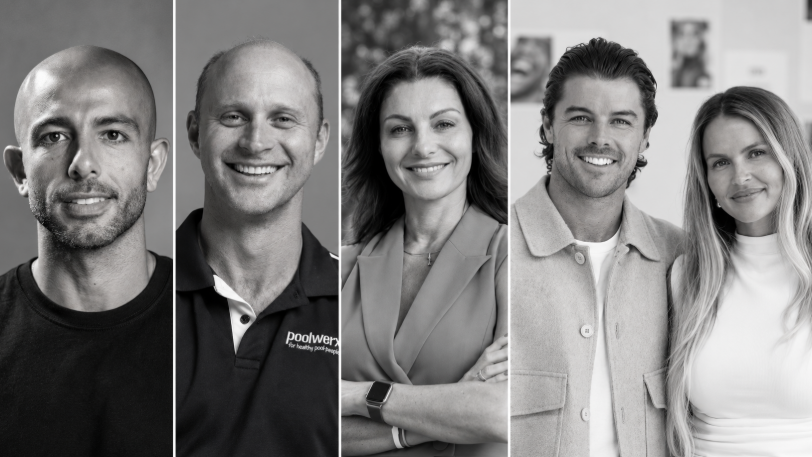
From making unpopular decisions to learning when to listen, leaders from five businesses reveal what nobody prepared them for — and how running a company has challenged their expectations.

Technology and semiconductor shares fell sharply as investors questioned the debt financing the AI infrastructure boom and confronted higher rates and Chinese competition.

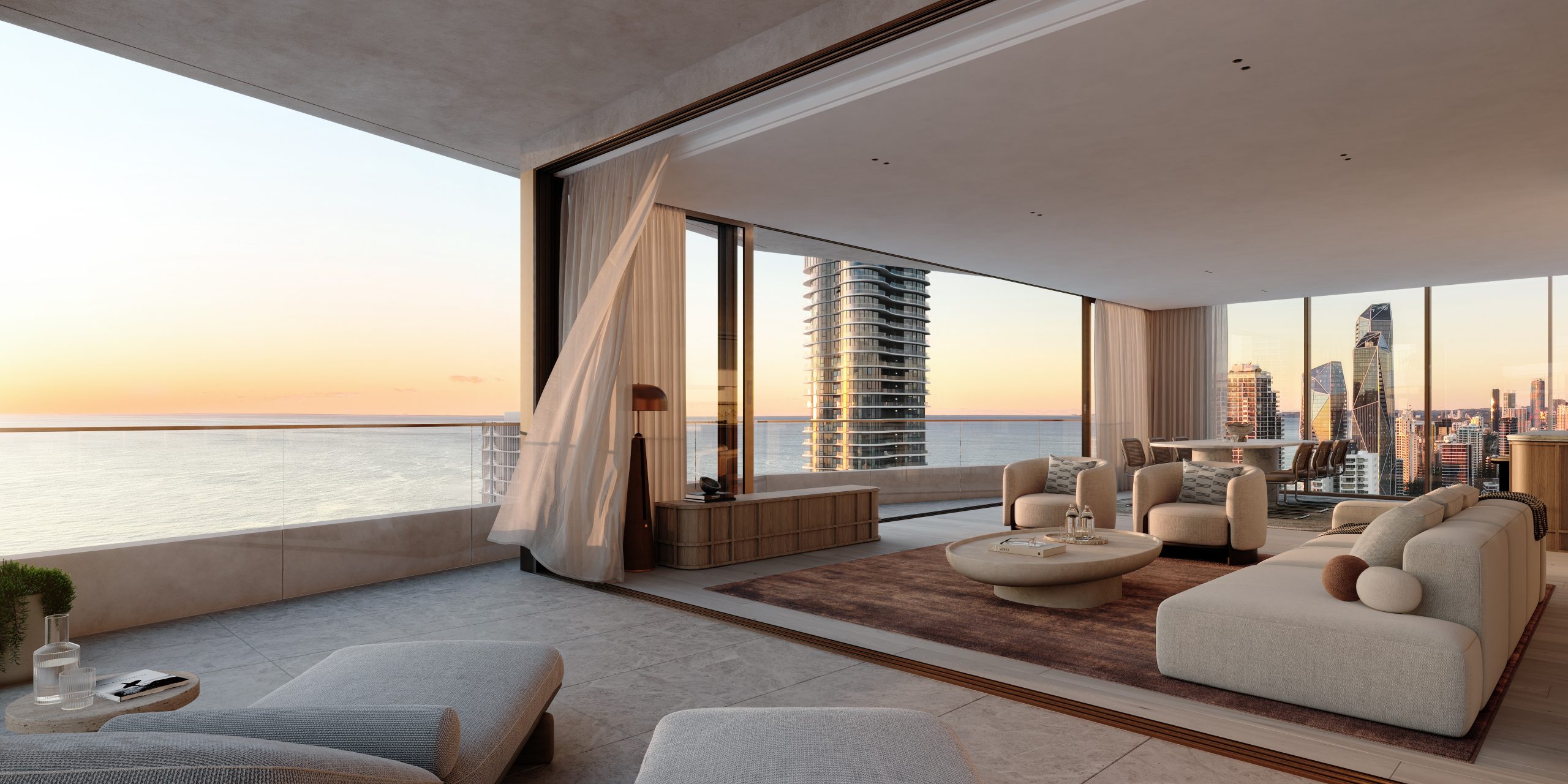
Mirvac’s 45-level Trielle has topped out at Yarra’s Edge, pairing riverfront apartments with wellness facilities, private dining and resident services.
3 min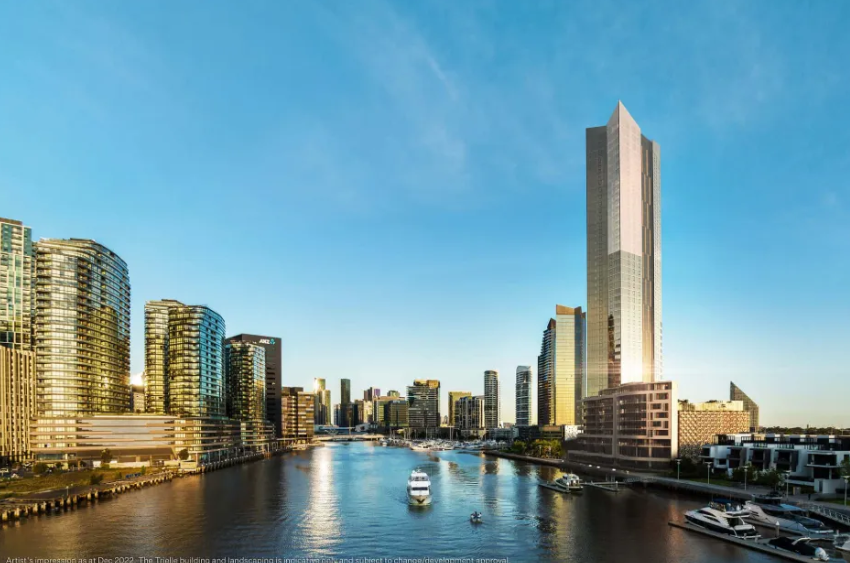
Mirvac has topped out Trielle at Melbourne’s Yarra’s Edge, with more than 70 per cent of the riverfront development sold and approximately 80 per cent of purchasers intending to make their apartment a home.
The figures, released on September 22, point to an owner-occupier audience for one of the precinct’s final residential towers. Mirvac began developing Yarra’s Edge in 2003, and its latest addition occupies one of the remaining absolute riverfront sites.
Mirvac CEO of Development Stuart Penklis said existing residents were among those moving up within the neighbourhood.
“Many purchasers already have a connection to Yarra’s Edge,” Mr Penklis said, describing buyers whose changing needs were encouraging an upgrade within the precinct.
“As one of the final residential towers within Yarra’s Edge, Trielle represents the culmination of more than two decades of creating one of Melbourne’s most established and sought-after waterfront communities,” Penklis said.
“Positioned on the Collins Street axis with absolute river frontage, Trielle offers residents a rare opportunity to enjoy sweeping views across the Yarra River, Melbourne skyline and Port Phillip Bay, while remaining seamlessly connected to the CBD. With Trielle now more than 70 per cent sold, we’re continuing to see strong demand from buyers seeking quality homes in established locations.”
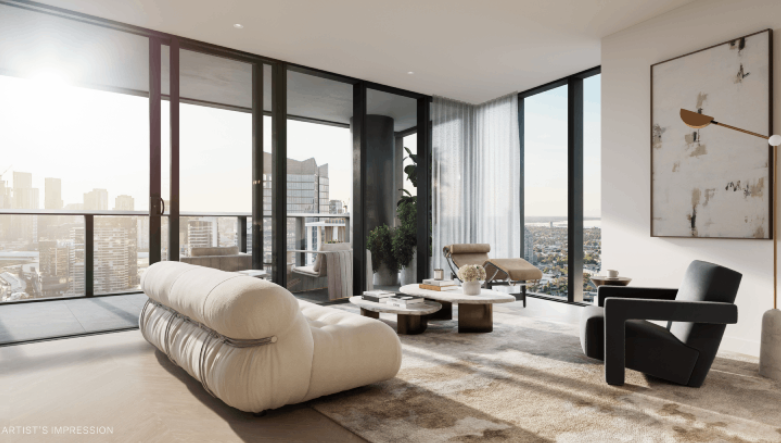
The developer also flagged a penthouse and sub-penthouse collection with larger layouts, premium finishes and broad outlooks. The planned wellness centrepiece, The Oasis, encompasses a 900-square-metre elevated urban rainforest.
Mirvac General Manager Residential Development Victoria Elysa Anderson said Trielle had resonated strongly with buyers seeking a rare lifestyle offering in Melbourne.
“Opportunities to secure a new luxury residence on a riverfront site of this calibre are incredibly rare, particularly within a community like Yarra’s Edge,” Anderson said.
“What makes Trielle unique is the combination of exceptional views, world-class residential facilities and the lifestyle that already exists around it. Residents are buying into a mature waterfront community with parks, promenades, dining, wellness and strong community connections already in place.”
The 45-level tower brings a substantial new presence to that waterfront. Its residential offering spans one-, two-, three- and four-bedroom apartments, with Signature, Prestige and Sub-Penthouse collections accommodating different household sizes. The north-facing position connects the apartments visually to the river and city beyond.
Seven storeys above the promenade, the planned Oasis combines planting and a running stream with a Scandinavian-inspired wellness club developed with spa specialist Naomi Gregory. Facilities include a 25-metre lap pool, hot magnesium pool, sauna, hydrotherapy, a gym, yoga and Pilates room, and treatment spaces.
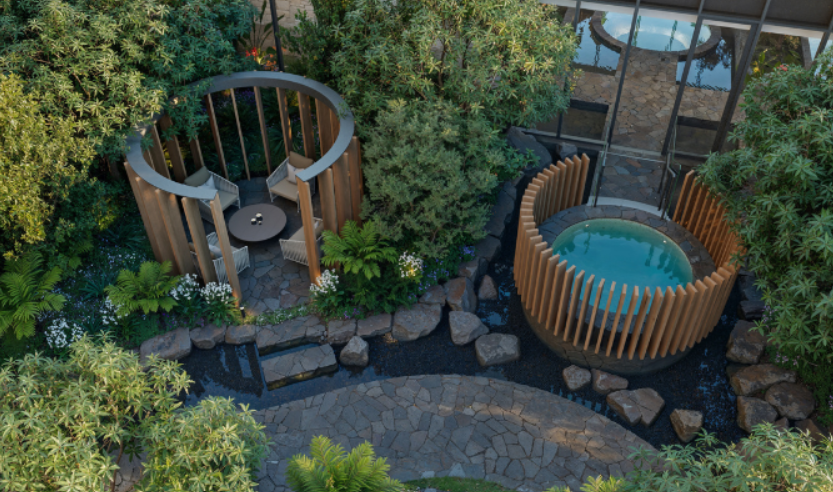
The amenity extends beyond exercise. Residents will have access to The Biblioteca library and workspaces, ground-floor work pods, and The Salone piano lounge. A private Chef’s Table dining room offers a setting for larger gatherings, while a cinema, games room and sports lounge broaden the entertaining options. Concierge services and a dog-wash area support everyday routines.
Trielle comprises a collection of one, two, three and four-bedroom residences. Reflecting strong demand from owner occupiers, approximately 80 per cent of purchasers to date intend to live in their homes, highlighting the project’s appeal to those seeking a long-term waterfront lifestyle.
Mirvac has recently delivered The Albertine, a premium apartment development on the edge of Melbourne’s CBD, and is nearing completion of Prince & Parade in Brunswick, further strengthening its portfolio of thoughtfully designed apartment communities in some of Melbourne’s most sought-after urban locations.
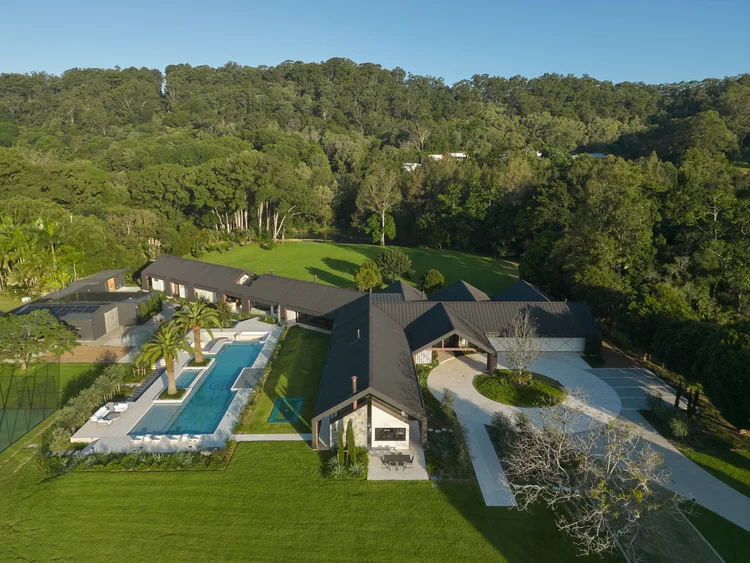
Margot Robbie may have travelled from a Queensland farm to the highest reaches of Hollywood, but a reported $28 million property deal suggests the Gold Coast has never lost its hold on her. The Australian actor and producer is believed to be the mystery buyer of Redwood, a seven-acre Currumbin Valley estate transformed into the …
Continue reading “Margot Robbie Reportedly Behind $28 Million Currumbin Valley Homecoming”
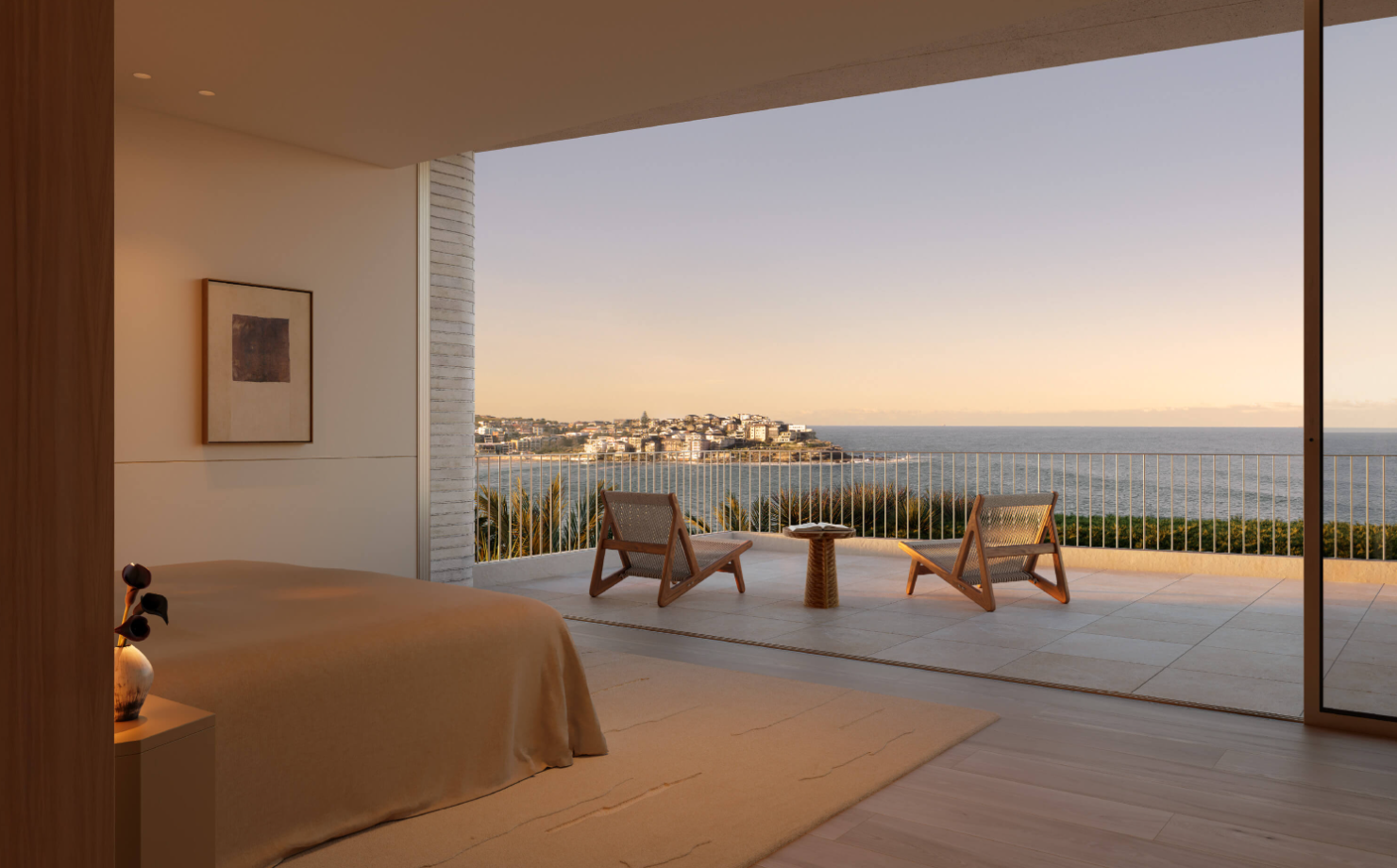
For Central Element, the start of work at Pearl represents another step in the company’s growing eastern suburbs pipeline.