

Revealed: Tasmania’s Hidden Luxury Escapes
From cliffside lodges to private islands, Tasmania offers refined seclusion, dramatic landscapes and world-class indulgence.
 2 min
2 min
For those seeking sanctuary, Tasmania is no longer just a stop on the gourmet trail; it has become the retreat of choice for travellers who value privacy, natural beauty and rarefied experiences.
Here, unspoilt wilderness collides with an extraordinary food and wine culture, creating a backdrop that is both invigorating and restorative.
The island state inspires visitors to “come down for air”, not just a slogan, but a reminder that this is a place to disconnect from the noise of the mainland.
Beyond the plate and the glass, Tasmania delivers experiences that draw people outdoors: iconic multi-day treks such as the Three Capes Track, encounters with award-winning winemakers in the Tamar Valley, or the solitude of Bruny Island’s windswept beaches.
Whether it’s cold-water immersion at sunrise, venturing into the rugged wilds of the West Coast, or dining on oysters pulled fresh from the ocean, Tasmania offers its guests something rare in modern luxury: the ability to feel both utterly indulged and completely at ease.
Here are some of the most luxurious accommodations on offer, regardless of which part of the state you want to explore.
PUMPHOUSE POINT
Floating serenely on Lake St Clair, the converted hydro station at Pumphouse Point feels like a work of architectural theatre.
Guests reach the retreat via a jetty that stretches into the still, polar waters, before stepping into suites where glass walls frame the wilderness.
Days unfold with bushwalks, e-bike rides or rowing across the lake, while evenings are about curated menus showcasing Tasmania’s finest produce. Cold-water swimming, here considered therapy rather than challenge, is one of the most restorative rituals on offer.
THE INLET
On the windswept north-west coast, The Inlet blends beachfront living with agrarian charm. Four contemporary houses are tucked into sand dunes overlooking a private stretch of coast, part of a working cattle farm just minutes from the historic port of Stanley.
Guests wake to the rhythm of the tide, wander along deserted sands, or watch birdlife gather in the inlet, all the while feeling miles from the outside world.
BARNBOUGLE
For those whose idea of leisure involves a perfect swing, Barnbougle is nothing short of a pilgrimage.
Once farmland for potatoes, the dunes of north-east Tasmania have been transformed into a trio of world-class golf courses sculpted from the natural contours of the land.
The Dunes, Lost Farm and Bougle Run now attract serious players from around the globe.
Private charters deliver guests directly from Melbourne, where evenings end in elegant villas overlooking the wild, rolling landscape.
Read the full story here.
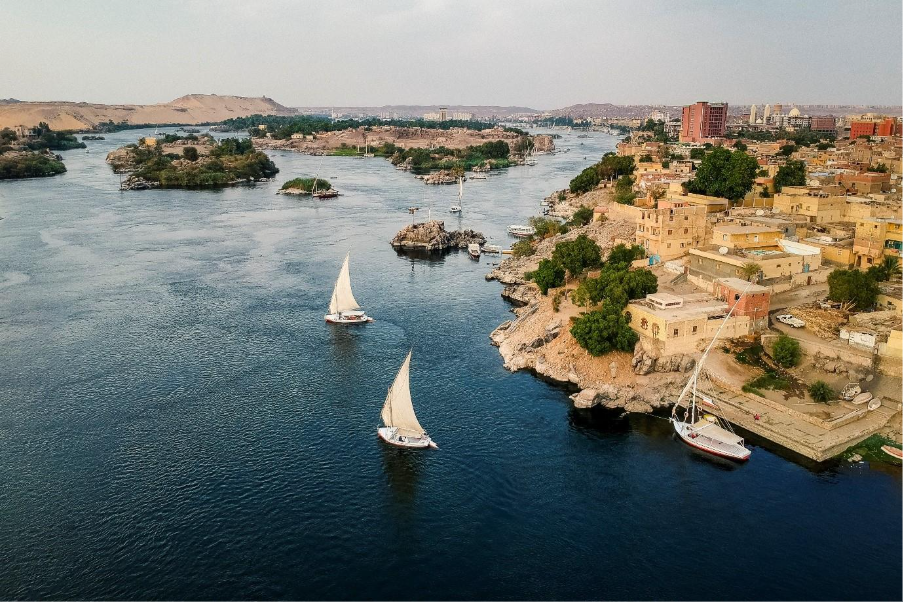
A resurgence in high-end travel to Egypt is being driven by museum openings, private river journeys and renewed long-term investment along the Nile.

In the lead-up to the country’s biggest dog show, a third-generation handler prepares a gaggle of premier canines vying for the top prize.
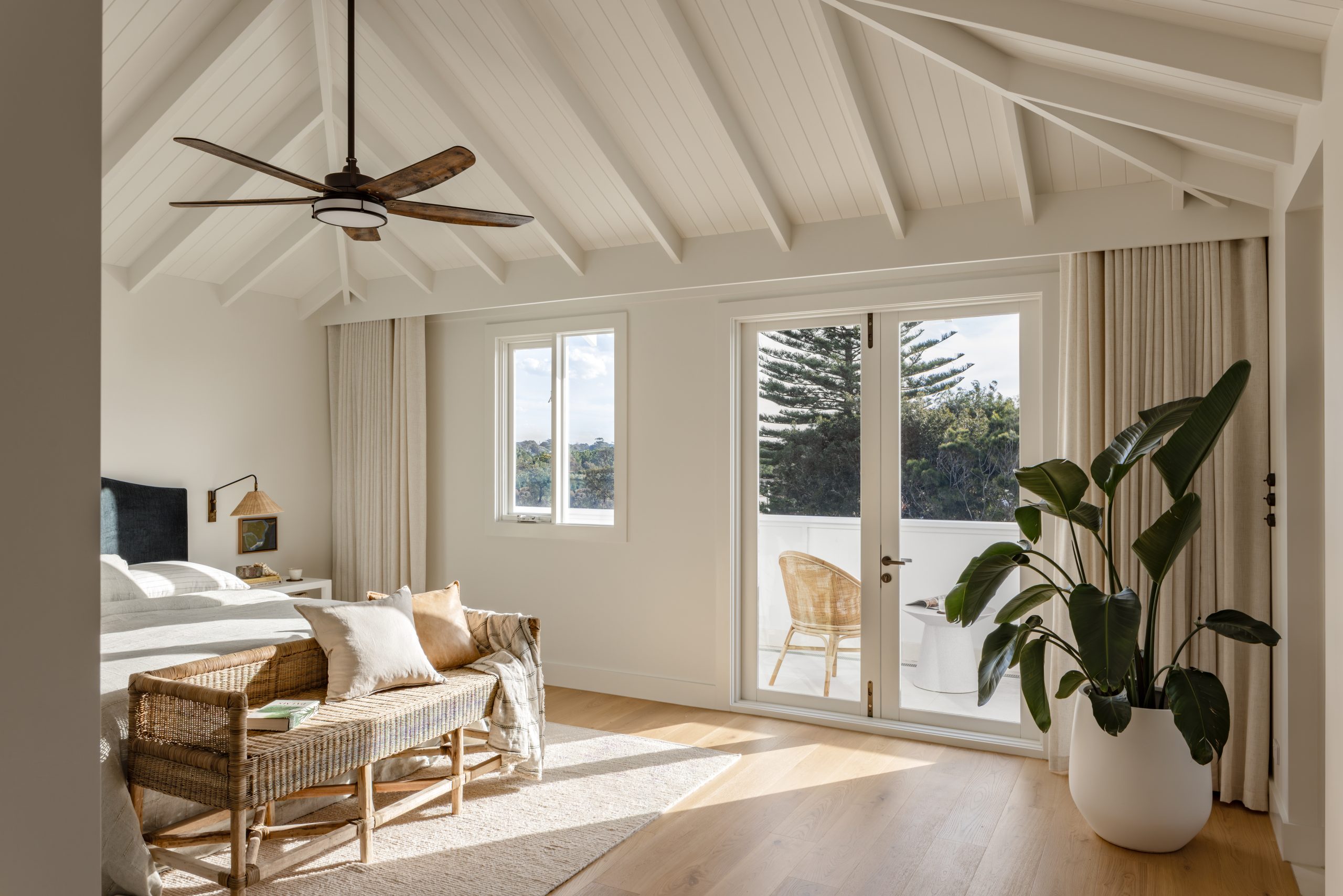
A resurgence in high-end travel to Egypt is being driven by museum openings, private river journeys and renewed long-term investment along the Nile.
2 minAbercrombie & Kent says demand for Egypt is rising sharply across its key markets, with the destination now ranking among the company’s top performing regions for 2026.
The luxury travel group reports strong year-on-year growth across the UK, US and Australia, spanning private journeys, small group itineraries and high-end celebration travel.
Some Egypt itineraries in the US market have more than doubled compared with last year, while forward bookings already extend into 2027.
Industry observers point to a renewed confidence in Egypt as a destination, underpinned by significant cultural investment and a growing appetite for deeper, more personalised travel experiences.
One of the main catalysts has been the opening of the Grand Egyptian Museum, located beside the Giza Plateau.
The museum, the largest in the world dedicated to a single civilisation, brings together the full collection of Tutankhamun’s treasures for the first time and has reignited interest in Cairo as a standalone cultural destination rather than a gateway stop.
Abercrombie & Kent’s Senior Vice President, Egypt, Amr Badr, said: “The opening of the Grand Egyptian Museum has been transformative – we’ve seen a significant surge in enquiries since November, and the calibre of traveller is remarkable.
“These are culturally curious guests seeking genuine immersion rather than surface-level touring.
“They’re booking private after-hours access to the museum, arranging consultations with Egyptologists, and approaching Egypt with the same intentionality they’d bring to any major cultural pilgrimage.
“Egypt has always been extraordinary, but 2026 feels like a renaissance moment – the perfect convergence of world-class infrastructure and a new generation discovering why this civilisation has captivated humanity for millennia.”
According to Abercrombie & Kent, British travellers are increasingly pairing museum-led experiences in Cairo with classic Nile journeys, while demand is also rising for private dahabiya charters and bespoke river itineraries.
In Australia, repeat high-spend travellers are returning to Egypt for milestone celebrations, often opting for private touring and exclusive access experiences.
The company is responding with further long-term investment along the Nile. Later this year it will launch Nile Seray, a new luxury riverboat that will feature in a private journey debuting in 2026.
A second vessel has already been commissioned, signalling confidence in sustained demand for high-end river travel in the region.
Egypt occupies a central place in the company’s history. Founder Geoffrey Kent first introduced Nile cruising to the brand in the late 1970s with the SS Memnon, laying the foundations for what has since become one of its most enduring destinations.
Nile Seray is now accepting reservations for departures from October 2026, with four-night voyages priced from USD $3,125 per person.
A resurgence in high-end travel to Egypt is being driven by museum openings, private river journeys and renewed long-term investment along the Nile.

Parts for iPhones to cost more owing to surging demand from AI companies.