


SPRING PROPERTY MARKET TIPPED FOR HOTTEST RUN IN YEARS
Buyer demand, seller confidence and the First Home Guarantee Scheme are setting up a frantic spring, with activity likely to run through Christmas.
 2 min
2 min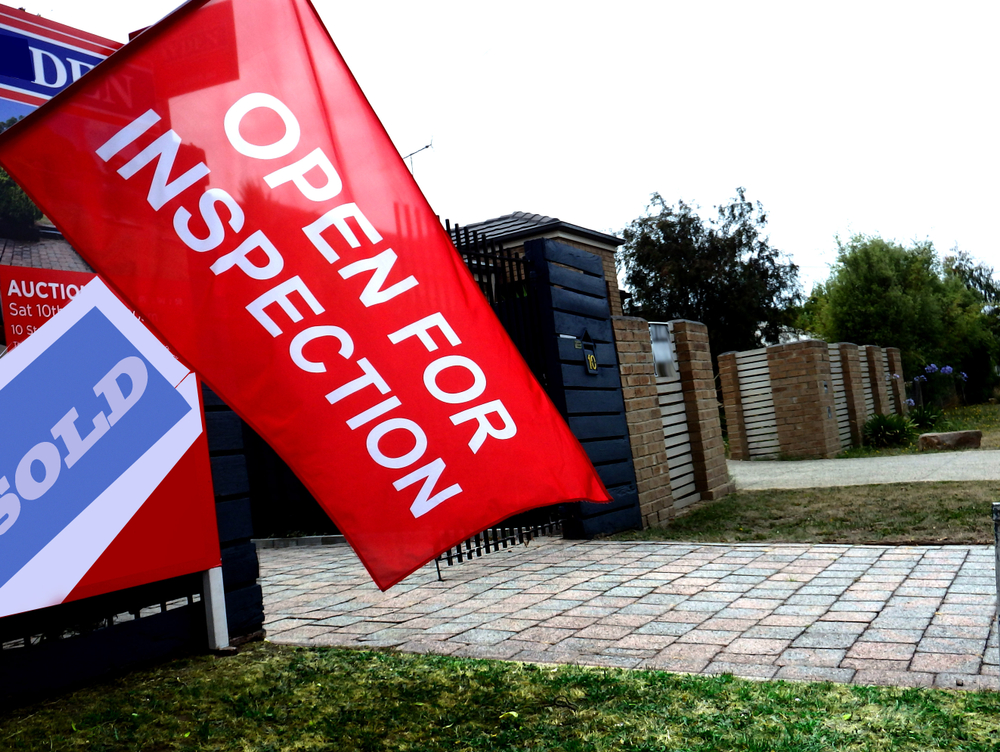
The spring property market is shaping up as the most active in recent memory, according to property experts Two Red Shoes.
Mortgage brokers Rebecca Jarrett-Dalton and Brett Sutton point to a potent mix of pent-up buyer demand, robust seller confidence and the First Home Guarantee Scheme as catalysts for a sustained run.
“We’re seeing an unprecedented level of activity, with high auction numbers already a clear indicator of the market’s trajectory,” said Sutton. “Last week, Sydney saw its second-highest number of auctions for the year. This kind of volume, even before the new First Home Guarantee Scheme (FHGS) changes take effect, signals a powerful market run.”
Rebecca Jarrett-Dalton added a note of caution. “While inquiries are at an all-time high, the big question is whether we will have enough stock to meet this demand. The market is incredibly hot, and this could lead to a highly competitive environment for buyers, with many homes selling for hundreds of thousands above their reserve.”
“With listings not keeping pace with buyer demand, buyers are needing to compromise faster and bid harder.”
Two Red Shoes identifies several spring trends. The First Home Guarantee Scheme is expected to unlock a wave of first-time buyers by enabling eligible purchasers to enter with deposits as low as 5 per cent. The firm notes this supports entry and reduces rent leakage, but it is a demand-side fix that risks pushing prices higher around the relevant caps.
Buyer behaviour is shifting toward flexibility. With competition intense, purchasers are prioritising what they can afford over ideal suburb or land size. Two Red Shoes expects the common first-home target price to rise to between $1 and $1.2 million over the next six months.
Affordable corridors are drawing attention. The team highlights Hawkesbury, Claremont Meadows and growth areas such as Austral, with Glenbrook in the Lower Blue Mountains posting standout results. Preliminary Sydney auction clearance rates are holding above 70 per cent despite increased listings, underscoring the depth of demand.
The heat is not without friction. Reports of gazumping have risen, including instances where contract statements were withheld while agents continued to receive offers, reflecting the pressure on buyers in fast-moving campaigns.
Rates are steady, yet some banks are quietly trimming variable and fixed products. Many borrowers are maintaining higher repayments to accelerate principal reduction. “We’re also seeing a strong trend in rent-vesting, where owner-occupiers are investing in a property with the eventual goal of moving into it,” said Jarrett-Dalton.
“This is a smart strategy for safeguarding one’s future in this competitive market, where all signs point to an exceptionally busy and action-packed season.”
Two Red Shoes expects momentum to carry through the holiday period and into the new year, with competition remaining elevated while stock lags demand.

Exclusive eco-conscious lodges are attracting wealthy travellers seeking immersive experiences that prioritise conservation, community and restraint over excess.

Margot Robbie and Jacob Elordi star in an adaptation of the classic novel that respects the romance’s slow burn.
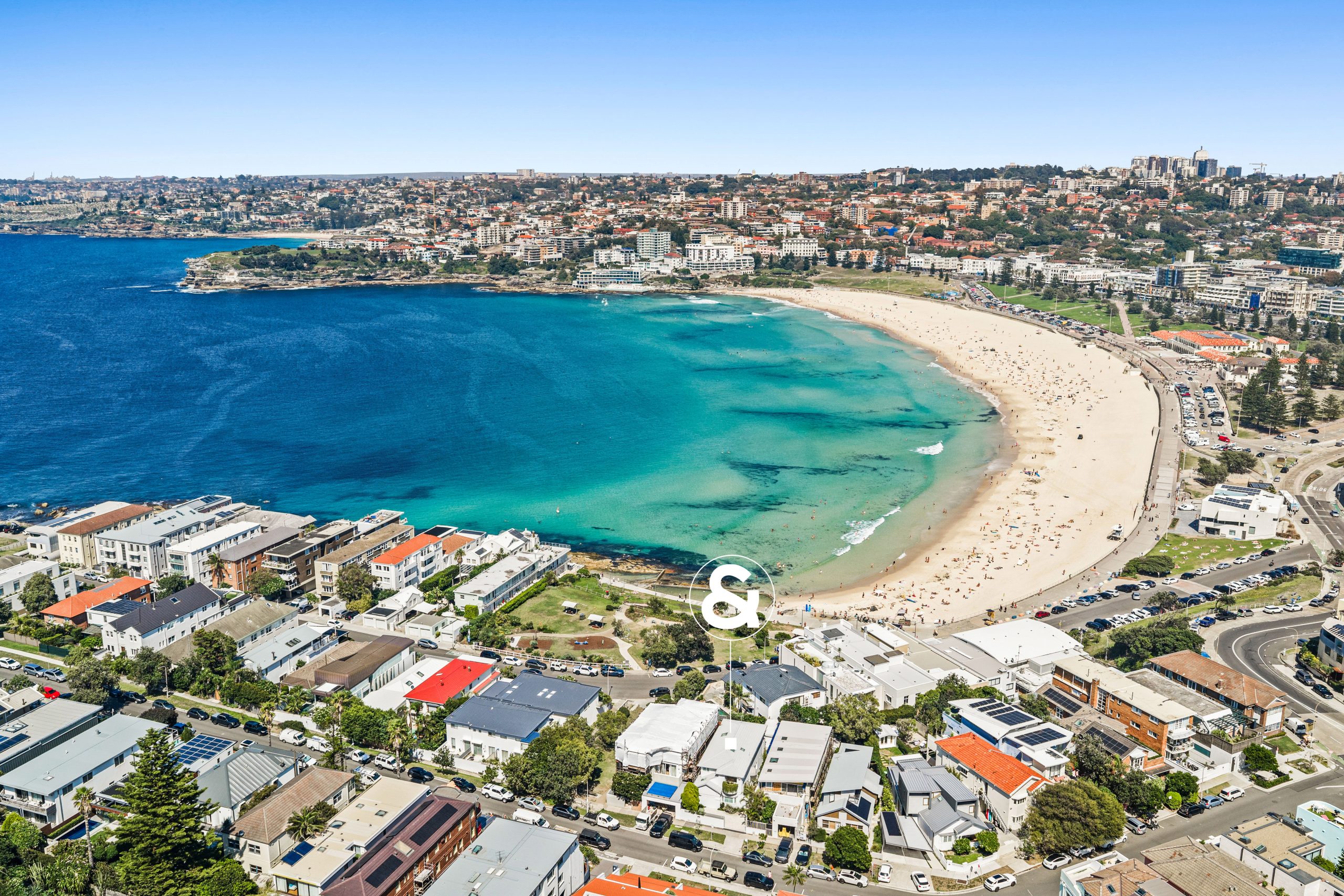

As Australia accelerates apartment construction, investors face a critical decision between high-rise living and land-backed homes.
3 min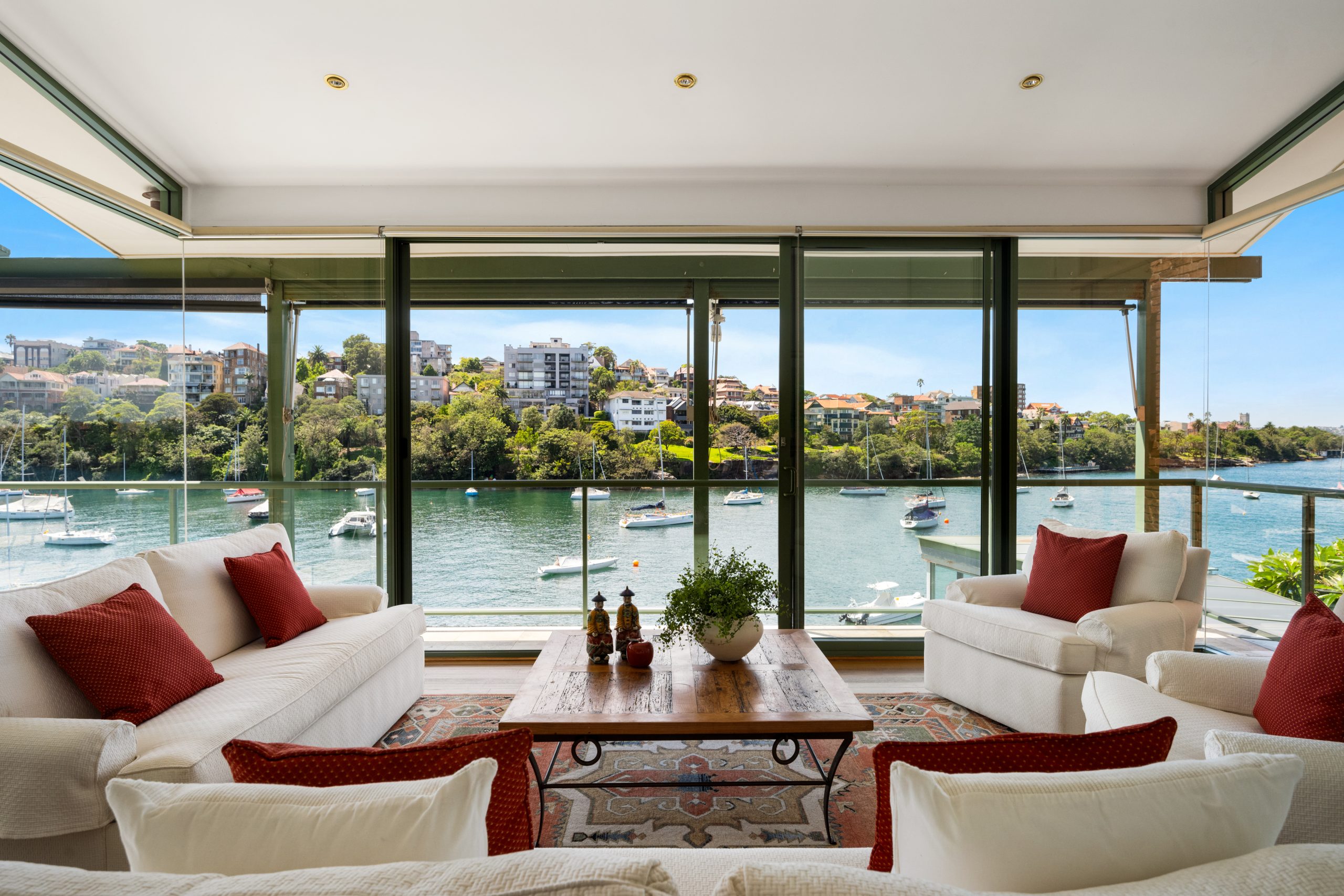
Australia’s housing shortage has long positioned real estate as a cornerstone of wealth creation. But as governments push to deliver 1.2 million new homes, many of them high-rise apartments, investors are increasingly weighing whether vertical living offers the same long-term returns as traditional houses.
While apartments offer lower entry prices and strong rental demand in key locations, critics warn that strata costs, oversupply and lack of land ownership can undermine long-term capital growth.
LOCATION AND LIFESTYLE DRIVE DEMAND
Company RE chief executive Marcus Buskey says thoughtfully designed high-rise developments in lifestyle precincts can deliver strong returns, particularly in premium coastal markets.
Demand remains robust across the Gold Coast and inner-city Brisbane, driven by downsizers, professionals and interstate buyers seeking convenience and lifestyle.
“Apartments in premium Gold Coast areas like Mermaid Beach, Broadbeach and Burleigh Heads have consistently demonstrated capital growth, driven by limited availability, desirability of location and ongoing demand from lifestyle-focused buyers,” Buskey says.
He adds that quality, exclusivity, views and proximity to amenities remain critical factors influencing performance.
MELBOURNE MARKET SHOWS MIXED SIGNALS
Melbourne project marketing specialist Jon Ellis, founder of The Move, says apartments continue to dominate transactions, accounting for 360 of his last 400 sales.
However, he warns not all developments perform equally.
“Some lower-grade apartments in Melbourne may never go back up to the sales price they were achieving a few years ago,” Ellis says.
He notes that construction costs have risen sharply, making it harder to deliver strong investment yields. Yet demand remains strong for well-executed developments.
“Investors purchasing an apartment for $600,000 need to get about $600 a week in rent. If you can get that right and prove it, demand for apartments certainly outstrips residential houses.”
THE LAND FACTOR REMAINS CRITICAL
Like all investment opportunities, others favour a freestanding home over a high-rise apartment.
“In my opinion, the only people who make money from high-rise apartments are the developers who build and sell them,” buyers’ agent Gianni Musumeci says.
For this reason, the Sydneysider steers investors away from high-rise apartments. “While they may appear to be an appealing investment on the surface with attractive guarantees, modern designs and convenient locations at somewhat lower entry points, high-rise apartments are, in my view, rarely a good investment,” Musumeci, of Leverage Property Advisers, says.
“This is especially the case when compared to standard residential homes in suburban markets, primarily due to the overwhelmingly high supply of apartments, the high level of cash flow expenses, the number of defects commonly found in high-rise buildings and the cost to remediate them, as well as the lack of land ownership, which is the primary driver of capital growth.”
“Economics 101 tells us that capital growth is achieved when diminishing supply meets increasing demand. The issue with high-rise apartments is that they’re typically built in areas with overwhelming supply, and often, that supply exceeds demand,” he says.
“These developments are usually located around major transport hubs, and as a result, if you’re looking to buy in one of these areas, you’re competing with dozens or even hundreds of similar listings.”
“Apartments are far easier to mass produce because the only restriction is how high you can build. You can’t expect strong growth in a market that’s saturated. In contrast, standalone residential homes are limited by land availability,” Musumeci says.
WEALTH CREATOR FAVOURS FREEHOLD PROPERTY
Entrepreneur and investor Scott O’Neill, who has amassed a combined net worth of $153 million with his wife Mina, says his personal experience has reinforced the benefits of freehold ownership.
He owned a high-rise apartment early in his investing journey but sold it after two years.
“The yields can vary significantly, ranging from four to seven per cent, but that’s before accounting for sinking funds and strata fees. Your net returns often drop to between one and two per cent,” O’Neill says.
He says oversupply and rising strata costs can further weaken performance.
“Most long-term property owners end up selling high-rise apartments in favour of freehold properties.”
INVESTMENT DECISION DEPENDS ON STRATEGY
Despite the risks, apartments can still deliver strong results when chosen carefully.
Experts agree that location, developer quality, supply levels and long-term demand are critical factors.
While houses continue to offer superior land value and long-term growth potential, apartments can provide attractive yields and accessibility for investors seeking exposure to high-demand urban markets.
Ultimately, the right investment depends on an investor’s strategy, time horizon and appetite for risk.

Warmer minimalism, tactile materials and wellness focused layouts are redefining luxury interiors as homeowners design for comfort, connection and lasting appeal.

A long-standing cultural cruise and a new expedition-style offering will soon operate side by side in French Polynesia.