





The Newest Must-Have Home Amenity for the Rich: Purified Air
Pollution, allergens and Covid have homeowners focusing on filtration systems and flexible designs to improve indoor air quality

 7 min
7 min
Visitors to John Bautista and Pedro Salrach’s San Francisco home can’t get enough of the lap pool, sauna and movie theatre. But they also get a whiff of something else they value: clean air.
“The house smells new—and after two years it still smells new,” said Bautista, an attorney. “I know when I’m home because it smells clean and fresh.”
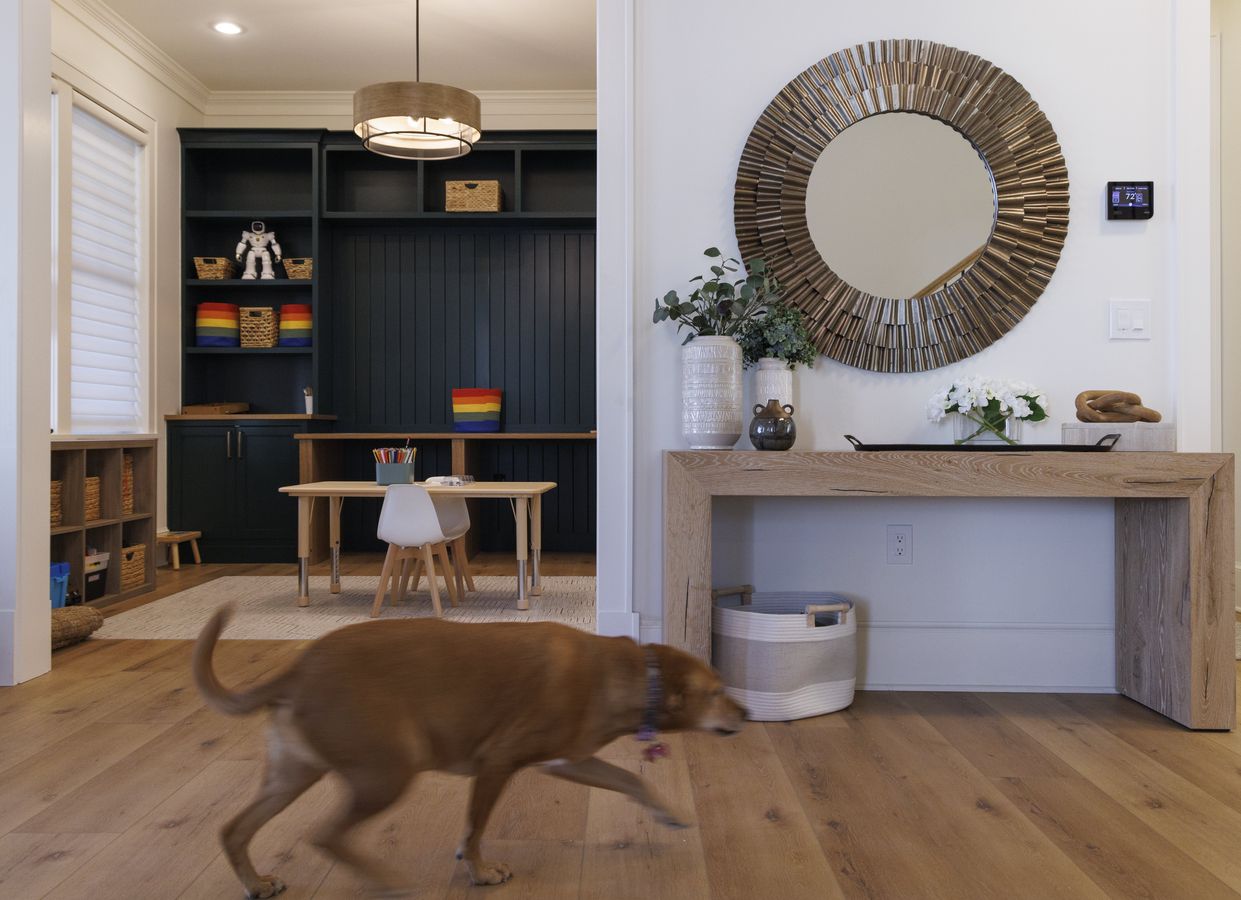
MELISSA LYTTLE FOR THE WALL STREET JOURNAL (4)
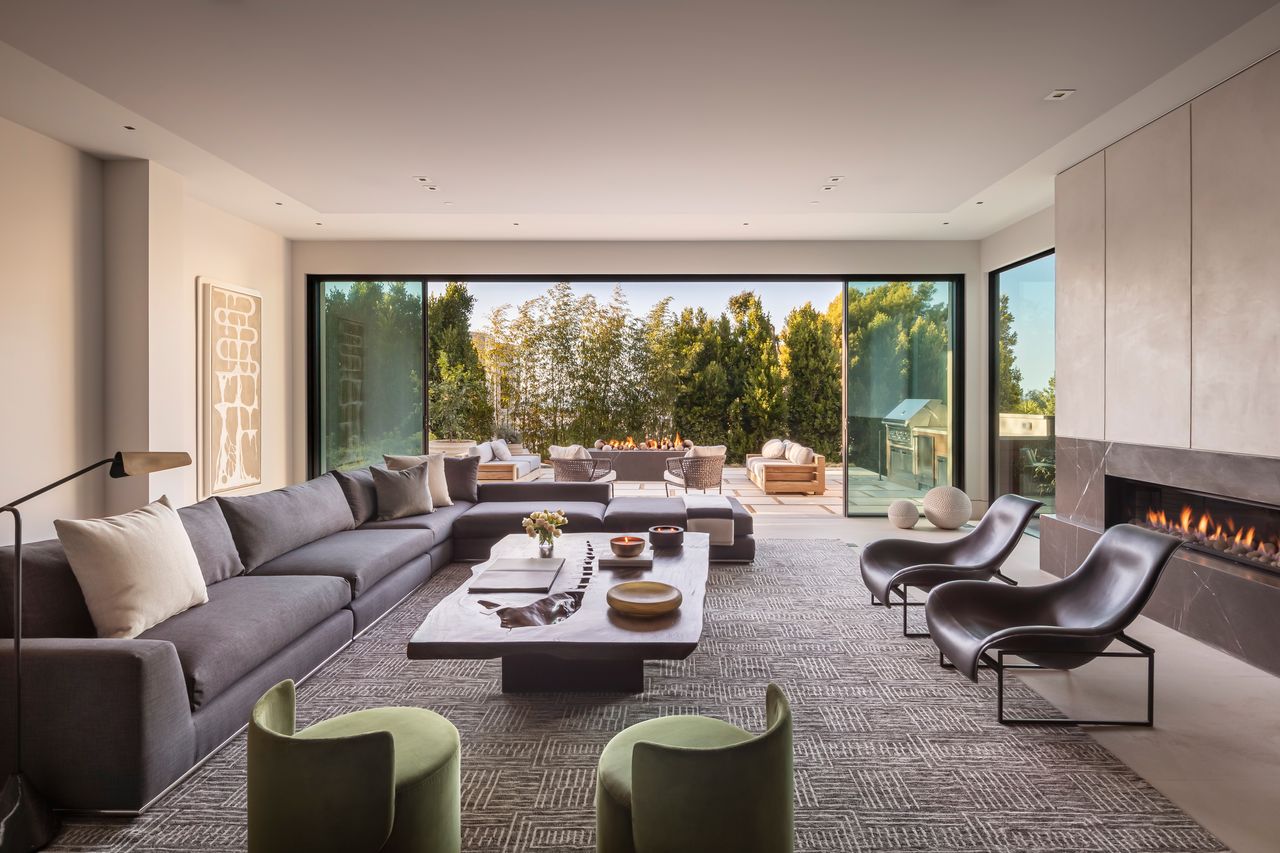
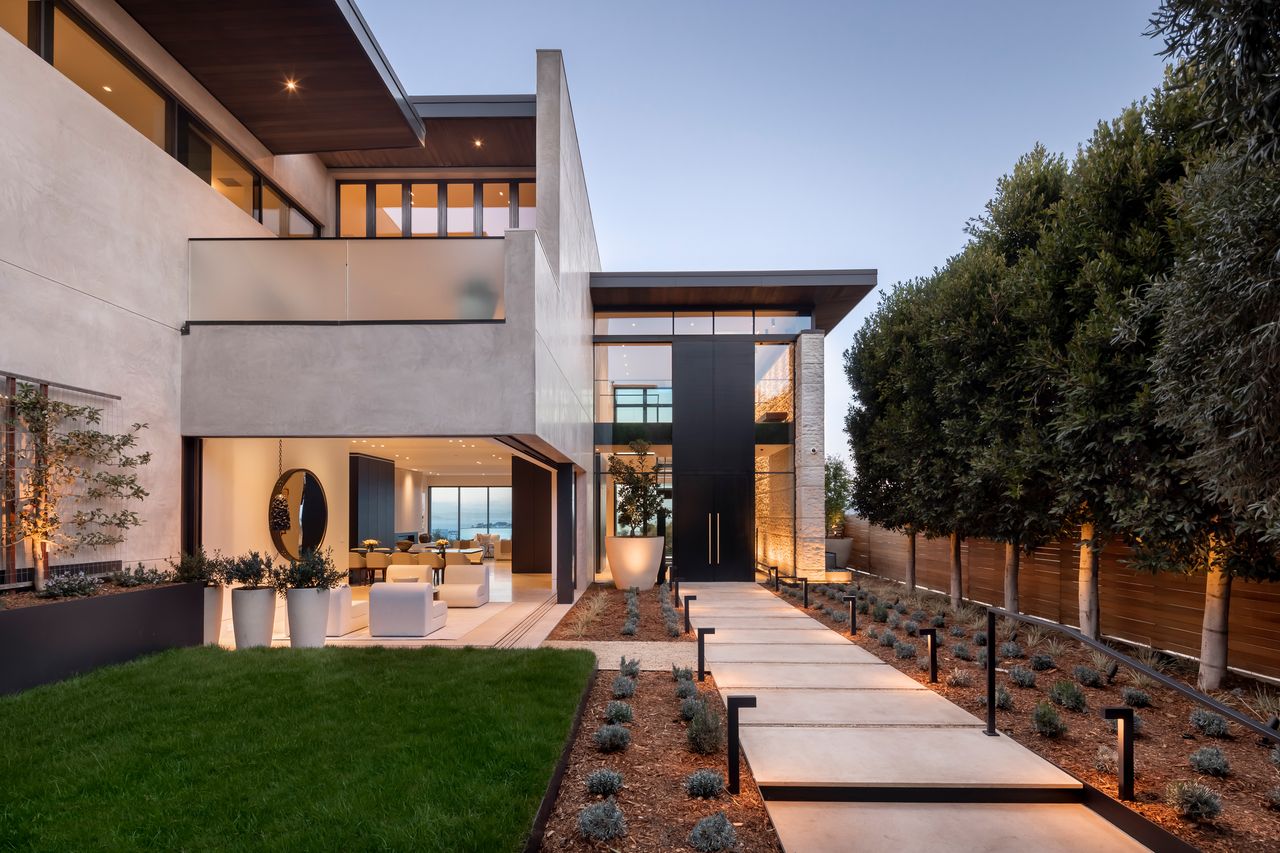
The six-bedroom home with seven bathrooms and two half-baths includes an elaborate air-filtration system meant to deal with the region’s varying air quality. The tightly sealed floor-to-ceiling windows and sliding doors offer hilltop views of the bay and access to the backyard without sacrificing air quality.
Bautista plans to further upgrade his system this year with the aim of filtering and recirculating indoor air rather than fresh outside air during periods of heavy pollution. Despite the home’s superior air quality, the family can still feel a difference on days when the outdoor air is filled with smoke. “We’ve suffered, as most people have in the Bay Area,” he said. “What we want to have is isolation.”
Developer Gregory Malin, who specialises in wellness-focused real estate, sold Bautista the home for $32 million, he said, plus an additional $5 million for fixtures and furnishings.
Luxury homeowners are known to splurge on sleek kitchens, custom decor and art, but they are increasingly turning their attention to something less visible. Forest-fire smoke, the pandemic and increased awareness of sensitivities to mould and other irritants are making their interior environment a priority.
Many are investing in complex systems and flexible designs that promise healthier indoor air but still include spaces, such as glass-enclosed rooms, that make being indoors feel natural.
Listings are increasingly touting pollution-fighting amenities to lure home buyers. In Santa Rosa, Calif., a 13-acre estate for sale at $15 million has a whole-home air purifier. This spring, the Dovecote building, under construction in Manhattan’s Harlem neighbourhood, will offer six, three-bedroom condos built to strict green and clean-air standards, starting at $1.5 million.
Malin, founder of Troon Pacific, a San Francisco-based developer of $15 million to $45 million properties that he calls healthy homes, said he focuses on the smallest details that can affect air quality. New tools allow for more-precise measurement of various particulate matter and carbon dioxide levels, he added. “Covid changed people’s perspective on connecting air quality to health, and the [wildfires] only enhanced that.”
His company’s newer homes have exhaust fans, tied to ventilation systems, in laundry rooms and under sinks, where there are various pollutants and harmful cleaning products, said Malin. Their garages have separate exhaust fans that go on long enough for three air exchanges after the door opens. Ionisation-based filtration systems also are included to eliminate airborne particles too tiny to see but hazardous when inhaled.
His homes also feature perforated piping with in-line fans to exhaust air from under slab foundations to keep contaminated soil vapours from entering the houses.
He said his company is considering building to the Living Building Challenge standard, in which homes have their own electricity, water and waste management. Demand is high for such standards, he said, including passive-home construction, where airtight homes are built using specific materials and energy-efficient systems that circulate highly filtered air. He said passive-home certification is costly, especially for big homes, and has limitations that some homeowners don’t want, like bulky windows. In the long run, however, he said eliminating most heating and cooling bills is probably worth it.
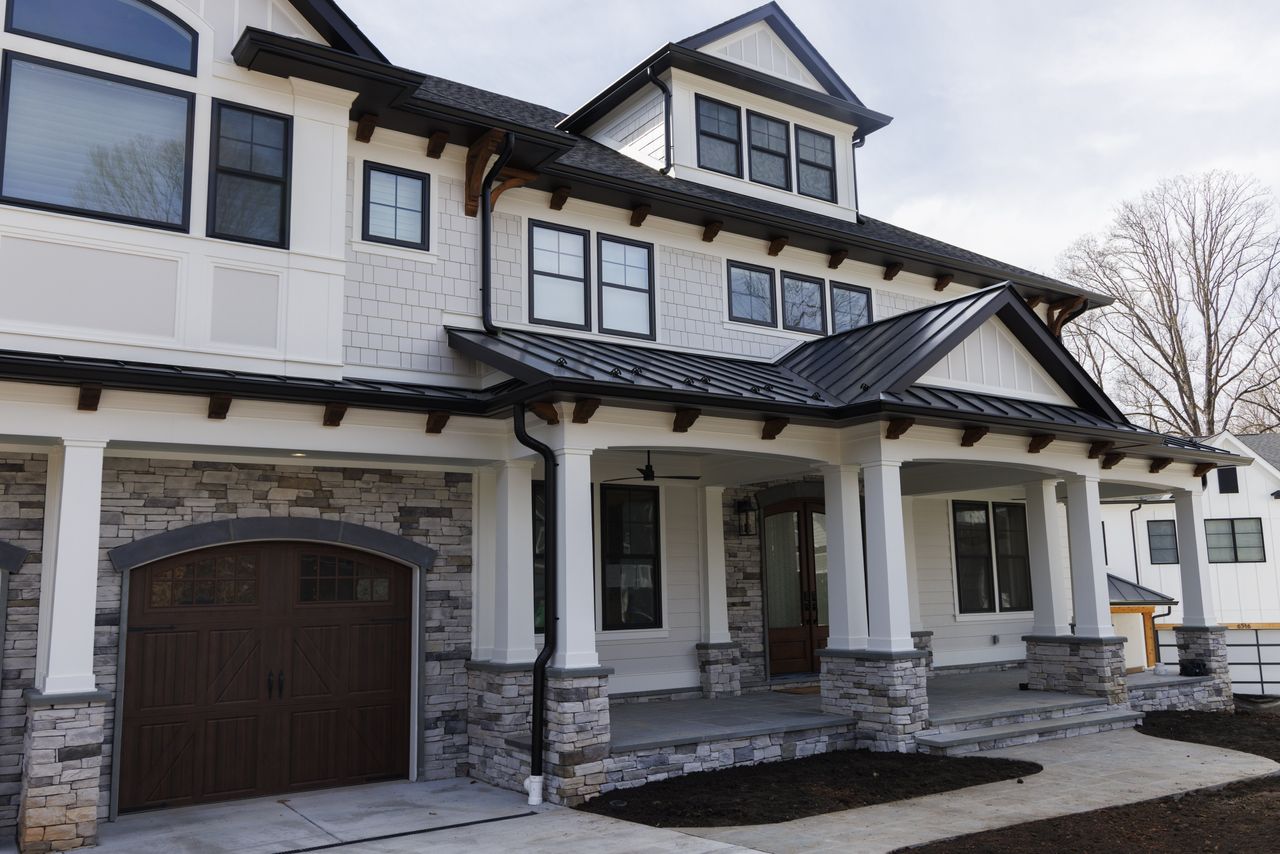
HADLEY HENRY FOR THE WALL STREET JOURNAL (4)
Clean air has become more of a talking point in homeownership, added Elliott Gall, an associate professor of mechanical and materials engineering who researches indoor-air quality at Portland State University.
While high-rises are often built to be airtight, there is a greater focus now on having windows that open while adding better filtration systems, he said. Units with outdoor access sometimes give homeowners another way to control the humidity and indoor air-pollution levels inside the home, he added.
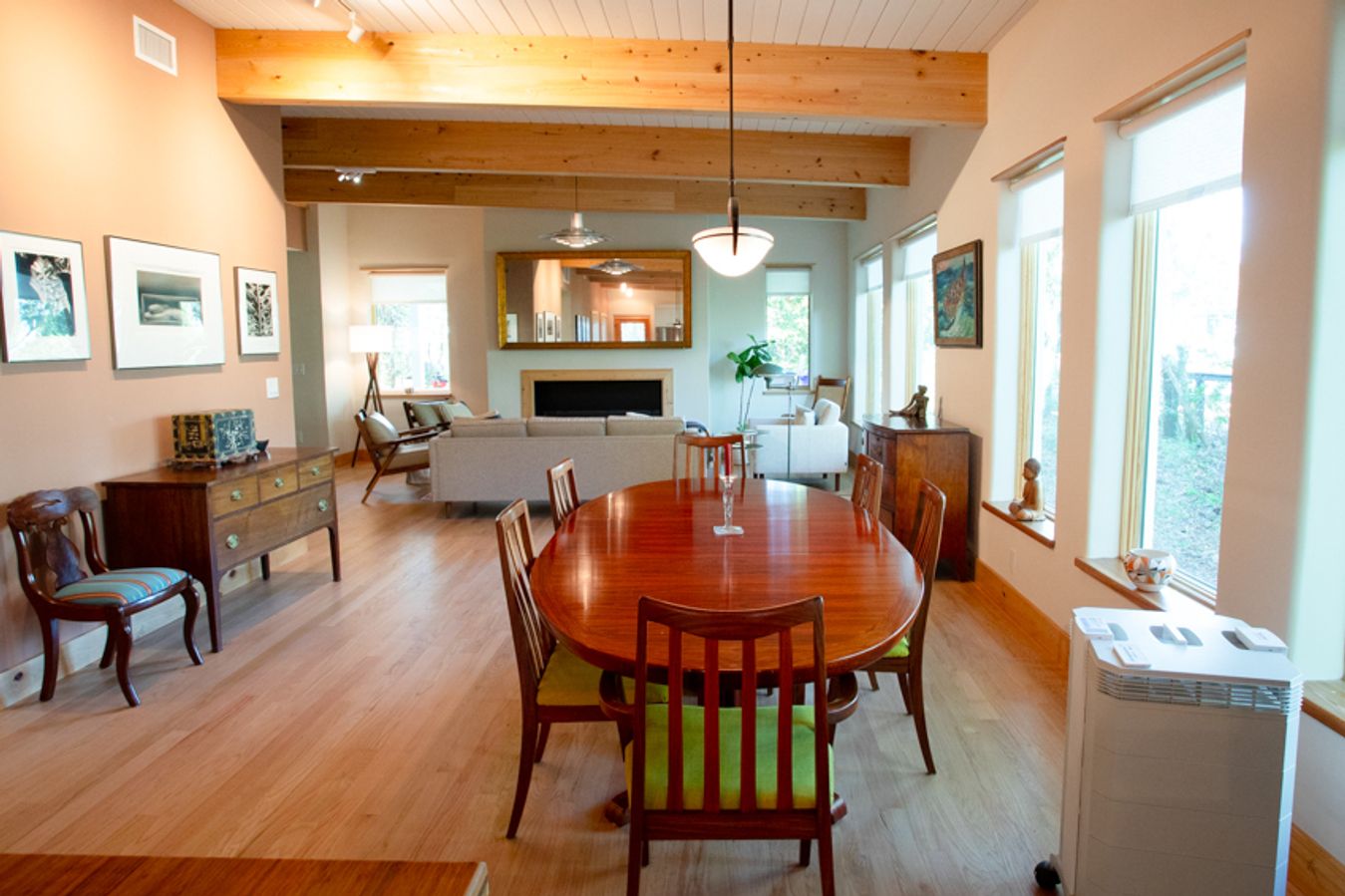
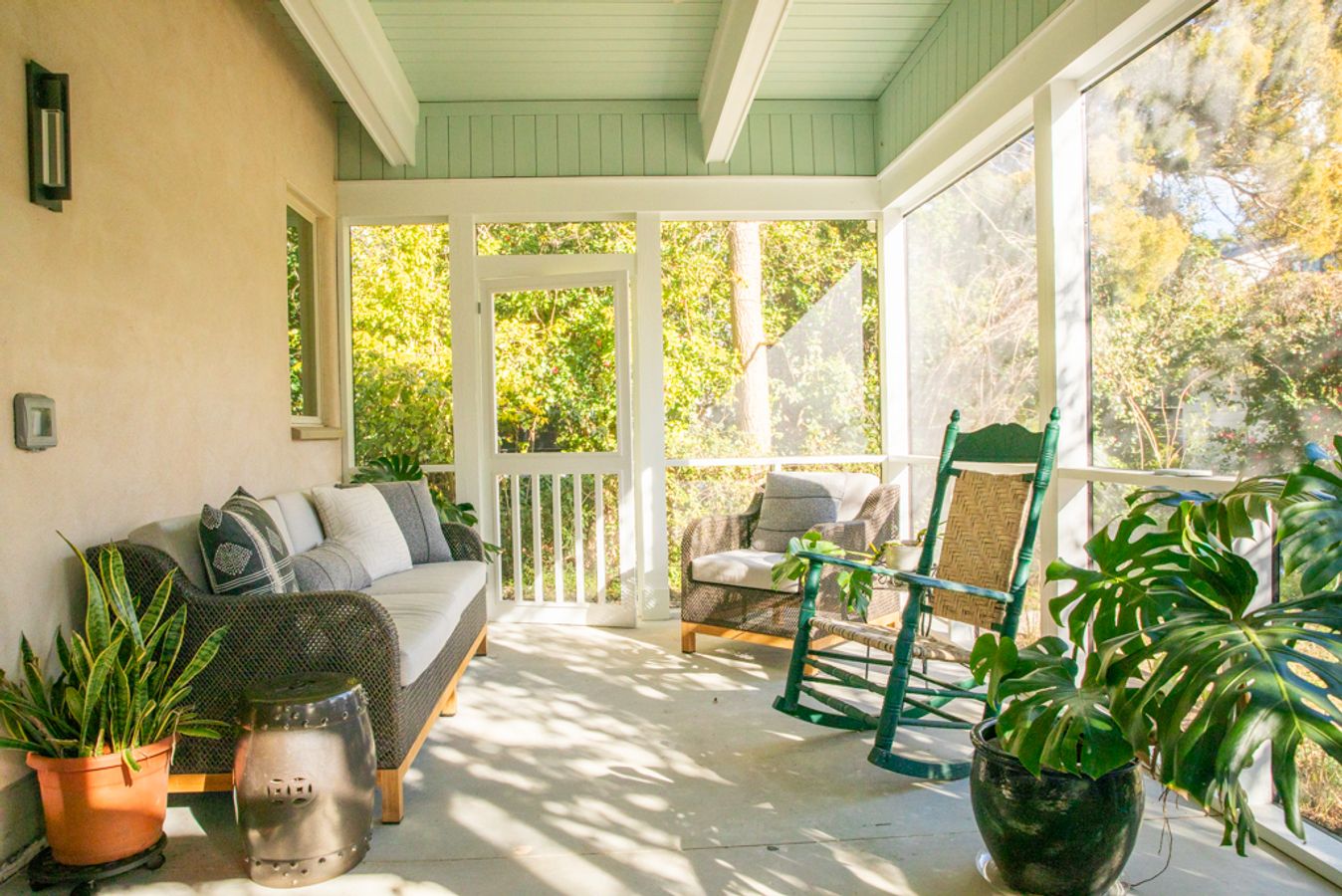
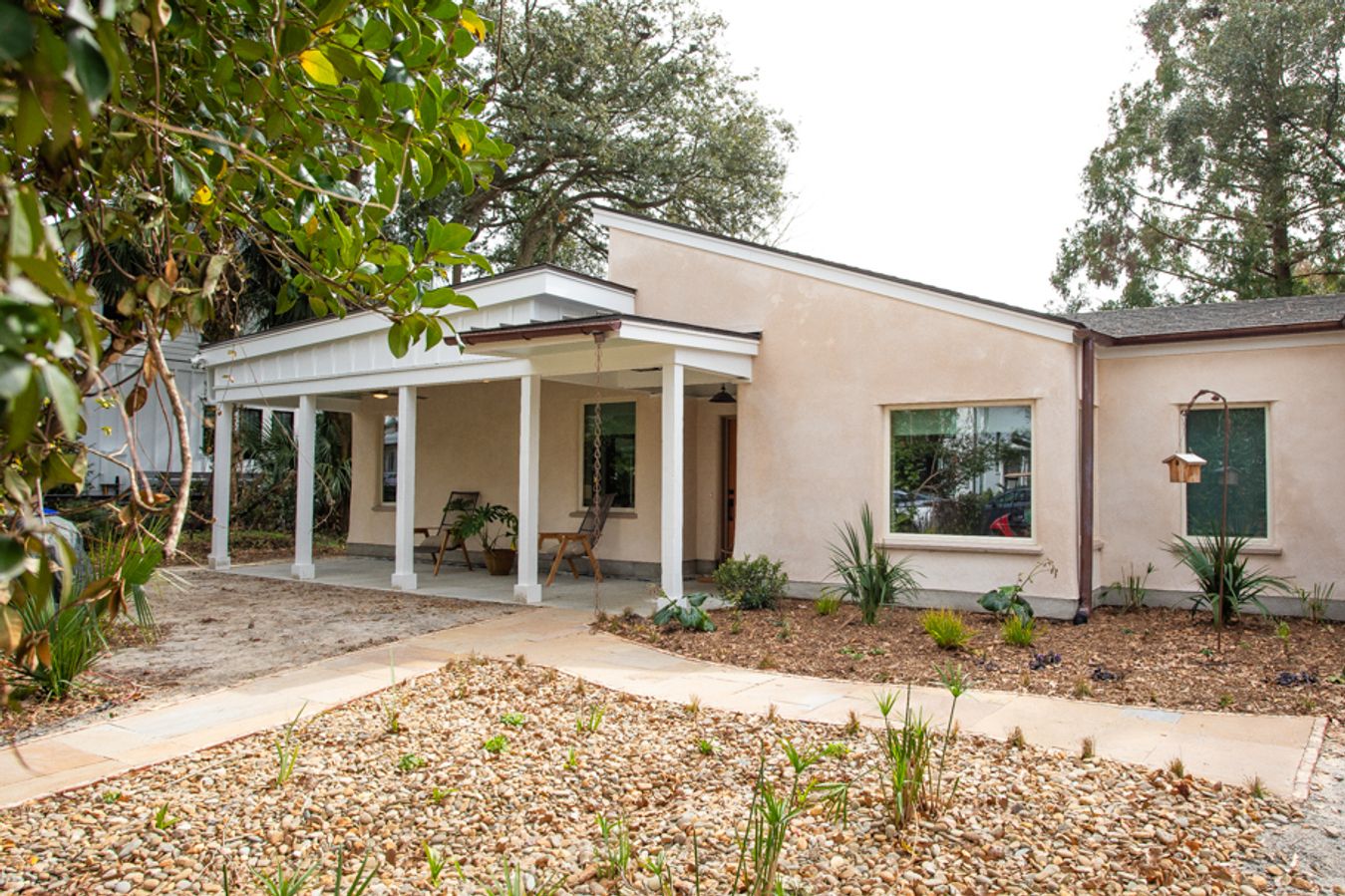
To improve the air quality in her new Charleston, S.C., home, Caroline Smythe, 67, imported a hemp block covered in a mixture of lime and sand for the construction, rather than standard brick. Living in a high-humidity area means moisture can cause mould, said Smythe, whose 2,400-square-foot Lowcountry home was completed in 2023 for about $1 million, including $250,000 for the land.
Incorporating the new material allows the moisture to get absorbed in the walls and keeps humidity steady in the home. “It has very much an earthy feel,” said Smythe of her thick, soundproof walls.
Inside, the home’s two bedrooms and two offices have additional air-filtration elements, including stand-alone air filters for each bedroom. Smythe, a psychiatrist, chose a bamboo kitchen countertop and mineral-based wall paint to prevent any chemical off-gassing. “It makes a huge difference,” she said.
Homeowners have long tried to improve air quality. In the early 1900s, homes that let in fresh air were critical to good health, but by the 1950s some owners were trying to tame outdoor air pollution by focusing on better insulation. More recently, the pandemic made access to outdoor air essential, and turned the focus again to indoor-outdoor living.
Today’s picture is mixed. Climate change has made outdoor air quality less reliable, with the added problems of prolonged forest fires.
Many people are realising their indoor air quality is often compromised by a combination of poor indoor airflow, activities like cooking and cleaning, and outdoor pollutants that settle into confined spaces, said Gall. Homeowners now want better control over their wider living space, including modifiable systems that deal with both indoor and outdoor pollution, he added.
Jason Glatt, a commercial window contractor, and his wife, Lauren Glatt, a stay-at-home mom, of North Bethesda, Md., built a $2.5 million home that includes a children’s slide into a basement playroom, an attic-level cigar room and plenty of entertaining space.
The 11,000-square-foot home’s most striking feature, however, may be the five HVAC units tucked inside utility closets and other closed rooms, controlled by eight thermostats that regulate the air quality as well as temperature in each part of the home. Their $120,000 HVAC system also includes UV lights to prevent mould.
Seth Ballard, an architect who worked with the Glatt family, said individually controlled temperature zones and more return-air vents promote better air flow. Costs can be $100,000 to $200,000 for a 10,000- to 15,000-square-foot house. “They are choosing this over a kitchen countertop,” he said of homeowners in general.
Contact: kristen@m18pr.com
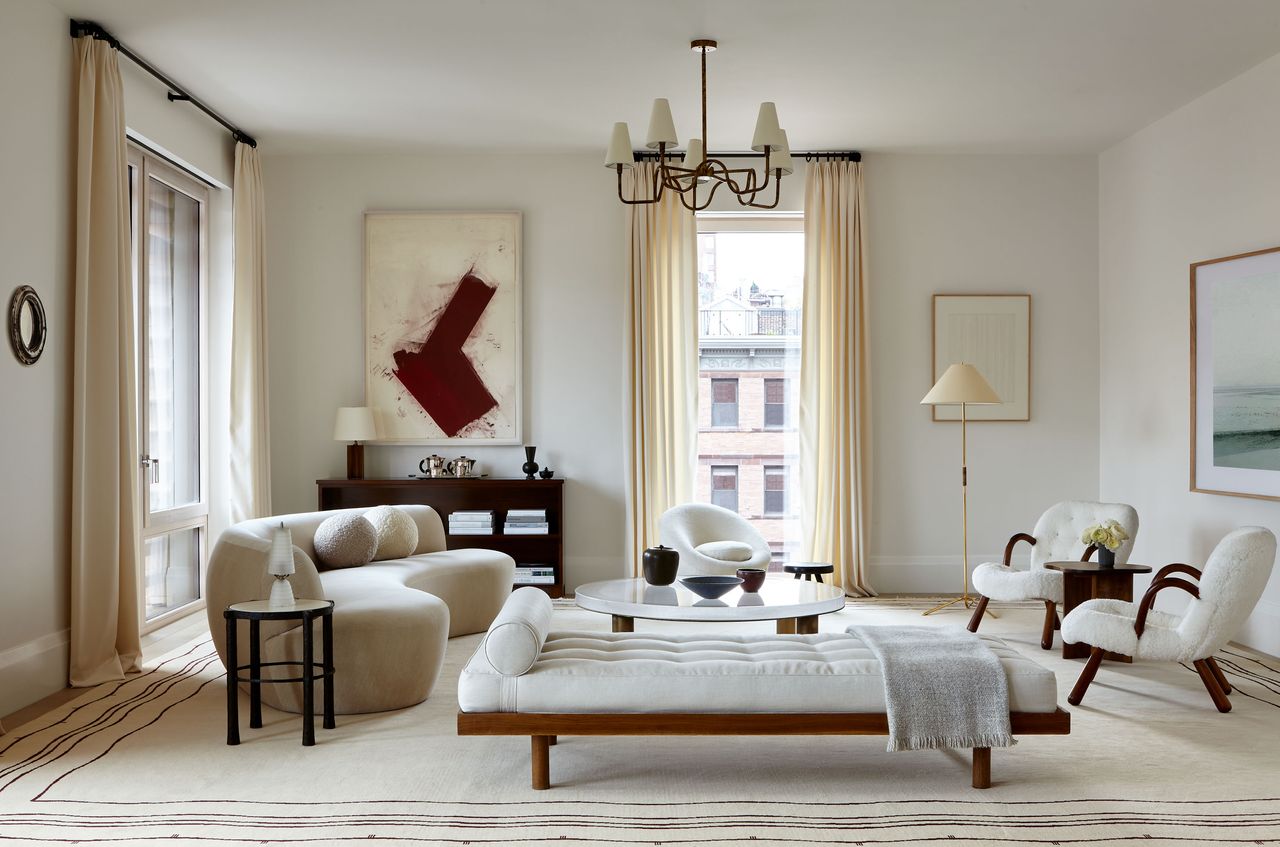
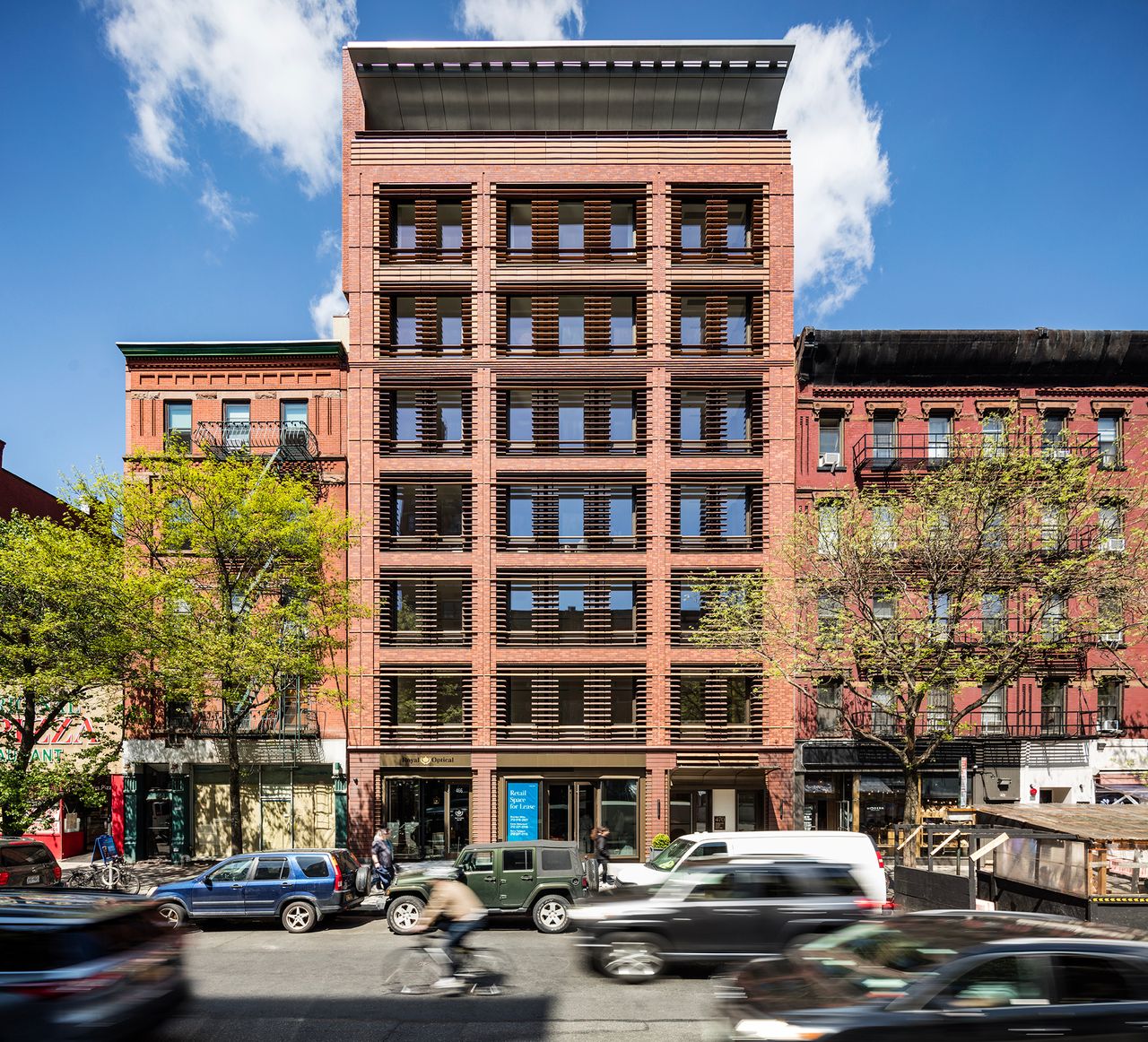
Charlotte of the Upper West Side, a building in Manhattan that opened in 2023, has seven full-floor units, each with a private entrance. The building has airtight construction with enhanced insulation. Each unit has an independent heating-and-cooling system with fresh-air filtration directly into the home that isn’t shared with other spaces.
The system can achieve full air exchange 13 times a day in normal-use mode and more than 28 times a day in boost mode, said the building’s developer John Roe of the New York-based Roe Corp. The building uses louvers outside the windows to deflect the heat of the sun and cut energy use on summer days.
Roe, who lives in one of the building’s 3,570-square-foot, four bedroom, 4.5-bathroom homes, said the air-filtration system and strict passive-home construction added 15% to the building cost.
Three of the building’s units are on sale, from $8.35 million to $17 million.
He said there is little dust in the home, and he swears it now takes longer for his cut white hydrangeas to wilt.
 Copyright 2020, Dow Jones & Company, Inc. All Rights Reserved Worldwide. LEARN MORE




A haven for hedge-fund titans and Hollywood grandees, Greenwich is one of the world’s most expensive residential enclaves, where eye-watering prices meet unapologetic grandeur.

Rugged coastal drives and fireside drams define a slow, indulgent journey through Scotland’s far north.


For affluent homeowners, the laundry is no longer a utility space. It’s becoming a performance-driven investment in hygiene, longevity and seamless living.
2 min
In high-end homes, the most telling upgrades are no longer the obvious ones.
It’s not just the marble in the kitchen or the view from the terrace. Increasingly, it’s the rooms you don’t see, and how well they actually work.
The laundry is a perfect example.
Once treated as a purely functional space, it is now being reconsidered by architects and homeowners alike as a zone where performance, hygiene and design need to align.
And for buyers operating at the top end of the market, that shift is less about aesthetics and more about control.
Because in a home where everything is curated, inefficiency stands out.
ASKO’s latest “Laundry Care 2.0” range leans directly into that mindset, positioning the laundry as a long-term investment rather than a basic appliance purchase.
Built on more than 75 years of engineering, the Scandinavian brand’s latest systems focus on durability, precision and what is becoming a defining luxury in modern homes: quiet.
One of the more telling innovations is something most buyers would never think to question until it fails.
Traditional washing machines rely on rubber seals that trap dirt and bacteria over time. ASKO replaces that entirely with a steel solution designed to maintain a cleaner, more hygienic drum.
It’s not a headline feature. But it is exactly the kind of detail buyers tend to notice.
Then there is the issue of noise.
As open-plan living has become standard in prestige homes, the background hum of appliances has gone from unnoticed to intrusive.
ASKO’s suspension system is engineered to minimise vibration almost entirely, allowing machines to run without disrupting the wider home environment.
In practical terms, that means a load can run late at night without carrying through the house. In lifestyle terms, it means the home functions as intended.
The same thinking extends to the drying process. Uneven loads, tangled fabrics and repeat cycles are treated as inefficiencies rather than inconveniences, with technology designed to keep garments moving evenly and reduce wear over time.
For buyers, this is where the value proposition sharpens.
It is not about having more features. It is about removing friction.
Less maintenance. Less noise. Less time spent correcting what should have worked the first time.
In that sense, modern laundry is no longer just a utility. It is a reflection of how a home performs behind the scenes, and whether it lives up to the expectations set by everything else.
Because at this level, luxury is not just what you see.
It is what you don’t have to think about.

As the season turns, Handpicked Wines’ latest Pinot Noir and Chardonnay releases reveal how subtle shifts in place shape what ends up in the glass.

BMW has unveiled the Neue Klasse in Munich, marking its biggest investment to date and a new era of electrification, digitalisation and sustainable design.


