


What Readers Want to See in the Workplaces of the Future
Ideas for improving office life, courtesy of those who have to work in them.

 4 min
4 min
From mazes of cubicles to plentiful lush balconies , office designers keep re-envisioning spaces to support our professional lives. Not all of their ideas have been…work-friendly, shall we say.
We thought it would be productive to ask the workers themselves—in this case Wall Street Journal readers—for a little brainstorming to see what their employers could be doing better.
We asked, What office-design change would you most like to see?
Their responses covered a lot of ground, from workplace conventions to technology to the environment itself.
Put your phones away
Similar to a lunch break, I wish we could have a phone break each day. Staff members would place their phones in a box that would then be removed and face-to-face conversation would be encouraged instead.
This is an important cognitive disconnect. People are responding more slowly to face-to-face conversations as their minds alternate between concentrating on their device and in-real-life interactions.
This no-device speakeasy would be less structured around work and more like a hangout: Someone just kicks off a conversation and folks follow on.
• Desmond Latham, Pearly Beach, Western Cape, South Africa
No hoteling
One way companies could make the return to office smoother would be to have assigned offices and desks.
Having a consistent space provides employees with stability and a sense of belonging, rather than navigating the uncertainty of finding a spot each day.
• Gabriela Valdez, Prosper, Texas
Some place like home
I would like to see office buildings that blend seamlessly into residential neighbourhoods. I
nstead of towering corporate headquarters in city centers, companies would operate from house-like suites scattered across communities.
Employees could walk to work, bring their children or pets along, and enjoy flexible hours without the grind of daily commuting.
Walls would be lined with immersive video screens, allowing teams across the country to collaborate as if they were in the same room.
This model could save trillions in transportation costs, road construction and pollution while offering workers a healthier and more affordable lifestyle.
By eliminating the need for massive skyscrapers, corporations would redirect capital into smaller, interconnected hubs that foster community integration.
The environmental benefits are equally striking: fewer cars on the road, reduced emissions, and less strain on public infrastructure.
• Michael Lowery, Colorado Springs, Colo.
One size doesn’t fit all
I’d like to see a focus on the actual employees.
Why aren’t employers asking them what spaces they need to do the most productive work?
What environments are most conducive to enjoying the work they do? Private offices aren’t the answer for everyone but most workers need more than a traditional cubicle.
Same with artwork and furnishings. One size or style isn’t appealing to everyone.
• Nancy Sanders, Phoenix
Quiet, please
I want an actual functioning cone of silence at work. This would be used so workers that are on conference calls for many hours every day don’t disturb their co-workers with all of their talking.
At many firms, offices with hard walls and doors are only assigned to managers with a minimum number of direct reports.
I think they should be assigned instead based on how many hours a day the person is on conference calls.
And that’s not for the benefit of the projects they manage but for everyone else who otherwise has to listen to one side of a conversation for four to six hours a day.
I know many companies are enthusiastic about open-office plans, but I don’t know any engineers who like them, so many have no choice but to wear headphones and play music to drown out the distractions, which leads to isolation even in a well-populated office.
• Paul Egan, Milwaukee
Private time
I’m gobsmacked that there is no mention of bathrooms in these stories about future office design. If you want to get employees back to an office, offer more privacy there.
• Lisa Hale, Los Angeles
Double down on fitness
Standing desks are passé if not accompanied by an under desk treadmill.
• Taylor Archibald, Provo, Utah
Bring back the cubicle
I’d like to see a return to cubicles or small alcove-style workspaces and a step away from the fully open-office concept.
Open layouts were meant to spark collaboration, but in practice they often create constant noise, distractions and a sense of being “on display.”
Most knowledge work requires periods of sustained focus, and people do their best thinking when they have a bit of privacy and control over their environment.
Cubicles and alcoves don’t eliminate teamwork, but simply give employees a dedicated space to concentrate, recharge and hold quiet conversations without disrupting others.
When combined with designated collaboration zones, these semiprivate spaces create a healthy balance between focus and teamwork.
In a hybrid-work world, the office should be a place that enhances productivity and restoring a sense of personal space would help achieve that.
• James Wright, Grand Rapids, Mich.
A little colour
I’d love to see the addition of some colour. Any colour at all besides gray and beige. I’ve worked in offices for most of my life, and the “grayge” neutrals are suffocating.
I would also like to have more powered standing desks in the office. The hand-operated ones are too complicated or too fragile to allow for regular lifting and lowering. Every one I’ve had has broken.
• Tony Holmes, Prince William County, Va.
Keep us moving
I wish we had more flex space.
That would be where office designers create a variety of workspaces: standing desks, treadmill desks, quiet rooms, lounge areas, etc., so the team can move through different ergonomic worksites throughout the day and keep their bodies and minds flexible and active.
• Sam McNulty, Cleveland
Help us want to be there
I believe that companies should focus on how to make the workplace more comfortable, even homey.
We spend more of our time at the office than we do awake at home. The office therefore should be a place that one looks forward to going to.
This could be achieved with upholstery that shows the company cares that you’re there.
Comfortable chairs and desks, up-to-date technology, a subsidized kitchen and a dining room that invites collaboration and connection between co-workers.
• Andre Mora, Miami
Restorative options
We need nap areas, like pods or mini-bedrooms as well as gym and shower areas.
• Sara Jones, Hillsborough, N.C.
Let it shine
Get the private offices with doors away from the perimeter windows! Move those offices to the interior of the floor plates so more light can flood the workspace and everyone can look out the windows!
Our office was reworked this way and our copy/print/supply area ended up along a perimeter window.
Everyone looks outside while they wait for the print jobs to finish.
We also used low-rise desks so it’s possible to look out the perimeter windows from the private offices.
Our private offices are glass-doored and glass-walled, so there’s a lot of visibility throughout our offices.
• Andrew Skotdal, Everett, Wash.
The ultimate perk
I’m hoping for a coffee-delivery drone robot that lets me stay on a two-hour call without a BRB (Be Right Back) coffee break.
• John Dabbar, Oyster Bay, N.Y.
 Copyright 2020, Dow Jones & Company, Inc. All Rights Reserved Worldwide. LEARN MORE





Exclusive eco-conscious lodges are attracting wealthy travellers seeking immersive experiences that prioritise conservation, community and restraint over excess.

Margot Robbie and Jacob Elordi star in an adaptation of the classic novel that respects the romance’s slow burn.
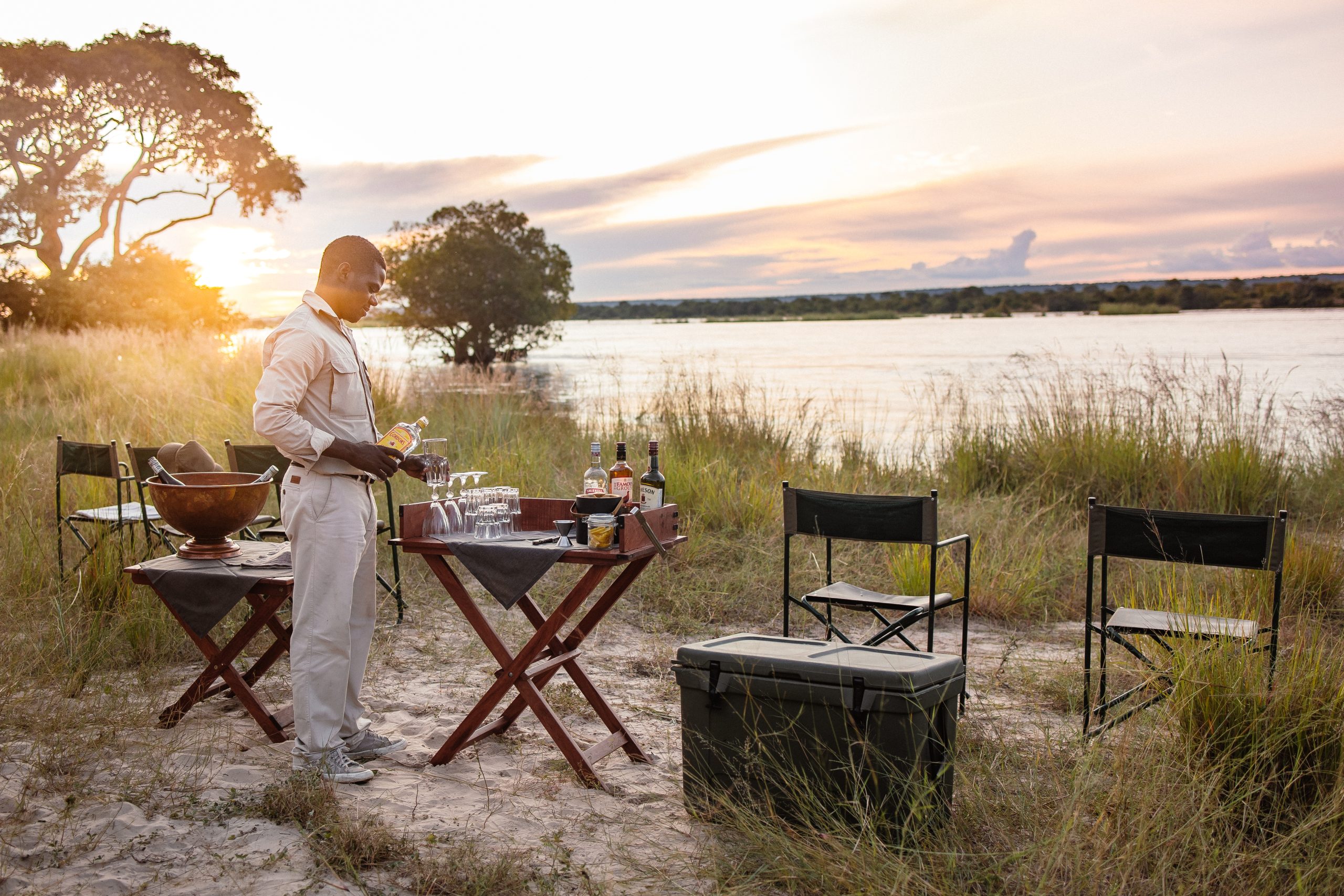
Exclusive eco-conscious lodges are attracting wealthy travellers seeking immersive experiences that prioritise conservation, community and restraint over excess.
2 minLuxury travel in Southern Africa is undergoing a quiet but profound transformation. Where sprawling resorts and visible opulence once defined status, a new generation of high-end travellers is gravitating towards smaller, low-footprint lodges that deliver exceptional experiences while preserving the environment around them.
This shift reflects a broader recalibration of priorities among affluent travellers, who are increasingly placing sustainability alongside comfort and exclusivity when selecting destinations.
Industry reports from Virtuoso and American Express Travel highlight growing demand for accommodation that supports conservation, limits environmental impact and contributes meaningfully to local communities.
For operators such as Isibindi Africa, this approach has long been central to their philosophy. Its flagship properties, Thonga Beach Lodge in South Africa and Tsowa Safari Island on the Zambezi River, demonstrate how thoughtful design and operational restraint can enhance rather than diminish the luxury experience.
DESIGNED TO DISAPPEAR INTO THE LANDSCAPE
Set within the UNESCO-listed iSimangaliso Wetland Park, Thonga Beach Lodge is defined by its deliberate invisibility. Guest numbers are strictly capped, and the lodge’s timber structures are elevated on stilts to minimise disruption to the fragile dune ecosystem.
Lighting is carefully controlled to avoid interfering with turtle nesting along the coastline, ensuring wildlife encounters remain entirely natural.
“Low-footprint luxury starts with knowing when to stop,” says Lucy Cooke, Group Marketing Manager at Isibindi Africa. “Guests notice when a place feels considered rather than overbuilt, and many now expect that.”
That same restraint extends to construction and daily operations. Traditional thatched roofs and local building techniques allow the lodge to blend seamlessly into its surroundings, while refillable amenities, reusable containers and the elimination of single-use plastics reduce waste.
POWERED BY NATURE, NOT EXCESS
On the Zambezi River, Tsowa Safari Island offers an equally refined yet restrained experience. Limited to just nine safari tents and a maximum of 18 guests, the camp operates entirely on solar power, with water sourced from the river, filtered onsite and returned through environmentally sensitive systems.
The lodge was built without removing a single tree, with structures carefully positioned around existing vegetation to preserve the island’s natural character.
This intentional scarcity enhances the sense of exclusivity while ensuring the environmental footprint remains minimal.
COMMUNITY AND CONSERVATION AT THE CORE
Beyond environmental sensitivity, these lodges also reflect a deeper integration with local communities. At Thonga Beach Lodge, more than 90 per cent of staff come from the nearby Mabibi community, supported through training and long-term employment opportunities.
The lodge also supplies clean water to approximately 800 households each month, alongside investment in local schools, infrastructure and conservation initiatives.
Tsowa Safari Island similarly supports surrounding communities through water access programmes, agricultural support and anti-poaching partnerships with park authorities.
THE FUTURE OF LUXURY IS LESS, NOT MORE
As luxury travellers become more discerning about the true impact of their journeys, exclusivity is increasingly defined by authenticity, privacy and environmental sensitivity rather than scale.
These new-generation lodges demonstrate that luxury no longer requires excess. Instead, the most desirable experiences are those that tread lightly, preserve what makes a place special and offer guests a deeper connection to the natural world.
In Southern Africa, restraint has become the ultimate luxury.

By improving sluggish performance or replacing a broken screen, you can make your old iPhone feel new agai
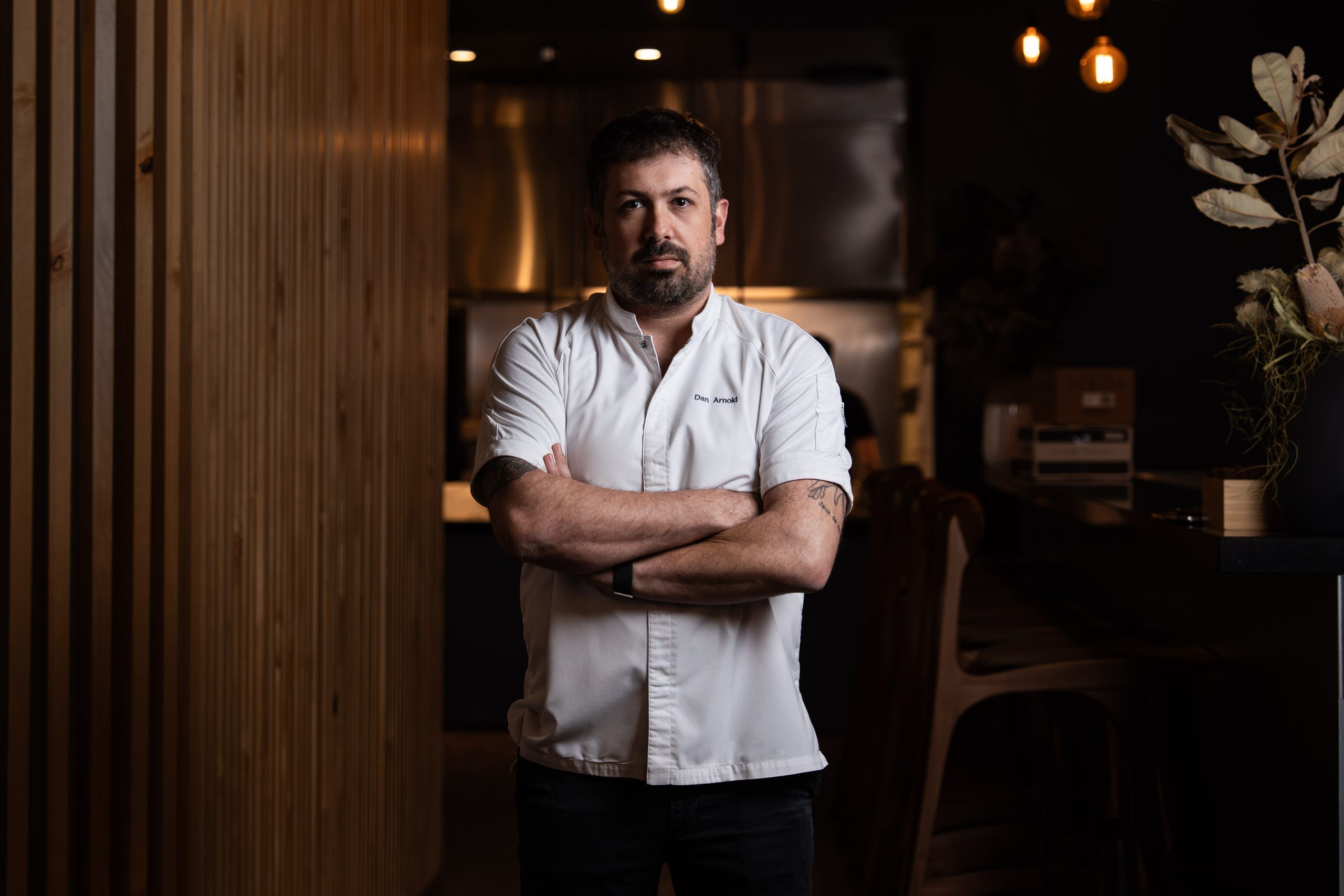
On October 2, acclaimed chef Dan Arnold will host an exclusive evening, unveiling a Michelin-inspired menu in a rare masterclass of food, storytelling and flavour.