Pizza pioneer’s $15m Wildhaven estate is a luxe hinterland retreat
WildHaven is a 42-hectare Booroobin compound of five residences with a resort-grade spa pavilion, guiding at $13 to $15 million.
 2 min
2 min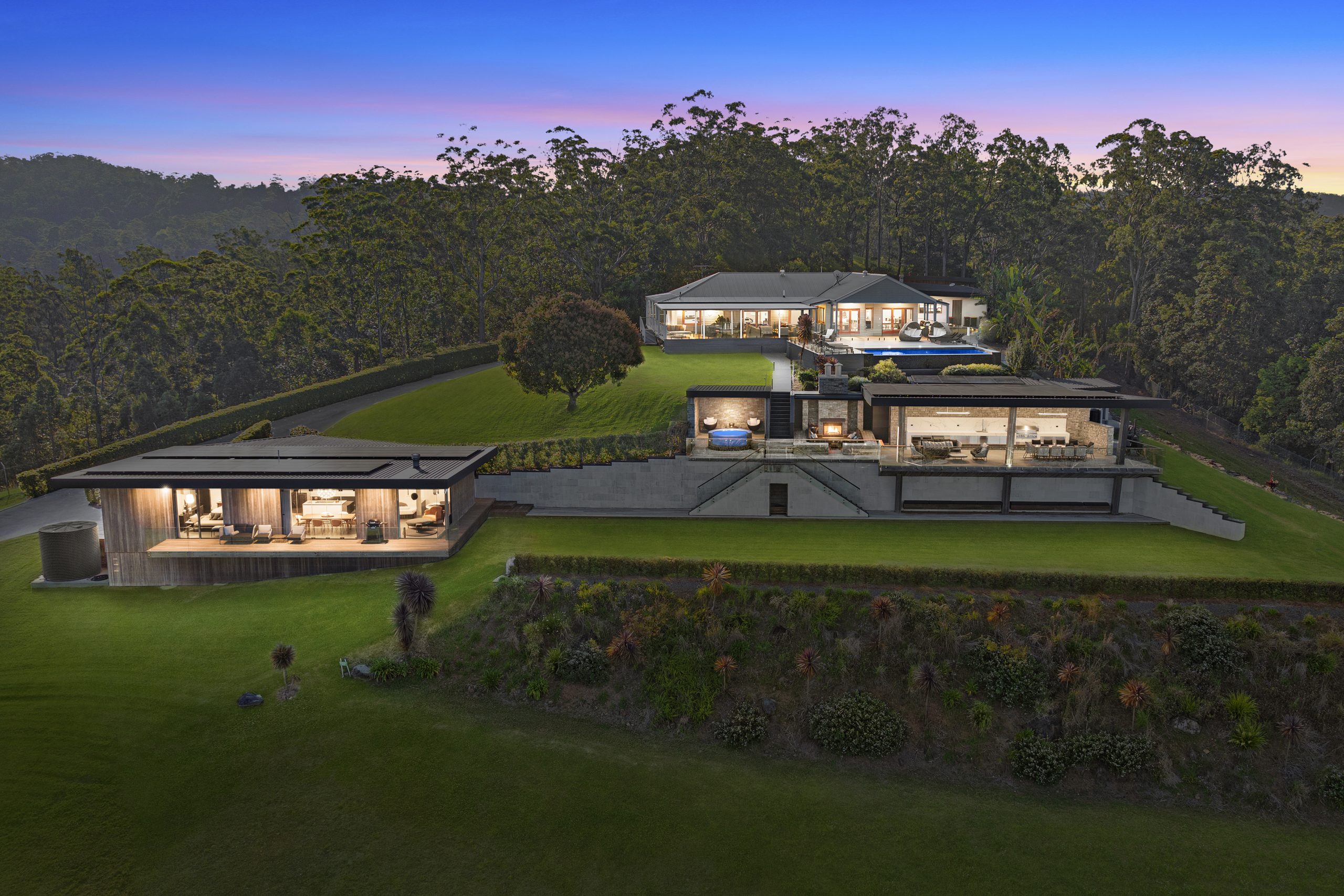
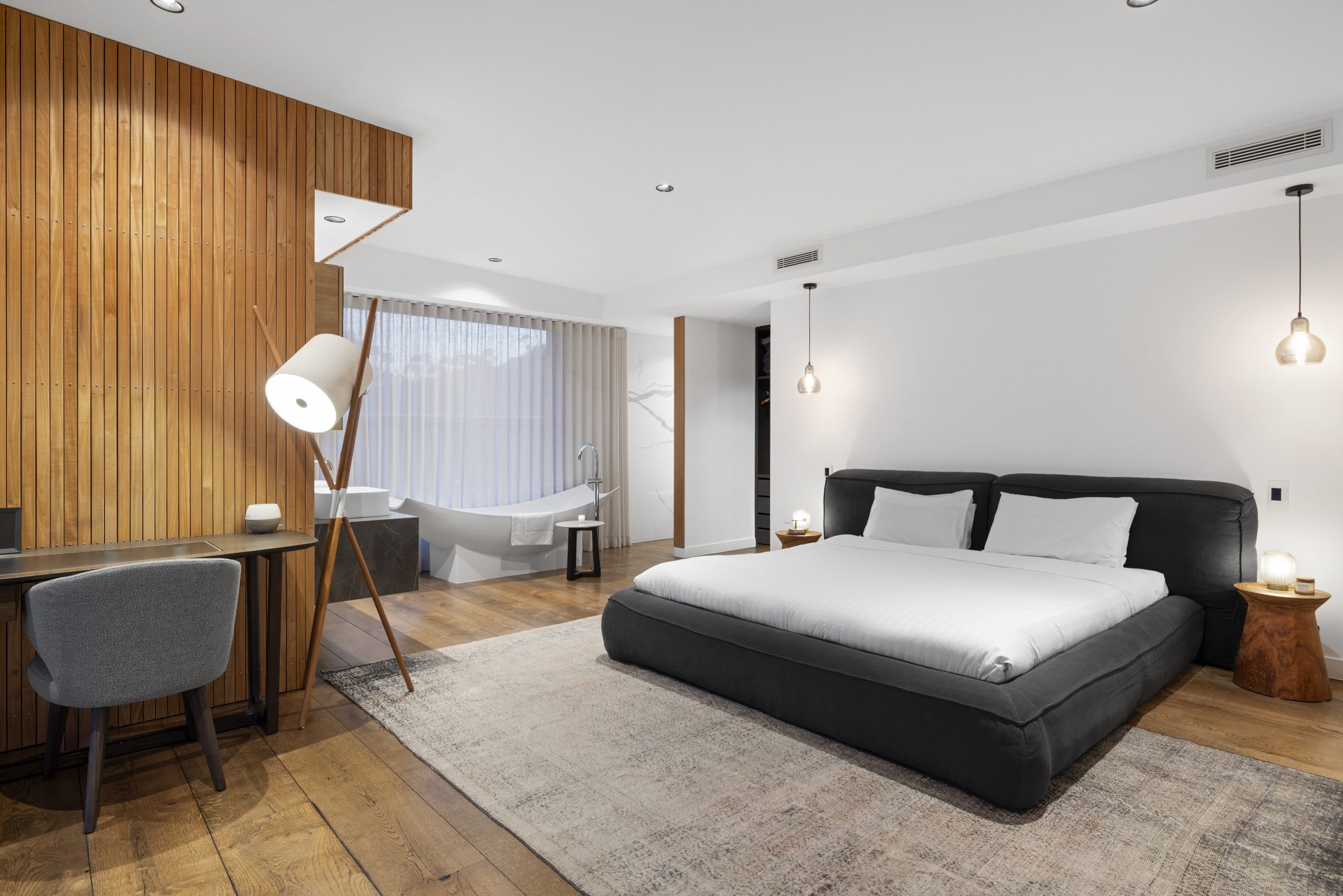
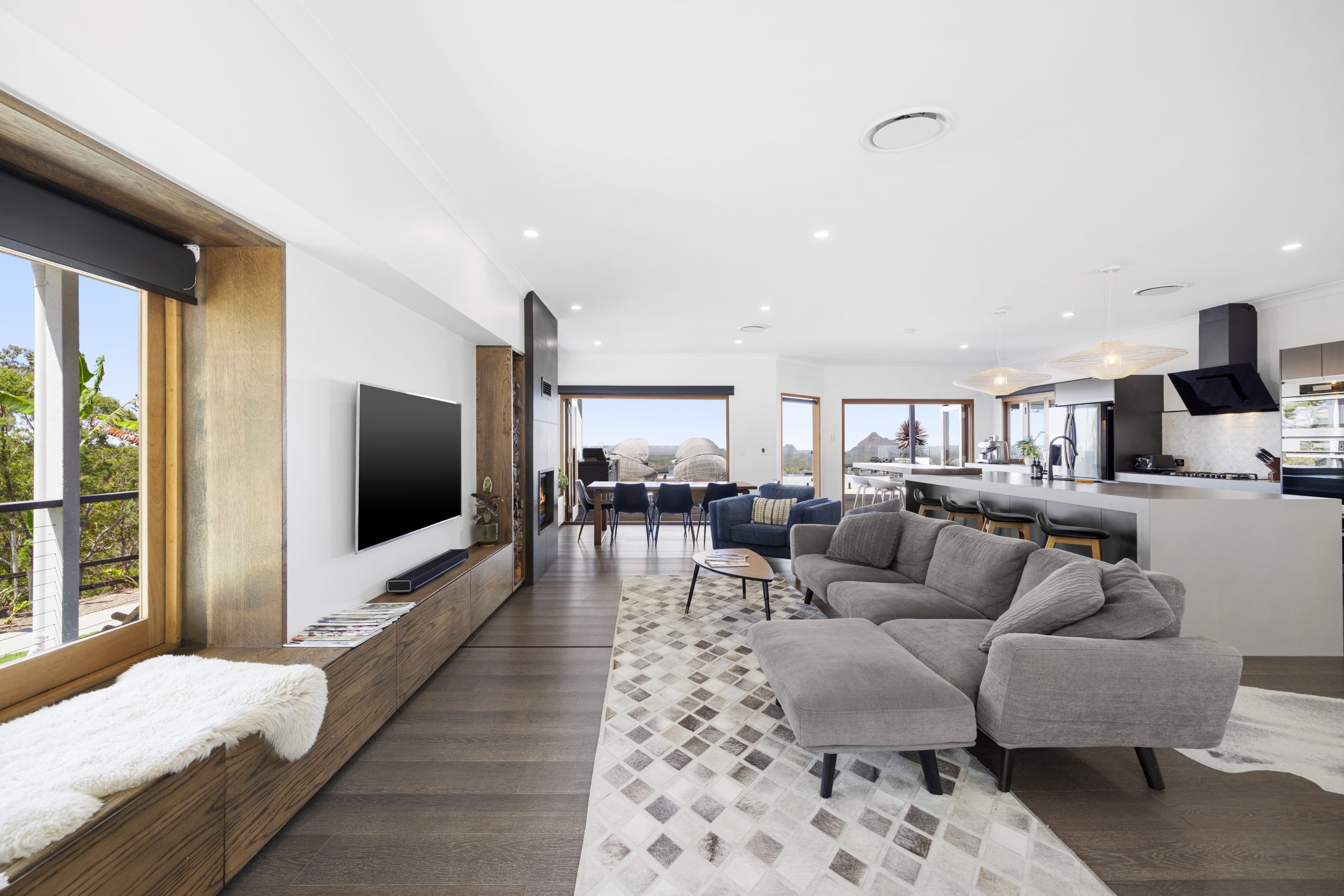
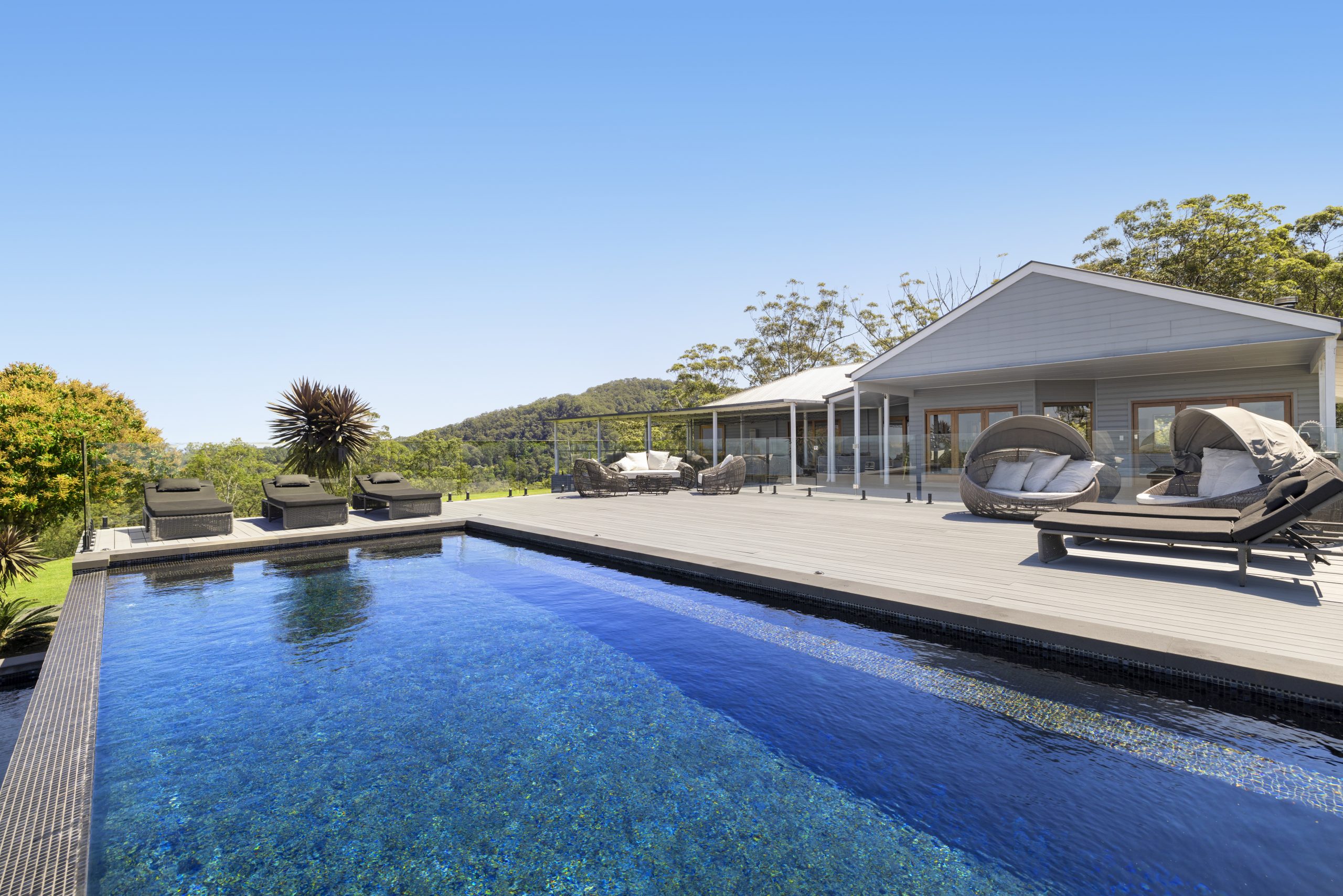
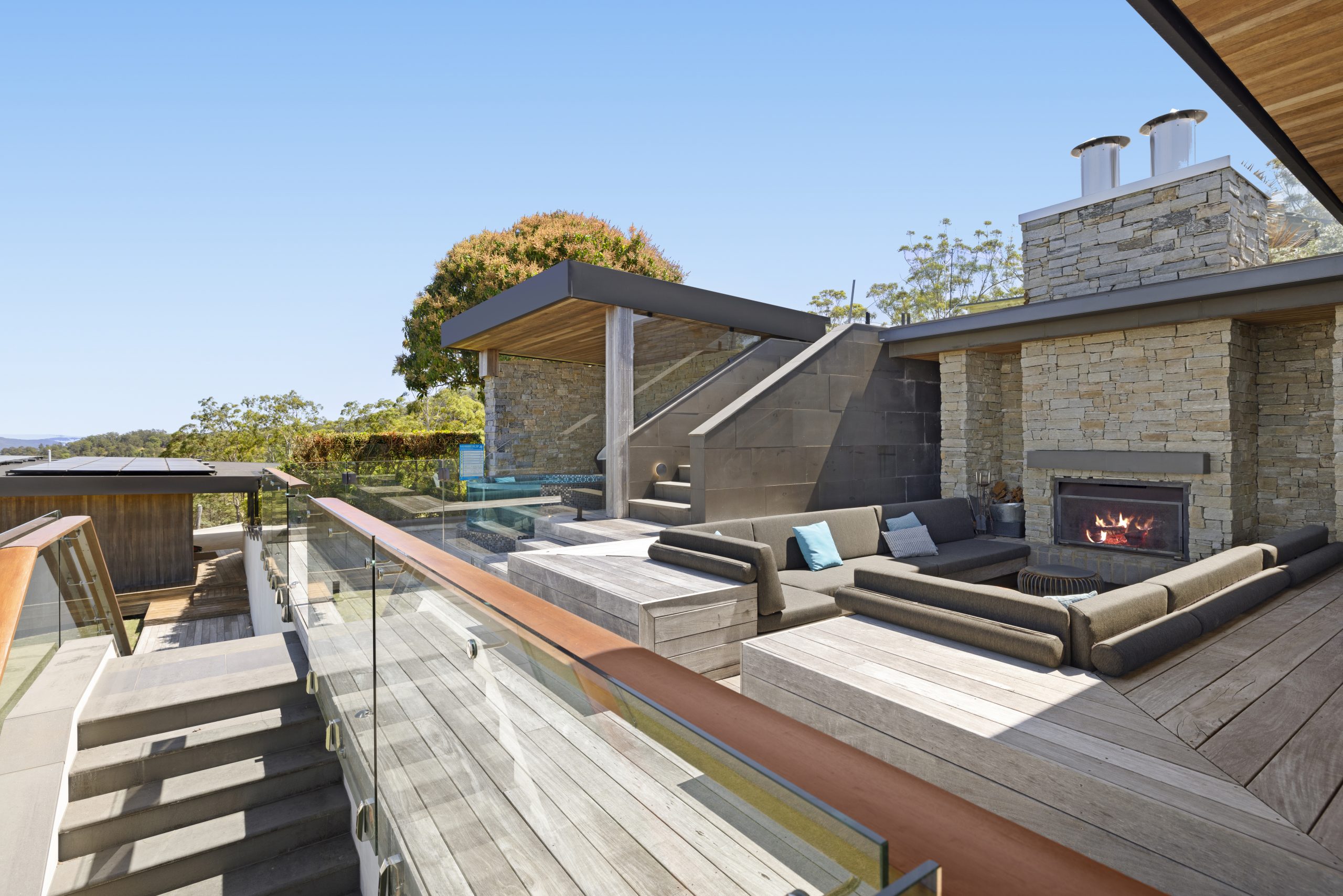
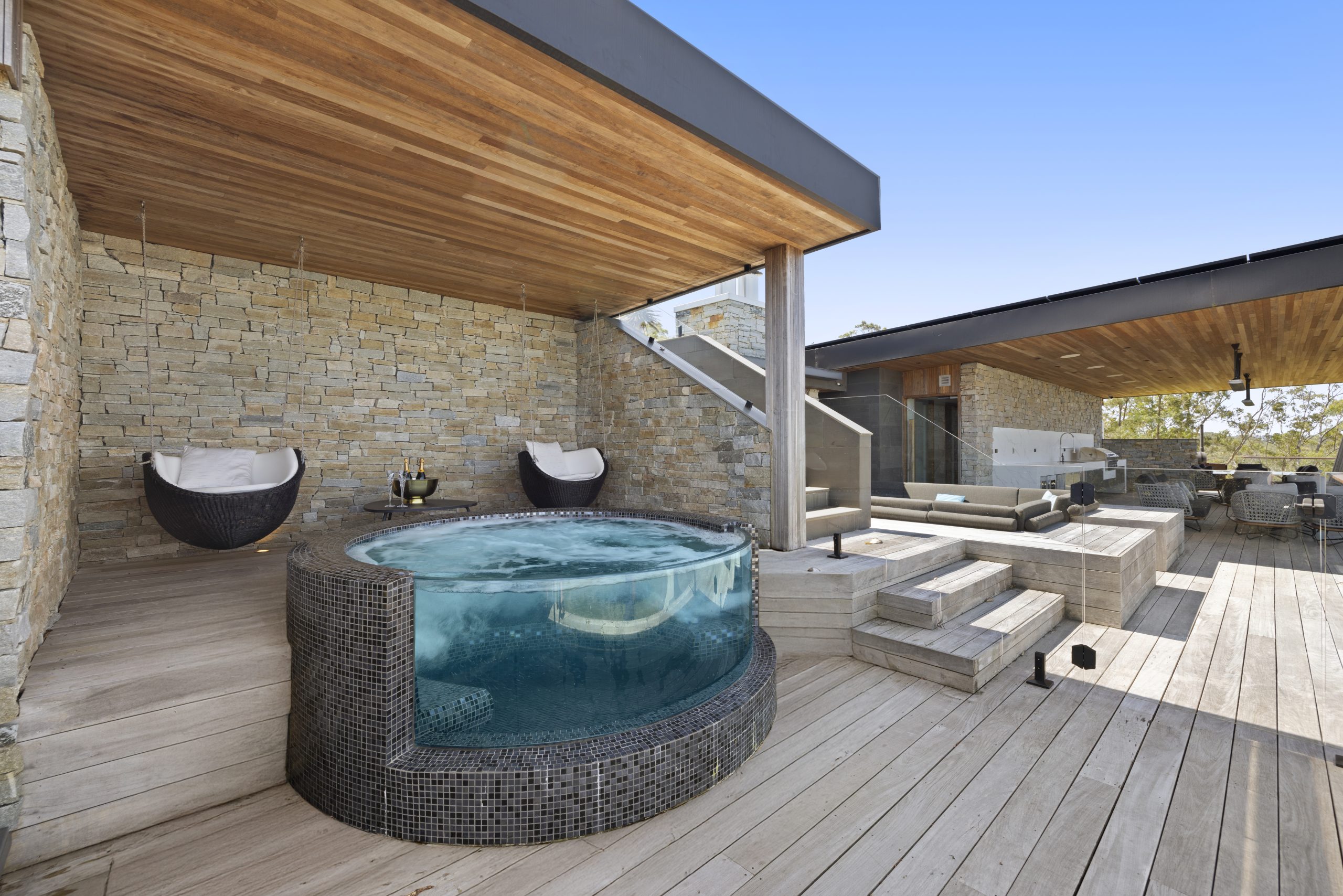
WildHaven is the extravagant contemporary compound of a pizza pioneer, but despite all its toppings, the hinterland hideaway has no pizza oven in sight.
High above the Glass House Mountains on the Sunshine Coast, the vast 42ha estate has been home to former CEO of Domino’s Australia, Nick Knight and his wife Noni, since the pair paid $1.313 million for a classic Queenslander on the land back in 2016.
Today, the prestige property is being marketed through Melissa Schembri and Daniel Rees of Queensland Sotheby’s International Realty with $13 million to $15 million price expectations.
Knight began his career with the fast food giant as a 13-year-old “wobble boarder” (holding advertising signs on the roadside), then worked his way up to become a large-scale franchisee. He went on to become the Australia and New Zealand boss in 2015, just one year before buying Wildhaven. Knight retired in 2021 after 20 years with the company.
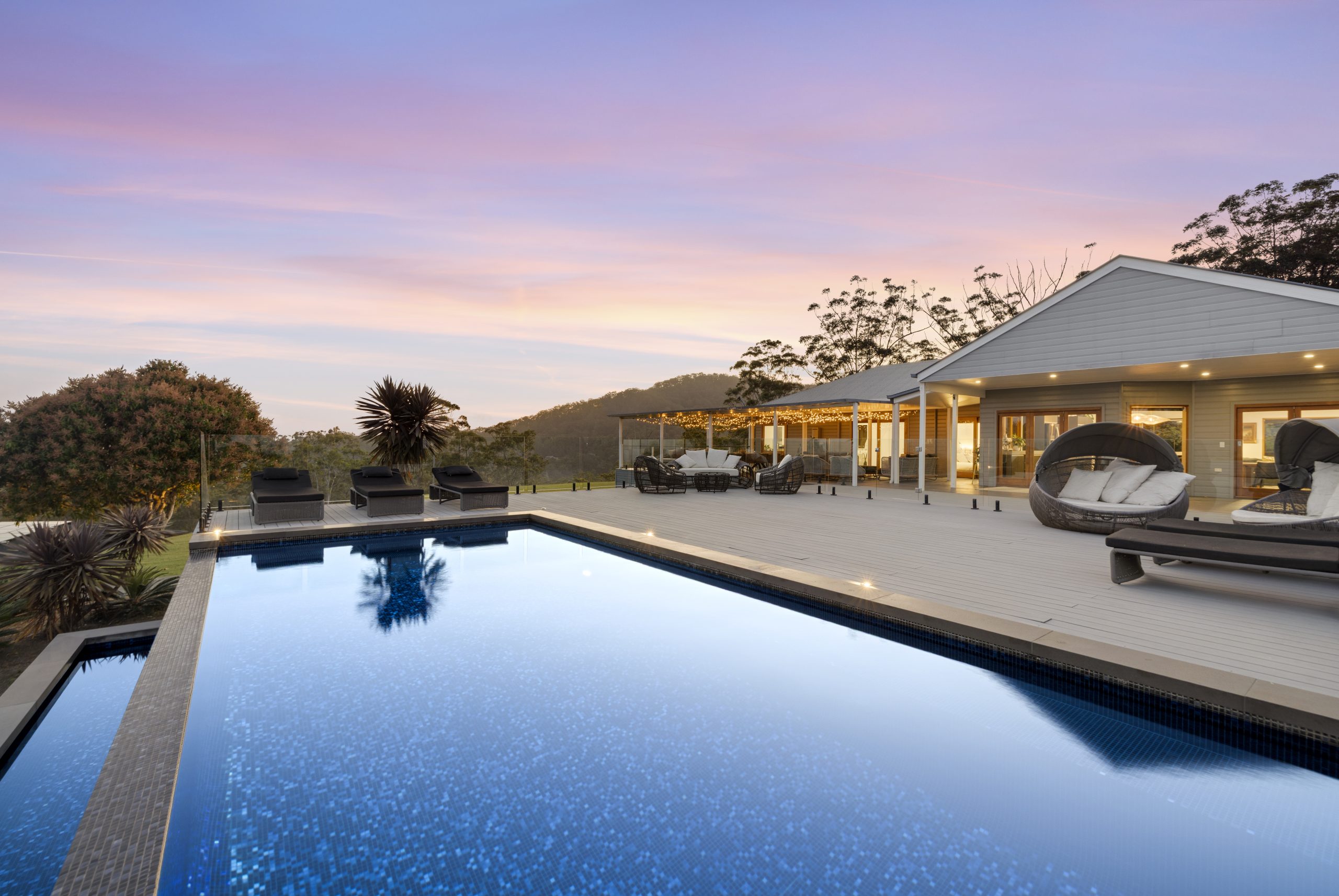
Their Booroobin estate near Maleny, 90kms from Noosa Heads, is an extensive retreat built for family and friends. It consists of five separate residences and a wellness centre including hot and cold pools, a sauna, steam room, gym and an infinity edge pool with a spa.
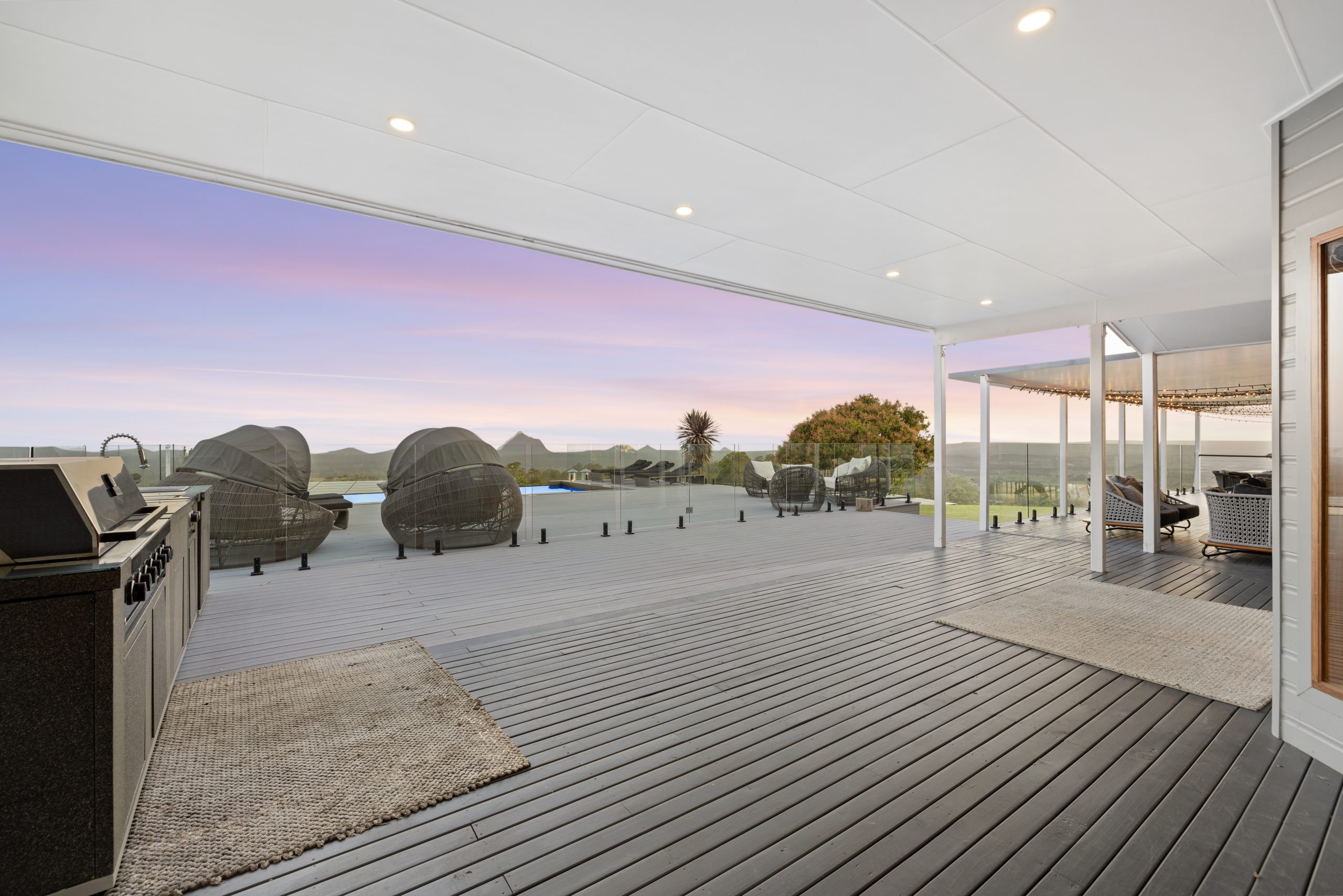
To rival the long list of must-have holiday house ingredients, the elaborate property along the Blackall Ranges also has stunning views of the Glasshouse Mountains, and Cedar Valley and Morton Bay.
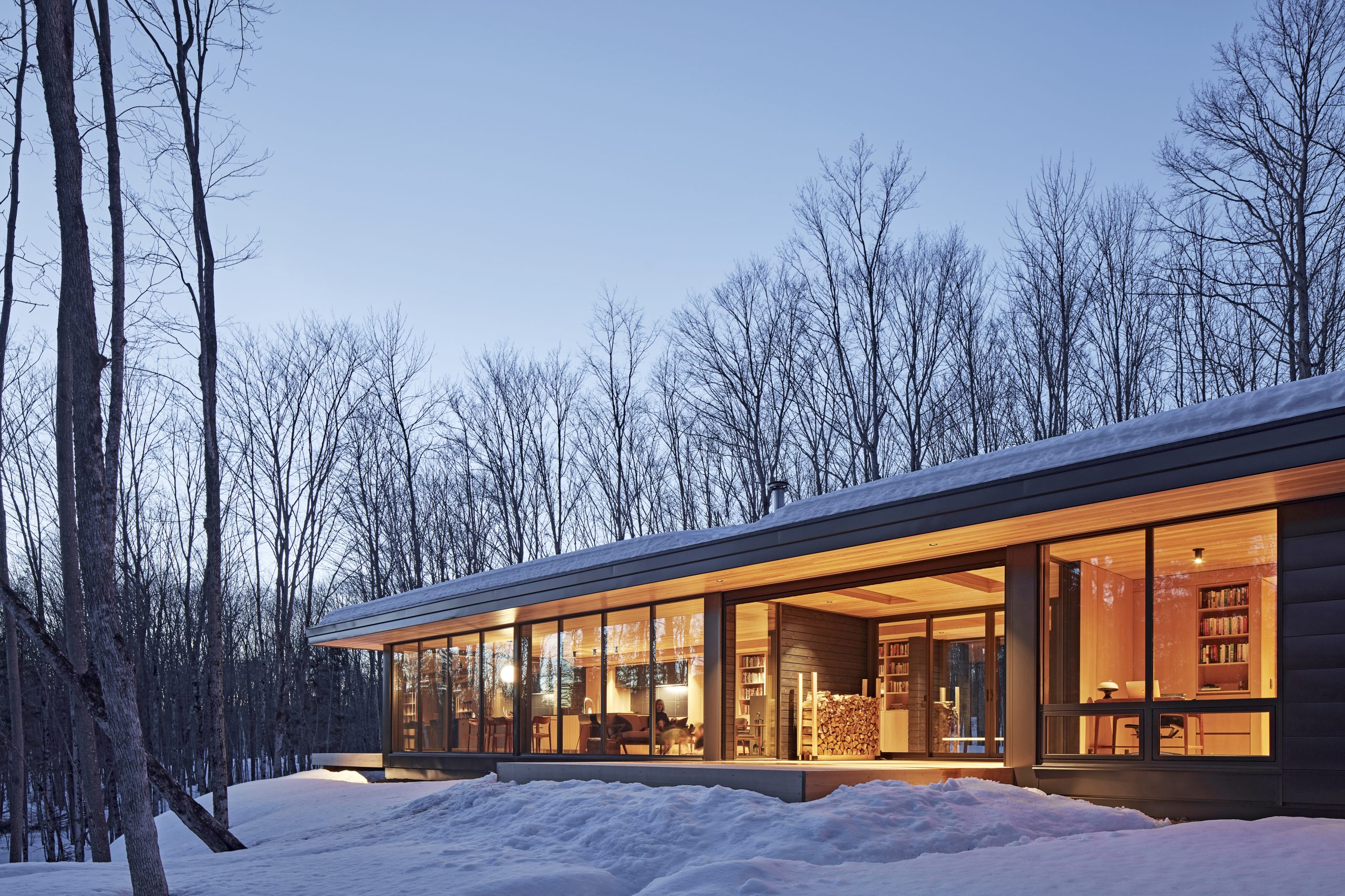
A meandering driveway winds through private parklands and native forest to reveal manicured lawns with stone terraces and sculpted gardens.
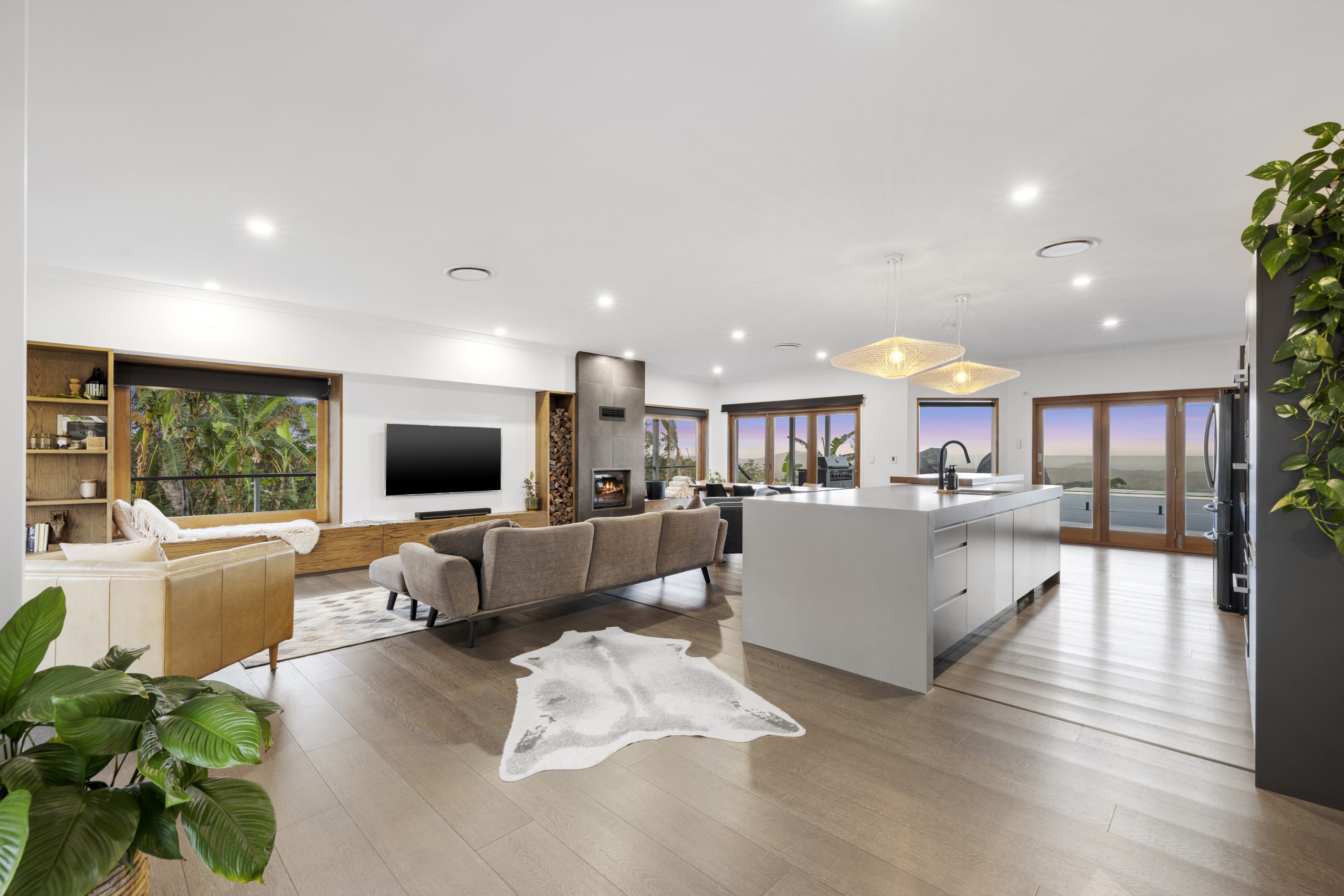
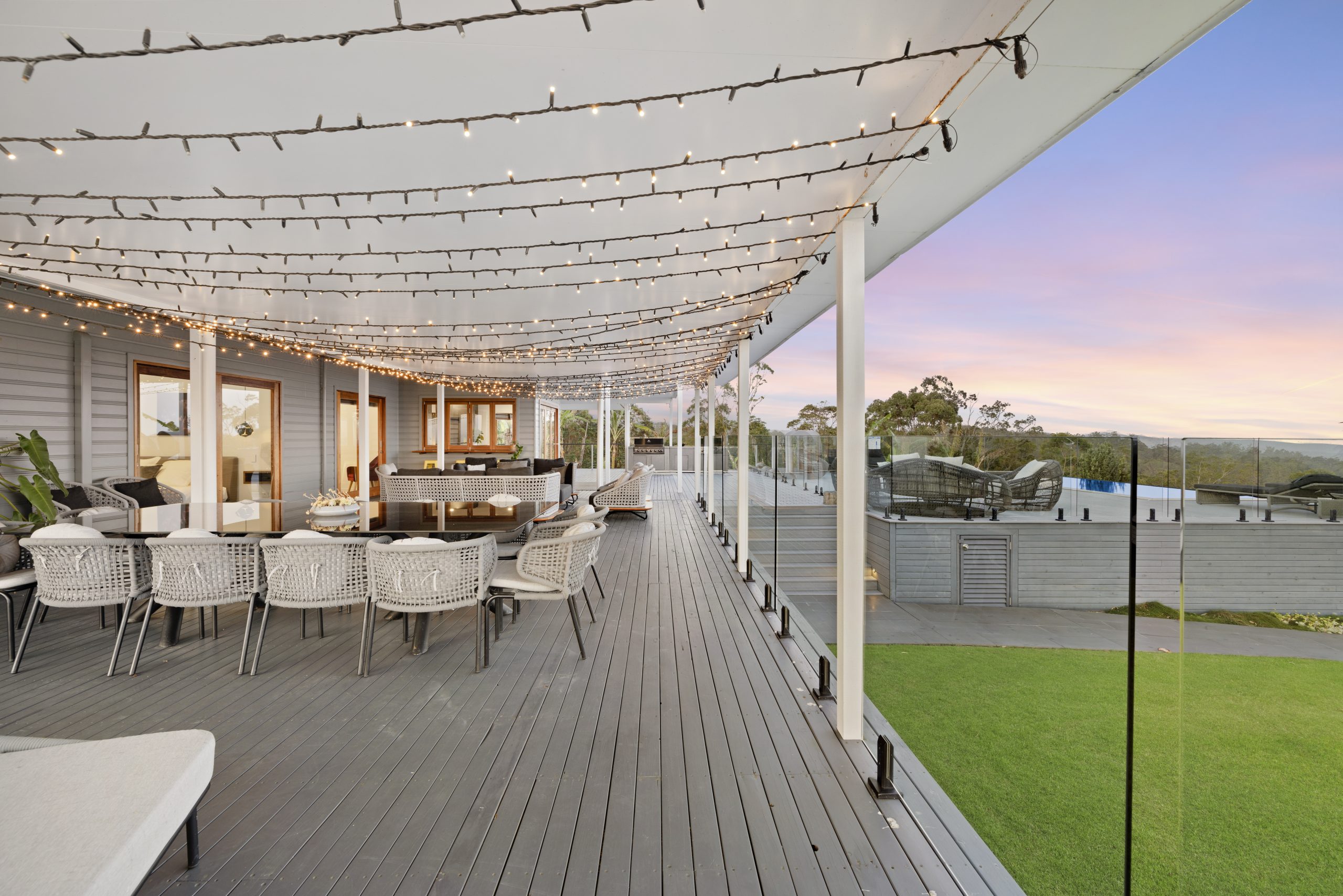
WildHaven’s four-bedroom main residence is a fusion of coastal and country design elements. Beyond the timber-clad exterior with traditional wraparound verandas, the home has a spacious footprint with a state-of-the-art kitchen featuring Miele appliances, a triple-stack oven, wine fridge, timber cabinetry, stone bench tops and a concealed butler’s pantry.
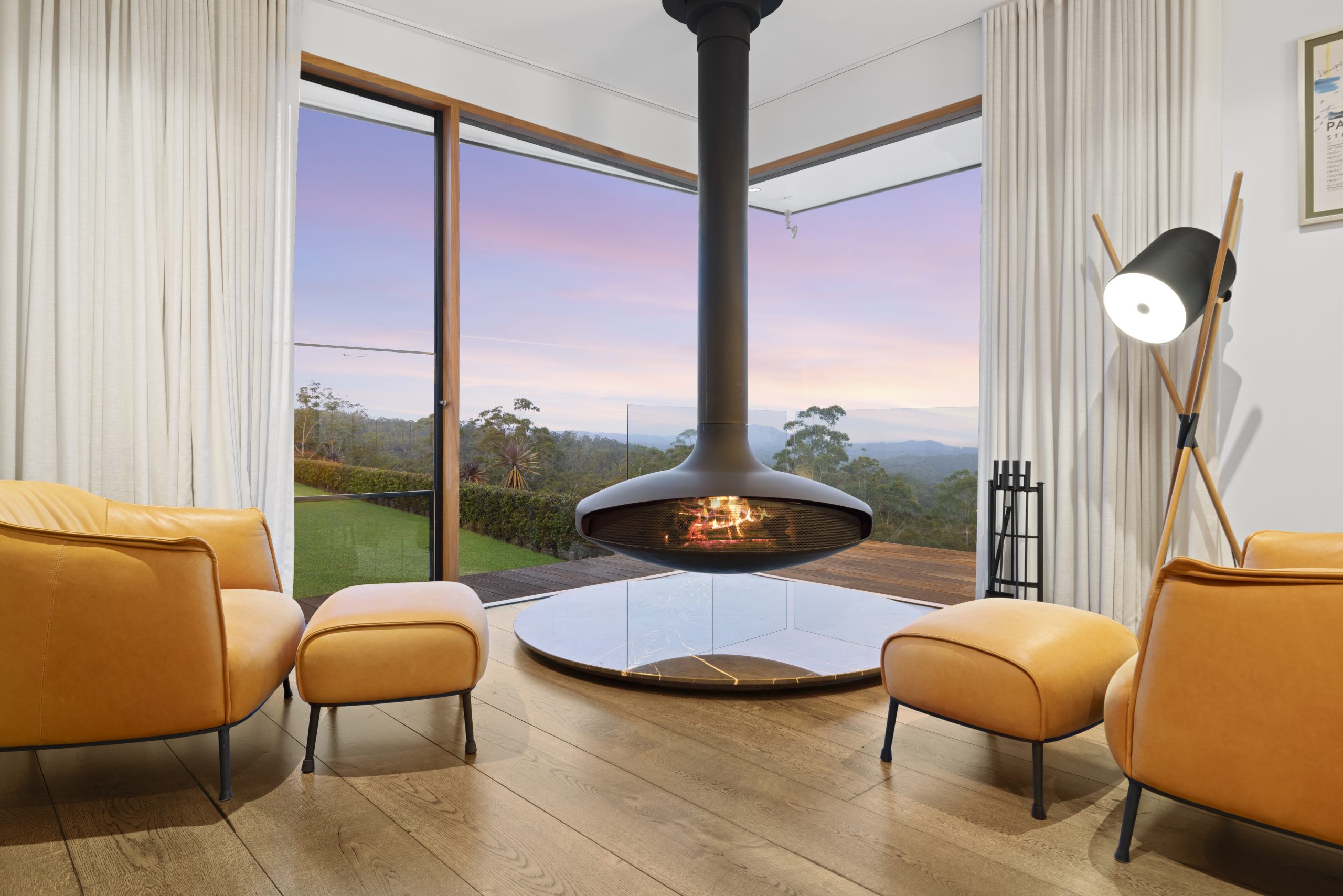
The living and dining areas are anchored by a sculptural fireplace and built-in seating, with retractable doors opening out to vast covered decks and the grand wet-edge pool.
Three self-contained, architecturally designed guest suites sit away from the primary house, all with private outdoor areas and separate bedrooms. Each features Miele kitchens, smart home automation and mountain outlooks.
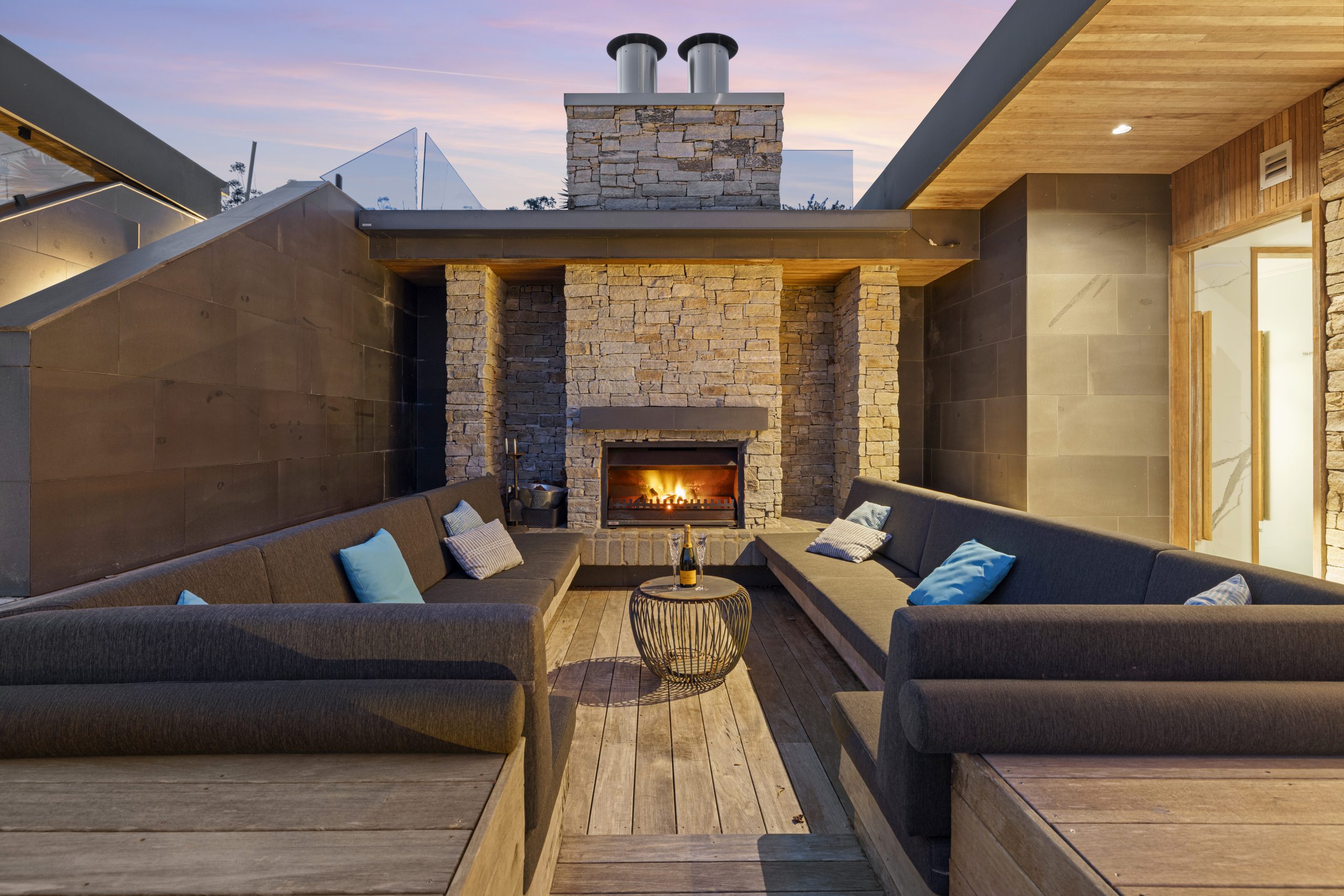
Carved into the hillside, it is The Pavilion at WildHaven that sets it apart. The private spa and entertainment hub, created to rival any five-star resort, is a 305sq m chill out zone curated for rest and relaxation. There is a curved glass spa, a rain head shower, a therapeutic steam room, a full kitchen, and a sunken outdoor lounge with a fireplace.
Other entertaining features include a professional-grade gym and cinema. For adventures in the great outdoors, the estate has tranquil creeks, three dams, trails for walking or cycling, plus an adrenaline-inducing motocross track.
There are also two fenced paddocks, an orchard, as well as a large machinery shed, a 12-car garage, C-Bus smart technology throughout, automatic blinds, ducted air-conditioning, a commercial cool room and laundry, 300,000 litres of water tanks, plus a solar battery room that could take the whole compound off-grid.
Wildhaven in the Glass House Mountains is on the market with a price guide of $13 million to $15 million through Queensland Sotheby’s International Realty.

From making unpopular decisions to learning when to listen, leaders from five businesses reveal what nobody prepared them for — and how running a company has challenged their expectations.

Technology and semiconductor shares fell sharply as investors questioned the debt financing the AI infrastructure boom and confronted higher rates and Chinese competition.

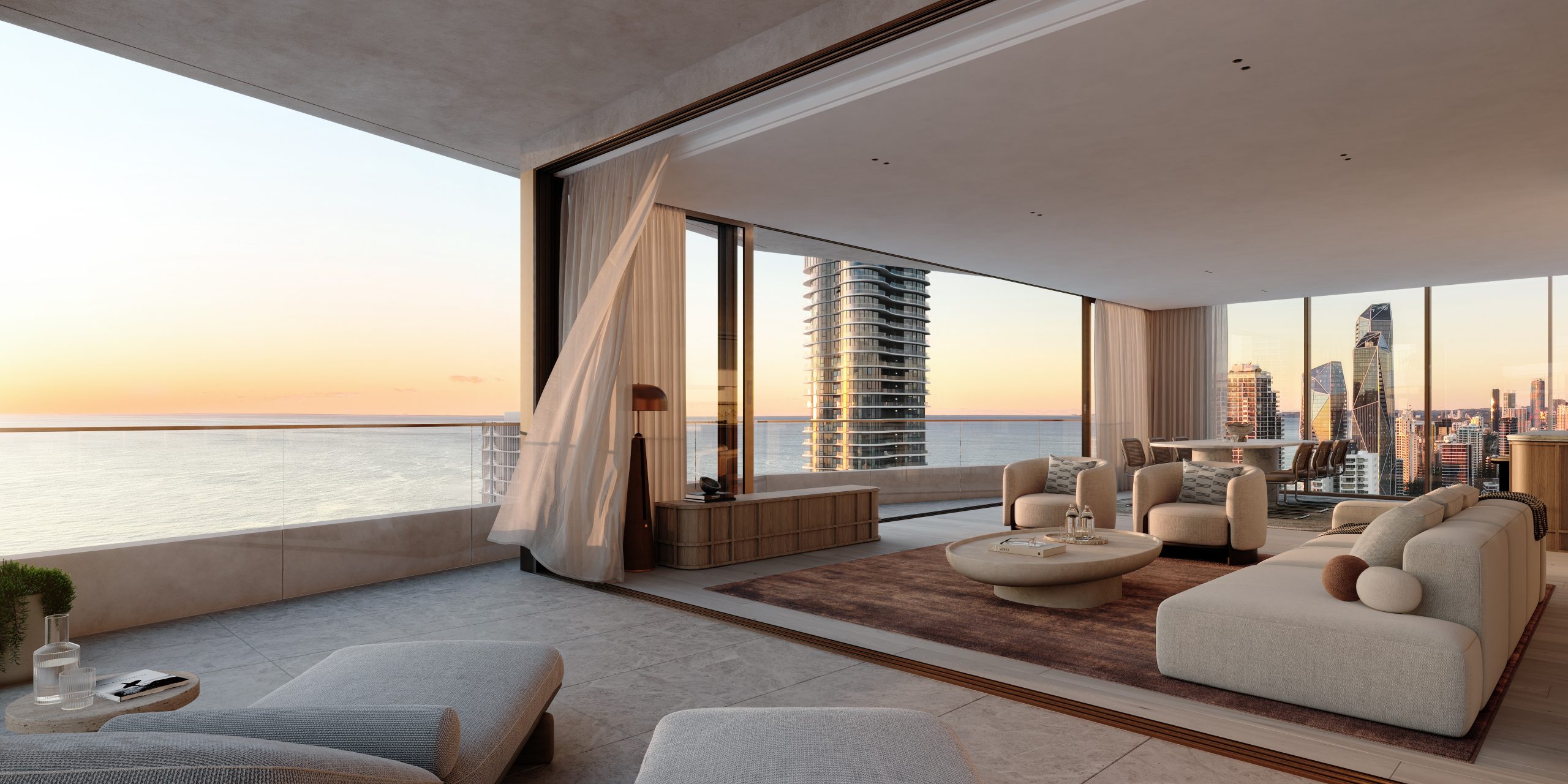
Mirvac’s 45-level Trielle has topped out at Yarra’s Edge, pairing riverfront apartments with wellness facilities, private dining and resident services.
3 min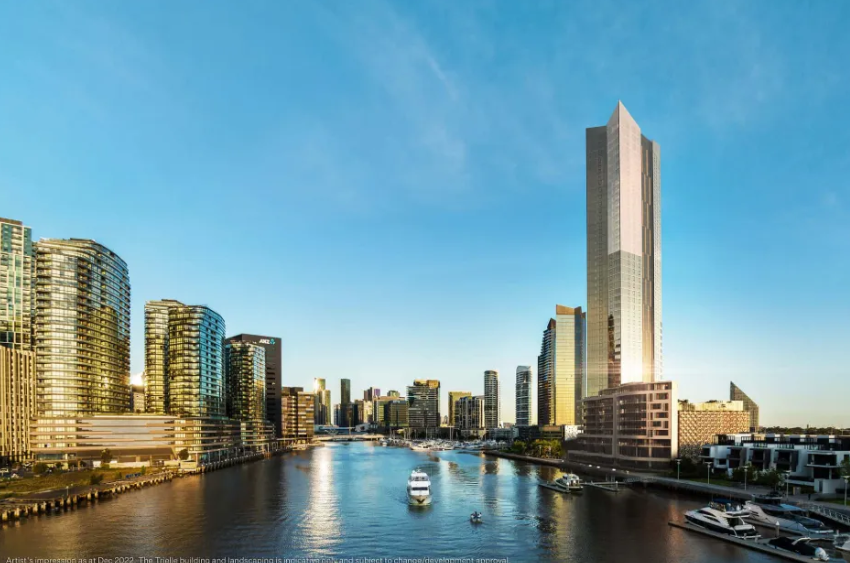
Mirvac has topped out Trielle at Melbourne’s Yarra’s Edge, with more than 70 per cent of the riverfront development sold and approximately 80 per cent of purchasers intending to make their apartment a home.
The figures, released on September 22, point to an owner-occupier audience for one of the precinct’s final residential towers. Mirvac began developing Yarra’s Edge in 2003, and its latest addition occupies one of the remaining absolute riverfront sites.
Mirvac CEO of Development Stuart Penklis said existing residents were among those moving up within the neighbourhood.
“Many purchasers already have a connection to Yarra’s Edge,” Mr Penklis said, describing buyers whose changing needs were encouraging an upgrade within the precinct.
“As one of the final residential towers within Yarra’s Edge, Trielle represents the culmination of more than two decades of creating one of Melbourne’s most established and sought-after waterfront communities,” Penklis said.
“Positioned on the Collins Street axis with absolute river frontage, Trielle offers residents a rare opportunity to enjoy sweeping views across the Yarra River, Melbourne skyline and Port Phillip Bay, while remaining seamlessly connected to the CBD. With Trielle now more than 70 per cent sold, we’re continuing to see strong demand from buyers seeking quality homes in established locations.”
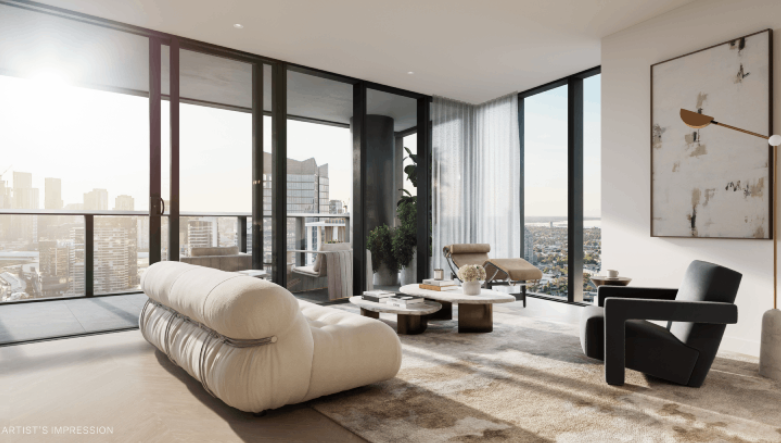
The developer also flagged a penthouse and sub-penthouse collection with larger layouts, premium finishes and broad outlooks. The planned wellness centrepiece, The Oasis, encompasses a 900-square-metre elevated urban rainforest.
Mirvac General Manager Residential Development Victoria Elysa Anderson said Trielle had resonated strongly with buyers seeking a rare lifestyle offering in Melbourne.
“Opportunities to secure a new luxury residence on a riverfront site of this calibre are incredibly rare, particularly within a community like Yarra’s Edge,” Anderson said.
“What makes Trielle unique is the combination of exceptional views, world-class residential facilities and the lifestyle that already exists around it. Residents are buying into a mature waterfront community with parks, promenades, dining, wellness and strong community connections already in place.”
The 45-level tower brings a substantial new presence to that waterfront. Its residential offering spans one-, two-, three- and four-bedroom apartments, with Signature, Prestige and Sub-Penthouse collections accommodating different household sizes. The north-facing position connects the apartments visually to the river and city beyond.
Seven storeys above the promenade, the planned Oasis combines planting and a running stream with a Scandinavian-inspired wellness club developed with spa specialist Naomi Gregory. Facilities include a 25-metre lap pool, hot magnesium pool, sauna, hydrotherapy, a gym, yoga and Pilates room, and treatment spaces.
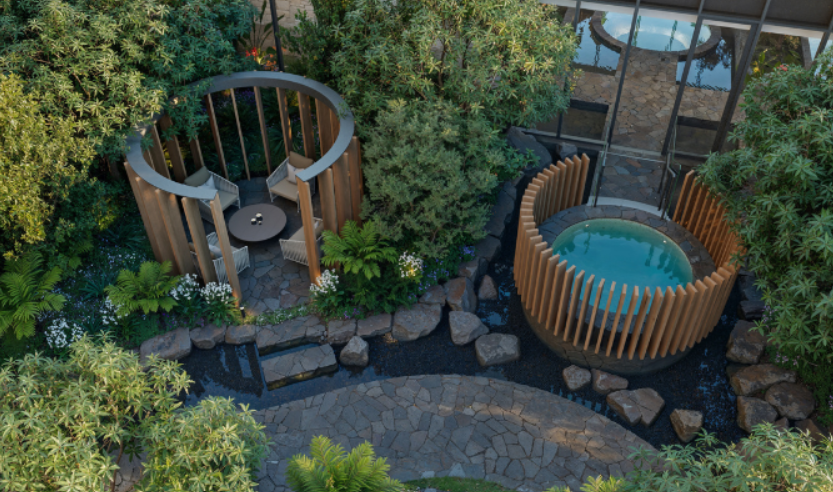
The amenity extends beyond exercise. Residents will have access to The Biblioteca library and workspaces, ground-floor work pods, and The Salone piano lounge. A private Chef’s Table dining room offers a setting for larger gatherings, while a cinema, games room and sports lounge broaden the entertaining options. Concierge services and a dog-wash area support everyday routines.
Trielle comprises a collection of one, two, three and four-bedroom residences. Reflecting strong demand from owner occupiers, approximately 80 per cent of purchasers to date intend to live in their homes, highlighting the project’s appeal to those seeking a long-term waterfront lifestyle.
Mirvac has recently delivered The Albertine, a premium apartment development on the edge of Melbourne’s CBD, and is nearing completion of Prince & Parade in Brunswick, further strengthening its portfolio of thoughtfully designed apartment communities in some of Melbourne’s most sought-after urban locations.

From farm-to-table Thai to fairy-lit mango trees and Coral Sea vistas, Port Douglas has award-winning dining and plenty of tropical charm on the side.

The PG rating has become the king of the box office. The entertainment business now relies on kids dragging their parents to theatres.