Docklands first hotel branded penthouse seeks to break $20 million
Melbourne’s first hotel-branded penthouse has hit the market, with Docklands luxury tipped to test the city’s $20 million ceiling.
 3 min
3 min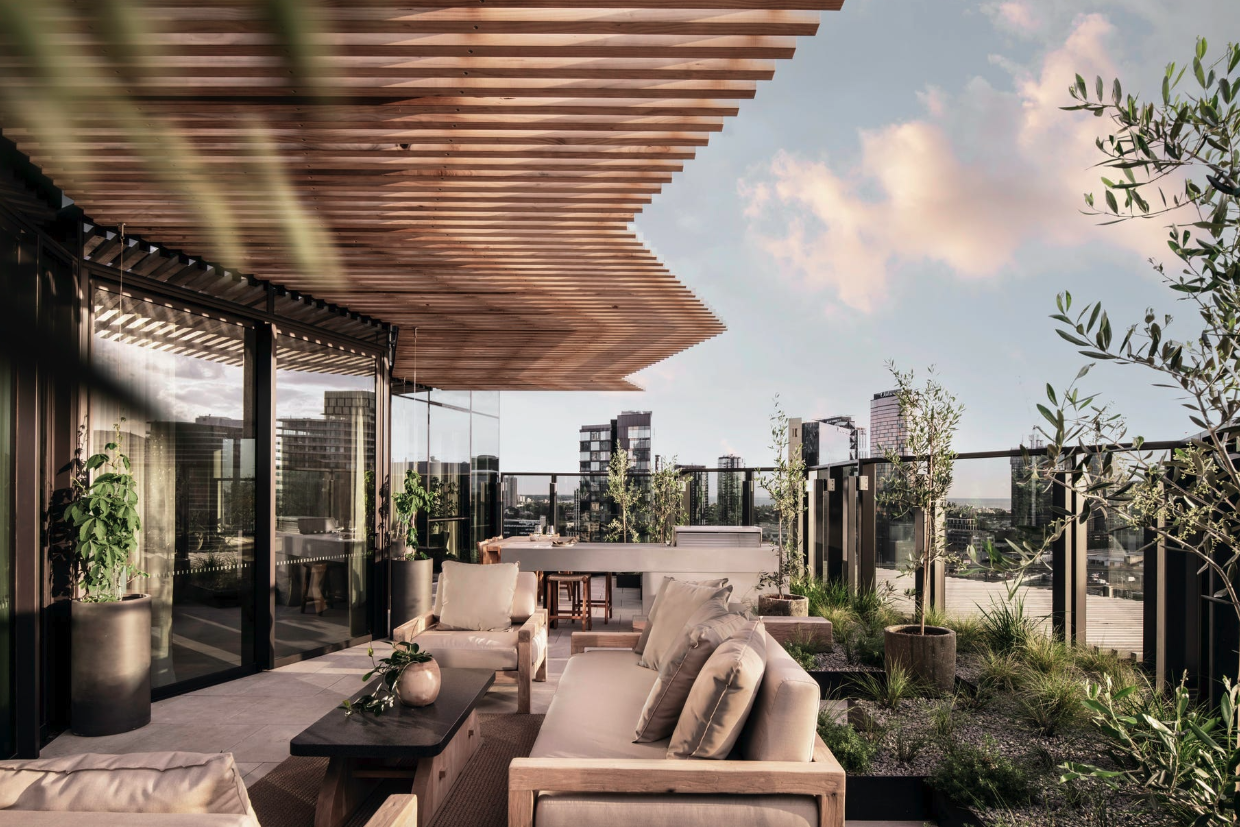
International hotel brand 1 Hotels has recently opened the doors to its debut Australian property in Melbourne’s Docklands.
The hotel forms part of Riverlee’s broader Seafarers development, which integrates the grandeur of the site, the former Goods Shed No. 5, meticulously reconstructed and restored piece by piece by the developer.
Designed by Fender Katsalidis in collaboration with CARR, Seafarers pays homage to the site’s wharfing history through the use of recycled timbers, steel beams and concrete, softened by expansive ceiling gardens.
Now, the first hotel-branded penthouse within the development has been listed for sale, and it is shaping up to become one of the few residences in Melbourne to push beyond the $20 million mark.
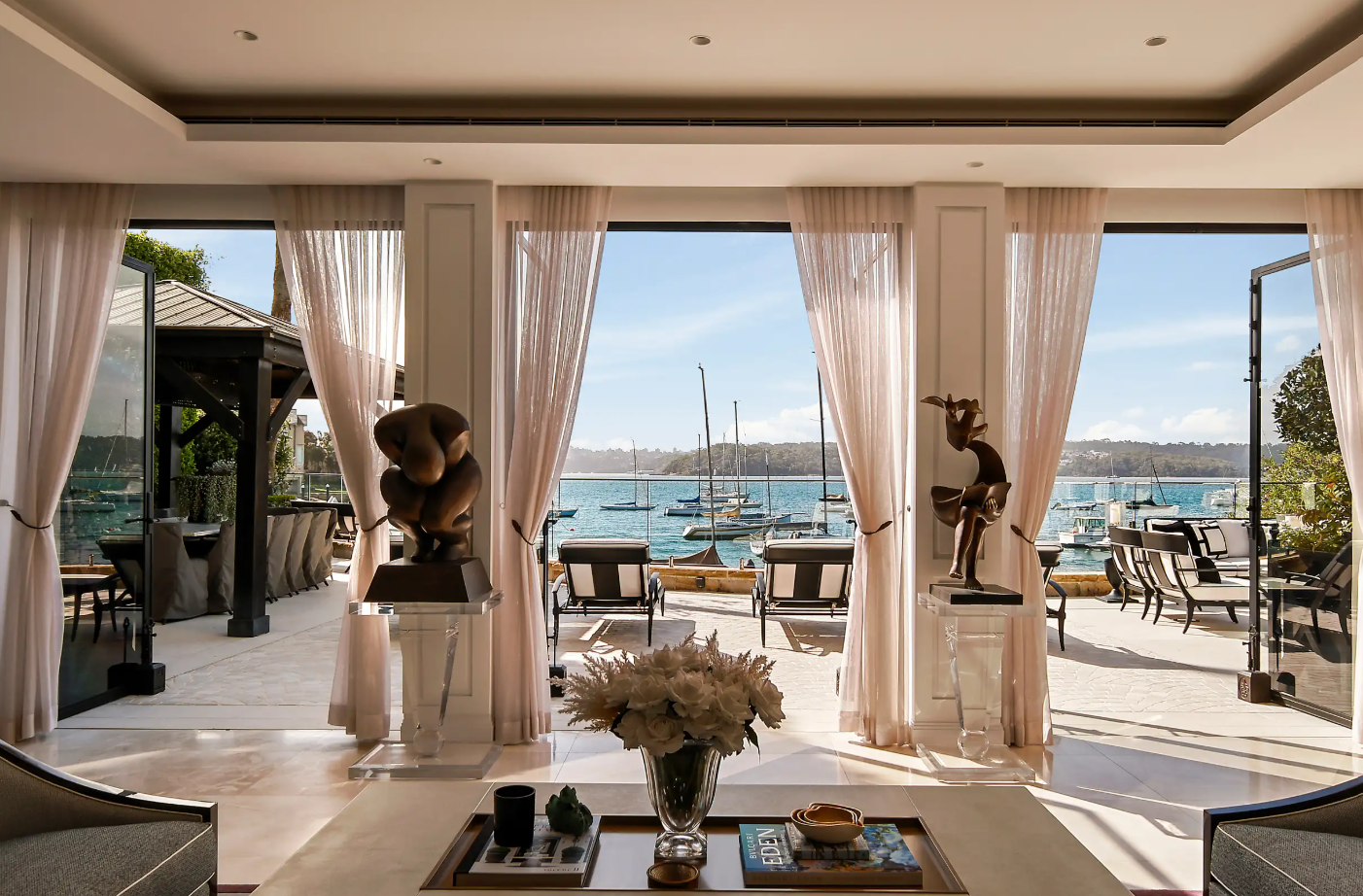
The penthouse commands expansive views across the city skyline and Port Phillip Bay, outlooks that can never be built out thanks to its prime, direct waterfront position.
A private lift opens into an exclusive lobby, leading to a gallery-style hallway that runs the full length of the expansive 715 sqm residence. Upon arrival, an ornamental conservatory sets the tone, anchored by a towering tree that rises toward a skylight, flooding the space with natural light.
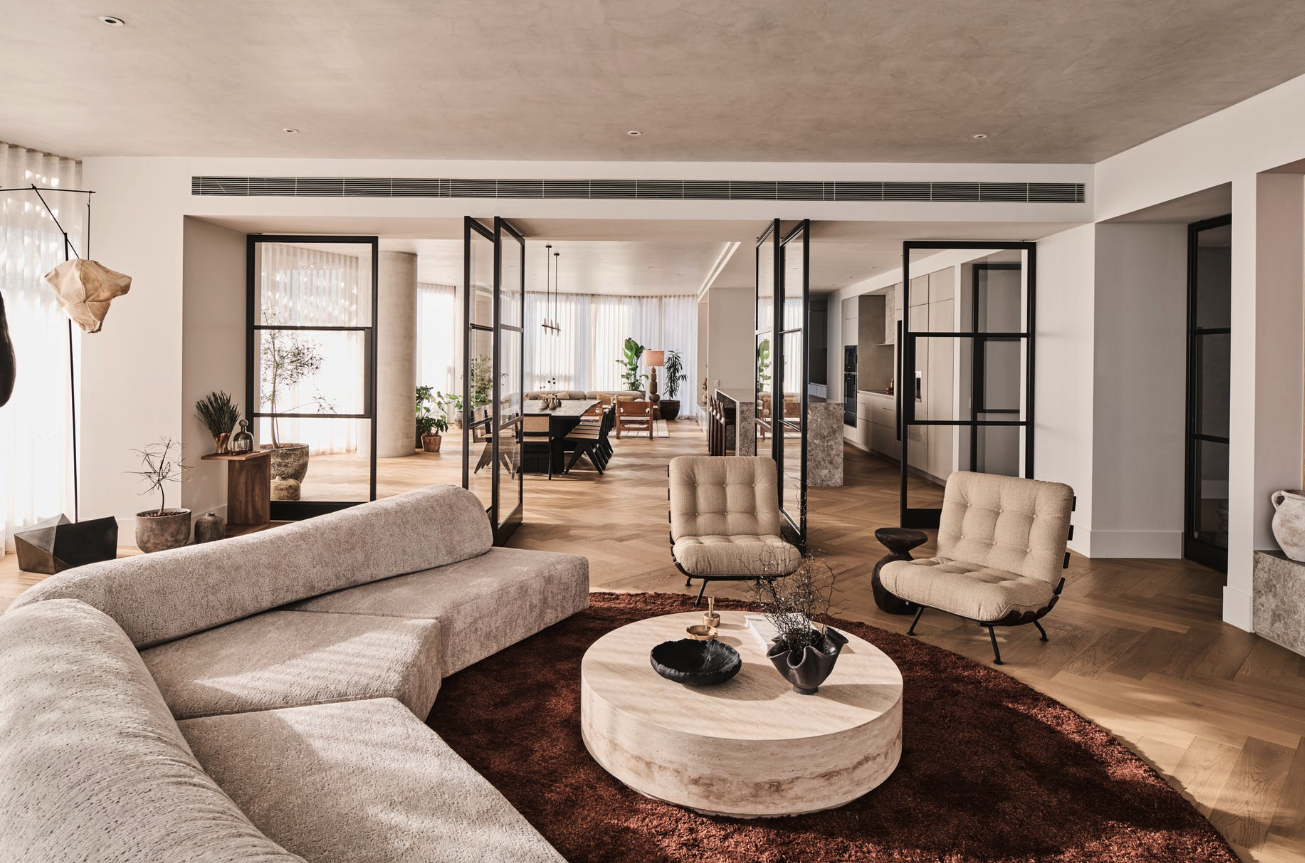 The eastern wing of the penthouse houses a dedicated entertainment room with its own bar, a home office with integrated desk space, and four bedrooms.
The master suite is wrapped in glass and features two walk-in wardrobes, both naturally lit by skylights, along with an ensuite complete with a freestanding bath.
A formal dining area and wine cellar sit between the private quarters and the western edge of the home, where the main living spaces are positioned to capture uninterrupted views of the bay and city.
The kitchen is appointed with a fully equipped scullery, Gaggenau appliances, and a marble island bench.
Additional spaces include a cocktail lounge with a fireplace behind black-framed glass doors, as well as another living and dining area. All of these zones open onto a full-width terrace featuring an outdoor kitchen with integrated stone island, an alfresco dining area, and an outdoor lounge.
The penthouse also includes secure parking for four vehicles.
Forbes Global Properties Australia agents Nick Peters and Tracy Tian Belcher are guiding the property at $19.5 million to $21 million.
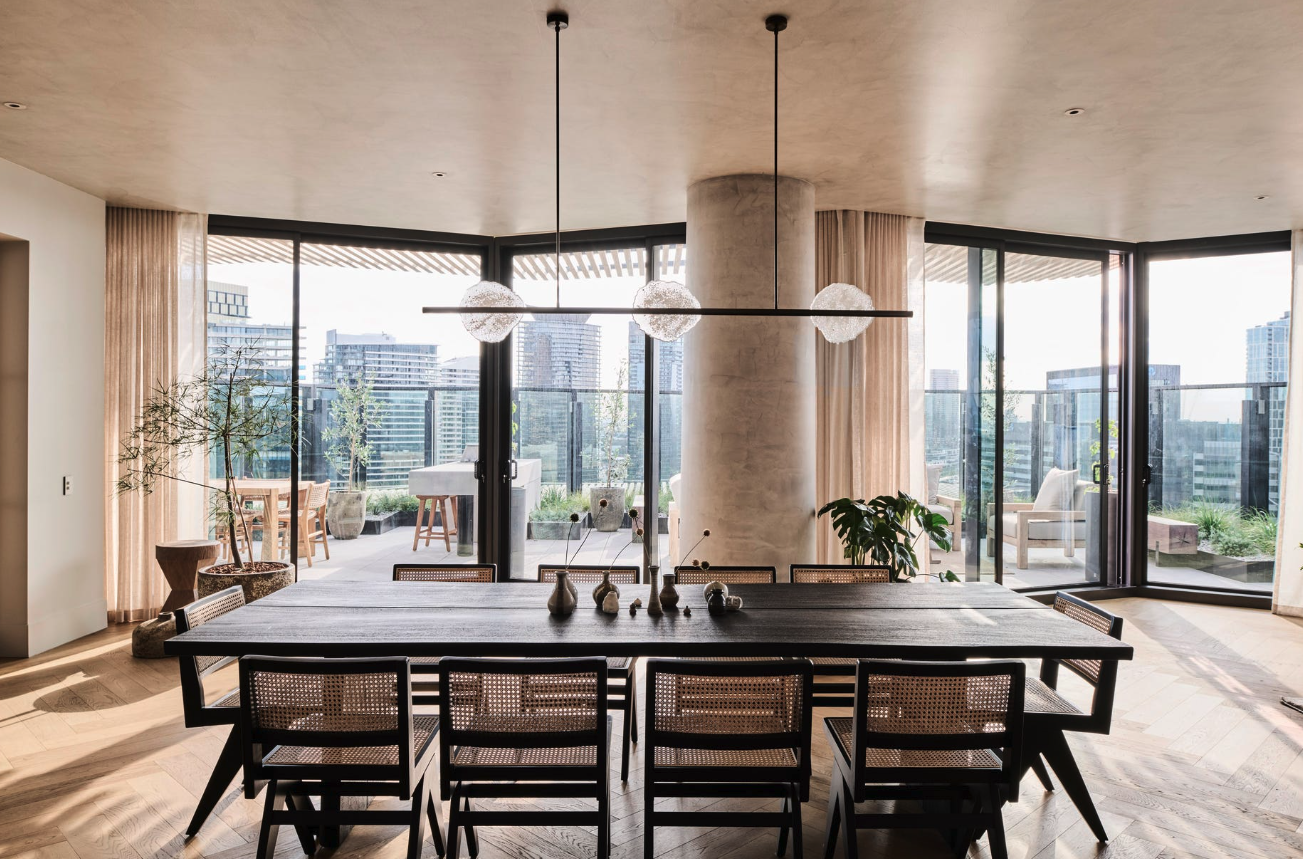 While a sale at this level would place it among Melbourne’s most expensive apartments, it would still fall short of the city’s record. That benchmark was set in 2023 when billionaire Adrian Portelli, known for his high-profile purchases and giveaways on The Block, paid $39 million for a 1,200 sqm penthouse on the 57th floor of Sapphire by the Gardens in the CBD.
Designed by Fender Katsalidis and CARR, Seafarers pays homage to the wharfing history of the land with its recycled timbers, steel beams and concrete softened by ceiling gardens.
Founder and CEO of Starwood Capital Group, Barry Sternlicht was the driving force behind some of world’s most esteemed hotel marques, including St. Regis and W Hotels.
Passionate about sustainability and conservation, he believes the people who travel the world care about it deeply, and through 1 Hotels, set out to establish a mission-driven luxury hotel brand that would raise awareness, spark conversations and inspire change that benefits the planet.
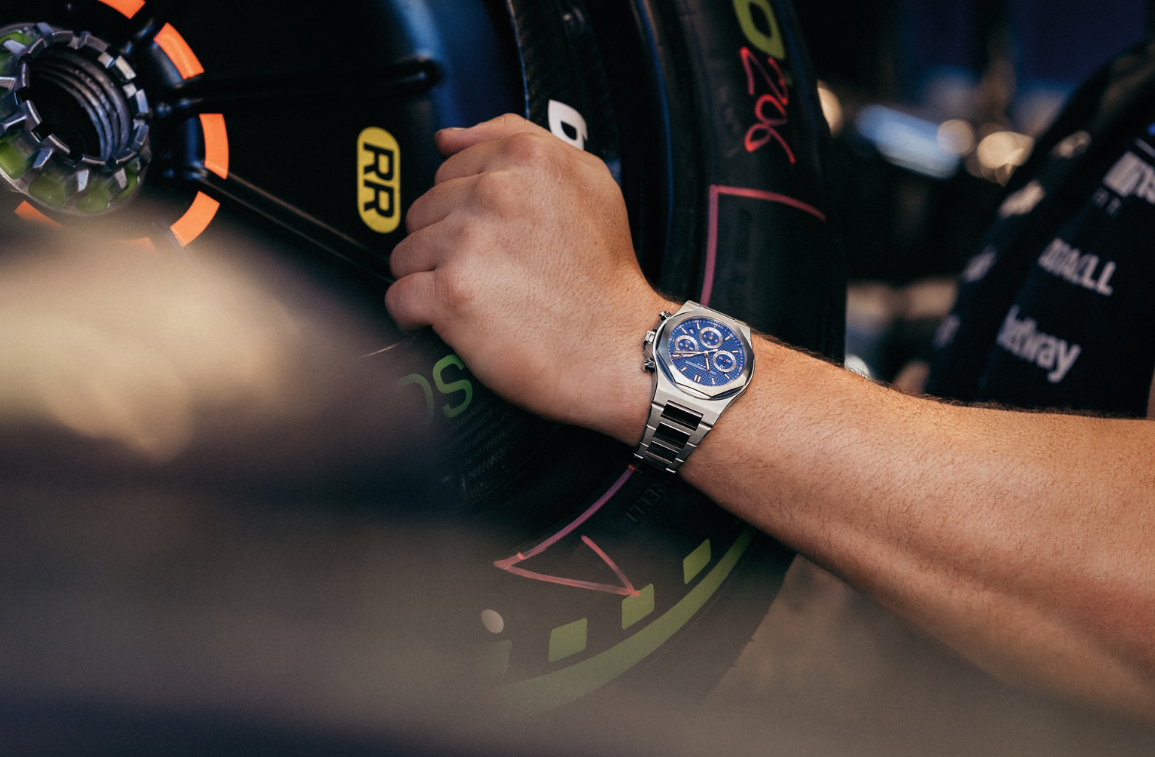
The Swiss watchmaker’s first collaboration with Atlassian Williams F1 Team produces two sporting Laureato models inspired by the team’s 2026 racing car.

Victorian auction buyers will soon receive a piece of information that has traditionally been withheld until bidding reaches it: the vendor’s reserve price. Under new property-sale and underquoting laws, agents must publish the agreed reserve at least seven days before an auction or fixed-date sale. Most changes begin on 1 October 2026 and apply to …
Continue reading “Victoria’s New Auction Rules Will Force Reserve Prices Into the Open”
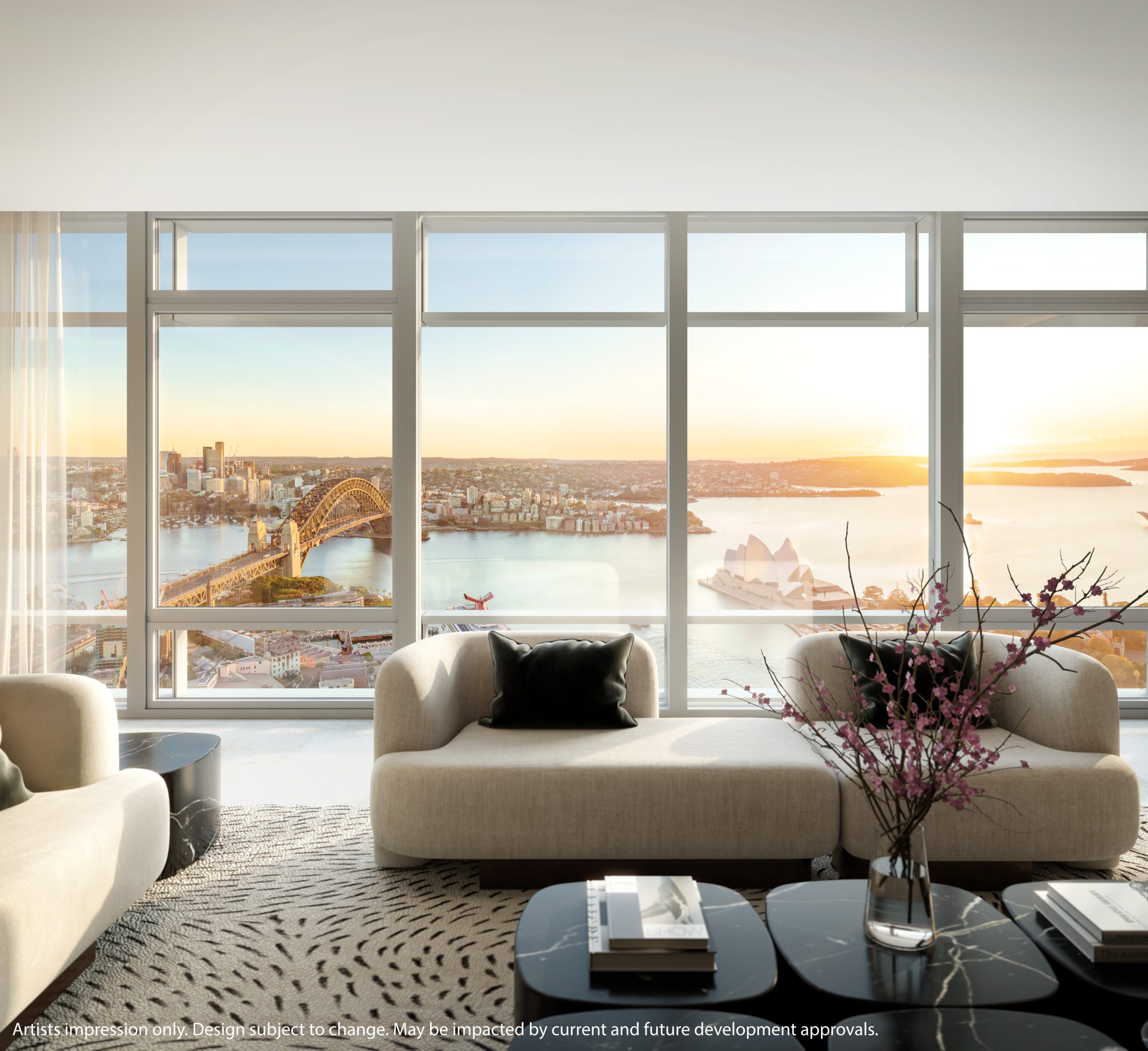

More than 10,000 homes, an expansive central park and a mix of hospitality, retail and wellness facilities will form Azizi Developments’ first master-planned community in the emirate.
2 min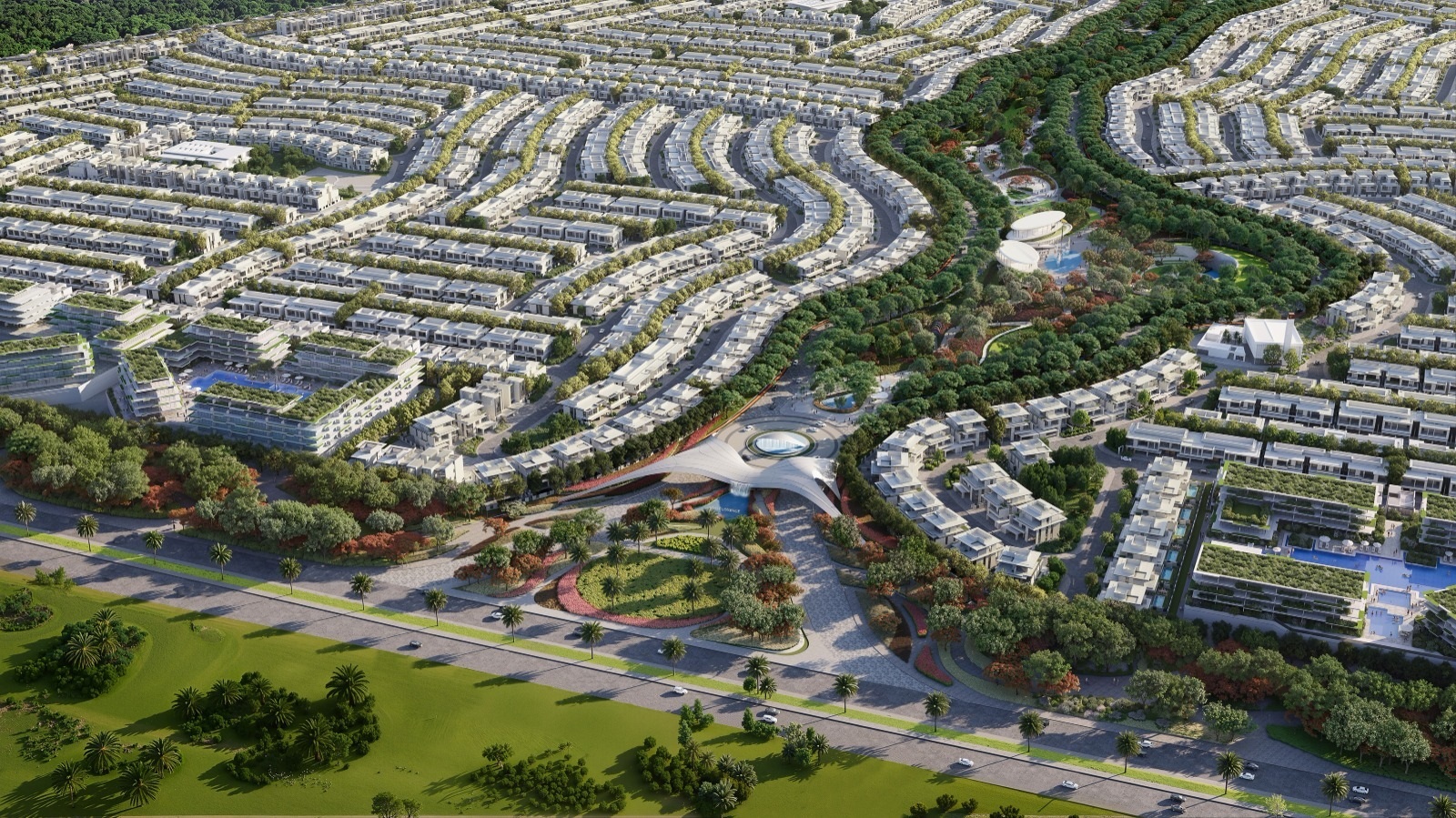
Sharjah is set to receive one of its largest new residential communities, with Azizi Developments unveiling plans for a US$8.1 billion master-planned precinct containing more than 10,000 homes.
Named Azizi Florence, the freehold development will comprise 1,130 villas, more than 6,000 townhouses and 3,500 apartments. Three-bedroom townhouses will start from US$515,000, with an indicative rate of US$231 per square foot of saleable space.
The project marks the Dubai-based developer’s first move into Sharjah, expanding a portfolio that includes the planned Burj Azizi skyscraper and the Azizi Venice community in Dubai.
A park at the heart of the community
Rather than treating landscaping as an afterthought, Azizi Florence will be organised around a 1.7 million sq ft central park.
The wider precinct is planned as a self-contained neighbourhood combining homes with retail, hospitality, education, leisure and wellness facilities.
Six residential clusters will sit within the development, each with its own park, clubhouse, community centre and landscaped gardens. The approach reflects a broader shift across large Middle Eastern developments, where greenery, recreation and everyday convenience are increasingly central to the residential proposition.
The scale of Azizi Florence suggests it is intended to function as a neighbourhood rather than a collection of housing estates. Its mix of housing types should also give the project broader appeal, accommodating apartment buyers alongside families seeking townhouses or standalone villas.
Azizi expands beyond Dubai
Azizi Developments has delivered more than 45,000 homes to buyers from over 100 countries and says it has approximately 150,000 units under construction.
Much of its growth has been concentrated in Dubai, where its portfolio extends across Palm Jumeirah, Mohammed Bin Rashid City, Dubai South, Sheikh Zayed Road and Downtown Jebel Ali.
Its most prominent current project is Burj Azizi, which is intended to become the world’s second-tallest building. Azizi Florence represents a different type of undertaking: a low-rise, family-oriented community built around public space and daily amenity.
For company founder and chairman Mirwais Azizi, the Sharjah project also carries a personal connection. The emirate was his first home in the UAE more than three decades ago, adding a symbolic dimension to the developer’s expansion.
Sharjah’s residential ambitions grow
Although Dubai and Abu Dhabi have traditionally captured much of the international attention directed at the UAE property market, Sharjah has been steadily broadening its residential offering.
Large freehold communities such as Azizi Florence have the potential to attract both local families and international purchasers looking for comparatively accessible entry points into the Emirates’ property market.
At a starting price of US$515,000, the project’s three-bedroom townhouses will sit well below the cost of equivalent family homes in many of Dubai’s more established luxury communities.
The ultimate appeal, however, will depend on execution. At this scale, the quality of the public realm, connections between residential clusters and delivery of the promised supporting infrastructure will be as important as the homes themselves.
If those elements come together, Azizi Florence could help establish a new benchmark for large-scale residential development in Sharjah—and give buyers another option beyond the UAE’s better-known property markets.
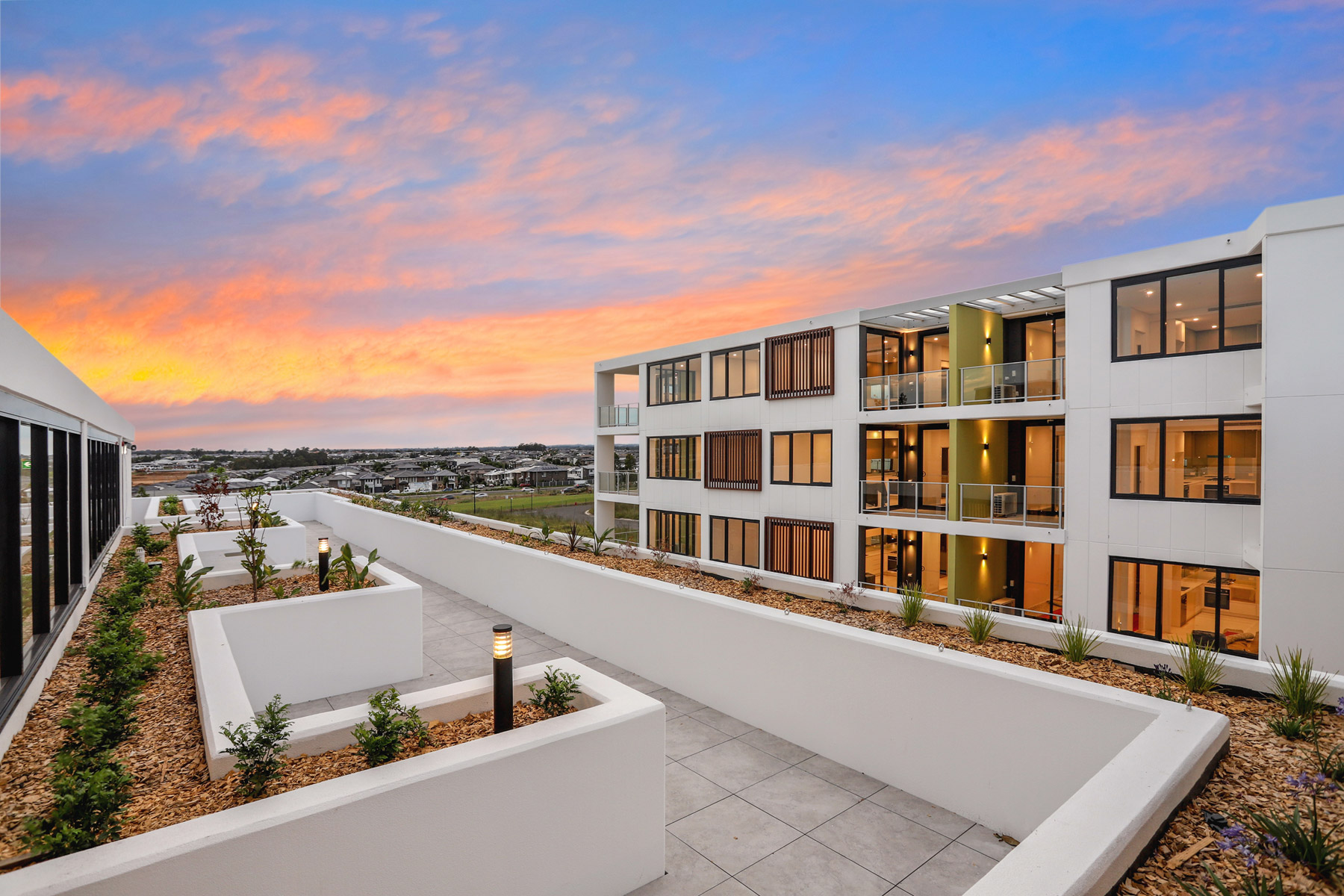
Ophora Tallawong has launched its final release of quality apartments priced under $700,000.
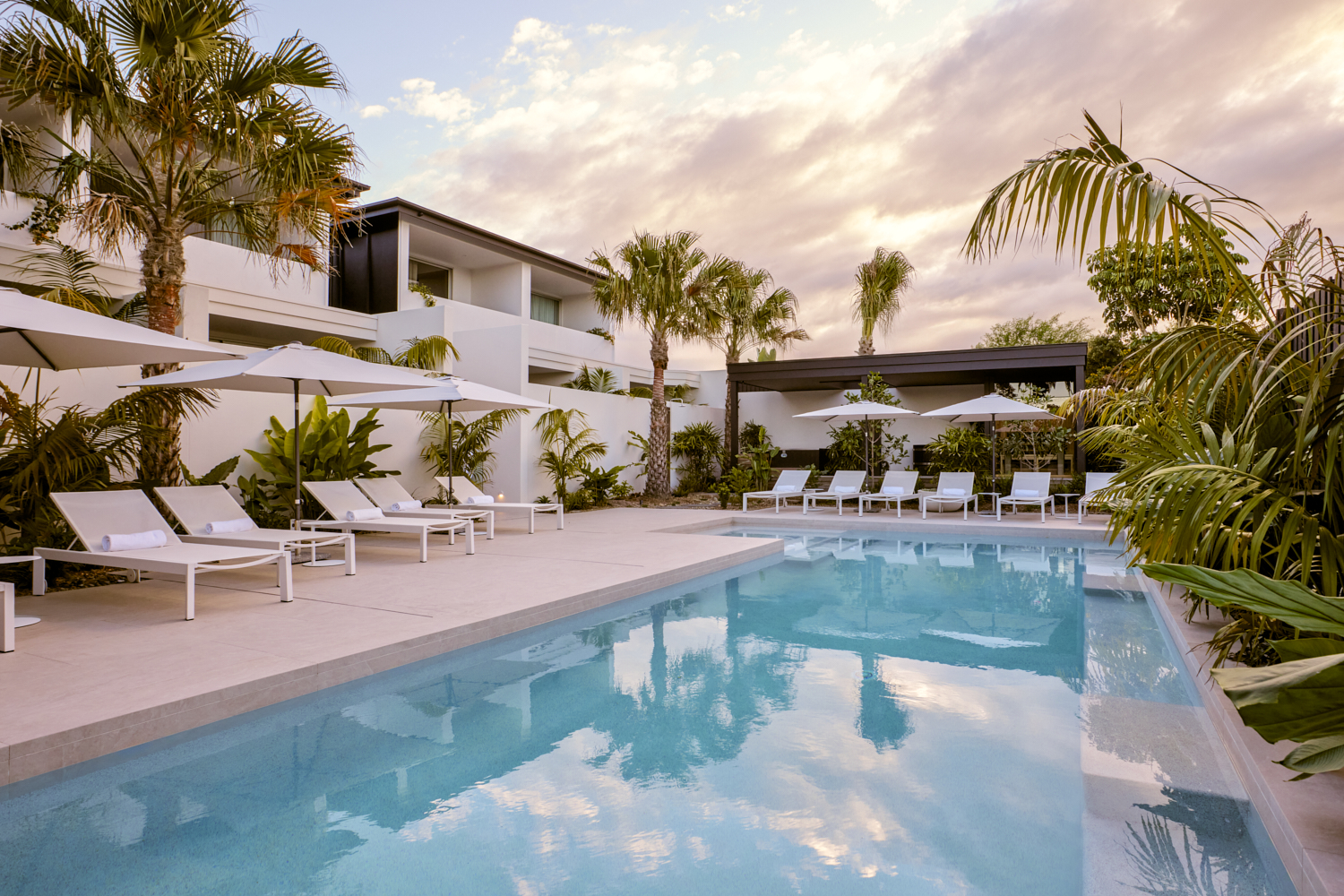
When the Writers Festival was called off and the skies refused to clear, one weekend away turned into a rare lesson in slowing down, ice baths included.