





Home-Buying Companies Stuck With Hundreds of Houses as Demand Slows
As mortgage rates surged, some customers backed out of purchases or needed more time for financing

 3 min
3 min
Ribbon Home Inc. had a fast-growing business during the housing boom. The New York City-based startup purchased homes with cash on behalf of buyers. Then it sold the homes to the buyers at the same price, plus a fee, once the buyers got a mortgage.
This approach made their clients’ offers more appealing, since sellers often prefer all-cash transactions that can close quickly and are considered more reliable. Ribbon has been active in hot markets such as Atlanta and Charlotte.
But last year as mortgage rates surged, some Ribbon customers backed out of their purchases or needed more time to get financing. That left the company owning nearly 400 homes, according to property records analysed by research firm Attom Data Solutions and confirmed by the company.
Ribbon is one of a handful of young companies known as power buyers. These firms created a niche business around helping home buyers gain an edge during the hyper competitive housing boom. Now that the market has cooled, some of these companies are stuck with hundreds of homes they acquired on behalf of clients.
Orchard Technologies Inc., another power buyer that has been active in places such as Denver and Dallas, helps customers buy a new home and move before selling their previous home. If clients can’t sell their homes after four months, Orchard agrees to buy them.
The company now owns about 200 homes its customers were unable to sell, said its Chief Executive Court Cunningham. Mr. Cunningham said Orchard has had to buy homes from customers three times as frequently over the past six months.
The unanticipated glut of homes these firms are carrying is an example of how housing-oriented companies that thrived when mortgage rates were super low are struggling to survive in a higher rate environment.
Online home-flipping companies also experienced turbulence as rates surged. Opendoor Technologies Inc. last year slashed prices on thousands of homes it purchased near the height of the market. The company reported huge losses and laid off 18% of its workforce.
Ribbon has let go of about 170 employees, or 85% of its staff, but it still needs to unload its surplus of houses. About half of those homes Ribbon will try to sell on the open market because their customers didn’t follow through on their purchases. People backed out because they didn’t want to sell their current homes in a down market, had credit issues or had a life event that changed their plans, said Shaival Shah, Ribbon’s chief executive.
The other half the company hopes to sell to the original customers. Most of those customers are renting from Ribbon, and some have asked for more time to obtain financing, Mr. Shah said.
Some power buyers say they are optimistic the housing market can stabilise, and recently there have been a few signs that buying may be picking up.
Power buyers say that their business will continue to serve home buyers in competitive markets and help even the playing field with investors, who often purchase homes with cash. Meanwhile, many are focused on improving products aimed at prospective sellers who are nervous to list their homes in a slow market.
“There was sort of a power shift, from the power sitting with the seller knowing that their home is going to sell within a day, to the power sitting with the buyer,” said Tim Heyl, founder of the Austin-based power buyer Homeward Inc.
Ribbon, which halted its cash-buyer program last year, said it is developing new products before it restarts. HomeLight Inc., another power buyer, recently changed up one of its main offerings so that it wouldn’t buy as many homes moving forward, said Drew Uher, the company’s chief executive.
Mr. Cunningham, of Orchard, said his company has reduced losses from homes it acquired by charging customers fees on both the sale of their previous homes and the purchase of their new homes. He said seller demand for backup offers from Orchard is rising given ongoing uncertainty about home sales.
Some executives said they don’t expect every power buyer to survive. Many relied on venture capital to grow during the height of the housing market, but they are unlikely to raise as much money now. Between January and late November 2022, venture investment in proptech companies decreased 21% compared with the same period the year prior, according to a report from Keefe, Bruyette and Woods Inc.
“People were doing all sorts of things to outbid or be the most competitive offer,” said Diane Vanna, a real-estate agent at Baird & Warner in Chicago, who in 2021 represented a buyer who won a bidding war against 36 other offers. “Now it’s really levelled off.”
 Copyright 2020, Dow Jones & Company, Inc. All Rights Reserved Worldwide. LEARN MORE





From making unpopular decisions to learning when to listen, leaders from five businesses reveal what nobody prepared them for — and how running a company has challenged their expectations.

Technology and semiconductor shares fell sharply as investors questioned the debt financing the AI infrastructure boom and confronted higher rates and Chinese competition.

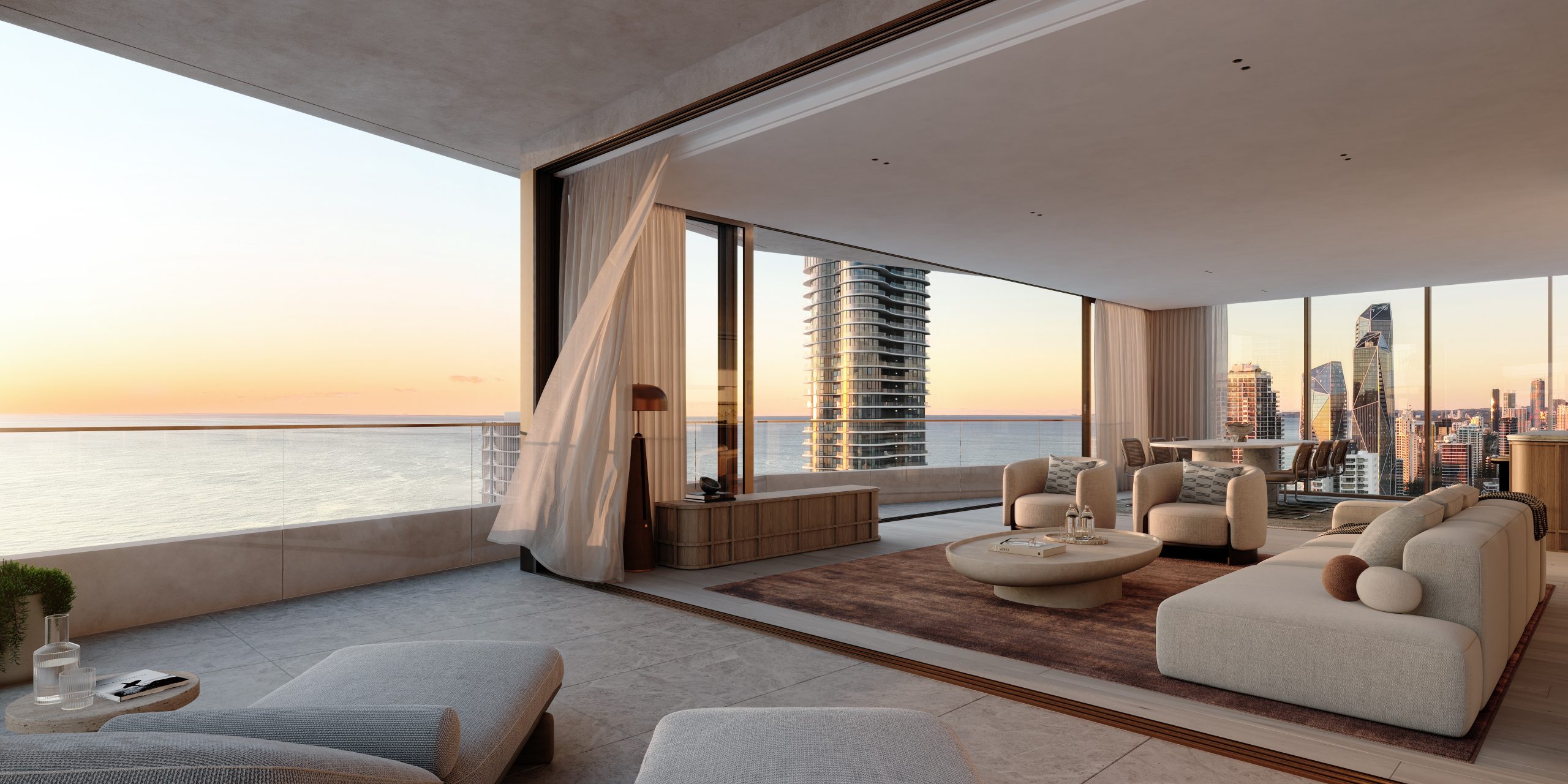
Mirvac’s 45-level Trielle has topped out at Yarra’s Edge, pairing riverfront apartments with wellness facilities, private dining and resident services.
3 min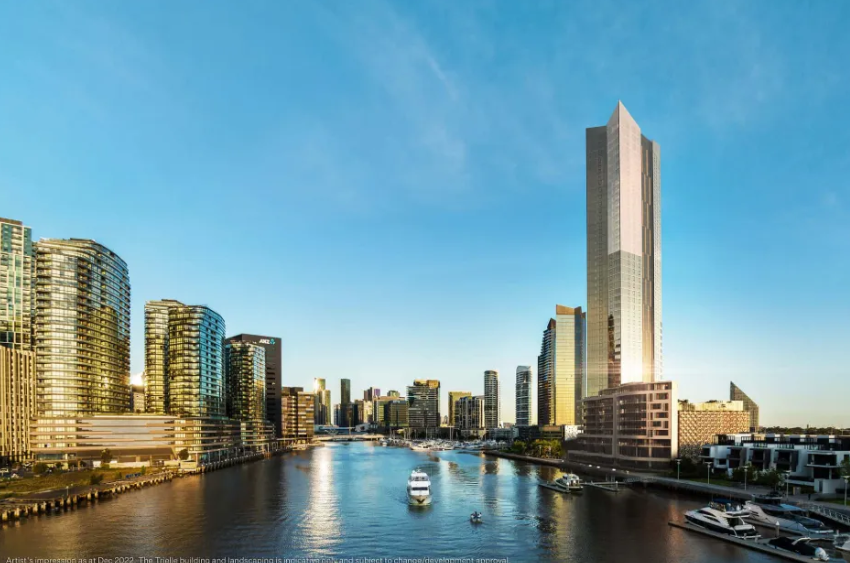
Mirvac has topped out Trielle at Melbourne’s Yarra’s Edge, with more than 70 per cent of the riverfront development sold and approximately 80 per cent of purchasers intending to make their apartment a home.
The figures, released on September 22, point to an owner-occupier audience for one of the precinct’s final residential towers. Mirvac began developing Yarra’s Edge in 2003, and its latest addition occupies one of the remaining absolute riverfront sites.
Mirvac CEO of Development Stuart Penklis said existing residents were among those moving up within the neighbourhood.
“Many purchasers already have a connection to Yarra’s Edge,” Mr Penklis said, describing buyers whose changing needs were encouraging an upgrade within the precinct.
“As one of the final residential towers within Yarra’s Edge, Trielle represents the culmination of more than two decades of creating one of Melbourne’s most established and sought-after waterfront communities,” Penklis said.
“Positioned on the Collins Street axis with absolute river frontage, Trielle offers residents a rare opportunity to enjoy sweeping views across the Yarra River, Melbourne skyline and Port Phillip Bay, while remaining seamlessly connected to the CBD. With Trielle now more than 70 per cent sold, we’re continuing to see strong demand from buyers seeking quality homes in established locations.”

The developer also flagged a penthouse and sub-penthouse collection with larger layouts, premium finishes and broad outlooks. The planned wellness centrepiece, The Oasis, encompasses a 900-square-metre elevated urban rainforest.
Mirvac General Manager Residential Development Victoria Elysa Anderson said Trielle had resonated strongly with buyers seeking a rare lifestyle offering in Melbourne.
“Opportunities to secure a new luxury residence on a riverfront site of this calibre are incredibly rare, particularly within a community like Yarra’s Edge,” Anderson said.
“What makes Trielle unique is the combination of exceptional views, world-class residential facilities and the lifestyle that already exists around it. Residents are buying into a mature waterfront community with parks, promenades, dining, wellness and strong community connections already in place.”
The 45-level tower brings a substantial new presence to that waterfront. Its residential offering spans one-, two-, three- and four-bedroom apartments, with Signature, Prestige and Sub-Penthouse collections accommodating different household sizes. The north-facing position connects the apartments visually to the river and city beyond.
Seven storeys above the promenade, the planned Oasis combines planting and a running stream with a Scandinavian-inspired wellness club developed with spa specialist Naomi Gregory. Facilities include a 25-metre lap pool, hot magnesium pool, sauna, hydrotherapy, a gym, yoga and Pilates room, and treatment spaces.
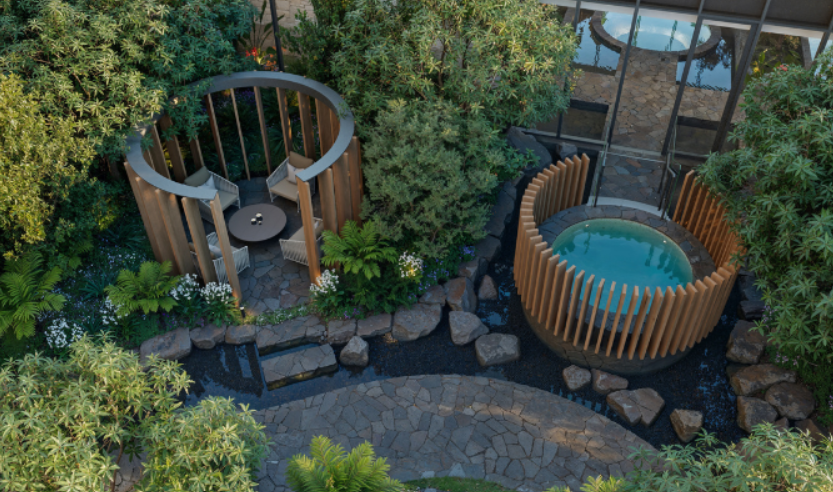
The amenity extends beyond exercise. Residents will have access to The Biblioteca library and workspaces, ground-floor work pods, and The Salone piano lounge. A private Chef’s Table dining room offers a setting for larger gatherings, while a cinema, games room and sports lounge broaden the entertaining options. Concierge services and a dog-wash area support everyday routines.
Trielle comprises a collection of one, two, three and four-bedroom residences. Reflecting strong demand from owner occupiers, approximately 80 per cent of purchasers to date intend to live in their homes, highlighting the project’s appeal to those seeking a long-term waterfront lifestyle.
Mirvac has recently delivered The Albertine, a premium apartment development on the edge of Melbourne’s CBD, and is nearing completion of Prince & Parade in Brunswick, further strengthening its portfolio of thoughtfully designed apartment communities in some of Melbourne’s most sought-after urban locations.

From farm-to-table Thai to fairy-lit mango trees and Coral Sea vistas, Port Douglas has award-winning dining and plenty of tropical charm on the side.
Australia’s housing market rebounded sharply in 2025, with lower-value suburbs and resource regions driving growth as rate cuts, tight supply and renewed competition reshaped the year.


