A NEW SEASON FOR AUSTRALIA’S MOST EXPRESSIVE WINES
As the season turns, Handpicked Wines’ latest Pinot Noir and Chardonnay releases reveal how subtle shifts in place shape what ends up in the glass.
 3 min
3 min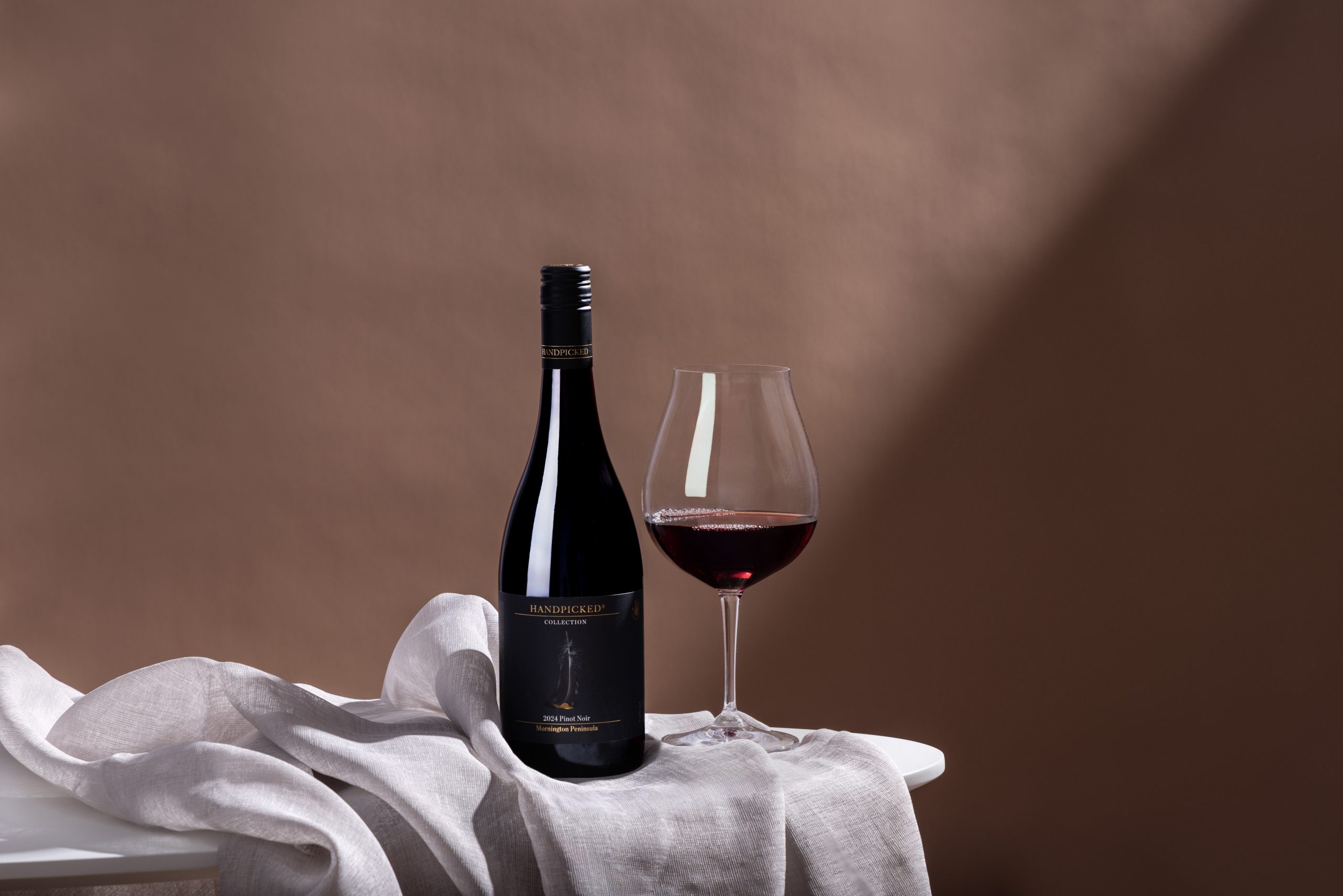
The shift into autumn brings with it a quiet recalibration. Evenings lengthen, temperatures soften, and the wines we reach for begin to change.
Crisp aperitif styles give way to something more structured and contemplative. Chardonnay regains its depth, and Pinot Noir returns as the season’s defining red.
It is against this backdrop that Handpicked Wines has unveiled its latest premium collection, anchored in the 2024 vintage and spanning Tasmania, the Yarra Valley and the Mornington Peninsula.
While geographically diverse, the wines share a common philosophy: that place, rather than process, should define the final expression.
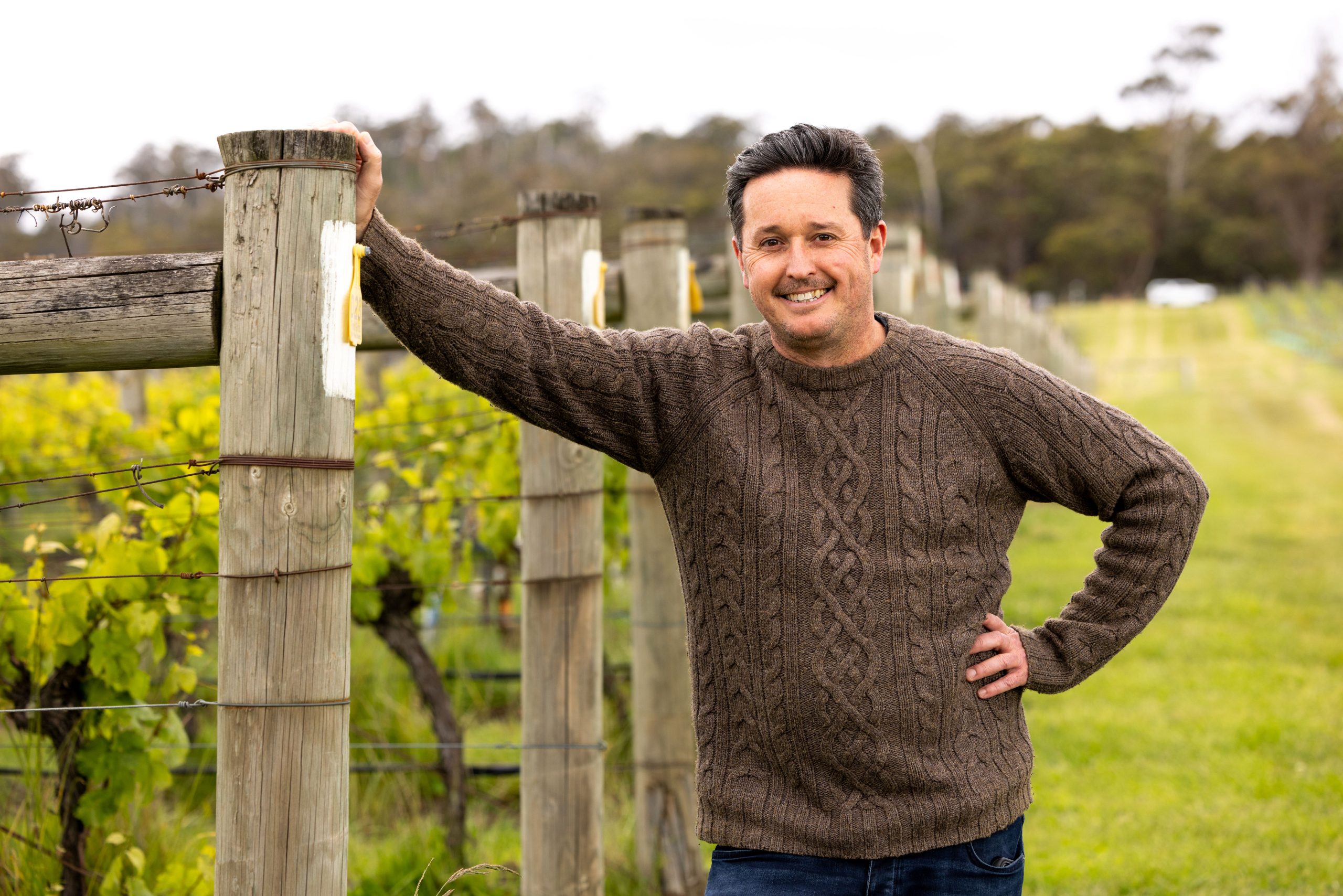
“Pinot Noir and Chardonnay are the bread and butter of Handpicked. They are our signature and what we do best,” said Chief Winemaker Peter Dillon.
“While we focus solely on our two hero varieties with this release, there is so much diversity to be found from the sites, with each one bringing a new quality and dimension to the variety.”
A tale of two vineyards
Nowhere is that diversity more evident than in the Yarra Valley, where two single vineyard Chardonnays offer a compelling study in contrast.
Separated by just a 45-minute drive, the Wombat Creek and Highbow Hill sites illustrate how dramatically elevation and soil can influence character.
Wombat Creek, perched at 420 metres above sea level in the Upper Yarra, produces a wine defined by finesse.
Volcanic soils and cooler temperatures deliver aromatic precision and a tight structural line. By contrast, Highbow Hill, located on the valley floor, offers a broader, more textural profile, shaped by slightly warmer conditions and different soil composition.
For Dillon, the comparison is central to understanding the essence of fine wine.
“Taking two wines from the same producer, region, and price point, made by the very same winemakers and viticulturists, has got to be the ultimate and most tangible way to explore terroir,” he said.
“It’s a joy for us as winemakers to create a totally new expression of the wine with the same grape; it really shows how the vineyard’s personality carries across into the bottle and onto the palate.
The rise of site-led winemaking
Across Australia’s leading wine regions, there has been a growing shift away from heavily manipulated styles towards wines that reflect their origin more transparently. Handpicked’s latest releases sit firmly within this movement, prioritising vineyard stewardship and minimal intervention.
Several of the wines now carry Certified Organic status, part of a broader transition that reflects a long-term commitment to soil health and environmental sustainability. The flagship Capella Pinot Noir, sourced from the Mornington Peninsula, represents the culmination of more than a decade of work refining both site and technique.
The result is a Pinot Noir defined less by overt power than by restraint and clarity, characteristics increasingly associated with Australia’s finest cool-climate sites.
A seasonal return
The timing of the release is not incidental. Autumn remains the natural home of both Pinot Noir and Chardonnay, varieties that reward slower drinking and closer attention. Where summer wines are defined by immediacy, these are built for contemplation.
In this sense, the latest collection reflects more than a single vintage. It captures a broader evolution in Australian wine, one that places increasing emphasis on nuance, origin and longevity.
As the season settles and the pace of the year begins to shift, these are wines that invite pause. Not simply to drink, but to consider the journey from vineyard to glass, and the quiet influence of place that shapes every bottle.

Two coming 2027 models – the first of the “Neue Klasse” cars coming to the U.S. early next year – have been revealed.

A&K Sanctuary unveils Kitirua Plains Lodge, a sustainability-focused luxury property shaped by landscape, local craft and contemporary safari architecture.

Four one-off Cullinan commissions draw on the design language of yachting, blending marine craftsmanship with Rolls-Royce’s signature bespoke detailing.
< 1 min
Rolls-Royce has revealed a new series of bespoke Cullinan motor cars inspired by the world of yachting, with four individually commissioned vehicles reflecting the materials, movement and design codes of life at sea.
Presented at Goodwood in the UK, the Cullinan Yachting collection comprises four one-off vehicles themed around the cardinal directions, North, South, East and West, each expressed through distinct exterior finishes and interior detailing.
The commissions lean heavily into maritime influence, a space Rolls-Royce says is closely aligned with its global client base.
Each vehicle features marine-grade teak, hand-painted fascia artwork inspired by the wake of a tender cutting through water, and intricate marquetry compass motifs made from more than 40 individual pieces of wood veneer.
Hand-painted elements have become an increasingly sought-after feature among Rolls-Royce clients, with the brand employing dedicated artisans to develop bespoke interior compositions.
For the Cullinan Yachting series, the painted wake effect required months of experimentation to achieve a natural sense of movement.
Inside, the vehicles are finished in Arctic White and Navy Blue leather, with hand-stitched detailing designed to echo the structure of nautical ropework. A signature Rolls-Royce Starlight
Headliner has also been reimagined, with fibre-optic constellations arranged to reflect Mediterranean wind patterns.
Each car’s exterior colour has been developed to align with its directional theme, ranging from lighter blue tones evoking northern waters to deeper hues referencing warmer southern seas and storm-lit horizons.
Rolls-Royce said the collection reflects a longstanding relationship between the marque and the world of yachting, dating back to its co-founder Charles Rolls, whose family owned a steam yacht and travelled extensively through the Mediterranean.
The release underscores the growing demand for highly personalised vehicles among ultra-high-net-worth buyers, with Rolls-Royce increasingly positioning its cars as part of a broader luxury lifestyle that extends beyond the road.
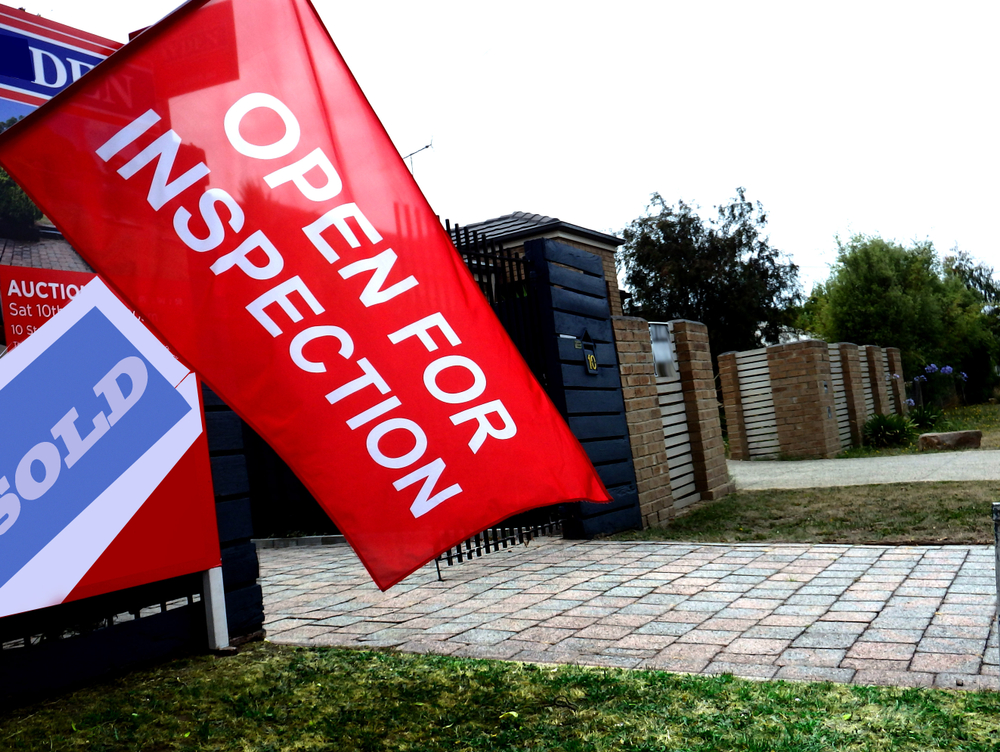
Australia’s housing market rebounded sharply in 2025, with lower-value suburbs and resource regions driving growth as rate cuts, tight supply and renewed competition reshaped the year.
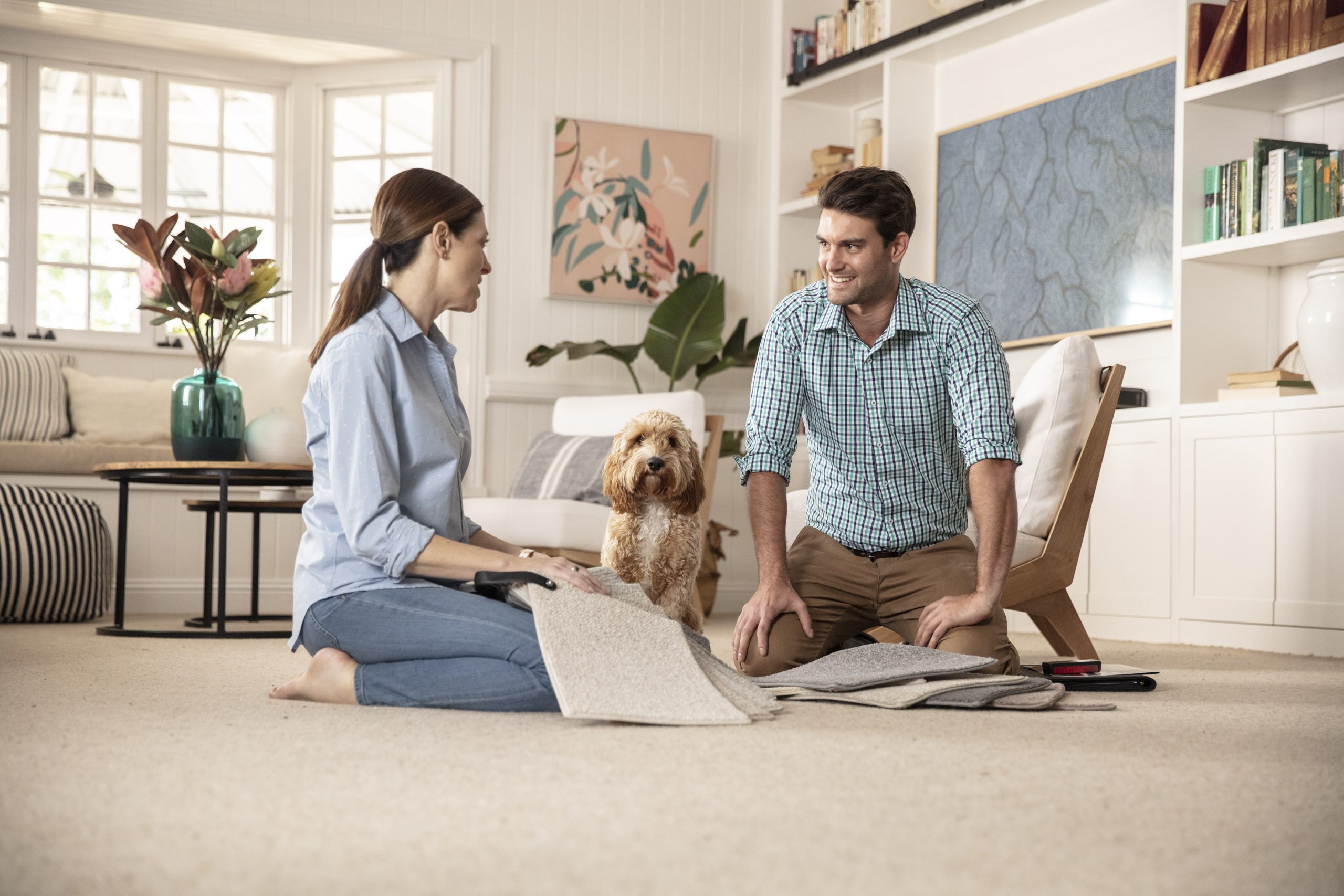
High-end homeowners are choosing to upgrade rather than relocate, investing in bespoke design, premium finishes and long-term lifestyle value.