Canadian Property Market Hurt by Tariff Concerns
Early indications from several big regional real-estate boards suggest March was overall another down month.

 3 min
3 min
OTTAWA–The nascent recovery in Canada’s housing market has become a casualty of the trade dispute with the U.S.
The latest national home-resale data are due out Tuesday, but early indications from several big regional real-estate boards suggest March was overall another down month as many prospective buyers exercised caution.
The recent weakness in home sales has dimmed the previously brighter outlook for the property market coming into 2025, when buyers were encouraged by the Bank of Canada’s aggressive interest-rate cuts.
“The chills the U.S. trade war has sent through participants in the housing market are getting frostier,” said Robert Hogue , assistant chief economist at Royal Bank of Canada.
Hogue said resales are down materially in a number of markets two months running, and home prices in several markets are coming under pressure as inventories rise. And although Canada was spared additional levies when President Trump unveiled so-called reciprocal tariffs on dozens of countries earlier this month, no meaningful rebound is likely so long as trade uncertainty lingers, he said.
Home buyers in Toronto, Canada’s most populous city and the country’s financial hub, aren’t turning up for the usual spring pickup in property-market activity.
Sales in the Greater Toronto Area slumped 23.1% in March from a year earlier, as new listings for the region jumped close to 29%, according to the Toronto Regional Real Estate Board. That marked the worst month of resales since 1998.
The board’s chief information officer, Jason Mercer , said many potential home buyers were likely taking a wait-and-see approach given the economic worries as well as a pending federal election. “Homebuyers need to feel their employment situation is solid before committing to monthly mortgage payments over the long term,” he said, adding that ownership has become more affordable and prices in the area fell about 3.8% year on year in March.
Uncertainty is also weighing on the housing market in Calgary, the biggest city in oil-rich Alberta. The city’s real-estate board said realtors reported a 19% drop in sales of existing homes from last year, with a similar trend of improving supply and a sharp increase in the average number of days that homes were on the market.
On the West Coast, home sales registered in the metro Vancouver area of British Columbia were the lowest for March since 2019, falling 13.4% on a year earlier and coming in close to 37% below the 10-year seasonal average, while active listings continued to rise.
There are some areas of resilience. The Quebec Professional Association of Real Estate Brokers said total sales in the province were up 9% year on year in March. Still, RBC’s Hogue estimated Montreal sales in March were down about 15% from December seasonally adjusted, effectively rolling back the advance since the end of last summer.
The most recent national data for the country, from the Canadian Real Estate Association, showed resales dropped 9.8% month over month in February, when homebuyers may also have been put off by harsh winter storms in parts of the country. That marked the sharpest fall since May 2022 and brought the level of sales to their lowest level since November 2023, snapping signs that activity had been picking up in recent months.
Rishi Sondhi , an economist at Toronto-Dominion Bank, in a recent report estimated the country was tracking toward a double-digit quarterly decline in Canadian home sales and a mid-single-digit drop in Canadian average home prices for the first three months of 2025. That is much weaker than a pre-Trump inauguration forecast made in December that projected a loosening in federal mortgage rules, lower interest rates and continued economic growth would fuel a modest gain in sales and prices.
Central-bank officials are set to decide Wednesday on monetary policy, but they have signaled a cautious approach to rates as they balance the prospect of tariffs stoking price pressures against the likelihood that they will dampen demand and weigh on the economy. That could mean the Bank of Canada will pause after seven straight cuts to its policy rate.
Housing is a hot topic for party leaders campaigning ahead of the April 28 election, with both the incumbent Liberal Party and opposition Conservatives proposing tax cuts and incentives to encourage buyers and builders.
The outlook for new homes has also dimmed with the tariff threat. The value of residential-building permits issued in February fell 2.9% from a month prior, adding to a retreat in January that took back some of the surge in intentions in the final month of last year, Statistics Canada data last week showed.
 Copyright 2020, Dow Jones & Company, Inc. All Rights Reserved Worldwide. LEARN MORE





From making unpopular decisions to learning when to listen, leaders from five businesses reveal what nobody prepared them for — and how running a company has challenged their expectations.

Technology and semiconductor shares fell sharply as investors questioned the debt financing the AI infrastructure boom and confronted higher rates and Chinese competition.

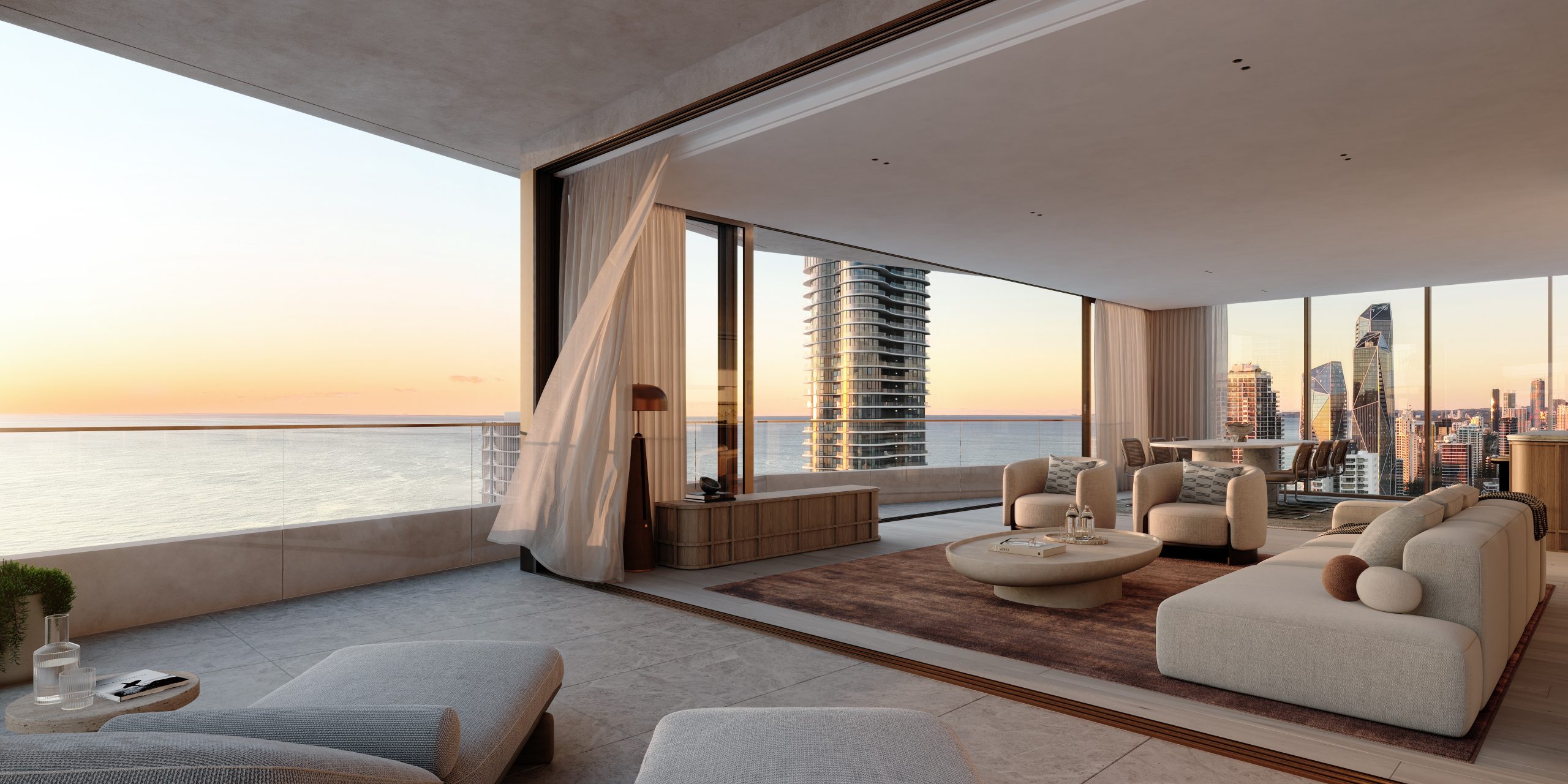
Mirvac’s 45-level Trielle has topped out at Yarra’s Edge, pairing riverfront apartments with wellness facilities, private dining and resident services.
3 min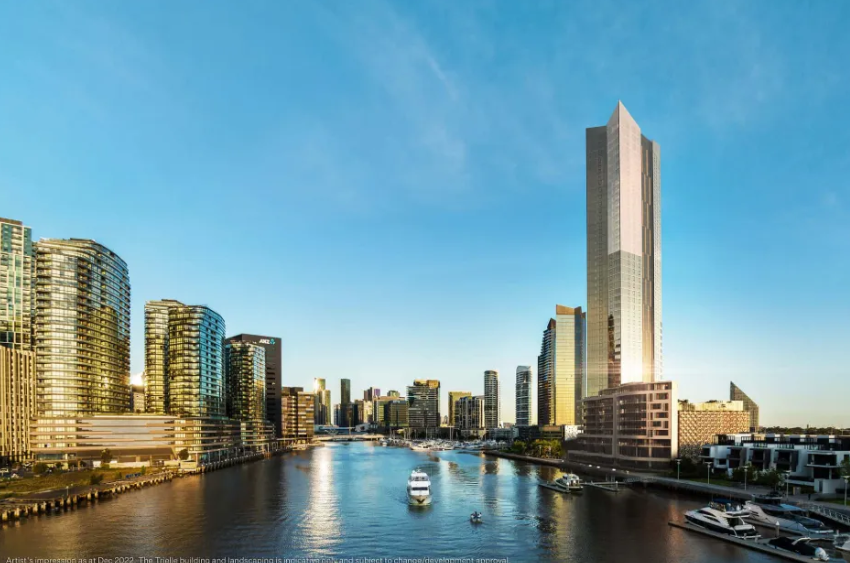
Mirvac has topped out Trielle at Melbourne’s Yarra’s Edge, with more than 70 per cent of the riverfront development sold and approximately 80 per cent of purchasers intending to make their apartment a home.
The figures, released on September 22, point to an owner-occupier audience for one of the precinct’s final residential towers. Mirvac began developing Yarra’s Edge in 2003, and its latest addition occupies one of the remaining absolute riverfront sites.
Mirvac CEO of Development Stuart Penklis said existing residents were among those moving up within the neighbourhood.
“Many purchasers already have a connection to Yarra’s Edge,” Mr Penklis said, describing buyers whose changing needs were encouraging an upgrade within the precinct.
“As one of the final residential towers within Yarra’s Edge, Trielle represents the culmination of more than two decades of creating one of Melbourne’s most established and sought-after waterfront communities,” Penklis said.
“Positioned on the Collins Street axis with absolute river frontage, Trielle offers residents a rare opportunity to enjoy sweeping views across the Yarra River, Melbourne skyline and Port Phillip Bay, while remaining seamlessly connected to the CBD. With Trielle now more than 70 per cent sold, we’re continuing to see strong demand from buyers seeking quality homes in established locations.”

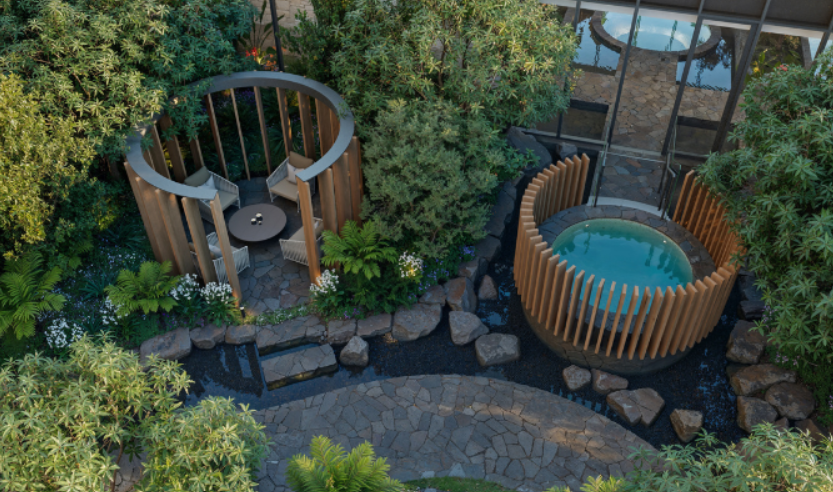
The developer also flagged a penthouse and sub-penthouse collection with larger layouts, premium finishes and broad outlooks. The planned wellness centrepiece, The Oasis, encompasses a 900-square-metre elevated urban rainforest.
Mirvac General Manager Residential Development Victoria Elysa Anderson said Trielle had resonated strongly with buyers seeking a rare lifestyle offering in Melbourne.
“Opportunities to secure a new luxury residence on a riverfront site of this calibre are incredibly rare, particularly within a community like Yarra’s Edge,” Anderson said.
“What makes Trielle unique is the combination of exceptional views, world-class residential facilities and the lifestyle that already exists around it. Residents are buying into a mature waterfront community with parks, promenades, dining, wellness and strong community connections already in place.”
The 45-level tower brings a substantial new presence to that waterfront. Its residential offering spans one-, two-, three- and four-bedroom apartments, with Signature, Prestige and Sub-Penthouse collections accommodating different household sizes. The north-facing position connects the apartments visually to the river and city beyond.
Seven storeys above the promenade, the planned Oasis combines planting and a running stream with a Scandinavian-inspired wellness club developed with spa specialist Naomi Gregory. Facilities include a 25-metre lap pool, hot magnesium pool, sauna, hydrotherapy, a gym, yoga and Pilates room, and treatment spaces.
The amenity extends beyond exercise. Residents will have access to The Biblioteca library and workspaces, ground-floor work pods, and The Salone piano lounge. A private Chef’s Table dining room offers a setting for larger gatherings, while a cinema, games room and sports lounge broaden the entertaining options. Concierge services and a dog-wash area support everyday routines.
Trielle comprises a collection of one, two, three and four-bedroom residences. Reflecting strong demand from owner occupiers, approximately 80 per cent of purchasers to date intend to live in their homes, highlighting the project’s appeal to those seeking a long-term waterfront lifestyle.
Mirvac has recently delivered The Albertine, a premium apartment development on the edge of Melbourne’s CBD, and is nearing completion of Prince & Parade in Brunswick, further strengthening its portfolio of thoughtfully designed apartment communities in some of Melbourne’s most sought-after urban locations.

Victorian auction buyers will soon receive a piece of information that has traditionally been withheld until bidding reaches it: the vendor’s reserve price. Under new property-sale and underquoting laws, agents must publish the agreed reserve at least seven days before an auction or fixed-date sale. Most changes begin on 1 October 2026 and apply to …
Continue reading “Victoria’s New Auction Rules Will Force Reserve Prices Into the Open”

Exclusive eco-conscious lodges are attracting wealthy travellers seeking immersive experiences that prioritise conservation, community and restraint over excess.