





Docklands first hotel branded penthouse seeks to break $20 million
Melbourne’s first hotel-branded penthouse has hit the market, with Docklands luxury tipped to test the city’s $20 million ceiling.
 3 min
3 min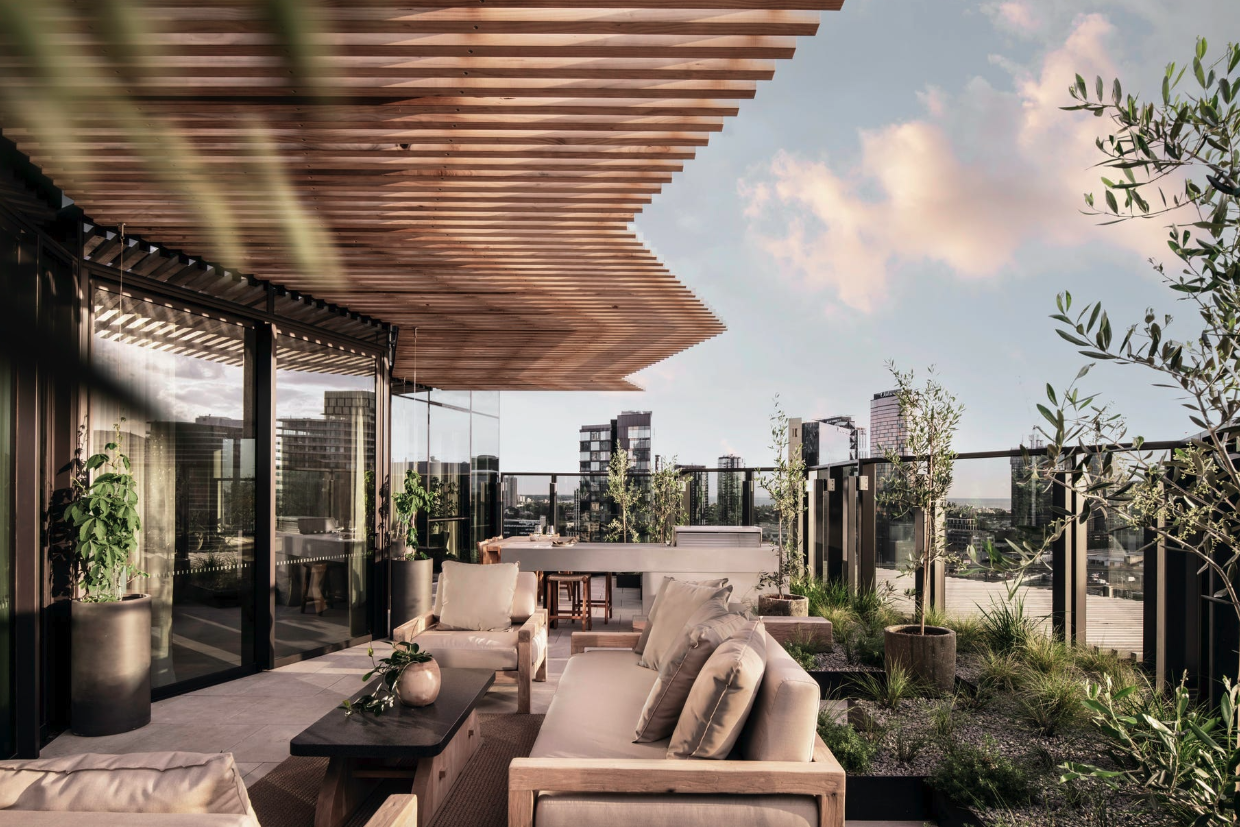
International hotel brand 1 Hotels has recently opened the doors to its debut Australian property in Melbourne’s Docklands.
The hotel forms part of Riverlee’s broader Seafarers development, which integrates the grandeur of the site, the former Goods Shed No. 5, meticulously reconstructed and restored piece by piece by the developer.
Designed by Fender Katsalidis in collaboration with CARR, Seafarers pays homage to the site’s wharfing history through the use of recycled timbers, steel beams and concrete, softened by expansive ceiling gardens.
Now, the first hotel-branded penthouse within the development has been listed for sale, and it is shaping up to become one of the few residences in Melbourne to push beyond the $20 million mark.
The penthouse commands expansive views across the city skyline and Port Phillip Bay, outlooks that can never be built out thanks to its prime, direct waterfront position.
A private lift opens into an exclusive lobby, leading to a gallery-style hallway that runs the full length of the expansive 715 sqm residence. Upon arrival, an ornamental conservatory sets the tone, anchored by a towering tree that rises toward a skylight, flooding the space with natural light.
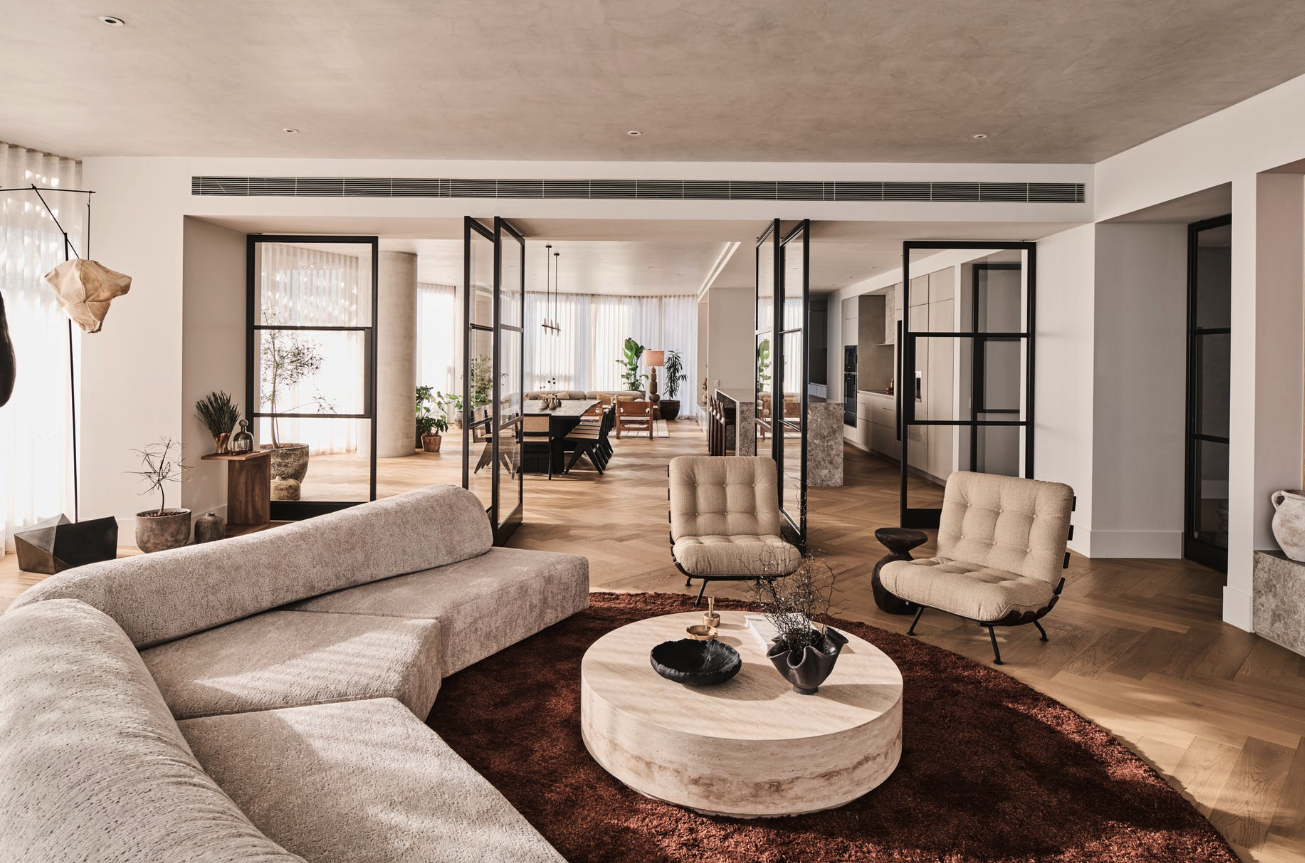 The eastern wing of the penthouse houses a dedicated entertainment room with its own bar, a home office with integrated desk space, and four bedrooms.
The master suite is wrapped in glass and features two walk-in wardrobes, both naturally lit by skylights, along with an ensuite complete with a freestanding bath.
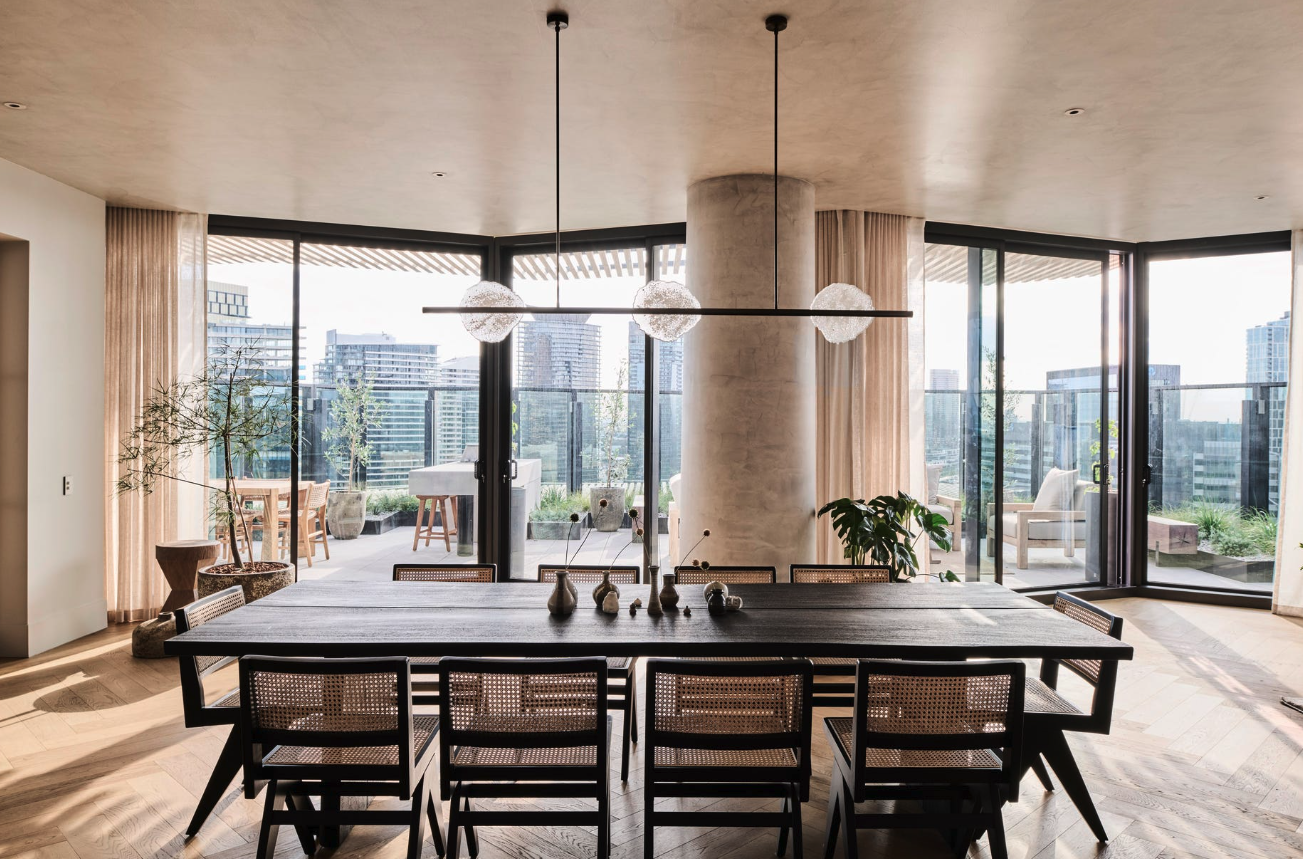
A formal dining area and wine cellar sit between the private quarters and the western edge of the home, where the main living spaces are positioned to capture uninterrupted views of the bay and city.
The kitchen is appointed with a fully equipped scullery, Gaggenau appliances, and a marble island bench.
Additional spaces include a cocktail lounge with a fireplace behind black-framed glass doors, as well as another living and dining area. All of these zones open onto a full-width terrace featuring an outdoor kitchen with integrated stone island, an alfresco dining area, and an outdoor lounge.
The penthouse also includes secure parking for four vehicles.
Forbes Global Properties Australia agents Nick Peters and Tracy Tian Belcher are guiding the property at $19.5 million to $21 million.
 While a sale at this level would place it among Melbourne’s most expensive apartments, it would still fall short of the city’s record. That benchmark was set in 2023 when billionaire Adrian Portelli, known for his high-profile purchases and giveaways on The Block, paid $39 million for a 1,200 sqm penthouse on the 57th floor of Sapphire by the Gardens in the CBD.
Designed by Fender Katsalidis and CARR, Seafarers pays homage to the wharfing history of the land with its recycled timbers, steel beams and concrete softened by ceiling gardens.
Founder and CEO of Starwood Capital Group, Barry Sternlicht was the driving force behind some of world’s most esteemed hotel marques, including St. Regis and W Hotels.
Passionate about sustainability and conservation, he believes the people who travel the world care about it deeply, and through 1 Hotels, set out to establish a mission-driven luxury hotel brand that would raise awareness, spark conversations and inspire change that benefits the planet.

Two coming 2027 models – the first of the “Neue Klasse” cars coming to the U.S. early next year – have been revealed.

A&K Sanctuary unveils Kitirua Plains Lodge, a sustainability-focused luxury property shaped by landscape, local craft and contemporary safari architecture.

After half a century in the same hands, The Palladium blends Art Deco heritage, cinematic history and beachfront living in one extraordinary offering.
3 min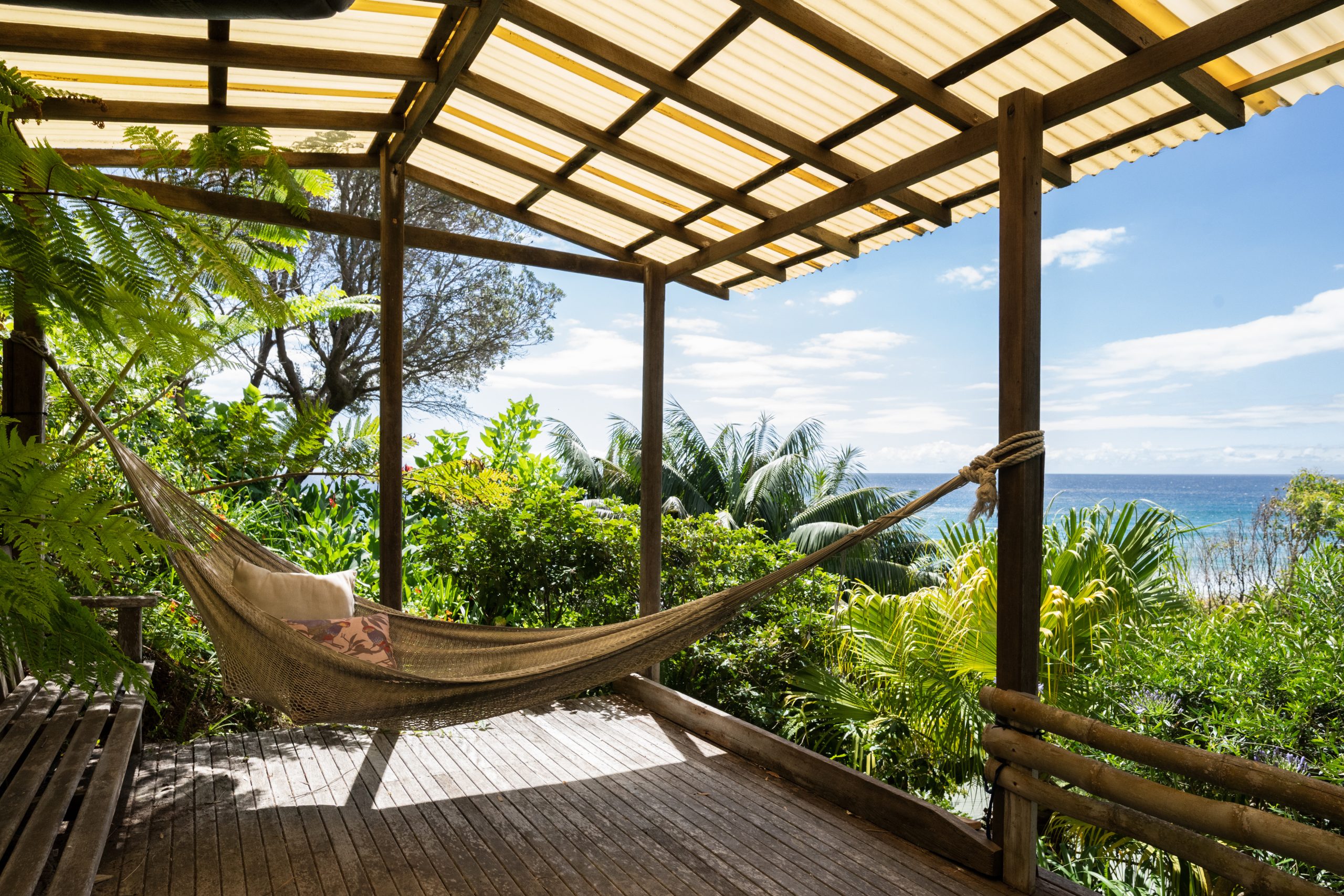
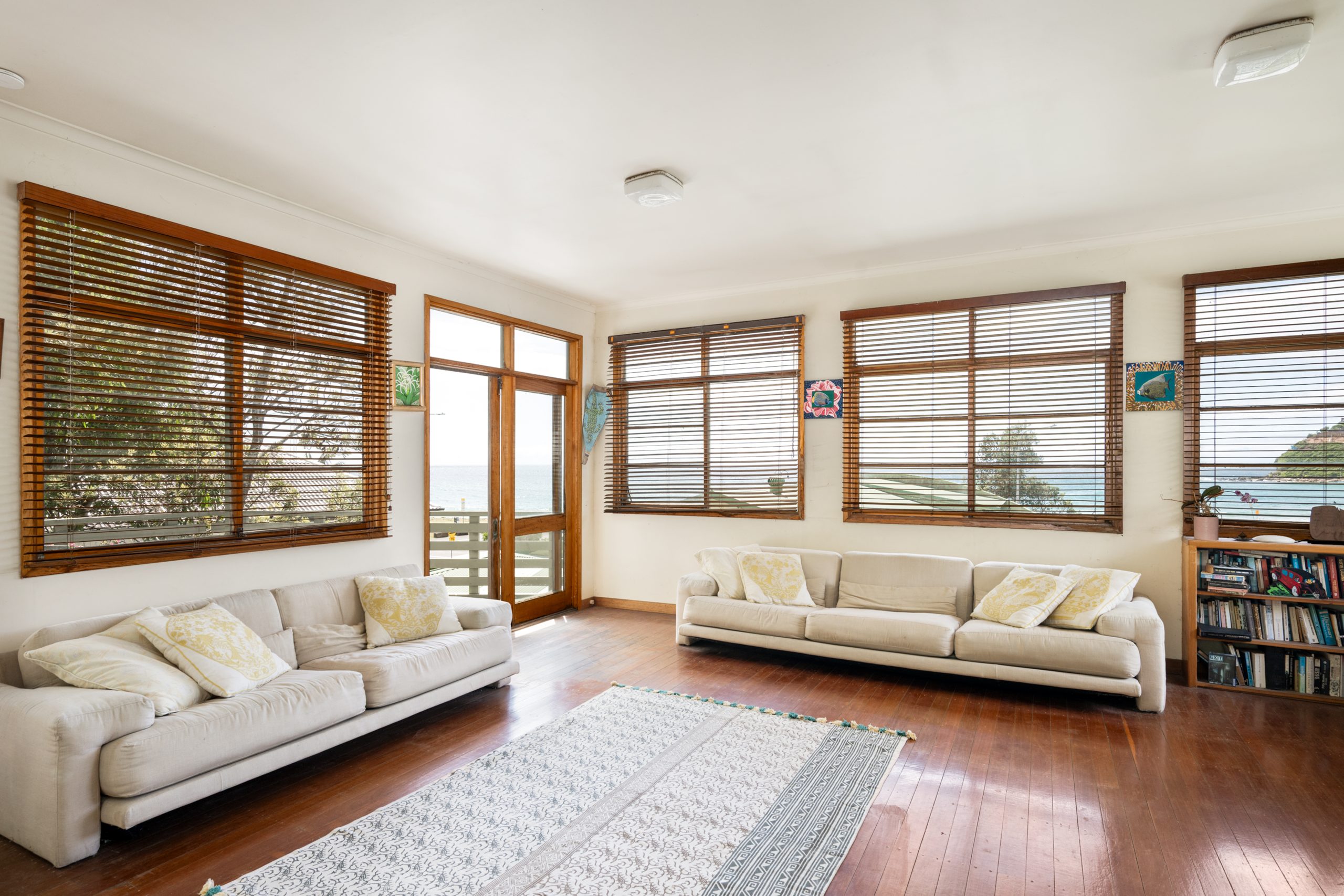
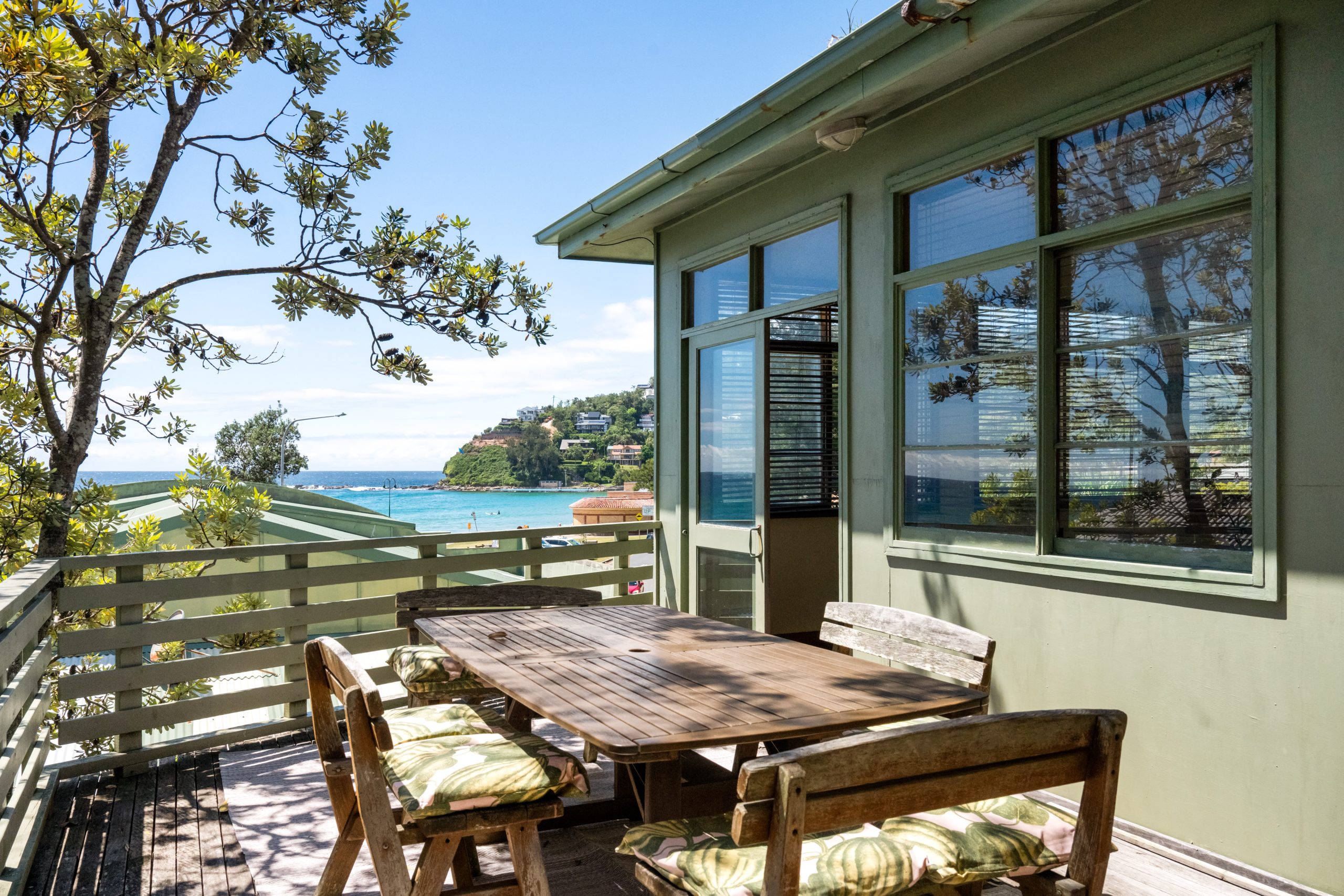
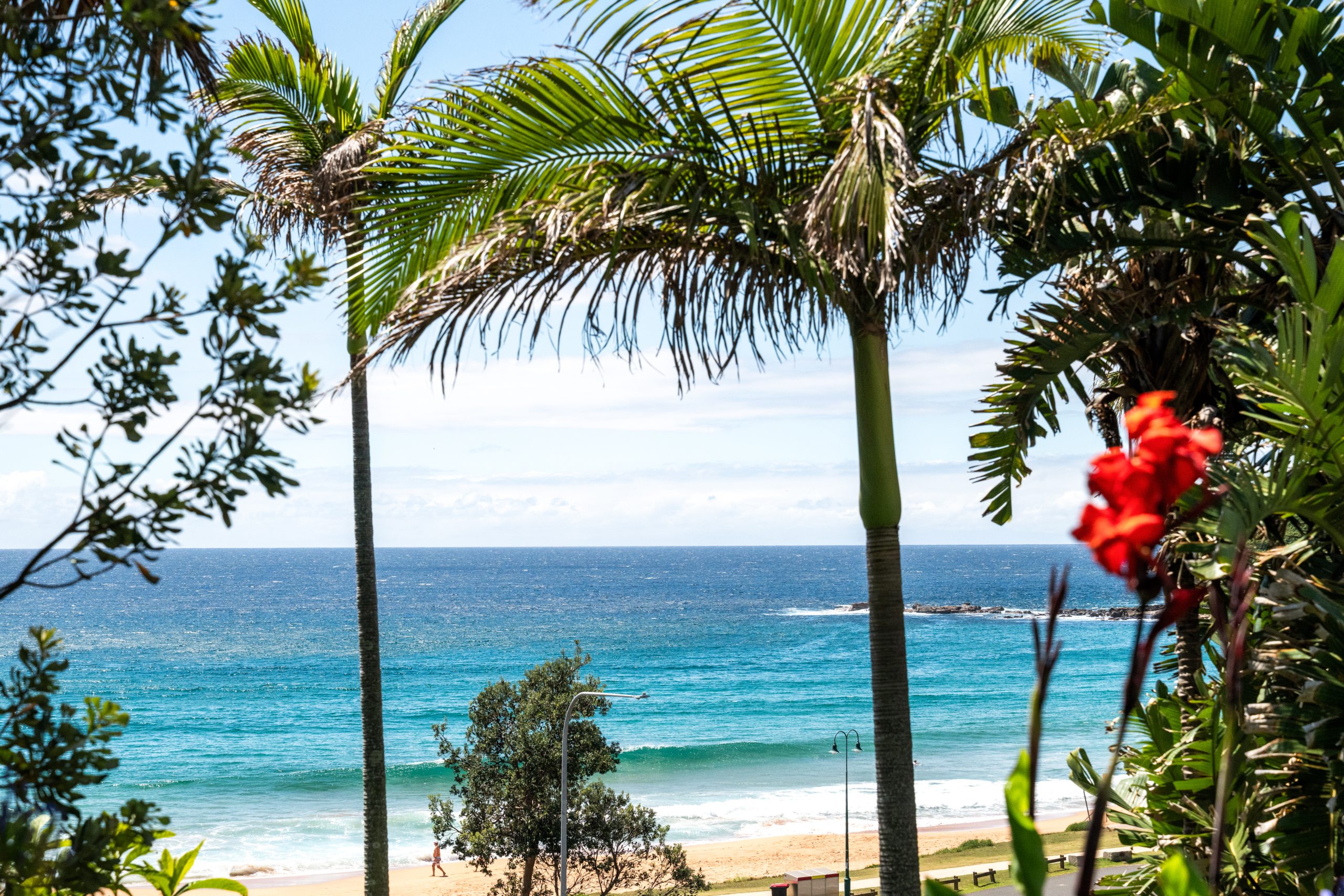
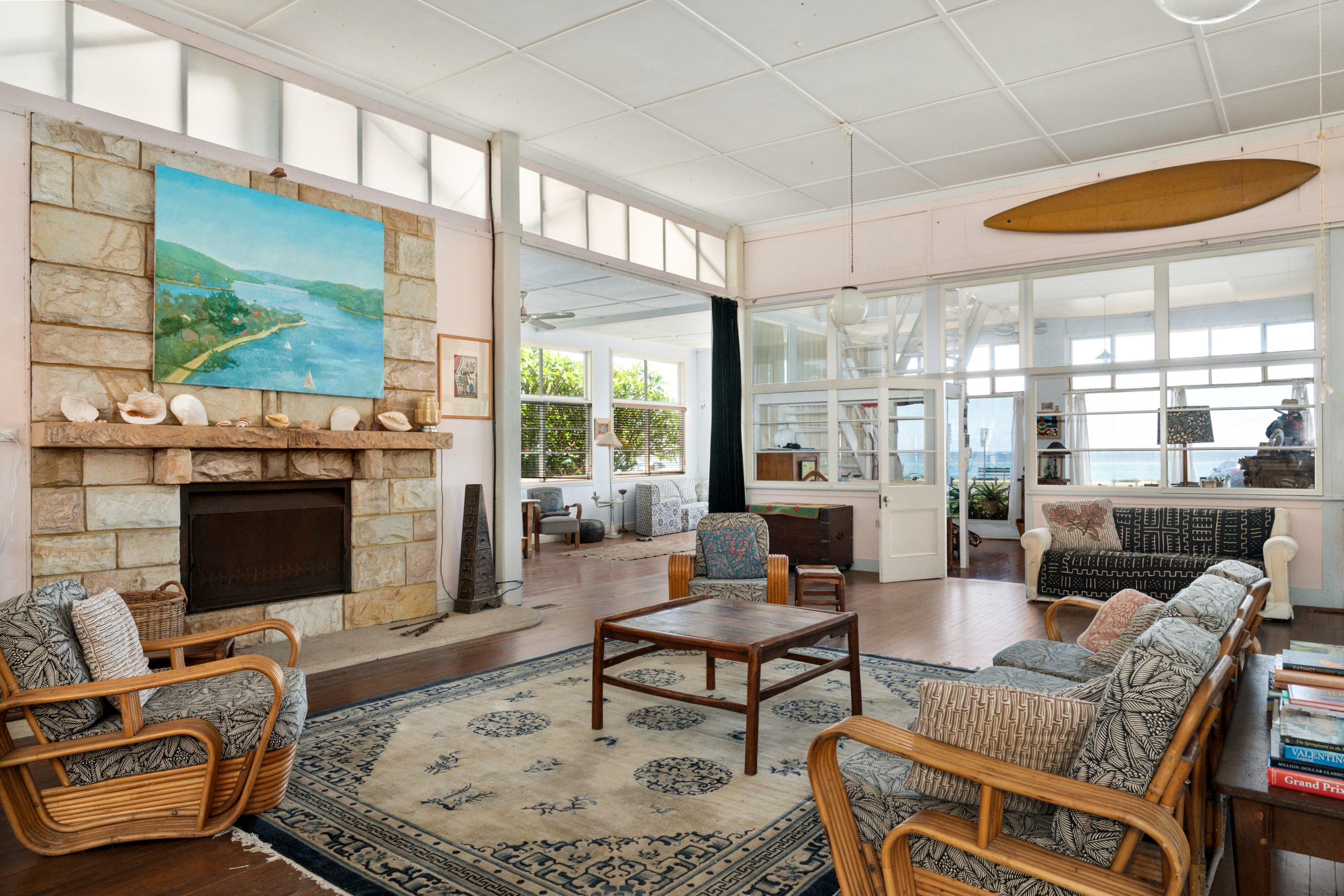
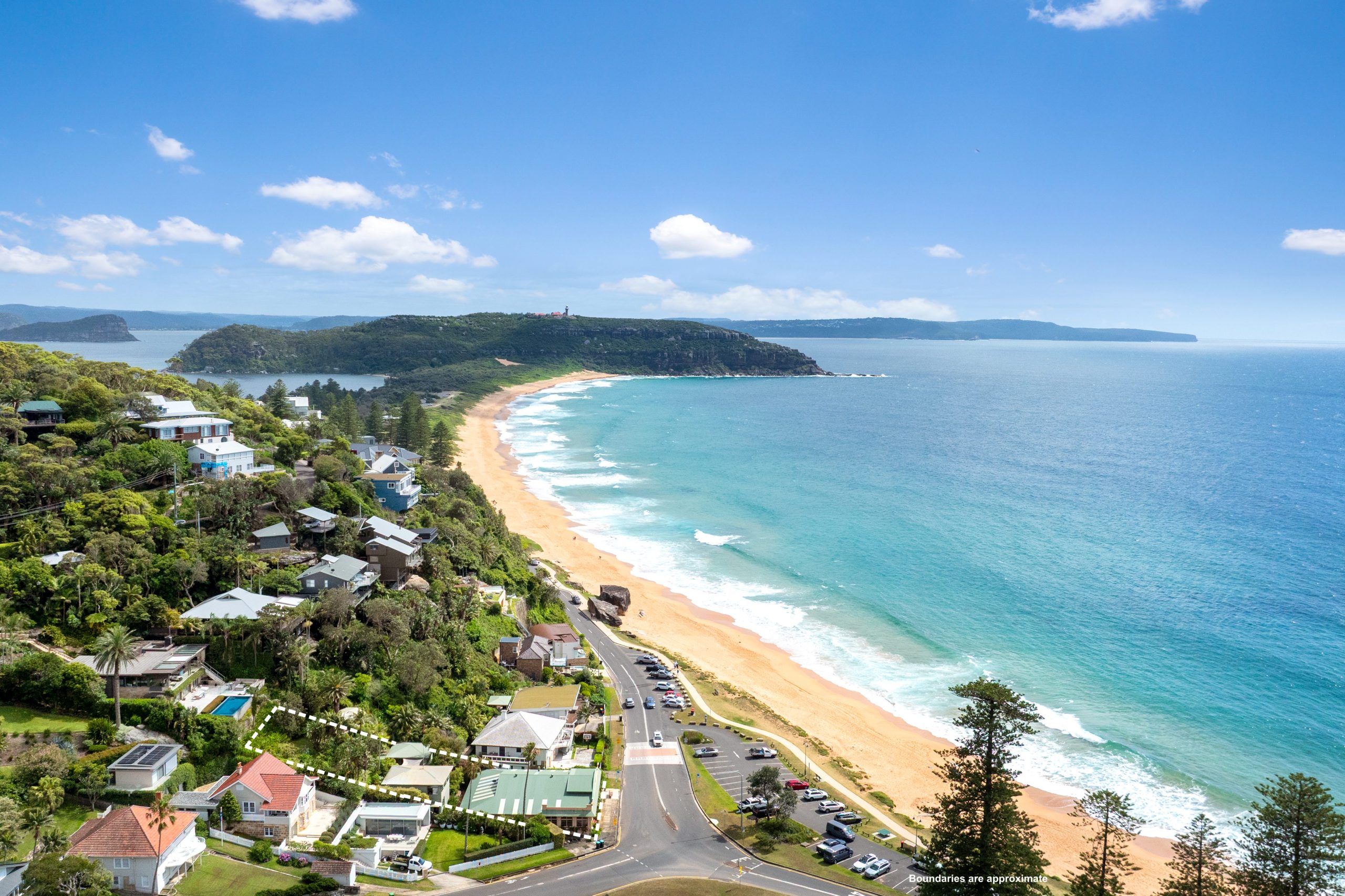
In Sydney’s Northern Beaches, there are plenty of homes with a multimillion-dollar view and an enviable position close to the sand.
This unique listing has all that, but it has also earned its page in the local history books.
After 50 years in the same hands, The Palladium in Palm Beach—once a famed dance hall, then a restaurant, a private residence, and an artists’ studio—is now back on the market with a price hopes of $13.5 million through BJ Edwards and David Edwards of LJ Hooker Palm Beach.
Positioned in a rare corner spot where Ocean Rd meets Palm Beach Rd, The Palladium has been front and centre observing the famous sandy stretch for almost a century.
Built in the early 1930s, the Art Deco building was originally conceived as a vibrant community dance hall; the “it” place to be for young folk during Sydney’s thriving interwar period.
Often the dances were held to raise money for the Palm Beach Surf Life Saving Club, and newspaper reports of the time told of rowdy parties lasting until the early hours, bootleg liquor arrests, and where shorts and sandals—or even pyjamas—were scandalously worn by “both sexes”.
Over the decades, The Palladium has worn many hats.
By 1943, the original owner, Joseph Henry Graham, had defaulted on his loan, and a mortgagee sale reportedly sold the building for £1550, which translates to about $137,000 today. It later became a dining space and a general store run by the Milton family. In the 1960s and early 1970s, the property was also home to the Blue Pacific Restaurant.
The current owners acquired the keys in 1976 when it began its next chapter as a creative hub. One of today’s vendors, filmmaker David Elfick, who has been a filmmaker and producer on such films as Newsfront and Rabbit-Proof Fence, has told stories of a free-spirited creative hub that has been used for film sets, to store numerous movie props, as editing rooms, to hold countless parties and has even hosted visiting members of the Royal Shakespeare Company.
From its famed beachside soirees to its grassroots film club nights, the venue has become woven into the cultural fabric of Palm Beach.
Today, that rich history has been reimagined into a coastal home that honours its past while embracing contemporary beachside living.
Built in a unique architectural style known as streamline moderne, the aeroplane hangar-like building reflects the era’s fascination with air travel, mass transport, and modernity. The facade is defined by a sweeping curved roofline and subtle nautical cues.
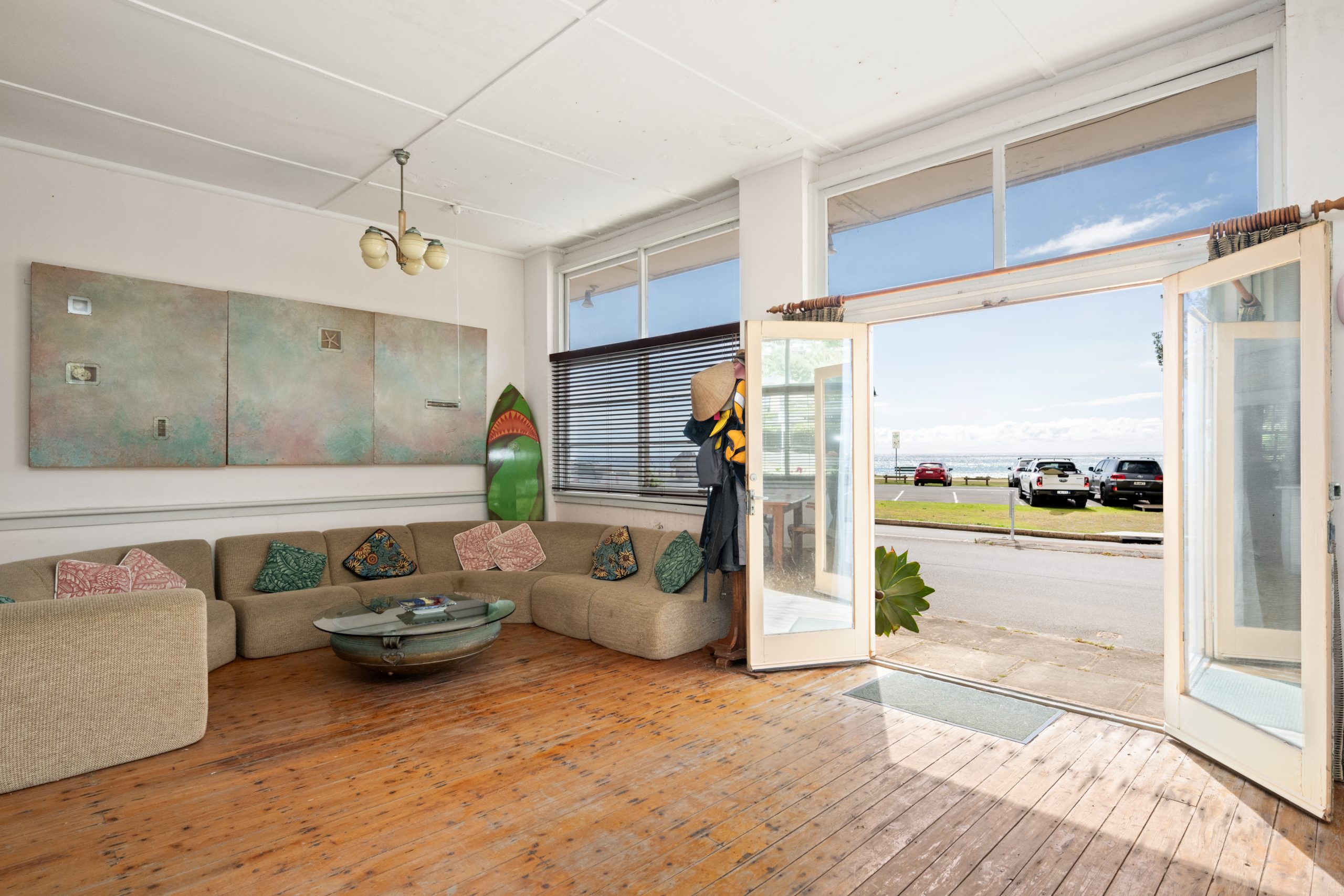
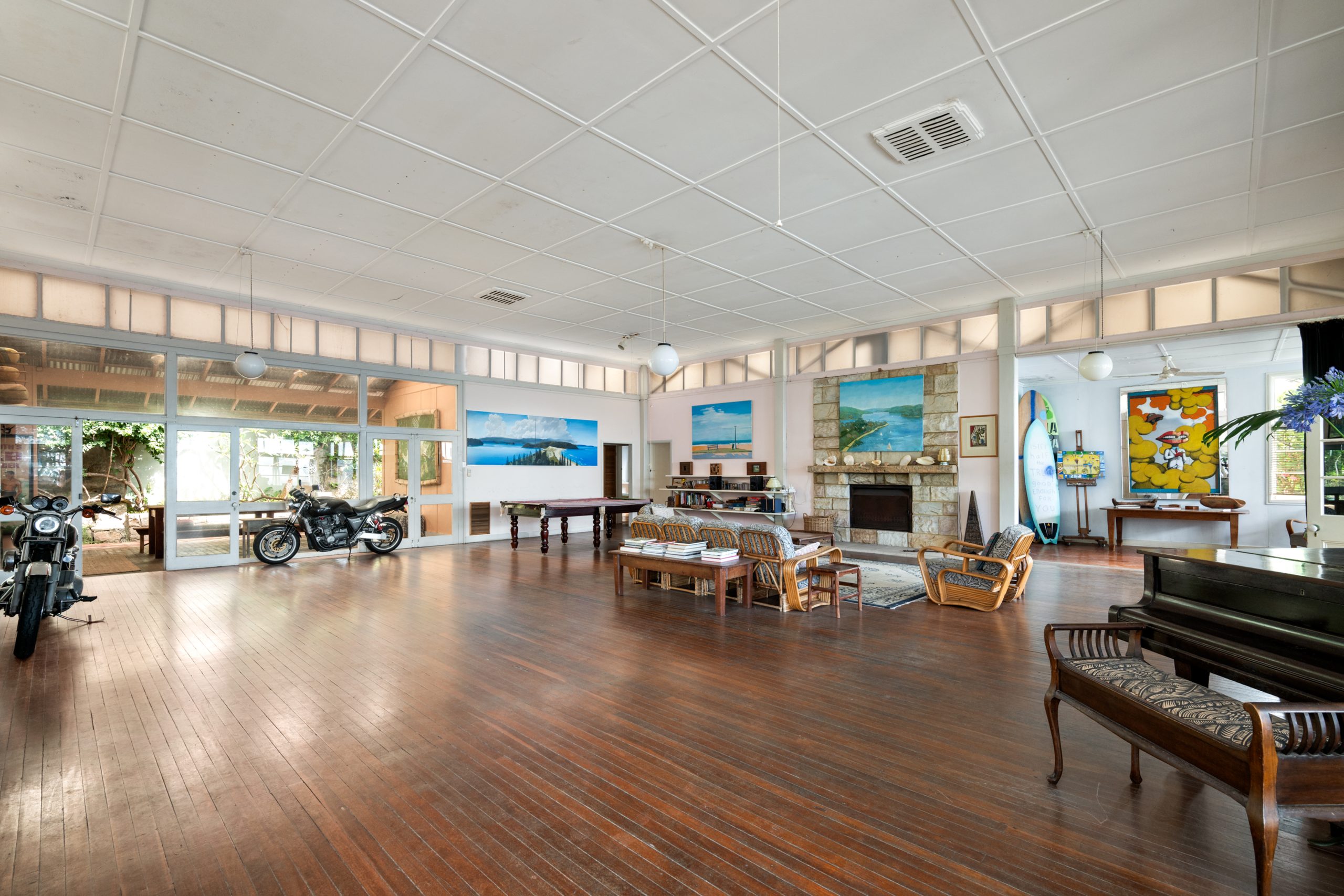
The main residence features a vast central living space framed by a number of bedrooms and sunrooms, as well as a front dining room and kitchen. In total, there are four to five bedrooms, three bathrooms and a powder room adjoining an upstairs loft space.
Big, broad windows draw in loads of natural light and provide iconic views, plus the sounds of the beach just across the road.
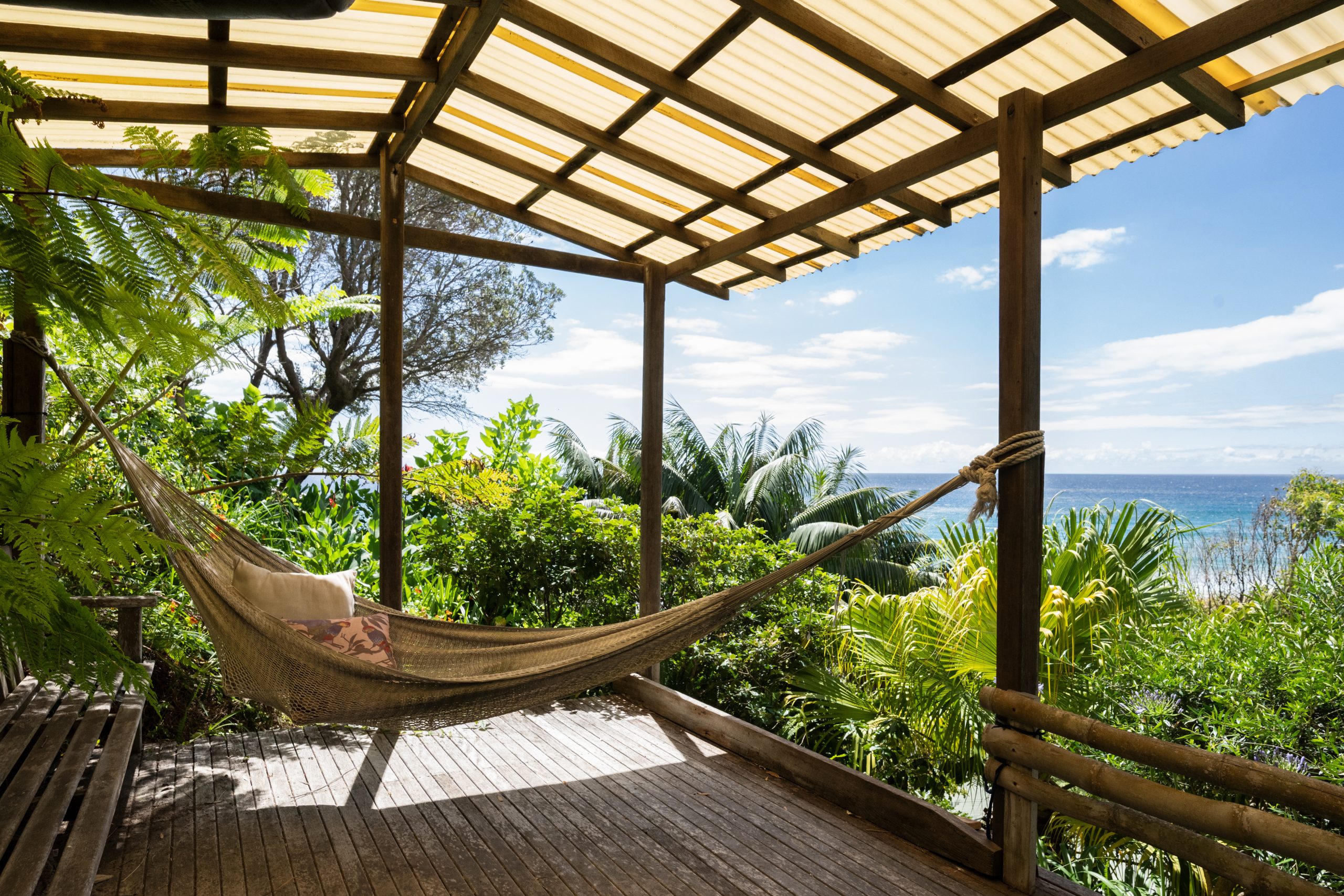
Many of the original elements remain, most fittingly the polished floors of the former dance hall. In the additional building at the back of the block, there is a separate, self-contained studio with its own bedroom, bathroom, kitchen and laundry. From its elevated deck, the outlook stretches across the full sweep of Palm Beach.
Outside, the expansive 1151sq m land parcel also features established gardens with veggie patches and standalone decks for quiet contemplation.
Sitting just across the road from the beach, the property is also within walking distance of local cafes and the surf club. Palm Beach Rock Pool is at one end of the beach, with the Palm Beach Golf Club and the water airport at the other end of the peninsula.
The Palladium and Palm Beach Studio at 16 Ocean Rd, Palm Beach are listed with BJ Edwards and David Edwards of LJ Hooker Palm Beach via a private treaty campaign with a price guide of $13.5 million.

A cluster of century-old warehouses beneath the Harbour Bridge has been transformed into a modern workplace hub, now home to more than 100 businesses.

An opulent Ryde home, packed with cinema, pool, sauna and more, is hitting the auction block with a $1 reserve.


