

It’s a Barbie world for interior design
The movie that caused a world wide shortage of pink is inspiring an interior design trend that’s a whole lot of fabulous
 2 min
2 min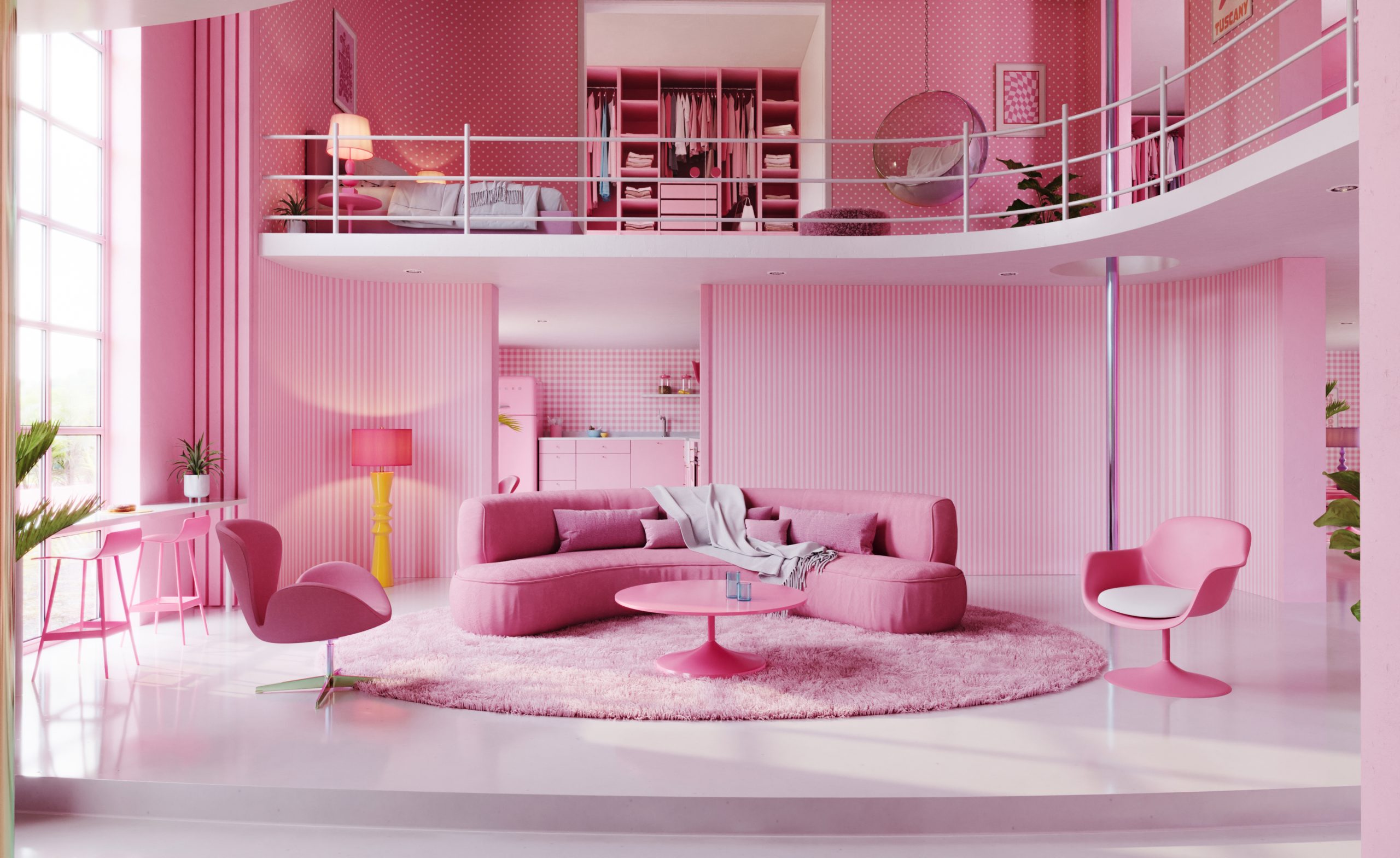
As the Barbie movie opens in Australian cinemas this week, the interior design world is bracing itself for an onslaught of pink. Known as ‘Barbiecore’, the style is predominantly mid century in a distinct shade of bright pink. A lot of pink. While the film made headlines for apparently causing a global shortage of the colour, it turns out global paint supplier Rosco was already running low on product when production began.
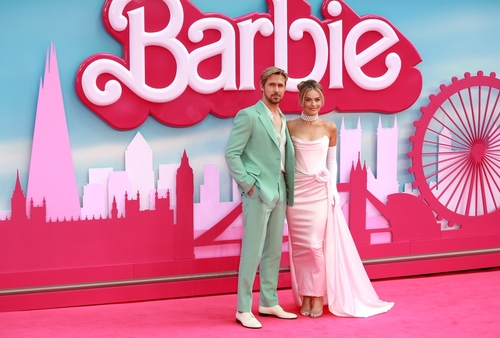
Starring Australian actor Margot Robbie in the title role and Ryan Gosling as Ken, the film is listed as PG-13. And just as the audience for Barbie is not necessarily kids, so too is the interior style. Once confined to little girls’ rooms, saturated pink is now moving out of the bedroom and making itself at home through the house.
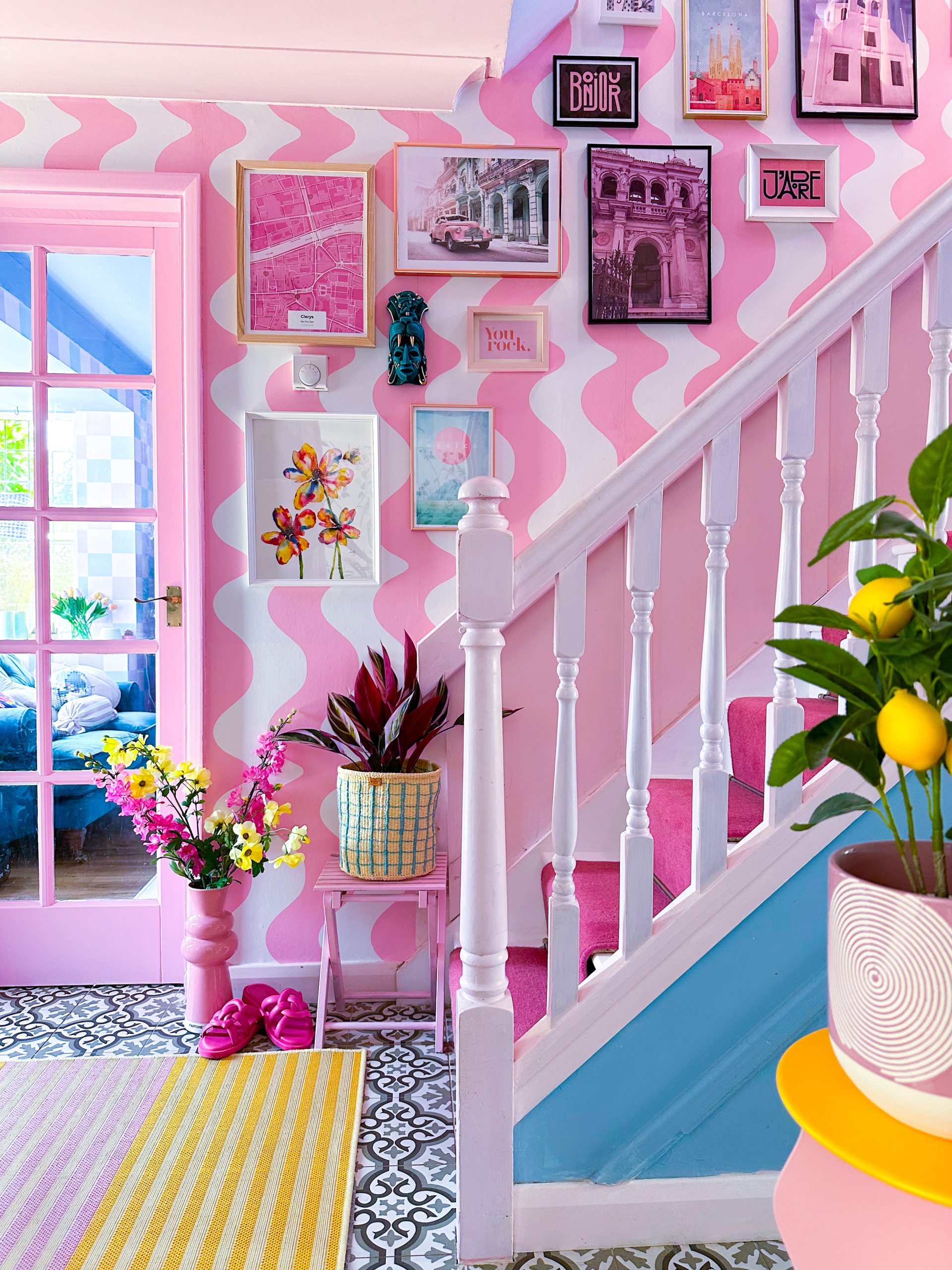
Hardcore lovers of pink can go all in with varying shades of the colour, like Dulux’s Signature Pink or team it with Barbie’s classic brights, such as Dulux Blue Astro. Those who once possessed a Barbie Dreamhouse will know that architecturally, the style is open (walls are very much optional in Barbie’s world), with a nod to mid century design.
While there’s not many who are ready to fully commit to living in a Barbie world, there’s much joy and even comfort to be had even when dipping your toe into this style.
Come on Barbie, let’s go party.
Exclusive eco-conscious lodges are attracting wealthy travellers seeking immersive experiences that prioritise conservation, community and restraint over excess.

Margot Robbie and Jacob Elordi star in an adaptation of the classic novel that respects the romance’s slow burn.
Exclusive eco-conscious lodges are attracting wealthy travellers seeking immersive experiences that prioritise conservation, community and restraint over excess.
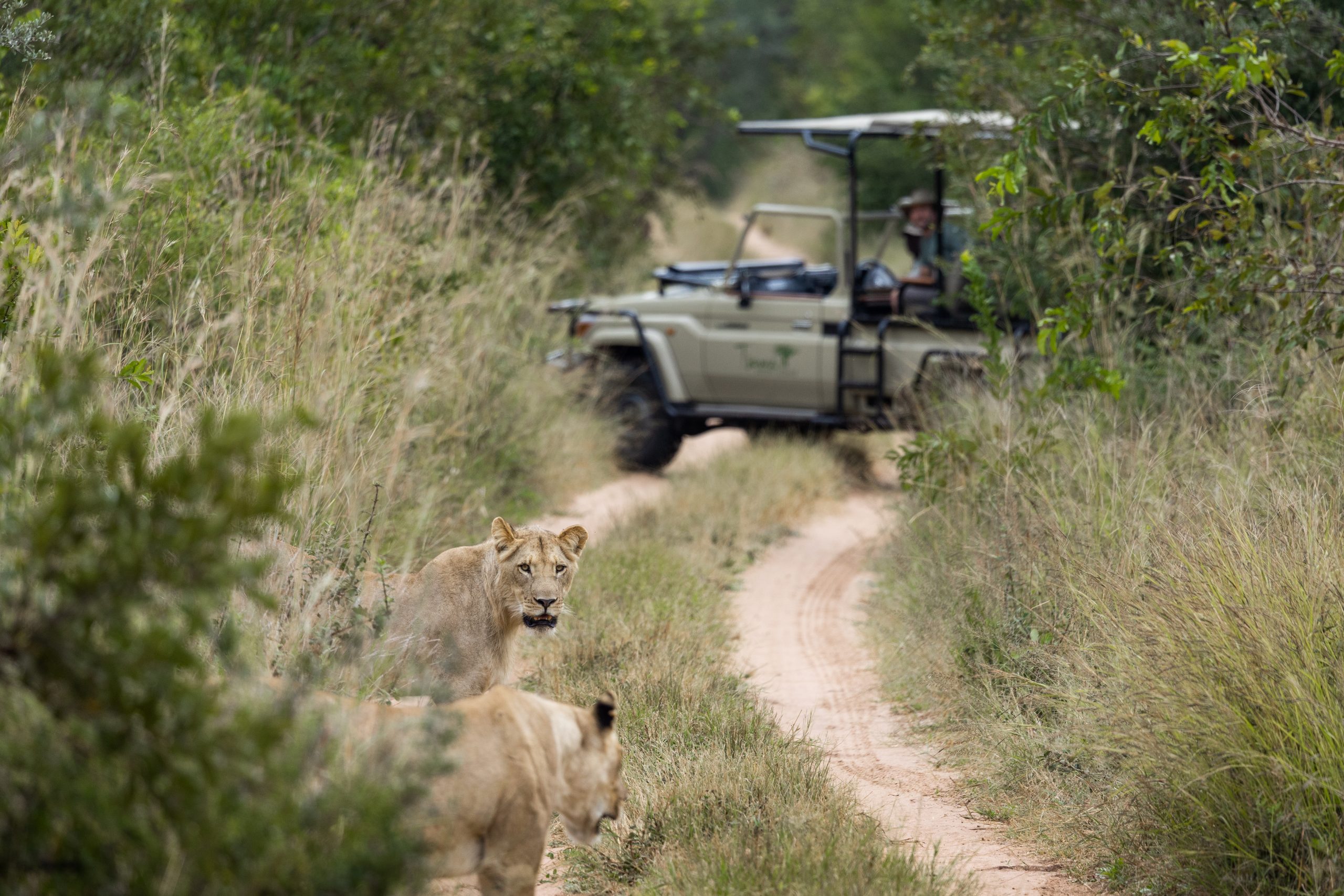
2 minLuxury travel in Southern Africa is undergoing a quiet but profound transformation. Where sprawling resorts and visible opulence once defined status, a new generation of high-end travellers is gravitating towards smaller, low-footprint lodges that deliver exceptional experiences while preserving the environment around them.
This shift reflects a broader recalibration of priorities among affluent travellers, who are increasingly placing sustainability alongside comfort and exclusivity when selecting destinations.
Industry reports from Virtuoso and American Express Travel highlight growing demand for accommodation that supports conservation, limits environmental impact and contributes meaningfully to local communities.
For operators such as Isibindi Africa, this approach has long been central to their philosophy. Its flagship properties, Thonga Beach Lodge in South Africa and Tsowa Safari Island on the Zambezi River, demonstrate how thoughtful design and operational restraint can enhance rather than diminish the luxury experience.
DESIGNED TO DISAPPEAR INTO THE LANDSCAPE
Set within the UNESCO-listed iSimangaliso Wetland Park, Thonga Beach Lodge is defined by its deliberate invisibility. Guest numbers are strictly capped, and the lodge’s timber structures are elevated on stilts to minimise disruption to the fragile dune ecosystem.
Lighting is carefully controlled to avoid interfering with turtle nesting along the coastline, ensuring wildlife encounters remain entirely natural.
“Low-footprint luxury starts with knowing when to stop,” says Lucy Cooke, Group Marketing Manager at Isibindi Africa. “Guests notice when a place feels considered rather than overbuilt, and many now expect that.”
That same restraint extends to construction and daily operations. Traditional thatched roofs and local building techniques allow the lodge to blend seamlessly into its surroundings, while refillable amenities, reusable containers and the elimination of single-use plastics reduce waste.
POWERED BY NATURE, NOT EXCESS
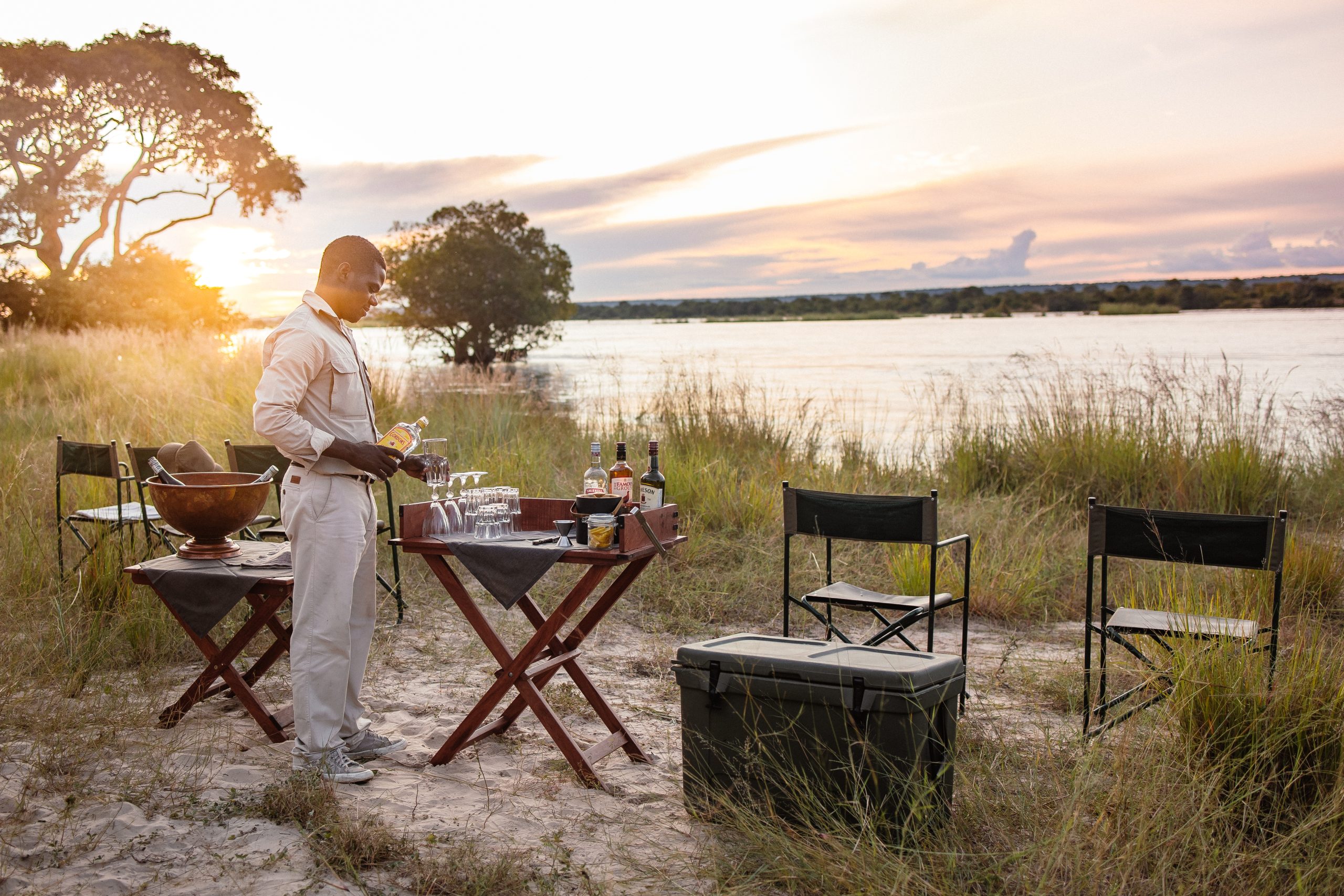
On the Zambezi River, Tsowa Safari Island offers an equally refined yet restrained experience. Limited to just nine safari tents and a maximum of 18 guests, the camp operates entirely on solar power, with water sourced from the river, filtered onsite and returned through environmentally sensitive systems.
The lodge was built without removing a single tree, with structures carefully positioned around existing vegetation to preserve the island’s natural character.
This intentional scarcity enhances the sense of exclusivity while ensuring the environmental footprint remains minimal.
COMMUNITY AND CONSERVATION AT THE CORE
Beyond environmental sensitivity, these lodges also reflect a deeper integration with local communities. At Thonga Beach Lodge, more than 90 per cent of staff come from the nearby Mabibi community, supported through training and long-term employment opportunities.
The lodge also supplies clean water to approximately 800 households each month, alongside investment in local schools, infrastructure and conservation initiatives.
Tsowa Safari Island similarly supports surrounding communities through water access programmes, agricultural support and anti-poaching partnerships with park authorities.
THE FUTURE OF LUXURY IS LESS, NOT MORE
As luxury travellers become more discerning about the true impact of their journeys, exclusivity is increasingly defined by authenticity, privacy and environmental sensitivity rather than scale.
These new-generation lodges demonstrate that luxury no longer requires excess. Instead, the most desirable experiences are those that tread lightly, preserve what makes a place special and offer guests a deeper connection to the natural world.
In Southern Africa, restraint has become the ultimate luxury.

A bold new era for Australian luxury: MAISON de SABRÉ launches The Palais, a flagship handbag eight years in the making.

Once a sleepy surf town, Noosa has become Australia’s prestige property hotspot, where multi-million dollar knockdowns, architectural showpieces and record-setting sales are the new normal.