SYDNEY’S UNDERGROUND DRINKING SCENE GETS A DISCO REVIVAL

Sydney’s nightlife has long flirted with reinvention, but its latest arrival suggests something more deliberate is taking shape beneath the surface. 

Razz Room, the new underground bar and disco from Odd Culture Group, has opened in the CBD, marking the group’s first step into the city centre.  

 Tucked below street level on York Street, the venue blends cocktail culture with a shifting, late-night rhythm that moves from after-work drinks to full dancefloor immersion. 

 The space itself is designed to evolve over the course of an evening. An upper bar offers a more intimate setting, suited to early drinks and conversation, while a sunken dancefloor anchors the venue’s later hours, with a rotating program of DJs and live performances. 

 “Razz Room will really change shape throughout a single evening,” says Odd Culture Group CEO Rebecca Lines.  

 “Earlier, it’s geared towards post-work drinks with a happy hour, substantial food offering, and music at a level where you can still talk.” 

 As the night progresses, that tone shifts. 

 “As the evening progresses at Razz Room, you can expect the music to get a little louder and the focus will shift to live performance with recurring residencies and DJs that flow from disco to house, funk, and jazz,” Rebecca says. 

 The concept draws heavily on New York’s underground club scene before disco became mainstream, referencing venues such as The Mudd Club and Paradise Garage. But the intention is not nostalgia. 

 “The space told us what it wanted to be,” Lines explains. “Disco started as a counter culture… Razz Room is no nostalgia project, it’s a reimagining of the next era of the discotheque.” 

 Design, too, plays its part in shaping the experience. The upper level is warm and textural, with timber finishes and burnt-orange tones, while the sunken floor shifts into a more theatrical mood, combining Art Deco references with a raw, industrial edge.

Studies Suggest Red Meat May Help Prevent Alzheimer’s

Must even steak be politicised? The American Heart Association recently recommended eating more “plant-based” protein in a move to counter the Health and Human Services Department’s new guidelines calling for more red meat. 

Few would argue that eating a Big Mac a day is good for you.  

On the other hand, growing evidence, including a study last month in the Journal of the American Medical Association, suggests that eating more meat—particularly unprocessed red meat—can reduce the risk of Alzheimer’s in the quarter or so of people with a particular genetic predisposition. 

The APOE4 gene variant is one of the biggest risk factors for Alzheimer’s.  

You inherit one copy of the APOE gene from each parent. The most common variant is APOE3; the least is APOE2.  

The latter carries a lower risk of Alzheimer’s, while the former is neutral. A quarter of people carry one copy of the APOE4 variant, and about 2% carry two. 

APOE4 is more common among people with Northern European and African ancestry. In Europe the variant increases with latitude, and is present in as many as 27% of people in northern countries versus 4% in southern ones. God smiled on the Italians and Greeks. 

For unknown reasons, the APOE4 variant increases the risk of Alzheimer’s far more for women than men.  

Women’s risk multiplies roughly fourfold if they have one copy and tenfold if they have two. Men with a single copy show little if any higher risk, while those with two face four times the risk. 

What makes APOE4 so pernicious? Scientists don’t know exactly, but the variant is also associated with higher cholesterol levels—even among thin people who eat healthily.  

Scientists have found that cholesterol builds up in brain cells of APOE4 carriers, which can disrupt communications between neurons and generate amyloid plaque, an Alzheimer’s hallmark. 

The Heart Association’s recommendation to eat less red meat may be sound advice for people with high cholesterol caused by indulgent diets.  

But a diet high in red meat may be better for the brains of APOE4 carriers. 

In the JAMA study, researchers at Sweden’s Karolinska Institute examined how diet, particularly meat consumption, affects dementia risk among seniors with the different APOE variants.  

Higher consumption of meat, especially unprocessed red meat, was associated with significantly lower dementia risk for APOE4 carriers. 

APOE4 carriers who consumed the most meat—the equivalent of 4.5 ounces a day—were no more likely to develop dementia than noncarriers. ( 

The study controlled for other variables that are known to affect Alzheimer’s risk including sex, age, physical activity, smoking, alcohol consumption and education.) 

APOE4 carriers who ate the most unprocessed meat were at significantly lower risk of dying over the study’s 15-year period and had lower cholesterol than carriers who ate less. Go figure. Noncarriers, however, didn’tenjoy similar benefits from eating more red meat. 

The study’s findings are consistent with two large U.K. studies.  

One found that each additional 50 grams of red meat (equivalent to half a hamburger patty) that an APOE4 carrier consumed each day was associated with a 36% reduced risk of dementia.  

The other found that older women who carried the APOE4 variant and consumed at least one serving a day of unprocessed red meat had a cognitive advantage over carriers who ate less than half a serving, and that this advantage was of roughly equal magnitude to the cognitive disadvantage observed among APOE4 carriers in general. 

In all three studies, eating more red meat appeared to negate the increased genetic risk of APOE4.  

Perhaps one reason men with the variant are at lower Alzheimer’s risk than women is that men eat more red meat.  

These findings might cause chagrin to women who rag their husbands about ordering the rib-eye instead of the heart-healthy salmon. 

But remember, the cognitive benefits of eating more red meat appear isolated to APOE4 carriers.  

Nutrition is complicated, and categorical recommendations—other than perhaps to avoid nutritionally devoid foods—would best be avoided by governments and health bodies.  

Readers can order an at-home test from any number of companies to screen for the APOE4 variant. 

The Swedish researchers hypothesize that APOE4 carriers may be evolutionarily adapted to carnivorous diets, since the variant is believed to have emerged between one million and six million years ago during a “hypercarnivorous” period in human history.  

The other two APOE variants originated more recently, during eras when humans ate more plants. 

APOE4 carriers may absorb more nutrients from meat than plants, the researchers surmise. Vitamin B12—low levels have been associated with cognitive decline—isn’t naturally present in plant-based foods but is abundant in red meat. 

 Foods high in phytates (such as grains and beans) can interfere with absorption of zinc and iron (also high in red meat), which naturally declines with age. So maybe don’t chuck your steak yet. 

ASTON MARTIN VANQUISH TAKES TOP HONOURS AT CAR OF THE YEAR

Aston Martin’s Vanquish has been crowned overall winner of Robb Report Australia & New Zealand’s 2025 Car of the Year, taking top honours at an exclusive event in Sydney. 

Held at the Harbourside Residences Display Gallery by Mirvac, the evening brought together drivers, partners and industry figures for the long-awaited announcement of the 2025 Car of the Year. 

Exclusive private member’s club Citizen Kanebridge was among the partners supporting the event, which has become a fixture on the luxury automotive calendar, showcasing the very best in performance, design and innovation across the global car market. 

Across a tightly contested field, category winners reflected the breadth of today’s high-end automotive landscape, from traditional combustion engines to hybrid and fully electric performance models. 

Among the standout winners, the Ferrari 12Cilindri Spider took out Best Combustion Supercar, while the Aston Martin Vanquish was named Best Super-GT before ultimately securing the overall title. 

Other notable winners included the Mercedes-Benz G580 as Best Off-Roader, the Audi RS Q8 Performance for Best SUV Coupe, and the Aston Martin DBX 707 for Best Super-SUV. 

From left to right: Ryan Lewis, Ferrari; Lucy Chesterton, Lamborghini; Peter Crombie Brown, Lamborghini; Nathan Lowe, Aston Martin; Jerry Stamoulis, Mercedes-Benz; Claudia Muller, Audi.

Electrification continued to shape the upper end of the market, with the Chevrolet Corvette E-Ray named Best Hybrid Supercar and the Audi RS e-Tron GT Performance taking out Best Electric GT. 

The Lamborghini Urus SE was recognised as Best Hybrid SUV and also placed third overall, while the Mercedes-AMG GT 63 S E Performance secured second place overall in the coupe category. 

Guests were also given a first look at a short film capturing the spirit of the two-day Car of the Year program, produced by SONDR, alongside photography that will feature in a dedicated 40-page portfolio in the upcoming issue. 

Guests were welcomed alongside a curated group of Car of the Year partners, including Jacob & Co. and La Prairie, with Peter Lehmann Wines and Glenfiddich ensuring the evening unfolded in suitably polished fashion.  

The broader program was supported by partners including Citizen Kanebridge, Msquared Capital, Hardy Brothers, Bell Helicopters, Saddles and Spicers Retreats, reflecting the wider luxury ecosystem that underpins the event. 

With full results set to be published in the next issue of Robb Report Australia & New Zealand, attention now turns to the next instalment of the program, with this year’s Car of the Year drive scheduled for September. 

For those in the room, however, the message was already clear. In a field defined by innovation and performance, the Vanquish still knows how to stand apart.

With full results published in the next issue of Robb Report Australia & New Zealand, attention now turns to the next instalment of the program, with this year’s Car of the Year drive scheduled for September.

Spanish Mission Grandeur on Hamilton Hill

A prominent Brisbane publican is calling last drinks on his long-held Hamilton Hill residence.

James Power, of The Norman Hotel in Woolloongabba, owns the sprawling estate at 33 Markwell Street.

After nearly 13 years, the towering residence is due to welcome its next custodians. Now empty nesters, Power and his wife, Jennifer, are moving on from their substantial six to seven-bedroom pile on 1376sqm.

While the pub baron might be downsizing, Power is reportedly upsizing his hospitality portfolio as he prepares to open The Norman Northside at Enoggera.

“We did a lot of entertaining at Markwell St,” Power said.

“The guest wing means it’s really set up for it, but we are basically empty nesters now, and it’s time for another family to enjoy it.”

The c.1930s Spanish Mission residence last changed hands in 2013 when the Powers bought it for $5.05 million. Fast-forward to 2026, and the period property is on the market via an expressions-of-interest campaign with Matt Lancashire of Ray White Collective Luxury. In keeping with Queensland legislation, no price guide can be published.

Lancashire said Hamilton is widely regarded as one of the capital’s premier suburbs, often ranked among the most expensive addresses in the city.

“Known for its elevated position, river views, and luxury homes, Hamilton is a top choice for affluent buyers,” he said.

High on Hamilton Hill, the historic house has sweeping views across the Brisbane River, Gateway Bridge and out to Moreton Bay.

Designed for the avid entertainer, the Brisbane house has a stately entry foyer and gallery, multiple formal and casual living zones with period fireplaces and French doors to several terraces, courtyards and balconies.

The interiors blend original character with sympathetic updates undertaken during a significant renovation in the early 2000s. There are high coffered 3.1m ceilings, wrought iron balustrades, arched openings, stucco finishes, Mediterranean-inspired terracotta tones, imported doors, and statement chandeliers. Modern touches include the kitchen with Miele appliances, a wine cellar, private gym, and steam room.

Outdoors, the resort-style pool is framed by a covered patio and pool house with a wellness centre, as well as established gardens producing citrus, herbs and chillies.

The ground floor is home to two bedrooms, a study and a bathroom, while upstairs the footprint features four bedrooms and a palatial main suite with a private balcony, a dressing room, and a marble ensuite featuring a double shower and a spa bath.

Down on the lower floor, an expansive rumpus room is the ideal teenager hangout, sitting next to the pool patio, plus an adjoining office or guest bedroom.

Extra bonuses of the Brisbane compound include a six-car garage, ducted air-conditioning, and a dumbwaiter servicing all three levels.

The famed shopping and dining precinct at Racecourse Rd and Portside Wharf is close by, as well as the riverfront and parklands. Ascot State School, St Rita’s and St Margaret’s are within easy reach.

The Hamilton home at 33 Markwell St, Hamilton, QLD, is offered via an expressions of interest campaign, closing on May 8 at 5 pm.

THE MOTHER’S DAY EDIT: GIFTS THAT FEEL PERSONAL, NOT PREDICTABLE

Mother’s Day has quietly evolved. It’s no longer about last-minute flowers or safe department store buys. Instead, there’s a noticeable shift towards gifts that feel considered, personal and, increasingly, lasting. 

This year’s edit leans into that idea, bringing together pieces that balance design, purpose and a sense of story. 

At the more elevated end of beauty, Australian-founded skincare label  Bon Elliot offers a future-facing approach grounded in dermatology.  

Bon Elliot

Its Hydrating Performance Serum, priced at $220, is designed to support the skin’s natural balance, working across the microbiome, barrier and repair response for a more refined, luminous finish. 

It’s the kind of gift that feels indulgent, but also quietly practical. 

For something less expected, there’s a playful turn in the form of Tinned Candle’s handcrafted pieces.  

Tinned Candle

Inspired by tinned fish, the Atlanta-based studio has created candles that are as much design objects as they are functional.  

Importantly, they smell nothing like sardines, leaning instead into ocean breeze or champagne notes, depending on the piece . It’s a small, clever way to bring personality into a space. 

There’s also a growing appetite for gifts that give something back.  

Coral adoption programs  offer a more meaningful alternative, allowing you to adopt a coral in your mother’s name while supporting fragile marine ecosystems under threat from climate change.  

It’s less about the object and more about the gesture, which, in many ways, feels more aligned with the moment. 

Homewares continue to hold their place, particularly when craftsmanship is at the centre. 

Tanora’s collection, handcrafted in Madagascar, blends traditional techniques with a modern coastal aesthetic, spanning everything from woven totes to placemats and cushions.  

Tanora

These are pieces that don’t just decorate a home, they add texture and narrative to it. 

For something more personal, Australian lingerie label  Cloud Blvd  offers soft, wearable luxury in the form of robes and camisoles. 

With options designed for comfort as much as elegance, they strike that rare balance between everyday use and quiet indulgence. 

Cloud Blvd

And for the mother who loves to host,  Mesa Collections delivers a playful yet polished take on the table.  

Think colourful linens, sculptural silverware and small details that turn a simple meal into something more considered. 

Mesa Collections

What ties all of this together is a shift in mindset.  

The best gifts this Mother’s Day aren’t necessarily the most expensive or the most obvious. They’re the ones that show thought, whether that’s through design, craftsmanship or meaning. 

Which, if you think about it, is exactly the point. 

Denver’s Most Expensive Home for Sale Is This Condo Asking $16 Million

A Denver condo that hit the market earlier this week for $16 million is now the Mile High City’s most expensive listing. 

The new listing by far beats the next-priciest home for sale, a condo in a new development that was put on the market at the beginning of the year for about $9.79 million. 

 The city’s most expensive single-family home is asking just shy of $9 million—the metro area’s priciest single-family homes tend to be in the Cherry Hills Village suburb.  

At 7,145 square feet, the newly listed unit is nearly double the size of the one in the new development and more on par with the size of some of Denver’s most expensive single-family homes.  

It’s on the top floor of a seven-story mixed-use building that was built in 2008 in the Cherry Creek neighbourhood, one of the most affluent areas of the city. 

The last time the three-bedroom apartment sold was before it was even completed, though it’s been owned under a few different LLCs and trusts. 

The seller, who Mansion Global wasn’t able to identify, bought the condo from the developer in September 2007 for $4.047 million, records show.  

The design of the interiors is European-inspired, with decorative columns, elaborate millwork and ornate built-ins.  

Plus, there’s a mahogany-clad study, a formal dining room that seats up to 30 guests and views of mountains and Denver Country Club’s golf course.  

A private terrace adds 1,230 square feet of outdoor living space and features a fireplace and a built-in barbecue, according to the listing with Josh Behr of LIV Sotheby’s International Realty.  

A representative for Behr didn’t respond to a request for comment. 

QUEENSLAND’S SCENIC RIM DRAWS LUXURY BUYERS

Mount French Lodge, one of the most remarkable private estates in Queensland’s Scenic Rim, has been brought to market, offering a glimpse into the growing appetite for high-end lifestyle properties beyond the state’s traditional beachside enclaves.

Located in the tiny locality of Charlwood, around 100km inland from Brisbane and home to just 146 residents at the 2021 Census, the estate stands in stark contrast to its quiet surroundings. Set across nearly 100 acres and positioned some 600 feet above sea level, the property occupies a commanding vantage point beneath the escarpments of Mount French.

It’s this combination of elevation, scale and seclusion that defines the estate, not just as a private residence, but as an experience-led destination. Mount French Lodge has been recognised in both the 2024 and 2025 Best of Queensland Experiences, reflecting a broader shift towards luxury rural retreats that blur the line between home, hospitality and investment.

Last sold for $3.65 million in 2021 to Brisbane-based entrepreneur Tim Woodhouse, the estate has since evolved into a multifaceted holding. At its core is a central lodge, complemented by guest accommodation, entertaining spaces and resort-style amenities spread across two distinct plateaus.

In total, the property comprises 12 bedrooms configured across eight self-contained apartments within multiple lodges. At its heart is the Great Room, a central gathering space anchored by a large living area and fireplace. Nearby, a fully equipped outdoor pavilion with barbecue facilities sits alongside the estate’s swimming pool.

The property is being marketed as a private compound, ranch, corporate retreat and a wedding venue, highlighting its potential as a lifestyle asset with income-generating capability. This kind of flexibility is increasingly resonating with buyers, particularly as demand grows for properties that can serve as multigenerational homes, wellness retreats or boutique accommodation offerings.

Despite its sense of isolation, Mount French Lodge remains within relatively easy reach of Brisbane, around an hour by road or just minutes by helicopter. That balance of accessibility and privacy underscores the broader appeal of the Scenic Rim, which continues to emerge as a quiet achiever in Queensland’s prestige property market.

The listing is being handled by Queensland Sotheby’s International Realty agents Sandy Davies and Nicholas Miranda, and is expected to attract interest from both domestic and international buyers.

Island Icon With Architectural Pedigree

Plenty of visitors check in for a short stay in the Whitsundays, but only a select few can stake a claim to their own piece of paradise.  

 Hamilton Island, home to around 200 permanent residents, is one of the only places in the Whitsundays chain where homebuyers can enter the property market. 

 Azuris, on the western side of the popular holiday isle, is a head-turning designer home with enviable views and an award-winning story. 

 The striking three-bedroom waterfront residence was completed in 2011, and a year later, architect Renato D’Ettorre was awarded a Queensland Building of the Year gong from the Australian Institute of Architects. 

 Now set to go under the hammer on May 10, as part of an uber auction event with Queensland Sotheby’s International Realty, Azuris will be among 12 other luxury beach houses up for grabs, including eight more on the tightly held island. 

 Because the Hamilton Island house is selling via auction, Queensland law forbids the agency from publishing a price guide; however, a previous attempt to list the home via private treaty sheds some light on expectations. 

 Last year, 5 Plum Pudding Close came to market with a guide price of $12 million. 

 Current selling agent Carol Carter, who is marketing the home with Sotheby’s colleague Wayne Singleton, said the overseas-based owner now travels down under less often, so has decided to offload the property. 

Known locally as the “invisible house”, Azuris blends architectural pedigree with an unparalleled setting.  

 Positioned on a section of the island where the land falls steeply towards the water, the elevated concrete, stone and glass residence – that features a crowning layer of grass on the roof – is seemingly hidden from view.  

 When inside, grand disappearing glass sliding doors frame the coveted water views, while clean, contemporary lines and natural stone surfaces enhance the 21st-century beach house appeal. 

On the main level, the kitchen features integrated Boffi appliances, and the open plan living space opens out to dining terraces, an outdoor kitchen, a pool cabana, and a dramatic infinity pool that merges with the Coral Sea beyond. 

 As an added bonus, a central tanning deck seemingly floats within the pool, positioned to take in the million-dollar views. 

 The main bedroom suite on the same floor has a dressing room and a large ensuite, and opens onto both the pool deck and a private lawn courtyard. 

 One level lower and there are two more bedrooms with en-suites and terraces, plus a second entertainment space. 

 Down at street level, there is a private buggy port, as no private cars are permitted on the island. Azuris also has access to a nature strip that directly connects to the water’s edge. 

 Hamilton Island properties are sold under a leasehold title.  

 The head lease of Hamilton Island is a perpetual lease from the Crown (Queensland Government), and individual properties are sold via subleases with a 99-year lease term and a further 99-year option.  

 The first expiry for all property subleases is 31 March 2078. Hamilton Island properties are also approved for purchase by international buyers under FIRB guidelines. 

 The largest inhabited island of the Whitsunday Islands, Hamilton Island has its own public airport with direct flights to Brisbane, Sydney and Melbourne. 

 Azuris at 5 Plum Pudding Close, Hamilton Island is set to go to auction on May 10 at 3pm with Queensland Sotheby’s International Realty.

McDonald’s Yass listing offers rare turnover lease with uncapped income potential

A McDonald’s restaurant in Yass has been brought to market with one of the last remaining pure turnover leases in Australia, offering investors a direct share of revenue rather than a traditional fixed rental return. 

The asset, located at 1713 Yass Valley Way, is being marketed by JLL via an expressions of interest campaign closing on 30 April. It is underpinned by a legacy lease structure no longer offered by McDonald’s in Australia. 

Under the arrangement, the landlord receives 6.5 cents for every dollar spent at the restaurant, creating uncapped income growth linked directly to sales performance.  

The lease is structured as triple net, meaning no operational risk, capital expenditure obligations or management responsibilities for the owner. 

According to JLL, the property has recorded compounded annual sales growth of 4.26 per cent since 2003, with rental income rising by 150 per cent over the same period. 

JLL’s David Mahood said the structure allows investors to “participate directly in the sales growth” of the business, rather than relying on fixed annual rent reviews. 

The newly commenced lease runs to 2036, with four additional 10-year options extending to 2076, providing a weighted average lease expiry of 9.92 years by income. 

The asset sits on a 3,571 square metre freehold site in Yass, with significant frontage to the Hume Highway, one of Australia’s busiest freight corridors.  

The location benefits from high volumes of passing traffic, including an estimated 75,000 vehicles per day. 

The quick service restaurant sector has remained resilient through economic cycles, including the pandemic and recent cost-of-living pressures, with McDonald’s continuing to expand its footprint and invest in store upgrades across Australia. 

JLL pointed to strong investor demand for McDonald’s-backed assets, with recent transactions typically yielding between the high 2 per cent to mid 3 per cent range. 

 The Yass listing is expected to attract interest due to the scarcity of turnover-based leases, which provide a natural hedge against inflation by linking income growth to consumer spending rather than predetermined increases. 

McDonald’s Yass is available for sale via an Expressions of Interest campaign closing at 3:00pm (AEST) on Thursday, April 30. 

Landmark harbourside residences unveiled in Rushcutters Bay 

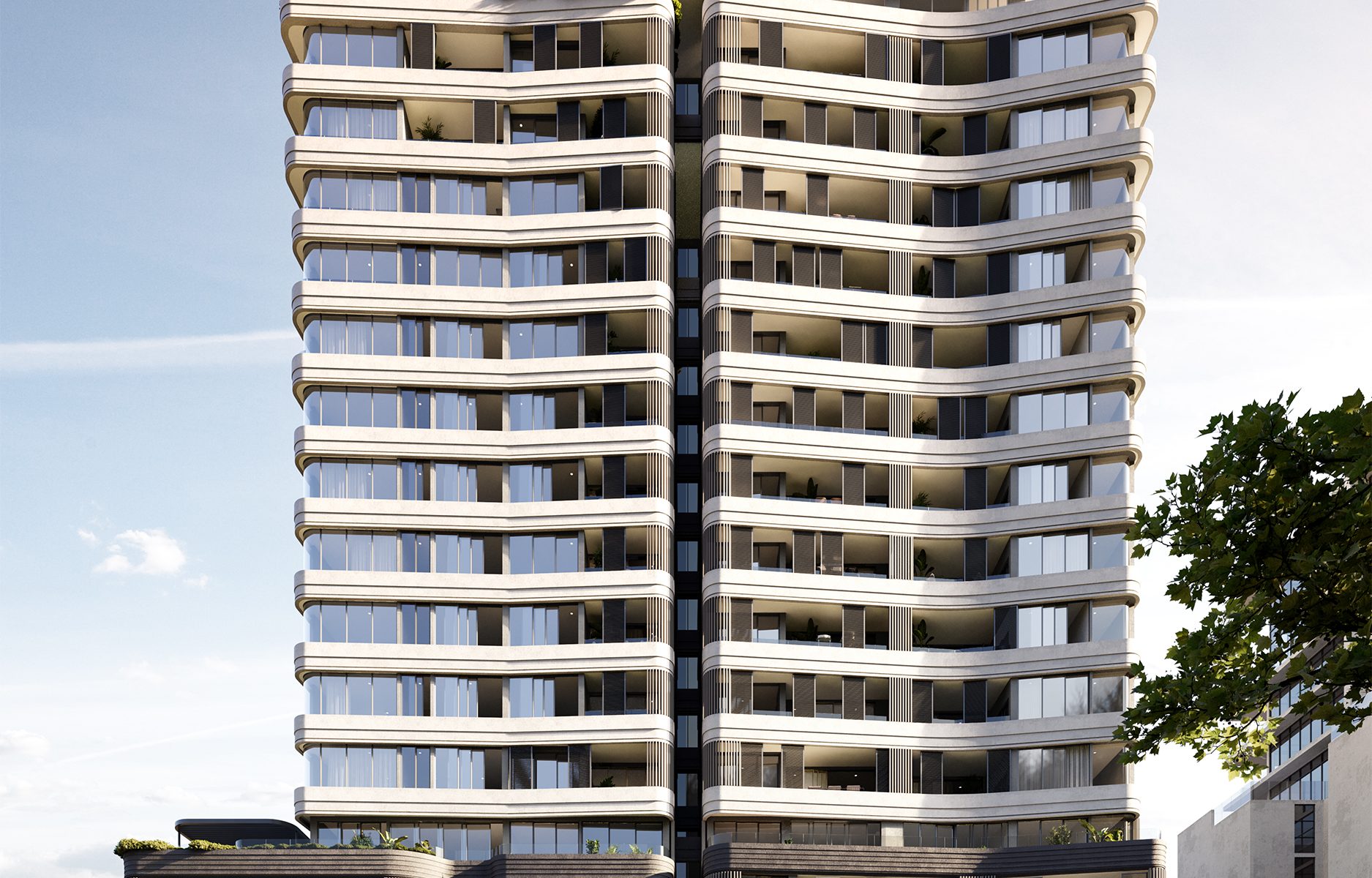
A new benchmark for boutique harbourside living is emerging in one of Sydney’s most tightly held inner-east locations, with the launch of The Rushcutters, a collection of just 13 luxury residences overlooking Rushcutters Bay Park. 

Located at 55 Bayswater Road, the development has been created by the leading property group Third.i Group in partnership with NPACT, and designed by internationally recognised architecture studio Woods Bagot. 

The project blends contemporary design with subtle references to the area’s Art Deco heritage, creating what is expected to become a landmark residential address. 

Designed to appeal to buyers seeking both prestige and long-term liveability, the residences offer generous internal proportions more commonly associated with freestanding homes.  

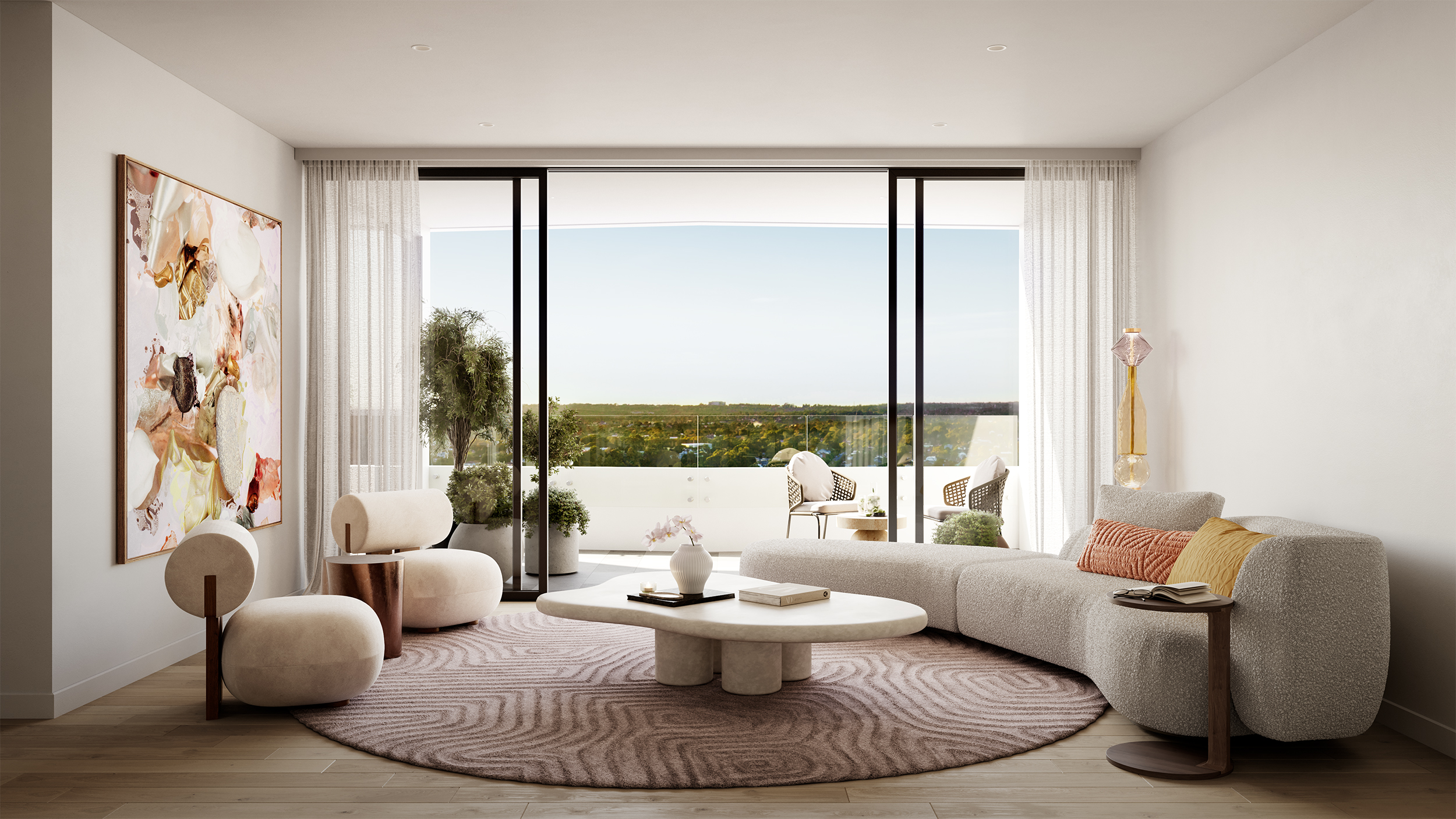
Expansive open-plan living areas flow seamlessly to large balconies, reinforcing the strong indoor-outdoor connection that defines the building’s architectural vision. 

Many apartments are positioned to capture elevated outlooks across Rushcutters Bay Park, the Sydney skyline and the surrounding harbour landscape, enhancing the sense of privacy and connection to the waterfront setting.  

A rooftop retreat is also planned as a private sanctuary for residents, providing panoramic views alongside curated spaces for relaxation and entertaining. 

Beyond the building itself, the location is expected to be a major drawcard.  

Residents will be just moments from the harbour foreshore and within walking distance of the vibrant dining, retail and cultural precinct of Potts Point, while still enjoying the tranquillity of parkside living. 

The development targets established buyers, downsizers, and international purchasers seeking a prestigious Sydney base with proximity to the CBD and lifestyle connectivity to some of the city’s most desirable waterfront amenities. 

With construction scheduled for completion in late 2027, sales are now underway for what is shaping up to be one of the inner east’s most anticipated new residential offerings. 

For more information contact James Nixon at jn@trgre.com.au 

INSIDE THE QUIET LUXURY SHIFT TRANSFORMING HIGH-END LAUNDRY DESIGN

In high-end homes, the most telling upgrades are no longer the obvious ones. 

It’s not just the marble in the kitchen or the view from the terrace. Increasingly, it’s the rooms you don’t see, and how well they actually work. 

The laundry is a perfect example. 

Once treated as a purely functional space, it is now being reconsidered by architects and homeowners alike as a zone where performance, hygiene and design need to align.  

And for buyers operating at the top end of the market, that shift is less about aesthetics and more about control. 

Because in a home where everything is curated, inefficiency stands out. 

ASKO’s  latest “Laundry Care 2.0” range leans directly into that mindset, positioning the laundry as a long-term investment rather than a basic appliance purchase. 

Built on more than 75 years of engineering, the Scandinavian brand’s latest systems focus on durability, precision and what is becoming a defining luxury in modern homes: quiet. 

One of the more telling innovations is something most buyers would never think to question until it fails.  

Traditional washing machines rely on rubber seals that trap dirt and bacteria over time. ASKO replaces that entirely with a steel solution designed to maintain a cleaner, more hygienic drum. 

It’s not a headline feature. But it is exactly the kind of detail buyers tend to notice. 

Then there is the issue of noise. 

As open-plan living has become standard in prestige homes, the background hum of appliances has gone from unnoticed to intrusive.  

ASKO’s suspension system is engineered to minimise vibration almost entirely, allowing machines to run without disrupting the wider home environment. 

In practical terms, that means a load can run late at night without carrying through the house. In lifestyle terms, it means the home functions as intended. 

The same thinking extends to the drying process. Uneven loads, tangled fabrics and repeat cycles are treated as inefficiencies rather than inconveniences, with technology designed to keep garments moving evenly and reduce wear over time. 

For buyers, this is where the value proposition sharpens. 

It is not about having more features. It is about removing friction. 

Less maintenance. Less noise. Less time spent correcting what should have worked the first time. 

In that sense, modern laundry is no longer just a utility. It is a reflection of how a home performs behind the scenes, and whether it lives up to the expectations set by everything else. 

Because at this level, luxury is not just what you see. 

It is what you don’t have to think about. 

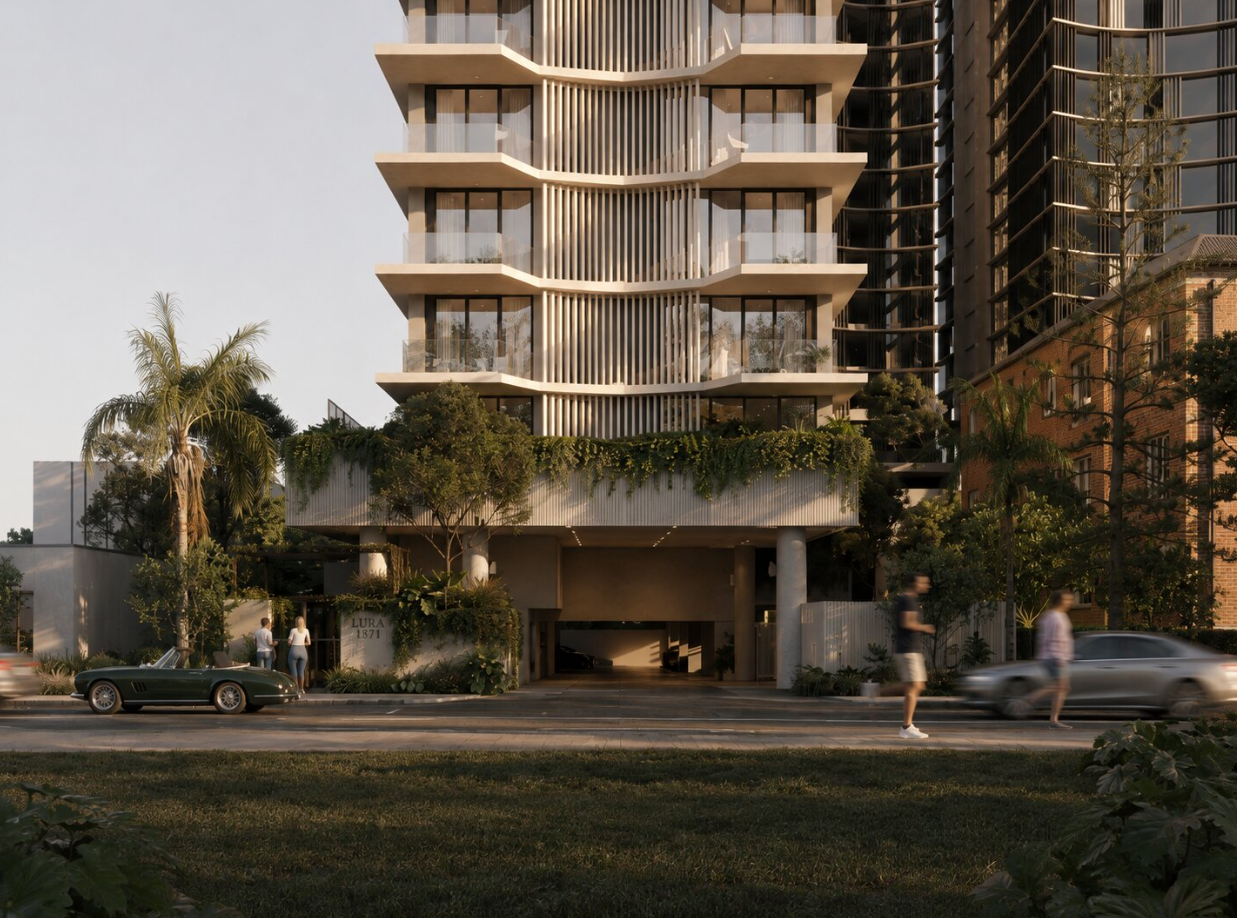
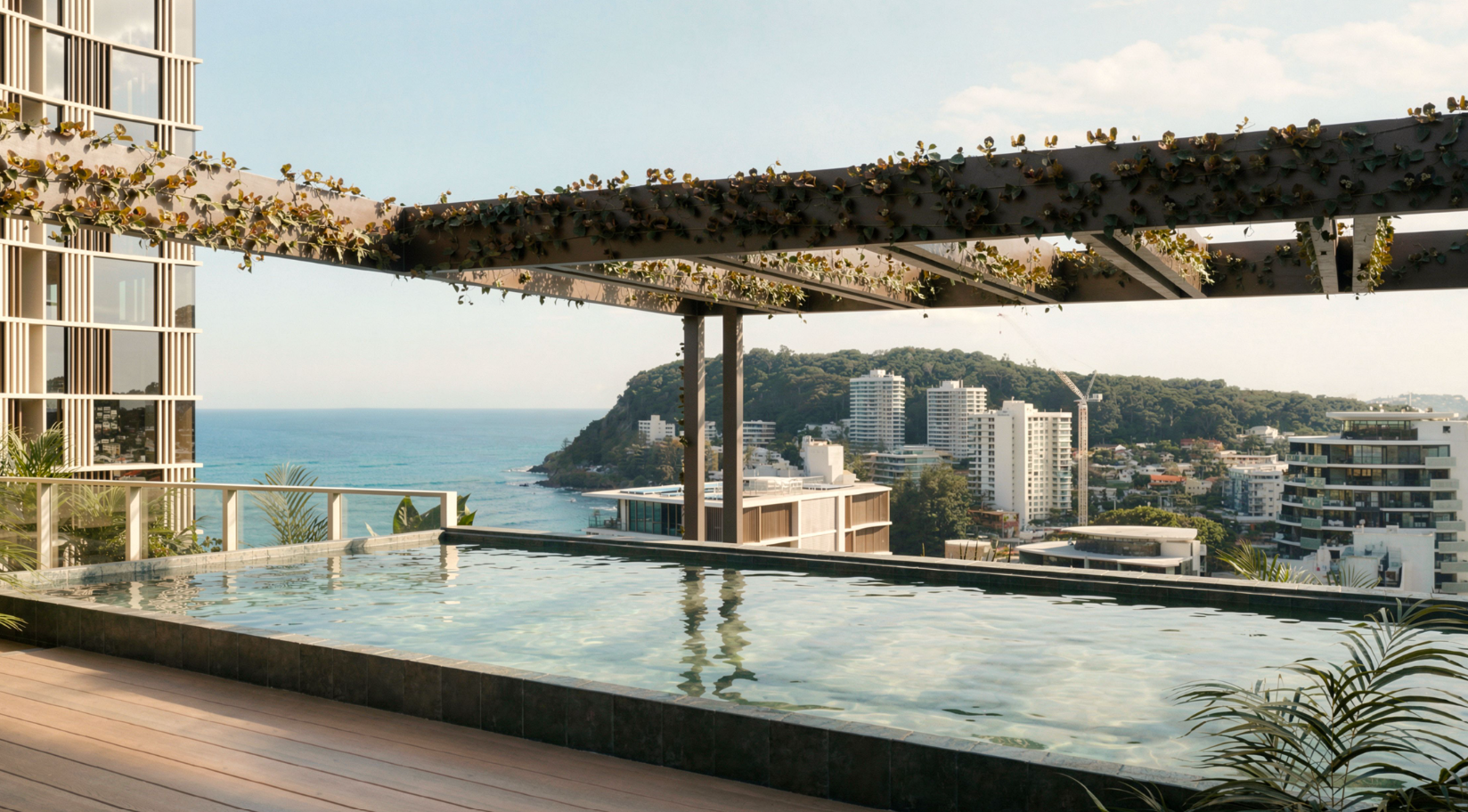
MOSAIC’S $200M BURLEIGH PROJECT NEARS SELL-OUT AFTER $180M IN SALES

Mosaic Property Group’s latest Burleigh Heads development is closing in on a full sell-out after recording more than $180 million in sales within months of launch. 

The $200 million beachfront project, Josephine by Mosaic, has seen strong early demand, with the developer now bringing forward construction as remaining stock tightens. 

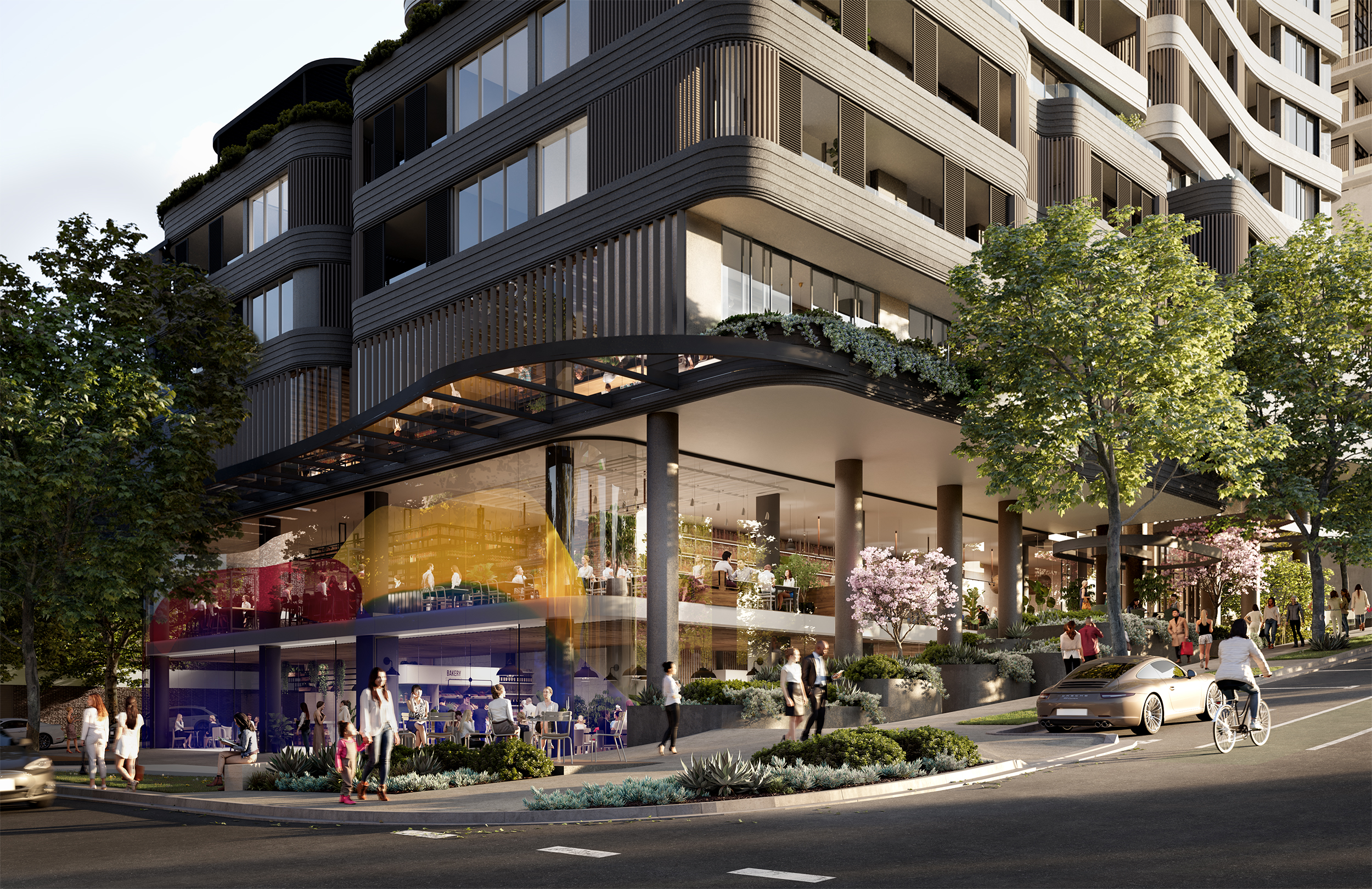
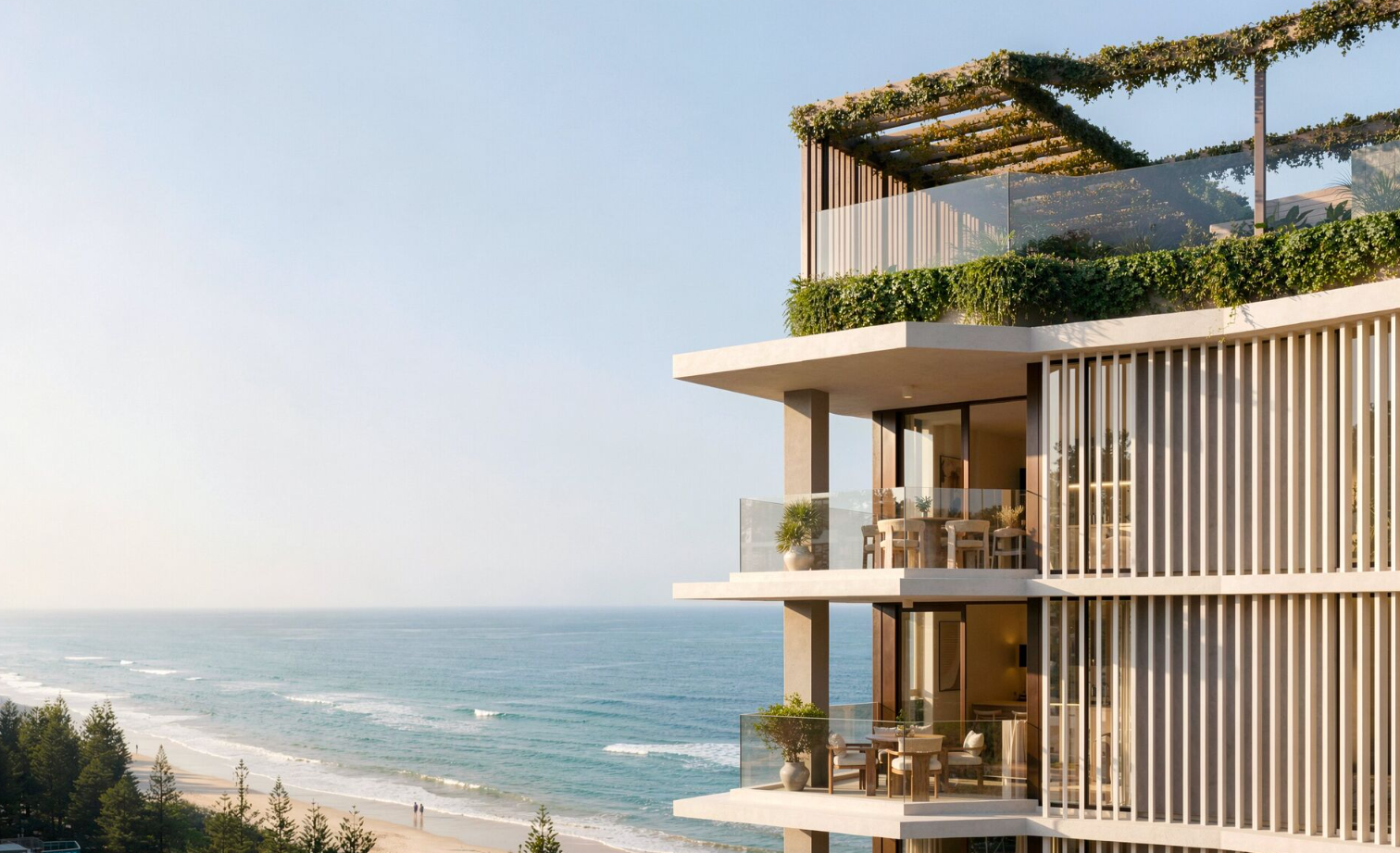
Positioned at 166 The Esplanade, the project marks Mosaic’s fourth beachfront address along Burleigh’s tightly held coastal strip and its fifth in the suburb, reinforcing ongoing demand for design-led, high-end residences in scarce locations. 

Architectural rendering

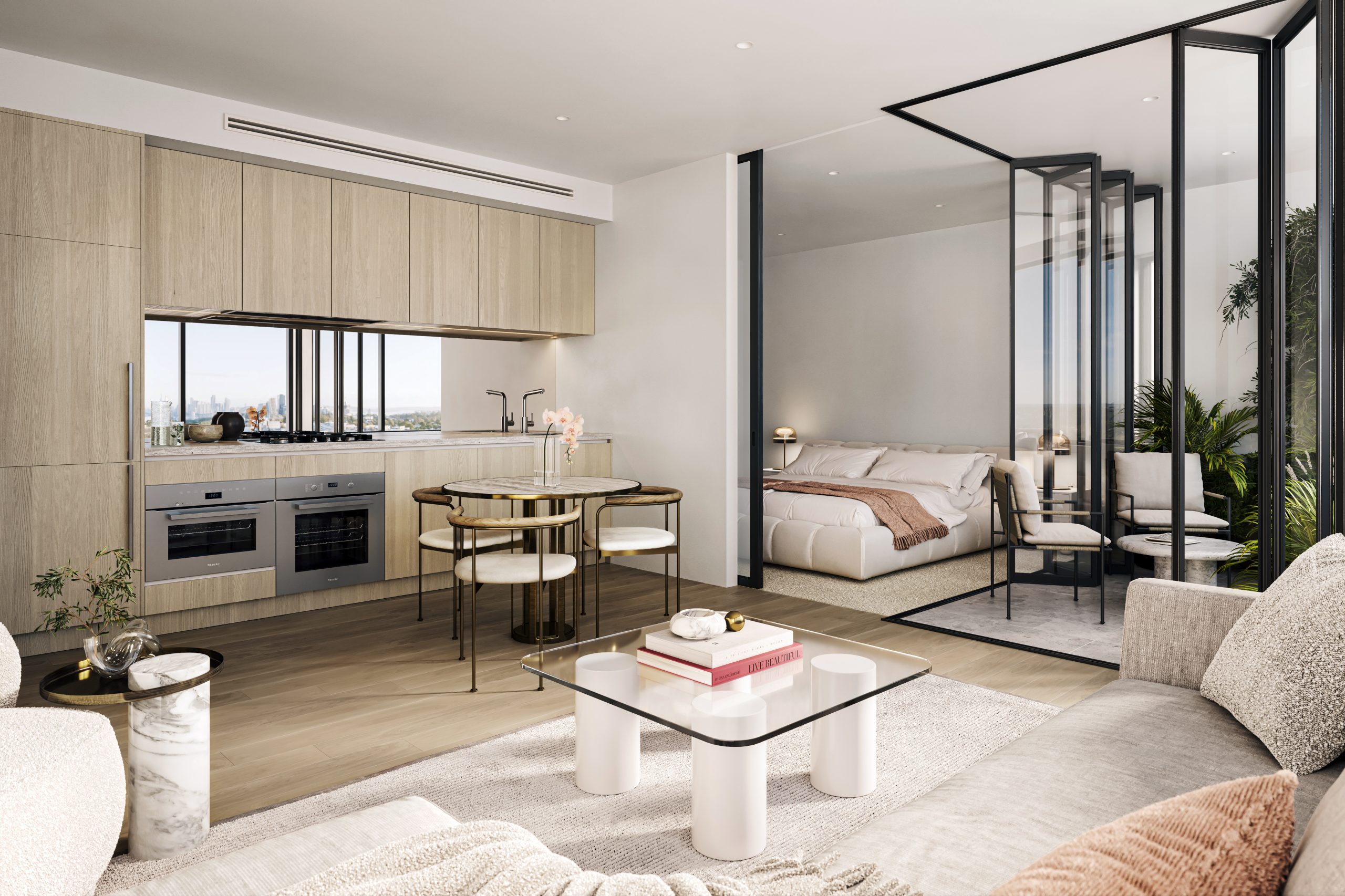
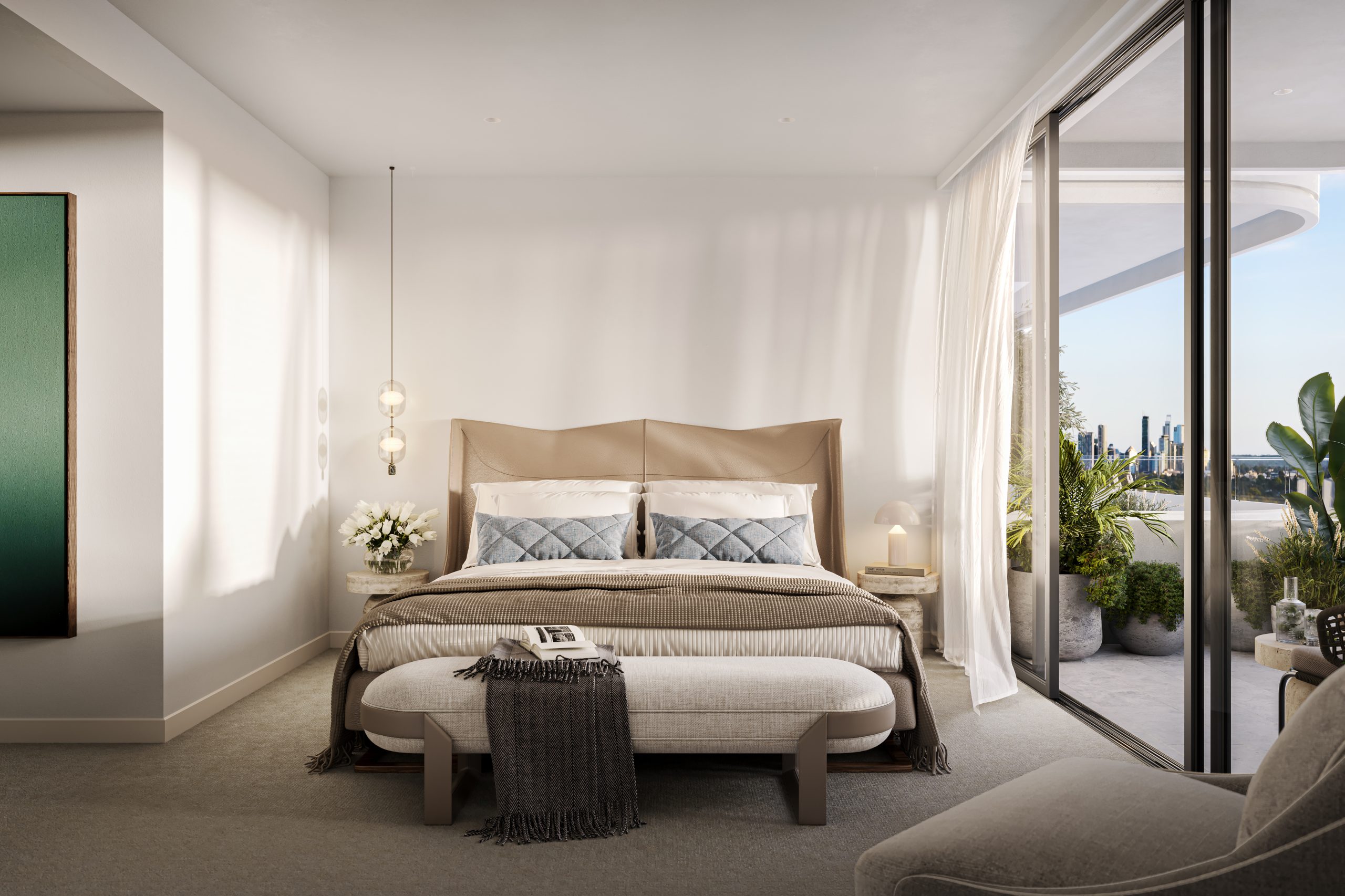
Designed in partnership with Sydney-based EMK Architects, Josephine comprises 30 half- and full-floor residences across 18 levels, with some residences approaching 500sqm and prices reaching up to $13 million. 

A limited number of residences remain, with pricing from $4.5 million. 

The project was initially released off-market in late 2025, with early buyers including a mix of local owner-occupiers and investors, many already familiar with Mosaic’s track record. 

Mosaic Founder and Managing Director Brook Monahan said the response reflects a growing focus among buyers on quality, certainty and long-term value. 

“The market’s response reflects the value of staying closely aligned with people and place,” he said. 

He added that the decision to accelerate construction was driven by internal capability and planning rather than short-term market conditions. 

“The volatility of recent years… has reaffirmed the importance of the disciplines we have always prioritised,” he said. 

The performance of Josephine comes amid continued depth in the Gold Coast’s luxury apartment market, where demand is increasingly concentrated in tightly held beachfront locations. 

Completion of the project is expected in mid-2028.

INSIDE ONE OF THE WORLD’S MOST EXCLUSIVE POSTCODES

Greenwich, Connecticut, is in New England (just barely), but that doesn’t mean it’s a quaint, sleepy small town with covered bridges and white churches on the green. 

It’s leafy, certainly, but it’s also a luxury-minded power centre close to New York City, with many celebrity residents (director Ron Howard, singer Diana Ross, actor Meryl Streep and, at one time, Australia’s own Mel Gibson).  

The main shopping street, Greenwich Avenue, is home to brand stores such as Hermès, Kate Spade, Saks Fifth Avenue, and Tiffany & Co. 

And Greenwich, particularly in the “back country” north of the Merritt Parkway, is host to some of the most exclusive real estate in the world.  

The average price for a single-family home in the second quarter of 2025 was USD $3.25 million (AUD $4.9 million). But that’s merely an entry point, buying a smaller home in one of the town’s less desirable neighbourhoods. 

What does USD $43 million (AUD $66 million) buy in Greenwich?  

Last autumn’s most expensive listing offered a 1,068-square-metre waterfront home with eight bedrooms and 11 bathrooms, plus “Gatsby-like lawns”, a gym, games room, party room, wine cellar, fruit orchard, pool and spa. The front and side porches have heated floors. 

Prefer something more traditional and secluded? For USD $33 million (AUD $50 million), buyers could close on an 11,760-square-metre Georgian manor on 3.2 hectares, featuring eight fireplaces, an elevator, and a dumbwaiter.  

The first floor features a three-storey cascading chandelier. For bibliophiles, there’s a two-storey mahogany library. If bocce is more your pace, a similar USD $25 million compound on 7.5 hectares, built for a liquor magnate in 2009, may appeal. Fourteen bathrooms should suffice. 

The Greenwich market is strong, but not without challenges.  

“The big problem is that there’s no inventory,” said Evangela Brock, an agent with Douglas Elliman. “It’s extremely low at all price points.”  

In November, just 15 properties under USD $1 million (AUD $1.52 million) were listed without contracts, compared with 23 above USD $10 million (AUD $15.2 million). Of those, six had contracts pending. Greenwich has more than 17,000 single-family homes. 

Kanebridge Quarterly toured two mid-priced houses in Greenwich. “You don’t lose money in Greenwich real estate,” said Beth MacGillivray, a realtor with the Higgins Group. “This is the hot spot.”  

MacGillivray opened the door to a 733.9-square-metre Georgian colonial in the Sherwood Farms Association development her family built in 2005. The house was expected to sell for about USD $5 million (AUD $7,743,535). 

The six-bedroom, four-level house is move-in ready, with staged furniture showing its potential and many of the amenities that buyers in this range expect.  

Visitors enter through a two-storey foyer with a marble floor. A circular staircase leads to an airy living room with double-height ceilings.  

There’s a main bedroom with his-and-hers bathrooms, a cherry-panelled library with cigar-smoke venting, five fireplaces, and a state-of-the-art kitchen with a breakfast nook by Greenwich-based designer Christopher Peacock.  

Most rooms have huge walk-in wardrobes. Even the laundry room has granite countertops. Custom millwork, cabinetry and fixtures are evident throughout. 

The drawbacks? A smaller yard and no pool. Still, refugees from the city would marvel at the abundant interior space. 

Not far away, an entirely different house was on the market for USD $2.66 million.  

The imposing 696.7-square-metre, nine-bedroom, seven-bath Georgian/Federal home on Shady Lane in the Glenville neighbourhood was built in 1900. Its good bones and inherent grandeur were apparent, as was a clear need for updating. 

“It’s a good project for someone,” said realtor Kaori Higgins. “It needs the right buyer, someone who is looking to return it to its stately original condition.” 

Given the hot market, some buyers may be tempted to tear it down and build anew.  

But the house is filled with charming period details, including hand-built stone fireplaces, reading nooks, pocket doors, leaded windows and beautiful original millwork.  

The second floor offers a vast veranda with views of Long Island Sound and a built-in swimming pool. 

The drawbacks? Bathrooms that were awkwardly redesigned in the 1970s, unsightly flooring on the upper levels, and crumbling exterior elements.  

Higgins noted that a nearby sister property, fully renovated, sold for USD $11 million (AUD $17 million). Any buyer of Shady Lane’s faded elegance would need both imagination and deep pockets. 

For contrast, Kanebridge Quarterly left Greenwich for nearby Fairfield’s upscale Greenfield Hill neighbourhood to visit Lion’s Gate, a 595 square metre Tudor Revival home built as a modest dwelling in the 1920s but extensively expanded and remodelled in 2000.  

With three acres of land, a guest cottage, an artist’s studio and a pool house, the asking price is USD $3.3 million (AUD $5 million). Like the Sherwood home, Lion’s Gate is flawlessly move-in ready, with designer touches throughout. 

The entire second floor was added during the renovation and features parquet flooring, a massive main suite, arched doorways and 2.74-metre ceilings.  

Many rooms include walk-in wardrobes, extensive carved millwork and built-ins. The wood-panelled library (on the site of the former stable) is warm and inviting.  

The expansive kitchen includes a window seat with a hand-painted ceiling, a wine cooler and a butler’s pantry. 

Realtor Lorelei Atwood said Fairfield faces the same inventory shortage as Greenwich.  

“Demand is growing as more New York-based executives are being told they have to report to the office,” she said. “Fairfield has always been a commuter town.” 

Why is this home USD $3.3 million (AUD $5 million), and the Sherwood property around USD $5 million (AUD $7,743,535)?  

Location. Greenfield Hill is lovely, but Greenwich real estate occupies a rarefied class of its own. 

Note: Thanks to realtor Sherri Steeneck for chaperoning. 

This story appeared in the Autumn issue of Kanebridge Quarterly, which you can buy here. 

The Workers Opting to Retire Instead of Taking on AI

Luke Michel has already lived through two technology overhauls in his career, first desktop publishing in the 1980s and online publishing later on. But AI? He’s had enough. 

So when his employer, the Dana-Farber Cancer Institute, made an early-retirement offer to some staff last year, the 68-year-old content strategist decided to speed up his exit. Before, he had expected to work a couple more years. 

“The time and energy you have to devote to learning a whole new vocabulary and a whole new skill set, it wasn’t worth it,” he said. 

It isn’t that he’s shunning artificial intelligence—he is learning Spanish with the help of Anthropic’s Claude. But, at this point, he’s less than eager to endure all the ways the technology promises to upend work. 

“I just want to use it for my own purposes and not someone else’s,” he said. 

After rising for decades and then hovering around 40% in the 2010s, the share of Americans over 55 years old in the workforce has slipped to 37.2%, the lowest level in more than 20 years.  

The financial cushion of rising home equity and stock-market returns is driving some of the decline, economists and retirement advisers say. 

But for some older professionals, money is only part of the equation.  

They say they don’t want to spend the last years of their career going through the tumult of AI adoption, which has brought new tools, new expectations and a lot of uncertainty.  

Many people retire when key elements of their work lives are disrupted at once, said Robert Laura , co-founder of the Retirement Coaches Association and an expert on the psychology of retirement. 

“Maybe their autonomy is being challenged or changed, their friends are leaving the workplace, or they disagree with the company’s direction,” he said.  

“When two or three of these things show up, that’s when people start to opt out.”  

“AI is a big one,” he adds. “It disrupts their autonomy, their professionalism.” 

Michel, whose work required overseeing and strategizing on website content, has been here before.  

When desktop publishing arrived in the 1980s, he was a graphic designer using triangles and rubber cement.  

The internet’s arrival changed everything again. Both developments required new skills, and he was energized by the challenge of learning alongside colleagues and peers. 

It felt different this time around. “Your battery doesn’t hold a charge as long as it used to,” he said. 

He would rather spend his energy volunteering, making art, going to operas and chairing the Council on Aging in North Andover, Mass., where he lives. 

In an AARP survey last summer of 5,000 people 50 and over, 25% of those who planned to retire sooner than expected counted work stress and burnout as factors.  

About half of those retired said they had left work at least partly because they had the financial security to do so. 

In general, older Americans are less likely than younger counterparts to use AI, research shows.  

About 30% of people from ages 30 to 49 said they used ChatGPT on the job, nearly double the share of those 50 and older, according to a 2025 Pew Research Center survey of more than 5,000 adults. 

Baby boomers and members of Generation X also experienced the sharpest declines in confidence using AI technology, according to a ManpowerGroup survey of more than 13,900 workers in 19 countries. 

“We as employers aren’t doing a good enough job saying (to older workers), we value the skills that you already have, so much so that we want to invest in you to help you do your job better,” says Becky Frankiewicz , ManpowerGroup’s chief strategy officer. 

Jennifer Kerns’s misgivings about AI contributed to her departure last month from GitHub, where the 60-year-old worked as a program manager.  

Coming from a family of artists, she said, it offends her that AI models train on the creative work of people who aren’t compensated for their intellectual property. And she worries about AI’s effect on people’s critical-thinking skills. 

So she was dismayed when GitHub, a Microsoft-owned hosting service for software projects, began investing heavily in AI products and expecting employees to incorporate AI into much of their work. In employee-engagement surveys, the company had begun asking them to rate their AI usage on a scale of 1 to 5. 

When it came time to write reports and reviews, colleagues would suggest that she use ChatGPT.  

“I’d be like, ‘I have no idea how to use that and I have no interest in using AI to write anything for me,’” she said. 

It would have been more prudent to work until she was closer to Medicare eligibility, she said. But by waiting until her children were out of college and some of her stock grants had vested, the math worked. 

Her first act as a nonworking person: a solo trip to Scotland, where she took a darning workshop and learned how to repair sweaters.  

“The opposite of AI,” she said. 

Employers already under pressure to cut workers—such as in the tech industry—may welcome some of these retirements, said Gad Levanon , chief economist at Burning Glass Institute, which studies labor-market data. 

“The more people retire, the fewer they have to let go,” he said. 

Some of the savviest tech users are also balking at sticking around for the AI upheaval. Terry Grimm, who worked in IT for 40 years, retired from his senior software consultant role at 65 last May.  

His firm had just been acquired by a bigger firm, which meant learning and integrating the parent company’s AI and other tech tools into his work.   

Until then, Grimm expected he might work a couple more years, though he felt that he probably had enough saved to retire. 

“I just got to the point where I was spending 40 hours at work and then 20 hours training and studying,” said Grimm, who has since moved with his wife from the Dallas area to a housing development on a golf course in El Dorado, Ark.  

“I’m like, ‘I’ll let the younger guys do this.’” 

WHEN THE HIGHLANDS ARE CALLING

The lure of the Scottish Highlands is hard to ignore. Rugged scenery, warm hospitality and single malts all conspire to draw people from around the world to this beautiful part of the UK. 

Driving is the only way to take in everything the Highlands has to offer truly, and the North Coast 500, an 830km drive around the northern coastline of Scotland, is the perfect framework for doing so. 

The biggest decision when starting out on the NC500, as it’s known, is whether to go clockwise or anticlockwise.  

No matter which direction you decide upon, you can start or finish your trip at Links House at Royal Dornoch.  

Situated just an hour north of Inverness, considered the heart of the Highlands and the beginning (or end) of the drive, it’s the sort of place where you can stop, breathe, and soak in the best of Highlands hospitality.  

“We want people to coorie in,” says managing director Phil Scott, explaining this Scottish phrase as “Highland hygge” after the Danish word we know to mean nestling in comfortable surroundings, enjoying simple pleasures.  

“It’s an opportunity to come and have a lovely dinner, stay in a warm room, have those fireside moments and enjoy a dram (of whisky).”  

A fireside dram captures the spirit of Links House at Royal Dornoch.

Golfers’ Retreat  

Links House was established as a golfers’ retreat in 2013, situated as it is less than 100m from the first tee at Royal Dornoch Golf Club, whose coastal Championship Course is currently placed in the number two spot on Golf Digest’s World’s Greatest Courses biennial ranking.  

Today, it’s considered a luxury destination in its own right and was recently named among the Top 50 Boutique Hotels in the UK.  

The hotel comprises two buildings, a beautifully appointed 1843 manse house, and a new building across the way created for the new hotel.  

The total number of rooms in this boutique hotel is just 15. Each is furnished with antique touches and contemporary comforts, with exceptional works of art and Scottish accents, including the ubiquitous tartan blanket.   

The spacious Mallart penthouse sits atop the new building, essentially a full apartment that invites pure, indulgent relaxation.  

The hotel’s restaurant, Mara, is named for the Scottish Gaelic word for “the sea”. Its menu is built on what the hotel calls S4+0—which translates as Scottish, seasonal, sustainable, slow with an aim to achieve zero waste.  

In terms of ingredients, that includes a focus on locally sourced seafood, meat and game, including hand-dived Orkney scallops, Sutherland venison and Clashmore pheasant.  

The “minimal intervention” menu, overseen by executive chef Theo Creton, last year saw the restaurant receive two AA Rosettes.  

“There’s a sense of informality, but everything is delivered with a five-star respect for the food and the guests,” says Scott.   

Mara, the restaurant at Links House, champions seasonal Highland produce with a focus on Scottish, sustainable and zero-waste dining.

Drinks with other guests before dinner is encouraged, just as you would enjoy if invited to a friend’s home for a weekend stay. And if you’d like a wee dram after dinner, you can do so with a round of Scrabble or a fireside chat.  

Where once 90 per cent of guests came for the golf, Scott says that since Covid, that number has inverted to just 10 per cent.  

And given all the traditional pursuits that the Highlands has to offer, fishing, stalking and falconry for starters, these can also be organised by the hotel with local exponents. 

For those less enamoured of outdoor pursuits, there are organised options such as “Retail and Relaxation” – taking in a local shopping experience in Dornoch, including antiques, bookshops and beauty retailers, followed by rejuvenating treatments at Aspen Spa.  

Inland drives 

If you want to take control of your own adventures, a two- or three-day stay at Links House will give you the perfect vantage point for some inland drives before continuing on the NC500. 

Loch Ness is just a half-hour drive southwest from Dornoch, where the vast expanse of water still shows no sign of that mythical monster (at least on the day that we visited).  

Along its northern side sits the ruins of Urquhart Castle, a medieval fortress that was once one of the largest castles in Scotland.  

Today, walking through the remnants of stone-walled rooms and taking in the remains of Grant Tower, you can only imagine the blood that was shed between the Scots and the English as they fought over this stronghold during the Wars of Independence.  

The replica trebuchet gives an idea of how war was waged in medieval times, with enormous rocks catapulted towards the enemy.   

The drive south to the Cairngorms National Park takes a little over an hour and offers plenty of scenic treasures, from spotting deer to taking in the grounds of Balmoral Castle, one of several castles in the park.  

Indeed, castle ruins seem to appear around every bend in the Highlands, overlooking every loch, acting as constant reminders of the rich and often bloody, history of this tiny country.   

 Just 15 minutes away from Links House across Dornoch Firth is Glenmorangie, one of the myriad whisky distilleries to be sampled across Scotland. 

 Even without a full tour, you can take in a thorough history of the brand, where you’ll also learn that you may have been mispronouncing it all these years… (For the record, it’s Glenmorangie, like orange-y.)   

 Depending on your level of fandom, James Bond tragics might also be tempted to drive three hours southwest from Links House to Glen Coe, where you can take the same scenic route as Daniel Craig and Judi Dench when they go off-grid in Skyfall 

 The beauty of the unfolding landscape is breathtaking, its lush peaks covered in grass, ferns and heather, ominous clouds looming overhead, and tiny waterfalls winding down hillsides like tears down a craggy face.  

 This is picture-perfect Highlands. (To add another Bond attraction later in your NC500 itinerary, you can wander through Eilean Donan Castle, which stood in for the MI6 Scottish HQ in The World is Not Enough.)  

 Wherever your journey takes you, returning to Links House after a day of driving and sightseeing is nothing short of a tonic.  

 Taking a long bath, enjoying a delicious meal at Mara, and then that wee dram by the fire is exactly what Highlands dreams are made of.  

 Leaving is the hardest part, even knowing that more adventures lie ahead in the Highlands.  

When Scott sends you off with that traditional Scottish farewell, “Haste ye back,” you feel sure you’ll come back again.  

The writer was a guest of Links House and Visit Scotland.  This article appeared in the Autumn 26 issue of Kanebridge Quarterly, which you can buy  here.