Sydney’s priciest streets widen the gap in Australia’s luxury market
Ray White senior data analyst Atom Go Tian says Sydney’s elite postcodes are pulling further ahead, with Bellevue Hill dominating the nation’s most expensive streets in 2025.
 3 min
3 min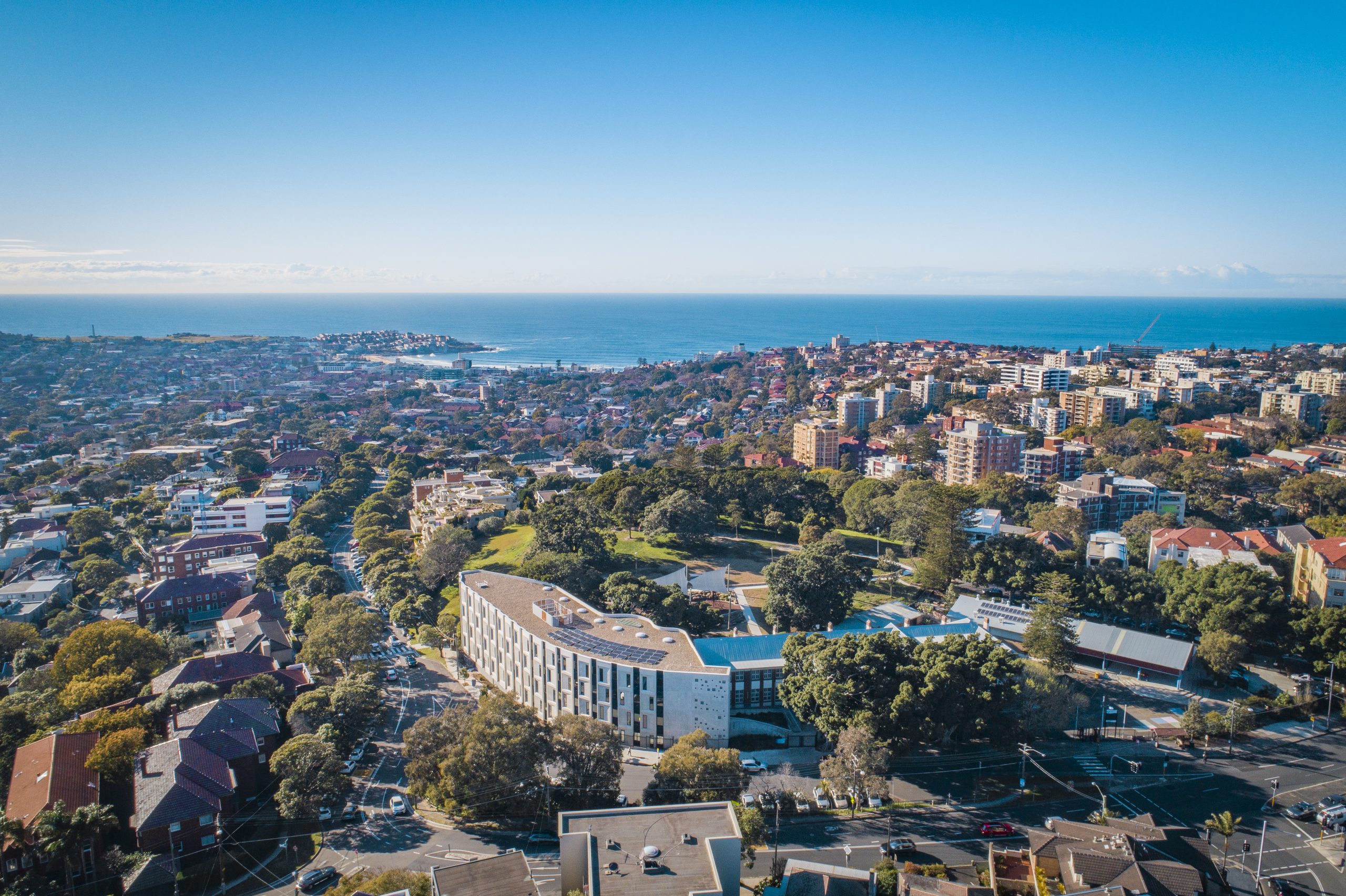
Sydney has cemented its status as the nation’s luxury capital, with Kambala Road in Bellevue Hill being Australia’s most expensive street this year, posting a median house price of $39.35 million.
And, according to Ray White senior data analyst Atom Go Tian, last year’s leader, Wolseley Road, was excluded from this year’s rankings due to limited sales.
“Wolseley Road recorded only three sales this year and was therefore excluded from the rankings, though its $51.5 million median would have otherwise retained the top position,” he says.
Bellevue Hill continues its dominance, accounting for six of the nation’s top 10 streets. Tian says the suburb’s appeal lies in its rare blend of location and lifestyle advantages.
“The suburb’s enduring appeal lies in its rare combination of proximity to both the CBD and multiple beaches, harbour views, and large estate-sized blocks on tree-lined streets.”
Vaucluse remains a powerhouse in its own right. “Vaucluse extends this harbourside premium with even more direct beach access and panoramic water views,” he says.
The gulf between Sydney and the rest of the country remains striking.
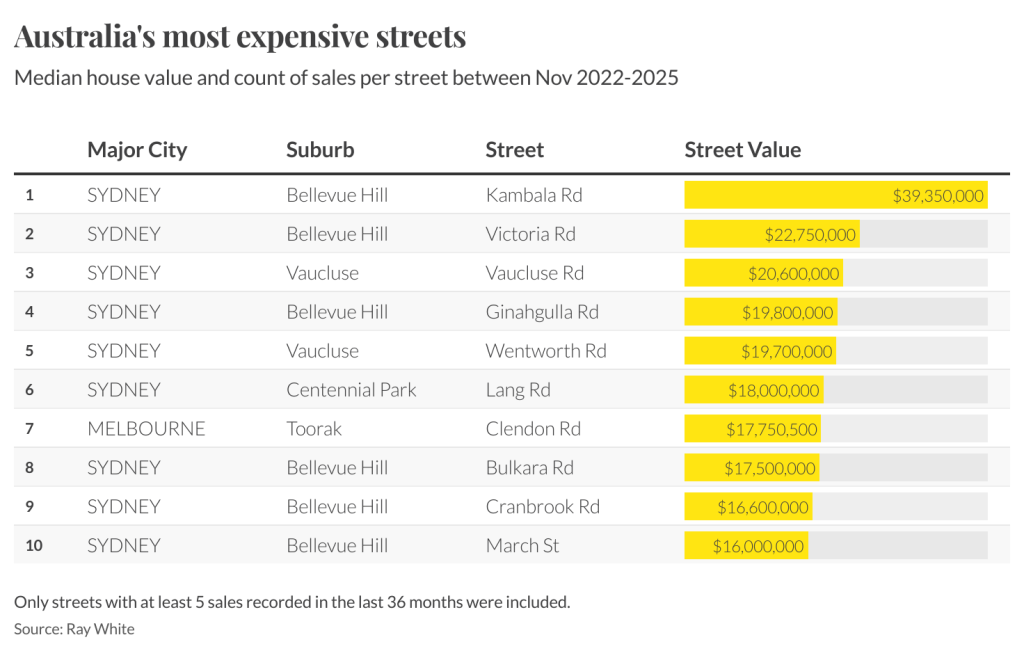
According to Tian, “Sydney’s most expensive streets are more than five times more expensive than the leading streets in Perth and Brisbane, and more than 10 times the premium streets in Canberra and Adelaide.”
He attributes this to Sydney’s economic role and geographic constraints, describing it as “Australia’s financial capital and its most internationally connected city.”
Beyond Sydney, each capital city has developed its own luxury hierarchy. Tian highlights Melbourne’s stronghold in Toorak, noting that “Melbourne’s luxury market remains centred around Toorak, led by Clendon Road, St Georges Road and Linlithgow Road.”
Brisbane’s prestige pockets are more dispersed: “Brisbane’s luxury real estate shows a more diverse pattern,” he says, led by Laidlaw Parade at $6.5 million. Perth’s top-end market remains anchored in the Peppermint Grove–Dalkeith corridor, with Forrest Street at $7.5 million.
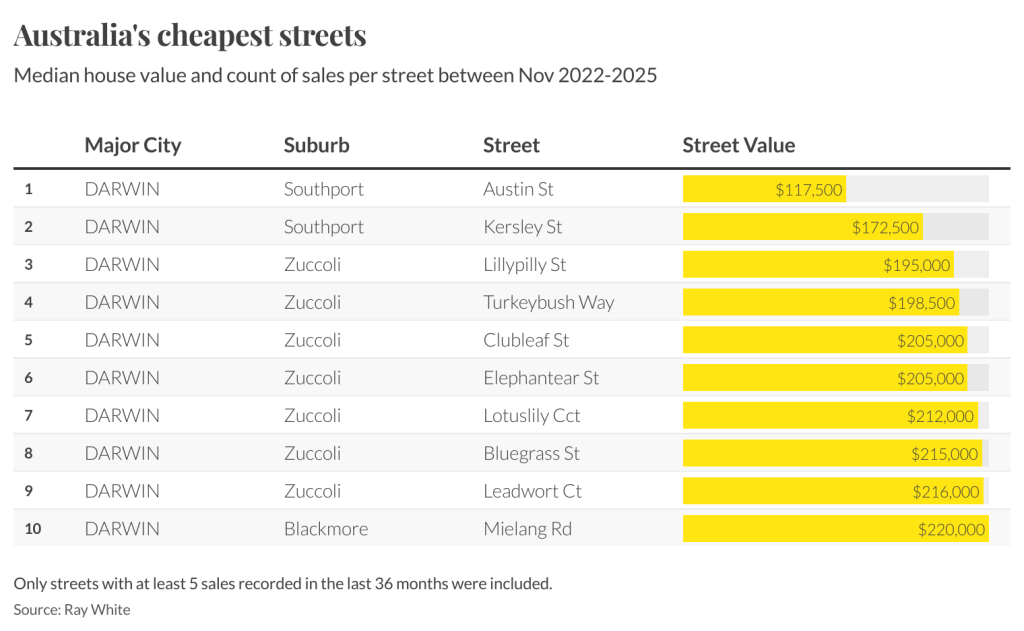
He also points to the stark contrast at the lower end of the spectrum. “Darwin presents a mirror image, hosting all 10 of the country’s cheapest streets,” Tian says. Austin Street in Southport sits at just $117,500.
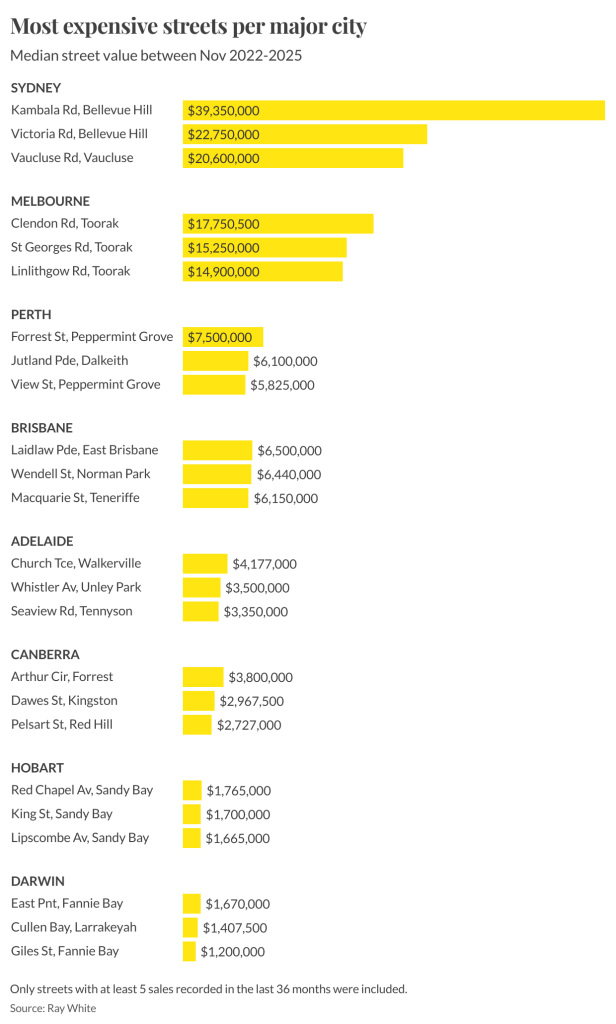
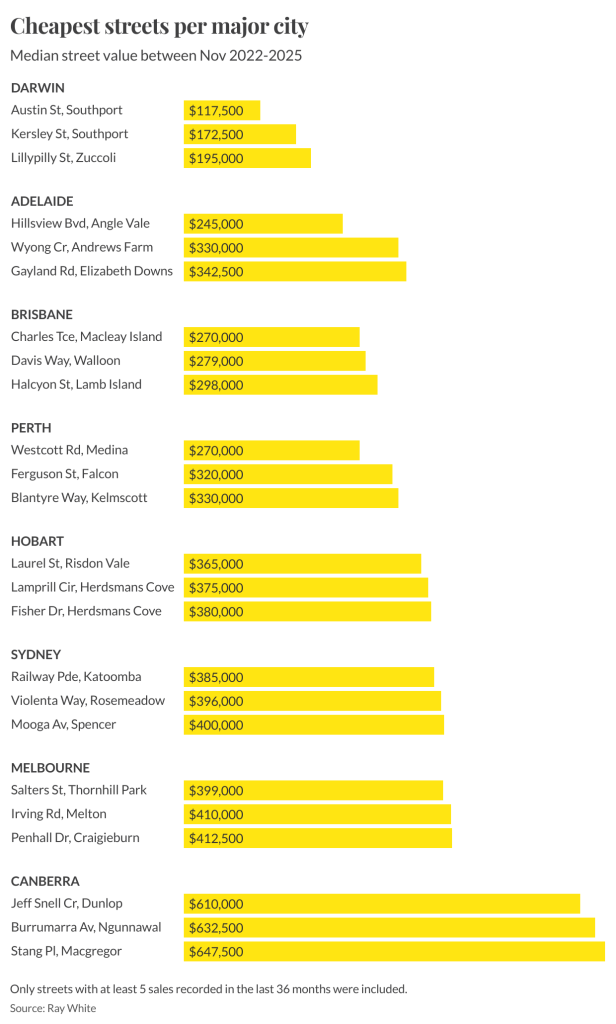
The national spread reaches its extreme in New South Wales. “Sydney emerges as the most polarised market, spanning an extraordinary range from Railway Parade in Katoomba at $385,000 to Kambala Road’s $39.35 million,” Tian says.
Methodology: Tian’s analysis examines residential house sales between November 2022 and November 2025, with only streets recording at least five sales included. Several streets with higher medians, including Black Street, Queens Avenue and Clairvaux Road in Vaucluse, were excluded because they did not meet the sales threshold.

Two coming 2027 models – the first of the “Neue Klasse” cars coming to the U.S. early next year – have been revealed.

A&K Sanctuary unveils Kitirua Plains Lodge, a sustainability-focused luxury property shaped by landscape, local craft and contemporary safari architecture.

After half a century in the same hands, The Palladium blends Art Deco heritage, cinematic history and beachfront living in one extraordinary offering.
3 min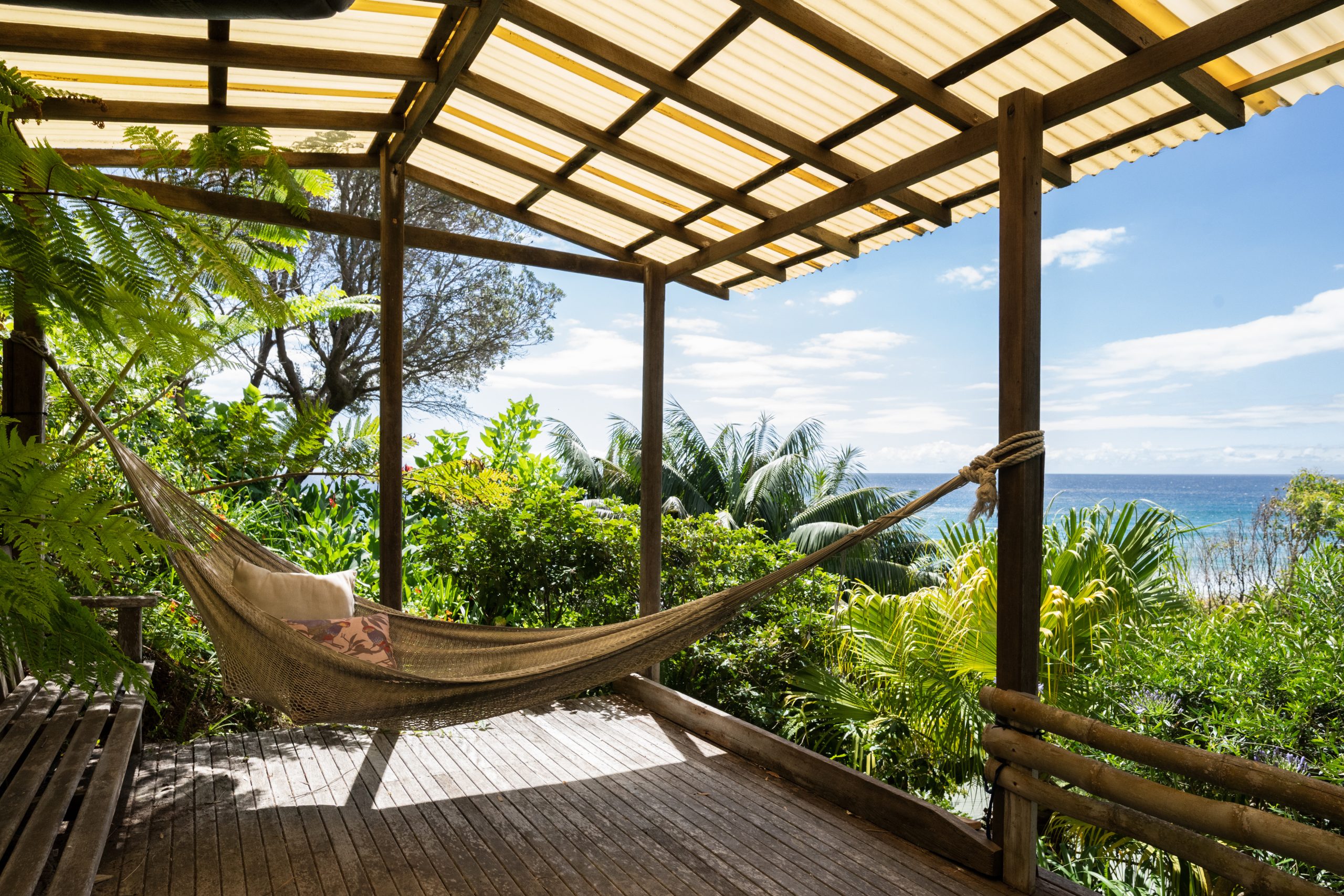
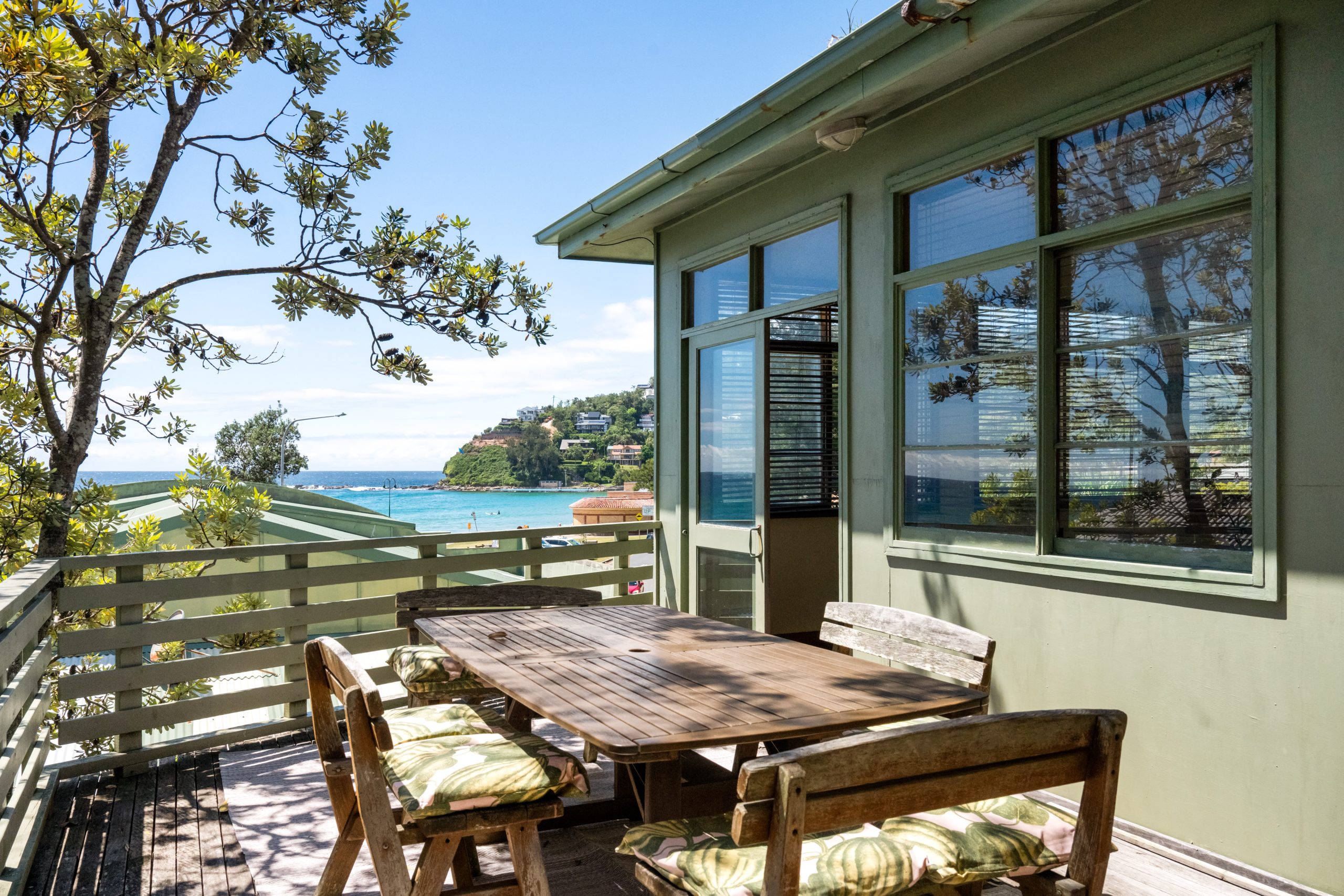
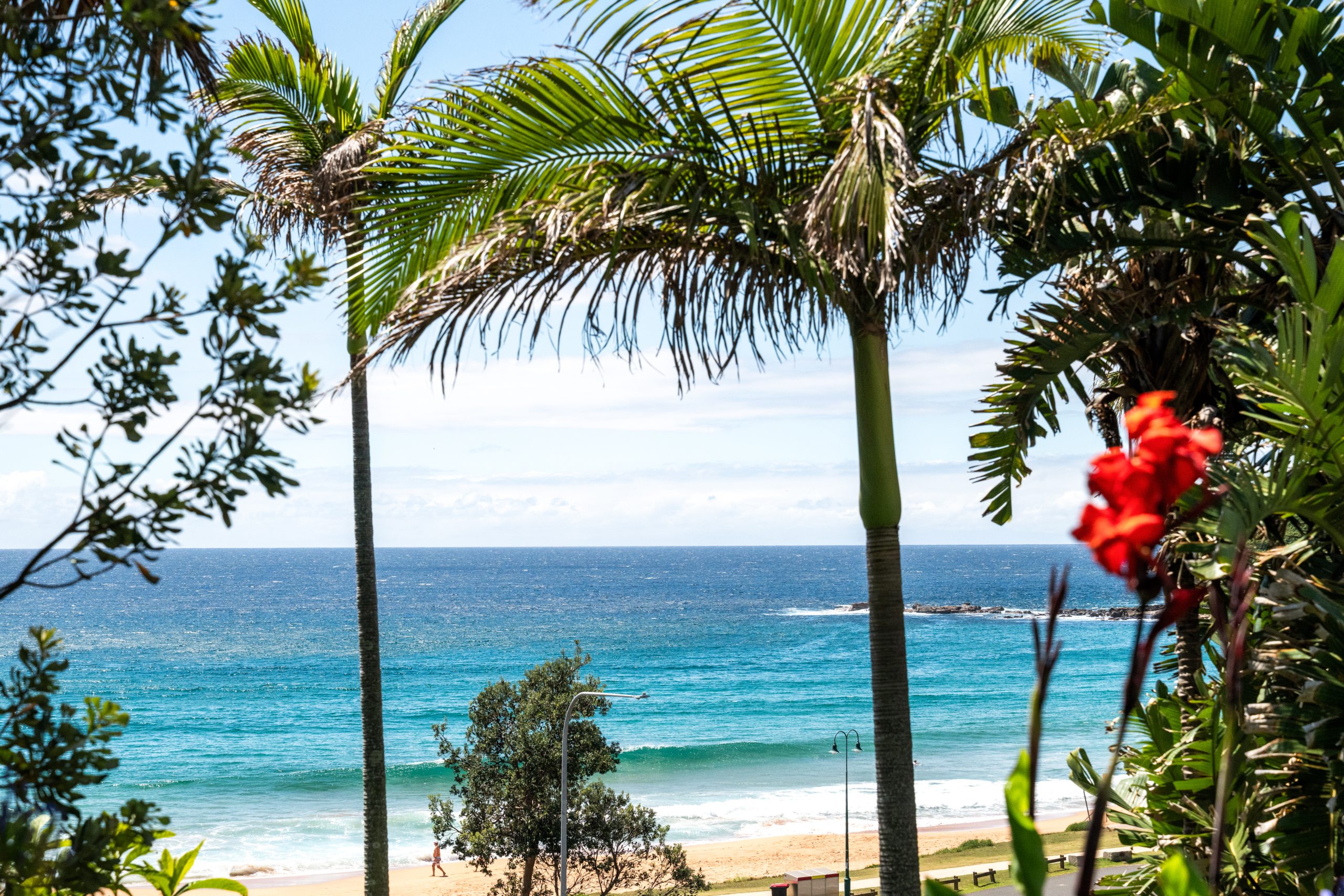
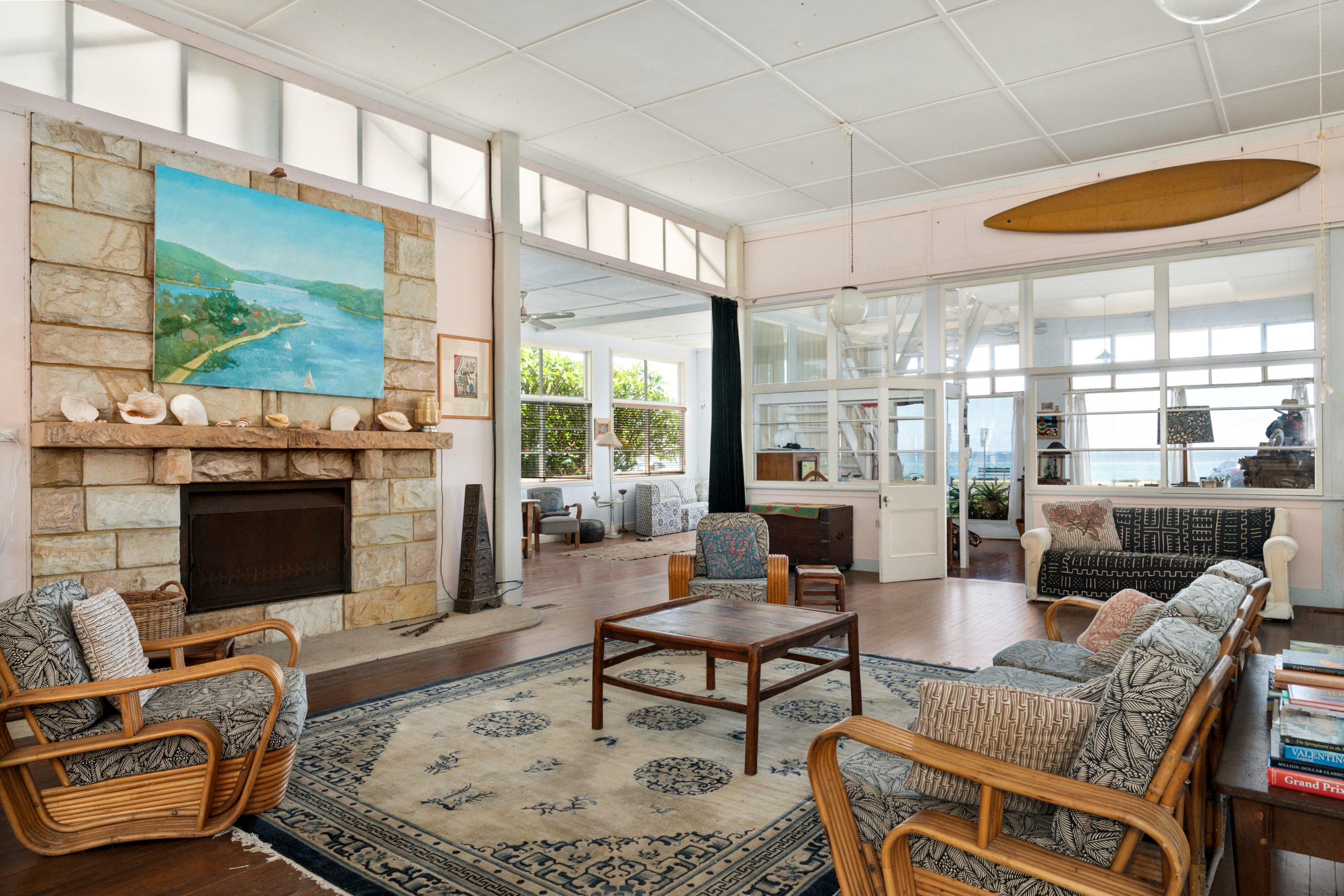
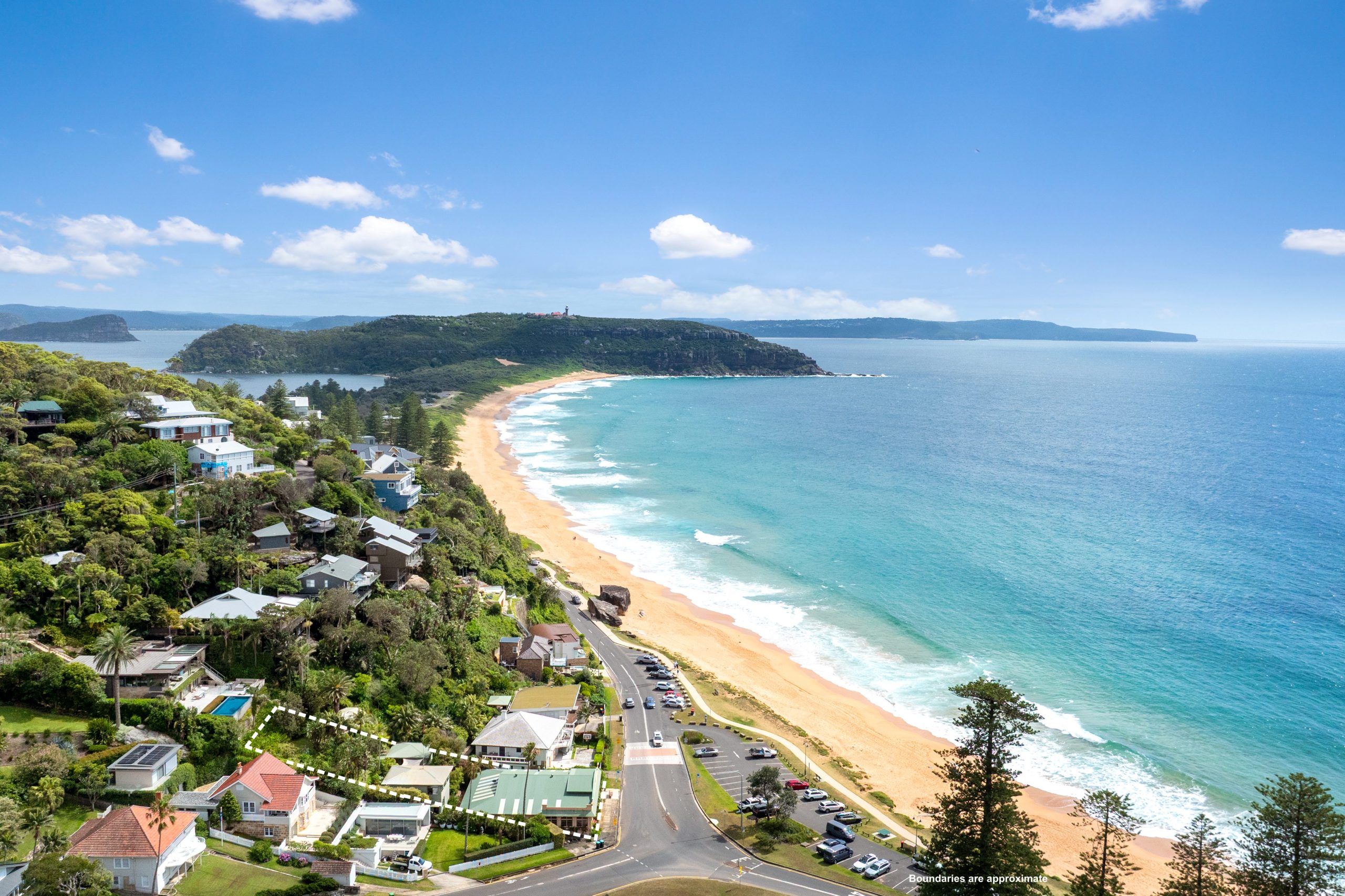
In Sydney’s Northern Beaches, there are plenty of homes with a multimillion-dollar view and an enviable position close to the sand.
This unique listing has all that, but it has also earned its page in the local history books.
After 50 years in the same hands, The Palladium in Palm Beach—once a famed dance hall, then a restaurant, a private residence, and an artists’ studio—is now back on the market with a price hopes of $13.5 million through BJ Edwards and David Edwards of LJ Hooker Palm Beach.
Positioned in a rare corner spot where Ocean Rd meets Palm Beach Rd, The Palladium has been front and centre observing the famous sandy stretch for almost a century.
Built in the early 1930s, the Art Deco building was originally conceived as a vibrant community dance hall; the “it” place to be for young folk during Sydney’s thriving interwar period.
Often the dances were held to raise money for the Palm Beach Surf Life Saving Club, and newspaper reports of the time told of rowdy parties lasting until the early hours, bootleg liquor arrests, and where shorts and sandals—or even pyjamas—were scandalously worn by “both sexes”.
Over the decades, The Palladium has worn many hats.
By 1943, the original owner, Joseph Henry Graham, had defaulted on his loan, and a mortgagee sale reportedly sold the building for £1550, which translates to about $137,000 today. It later became a dining space and a general store run by the Milton family. In the 1960s and early 1970s, the property was also home to the Blue Pacific Restaurant.
The current owners acquired the keys in 1976 when it began its next chapter as a creative hub. One of today’s vendors, filmmaker David Elfick, who has been a filmmaker and producer on such films as Newsfront and Rabbit-Proof Fence, has told stories of a free-spirited creative hub that has been used for film sets, to store numerous movie props, as editing rooms, to hold countless parties and has even hosted visiting members of the Royal Shakespeare Company.
From its famed beachside soirees to its grassroots film club nights, the venue has become woven into the cultural fabric of Palm Beach.
Today, that rich history has been reimagined into a coastal home that honours its past while embracing contemporary beachside living.
Built in a unique architectural style known as streamline moderne, the aeroplane hangar-like building reflects the era’s fascination with air travel, mass transport, and modernity. The facade is defined by a sweeping curved roofline and subtle nautical cues.
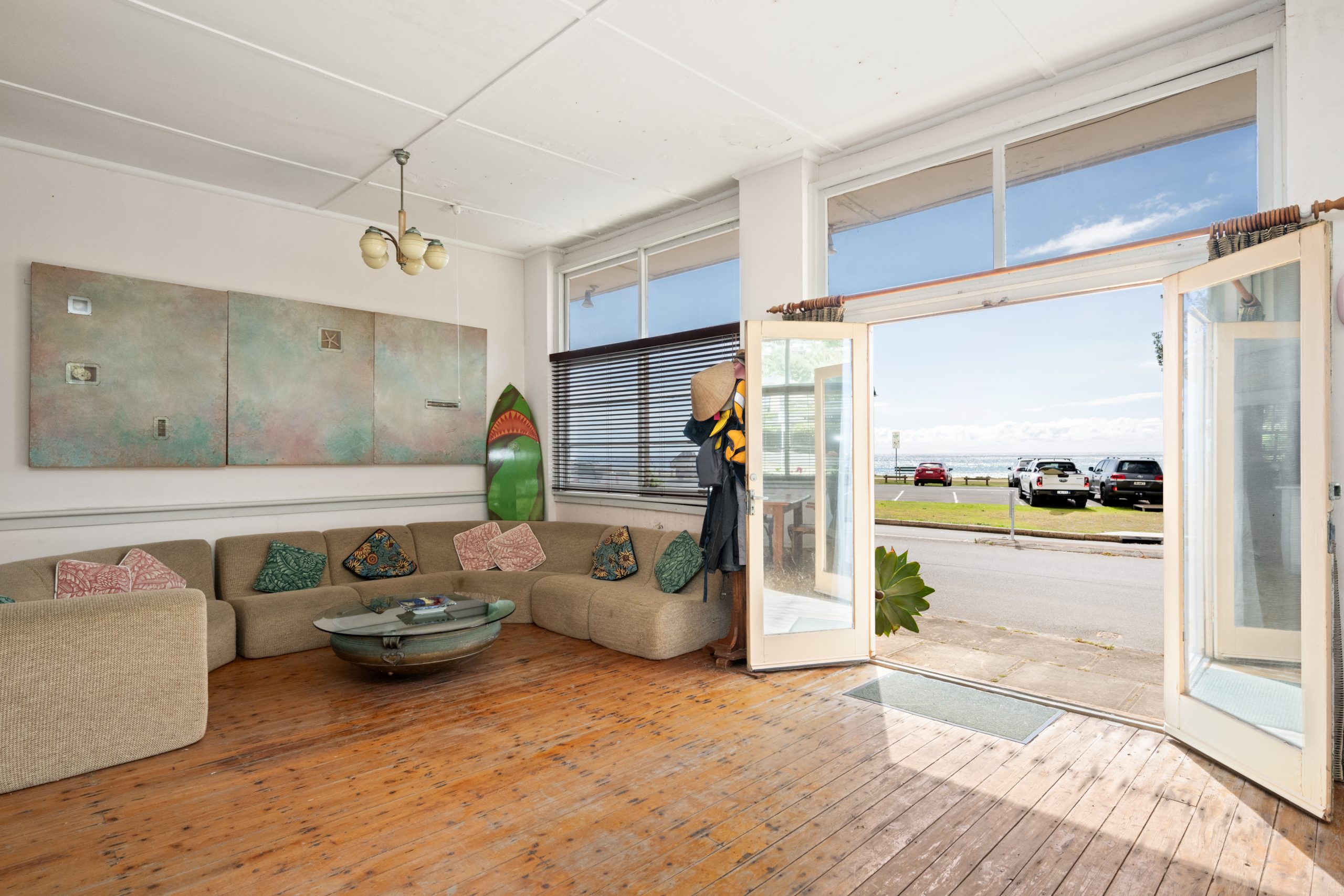
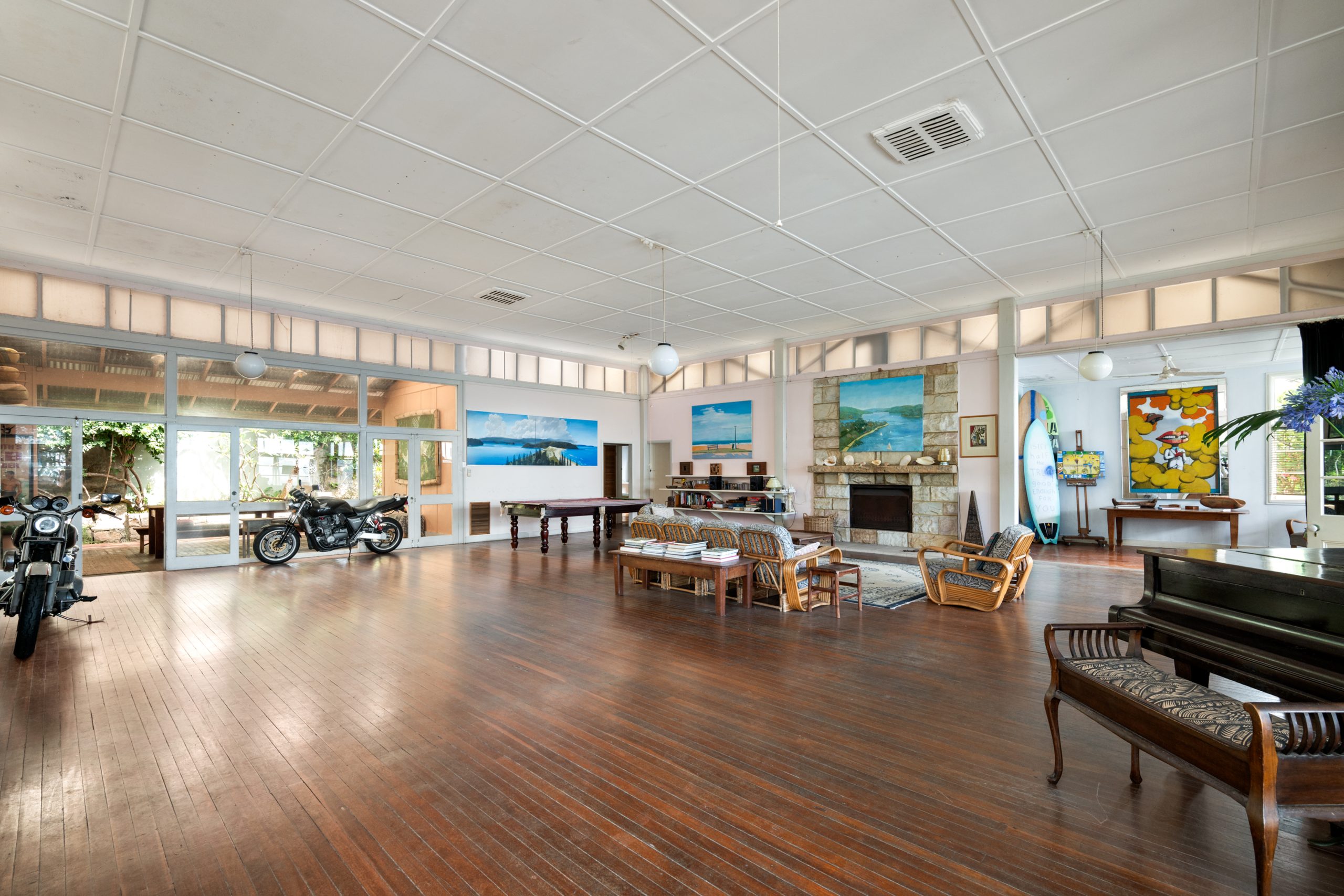
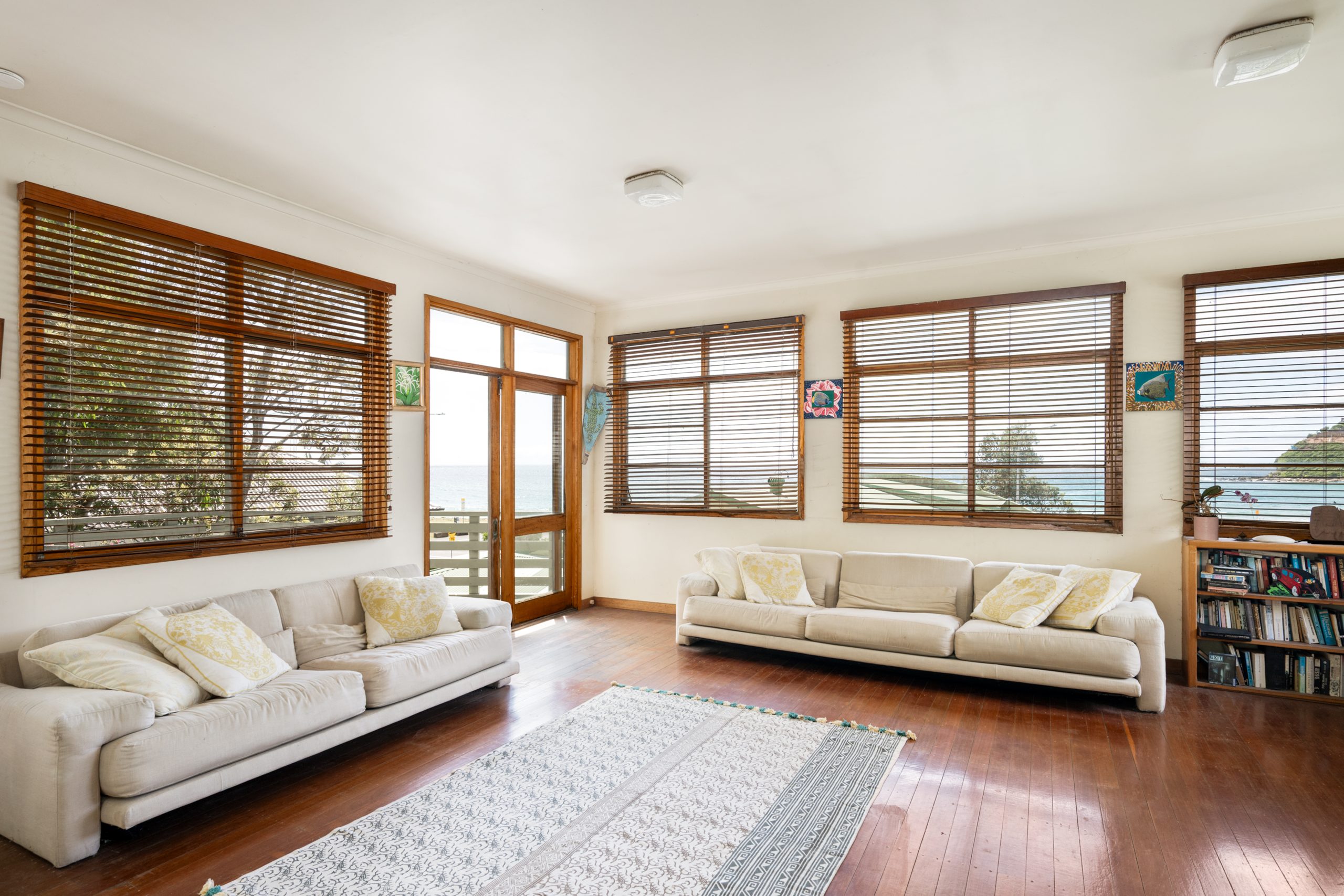
The main residence features a vast central living space framed by a number of bedrooms and sunrooms, as well as a front dining room and kitchen. In total, there are four to five bedrooms, three bathrooms and a powder room adjoining an upstairs loft space.
Big, broad windows draw in loads of natural light and provide iconic views, plus the sounds of the beach just across the road.
Many of the original elements remain, most fittingly the polished floors of the former dance hall. In the additional building at the back of the block, there is a separate, self-contained studio with its own bedroom, bathroom, kitchen and laundry. From its elevated deck, the outlook stretches across the full sweep of Palm Beach.
Outside, the expansive 1151sq m land parcel also features established gardens with veggie patches and standalone decks for quiet contemplation.
Sitting just across the road from the beach, the property is also within walking distance of local cafes and the surf club. Palm Beach Rock Pool is at one end of the beach, with the Palm Beach Golf Club and the water airport at the other end of the peninsula.
The Palladium and Palm Beach Studio at 16 Ocean Rd, Palm Beach are listed with BJ Edwards and David Edwards of LJ Hooker Palm Beach via a private treaty campaign with a price guide of $13.5 million.
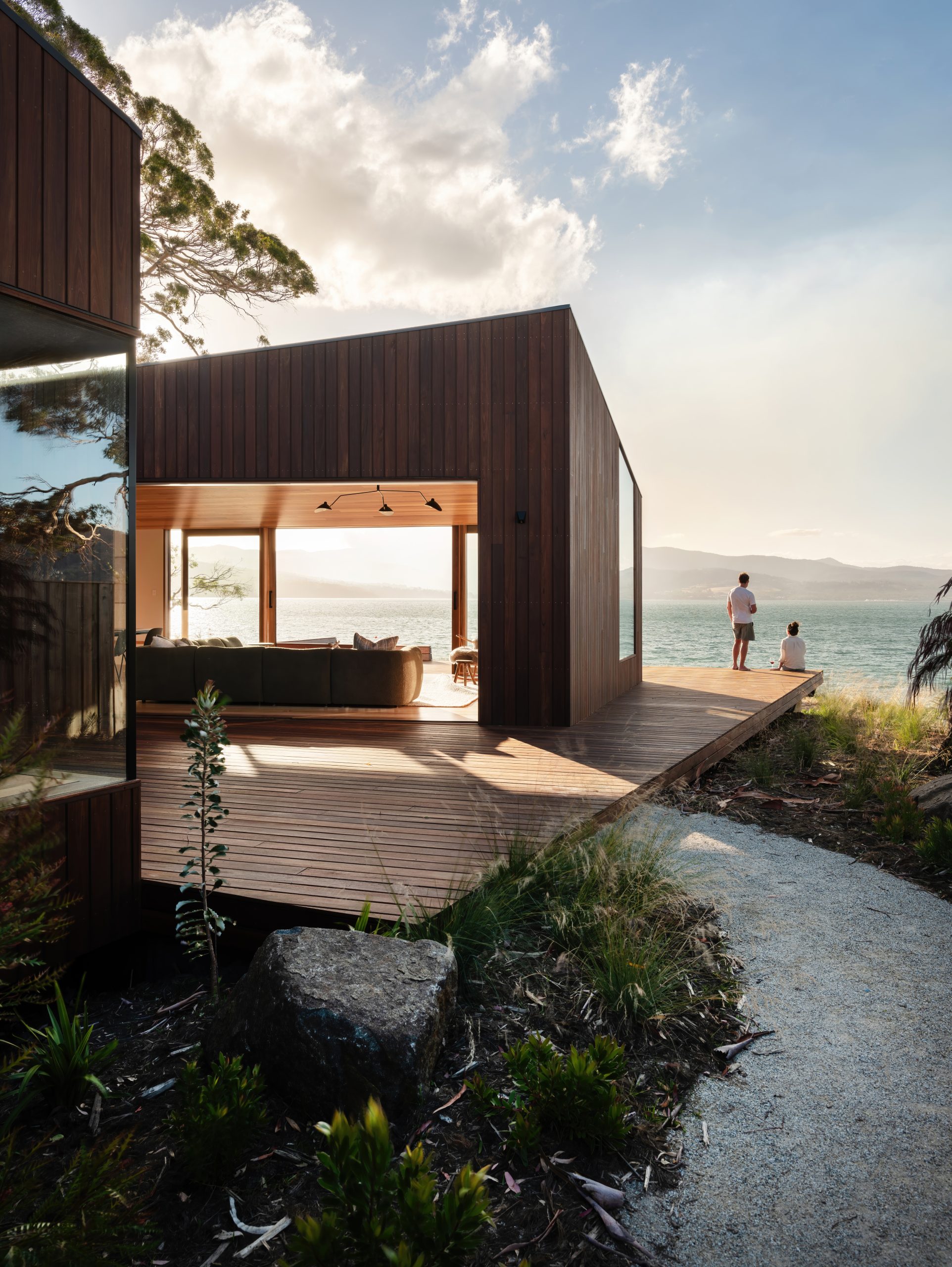
From the shacks of yesterday to the sculptural sanctuaries of today, Australia’s coastal architecture has matured into a global benchmark for design.
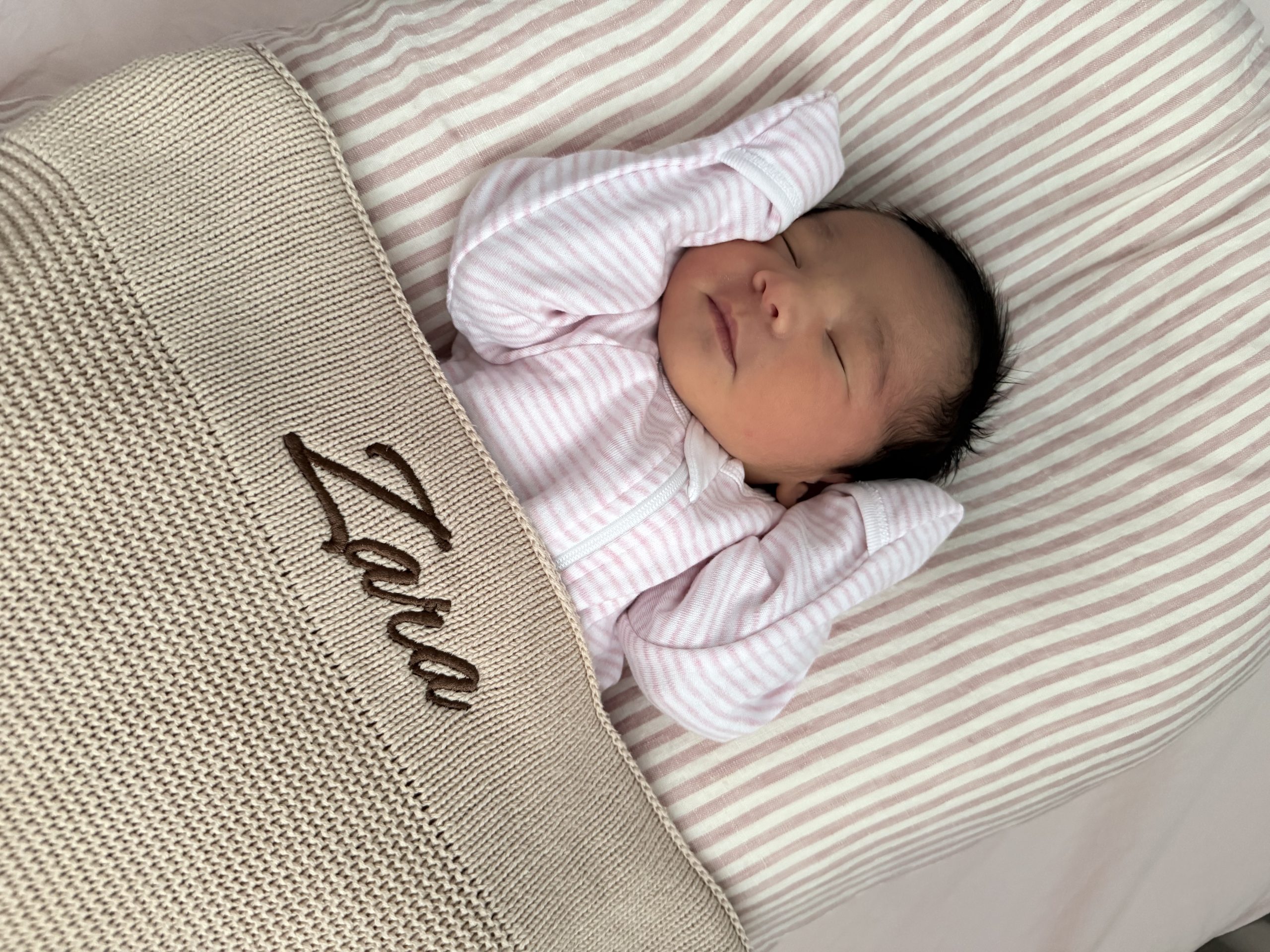
Powerhouse real estate couple Avi Khan and Kaylea Sayer welcome their daughter while balancing record-breaking careers, proving success and family can grow side by side.