The winners and losers in Australian residential real estate in 2025
Australia’s housing market rebounded sharply in 2025, with lower-value suburbs and resource regions driving growth as rate cuts, tight supply and renewed competition reshaped the year.
 5 min
5 min
Australia’s housing market staged a turnaround in 2025, defying intense affordability and cost-of-living pressures to deliver an above-decade-average growth rate of 7.7% through the year-to-date.
Cotality’s annual Best of the Best report, a detailed nationwide breakdown of the suburbs that rose fastest, had the highest rent return or offered the most accessible entry points, identifies which markets led the year’s recovery.
National dwelling values are set to close 2025 at least eight per cent higher, a result Cotality Australia Head of Research Eliza Owen says highlights how quickly conditions shifted after a challenging start.
“Markets entered 2025 under considerable pressure. Affordability had hit a series high, serviceability was stretched and price growth had flattened out. What followed was an unexpectedly strong rebound as interest rate cuts, easing inflation and limited supply reignited competition,” Ms Owen said.
Three rate cuts, an expansion of the 5% Home Guarantee Deposit Scheme and persistently low listing volumes helped drive the recovery, with the housing market recording three consecutive months of growth of at least 1% by November and reaching a new high of $12 trillion.
Owen said the turnaround was most visible across lower-value markets and regions where buyers were able to respond quickly to more favourable credit conditions.
“Tight supply meant even modest demand created upward pressure on prices. Cheaper markets were had the most acceleration because they remained within reach for buyers navigating higher living costs,” she said.

Prestige Sydney remains Australia’s price leader
Sydney’s top-end suburbs sat in their own price bracket in 2025, widening the gap between premium enclaves and the rest of the country.
Point Piper led the national list with a median house value of $17.3 million and unit medians above $3.1 million, followed by long-established areas such as Bellevue Hill, Vaucluse,
Tamarama and Rose Bay.
Owen said the resilience of premium Sydney markets was in sharp contrast to affordability pressures elsewhere.
“Affordability constraints were a defining feature of 2025, yet premium markets continued to operate on their own cycle. These suburbs are far less sensitive to borrowing costs and
listing trends, which is why their performance often diverges from the broader market,” she said.
Mosman recorded the highest total value of house sales nationally at $1.58 billion across 229 transactions, underlining the scale of turnover even in a year of strained serviceability.
Lower-value suburbs delivered the strongest gains
Western Australia dominated high house value growth in 2025, with Kalbarri increasing 40.2% to $515,378 followed by Rangeway (32.2%) and Lockyer (32.0%).
Similar trends emerged in the unit market, with strong results concentrated in Queensland’s mid-priced regions such as Cranbrook (up 29.3%) and Wilsonton (up 26.9%).
Ms Owen said the performance of these markets highlighted the role of affordability at a time of constrained borrowing power.
“Lower value areas offered buyers an opportunity to get into the market if they had the capacity to service a mortgage. Once interest rate cuts started to flow through, demand lifted
quickly in those areas where prices had further room to grow,” she said.
“Investors were a particularly strong driver of demand in markets across WA and QLD, where the share of new mortgage lending to investors reached 38.3% and 41.1%
respectively.”

Perth, Brisbane and Darwin lead capital-city upswing
Darwin posted the strongest rise among the capitals at 17.1% through the year-to-date, following a flat result in 2024, joined by Brisbane and Perth as Australia’s three top-performing capital cities.
The fastest growing capital-city suburb for houses was Mandogalup in Perth (up 33.0% to $944,609), alongside several outer Darwin suburbs where more moderate entry points below $600,000 supported stronger value growth.
The most affordable capital-city suburbs for houses were clustered around Greater Hobart, including Gagebrook, Herdsmans Cove and Bridgewater, all with medians under $450,000.
Suburbs in Adelaide and Darwin provided some of the best value for unit buyers, with medians ranging from less than $250,000 in Hackham, Adelaide to $328,416 for Karama in Darwin.
Biggest gains and the steepest falls in regional Australia
Strong upswings in WA and Queensland contrasted with declines in other regional pockets.
House values fell 11.6% in Millthorpe (NSW) and 10.5% in Tennant Creek (NT) while several unit markets recorded annual declines, including South Hedland (down 14.1%) and Mulwala (down 11.8%).
Owen said these differences reflected the uneven backdrop of supply levels, migration flows and localised demand.
“Some regional areas are still benefiting from relative affordability and tight rental conditions.
Others are adjusting to earlier periods of rapid growth or shifts in local economic activity,” she said.

Mining towns produced the highest yields
Rental demand remained firm across key resource corridors in regional WA and parts of regional Queensland, where constrained supply, strong employment bases and short-stay
workforces contributed to some of the highest yields in the country.
Newman, in the Pilbara, delivered the strongest house yields at 12.6%, reflecting demand linked to iron ore operations, Kambalda East, near the Goldfields mining belt, followed at
12.2%, supported by nickel and gold activity.
Unit yields were even stronger, with South Hedland leading the country at 17.8%, while Newman recorded 14.3% and Pegs Creek recorded 13.2%, as apartment stock is limited
and worker demand remains consistent.
Pegs Creek, located in Karratha, recorded a 23.5% increase in house rents over the year and Rockhampton City recorded a 21.1% jump in unit rents.
Constraints to shape 2026
Market conditions are expected to be more restrained in 2026 as borrowing capacity, affordability and credit assessments place limitations on demand.
National listings remain 18% below the five-year average and new housing completions continue to trail household formation, maintaining the structural imbalance that supported
stronger conditions in 2025.
Owen said that imbalance alone is not enough to drive the same level of growth next year.
“Supply remains tight, but the demand environment is shifting. Inflation forecasts have been revised higher, interest rate expectations have adjusted with them, and households are
facing stricter borrowing assessments. Those factors can temper buyer activity even when stock levels are low,” she said.
“Lower value markets may still outperform because they carry less sensitivity to credit constraints, but overall growth is likely to be more measured compared with 2025.”
Key findings – Cotality Best of The Best (BoB) 2025
- Lower-value suburbs delivered the strongest value gains, led by Kalbarri (WA), up 40.2% for houses, and Cranbrook (Qld), up 29.3% for units.
- Sydney’s premium suburbs remained the country’s highest value markets, with Point Piper recording a house median of $17.3 million and unit median of more than $3.1
million.
- Mosman recorded the highest total value of house sales nationally, with $1.58 billion transacted across 229 sales.
- WA’s resource-linked towns produced the nation’s strongest rental yields, with Newman at 12.6% for houses and South Hedland at 17.8% for units.
- Pegs Creek (WA) had the highest annual house rent increase at 23.5%, unit rents rose the highest in Rockhampton (QLD), up 21.1%.

Two coming 2027 models – the first of the “Neue Klasse” cars coming to the U.S. early next year – have been revealed.

A&K Sanctuary unveils Kitirua Plains Lodge, a sustainability-focused luxury property shaped by landscape, local craft and contemporary safari architecture.

After half a century in the same hands, The Palladium blends Art Deco heritage, cinematic history and beachfront living in one extraordinary offering.
3 min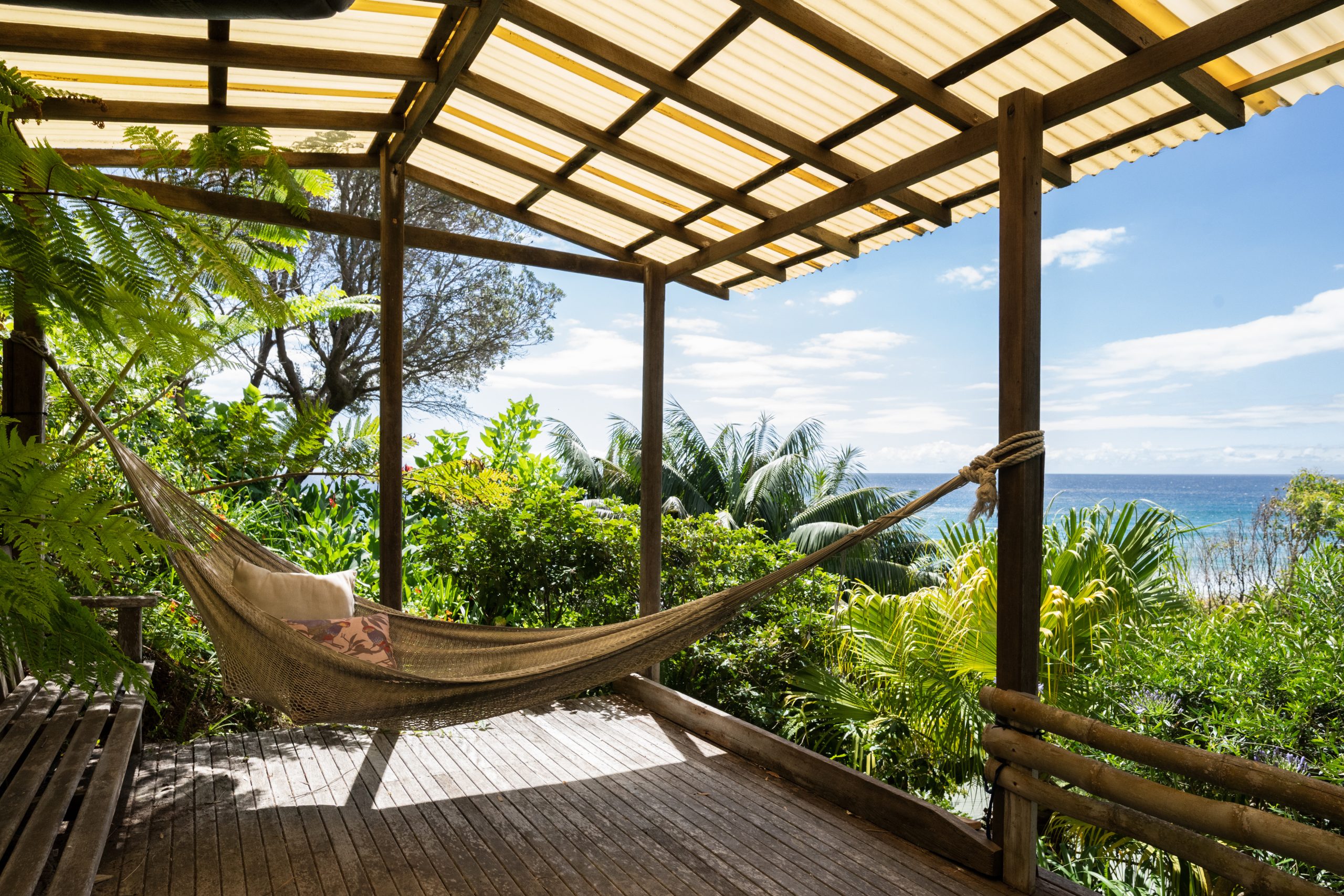
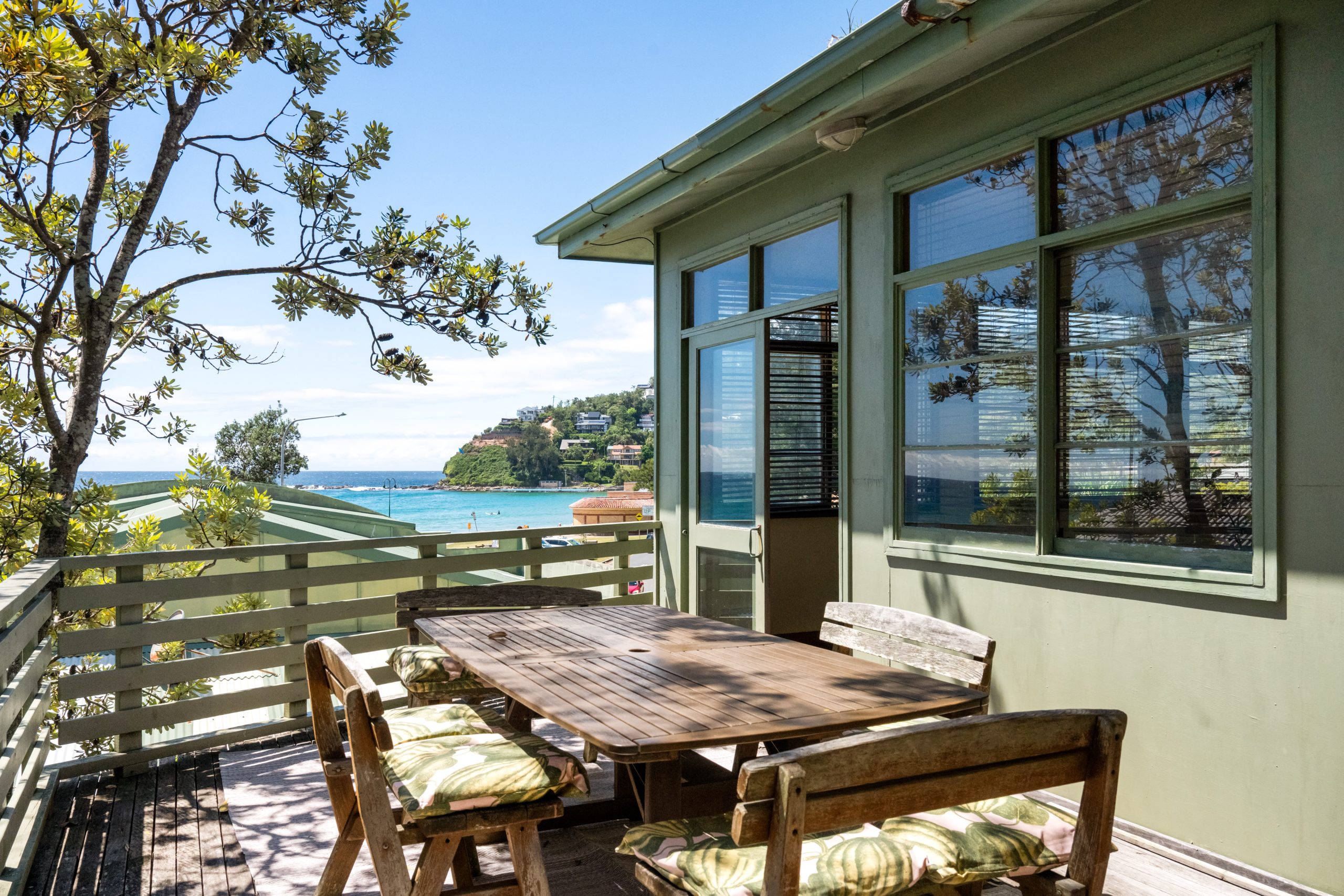
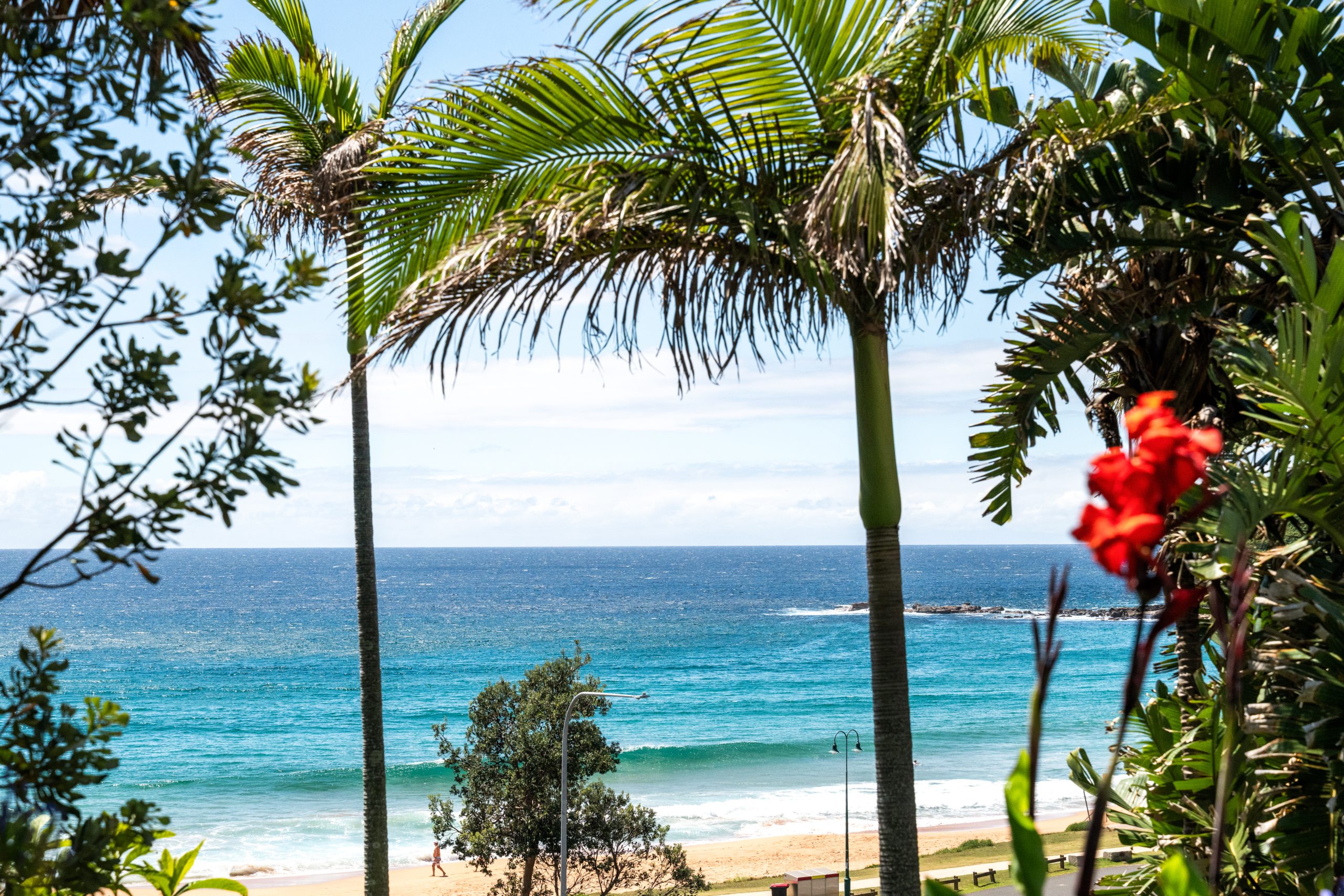
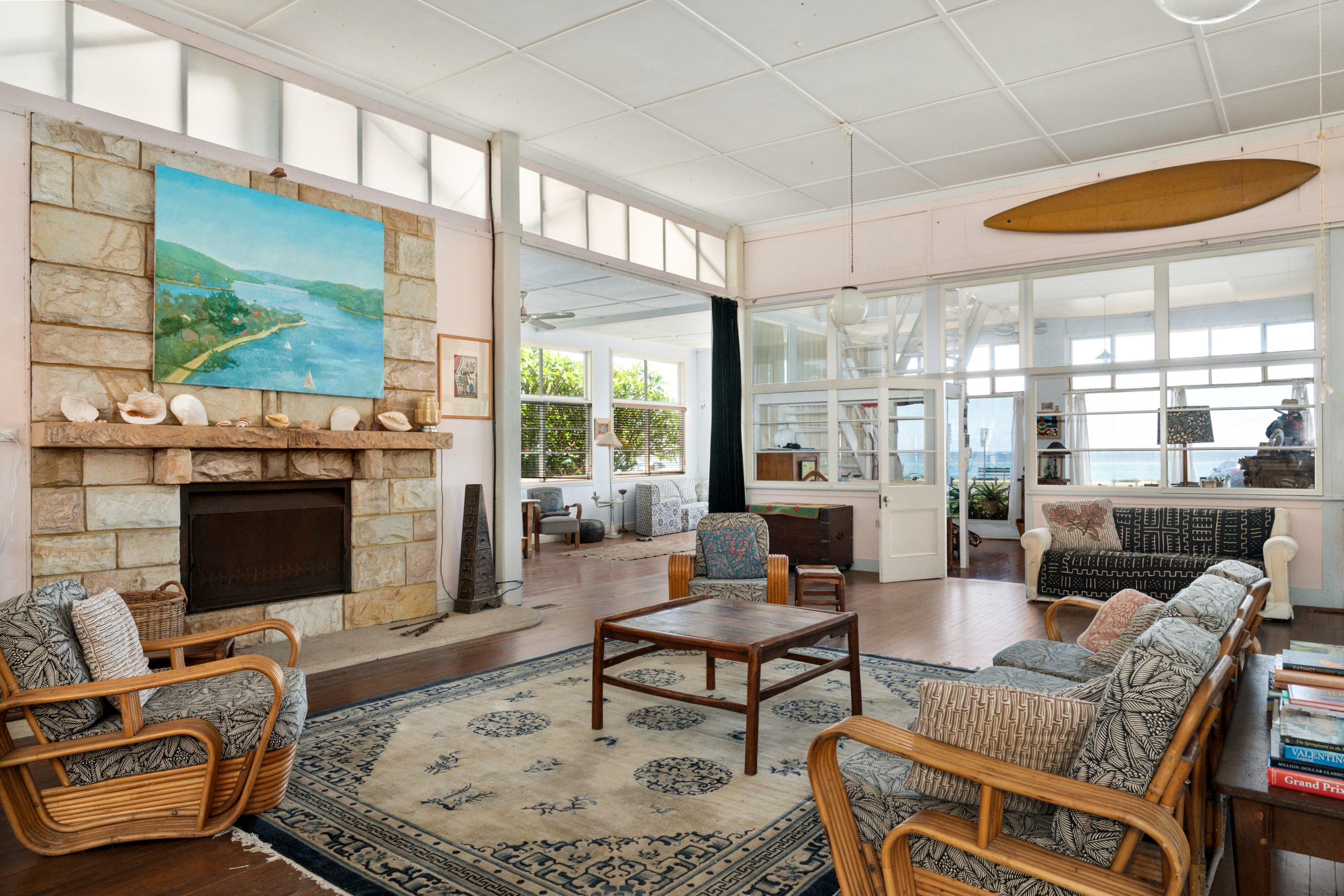
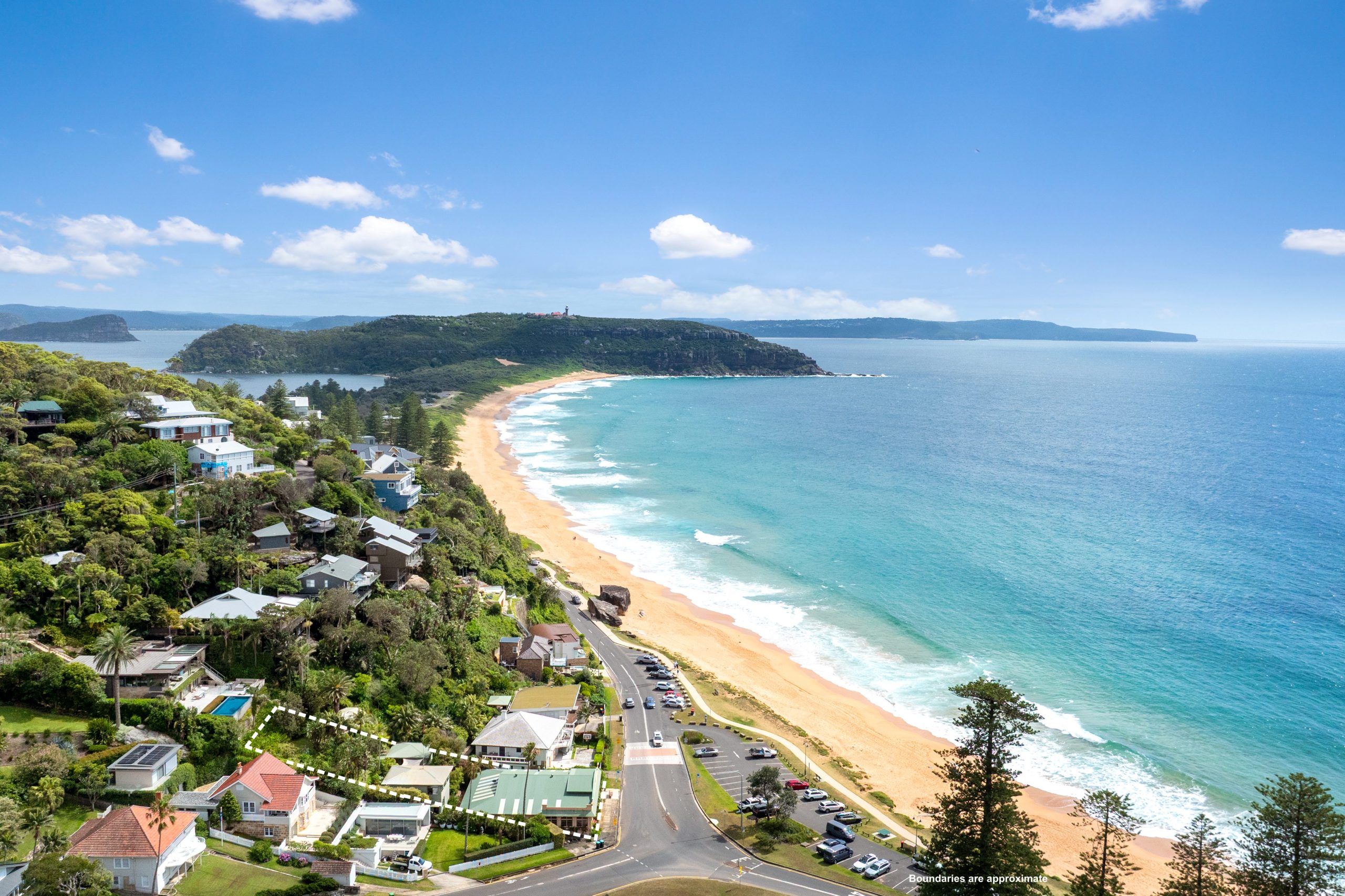
In Sydney’s Northern Beaches, there are plenty of homes with a multimillion-dollar view and an enviable position close to the sand.
This unique listing has all that, but it has also earned its page in the local history books.
After 50 years in the same hands, The Palladium in Palm Beach—once a famed dance hall, then a restaurant, a private residence, and an artists’ studio—is now back on the market with a price hopes of $13.5 million through BJ Edwards and David Edwards of LJ Hooker Palm Beach.
Positioned in a rare corner spot where Ocean Rd meets Palm Beach Rd, The Palladium has been front and centre observing the famous sandy stretch for almost a century.
Built in the early 1930s, the Art Deco building was originally conceived as a vibrant community dance hall; the “it” place to be for young folk during Sydney’s thriving interwar period.
Often the dances were held to raise money for the Palm Beach Surf Life Saving Club, and newspaper reports of the time told of rowdy parties lasting until the early hours, bootleg liquor arrests, and where shorts and sandals—or even pyjamas—were scandalously worn by “both sexes”.
Over the decades, The Palladium has worn many hats.
By 1943, the original owner, Joseph Henry Graham, had defaulted on his loan, and a mortgagee sale reportedly sold the building for £1550, which translates to about $137,000 today. It later became a dining space and a general store run by the Milton family. In the 1960s and early 1970s, the property was also home to the Blue Pacific Restaurant.
The current owners acquired the keys in 1976 when it began its next chapter as a creative hub. One of today’s vendors, filmmaker David Elfick, who has been a filmmaker and producer on such films as Newsfront and Rabbit-Proof Fence, has told stories of a free-spirited creative hub that has been used for film sets, to store numerous movie props, as editing rooms, to hold countless parties and has even hosted visiting members of the Royal Shakespeare Company.
From its famed beachside soirees to its grassroots film club nights, the venue has become woven into the cultural fabric of Palm Beach.
Today, that rich history has been reimagined into a coastal home that honours its past while embracing contemporary beachside living.
Built in a unique architectural style known as streamline moderne, the aeroplane hangar-like building reflects the era’s fascination with air travel, mass transport, and modernity. The facade is defined by a sweeping curved roofline and subtle nautical cues.
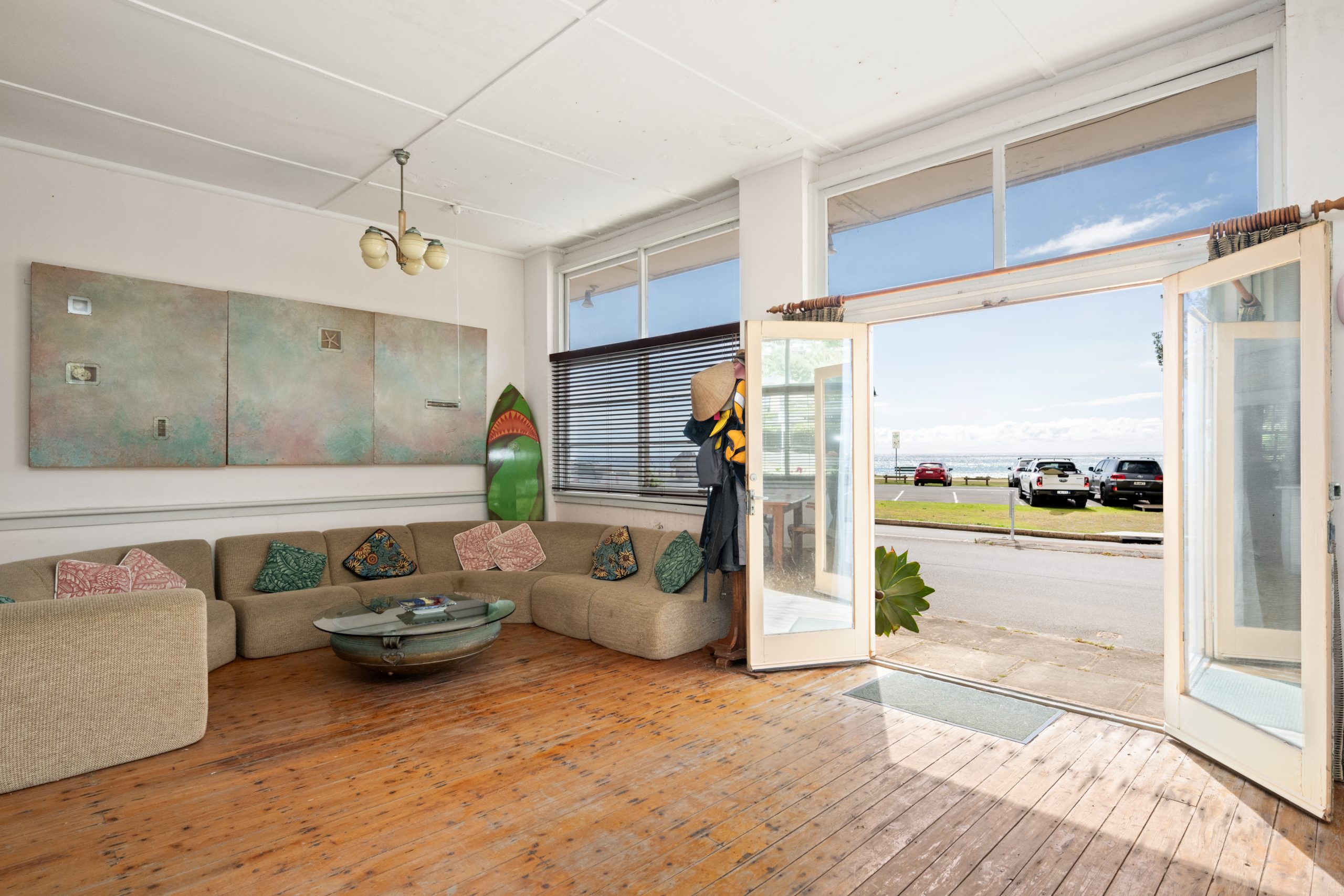
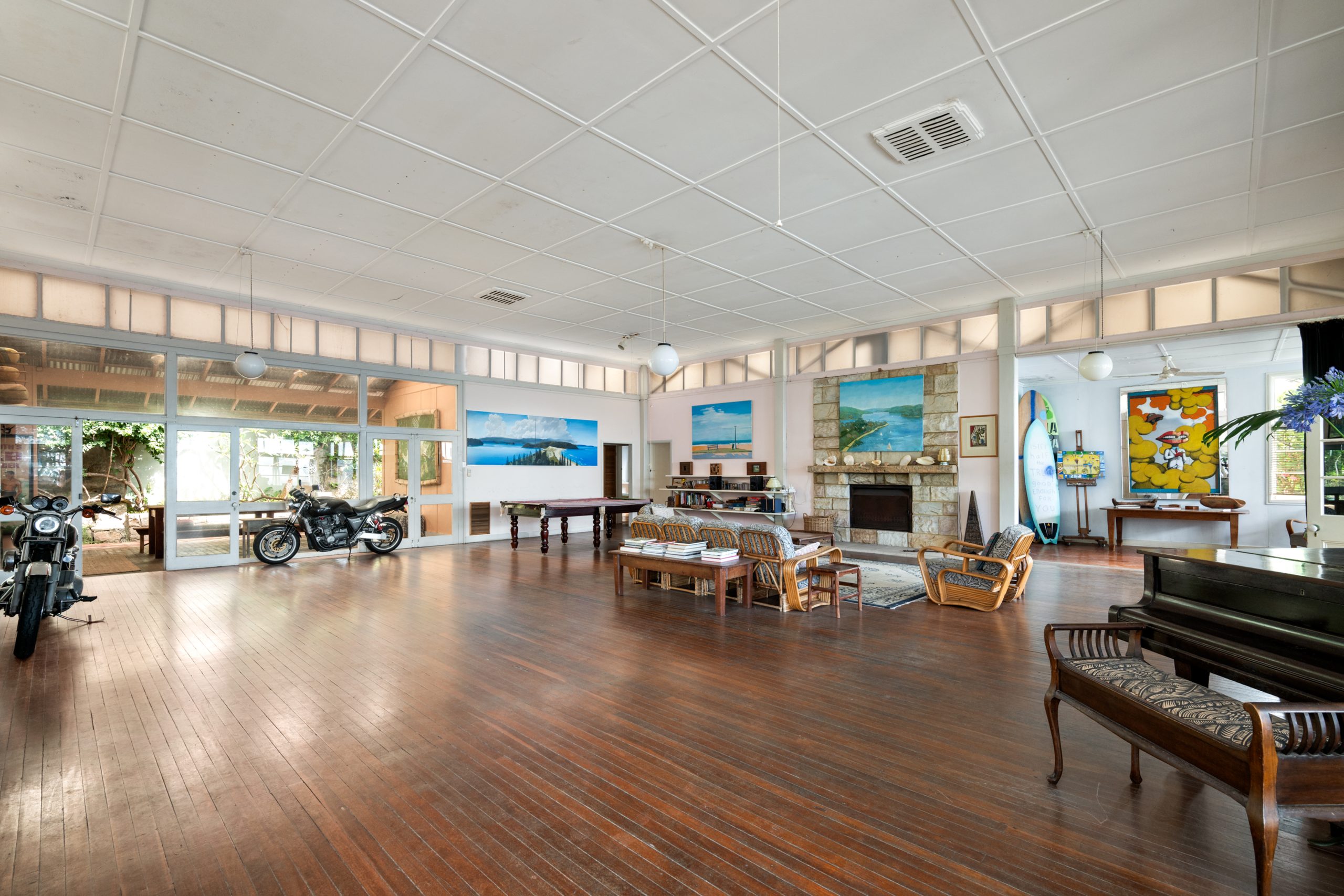
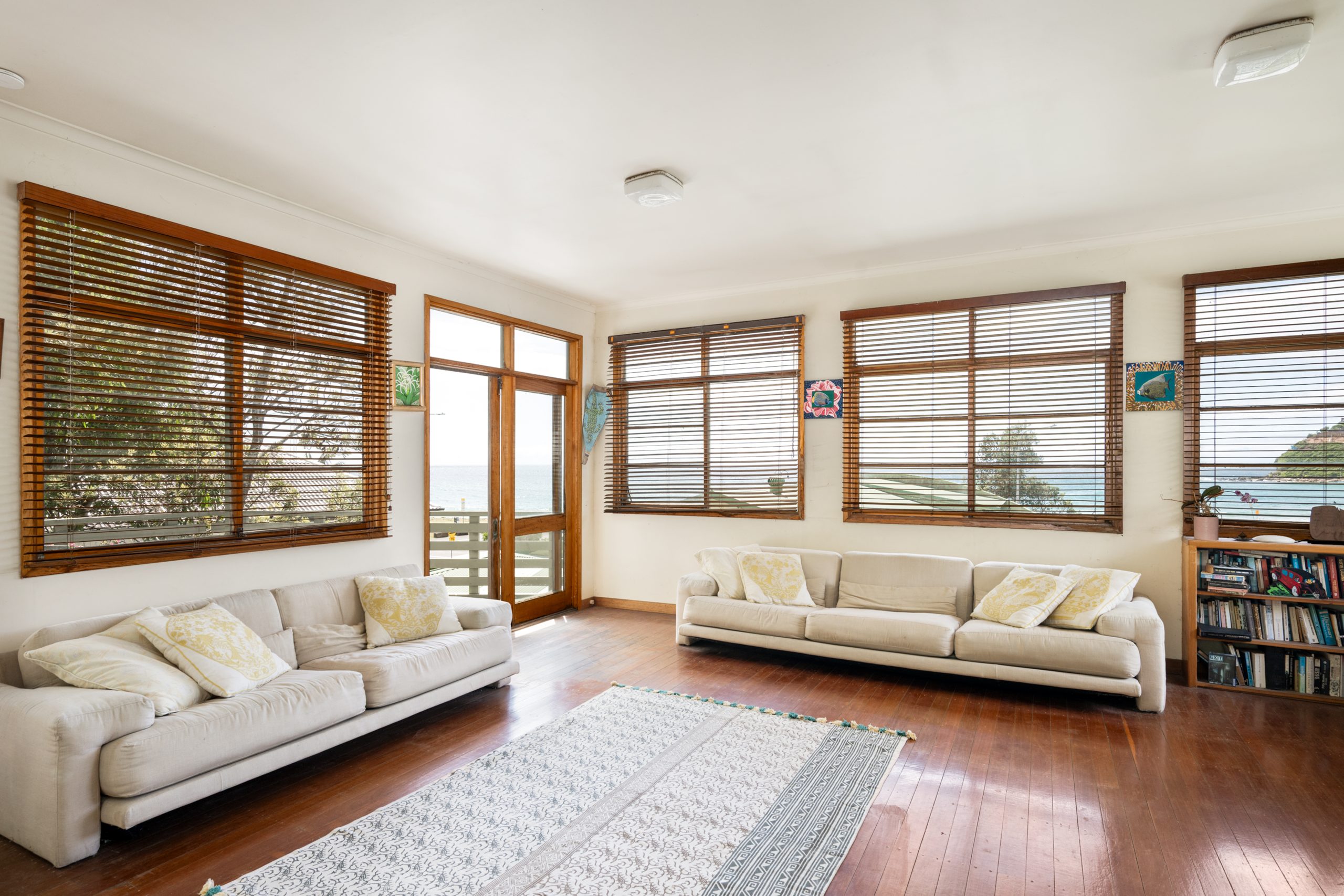
The main residence features a vast central living space framed by a number of bedrooms and sunrooms, as well as a front dining room and kitchen. In total, there are four to five bedrooms, three bathrooms and a powder room adjoining an upstairs loft space.
Big, broad windows draw in loads of natural light and provide iconic views, plus the sounds of the beach just across the road.
Many of the original elements remain, most fittingly the polished floors of the former dance hall. In the additional building at the back of the block, there is a separate, self-contained studio with its own bedroom, bathroom, kitchen and laundry. From its elevated deck, the outlook stretches across the full sweep of Palm Beach.
Outside, the expansive 1151sq m land parcel also features established gardens with veggie patches and standalone decks for quiet contemplation.
Sitting just across the road from the beach, the property is also within walking distance of local cafes and the surf club. Palm Beach Rock Pool is at one end of the beach, with the Palm Beach Golf Club and the water airport at the other end of the peninsula.
The Palladium and Palm Beach Studio at 16 Ocean Rd, Palm Beach are listed with BJ Edwards and David Edwards of LJ Hooker Palm Beach via a private treaty campaign with a price guide of $13.5 million.

From citrus oils to warming spices, the classic G&T is being reimagined at home as a more thoughtful, seasonal ritual for modern entertaining.

From gorilla encounters in Uganda to a reimagined Okavango retreat, Abercrombie & Kent elevates its African journeys with two spectacular lodge transformations.