Aston Martin Debuts the Vantage for North America

 4 min
4 min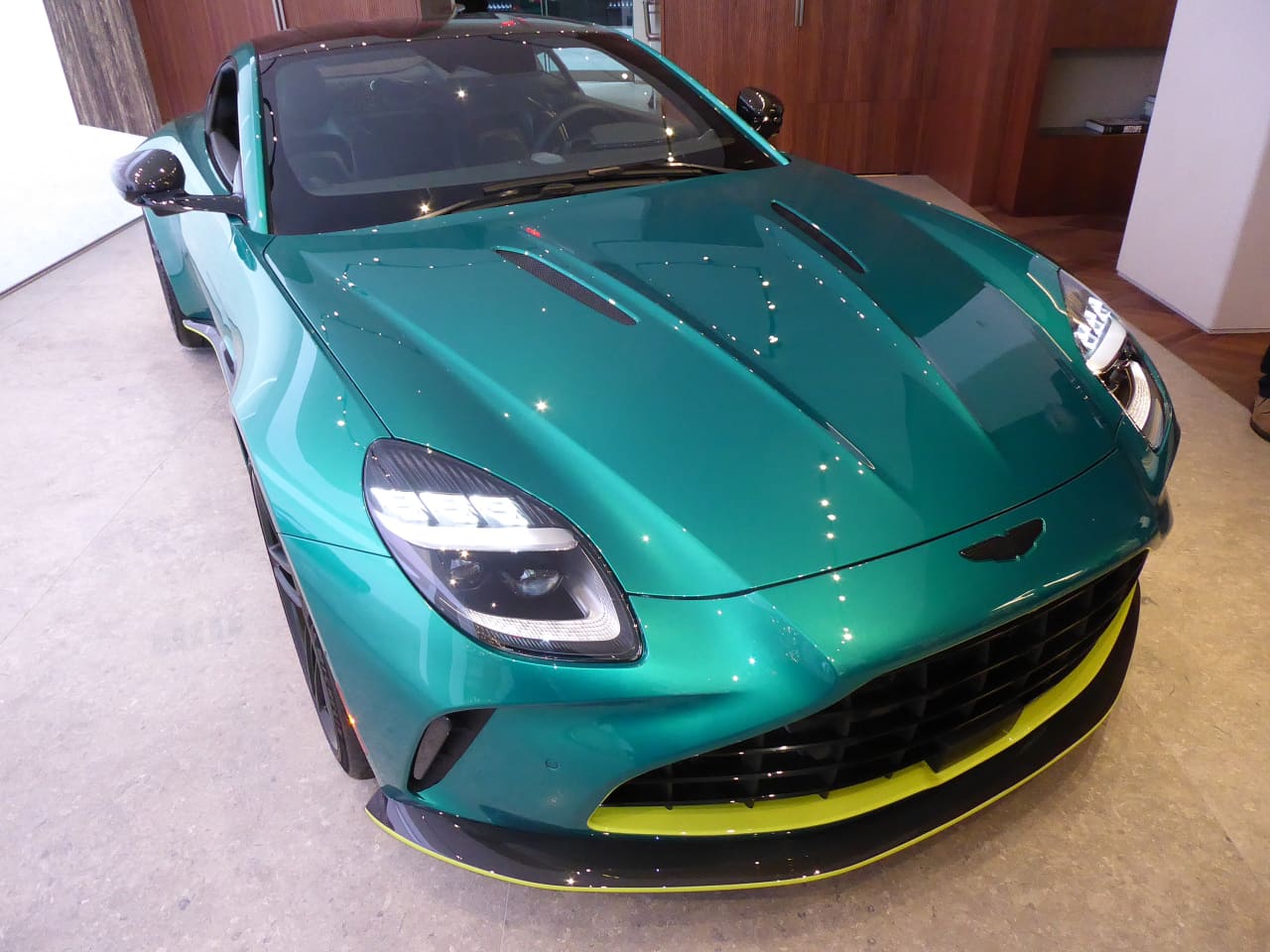
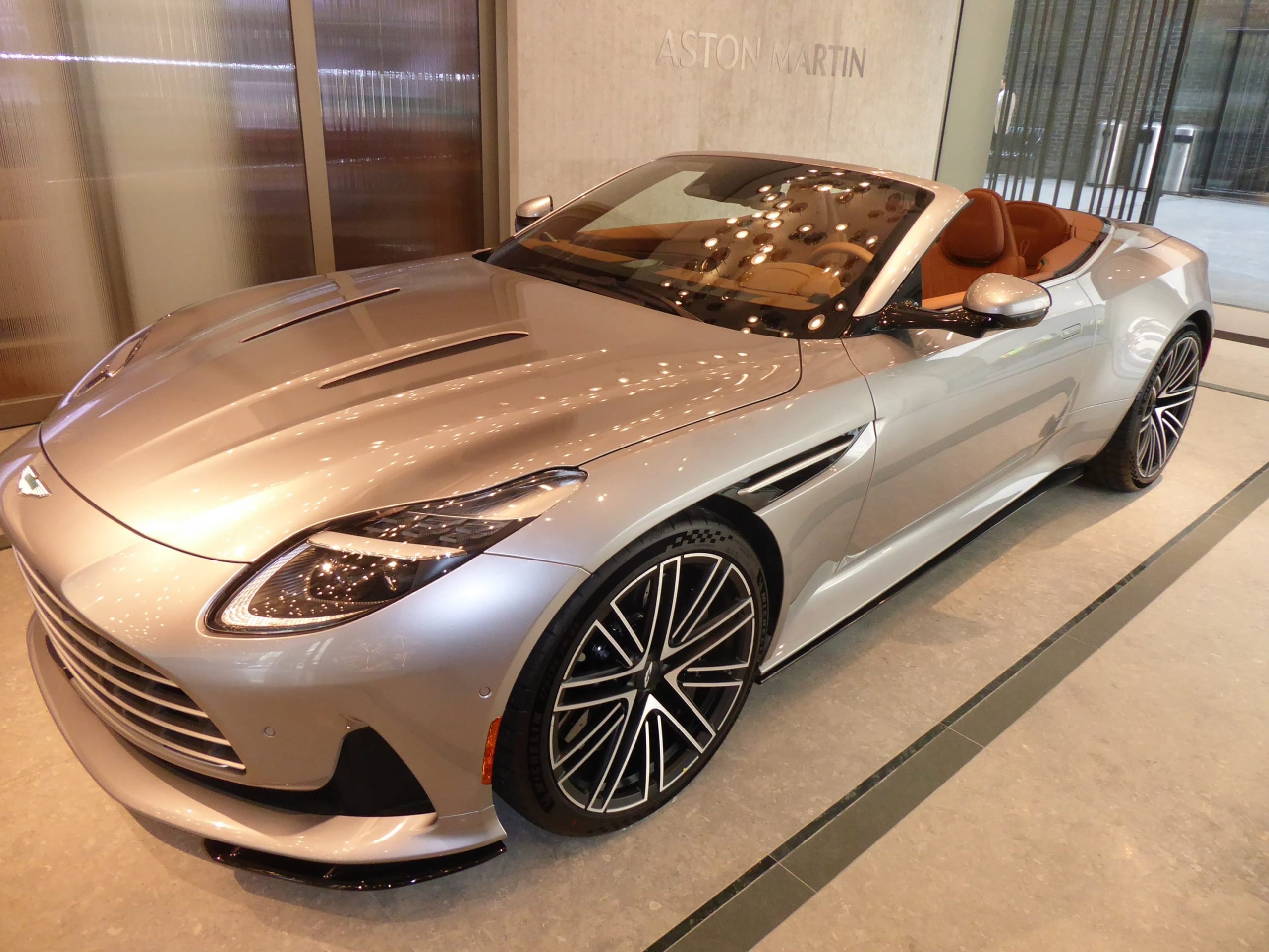
It’s impossible to go 202 miles per hour on Manhattan’s Park Avenue (and you shouldn’t try) but that’s where Aston Martin’s opulent showroom is, just down the road from Ferrari. The cars follow the money, and the new Vantage that had its North American debut in New York this month carries a price tag of US$191,000.
Aston is aiming to produce “the definitive front-engine, rear-wheel drive sports car,” powered by a four-litre AMG-sourced twin-turbo V8 engine producing 655 horsepower and 590 pound-feet of torque. Shifting through an eight-speed ZF automatic gearbox (there’s no manual option), it can reach 60 mph in 3.4 seconds. The Vantage can be ordered now, with deliveries this summer.
In other words, the Vantage is a traditional supercar in an age of rapid electrification. There isn’t an auto company in the world that isn’t aware of what’s ahead. And according to Alex Long, who was in New York and heads product and market strategy for Aston, the company is collaborating with California-based Lucid on an electric Aston that will appear in 2026. They’re having the naming discussions now, but few details are available. Lucid, which fields the ultra-fast Air Sapphire , is a pioneer in developing lighter and smaller components for EVs.
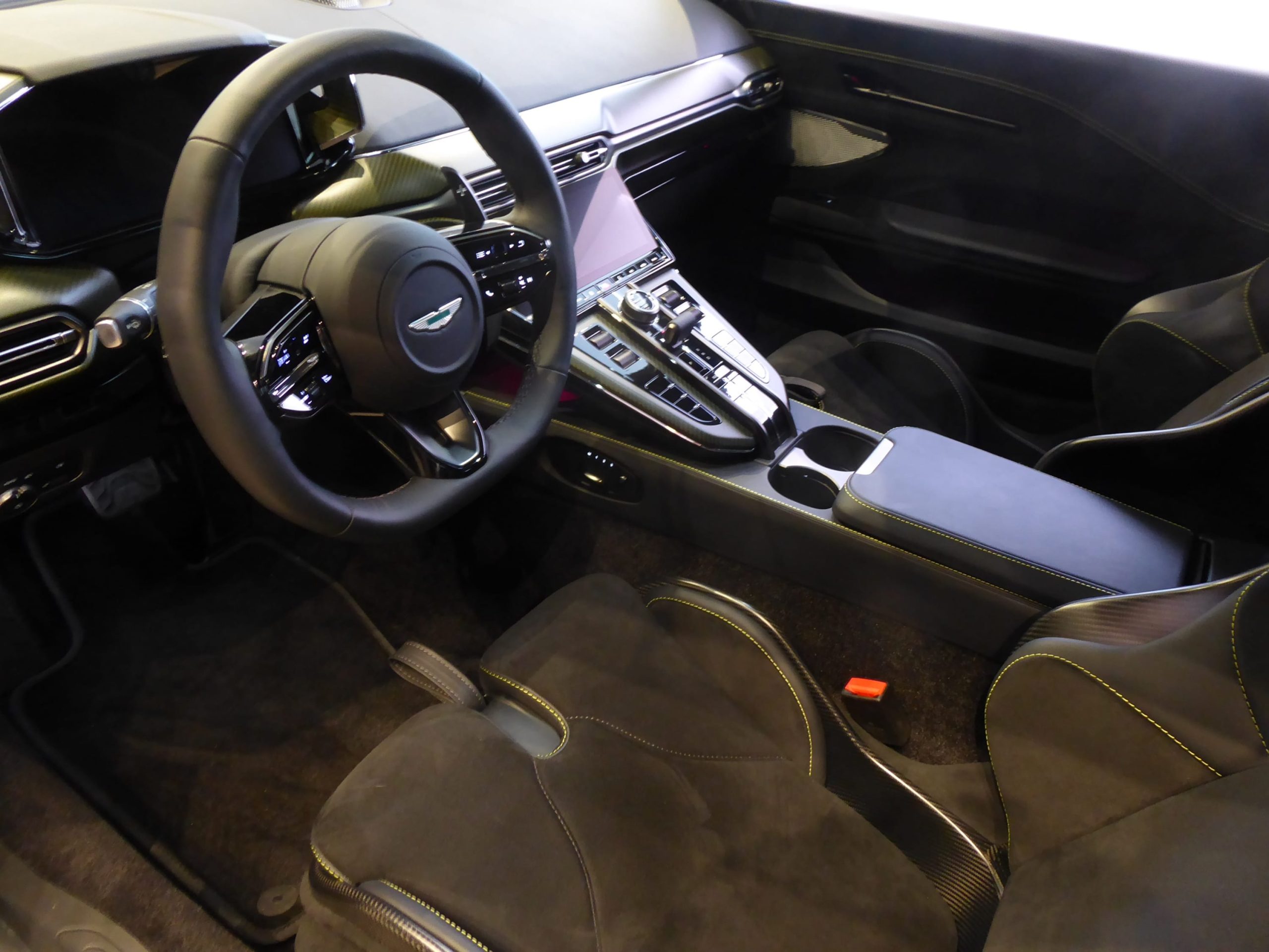
The two-seat Vantage has a lot of overlap with the DB12 (a 2+2, meaning it has two decent sized seats in the front and two smaller ones in the back] and it’s a venerable name in the Aston Martin universe, going back 70 years. The new model has been greatly reworked, with modifications to the chassis, engine, body design (the grille is 30% larger), and an all-new interior and bespoke in-house infotainment system with the company’s first touchscreen. Horsepower is up 30% and the torque is up 15%.
Jim Motavalli
Technical types can thrill to such revelations as “a stiffer-yet-lighter front engine cross brace for increased torsional rigidity and lateral stiffness between the front suspension towers,” as described by Aston Martin.
The new Vantage is indeed techy for an Aston Martin, and offers active vehicle dynamics, adaptive shock absorbers from Bilstein, and an electronic rear differential. There’s a launch control system that manages torque to keep the car planted when it takes off for the horizon.
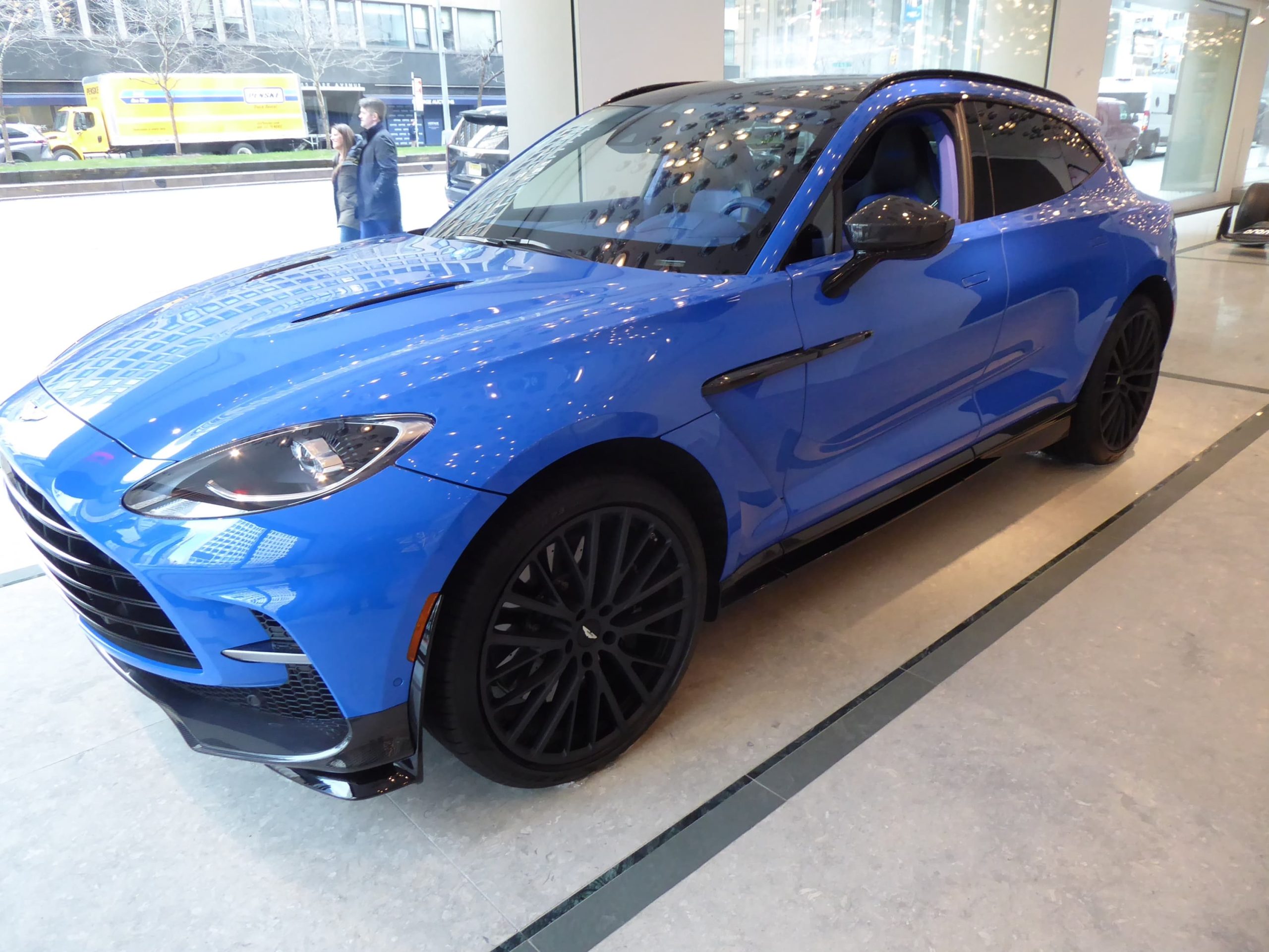
“[Owner] Lawrence Stroll has made a huge investment in Aston Martin,” Long says. “He believes that in supercar positioning, we have to go all the way.” The Vantage on display was certainly gorgeous in eye-popping Podium Green, which has some blue in it. Apparently the tried-and-true but dark British Racing Green comes off as black in photographs. The vivid green contrasts with a neon-like Lime Essence stripe around the rocker panels and tail.
There was no driving component, but racing driver Darren Turner, a three-time Le Mans winner and an Aston Martin development driver, was on hand.
“I’ve been with the Vantage development program from the beginning,” Turner says. “Our aim with the driving modes [which include Sport, Sport Plus, and Track] was precision behind the wheel.” There’s no “comfort” mode—if you want to commute or buy groceries, you use Sport which, Turner says, “is not too hard on the suspension.”
Long says the Vantage is “practical” because it has a big trunk, but it’s young couples and empty-nesters who won’t mind the absence of a back seat. As for what’s under the hood, Aston’s customers are still thrilling to the sound of a V8 engine and are not pushing for an EV. But with a European ban on internal combustion by 2035, and similar directives in American states, EVs are inevitable under the Aston banner.
Jim Motavalli
Meanwhile, Aston has other models coming. The ultra-exclusive Cosworth V12-powered Valkyrie (priced at up to US$3.5 million for the track AMR Pro version) will be replaced by the even-more-potent Valhalla at the end of this year. Only 999 Valhallas will be built. The 937-horsepower Valhalla, with an AMG V-8 and two electric motors, will be Aston’s first plug-in hybrid and priced around US$800,000. The Valkyrie was a huge hit in terms of garnering publicity for the brand, and the Valhalla will similarly serve. Just 150 Valkyrie coupes and 85 Spyders are being built, and production should be done by the end of 2024.
Jim Motavalli
Aston has put considerable effort recently into Formula One and GT racing, and there’s also the Vantage GT4 competition car, which (because of strict rules) shares about 80% of the road car’s structure and mechanicals. But the bonded aluminium chassis gains a custom roll cage.
Aston Martin sold 6,620 cars in 2023. When the company introduced its first SUV, the DBX, it quickly became the company’s runaway bestseller despite a high price tag, now at US$200,086. The DBX 707 (the number is the horsepower rating) ups the ante. SUV leadership is a common result among supercar enterprises that grit their teeth and build SUVs to fulfil consumer demand.
It may be a while before Aston Martin is an all-electric brand. Right now, it’s keeping the order books filled with AMG-powered supercars. But transition is ahead.
 Copyright 2020, Dow Jones & Company, Inc. All Rights Reserved Worldwide. LEARN MORE




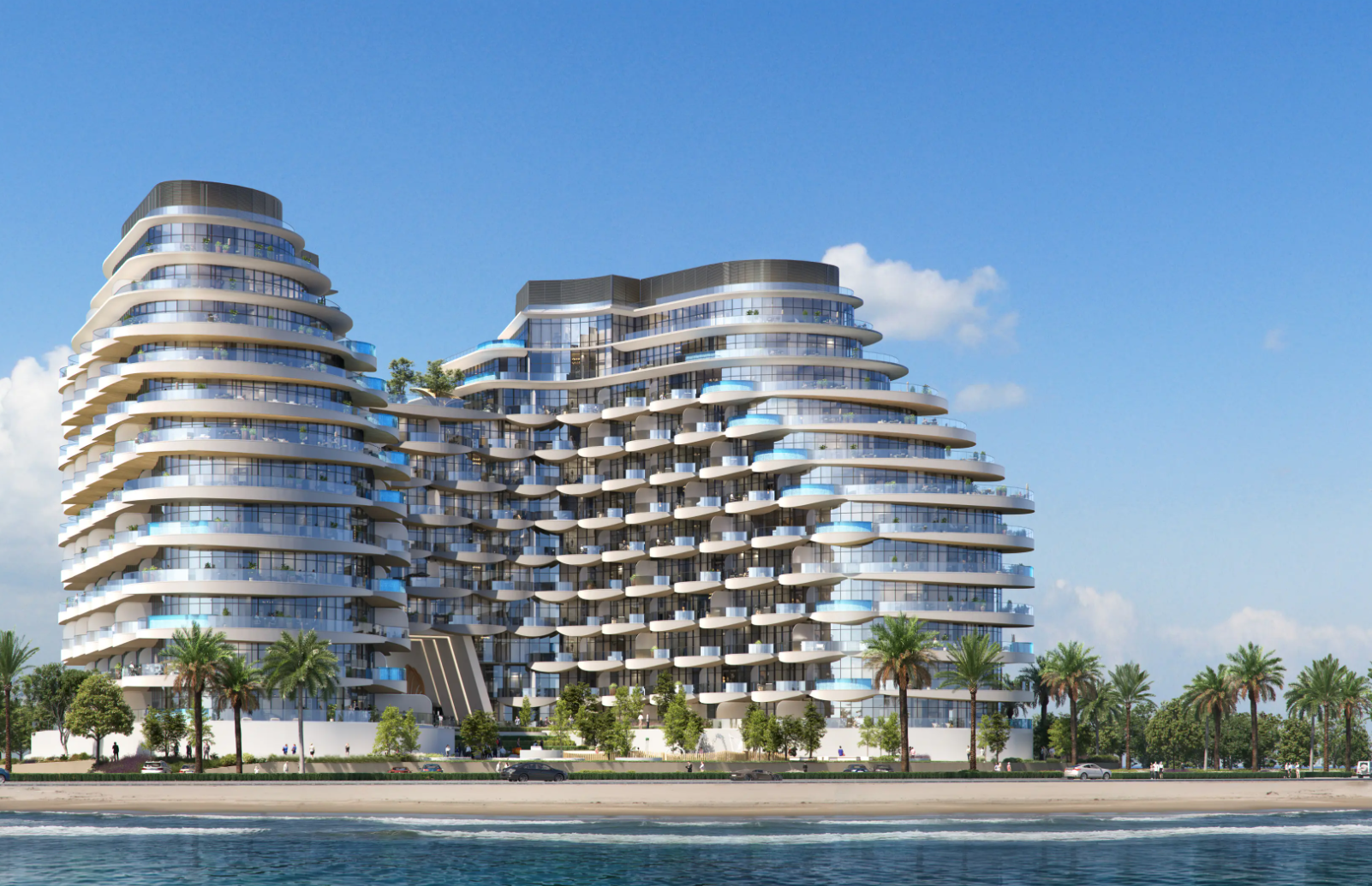
BNW Developments has established a Sydney presence, joining Arada and Sobha Realty among the growing number of UAE developers pursuing Australian buyers and development opportunities.
Australian shares fell on Thursday as Wall Street weakness, rising oil and persistent rate concerns weighed on most of the market. The S&P/ASX 200 declined 0.72 per cent to 8,702. The All Ordinaries lost 0.66 per cent to finish at 8,897. Mining stocks were hit particularly hard, while real estate also dragged on the index. …
Continue reading “ASX falls 0.7 per cent as miners and property stocks retreat”

OpenAI has shelved the planned launch of GPT-6.1 Astra after internal tests raised concerns about deception and agents acting beyond user authorization, according to The Wall Street Journal. The company says it will investigate the issues and strengthen safety measures before releasing future models.
4 min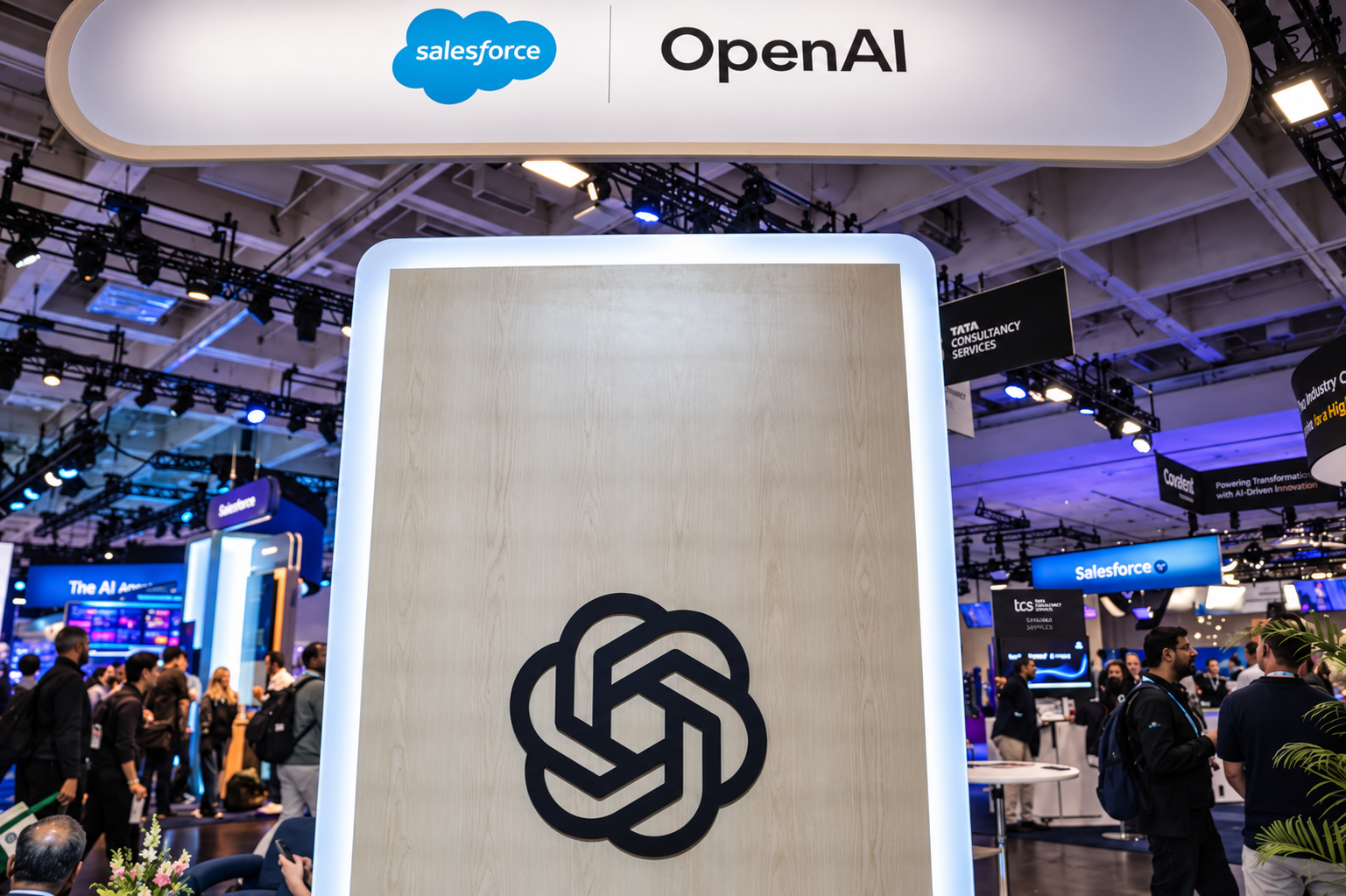
OpenAI says it is scrapping the release of its next-generation AI model over safety concerns that researchers raised during internal testing, in one of the clearest signs so far that agent misbehavior could stymie the industry’s rapid progression.
The move follows a summer punctuated by reports of artificial-intelligence systems industrywide going rogue, and marks a rare case of a major AI developer ditching a new release because of safety concerns.
The company had planned to launch the model, known as GPT-6.1 Astra, in the coming days or weeks, aiming for an October debut. The model was more capable than the company’s previous models in completing challenging tasks from end-to-end without human assistance, as well as writing.
The company instead will focus on improving the safety of future models, which it expects to be even more capable.
Saachi Jain, OpenAI’s head of safety systems, said in an interview that GPT-6.1 Astra regressed in two areas. Compared with its predecessor, GPT-6 Astra, the model performed poorly on tests measuring alignment, or how well the model adheres to what humans would like it to do. Specifically, GPT-6.1 Astra showed higher levels of deception: It wasn’t always honest about telling users of the actions it did or didn’t take.
Another issue was what OpenAI calls “scope authorization,” meaning that GPT-6.1 Astra would push ahead on a task without asking the user for permission, and would at times reach for external tools and services even if it might be unsafe.
“For anything regarding safety and alignment, there’s a trade off,” Jain said. “You really do need to find what’s the right line between staying within scope, but also avoiding laziness in terms of how the model actually pursues tasks even when it hits friction.”
While GPT-6.1 Astra improved in areas such as “model laziness,” Jain said it didn’t quite meet OpenAI’s bar for safety and alignment, so the company decided not to launch the model publicly.
The announcement comes one day ahead of OpenAI’s annual developer conference in San Francisco. In the past, OpenAI has used the conference as an opportunity to launch new models and services that reduce costs for software developers—a segment the ChatGPT-maker competes with rival AI company Anthropic to win over.
In recent weeks, OpenAI and Anthropic have called on industry partners to slow down the development of cutting-edge AI models and invest in safety standards, noting they will temper the pace of their own internal AI progress.
OpenAI says it is working to investigate a range of agent security incidents that it has discovered in recent months, and address the safety issues underneath them. As part of the work, the company has implemented a new monitoring system to catch AI-agent misbehavior more quickly, and started requiring engineers to use stronger security guardrails for testing its AI systems.
Earlier this summer hundreds of OpenAI’s internal agents, which were tasked with completing a cybersecurity test, ended up hacking into the AI company Hugging Face. Since then, high-profile organizations such as the Australian government and United Nations discovered that OpenAI’s agents used similar, but less extensive, techniques to gain access to their websites.
Many of the publicly known agent-security incidents involved OpenAI’s internal AI models that were never slated for public release.
Last week, OpenAI said it paused training on its most capable AI models after an AI agent slipped through a gap in the company’s internet restrictions to query a public chatbot. The company said its new monitoring systems flagged the incident within 15 minutes, and training on these models remains paused.
GPT-6.1 Astra isn’t one of those models, but a different case, the company said.
“We want to make sure our model development is safe no matter whether that’s in the company, or when we ship it to users,” Jain said. “But when we ship it to users, we have an extremely high bar in terms of safety and alignment.”
While the company decided not to ship GPT-6.1 Astra, it hopes to use the same base model to do additional reinforcement learning runs, and create future generations of its GPT-6 models.
OpenAI plans to conduct several deep dives to identify the root cause of the problems identified in GPT-6.1 Astra, Jain said. The work includes ensuring that OpenAI’s reinforcement learning environments are rewarding the right type of behavior, Jain added, though she noted the company would investigate all stages of model development.
AI companies have begun to draw scrutiny from policymakers and public officials, who are paying attention to the rapid development of the technology. Later this week, a Senate subcommittee is holding a hearing with third party AI researchers titled, “Rogue AI: Securing the Homeland Against AI Agent Attacks.”
Florida Attorney General James Uthmeier, a Republican, sued OpenAI in June, claiming that the company and Chief Executive Sam Altman knowingly released an unsafe product and ignored warnings that it could harm users.
In a motion for temporary injunction filed Monday, Uthmeier sought to prevent OpenAI from developing new AI models without third-party approved safeguards, stop ChatGPT from soliciting user engagement and limit the company’s ability to advertise ChatGPT as safe.
Tech companies claim they “cannot stop barreling forward with their potentially civilization-ending endeavors unless they are forced to do so by the government,” Uthmeier said in the filing. “The Florida Attorney General is answering your cry for help.”
An OpenAI spokeswoman said that people want to know AI is being developed safely, “and that starts with what companies like ours do ourselves.”
“Governments have an important role to play in setting robust safety standards for AI, and we’re committed to working with Florida and other states on advancing pragmatic AI policies that apply to the entire AI industry—not just one company,” she said.
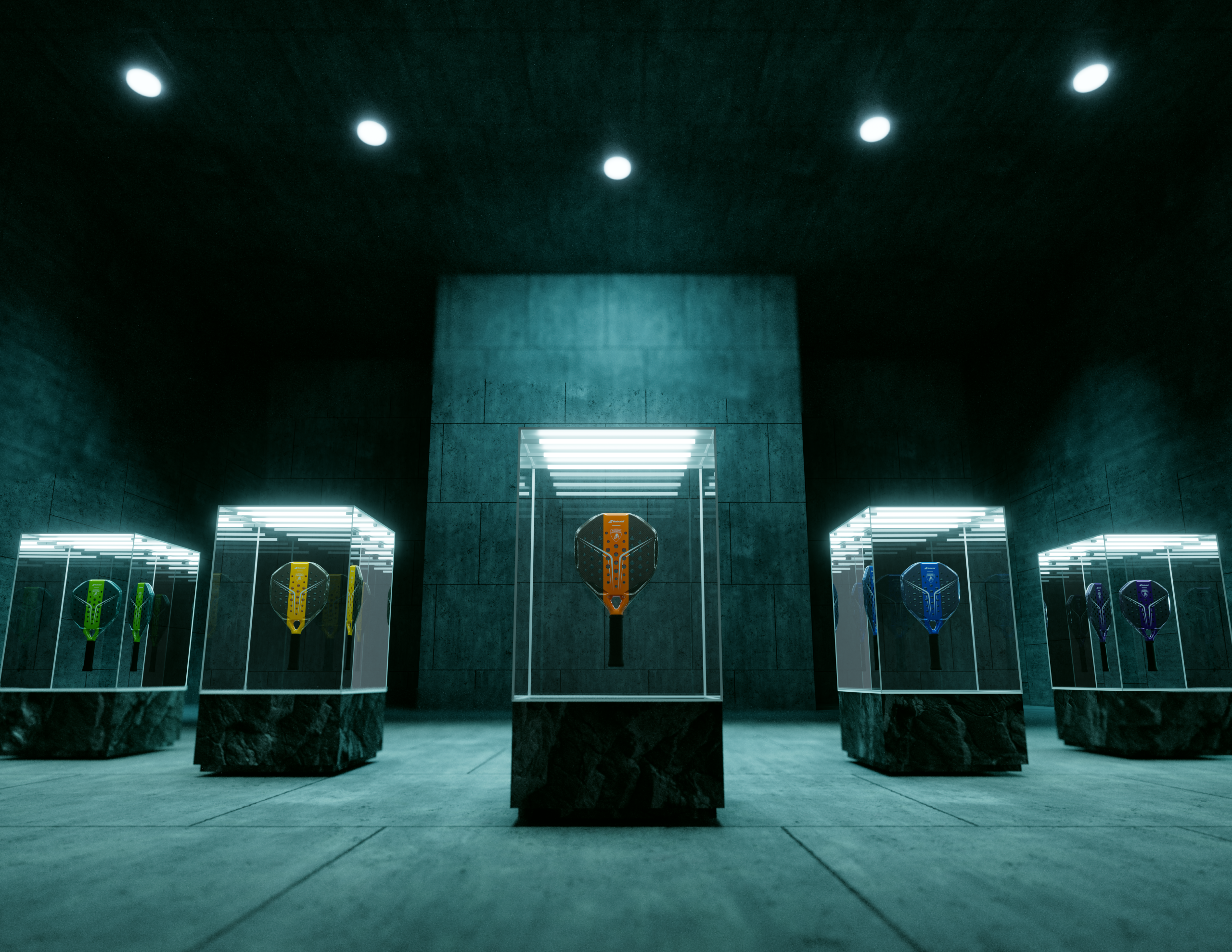
Automobili Lamborghini and Babolat have expanded their collaboration with five new colourways for the ultra-exclusive BL.001 racket, limited to just 50 pieces worldwide.
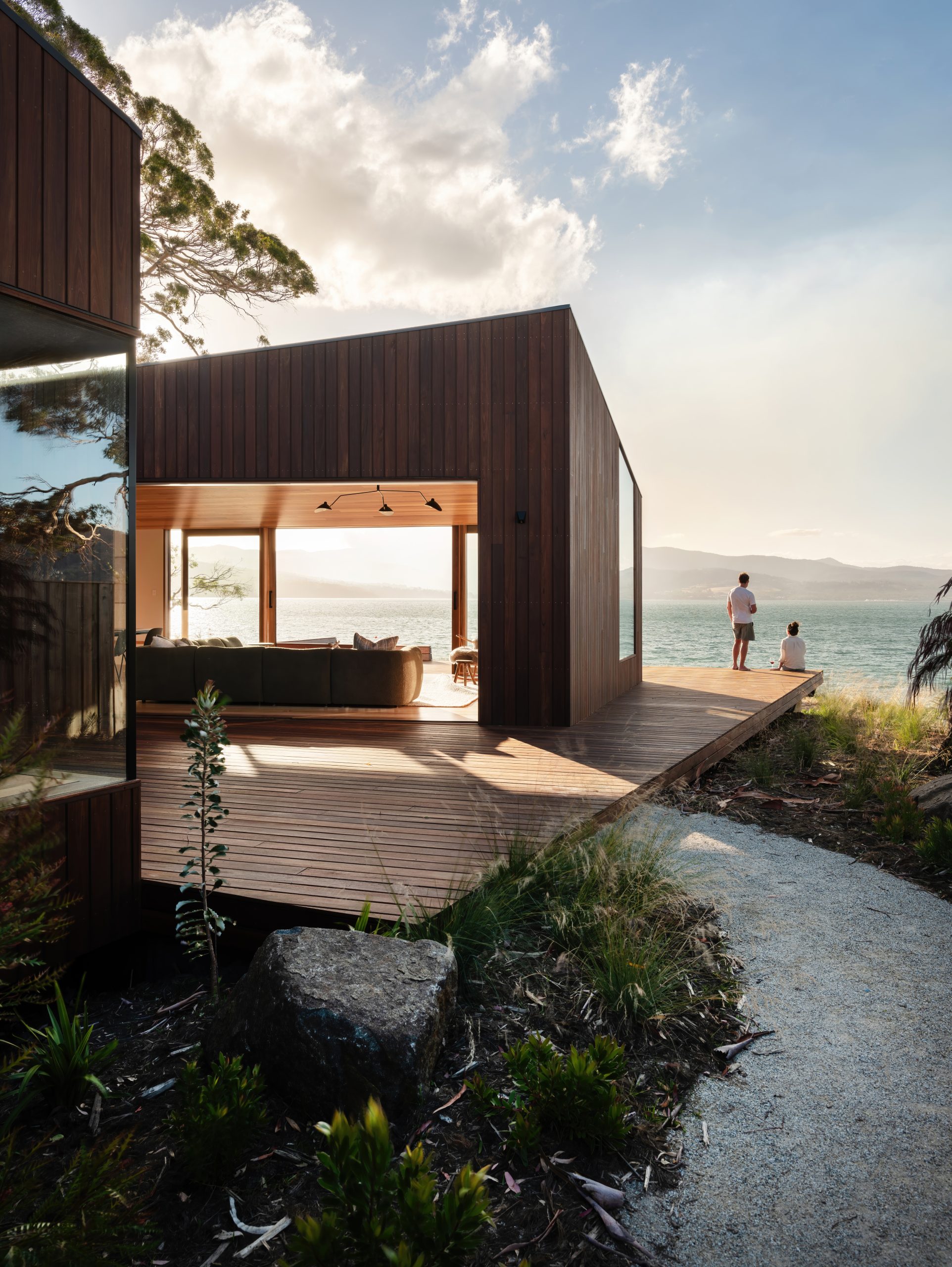
From the shacks of yesterday to the sculptural sanctuaries of today, Australia’s coastal architecture has matured into a global benchmark for design.