Futureproofing the Workplace: Inside the Offices of 2050
Geyer Valmont CEO Marcel Zalloua explains how AI, data and design intelligence are reshaping today’s commercial spaces so they remain fit for purpose in 2050 and beyond.
 3 min
3 min
As companies rethink how their offices should function in an age of rapid tech shifts, Geyer Valmont is spending its time reworking the buildings we already have.
CEO Marcel Zalloua says most of the structures dominating our skylines will still be here in 2050, but the way we use them will look nothing like today.
In this Q and A, he breaks down how AI, data and smarter design are set to transform the workplace.
Q: How are businesses futureproofing offices and buildings for 2050?
A: When we think about the future of the commercial building environment, it’s interesting to note that in 2050, most of the buildings making up our current horizon will still be standing, however what’s inside them will be completely transformed.
When we talk about future proofing commercial office spaces, our job really is to reshape the existing built world so that it continues to be fit for purpose, and incorporates infrastructure and design that enables our future state.
At Geyer Valmont, our remit is primarily to reimagine and redesign current spaces to be smarter, more sustainable and more efficient.
Q: How is technology influencing the way companies design and manage their office spaces, and how do you see this evolving in the next few years?
A: Offices are growing increasingly complex, incorporating new technologies, spaces and tools which continue to challenge traditional office design.
At the same time, technology has dramatically changed how we can enhance increasingly available data, to leverage many years of design intelligence, streamline processes and optimise performance.
This abundance of data has unlocked the ability to utilise new forms of technology that help companies visualise, simulate and redesign spaces with greater agility.
At Geyer Valmont, we’re using these technology advances to create new tools that can simulate office layouts, like our recently launched GVi tool.
GVi is an AI-powered ‘digital twin’ platform that can test design changes in real-time and forecast how spaces will perform before clients have to commit committing to physical adjustments, turning risk into evidence.
As Geyer Valmont is a fully integrated design and construction firm, GVi was developed as a critical tool to streamline the complexity of this process into one platform, and one simple, easy to use interface.
Our clients now only need to focus on their needs and the design outcome, as the delivery programme and costs are automatically calculated through the tool.
In the coming years, we expect AI to continue to play a deeper role in office design, taking the rapidly evolving needs of the business into consideration and helping companies accelerate the design process, with cost savings and efficiencies along the way.
Q: In 2026 and beyond, how do you see client expectations from their physical workplaces evolving?
The physical workplace is no longer just a place to work and meet, it can actively shape culture and performance through hyper-personalisation driven through AI tools and data.
As AI continues evolving, physical workplaces will too. AI will be used as a predictive tool to adapt to human needs in real time, using real data – lowering risk and recommending improvements.
This has the dual use of tailoring environments to individual preferences, for example lighting and temperature, as well as driving efficiencies for the business.
We believe that AI is a tool that should be embraced to streamline processes, as it enables us to spend more time with our clients, getting to know their businesses, so we can ensure we get under the hood of their operations to deliver workplace solutions that are right for now and for the future.
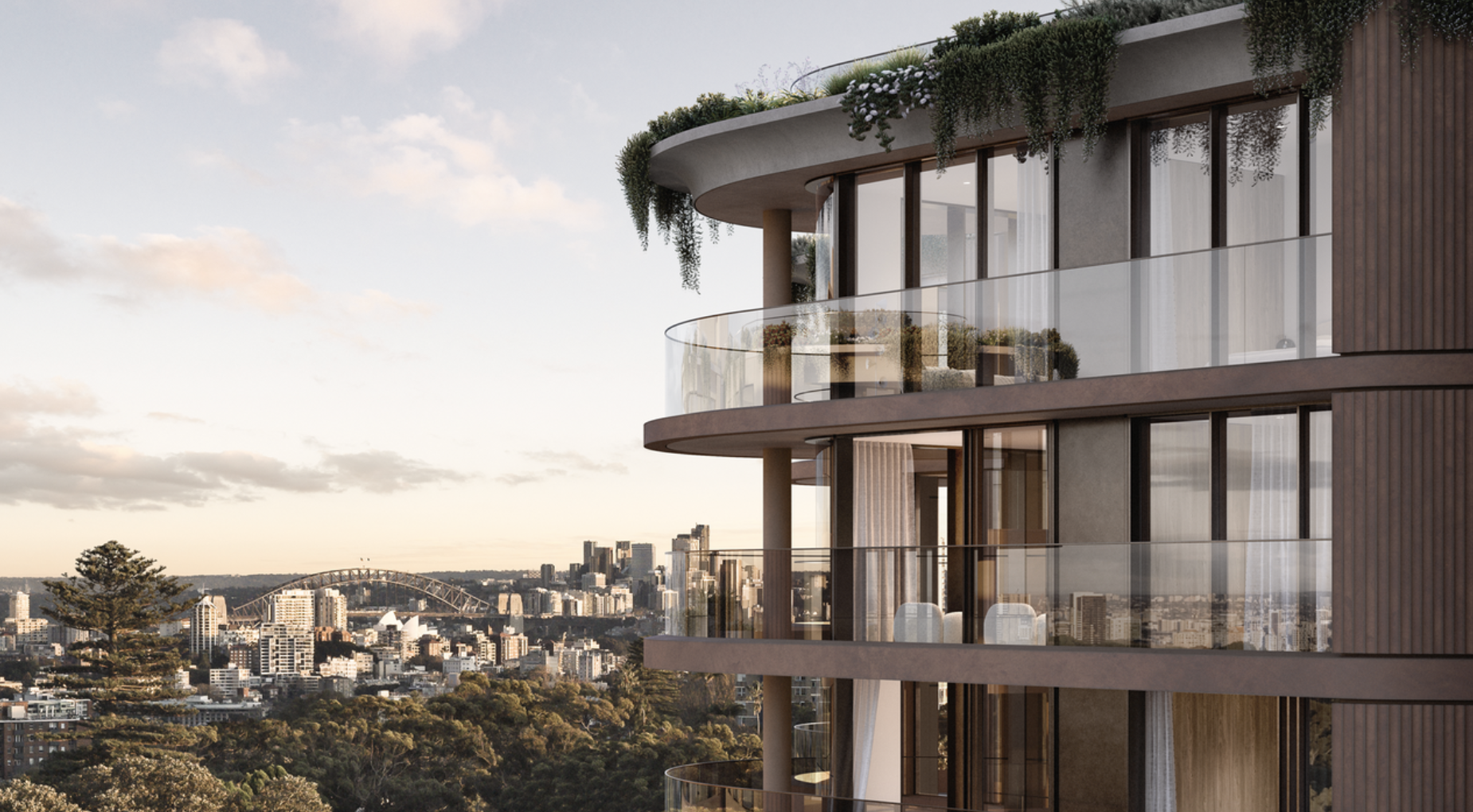
A record-breaking $11 million sale at The Centennial Collection has set a new benchmark for luxury apartment living in Bondi Junction.

As interest rates, inflation and market sentiment fluctuate, investors are being urged to focus on data, not panic.
The oceanfront house at the northern end of the affluent barrier island was a longtime vacation home of late Prince Albrecht of Oettingen-Spielberg.
2 min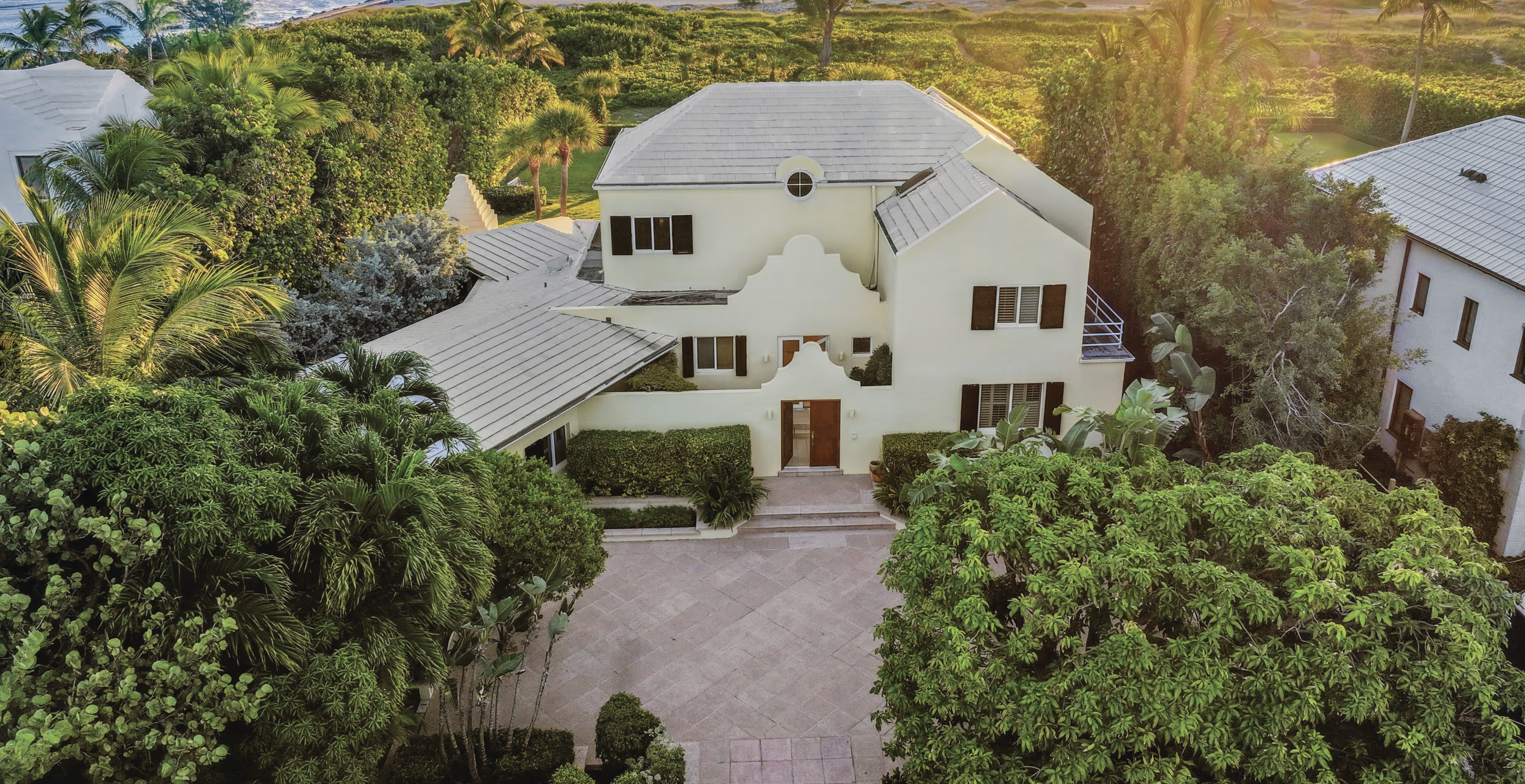
The 11th-generation heir of a German royal family has sold an oceanfront mansion in Palm Beach, Florida, for $30.27 million.
The 4,675-square-foot home on East Inlet Drive was built in 1960 and stands on 1.24 acres of oceanfront land, one lot away from the northern border of the Palm Beach barrier island.
It has six bedrooms, an ocean-facing veranda and pool deck and a direct path to the white-sand beachfront through lush greenery.
The property was purchased in 1987 by the late Prince Albrecht of Oettingen-Spielberg—10th in the line of a noble German dynasty that traces back to the 17th century—for $1.75 million, according to property records.
The German prince died in November, and the property was sold by his son and heir, Prince Franz-Albrecht of Oettingten-Spielberg, according to the deed recorded with Palm Beach County on Monday.
The buyer was a Florida-based LLC, managed by a law firm in East Hampton, New York, and represented by Island Realty PB.
“The new buyer is going to renovate the existing structure and breathe more life into it,” said listing agent Whitney McGurk, who represented the seller alongside Lisa Pulitzer, both of Brown Harris Stevens. “It was seldom used by the former owner.”
The aristocrat’s home was first listed for $45 million in 2024 and was reduced over the years as it cycled through different brokers and was also offered to rent. It was reduced for the final time to $32.9 million in February of this year.
Because of the property’s proximity to the Palm Beach Inlet, which divides the Palm Beach island from the barrier island to the north, it is close to great snorkelling and fishing along the jetty, as well as one of the best surf breaks in Palm Beach, according to McGurk.
“The house was always the ultimate beach house,” said McGurk. “Snorkelling, fishing, surfing, relaxing on the beach—it’s all right at your doorstep.”
The late owner’s son Prince Franz-Albrecht is the 11th-generation head of the family, as well as a hunter and conservationist married to model and socialite Baroness Cleo von Adelsheim.
His full name is Franz-Albrecht Alois Christian Ferdinand Maria Notger, Prince of Oettingen-Oettingen and Oettingen-Spielberg. He couldn’t immediately be reached for comment.

Formula 1 may be the world’s most glamorous sport, but for Oscar Piastri, it’s also one of the most lucrative. At just 24, Australia’s highest-paid athlete is earning more than US$40 million a year.

The era of the gorgeous golden retriever is over. Today’s most coveted pooches have frightful faces bred to tug at our hearts.