Melbourne’s Most Expensive Suburbs to Rent
Melbourne’s lifestyle appeal is driving record population growth — and rising rents. Here are the six most expensive suburbs to rent a house in right now.
 5 min
5 min
Melbourne is considered Australia’s most liveable city. In fact, Melbourne competes on the global stage, consistently ranking among Time Out’s top cities to live in the world and ranking fourth in 2025. Melbourne is a cultural mecca filled with arts, x, and the country’s best sporting events.
It’s the lifestyle factor that has seen Melbourne’s population grow by over 142,000 people over the 23/24 financial year, largely driven by overseas migration. With increased population comes increased demand for properties, particularly in the rental market.
Akin to Sydney’s Eastern Suburbs, Melbourne’s South Eastern suburbs, towards Bayside and the water, dominate the most expensive suburbs listed to rent across the Victorian capital.
In this article, we’ve examined the six most expensive suburbs to rent a house in Melbourne right now, according to property data analytics firm Cotality (formerly CoreLogic).
Brighton
Median purchase: $3.15m
Median rent: $1,353
Brighton is Melbourne’s most expensive suburb to rent a house, and it’s easy to see why. A blend of grand period homes and modern architectural builds line the wide, tree-filled streets. The suburb is synonymous with luxury, and rental properties—especially those close to the famed Brighton Beach and its iconic bathing boxes—are snapped up quickly. Vacancy rates sit at a tight 0.9 per cent.
The Neighbourhood
Brighton offers an enviable mix of a beachside lifestyle and convenient shopping and dining. With access to top schools like Brighton Grammar and Firbank, plus Church Street’s boutiques and the Royal Brighton Yacht Club, the Bayside suburb is the complete package for Melbourne’s high-end renters.
Malvern
Median purchase: $2.8m
Median rent: $1,313

Long known for its timeless Victorian and Edwardian homes, Malvern is a leafy inner suburb with prestige appeal. Many properties here are fully renovated period homes, featuring extensive gardens and original features that appeal to families and executives.
The Neighbourhood
Malvern boasts a refined atmosphere with a strong community feel. Glenferrie Road and High Street offer upscale cafes, boutiques, and grocers, while schools like De La Salle and St Joseph’s make the suburb particularly attractive to families.
Black Rock
Median purchase: $2.29m
Median rent: $1,253

Nestled along the Bayside coast, Black Rock has seen steady growth in both house prices and rents in recent years. Larger blocks and a quieter, more laid-back vibe than neighbouring suburbs make this a coveted spot for renters seeking both space and lifestyle.
The Neighbourhood
Black Rock is home to the picturesque Half Moon Bay and scenic cliffside walks. The suburb blends beachside charm with village convenience, offering local cafés, golf courses, and direct access to some of Melbourne’s best coastal trails.
Sandringham
Median purchase: $2.21m
Median rent: $1,199

Sandringham, next door to Black Rock, offers more of the same as its neighbouring suburb, at similar prices. Sandringham too ticks the box for laid-back waterside recreation, with the majority of homes in walking distance to the sand and charming village shops.
The Neighbourhood
This is a family-friendly suburb with a strong community vibe. Sandringham Village, with its mix of cafes, wine bars, and boutiques, sits just a short walk from the train station and beach. The area also offers excellent sporting facilities and parks. Sandringham Harbour is the local landmark, a popular destination for boating, fishing, and waterfront views from Sandringham Yacht Club.
Canterbury
Median purchase: $3.15m
Median rent: $1,179
Canterbury is the innermost Melbourne suburb on this list. It is considered one of Melbourne’s most prestigious suburbs, defined by grand family homes, generally over-the-top opulent new builds with French Provincial façades behind gated entries.
The Neighbourhood
Canterbury is anchored by the exclusive “Golden Mile” precinct and is surrounded by elite private schools such as Camberwell Grammar and Strathcona. Maling Road provides a quaint village feel, while the area’s lush green spaces complete the picture of prestige.
Hampton
Median purchase: $2.3m
Median rent: $1,171

It’s back to Bayside for the sixth and final suburb on the priciest rental areas in Melbourne. Hampton is not too dissimilar to Brighton, with a main High Street providing convenience and the beach rounding out the relaxed lifestyle found on the bay. The suburb has undergone significant gentrification, with many original homes replaced by contemporary builds.
The Neighbourhood
With a stretch of clean, family-friendly beach and the bustling Hampton Street shopping strip, Hampton has everything renters could want—from stylish cafes to gourmet grocers and boutique fitness studios. Its proximity to Brighton and Sandringham only adds to its appeal.
Melbourne’s Cheapest Suburb: Melton South
Median purchase: $460,000
Median rent: $430
On the opposite end of the spectrum, Melton South—roughly 40km west of the CBD—offers the most affordable rental market. With a median rent of under $450 a week, it’s less than a third of the weekly rent in Brighton. The suburb attracts families and first-home renters seeking value and larger land lots.
Melbourne’s Best Suburb: Toorak
Toorak is considered the Point Piper of Melbourne. Boasting even more billionaires than Sydney’s harbourside hotspot, Toorak is home to Melbourne’s most expensive houses, and reportedly Australia’s most expensive house sale if the 1860s Italianate mansion Coonac settles at over $130 million.
The suburb has some of the best educational institutions in Melbourne, as well as luxury homes on the Yarra, two train stations, and a central shopping precinct undergoing a full transformation with several mixed-use retail and residential developments. It is definitely the place to be.
Where is Melbourne’s most expensive suburb to rent a house?
As of May 2025, Brighton is Melbourne’s most expensive suburb to rent a house.
Where is Melbourne’s cheapest suburb to rent a unit?
As of May 2025, Melton South is Melbourne’s most expensive suburb to rent a house.
Where is Melbourne’s most expensive suburb to buy a house?
As of May 2025, Toorak is Melbourne’s most expensive suburb to buy a house.
Where is Melbourne’s most expensive suburb to buy a unit?
As of May 2025, Beaumaris is Melbourne’s most expensive suburb to buy a unit

From making unpopular decisions to learning when to listen, leaders from five businesses reveal what nobody prepared them for — and how running a company has challenged their expectations.

Technology and semiconductor shares fell sharply as investors questioned the debt financing the AI infrastructure boom and confronted higher rates and Chinese competition.
Mirvac’s 45-level Trielle has topped out at Yarra’s Edge, pairing riverfront apartments with wellness facilities, private dining and resident services.
3 min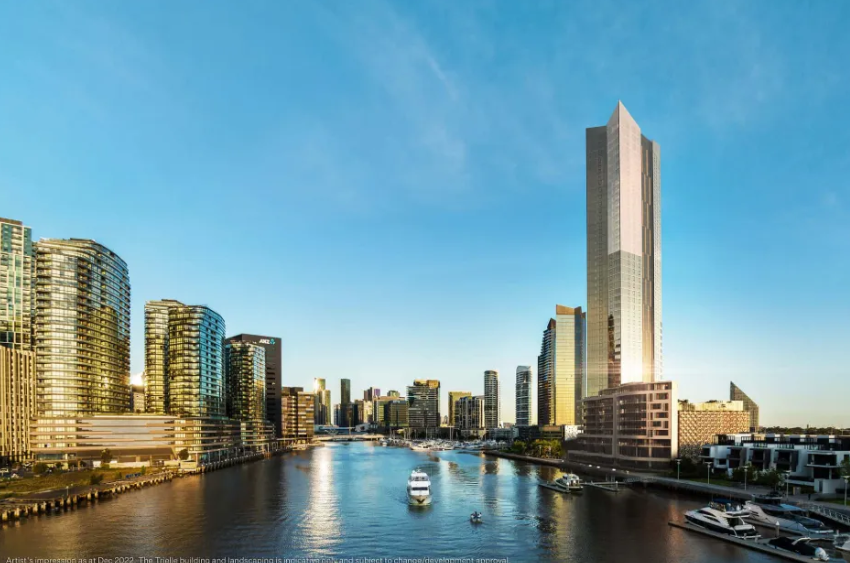
Mirvac has topped out Trielle at Melbourne’s Yarra’s Edge, with more than 70 per cent of the riverfront development sold and approximately 80 per cent of purchasers intending to make their apartment a home.
The figures, released on September 22, point to an owner-occupier audience for one of the precinct’s final residential towers. Mirvac began developing Yarra’s Edge in 2003, and its latest addition occupies one of the remaining absolute riverfront sites.
Mirvac CEO of Development Stuart Penklis said existing residents were among those moving up within the neighbourhood.
“Many purchasers already have a connection to Yarra’s Edge,” Mr Penklis said, describing buyers whose changing needs were encouraging an upgrade within the precinct.
“As one of the final residential towers within Yarra’s Edge, Trielle represents the culmination of more than two decades of creating one of Melbourne’s most established and sought-after waterfront communities,” Penklis said.
“Positioned on the Collins Street axis with absolute river frontage, Trielle offers residents a rare opportunity to enjoy sweeping views across the Yarra River, Melbourne skyline and Port Phillip Bay, while remaining seamlessly connected to the CBD. With Trielle now more than 70 per cent sold, we’re continuing to see strong demand from buyers seeking quality homes in established locations.”
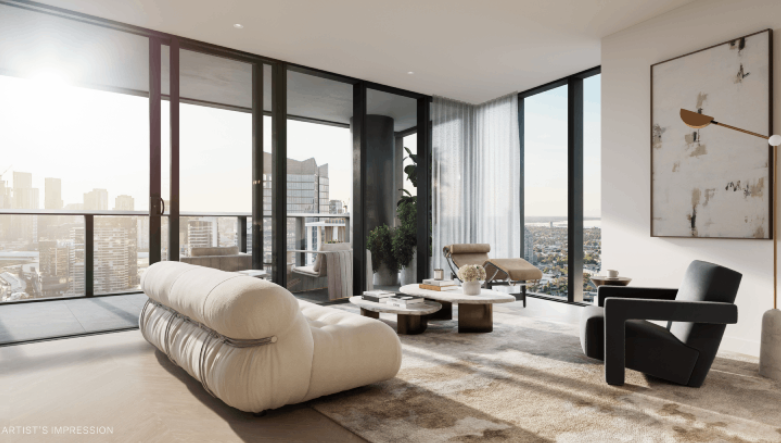
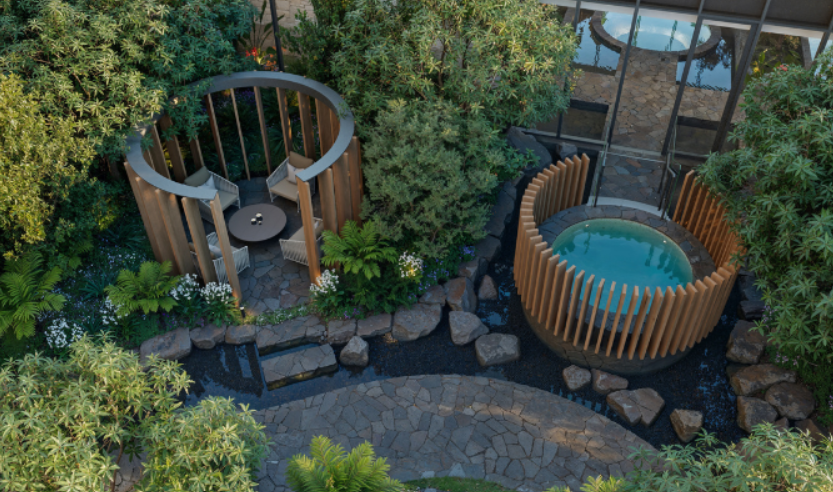
The developer also flagged a penthouse and sub-penthouse collection with larger layouts, premium finishes and broad outlooks. The planned wellness centrepiece, The Oasis, encompasses a 900-square-metre elevated urban rainforest.
Mirvac General Manager Residential Development Victoria Elysa Anderson said Trielle had resonated strongly with buyers seeking a rare lifestyle offering in Melbourne.
“Opportunities to secure a new luxury residence on a riverfront site of this calibre are incredibly rare, particularly within a community like Yarra’s Edge,” Anderson said.
“What makes Trielle unique is the combination of exceptional views, world-class residential facilities and the lifestyle that already exists around it. Residents are buying into a mature waterfront community with parks, promenades, dining, wellness and strong community connections already in place.”
The 45-level tower brings a substantial new presence to that waterfront. Its residential offering spans one-, two-, three- and four-bedroom apartments, with Signature, Prestige and Sub-Penthouse collections accommodating different household sizes. The north-facing position connects the apartments visually to the river and city beyond.
Seven storeys above the promenade, the planned Oasis combines planting and a running stream with a Scandinavian-inspired wellness club developed with spa specialist Naomi Gregory. Facilities include a 25-metre lap pool, hot magnesium pool, sauna, hydrotherapy, a gym, yoga and Pilates room, and treatment spaces.
The amenity extends beyond exercise. Residents will have access to The Biblioteca library and workspaces, ground-floor work pods, and The Salone piano lounge. A private Chef’s Table dining room offers a setting for larger gatherings, while a cinema, games room and sports lounge broaden the entertaining options. Concierge services and a dog-wash area support everyday routines.
Trielle comprises a collection of one, two, three and four-bedroom residences. Reflecting strong demand from owner occupiers, approximately 80 per cent of purchasers to date intend to live in their homes, highlighting the project’s appeal to those seeking a long-term waterfront lifestyle.
Mirvac has recently delivered The Albertine, a premium apartment development on the edge of Melbourne’s CBD, and is nearing completion of Prince & Parade in Brunswick, further strengthening its portfolio of thoughtfully designed apartment communities in some of Melbourne’s most sought-after urban locations.
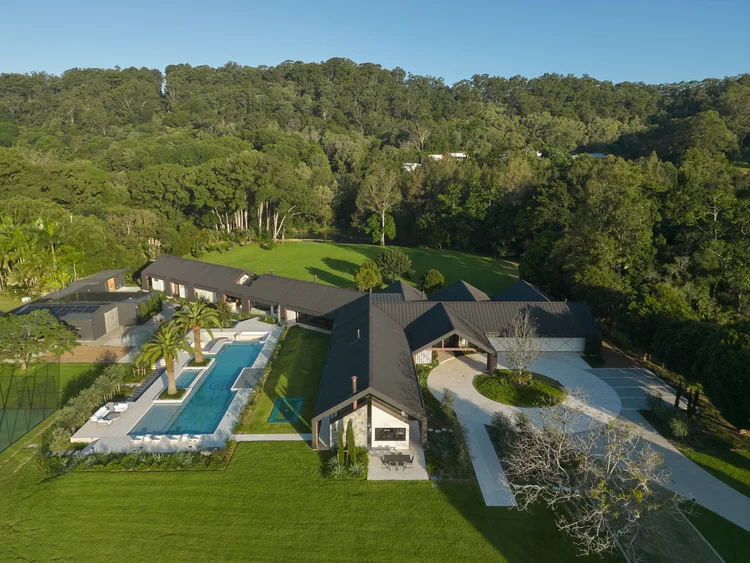
Margot Robbie may have travelled from a Queensland farm to the highest reaches of Hollywood, but a reported $28 million property deal suggests the Gold Coast has never lost its hold on her. The Australian actor and producer is believed to be the mystery buyer of Redwood, a seven-acre Currumbin Valley estate transformed into the …
Continue reading “Margot Robbie Reportedly Behind $28 Million Currumbin Valley Homecoming”

From farm-to-table Thai to fairy-lit mango trees and Coral Sea vistas, Port Douglas has award-winning dining and plenty of tropical charm on the side.