





THE MULTI-MILLION DOLLAR MELBOURNE HOME WITH DRAMATIC STREET CRED
A grand East Melbourne terrace with theatrical roots, reimagined by the late Sue Carr into a layered, light-filled family home.
 3 min
3 min


Traditional Victorian-era terraces are famed for their theatrical façades adorned with intricate lacework and plenty of character. However, one historic home on Gipps St in East Melbourne has the ultimate dramatic street cred; it was designed by William Pitts, the architect behind Melbourne’s iconic Princess Theatre.
Pitts designed multiple Melbourne beauties, including St Kilda Town Hall, Queens Bridge, the Olderfleet building and the Rialto on Collins St, even the Wellington Opera House in New Zealand.
Crafted and built around 1870, prior to the completion of the Princess Theatre in 1886, this end-of-row terrace gained a new lease on life in 2019 when acclaimed architect Sue Carr AM was tasked with bringing it gracefully into the 21st Century via a four-year labour of love transformation.
Today, Kay & Burton agents Monique Depierre and Arabella Houghton are seeking between $10.5 and $11 million for 123 Gipps St via an expressions of interest campaign. The home was last exchanged for $4 million in 2012, before the extensive renovation.
In a pocket of East Melbourne where heritage overlays protect the character of the streetscape, the Victorian terrace was carefully reimagined to balance period elegance with contemporary comfort. Behind its striking white façade, Carr and her team created a series of layered spaces where period detail and modern function co-exist.
Carr has described her approach to the Gipps St property as “a journey of reduction.” By stripping back superfluous elements, to reveal the grandeur of Pitts’ original structure.
“The idea was to bring order and appropriateness of scale, respect for heritage, and outright contemporaneity to a Victorian terrace,” Carr has said when describing the home.
Central to that vision was light. The home is arranged across three zones: the restored terrace, a private courtyard garden, and a two-storey rear addition.
In the original front rooms, there are decorative cornices, ceiling roses and marble fireplaces. These classic old-world spaces with a modern makeover include a versatile music room, a library and a grand dining area.
Stepping through to the next generation of the floor plan, the heart of the home features a contemporary kitchen with a stone island bench and a hidden butler’s pantry fully-equipped with Gaggenau appliances.
The casual everyday family zone, complete with a cosy gas pebble fireplace, opens out to a bluestone-paved north-facing courtyard, where the current owners have created a calming retreat filled with bonsai trees and manicured landscaping.
Up on the first floor, all four bedrooms feature ample natural light and have built-in wardrobes. Beyond a statement pivot door, the main bedroom opens to a full-width private balcony overlooking leafy East Melbourne and has a walk-through wardrobe to an ensuite with a freestanding sculptural bath. One more bedroom has its own ensuite, while two more share a full family-friendly bathroom.
More than just a Melbourne terrace with an extension out the back, Carr’s transformation also includes a new zinc-clad rear addition that plays a dual role; it is a secure two-car garage with laneway access, that is also home to a self-contained studio above. Fitted out with its own kitchenette and bathroom, the independent space is an ideal guest suite, a home office or au pair retreat.
The modernised home boasts a long list of added extras, including honed limestone floors with underfloor hydronic heating and zoned climate control, as well as full security and custom lighting.
Close to green spaces, such as Fitzroy Gardens, Powlett Reserve and Darling Square, the East Melbourne house is within walking distance to the MCG, and city restaurants.
Listed with Monique Depierre and Arabella Houghton of Kay & Burton, 123 Gipps St, East Melbourne, is on the market with a price guide of $10.5 million to $11 million. The expressions of interest is closing on October 28 at 12 pm.

Two coming 2027 models – the first of the “Neue Klasse” cars coming to the U.S. early next year – have been revealed.

A&K Sanctuary unveils Kitirua Plains Lodge, a sustainability-focused luxury property shaped by landscape, local craft and contemporary safari architecture.

After half a century in the same hands, The Palladium blends Art Deco heritage, cinematic history and beachfront living in one extraordinary offering.
3 min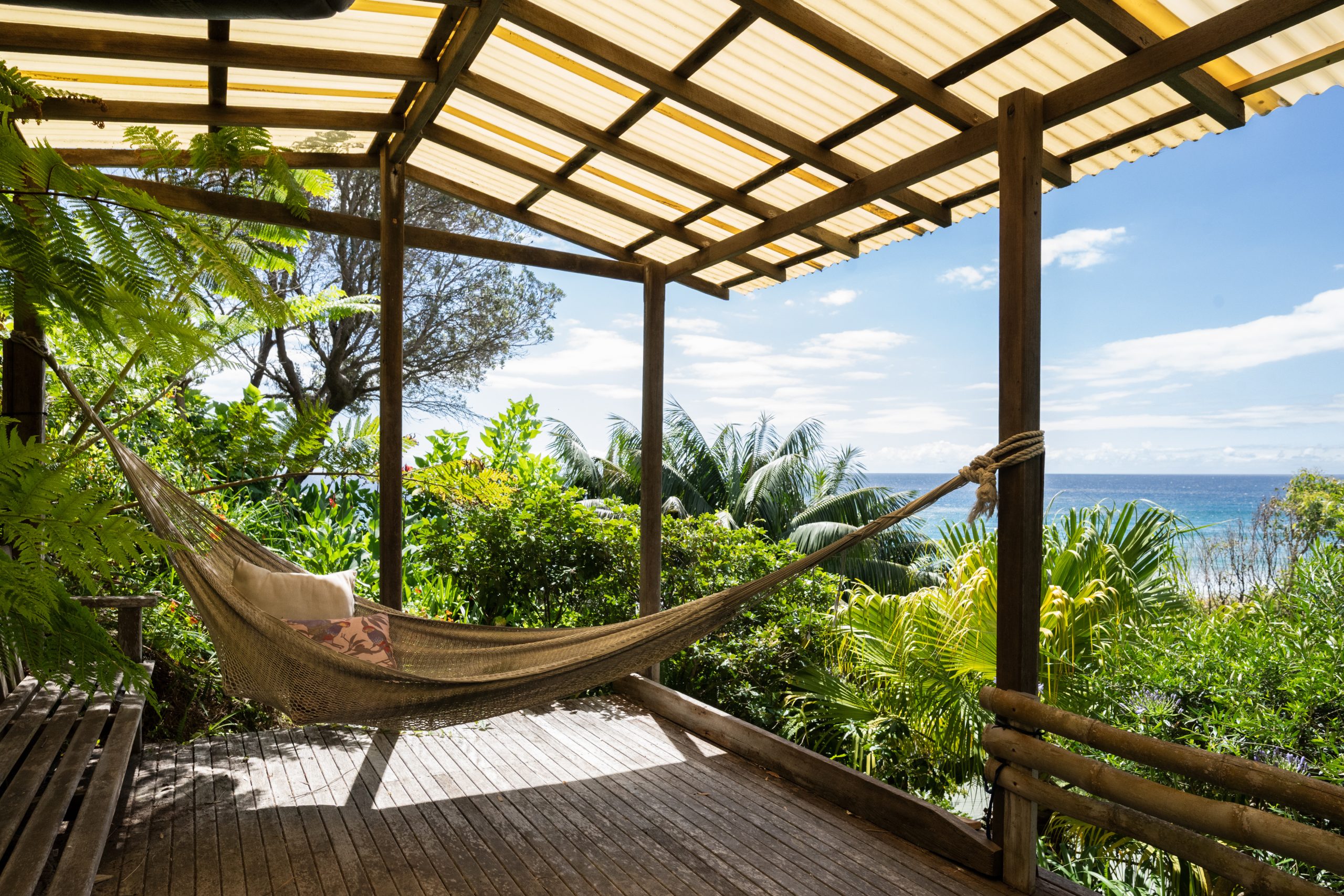
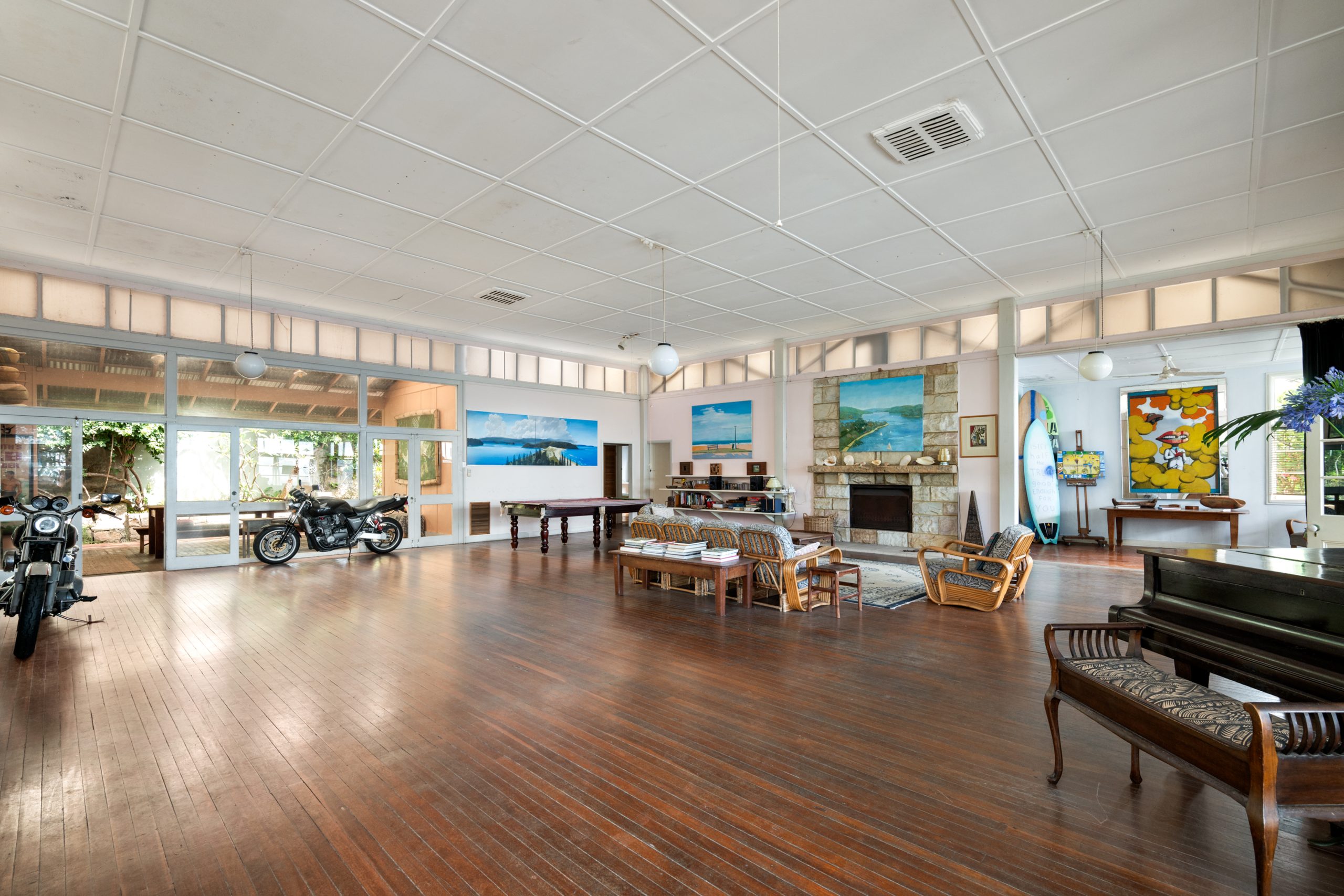
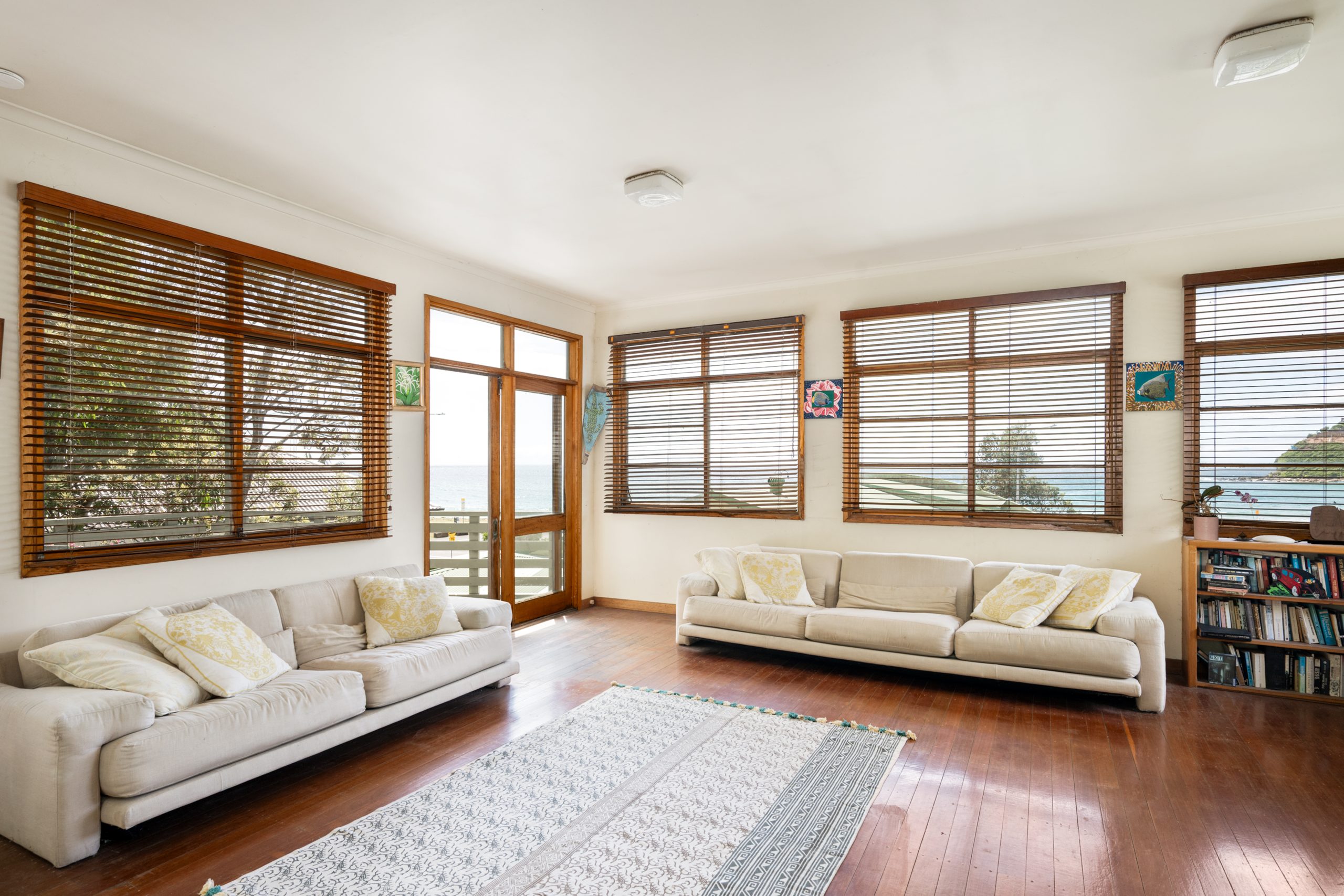
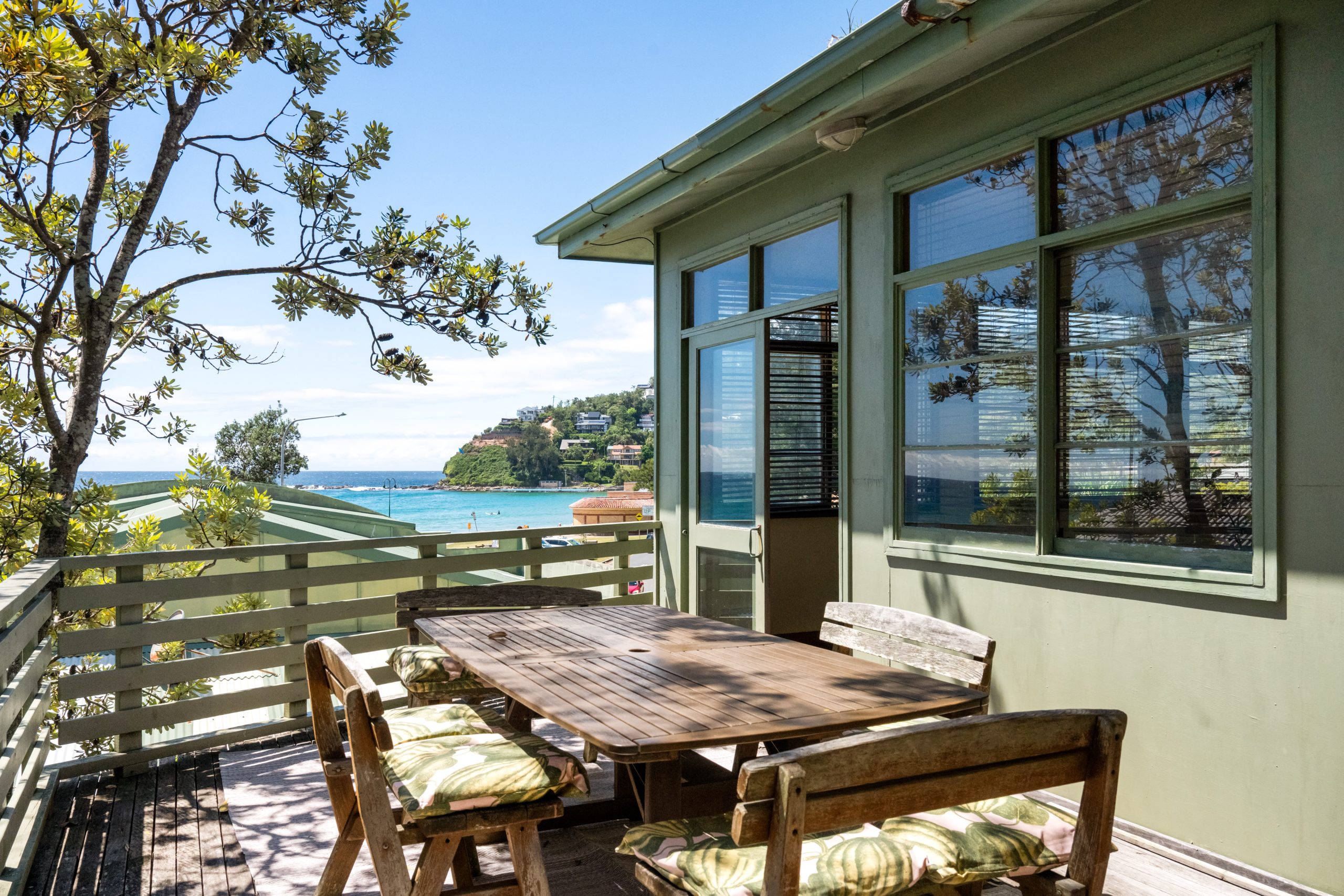
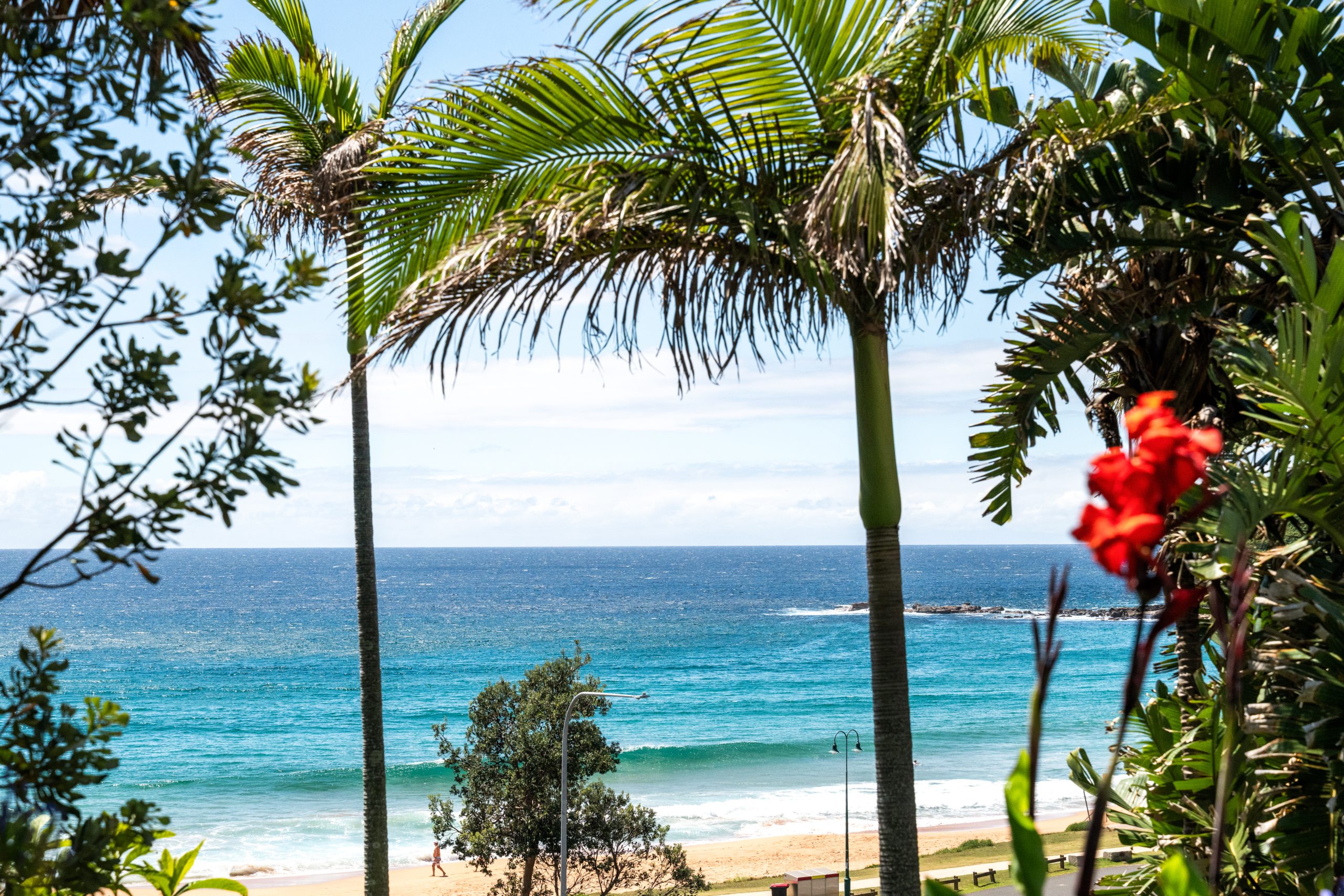
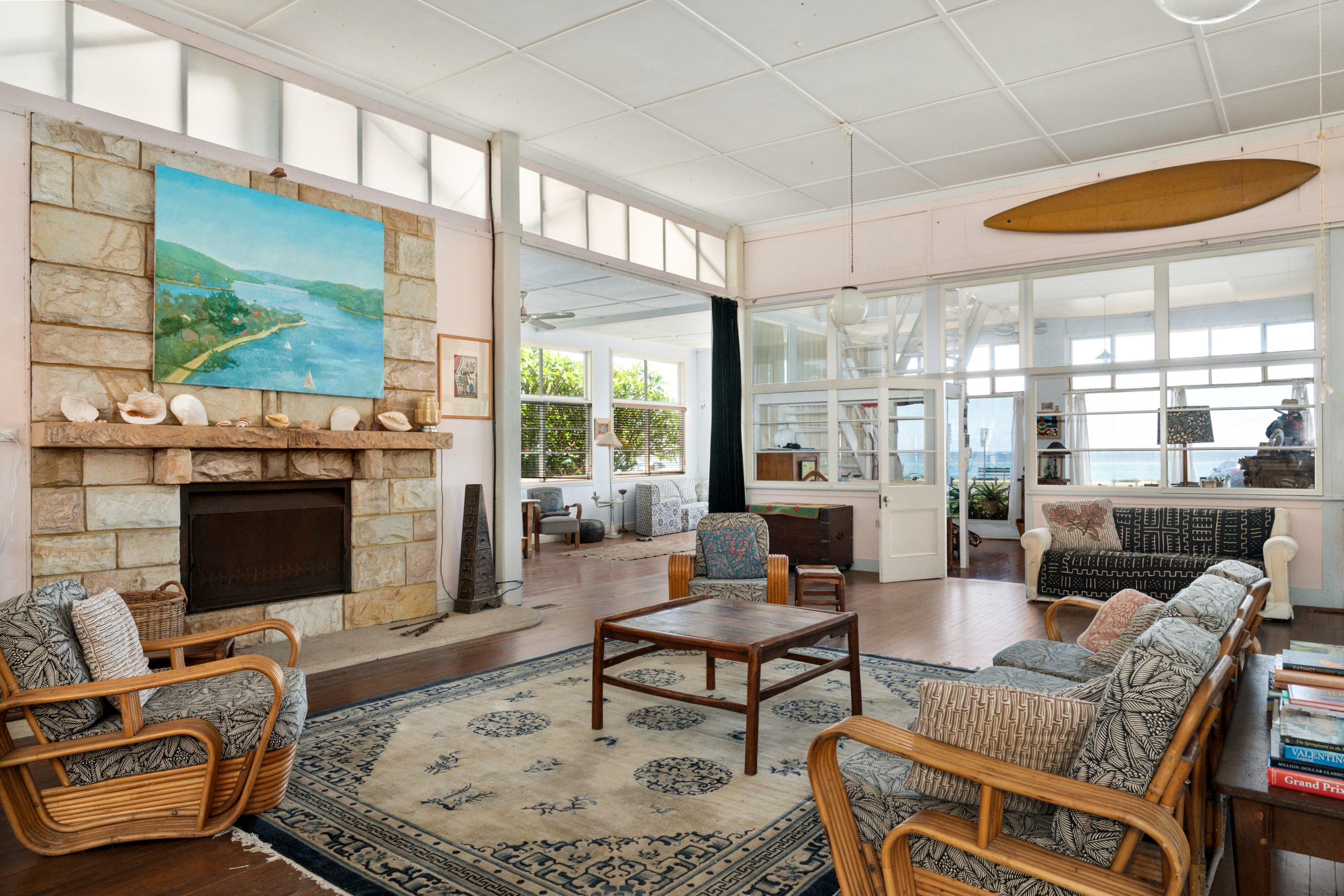
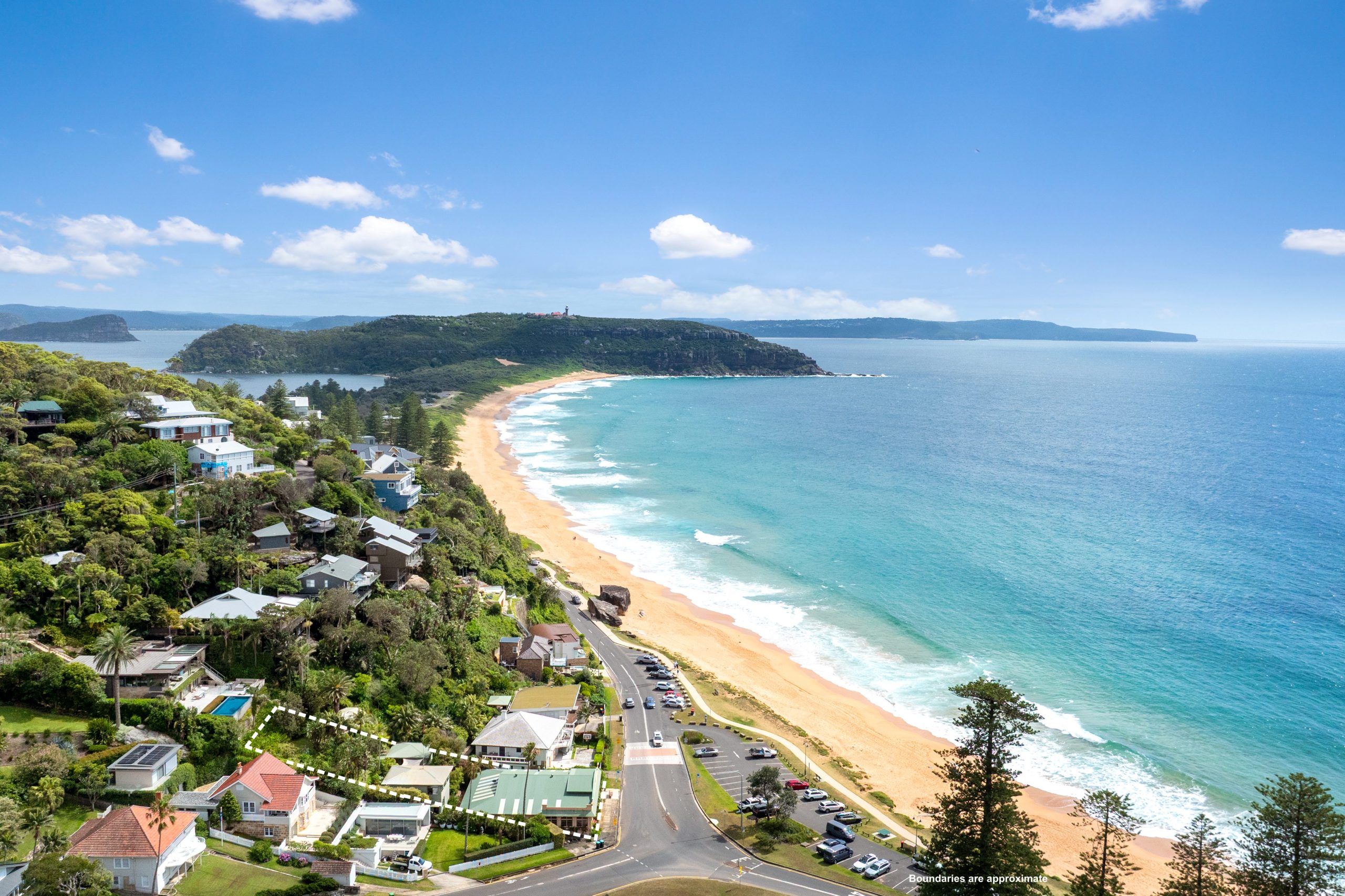
In Sydney’s Northern Beaches, there are plenty of homes with a multimillion-dollar view and an enviable position close to the sand.
This unique listing has all that, but it has also earned its page in the local history books.
After 50 years in the same hands, The Palladium in Palm Beach—once a famed dance hall, then a restaurant, a private residence, and an artists’ studio—is now back on the market with a price hopes of $13.5 million through BJ Edwards and David Edwards of LJ Hooker Palm Beach.
Positioned in a rare corner spot where Ocean Rd meets Palm Beach Rd, The Palladium has been front and centre observing the famous sandy stretch for almost a century.
Built in the early 1930s, the Art Deco building was originally conceived as a vibrant community dance hall; the “it” place to be for young folk during Sydney’s thriving interwar period.
Often the dances were held to raise money for the Palm Beach Surf Life Saving Club, and newspaper reports of the time told of rowdy parties lasting until the early hours, bootleg liquor arrests, and where shorts and sandals—or even pyjamas—were scandalously worn by “both sexes”.
Over the decades, The Palladium has worn many hats.
By 1943, the original owner, Joseph Henry Graham, had defaulted on his loan, and a mortgagee sale reportedly sold the building for £1550, which translates to about $137,000 today. It later became a dining space and a general store run by the Milton family. In the 1960s and early 1970s, the property was also home to the Blue Pacific Restaurant.
The current owners acquired the keys in 1976 when it began its next chapter as a creative hub. One of today’s vendors, filmmaker David Elfick, who has been a filmmaker and producer on such films as Newsfront and Rabbit-Proof Fence, has told stories of a free-spirited creative hub that has been used for film sets, to store numerous movie props, as editing rooms, to hold countless parties and has even hosted visiting members of the Royal Shakespeare Company.
From its famed beachside soirees to its grassroots film club nights, the venue has become woven into the cultural fabric of Palm Beach.
Today, that rich history has been reimagined into a coastal home that honours its past while embracing contemporary beachside living.
Built in a unique architectural style known as streamline moderne, the aeroplane hangar-like building reflects the era’s fascination with air travel, mass transport, and modernity. The facade is defined by a sweeping curved roofline and subtle nautical cues.
The main residence features a vast central living space framed by a number of bedrooms and sunrooms, as well as a front dining room and kitchen. In total, there are four to five bedrooms, three bathrooms and a powder room adjoining an upstairs loft space.
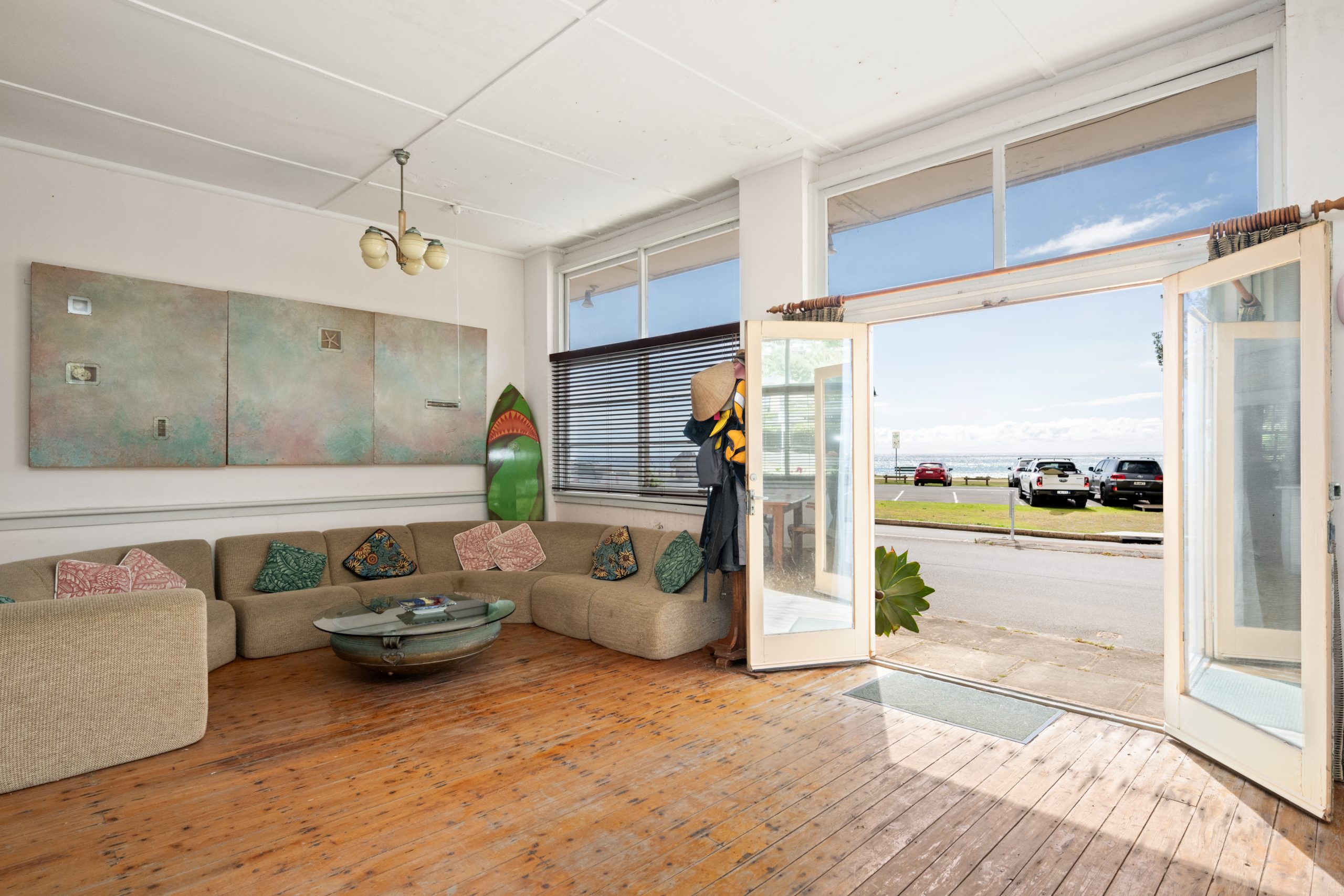
Big, broad windows draw in loads of natural light and provide iconic views, plus the sounds of the beach just across the road.
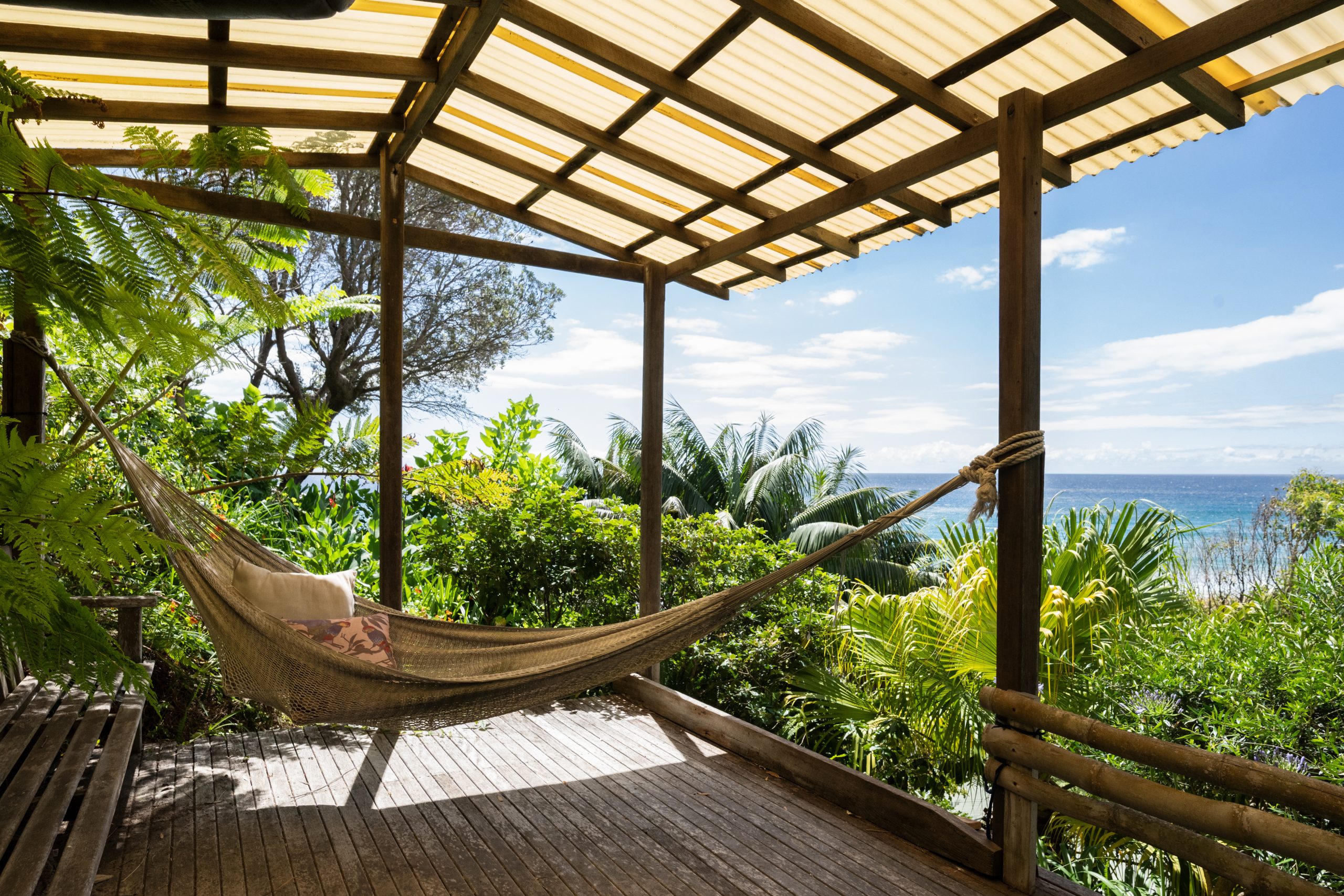
Many of the original elements remain, most fittingly the polished floors of the former dance hall. In the additional building at the back of the block, there is a separate, self-contained studio with its own bedroom, bathroom, kitchen and laundry. From its elevated deck, the outlook stretches across the full sweep of Palm Beach.
Outside, the expansive 1151sq m land parcel also features established gardens with veggie patches and standalone decks for quiet contemplation.
Sitting just across the road from the beach, the property is also within walking distance of local cafes and the surf club. Palm Beach Rock Pool is at one end of the beach, with the Palm Beach Golf Club and the water airport at the other end of the peninsula.
The Palladium and Palm Beach Studio at 16 Ocean Rd, Palm Beach are listed with BJ Edwards and David Edwards of LJ Hooker Palm Beach via a private treaty campaign with a price guide of $13.5 million.

Margot Robbie and Jacob Elordi star in an adaptation of the classic novel that respects the romance’s slow burn.

Hand-built in Melbourne and limited to just 10 cars a year, the Zeigler/Bailey Z/B 4.4 is reshaping what a modern collector car can be.


