Populist Right-Wing Parties Lead Polls in Europe’s Biggest Economies

LONDON: For the first time, populist or far-right parties are leading the polls in the U.K., France and Germany, the latest sign of growing voter discontent in much of the continent following years of high immigration and inflation.

Far-right and anti-immigration parties have already entered government in countries such as Italy, Finland and the Netherlands.

But this year marks the first time that they have been ahead in Europe’s biggest economies at the same time. That could provoke a period of political turbulence in all three countries, even if national elections are likely still a few years away.

“It’s significant. Leaders in all three countries are grappling with an ascendant far right that looks on the cusp of power unless politicians can address what’s fuelling the rise, which is immigration and cost of living,” said Mujtaba Rahman , head of Europe for risk consulting firm Eurasia.

France’s anti-immigration National Rally has had a consistent lead in polls this year. An Elabe poll last month showed Jordan Bardella, the young protégé of the far-right leader Marine Le Pen , was the most popular with an approval rating of 36%.

Polling for the next presidential vote also suggests National Rally’s candidate—whether it is Bardella or Le Pen—would lead the first round.

In the U.K., the anti-immigration Reform UK, led by the former Brexiteer Nigel Farage , has surged in the past six months and is now comfortably ahead in opinion polls of the ruling Labour Party and the opposition Conservatives, the political duopoly that has dominated British politics for the past century.

In Germany, the far-right Alternative for Germany, or AfD, has been neck-and-neck with the ruling centre-right Christian Democratic Union in polls since the start of the year. The AfD has pulled slightly ahead in recent weeks, the first time it has done so since April, according to Forsa, one of the country’s leading pollsters.

Like the U.S., much of Europe has experienced two things at the same time since the pandemic: record levels of immigration that have caused a voter backlash, and a surge in inflation that has now eased but left prices for many goods much higher than before—leaving many voters feeling worse off. Social media has also polarised opinions.

Unlike the U.S., however, much of Europe has almost no economic growth, fuelling a widespread sense that the continent faces years of drift , as well as political gridlock.

The sense of economic decline together with rapid immigration is a toxic combination that has turned many voters against established political parties, said Jérémie Gallon, a former French diplomat and head of Europe for consulting firm McLarty Associates.

“It’s the same story from smaller English cities to the French countryside to German towns, where many people feel like the traditional elites look down on them or ignore their concerns,” he said.

Bardella and National Rally have tapped into widespread anxiety that France’s Muslim minority, one of the largest in Europe, is encroaching on the secular values of the French Republic, and into a perceived decline of living standards among working-class and middle-class families.

In recent years, National Rally has evolved from a fringe protest movement to the country’s largest single party in the National Assembly, France’s lower house of Parliament.

That hasn’t proved enough yet for the far-right party to take the reins of government, but it has made the country increasingly difficult to govern. France’s government is again on the brink of collapse , less than nine months after conservative French Prime Minister Michel Barnier was ousted from office.

This past week, National Rally pledged to vote against the government again on Sept. 8, when centrist Prime Minister François Bayrou plans to hold a confidence vote in the National Assembly ahead of what are expected to be difficult negotiations for a new budget. On Tuesday, Bardella called on President Emmanuel Macron to hold new parliamentary elections or resign.

In recent years, Germany and the U.K. both saw the biggest surges in immigration in their history, even if the numbers have begun to fall this year. In Germany, the share of residents born outside the country surged from just over 15% in 2017 to a record high of 22% in 2024, according to government data. That compares with about 16% in the U.S.

The U.K., meanwhile, has grappled with a record rise in legal and illegal immigration. Some 4.5 million people arrived legally between 2021 and 2024, primarily from India, Nigeria and China. That is slightly more than those who legally entered the U.S.—which has about five times the population of the U.K.—over that time. In addition, tens of thousands of people have illegally crossed the English Channel on flimsy boats each year to claim asylum.

So far this year, record numbers of people—29,000 through the end of August—have made the crossing, sparking growing pressure on Prime Minister Keir Starmer , who came to power last year vowing to “smash the gangs” that control migrant smuggling and reduce the crossings.

Adding to the pressure on Starmer, protests flared this summer in some English towns over the use of local hotels where the government is paying for migrants to stay until their asylum cases are resolved.

In Germany, a surprising feature of the AfD’s latest surge is that it has coincided with a drop in immigration numbers under the current government. In the midst of tougher border controls, new asylum requests fell more than a third in the first half of the year compared with the same period last year.

Friedrich Merz , the conservative chancellor, has also done away with some of his predecessor’s green policies, often criticised as excessive by the AfD.

A raft of growth-supporting measures, from corporate tax cuts to rising infrastructure investments, have yet to show any effect, however. The economy contracted by 0.3% in the most recent quarter, extending a two-year recession.

This, said Manfred Güllner, head of Forsa, was one of the factors for the AfD’s recent surge. “Voters are seeing a lot of action, but they’re not feeling any effect,” he said, pointing to the mismatch—or at least the time lag—between promises and results.

The AfD has campaigned for the deportations of immigrants in the country illegally; for Germany to leave the European Union and the euro currency; and for the country to rethink its culture of Holocaust remembrance.

It rejects the notion of man-made climate change. Its economic polices are similar to those of Merz’s Christian Democratic Union, but it also wants to increase pension benefits and limit noncitizens’ access to welfare benefits.

Some of its leaders and lawmakers have drawn scrutiny for their sympathies toward Russia and China —the party has called for Germany to resume energy deals with Moscow—while economists have said its push to leave the EU could damage the country’s export industries.

But the party has also enjoyed the support of people close to President Trump, in particular Vice President JD Vance and tech billionaire Elon Musk .

The AfD has tapped into economic frustration to buttress its appeal. Its program in the lead-up to February’s federal election focused on economic proposals, ahead of topics such as security and immigration.

This has helped it gather support among blue-collar voters in economically depressed regions far away from the party’s historical strongholds in former East Germany, such as the Ruhr, the industrial Rust Belt region east of the Rhine Valley.

A New iPhone Is Coming. Should You Upgrade or Just Fix Your Old One?

When the scent of pumpkin spice lattes starts to fill the air, I know it’s time for those texts from friends and family: “Should I get the new iPhone?”

My answer? Ehh, probably not. Temptation to upgrade will be high after Apple’s Sept. 9 launch event. And there are very good reasons to buy the new model.

But just because your oldie but goody suffers from sluggish performance, short battery life or a cracked touch screen, it isn’t doomed to become e-waste.

By spending a little on repairs, you could save hundreds of dollars and extend your current iPhone’s life by a year or more. Plus, it’s worth waiting for the imminent iOS 26 software update , which will add new tricks to recent older hardware—at no additional cost.

Upgrade, update or repair?

That all depends on your model and its condition. Is your current iPhone…

…more than six years old? Upgrade. Apple supports iPhones with new software updates for about seven years. The version of iOS expected next month doesn’t support iPhone XS, XS Max or XR, or any earlier models. These updates include crucial security fixes, and outdated software can put your data at risk, so yes, you’ll need new hardware.

…a 2019 or newer model? Update. iOS 26 comes with a live translator, spam-call screener and other helpful new capabilities, though the “liquid glass” redesign will require some adjustment.

A note: Even if your model is compatible with iOS 26 , some tricks are only available in the newest iPhones. Apple Intelligence, which includes access to ChatGPT via Siri and Genmoji, only works on iPhone 15 Pro, all of the iPhone 16 models (including the 16e ) and of course the iPhones Apple is about to announce.

… feeling slow? Or short on battery life? Repair. A battery replacement can help with performance and battery life. As your iPhone’s battery ages, the device is designed to draw less power, which means occasional unexpected shutdowns.

Go to Settings > Battery > Battery Health. If the capacity is below 80%, you should replace your battery. That should cost $99 or less, depending on the model.

If your battery is above 80%, go to Settings > General > iPhone Storage. Deleting unused apps or uploading photos to the cloud can help with speed too.

…cracked? Repair. The cost depends on your model and the damage.

Apple’s online tool can spit out an estimate for an Apple Store screen swap, which generally runs between $199 and $379. You typically make an appointment and then wait about 30 minutes.

Independent shops can offer you a lower price for a third-party aftermarket part, but quality can vary. While iPhones now have OLED screens, you can go cheap and replace yours with an LCD screen. But they don’t look as good and can cause rapid battery drain, said Jessa Jones, owner of iPad Rehab Microsoldering, a mobile-device repair and data recovery shop in Honeoye Falls, N.Y.

If you’re given the option, go for a “soft” OLED screen for the best combination of sharpness and durability.

Broken back glass is trickier. Apple charges between $199 and $499 for this repair. Jones said it often requires swapping the whole external housing to preserve water-resistance.

Cameras are one of the simplest repairs, Jones said. She replaced two different camera lenses on her iPhone 12 Pro, and the raw materials only cost her $1.43. Through Apple, this repair costs between $169 and $249. Jones’s shop charges $50 plus tax for a repair with aftermarket parts.

…not working properly? Repair or replace. Start with an Apple Store consultation. Issues such as water damage or a faulty charging port need a deeper assessment. For these trickier cases, Apple may recommend paying for a replacement phone. In that event, if you don’t have AppleCare, it might be better to buy one of the latest iPhones instead.

A local, independent shop might have more creative solutions. “For water damage, we’d tear down the entire phone, remove everything, and let it sit in a dehumidifier for a little while,” said Alex Hausfeld, a franchise consultant and former technician at uBreakiFix, which has over 680 repair locations.

Apple Store vs. repair shop vs. DIY

If you live near an Apple Store or an Apple-authorized service provider, a repair is straightforward. You can make an online reservation for in-person support , and often the repair can happen while you wait.

If you’re far from a store, Apple’s mail-in option can take up to nine business days, round trip.

There are also DIY kits from Apple , iFixit and others—a route for savvy tinkerers only, warned Jones. “Taking off a screen used to be like shucking an oyster. But they have become thinner and thinner. They’re easy to break, and really expensive.”

A local repair shop can be more convenient and affordable than either of those options. But because quality varies, uBreakiFix’s Hausfeld suggests vetting the technician with these questions:

• Is the replacement a genuine original manufacturer or aftermarket option? If it’s the latter, ask about potential impacts to performance.

• After the repair, how will the water-resistance and durability of the phone change?

• What warranty do you offer for replacement parts? Many shops should guarantee their parts for at least six months; uBreakiFix has a one-year warranty.

This year, your best iPhone upgrade might be a fresh battery, a clean screen and some new software tricks. Plus, the extra cash you get to keep in your pocket.


CELEBRITY BUILDER GRAYA UNVEILS PADDINGTON MASTERPIECE

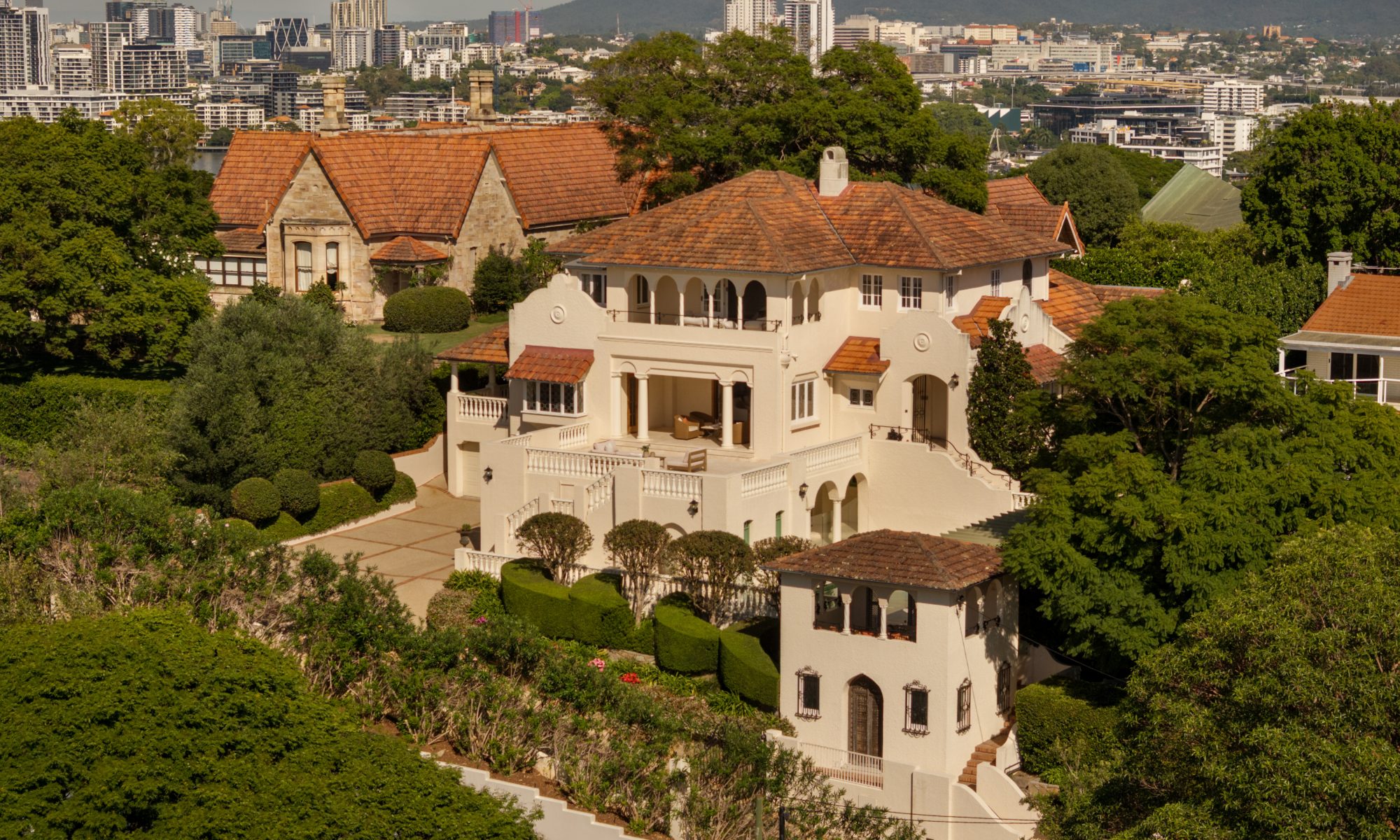
Paddington’s skyline has a new star. A collaboration between celebrity builder Graya and award-winning architect Joe Adsett, this recently completed luxury residence is turning heads with its commanding city views, sculptural design and extensive list of high-end features.

Now on the market with Ray White New Farm agents Matt Lancashire and Josh Brown, the five-bedroom home is one of only a handful of private commissions by Graya, better known for creating showpiece addresses for Brisbane’s sporting and social elite.

The two-storey residence with iconic city views has no official price guide, given Queensland’s restrictions on pricing, but the latest sale on Reading Street, Paddington, was made in April when a four-bedroom house on 562 sq m sold for $4.38 million.

Sitting on a much larger 810sq m block, Skyline is one of the rare private residences by Graya among a handful of homes built for Brisbane’s most famous residents.

The high-profile firm is known for creating show-stopping houses for VIP clients, including footballer Darius Boyd and his wife Kayla, Wallaby Israel Folau, basketballer Aron Baynes and model Erin McNaught and her husband, rapper Example.

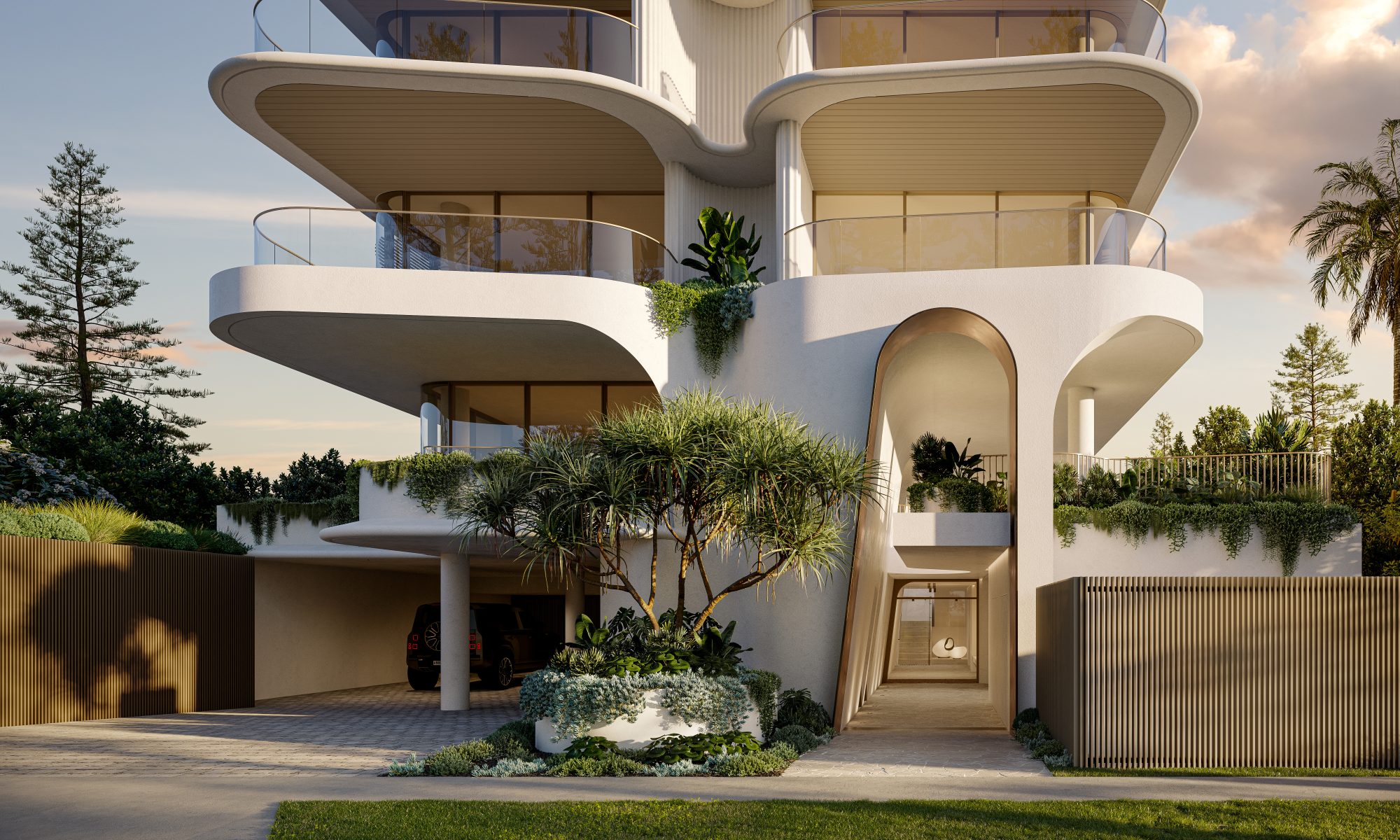
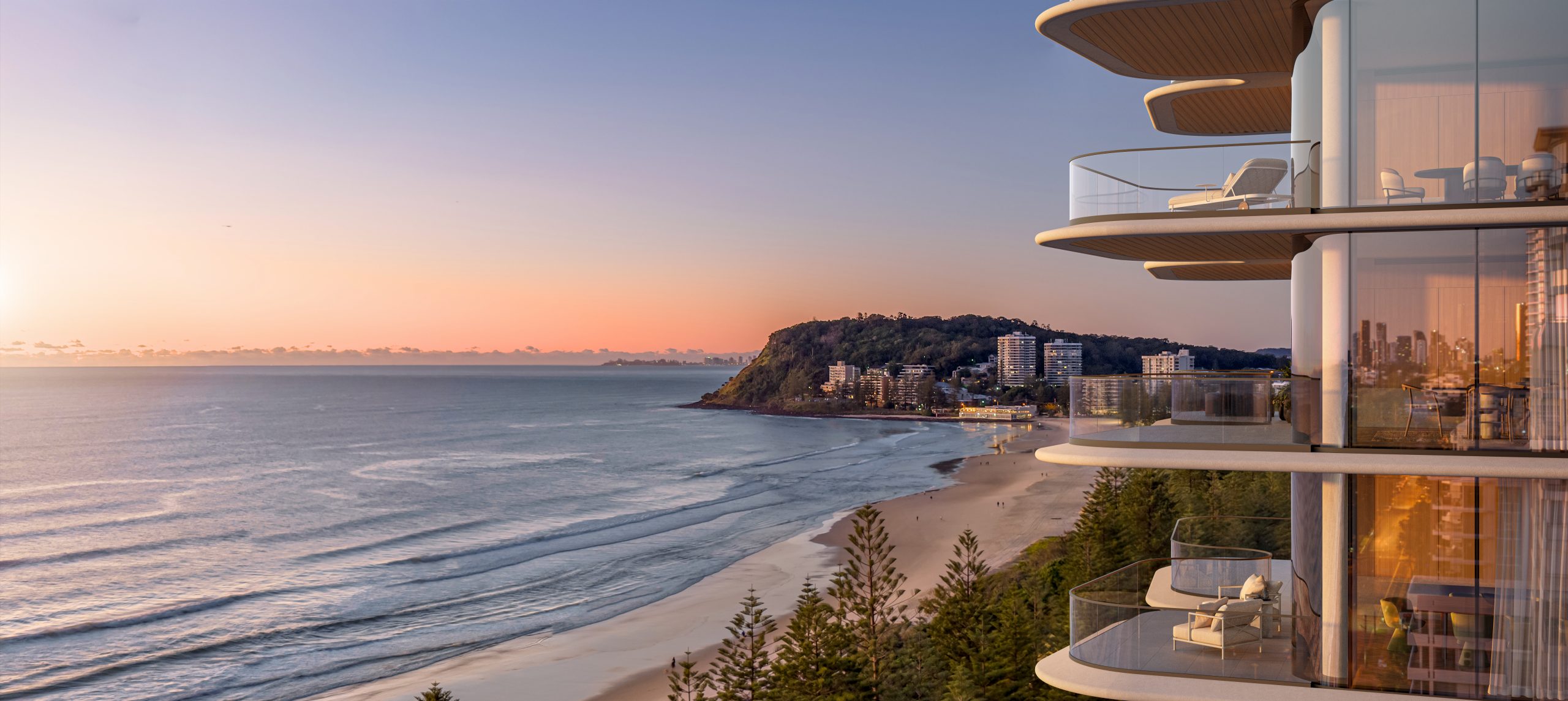
Brothers Andrew and Rob Gray, the celebrity builders behind Graya Constructions, have also just wrapped on the landmark project Kloud at Palm Beach. The Gold Coast development includes an apartment bought off the plan by globetrotting tennis legend Ash Barty and a palatial penthouse that just fetched $9.1 million after only 15 on the market.

Graya-built homes have been making headlines for their impressive resale value during a Brisbane housing boom. In June, a Mediterranean-inspired Hamilton home built by the brothers turned a $4 million profit in just 12 months when it sold for $12.5 million.

Skyline’s 20m frontage cuts an impressive figure and, thanks to the sloping block, captures a sweeping panorama of the city.

Crafted using a palette of stone and timber, the house has a long list of luxury fittings and finishes throughout as well as grand walls of glass to frame the views and draw in loads of natural light.

The L-shaped footprint features an open plan living and dining zone off the gourmet kitchen, which houses Miele appliances, a vast eat-at island bench, and a butler’s pantry.

This everyday space flows seamlessly into an outdoor kitchen on the covered terrace, a large, level lawn, and a unique heated infinity pool and spa, designed by Jack Boyd and recognised as a Master Builders Award finalist.

Upstairs, the accommodation level is home to a spacious main bedroom suite with a private balcony, a dual shower en-suite with a freestanding tub, plus a walk-in wardrobe with a skylight.

A gallery-style mezzanine walkway creates a double-height void below and leads to three more bedrooms, two with en-suites. There is also a home office with built-in desks, a gym space with storage and another balcony.

Additional features of the Paddington house include an entry-level guest room with an ensuite and built-ins, a separate media room, a mud room, laundry with a chute and drying court, a four-car lock-up garage, an outdoor shower, a fire pit, a Control4 smart home system, extensive security, irrigation, and solar.

Skyline is close to cafes, restaurants, boutiques and galleries, as well as multiple sought-after schools.

Skyline at 9 Reading St, Paddington is listed via an expressions of interest campaign closing on September 12 at 5pm.

Monark Property Partners Powering Growth For East Coast Developers

Monark Property Partners has strengthened its foothold in the east with the launch of a new Sydney office, reinforcing its commitment to supporting high-quality developments across Australia’s mid-market property sector.

Known for providing flexible debt and equity solutions,  Monark says the move reflects rising demand for smart, partnership-driven capital in the region.

Tom Nadav, recently appointed Director of Investments, said the move was a “natural progression” for the firm.

“Sydney is a dynamic, resilient market, underpinned by strong fundamentals, consistent demand, and high calibre of developers. Establishing an on-ground presence here was a natural progression,” he said.

“Our decision was driven by the opportunity to bring Monark’s tailored capital solutions across the full capital stack to a new group of partners.”

Nadav said Monark is focused on structuring bespoke funding solutions rather than taking a formulaic approach.

“We see a significant opportunity to partner with developers who share our commitment to quality, execution, and long-term success,” he said.

The firm’s track record in Melbourne, spanning over a decade, includes backing both emerging and established developers. Nadav said Monark’s approach is “opportunity-led” with capital deployed selectively.

“While strong property fundamentals are always our starting point, our conviction to invest ultimately comes down to the people behind the projects – their vision, their ability to execute, and their alignment with our values,” he said.

“We aim to bring real value to every project we back.”

For Nadav, who is leading the establishment of Monark’s Sydney office, the role was compelling for its culture of collaboration and long-term thinking.

“It was the people – a team marked by cohesion, deep expertise and genuine commitment to excellence,” he said. “Our goal is to partner with our borrowers, support their growth ambitions, and be a strategic ally across their development journey.”

PANORAMA HOUSE: MELBOURNE’S $16M BAYSIDE MASTERPIECE ON THE MARKET

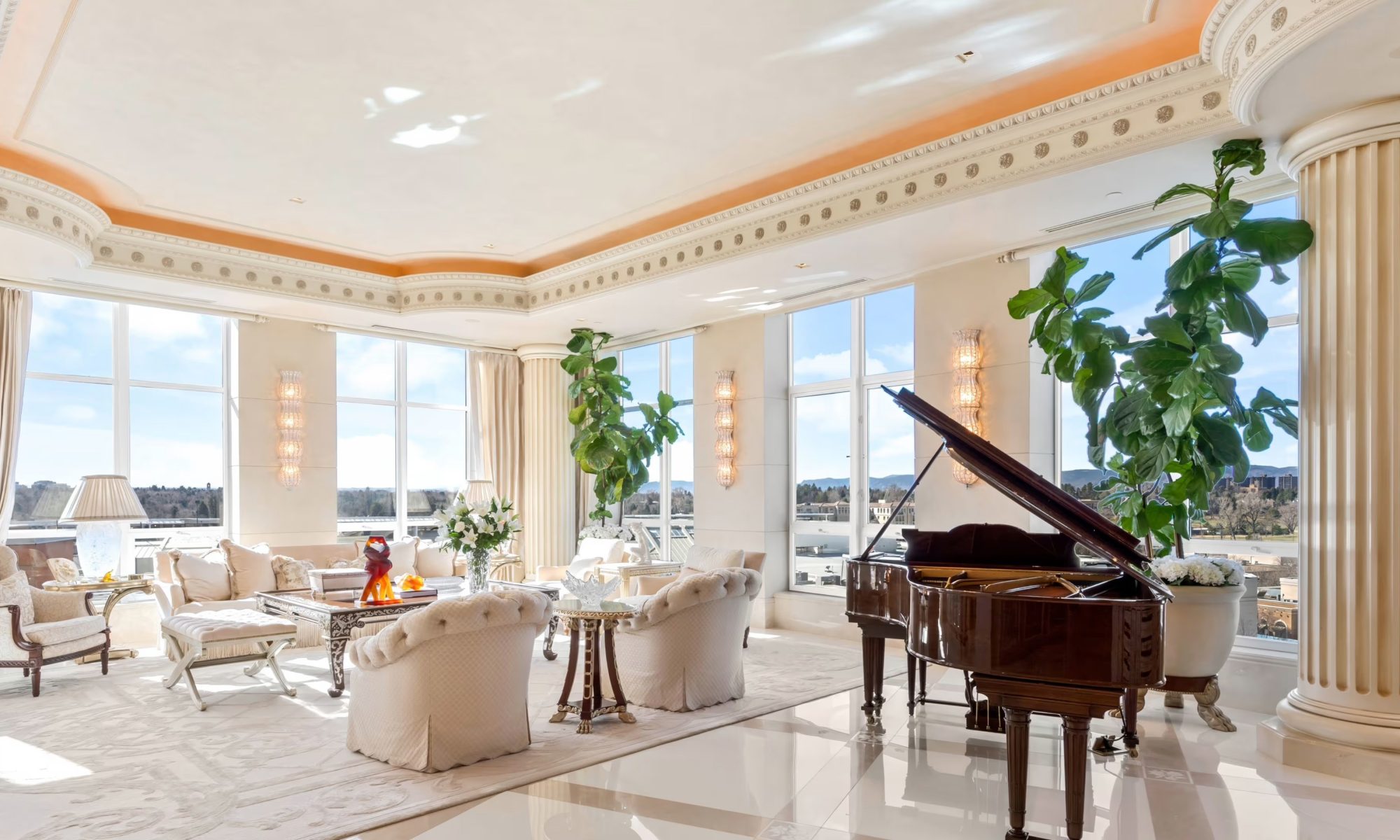
Part contemporary art gallery, part bayside mansion, Panorama House is a landmark Melbourne home without parallel.

The award-winning Middle Park house is the dream home of self-tan mogul, Kirstie Kirkham, who founded MineTan Body Skin a decade ago.

Now the beauty empire boss has listed her unrivalled residence for $15.9 million to $16.3 million with Kay & Burton director Andrew Sahhar and Danielle Horne alongside co-agent Hugh Jones of Agency Outcomes.

Kirkham is apparently moving on after reportedly paying more than $30 million for the Toorak home of hospitality industry couple Robert and Elizabeth Zagame.

On the corner of bustling Beaconsfield Pde and tree-lined Harold St, the five-bedroom Middle Park property took home two accolades in the 2025 Australian Interior Design Awards; Residential Decoration and Residential Design Best of State (Victoria).

Panorama House, so named thanks to its expansive 270-degree Port Phillip Bay and city views, has appeared in Vogue Living magazine, Yellowtrace, Est and Living Etc.

Melbourne-based interior designer Sally Knibbs of Sally Caroline studio was commissioned to transform the 2018 home built by Visioneer, which Kirkham bought in 2022 from Computershare co-founder Penelope Maclagan for $11.5 million.

Behind its unique raw brick and steel facade, luxury materials are abundant including Travertine Pewter, Green Onyx, and Calacatta marbles including, Romano, Verde, Corchia, Tanotti Green, and Menta.

Surrounded by a sea of traditional yet classically renovated Federation bungalows, the 21st century building is a statement piece in a coveted waterfront location. The home’s own website declares it is a “design that does’t shout. It simply belongs.”

From the ground up, the three-level floor plan makes use of every square centimetre on the 423sq m corner block.

The spacious basement car park offers the homeowner a four-car garage, made possible thanks to a sleek turntable. Underground amenities also include a cellar with wine fridge and a meat dry ager, plus a home gym.

One level up and the ground floor is home to a vast open plan entertaining zone combining a lounge area and wet bar that spills out to an internal landscaped courtyard with retractable roof.

Two bedrooms and two bathrooms, plus a large family-friendly laundry, also sit on the same entry level.

A private lift connects all three layouts with the first floor featuring more everyday entertaining spaces.

A large lounge room is warmed by an Oblica fireplace and frames beach views, while the sophisticated chef’s kitchen has Gaggenau and Sub-Zero appliances, a statement island bench, and a walk-in pantry. The formal dining room has its own dramatic sweeping CBD backdrop.

In the palatial main bedroom suite there is a walk-in wardrobe, a double shower ensuite, as well as access to the private barbecue terrace. A neighbouring glass-walled office has an inspiring panorama of the bay.

Added extras at Panorama House include a Tesla home battery, solar energy integration, and provisions for a pool.

While the bay is on the doorstep, the Beaconsfield Pde home is also close to St Kilda, Armstrong St and Victoria Ave eateries, Albert Park, and loads of city-bound transport.

Co-agents Kay & Burton Bayside and Agency Outcomes are marketing Panorama House via in expressions of interest campaign, closing on September 15, at 5pm

HERITAGE WAREHOUSES REBORN AS SYDNEY WORKSPACES UNDER THE HARBOUR BRIDGE

Six historic warehouses beneath the Sydney Harbour Bridge have been given a new lease on life, re-emerging as Work inc., a co-working precinct housing over 100 businesses.

Built in the 1920s to support the construction of the Harbour Bridge, the Lavender Bay structures have served various roles over the decades, from housing highway patrol units to operating as car dealerships.

Founder Mark Davidson said the potential of the site became clear when he first encountered the abandoned Bay 10 warehouse.

“When I first stumbled upon the abandoned Bay 10 warehouse, it was leaky and forgotten, but I saw incredible potential,” Davidson said.

“We weren’t just building offices; we were building a community, creating a space where the grit of Sydney’s industrial heritage could inspire the next generation of innovators.”

The development retains much of the original industrial character, with soaring concrete walls and exposed steelwork now sitting alongside floating glass office pods, curated interiors and collaborative breakout zones.

Among the site’s quirks is Bay Ten Espresso, a café housed in a converted shipping container once seized during a major drug smuggling operation. It now serves as a coffee hub for both tenants and the wider Lavender Bay community.

Davidson said its inclusion underscored the broader theme of transformation.

“When we found this particular shipping container, its illicit past made it an even more compelling part of our story of reinvention. Now, it’s serving up a much-needed, perfectly legal kind of fix,” he said.

Work inc’s mix of preserved heritage and contemporary design has turned a piece of Sydney’s industrial history into a case study in adaptive reuse, while providing an unconventional workspace for the city’s growing business community.

RAIN, CANCELLED PLANS AND THE ART OF DOING NOTHING

Life can feel like a nonstop loop with work, side hustles, errands, emails, laundry, meals, walking the dog, repeat.

I travelled to Byron Bay for work and to attend the Writers Festival, only to find that the festival was cancelled and the rain kept pouring.

My carefully mapped-out itinerary of morning panels and activities was wiped out, and my first thought was: ugh, seriously?

Then I realised: this might actually be the best thing that could have happened. My room at The Hide was quiet, luxe, and perfectly unbothered, a king bed, a minibar stocked with everything I didn’t know I needed, access to filtered and sparkling water (because hydration is mandatory even when doing nothing), and, blissfully, a strict no-children, no-pets policy.

With the festival cancelled and the rain forcing me indoors, I was given the rare gift of space to breathe, reflect, and truly rest.

I spent the weekend doing exactly that: nothing. I read a book, drank endless tea, watched Sandra Bullock movies (because she gets it), and let the rain provide the soundtrack.

It was a rare, quiet pause in a life that often feels like it never stops moving.

At one point, I left the comfort of my room to enter the ice-cold bath outside, rain still falling around me.

An older couple was nearby, watching with curiosity. Before I stepped in, they asked, amused, “Are you really going in there?” I nodded, took a breath, and slipped into the icy water.

Later, the couple tried it themselves, laughing, challenging their mind and breath, and emerging invigorated and amazed.

Watching them embrace the moment reminded me that wellness isn’t just indulgence, it’s about courage, presence and daring to do something a little uncomfortable for your own benefit.

Between ice baths, dips in the heated magnesium pool, and long stretches in the sauna, I mostly lounged like a pro in the art of doing nothing.

There’s a unique kind of wellness in taking a break from daily responsibilities, even if just for a weekend.

Travelling for work while savouring intentional downtime reminded me that self-care isn’t indulgent, it’s essential.

Byron Bay in the rain became a literal pause button. And here’s the takeaway for all of us living life on repeat: sometimes the best wellness routine is none at all.

Lock the door, pour the tea, watch the rain, and let the world wait for a minute. You deserve it. Radical? Absolutely. Joyous? Even better.

The writer covered the cost of her accommodation; this stay was not sponsored.

BAWAH RESERVE PUTS ANAMBAS ISLANDS ON THE LUXURY MAP

Until recently, the Anambas Islands were barely a blip on the radar of international travellers. Scattered between Singapore and Borneo, this little-known archipelago has become an emerging hotspot for high-net-worth travellers seeking privacy, nature and sustainable luxury. At the centre of this rise is Bawah Reserve, a secluded six-island retreat that can only be reached by private seaplane.

The Reserve is set within a marine conservation zone that protects coral reefs, lagoons and rainforest. With just 36 villas and bungalows, Bawah was never designed to be a mass tourism destination. Instead, it is positioned as a model of low-impact development: activities are curated to connect guests to their surroundings while ensuring the fragile ecosystem remains intact.

Nature as the main attraction

Days at Bawah revolve around the landscape. Guests can dive and snorkel in reef systems still teeming with marine life, trek through rainforest to elevated lookouts, or simply swim off one of the Reserve’s 13 beaches. Those after a slower pace gravitate towards the Aura Wellbeing Deck for sunrise yoga or the spa, where treatments use botanicals sourced from the islands.

Food and culture also form part of the experience. The resort runs Indonesian coffee workshops and even a “scent bar” where visitors can create perfumes using tropical ingredients. One of the most talked-about experiences is the Castaway Picnic, which ranges from a white-tablecloth meal prepared by a private chef to a stripped-back family beach outing.

Evenings are more communal, with stargazing, cinema screenings beneath the open sky, or traditional Indonesian beach barbecues.

A growing profile

Paul Robinson, COO of Bawah Reserve, frames the philosophy around connection. “Bawah isn’t just a place you visit – it’s a place that stays with you. Our activities are crafted to connect guests to the spirit of the islands, whether through adventure, creativity, or quiet moments of reflection”.

That approach appears to be working. In recent years, the Anambas Islands have gained attention among Asia’s luxury travellers, partly due to their proximity to Singapore and partly because of properties like Bawah that position sustainability as part of the drawcard. The Reserve’s ultra-private Elang Residence, available only for exclusive group stays, has further lifted its profile.

The bigger picture

Bawah is part of a broader trend in high-end travel: ultra-remote destinations that sell not just luxury but the sense of being among the last to experience an untouched landscape. Unlike the Maldives or Phuket, the Anambas remain largely under the radar — a fact that gives Bawah an advantage with travellers tired of crowded hotspots.

The challenge, as with many eco-luxury projects, will be balancing exclusivity and environmental responsibility as demand grows. For now, Bawah Reserve stands as both a sanctuary for travellers and a statement about the future direction of Southeast Asian luxury tourism.

PRECIOUS METALS TAKE CENTRE STAGE WITH AUSTRALIA’S FIRST GOLD DECUMULATION PLAN

ABC Bullion has launched a pioneering investment product that allows Australians to draw regular cash flow from their precious metal holdings, in a move aimed squarely at retirees and self-managed super funds.

Australasia’s leading bullion specialist, ABC Bullion, has unveiled the country’s first Gold Decumulation Plan (GDP), a product designed to give investors the ability to generate a steady monthly income from their gold and silver investments.

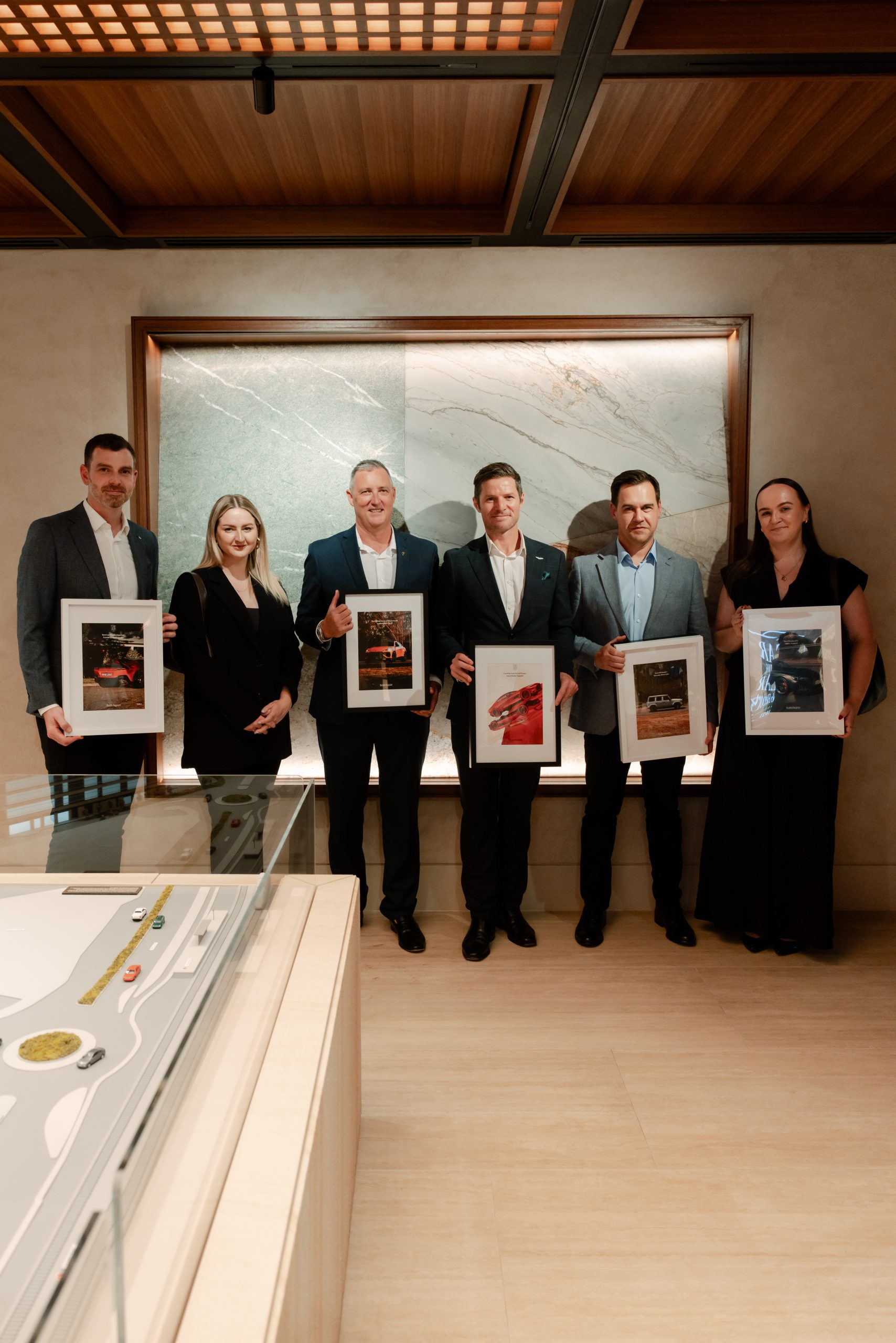
The initiative was launched before more than 700 clients, VIP guests and government ministers at ABC Bullion’s sold-out Precious Metal Forum, “Gold and the New World Order,” held at Sydney’s Ivy Ballroom.

The event featured keynote presentations from WestGold Resources CEO Wayne Bramwell and World Gold Council CEO David Tait, alongside a showcase of the $900,000 Lexus Melbourne Cup trophy, handcrafted by ABC Bullion’s sister company W.J. Sanders.

At the core of GDP is an auto-sales function: investors nominate the monthly dollar amount they wish to receive, and ABC Bullion buys back the required amount of precious metal to fund that payment. The funds are deposited into the client’s bank account on the first business day of each month.

Unlike term deposits, GDP has no lock-in period, offering maximum flexibility. Investors can pause or adjust payments, top up accounts, or convert holdings into physical bullion such as ABC-branded bars and coins. Portfolio tracking and transactions are available online 24/7.

Jordan Eliseo, General Manager of ABC Bullion, said the plan is particularly suited to Australians in or approaching retirement, especially the more than one million who self-manage their superannuation. “Gold has outperformed mainstream asset classes like shares and property over the past twenty-five years, averaging nearly 10% annual growth since 2000,” Eliseo said.

“The ABC Bullion Gold Decumulation Plan provides access to precious metals investments combined with the ability to generate monthly cashflow through fractional sales of precious metals to meet cashflow needs and lifestyle goals”.

Eliseo added that the appeal lies in gold’s resilience across economic cycles. “GDP is likely to be particularly appealing to Australians either already in or approaching retirement,” he noted, pointing to research showing that an investor who put $100,000 into gold in 1999 and withdrew $500 monthly would today have received $153,000 in income and still hold more than $420,000 worth of gold.

With gold prices rising and the Reserve Bank of Australia cutting rates to 3.60% in August, demand for stable, alternative investments is expected to increase. ABC Bullion says GDP uniquely caters to that demand, combining liquidity, flexibility and inflation protection in one platform.

FINAL RELEASE AT OPHORA TALLAWONG OFFERS QUALITY APARTMENTS UNDER $700K WITH RARE BUYER PROTECTIONS 

Ophora Tallawong has launched its final release of apartments, positioning itself as one of the last opportunities for buyers to secure a new Sydney home below $700,000. 

The project, located in one of the city’s fastest-growing corridors, is offering rare buyer protections at a time when affordability is tightening and competition for quality stock is intensifying. 

According to JLL’s Q2 2025 Apartment Market Overview, Sydney’s median apartment price has already climbed to $795,000, setting a record.  

With interest rates now on a downward trend and supply still heavily constrained, experts warn that today’s price brackets may not exist next year. 

Ronnie Rahme, Development Manager at KDMC, said buyers were responding to the combination of quality and value. 

 “You simply don’t see this level of finish at these price points anymore,” Rahme said. “That’s why demand has been so strong for this final release.” 

Dr Andrew Wilson, Chief Economist at My Housing Market, says the economic drivers are clear.  “High rents and higher prices continue to provide clear incentives for first-home buyers and investors chasing solid investment returns,” he told Kanebridge News. 

 “New government initiatives to support first-home buyers will also act to place upward pressure on prices.” 

The bigger picture 

JLL’s research reinforces that point. While over 15,700 apartments are expected to be delivered nationally this year, a 40% uplift on 2024, Sydney remains undersupplied, with demand continuing to outpace completions. 

The report also notes that reductions in the RBA cash rate are expected to further fuel buyer activity, with constrained supply continuing to push prices higher into 2026. 

With construction costs soaring, Government contributions climbing, and interest rates remaining high, projects are harder than ever to bring to market, putting upward pressure on newly completed apartments. 

The pipeline of new supply is shrinking as developers delay or abandon projects that no longer stack up financially. 

According to JLL’s overview, only 2,554 completions are forecast for Sydney this year – against annual demand exceeding 30,000 dwellings. 

At the same time, population growth, rental demand, and first-home buyer incentives are intensifying competition for limited stock. The imbalance between constrained supply and resilient demand is leaving new apartments scarcer and more expensive across Sydney. 

Ophora: Last Chance In Sydney’s northwest 

Developed by KDMC and designed by Architex, the $50 million project has launched its  final release, with limited availability of 81 brand-new residences from just $500,000 for a one-bedroom, or $625,000 for a two-bedroom, which is far below Sydney’s median and significantly cheaper than nearby competition. 

The five-storey development at 37 Reis St, Tallawong, combines affordability with premium inclusions more often seen in luxury builds: ducted air-conditioning, timber floors, premium finishes, fridge cavities with water plumbing, video intercom systems, fibre internet, EV charging, landscaped gardens and a rooftop terrace with sweeping views. 

It also comes with something almost unheard of at this price point, a 10-year Latent Defects Insurance (LDI) policy. Typically reserved for multimillion-dollar projects, LDI guarantees structural integrity for a decade and is only awarded to developers with a strong building track record. 

SHC Insurance Brokers founder Stefan Hicks acknowledged the rarity of obtaining LDI, particularly for entry-level residential apartment complexes like Ophora.

“Gaining LDI is no mean feat. It’s offered selectively to developers and builders with a quality building history, and it requires both parties to employ an independent inspection service throughout construction,” he said. 

“While this insurance is well-established around the world in about 40 countries, in Australia, we’re typically seeing high-end buildings covet LDI. The fact that Ophora has joined this exclusive list of quality-assured builds is a coup for entry-level home buyers.” 

Raising the standard for affordable luxury 

Rahme says the KDMC team wanted to set a new benchmark.

 “Our mission with Ophora has always been clear: to raise the standard of what buyers should expect, regardless of budget,” he said. 

“We’ve delivered a collection of apartments with finishes and features you’d usually only find in luxury projects, and we’ve backed it with one of the most stringent insurances available in the market. That gives buyers peace of mind that their investment is protected for the long term. 

“People are walking through and realising you simply don’t see this level of quality at these price points anymore, as it’s effectively replacement cost in 2025. 

“With rates coming down and limited competition, buyers and investors are moving quickly because they know the window won’t stay open. Investors, who have recently purchased at Ophora, have reported a strong rental demand, with minimum rental yields exceeding five per cent.” 

Developments like Ophora, move-in ready, competitively priced and backed by rare structural protections (LDI), may represent the last chance for buyers to secure a sub-$700,000 apartment in Sydney. 

Contact Ophora to arrange a private viewing or request more information. View Ophora on realestate.com.au 

HOW TO BUILD YOUR PROPERTY INVESTMENT DREAM TEAM

To succeed in property investing, you need a trusted team of skilled professionals to guide you and the right mindset to help you land the plane. Your team doesn’t just provide technical expertise, they help balance your mindset, encouraging action without recklessness. 

But who exactly do you need on your dream team? Let’s explore. 

Qualified Property Investment Adviser 

A Qualified Property Investment Adviser (QPIA) is your strategic architect, designing a roadmap for your property_ journey. Their role goes beyond simple advice, they create your investment strategy, provide tailored recommendations, and plan your portfolio with a long-term focus. 

They clearly document your goals and objectives, your risk appetite, and the risks associated with an investment, all within a comprehensive written property investment plan supported by detailed graphs and tables on future spending, cash flow, borrowings, tax, and wealth forecasts with appropriate assumptions as it relates to your retirement targets.

Their expertise ensures you remain focused on the ideal blend of potential locations and best-suited, investment-grade properties that align with your desire to retire on $3,000 per week. They’re the trusted cornerstone of your team, turning your vision into actionable steps and outcomes. 

Investment-savvy mortgage broker 

An experienced mortgage broker doesn’t just source loans, they structure your finances strategically to support your property goals. From credit planning to managing loan structures, they ensure your borrowing strategy forms part of your overall plan for now and in the future. If they’re doing their job right, they should really be your ‘personal’ banker. 

Buyer’s agent 

Your buyer’s agent acts as your dedicated market area and property selection specialist, responsible for clarifying your brief, identifying, assessing, negotiating, and securing the best-suited investment-grade properties that align with your strategy. They’re not just an extra set of eyes,  they ARE your eyes and ears on the ground. They are playing every day on the ‘inside’! 

Financial planner 

A licensed financial planner takes a holistic approach to your wealth creation and management, covering superannuation/SMSFs, managed funds, shares, and personal insurances. They ensure your property investments are seamlessly integrated into your broader financial, wealth, and retirement strategy, safeguarding your retirement and long-term objectives and financial security.

As the architects of your financial defence pillar, they implement crucial risk insurances to protect your wealth. Think of them as building a moat around your property portfolio. 

Accountant 

A property-savvy accountant is essential for determining the best ownership structure for your investments– be it individual ownership, partnerships, trusts, companies, or SMSFs. As a licensed tax agent, their expertise ensures your tax position is optimised while remaining fully compliant with regulations. By legally maximising deductions, they play a pivotal role in managing both your income and capital gains tax obligations in an effort to enhance your cash flow, allowing your portfolio to perform more effectively and efficiently. 

Solicitor 

Your solicitor is indispensable for reviewing contracts, handling conveyancing, and safeguarding your assets.

They ensure property transfers and guarantees are seamlessly executed while protecting you from any hidden surprises in the purchase process.

Their expertise provides peace of mind and solid legal protection for your investments. Thinking more broadly, they will play an important role in your estate planning and wills as your wealth base grows. 

Building and pest inspector 

A thorough inspection before purchasing a property is essential. A trusted building and pest inspector helps you avoid costly mistakes by identifying structural issues or pest infestations before they become your problem. Their fee is the best insurance to make sure you don’t end up paying thousands. 

 Property manager 

A skilled property manager is your on-the-ground partner for maintaining and maximising the performance of your investment. They handle tenant selection, rent collection, property maintenance, and compliance with rental regulations, ensuring your asset remains a hassle-free source of income.

By managing day-to-day operations and addressing any issues promptly, they protect your property’s value and free you to focus on growing your portfolio. They also coordinate essential safety and compliance checks, such as electrical, plumbing, and gas inspections to meet minimum standards in your state or territory, to safeguard your investment. A good property manager is an investment in peace of mind and long-term success.  

These professionals ensure you’re equipped to make informed, confident decisions at every stage of your investment journey. Even with the best team, your success depends on your mindset as a long-term investor. Your team not only provides technical expertise but also helps keep your mindset balanced – encouraging action without recklessness. 

This is an edited extract from How to Retire on $3,000 a Week: The Property Couch’s Playbook for Passive Property Investing by Bryce Holdaway & Ben Kingsley (Major Street Publishing RRP $32.99), available at all leading retailers. Visit http://thepropertycouch.com.au/  


Chippendale Warehouse Transformed into Architectural Masterpiece

Behind an unassuming brick façade in Chippendale, The Pigeon Shed is a Sydney warehouse that rewrites the rulebook on inner-city renovation. Part gallery, part residential sanctuary, the former atelier that earned its nickname thanks to a colony of wild birds that once called it home is today an architectural anomaly.

Owned by creative director Beau Neilson, the daughter of billionaire arts patron Judith Neilson and fund manager Kerr, the transformed 1914 industrial shell has been an artistic labour of love for the owner of The Vanguard in Newtown, reimagined alongside the team at MCK Architects.

Purchased in 2012 for $3.1 million, Neilson transformed the one-time dilapidated shell over a decade.

Since then, the five-bedroom, four-bathroom Chippendale property has appeared in several architectural publications, such as Habitus, Architizer and The Design Files, celebrated for its unique blend of steel, timber, marble and concrete surfaces coupled with its intelligent use of space.

The savvy reinvention of the compact 324sq m corner block footprint has resulted in 735 sq m of internal and external living space across three levels.

Although selling agent Shannan Whitney of BresicWhitney is not publicly commenting on the price guide, the home is reportedly being shopped around for about $19 million.

The one-time soap factory is being traded in by Neilson for a $20 million waterfront estate she recently bought in Double Bay, according to news reports.

The contemporary home features gallery-sized entertainment zones with dramatic high ceilings, vertical gardens and landscaped courtyards that allow for oodles of natural light and private gatherings inside and out.

The main living level houses a vast gourmet kitchen featuring a dramatically long island bench, a hidden butler’s pantry and an internal courtyard that flows seamlessly to an indoor pool. On the same level, a family room also adjoins a second internal terrace.

A unique copper-clad elevator joins all three floors, including a lower-level lounge room, a library with a secret door to a guest bedroom suite, and a separate study.

The top-level layout has three more bedrooms incorporating the upper-floor primary wing with a full-width street-facing terrace, a designer ensuite and dressing room. Each of the two remaining bedrooms has its own en-suites and shares a grand landscaped side terrace.

Additional features include a built-in solar system, hydronic heating, exposed beams and original brickwork.

Located within a short walk to UTS, Broadway, and Newtown cafes and restaurants and the CBD.

The Pigeon Shed at 42-44 Pine St, Chippendale, interest campaign with Shannan Whitney of BresicWhitney.

Where to Invest in 2025: Top-Performing Suburbs in Australia’s Property Market

Australian property is once again in the midst of a growth cycle. After prices cooled in late 2024, 2025 has, aside from a flat January, delivered consistent gains. Much of this momentum is being fuelled by the Reserve Bank of Australia’s ongoing easing cycle, which has yet to reach its “terminal rate,” with several more rate cuts expected through the remainder of 2025 and into 2026.

Affordability has become the defining challenge in the residential real estate market. First home buyers are struggling to break in, squeezed by high entry prices, while many investors have stayed on the sidelines in recent years amid elevated interest rates and intense competition.

Yet the hunt for the next property hotspot never stops. It might not have the glamour of Bondi or Byron Bay. Still, a number of pockets within Australia’s largest capital cities are outperforming the broader market — and they’re attracting growing attention from buyers and investors alike.

We’ve looked at the best-performing SA4 regions from property data analytics firm Cotality.

Mount Coot-Tha summit lookout, Brisbane, QLD

Brisbane

Brisbane has been the strongest capital city property market over the last two years. The market has been supercharged by the announcement of the 2032 Brisbane Summer Olympics, but the market has been on fire since 2020, when there was an exodus from the southern states to the Sunshine States, which drove Brisbane to Australia’s second most expensive capital city.

Over the last 12 months, Brisbane dwelling values have risen by 7.3%, only bettered by growth in Darwin. There are some pockets around the city which have outperformed the market. The top five SA4s (regions) are:

  1. Nundah (North)
    Median value $988,394
    Annual change +11.8%

  2. Ipswich Hinterland (Ipswich)
    Median $790,119
    Annual +10.7%.

  3. Redcliffe (Moreton Bay – North)
    Median $903,286
    Annual +10.0%.

  4. Caboolture Hinterland (Moreton Bay – North)
    Median $888,571
    Annual +10.0%.

  5. Ipswich Inner (Ipswich)
    Median $726,560
    Annual +9.9%.

Brisbane is not only posting solid citywide gains, but the strongest pockets are outside the CBD.  Growth is concentrated in Moreton Bay, Ipswich and northern corridors (Nundah/Redcliffe). That pattern points to ongoing demand for more affordable family housing and lifestyle submarkets within commuting distance of the city.

Melbourne

Melbourne has been the polar opposite to Brisbane in the last few years. It has been one of the worst-performing property markets, slipping to the sixth most expensive capital city in the rankings with a median dwelling value of $803,000. Only Hobart and Darwin media dwelling values are lower. 

Dwelling values are only up 0.5% year to date; however, 2025 has been more positive since the RBA started cutting rates. Dwelling values are up 2.4% year to date, and growth is becoming more consistent, something which Melbourne has struggled with since being the most locked-down city in the world during the pandemic. Struggling to respond from then.

There have been some pockets, however, where growth has been stronger over the last 12 months. The top five SA4 regions have been:

  1. Frankston (Mornington Peninsula)
    Median $793,152
    Annual +6.0%.

  2. Tullamarine–Broadmeadows (North West)
    Median $709,167
    Annual +5.0%.

  3. Knox (Outer East)
    Median $942,980
    Annual +4.5%.

  4. Dandenong (South East)
    Median $757,195,
    Annual +3.8%.

  5. Sunbury (North West)
    Median $694,151
    Annual +3.8%.
    These top performers show growth focused on middle-ring and growth-corridor suburbs (Mornington Peninsula, northwest and outer east). For Melbourne readers, the implication is that recovery is geographically uneven — steady gains in commuter and lifestyle belts rather than a broad inner-city surge.

Sydney

Sydney, Australia’s most expensive capital, sits somewhere between Brisbane and Melbourne in its performance. The Harbour Capital is often the most impacted during a downturn, given the relative affordability of Sydney compared to the other capital cities. But then when there are good times, Sydney usually is the strongest beneficiary.

Dwelling prices are 2.6% up year to date, but the house market is largely outstripping the unit growth. Houses were up 0.8% in April, the strongest performing capital city house market on the eastern seaboard.

Sydney’s best-performing regions have been found well outside of the postcard suburbs Sydney is known for. The five best-performing SA4s in Greater Sydney by 12-month growth are:

  1. St Marys (Outer West & Blue Mountains)
    Median $1,024,688
    Annual +7.4%.

  2. Fairfield (South West)
    Median $1,189,601
    Annual +7.0%.

  3. Liverpool (South West)
    Median $1,123,438
    Annual +6.8%.

  4. Richmond–Windsor (Outer West & Blue Mountains)
    Median $945,556
    Annual +6.7%.

  5. Bankstown (Inner South West)
    Median $1,408,088
    Annual +6.6%.
    Sydney’s strongest performers are dominated by the western and south-western corridors — affordable family suburbs and growth-area precincts where demand and price momentum remain strong. The much larger median values in some of these SA4s also show that even within growth suburbs, prices are high relative to national benchmarks.

Four Ways To Feel the Glow With Heat Therapy

As someone who grew up in the endless sun of Southern California, I’ve never quite adjusted to the concept of winter. My threshold for “cold” is embarrassingly low – anything below 20°C sends me into survival mode. And living in Sydney now, every time the calendar tips toward June, my instinct kicks in: seek warmth. Any warmth. Immediately.

In years past, my winter ritual involved locking myself in a Bikram yoga studio in Darlinghurst, sweating through 90 minutes of stillness, fire, and surrender.

But this year, the craving ran deeper. I wasn’t just in search of heat; I needed something restorative. Something sun-drenched, soul-soothing, and slightly off-grid. I didn’t just want to survive winter; I wanted to reset.

So, I did what any sun-seeking woman with a wild heart and a family of six might do: I packed our bags and booked a trip to Fiji. What started as a seasonal escape turned into a deep, healing experience centred around one of the most ancient, powerful forces in the world: heat.

The Mud Baths & Thermal Pools: Earth-Generated Magic

There’s something undeniably grounding about smearing warm volcanic mud across your skin in the heart of Fiji. And no, you’re not wading into a bubbling mud pit like some prehistoric spa-goer. Instead, you’re handed the rich, mineral-loaded mud in buckets – thick, cool to the touch, and dark as wet clay—and encouraged to paint it onto your body. It’s part ritual, part play.

My youngest dove in without hesitation, streaking mud across his cheeks like a mini warrior, giggling as the clay dried into a cracking shell. My older kids, on the other hand, stood back at first, clearly hesitant to get dirty.

But the more they watched everyone embracing the mess, the more they softened. One by one, they joined in, eventually laughing and covering themselves head to toe. Later, they admitted they were glad they did it – that it was way more fun (and relaxing) than they’d expected.

Once the mud dries and begins to flake off under the sun, the real magic begins. You move through a series of naturally heated thermal pools, each one warmer than the last. It’s not just about rinsing off – it’s about surrender. The heat seeps into your muscles, quieting your mind, easing your body into stillness. You feel the tension lift, the weight of the everyday loosen.

Barefoot Movement Under the Sun: Grounding Through Heat and Earth

One of the simplest yet most powerful rituals I practised in Fiji was also the most natural—walking barefoot under the sun. No shoes, no schedule. Just me, warm sand, and the soft rhythm of movement.

Each morning or late afternoon, I’d wander along the beach, letting the tropical sun heat my skin and the golden sand press into the soles of my feet. This wasn’t just a walk—it was heat therapy in motion. The sensation of sun-warmed earth beneath me felt primal and deeply grounding. With every step, I could feel my body recalibrating, my nervous system softening, my mind unclenching.

Walking barefoot in a warm climate activates something ancient in us. It combines the benefits of heat, natural reflexology and earthing – a practice that connects your body directly to the electromagnetic frequency of the planet. In wellness circles, it’s believed to reduce inflammation, balance cortisol levels, and even improve sleep.

But I wasn’t thinking about the science at the time. I was just feeling. I was present. I was soaking in the warmth, both from above and below. And in those moments—between steps, between breaths—I felt a kind of wholeness I didn’t know I’d lost.

The Fijian Hot Herbal Poultice: A Tropical Embrace

If you’ve never experienced a hot herbal poultice massage, allow me to set the scene: bundles of freshly picked island herbs—wrapped in cloth, steeped in coconut oil, and steamed until they’re nearly too hot to touch. Then, slowly, rhythmically, they’re pressed into your skin.

It’s not just a massage. It’s a ceremony. The heat from the compresses reaches deep into the muscle tissue, melting away months of stress, while the scent of local botanicals lingers in the air—think ginger, lemongrass, wild mint. I could feel my nervous system recalibrating with each press.

This was the treatment I didn’t know I needed—the one that reminded me what deep exhale feels like. It was luxurious, yes, but also humbling. Rooted in Fijian tradition, the experience felt like being held by the island itself.

Yoga in the Morning Sun: Building the Fire Within

Every morning, while the rest of my family eased into the day, I claimed a quiet corner of the resort gym deck overlooking the ocean. No complex flows, no pressure to “perform”—just me, my mat, and the rising sun.

The warmth on my skin as I moved slowly—stretching, breathing, simply existing—was its own kind of therapy. On some days, I followed a downloaded 20-minute flow; on others, I let my body decide what it needed. But every session had the same goal: to build internal heat. To ignite my energy from the inside out.

That, I realised, is the essence of heat wellness. It’s not always about stepping into something hot. Sometimes, it’s about letting the warmth within you rise up and take over.

Why We Chase the Heat

There’s a reason cultures across the globe have long incorporated heat into their wellness rituals—from Turkish hammams to Finnish saunas to Japanese onsens. Heat cleanses, softens, recalibrates. It strips away layers—literal and emotional—and brings you back to your most essential self.

Physiologically, it improves circulation, reduces inflammation and eases muscle pain. But emotionally, heat provides something even deeper: a sense of surrender. A return to presence. A softness in a world that often feels far too sharp.

For me, Fiji wasn’t just about escaping winter – it was about remembering that heat is medicine. It’s a ritual. It’s connection. And it’s something we can carry with us, even when we return home.

The Hottest Business Strategy This Summer Is Buying Crypto

It’s the hottest trade of the summer.

Companies are raising tens of billions of dollars, not to invest in their businesses or hire employees, but to purchase bitcoin and more obscure cryptocurrencies.

A Japanese hotel operator, a French semiconductor manufacturer, a Florida toy maker, a nail-salon chain, an electric-bike maker—they’re all ploughing cash into tokens, helping to send all kinds of digital currencies to record levels. News that a new company plans to buy crypto is enough to send its shares flying—spurring others to consider joining the frenzy.

Since  June 1, 98 companies have announced plans to raise over $43 billion to buy bitcoin and other cryptocurrencies, according to Architect Partners, a crypto advisory firm. Nearly $86 billion has been raised for this purpose since the start of the year. That’s more than double the amount of money raised in initial public offerings in the U.S. in 2025, according to Dealogic.

Sceptics say the rush of companies buying crypto is a sign the market is overheating, noting that digital tokens, especially the obscure ones, are notoriously volatile and have uncertain futures.

They scratch their heads about why an investor would buy shares of a company purchasing cryptocurrencies when they can buy them on their own through low-cost exchange-traded funds and other vehicles.

Others note that many of these companies are worth much more than the cryptocurrencies they hold, as if investors are willing to pay $2 for a $1 bill.

That hasn’t stopped big-name bankers, investors and others from jumping in. Mutual-fund giant Capital Group, hedge fund D1 Capital Partners and investment bank Cantor Fitzgerald are among those backing recent efforts by companies to raise huge sums to purchase cryptocurrencies.

Venture ca

The company, worth $26 million on June 27, the Friday before its announcement, is now worth over $2 billion after a surge of more than 800%. Thiel, the tech billionaire known for starting PayPal and Palantir, holds a 9.1% stake in the company, according to a recent filing. He declined to comment.

“If you blink, you miss a couple of these deals,” said Bob Diamond, the former Barclays chief executive.

He should know. Last week, an investment firm Diamond co-founded called Atlas Merchant Capital said it was working with Paradigm, D1, Galaxy, 683 Capital and other big investors to form an entity that will spend $305 million to buy a seven-month-old crypto token called Hype. Diamond will be chairman of the new entity, while Eric Rosengren, the former president of the Boston Fed, is expected to be on its board of directors.

“We think Hype is pretty special,” Diamond says.

The new entrants are following in the footsteps of the company once known as MicroStrategy , whose CEO, Michael Saylor , pioneered the so-called crypto-treasury strategy in 2020. Now known simply as Strategy, it has spent years selling shares and debt to buy bitcoin. It is now worth over $115 billion, up 153% in the past year and 3,371% in the past five years.

Saylor has long implored other companies to buy bitcoin with their excess cash. Most everyone ignored or scoffed at the notion. Using spare cash or raising money to buy volatile cryptocurrencies seemed a dicey proposition. Executives who run companies that sell products and services weren’t supposed to speculate on bitcoin. As of last August, just a handful of companies were using their cash to buy any crypto.

That all changed this year. President Trump has embraced crypto, vowing to make America the “crypto capital of the planet.” He has installed crypto-friendly cabinet members, and Congress has advanced legislation that could make cryptocurrencies part of the mainstream financial system. Trump Media and Technology Group, the social-media firm controlled by the president’s family, has also bought about $2 billion worth of bitcoin and related securities as part of its treasury strategy.

Lately, companies have been taking things further than even Saylor ​suggested—buying overlooked or unknown digital currencies, not to diversify their ​holdings but to make outright wagers on risky tokens. Even Saylor is unsure that’s a wise move.

“Applying a treasury strategy to other crypto assets introduces a different—and often speculative—risk profile,” Saylor said in an email. “I haven’t seen a compelling rationale for doing so.”

Some bears are wading into the frenzy, including well-known short seller Jim Chanos, to bet against some of these companies.

“In my three decades experience I have never witnessed a period where investors are willing to pay such large premiums for assets they can readily purchase on their own,” says Michael O’Rourke, chief market strategist at JonesTrading.

Big companies, including tech giants Meta and Microsoft, have resisted the idea, as have their investors. Shareholder proposals at both companies sought to add bitcoin to their balance sheets at recent annual meetings, but were overwhelmingly voted down. Meta and Microsoft’s boards of directors recommended voting against the proposals to invest in bitcoin.

The companies that are taking the plunge are being transparent about their plans to raise cash and put it all in crypto. They argue that they can do things ​an ETF cannot, such as “stake” tokens, or lock them up for a specified amount of time to earn a return. The companies can also borrow money to buy ​additional cryptocurrencies, ​something ETFs​ also can’t do.

Cryptocurrencies are volatile even in the best of times. If the price of a token plunges after a company has bet the farm, it could be left holding a worthless asset. Staking amplifies the risk, since it means an investor can’t touch the locked-up tokens if they start to fall in value. And then there’s the risk that investors sour on the strategy.

Last week, Volcon, an electric-bike maker based in Austin, Texas, raised $500 million in just seven days to initiate its bitcoin treasury strategy, according to co-CEO Ryan Lane. Shares of Volcon jumped from $9.22 to more than $44 on the day of its announcement as speculators rushed to snap up the stock. Shares have fallen every day since, closing Friday at $13.40.

Two weeks ago, French semiconductor manufacturer Sequans Communications raised $384 million from more than 40 institutional investors to buy bitcoin. The company’s stock jumped 215% that week and peaked at $5.83 a share—but it’s since fallen back down to $1.98.

“What happens in six, 12 or 18 months from now, and instead of the current bull market, we have a bear market?” said Evgeny Gaevoy, the co-founder of crypto market-making firm Wintermute. “A lot of low-effort crypto treasury companies will potentially crash and burn. And a lot of the retail investors that predominantly invested in them will be affected.”

Executives of some of the companies aren’t waiting to see if their plans work out—they’re dumping their personal shares after making the announcements, pocketing millions in the process.

On June 16, for example, SRM Entertainment, a toy-and-souvenir manufacturer in Winter Park, Fla., with a market value of $25 million the Friday before, announced plans to spend $100 million on a cryptocurrency called Tron.

The token purchase is part of a reverse merger between SRM and crypto entrepreneur Justin Sun’s company, also called Tron. SRM’s stock, which traded between 28 cents and $1.45 a share all year, shot up past $9.

Over the next several days, the company’s CEO, Richard Miller, and its chief financial officer, Douglas McKinnon, exercised previously issued stock options to buy a combined 600,000 shares at 56 cents a share, according to data from The Washington Service. They sold a combined $2 million or so of the newly acquired shares. A vice president of the company sold $941,000 worth of stock.

Executives of the company, which has changed its name to Tron Inc. and rang the Nasdaq opening bell on Thursday, declined to comment.

Lately, tiny companies are working with recognised names in finance to raise cash to buy crypto. Among them is Cantor Fitzgerald, run by Howard Lutnick before he became commerce secretary this year and passed the reins to his sons, Brandon and Kyle Lutnick.

Cantor last week said it would form a $5.3 billion bitcoin treasury company with Adam Back, an early cryptographer. It was Cantor’s second multibillion-dollar crypto-treasury SPAC deal in less than three months. The firm also facilitated several other bitcoin treasury deals and acted as an adviser to Trump Media’s plan to buy bitcoin.

For now, many investors are scoring big profits betting on these deals, which remind some of the frenzied SPAC boom of the pandemic era, when established members of the financial world jumped on the wave. Fabio Giorno, an entrepreneur who operates a tutoring business in Toronto, says he has begun to invest in Bitmine and SharpLink Gaming, another ether-focused treasury stock.

He’s done well on the stocks, but says the volatility of the shares shakes him.

“Sometimes it’s a little risky when you walk away from your computer, because you never know what’s going to happen with the news,” he said.