REVEALED: Brisbane’s Most Expensive Suburbs To Rent
As Brisbane’s rental market continues to surge, new data reveals the city’s most expensive suburbs to rent a house — and six of them now command over $1,000 a week.
 5 min
5 min
The Brisbane rental market has surged in recent years, and the city’s most prestigious postcodes are now commanding eye-watering prices for houses.
Data commissioned by Kanebridge News from property data analytics firm Cotality (formerly CoreLogic) reveals that renters are forking out more than $1,000 a week in six of Brisbane’s most expensive suburbs — a threshold that reflects the strength of the city’s prestige housing market and growing interstate demand.
Below, we reveal the most expensive suburbs in Brisbane right now for renting a house, with a breakdown of median house prices, weekly rents, and what makes each neighbourhood so desirable.
*Cotality only includes suburbs where there have been 20 or more houses for rent over a single year. Prices are accurate as of May 2025.
Hawthorne
Median house value: $2.16m
Median weekly house rent: $1,083
The Neighbourhood
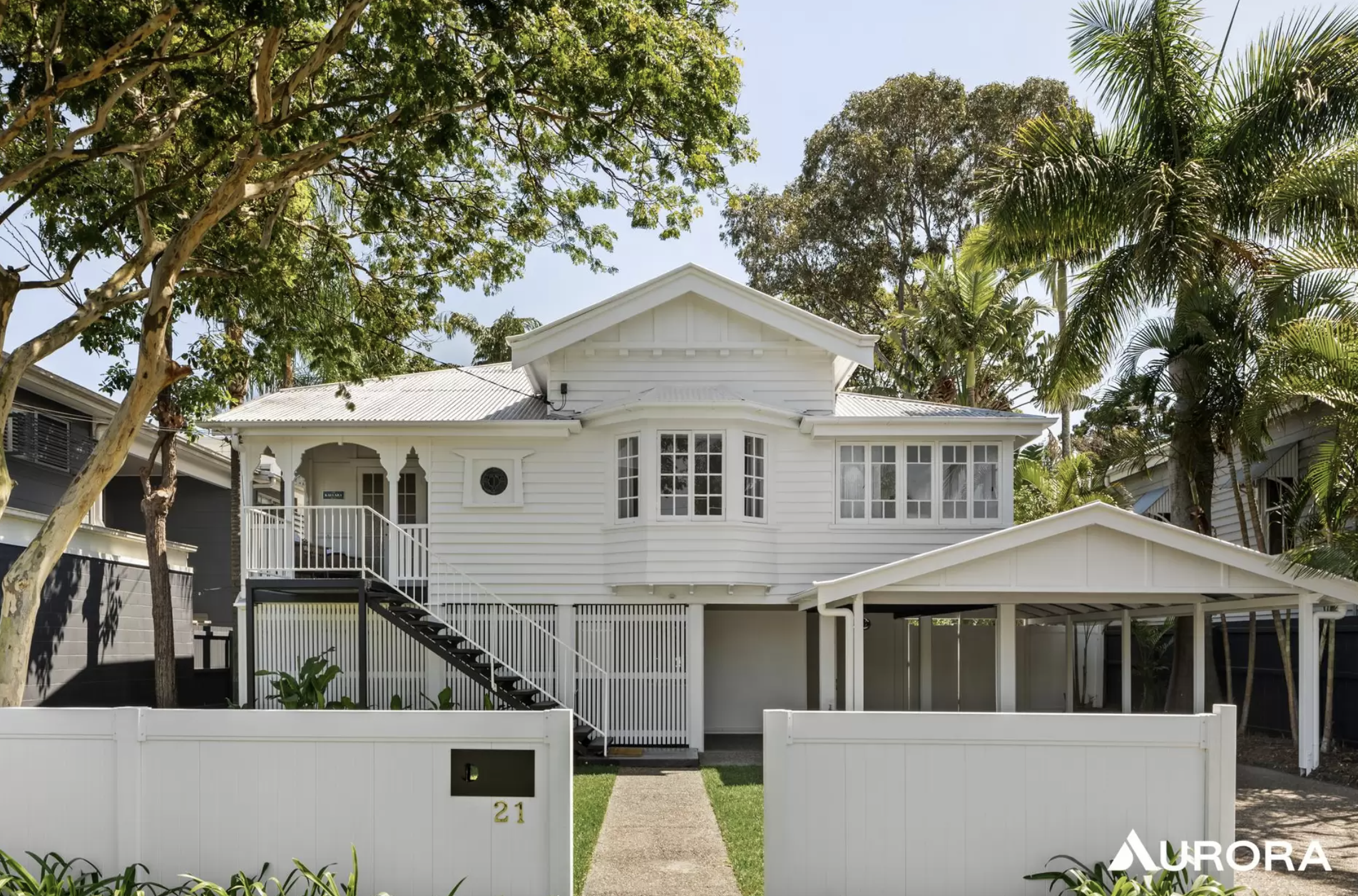
Hawthorne is one of Brisbane’s premier riverfront suburbs. On the southern side of the Brisbane River, around six kilometres from the CBD, Hawthorne is characterised by its wide, tree-lined streets, a mix of heritage and restored Queenslanders, and new architect-designed modern homes. Residents enjoy proximity to the Brisbane River, boutique cafes, the historic Hawthorne Cinema, and excellent ferry links. The area’s village-style atmosphere and strong school zoning make it a magnet for high-income families and professionals.
The Homes
The priciest home for lease in Hawthorne is a fully renovated Queenslander on Mullens Street, one of the best streets in the suburb. The $1,400 a week rental has four bedrooms and last sold for $2.6 million late last year.
Bulimba
Median house value: $2.05m
Median weekly house rent: $1,079
The Neighbourhood
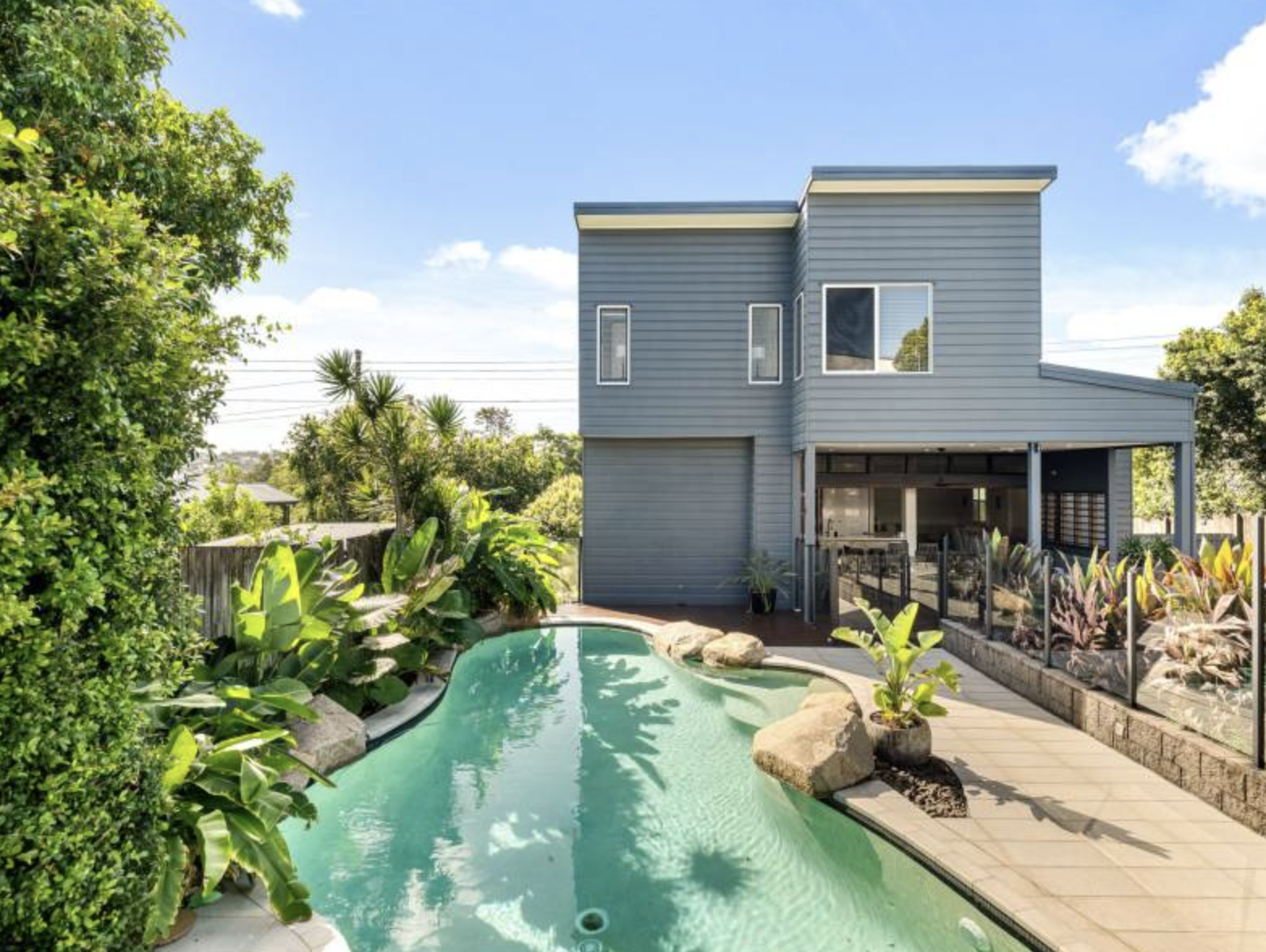
Next door to Hawthorne, Bulimba is also one of Brisbane’s most sought-after lifestyle suburbs. Its Oxford Street precinct is a major drawcard, filled with cafés, restaurants, boutiques, and a vibrant community atmosphere. The houses are also very similar to those of its neighbouring suburb, classic Queenslanders and contemporary builds.
The Homes
The most expensive rental on the market in Bulimba is a five-bedroom renovated Queenslander on over 1,000 sqm. It has an outdoor lounge area, a swimming pool, and a gym. It is seeking a tenant at $2,250 a week.
Brookfield
Median house value: $2.02m
Median weekly house rent: $1,064
The Neighbourhood
Brookfield in Brisbane’s western suburbs is the answer for those seeking space, privacy, and a touch of country living within city limits. Located around 13km from the CBD, Brookfield is renowned for its large homes on expansive blocks, leafy surrounds, and strong community feel.
The area’s semi-rural charm is paired with proximity to excellent private schools and natural attractions like Mount Coot-tha. High demand for acreage homes in a prestige setting has pushed median weekly rents to $1,064 — making it one of the most exclusive outer suburbs for renting a house in Brisbane.
The Homes
There are just two homes for rent in Brookfield currently, one a five-bedroom home asking $1,300 a week.
Chelmer
Median house value: $1.91m
Median weekly house rent: $1,053
The Neighbourhood
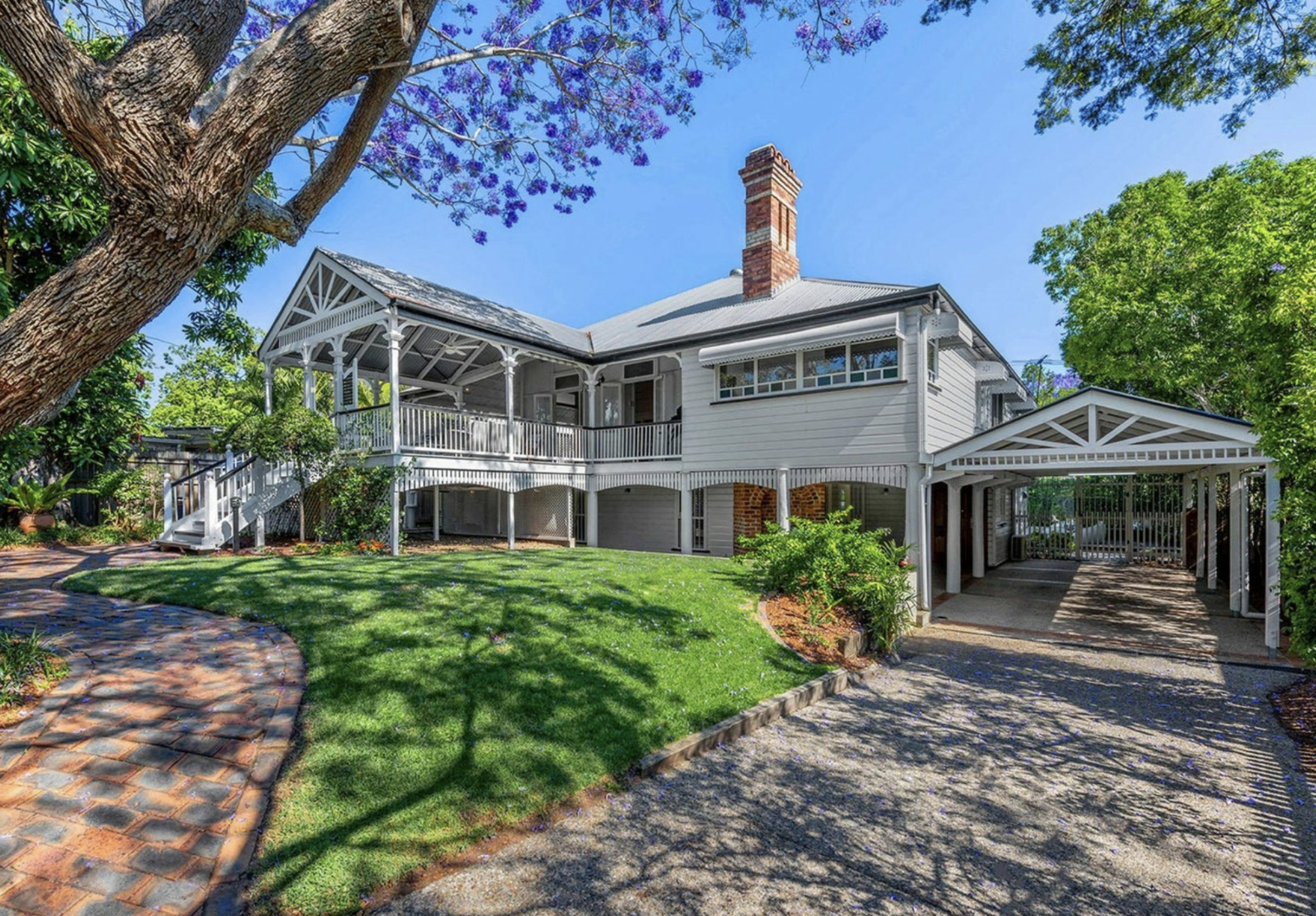
Situated on a bend of the Brisbane River, Chelmer offers peaceful, upmarket living less than 10km from the CBD. The suburb is known for its character homes, riverside views, and wide, leafy streets lined with jacarandas.
Chelmer has long attracted well-heeled families drawn to its excellent school catchments, village charm, and easy train access to the city.
The Homes
A four-bedroom Queenslander with a pool on Jarrot Street is the priciest in Chelmer. It is seeking a $1,425 a week tenant.
Ascot
Median house value: $2.47m
Median weekly house rent: $1,025
The Neighbourhood
An icon of Brisbane’s prestige property market, Ascot is synonymous with elegance, history, and high-end living. The suburb is famous for its heritage-listed homes, proximity to the racecourses at Eagle Farm and Doomben, and the elite private schools that attract families from across the city.
Ascot is just 7km from the CBD and offers a refined, well-connected lifestyle with some of Brisbane’s most prestigious real estate. With a median weekly rent of $1,025 and the highest median house value on the list, it remains a flagship suburb in Brisbane’s luxury rental market.
The Homes
A four-bedroom Queenslander with a pool on Jarrot Street is the priciest in Chelmer. It is seeking a $1,425 a week tenant.
Pullenvale
Median house value: $2.02m
Median weekly house rent: $1,020
The Neighbourhood
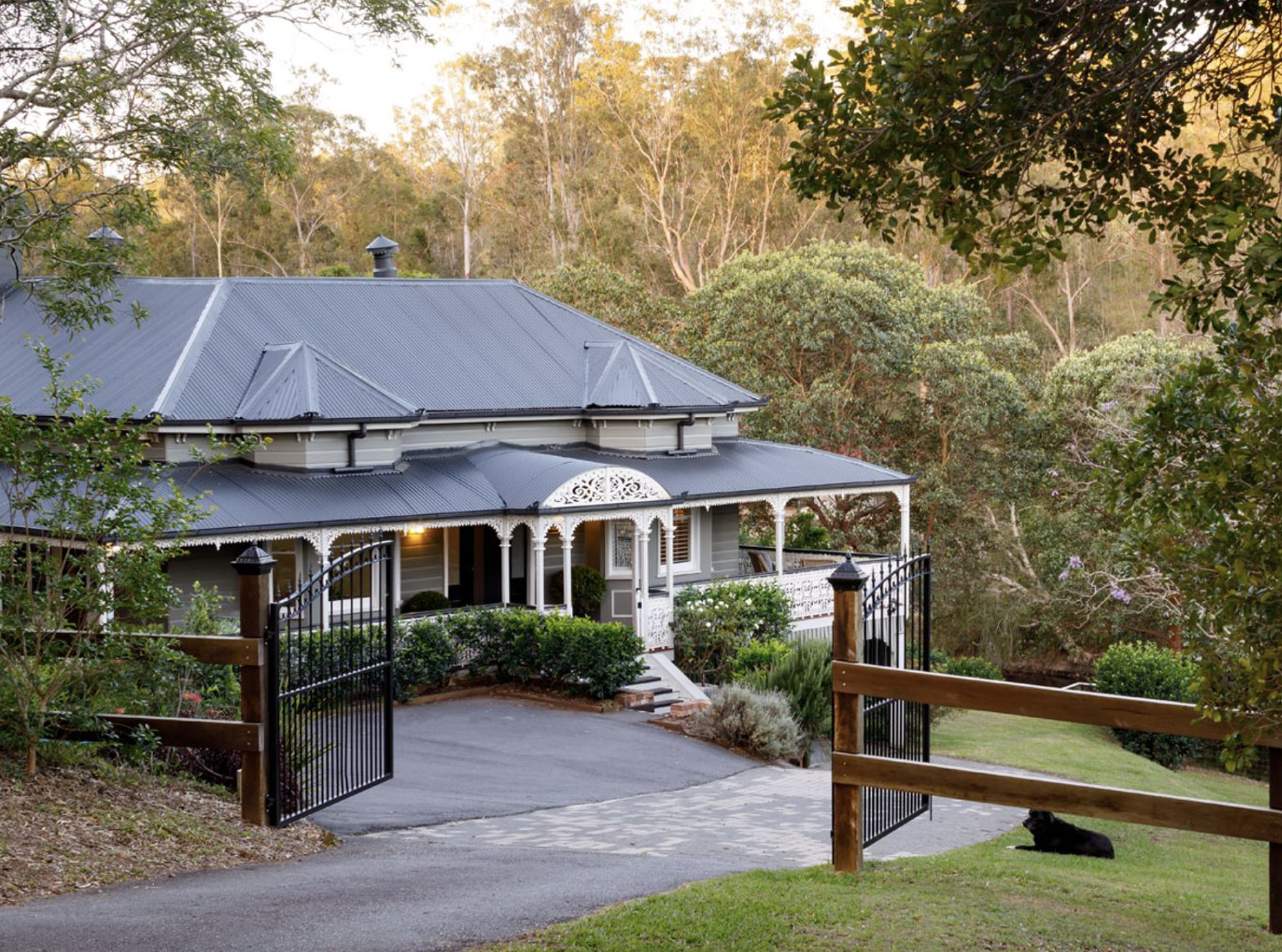
Set against a backdrop of rolling hills and native bushland, Pullenvale offers an acreage lifestyle just 20km from the city. The suburb is known for its spacious estates, peaceful atmosphere, and strong appeal to families who want both luxury and seclusion.
Despite its tranquil setting, Pullenvale is still within reach of top private schools and shopping hubs like Indooroopilly. With demand for large homes on generous land rising, the suburb has hit a median rent of $1,020 — placing it firmly within Brisbane’s most exclusive rental enclaves.
The Homes
One of the most expensive homes in Pullenvale on the rental market is Lynwood, a $1,200 a week rental. Set on 10,000 sqm, the 1940s-built home features a fireplace, 12ft ceilings, timber floor and VJ walls. It has four bedrooms and is wrapped in verandahs that overlook the surrounding manicured gardens.
Brisbane’s Cheapest Suburb: Russell Island
Median purchase: $454,000
Median rent: $461
Russell Island is the most affordable suburb within Greater Brisbane. Deemed as East Brisbane, Russell Island is in the City of Redland, 20 minutes by passenger ferry from Redland Bay.
The large 1,700-hectare island has a permanent population of 4,000 people and has everything from a medical centre and supermarket to an RSL, library, and museum.
Brisbane’s Best Suburb: Kangaroo Point
Kangaroo Point is the most consistently expensive suburb in Brisbane due to its tight supply of houses. According to the last census, just 10 percent of dwellings in the suburb are houses, given its proximity to the CBD.
The riverfront suburb is the closest to the Story Bridge on the south side, and has set records for the most expensive houses in the capital, which hug the cliff face. The suburb is home to Kangaroo Point Cliffs Park, The Cliffs Boardwalk, and popular Italian restaurant Joey’s that serves morning coffees all the way through to fine dining at night, with a terrace that takes in the best views in Brisbane.
The Holman Street Ferry Terminal connects Kangaroo Point to the city in minutes.
What is Brisbane’s most expensive suburb to rent a house?
As of May 2025, Hawthorne is Brisbane’s most expensive suburb to rent a house.
What is Brisbane’s cheapest suburb to rent a unit?
As of May 2025, Russell Island is Brisbane’s most expensive suburb to rent a house.
What is Brisbane’s most expensive suburb to buy a house?
As of May 2025, New Farm is Brisbane’s most expensive suburb to buy a house.
What is Brisbane’s most expensive suburb to buy a unit?
As of May 2025, Point Lookout is Brisbane’s most expensive suburb to buy a unit.

From making unpopular decisions to learning when to listen, leaders from five businesses reveal what nobody prepared them for — and how running a company has challenged their expectations.

Technology and semiconductor shares fell sharply as investors questioned the debt financing the AI infrastructure boom and confronted higher rates and Chinese competition.

Mirvac’s 45-level Trielle has topped out at Yarra’s Edge, pairing riverfront apartments with wellness facilities, private dining and resident services.
3 min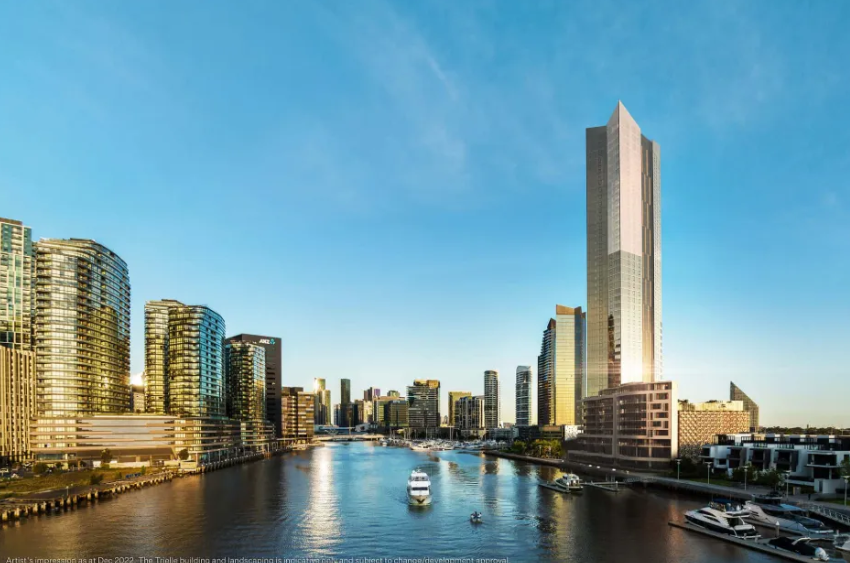
Mirvac has topped out Trielle at Melbourne’s Yarra’s Edge, with more than 70 per cent of the riverfront development sold and approximately 80 per cent of purchasers intending to make their apartment a home.
The figures, released on September 22, point to an owner-occupier audience for one of the precinct’s final residential towers. Mirvac began developing Yarra’s Edge in 2003, and its latest addition occupies one of the remaining absolute riverfront sites.
Mirvac CEO of Development Stuart Penklis said existing residents were among those moving up within the neighbourhood.
“Many purchasers already have a connection to Yarra’s Edge,” Mr Penklis said, describing buyers whose changing needs were encouraging an upgrade within the precinct.
“As one of the final residential towers within Yarra’s Edge, Trielle represents the culmination of more than two decades of creating one of Melbourne’s most established and sought-after waterfront communities,” Penklis said.
“Positioned on the Collins Street axis with absolute river frontage, Trielle offers residents a rare opportunity to enjoy sweeping views across the Yarra River, Melbourne skyline and Port Phillip Bay, while remaining seamlessly connected to the CBD. With Trielle now more than 70 per cent sold, we’re continuing to see strong demand from buyers seeking quality homes in established locations.”
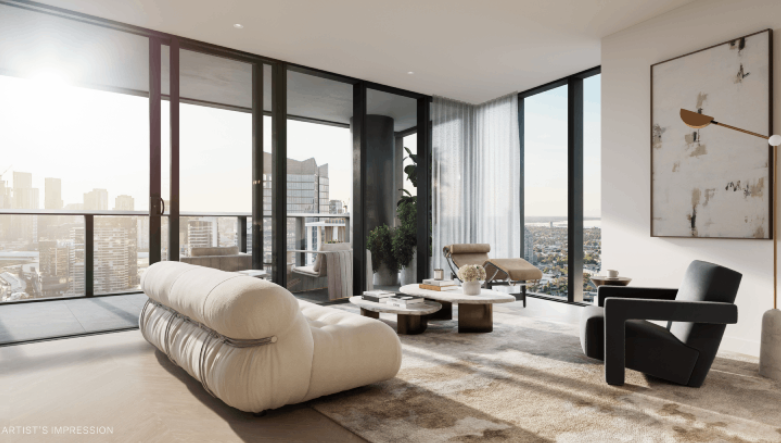
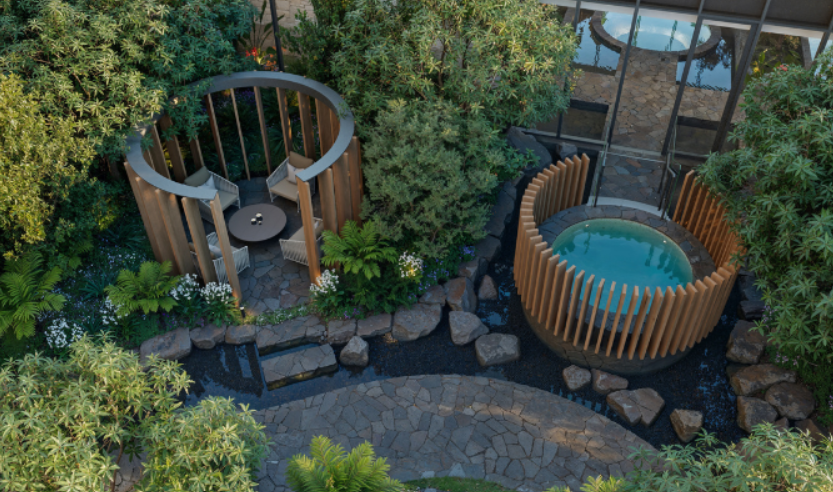
The developer also flagged a penthouse and sub-penthouse collection with larger layouts, premium finishes and broad outlooks. The planned wellness centrepiece, The Oasis, encompasses a 900-square-metre elevated urban rainforest.
Mirvac General Manager Residential Development Victoria Elysa Anderson said Trielle had resonated strongly with buyers seeking a rare lifestyle offering in Melbourne.
“Opportunities to secure a new luxury residence on a riverfront site of this calibre are incredibly rare, particularly within a community like Yarra’s Edge,” Anderson said.
“What makes Trielle unique is the combination of exceptional views, world-class residential facilities and the lifestyle that already exists around it. Residents are buying into a mature waterfront community with parks, promenades, dining, wellness and strong community connections already in place.”
The 45-level tower brings a substantial new presence to that waterfront. Its residential offering spans one-, two-, three- and four-bedroom apartments, with Signature, Prestige and Sub-Penthouse collections accommodating different household sizes. The north-facing position connects the apartments visually to the river and city beyond.
Seven storeys above the promenade, the planned Oasis combines planting and a running stream with a Scandinavian-inspired wellness club developed with spa specialist Naomi Gregory. Facilities include a 25-metre lap pool, hot magnesium pool, sauna, hydrotherapy, a gym, yoga and Pilates room, and treatment spaces.
The amenity extends beyond exercise. Residents will have access to The Biblioteca library and workspaces, ground-floor work pods, and The Salone piano lounge. A private Chef’s Table dining room offers a setting for larger gatherings, while a cinema, games room and sports lounge broaden the entertaining options. Concierge services and a dog-wash area support everyday routines.
Trielle comprises a collection of one, two, three and four-bedroom residences. Reflecting strong demand from owner occupiers, approximately 80 per cent of purchasers to date intend to live in their homes, highlighting the project’s appeal to those seeking a long-term waterfront lifestyle.
Mirvac has recently delivered The Albertine, a premium apartment development on the edge of Melbourne’s CBD, and is nearing completion of Prince & Parade in Brunswick, further strengthening its portfolio of thoughtfully designed apartment communities in some of Melbourne’s most sought-after urban locations.
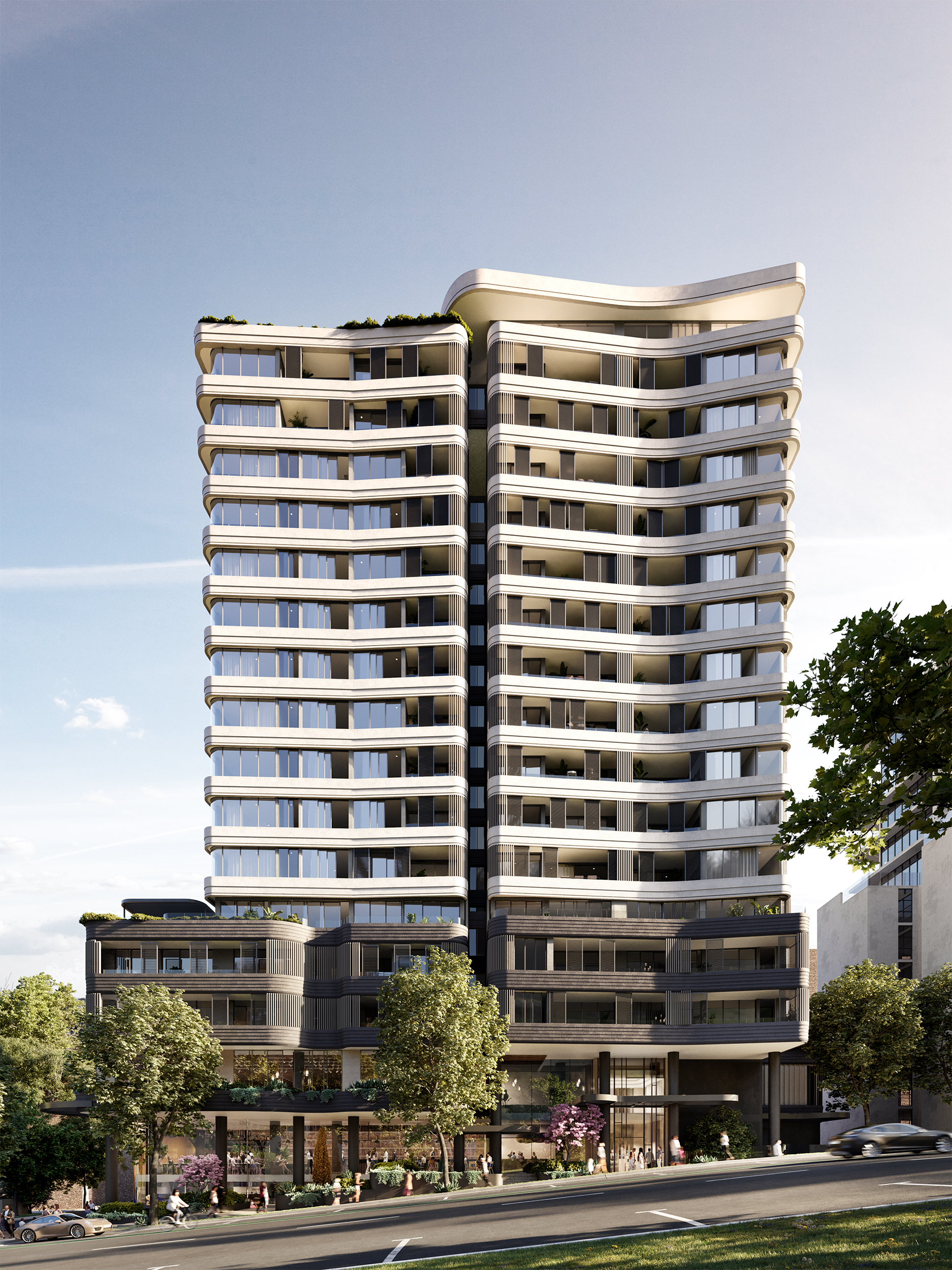
Located steps from Crows Nest Metro, the near-complete development brings luxury living to Sydney’s Lower North Shore.
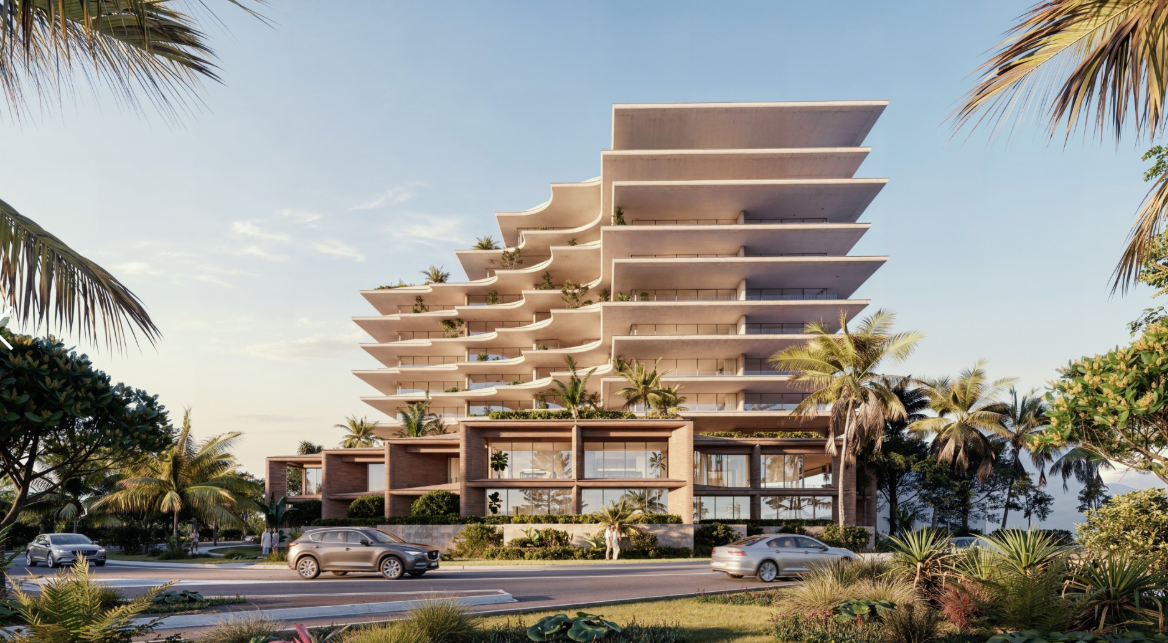
Queensland-based builder-developer MAYD has unveiled an exclusive first look at its anticipated ultra-luxury North Kirra mixed-use project as it lodges a minor amendment with the City of Gold Coast Council. The project sits across a 4,742sqm amalgamated landholding spanning seven parcels at 2–6 Pacific Parade and 27–33 Golden Four Drive, Bilinga, which MAYD secured in …
Continue reading “MAYD”s North Kirra Plans Unveiled Ahead of Early 2027 Launch”