Haven at Burleigh Heads Brings Coastal Dining to New Heights

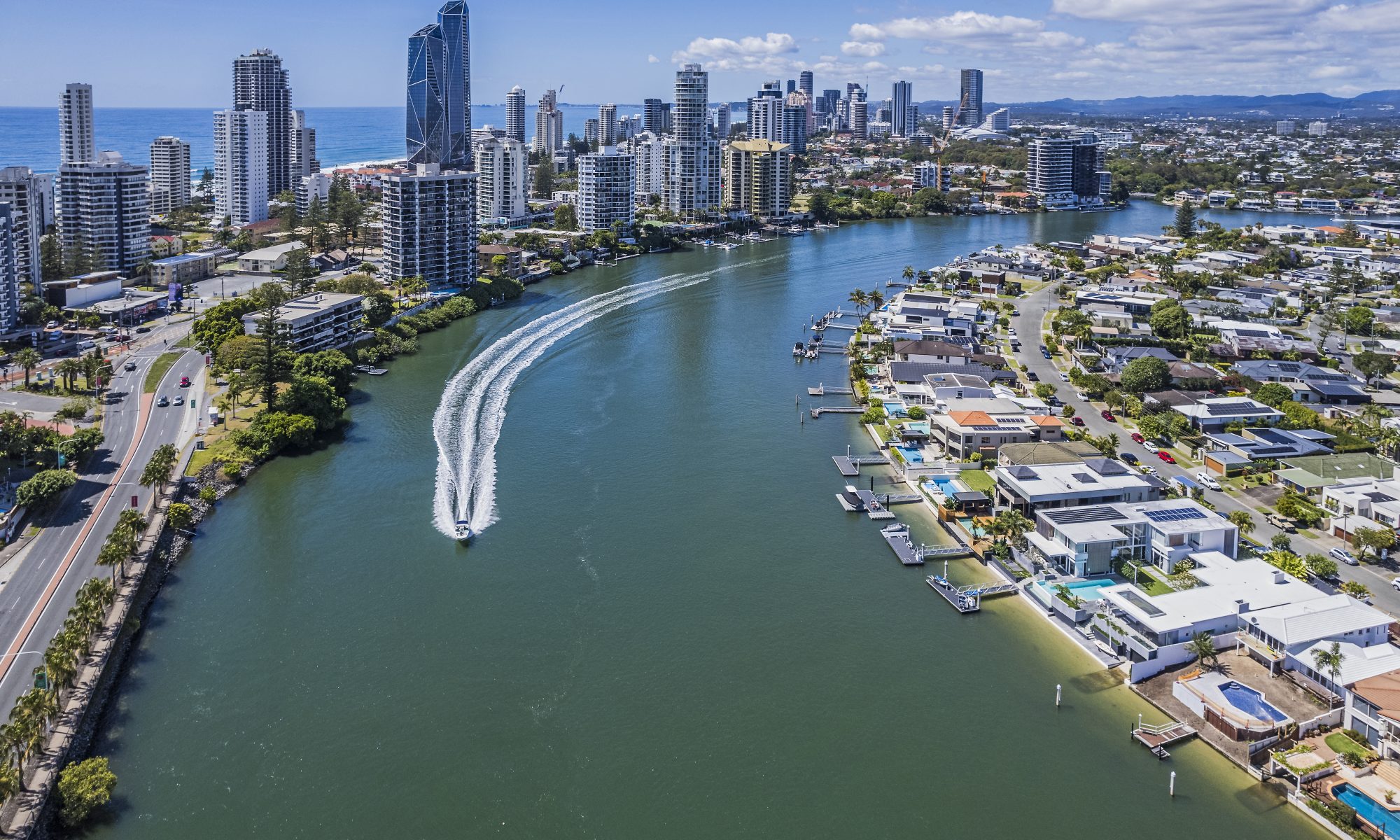
A new chapter in beachfront luxury has arrived on the southern Gold Coast, with Haven opening its doors above the pristine sands of Burleigh Heads.

Situated within the newly launched Mondrian Gold Coast, the first Australian outpost of the global hotel brand, the destination venue offers a seamless blend of restaurant, pool club and beachside escape.

At the helm is Executive Chef Aaron Teece, whose résumé includes fine-dining heavyweights such as EST., Felix, and Manly Pavilion — delivering an all-day dining experience rooted in simplicity, seasonality, and provenance.

“When ingredients are respected, simplicity speaks loudest,” says Teece. “It’s about letting the food and location do the talking.”

Set across the hotel’s third floor, Haven unfolds in stages: from sun-soaked lunches in the main dining room, to twilight cocktails at the sunset bar, to poolside indulgence in private cabanas.

The design, by Sydney’s Alexander & Co., reflects the easy luxury of its setting, pairing tactile interiors with uninterrupted ocean views and a relaxed yet refined pace.

On the plate, expect seafood sourced from Cairns to Byron Bay, premium local meats, and hinterland produce, all threaded together by a central woodfire grill.

The menu is polished but approachable — think raw bar delicacies, share-style plates and bold coastal flavours that match the panoramic backdrop.

The drinks program reflects the culinary ethos, offering a range of top-shelf Australian and international wines, a dedicated agave list, and beach-friendly cocktails designed for enjoyment from midday to moonlight.

Opening to the public from June 5, Haven marks a new benchmark for lifestyle dining on the Gold Coast — a destination where food, design, and oceanfront ambience meet. It’s more than a restaurant — it’s a rhythm, a mood, and a moment worth lingering over.

REVEALED: Brisbane’s Most Expensive Suburbs To Rent

The Brisbane rental market has surged in recent years, and the city’s most prestigious postcodes are now commanding eye-watering prices for houses.

Data commissioned by Kanebridge News from property data analytics firm Cotality (formerly CoreLogic) reveals that renters are forking out more than $1,000 a week in six of Brisbane’s most expensive suburbs — a threshold that reflects the strength of the city’s prestige housing market and growing interstate demand.

Below, we reveal the most expensive suburbs in Brisbane right now for renting a house, with a breakdown of median house prices, weekly rents, and what makes each neighbourhood so desirable.

*Cotality only includes suburbs where there have been 20 or more houses for rent over a single year. Prices are accurate as of May 2025. 

Hawthorne

Median house value: $2.16m
Median weekly house rent: $1,083

The Neighbourhood

Hawthorne is one of Brisbane’s premier riverfront suburbs. On the southern side of the Brisbane River, around six kilometres from the CBD, Hawthorne is characterised by its wide, tree-lined streets, a mix of heritage and restored Queenslanders, and new architect-designed modern homes. Residents enjoy proximity to the Brisbane River, boutique cafes, the historic Hawthorne Cinema, and excellent ferry links. The area’s village-style atmosphere and strong school zoning make it a magnet for high-income families and professionals.

The Homes

The priciest home for lease in Hawthorne is a fully renovated Queenslander on Mullens Street, one of the best streets in the suburb. The $1,400 a week rental has four bedrooms and last sold for $2.6 million late last year.

Bulimba

Median house value: $2.05m
Median weekly house rent: $1,079

The Neighbourhood

Next door to Hawthorne, Bulimba is also one of Brisbane’s most sought-after lifestyle suburbs. Its Oxford Street precinct is a major drawcard, filled with cafés, restaurants, boutiques, and a vibrant community atmosphere. The houses are also very similar to those of its neighbouring suburb, classic Queenslanders and contemporary builds.

The Homes

The most expensive rental on the market in Bulimba is a five-bedroom renovated Queenslander on over 1,000 sqm. It has an outdoor lounge area, a swimming pool, and a gym. It is seeking a tenant at $2,250 a week. 

Brookfield

Median house value: $2.02m
Median weekly house rent: $1,064

The Neighbourhood

Brookfield in Brisbane’s western suburbs is the answer for those seeking space, privacy, and a touch of country living within city limits. Located around 13km from the CBD, Brookfield is renowned for its large homes on expansive blocks, leafy surrounds, and strong community feel.

The area’s semi-rural charm is paired with proximity to excellent private schools and natural attractions like Mount Coot-tha. High demand for acreage homes in a prestige setting has pushed median weekly rents to $1,064 — making it one of the most exclusive outer suburbs for renting a house in Brisbane.

The Homes

There are just two homes for rent in Brookfield currently, one a five-bedroom home asking $1,300 a week.

Chelmer

Median house value: $1.91m
Median weekly house rent: $1,053

The Neighbourhood

Situated on a bend of the Brisbane River, Chelmer offers peaceful, upmarket living less than 10km from the CBD. The suburb is known for its character homes, riverside views, and wide, leafy streets lined with jacarandas.

Chelmer has long attracted well-heeled families drawn to its excellent school catchments, village charm, and easy train access to the city. 

The Homes

A four-bedroom Queenslander with a pool on Jarrot Street is the priciest in Chelmer. It is seeking a $1,425 a week tenant.

Ascot

Median house value: $2.47m
Median weekly house rent: $1,025

The Neighbourhood

An icon of Brisbane’s prestige property market, Ascot is synonymous with elegance, history, and high-end living. The suburb is famous for its heritage-listed homes, proximity to the racecourses at Eagle Farm and Doomben, and the elite private schools that attract families from across the city.

Ascot is just 7km from the CBD and offers a refined, well-connected lifestyle with some of Brisbane’s most prestigious real estate. With a median weekly rent of $1,025 and the highest median house value on the list, it remains a flagship suburb in Brisbane’s luxury rental market.

The Homes

A four-bedroom Queenslander with a pool on Jarrot Street is the priciest in Chelmer. It is seeking a $1,425 a week tenant.

Pullenvale

Median house value: $2.02m
Median weekly house rent: $1,020

The Neighbourhood

Set against a backdrop of rolling hills and native bushland, Pullenvale offers an acreage lifestyle just 20km from the city. The suburb is known for its spacious estates, peaceful atmosphere, and strong appeal to families who want both luxury and seclusion.

Despite its tranquil setting, Pullenvale is still within reach of top private schools and shopping hubs like Indooroopilly. With demand for large homes on generous land rising, the suburb has hit a median rent of $1,020 — placing it firmly within Brisbane’s most exclusive rental enclaves.

The Homes

One of the most expensive homes in Pullenvale on the rental market is Lynwood, a $1,200 a week rental. Set on 10,000 sqm, the 1940s-built home features a fireplace, 12ft ceilings, timber floor and VJ walls. It has four bedrooms and is wrapped in verandahs that overlook the surrounding manicured gardens. 

Brisbane’s Cheapest Suburb: Russell Island

Median purchase: $454,000
Median rent: $461

Russell Island is the most affordable suburb within Greater Brisbane. Deemed as East Brisbane, Russell Island is in the City of Redland, 20 minutes by passenger ferry from Redland Bay.

The large 1,700-hectare island has a permanent population of 4,000 people and has everything from a medical centre and supermarket to an RSL, library, and museum.

Brisbane’s Best Suburb: Kangaroo Point

Kangaroo Point is the most consistently expensive suburb in Brisbane due to its tight supply of houses. According to the last census, just 10 percent of dwellings in the suburb are houses, given its proximity to the CBD.

The riverfront suburb is the closest to the Story Bridge on the south side, and has set records for the most expensive houses in the capital, which hug the cliff face. The suburb is home to Kangaroo Point Cliffs Park, The Cliffs Boardwalk, and popular Italian restaurant Joey’s that serves morning coffees all the way through to fine dining at night, with a terrace that takes in the best views in Brisbane.

The Holman Street Ferry Terminal connects Kangaroo Point to the city in minutes.

What is Brisbane’s most expensive suburb to rent a house?

As of May 2025, Hawthorne is Brisbane’s most expensive suburb to rent a house.

What is Brisbane’s cheapest suburb to rent a unit?

As of May 2025, Russell Island is Brisbane’s most expensive suburb to rent a house.

What is Brisbane’s most expensive suburb to buy a house?

As of May 2025, New Farm is Brisbane’s most expensive suburb to buy a house.

What is Brisbane’s most expensive suburb to buy a unit?

As of May 2025, Point Lookout is Brisbane’s most expensive suburb to buy a unit.

Why More Founders Need a Personal Wealth Strategy

When I launched my first business in my twenties, I thought success meant sales, scale, and building a brand with cut-through. And to some extent, it did.

But it took me a little longer to realise that real success — the kind that sustains you beyond your startup — also means financial independence. Not just revenue. Not just growth. But wealth.

We don’t talk about this enough. Founders are often so focused on cash flow, growth targets and reinvesting in the business that they neglect their own financial future.

And for women in particular, that can be a costly blind spot — especially in a climate like this.

Right now, the cost of living is at record highs. Inflation is steadily eroding savings. And Australian women are still retiring with, on average, 25% less superannuation than men. Financial literacy is no longer a nice-to-have — it’s a survival skill.

And founders, of all people, should be thinking about how they’re building wealth personally — not just professionally.

When I started my first business, I was a young solo mum navigating life without a blueprint — financially or otherwise. I didn’t grow up talking about money. I didn’t have a financial adviser on speed dial.

But I taught myself. I bought property. I built multiple income streams. I started investing. And I did it all while bootstrapping.

What I learned is this: you don’t need to be a finance expert to build wealth. But you do need to get intentional about it. Because if your personal finances aren’t growing with your business, you’re more exposed than you think.

Here are three things I’ve learned that I now believe every founder should factor into their strategy:

Wealth is the long game, and revenue isn’t enough

There’s a big difference between making money and building wealth. Your business might generate strong revenue, but if you’re not pulling money out, protecting it, and putting it to work, you’re still operating from a place of risk. I learned to treat my personal finances like a second business — with goals, structure, and long-term thinking. That shift was a turning point.

Diversification applies to life, not just portfolios

As founders, we know the risk of relying on a single product or market. The same logic applies to your personal income. One revenue stream — even a thriving one — is still one point of failure. I started looking for ways to build parallel income early: investing in markets, creating digital assets, and adding secondary product lines. That strategy gave me freedom, not just extra income.

Financial literacy makes you a better founder

The more confident I became with money — understanding debt, interest, returns, tax — the sharper my decision-making got. It wasn’t about becoming an expert.

It was about building fluency. Knowing my numbers gave me leverage — in negotiations, in team conversations, and in moments of pressure. It made me more resilient and more resourceful.

We often hear about “closing the gap” in funding, leadership, and opportunity. But there’s another gap we rarely acknowledge: the financial confidence gap.

And it starts with founders — especially women — being willing to prioritise their own wealth as part of their growth story.

You don’t need to have it all figured out. But you do need to start. Because the goal isn’t just to build a successful business — it’s to build a life that gives you freedom, security, and options long after the business has scaled.

Rebecca Klodinsky is the founder of IIXIIST and co-founder of The Prestwick Place, two multi-million dollar brands built without investors or retail stores. Known for her sharp digital strategy and sustainable, direct-to-consumer approach, she continues to rewrite the rules of modern luxury

Balenciaga & Lamborghini Unveil Fall 25 Collaboration with Global Paris Launch

Balenciaga and Automobili Lamborghini have officially launched their Fall 2025 collaboration — a bold, motorsport-inspired collection that fuses cutting-edge fashion with high-performance engineering.

Unveiled in Paris, the collaboration includes ready-to-wear, leather goods, jewellery, and accessories, all drawing from Lamborghini’s automotive language while staying true to Balenciaga’s architectural silhouettes and boundary-pushing design ethos.

Key pieces include oversized bomber jackets, leather racing jackets, layered trompe-l’œil T-shirts and hoodies, many featuring artwork inspired by Lamborghini’s upcoming Temerario model.

Anchoring the capsule are exclusive versions of Balenciaga’s Rodeo, Hourglass, Explorer, and Carrie bags, reimagined with the Automobili Lamborghini Shield emblem. Accessories such as the Dashboard Clutch and key fob–inspired charms further embed the collection in automotive culture.

The accompanying campaign, shot by Stef Mitchell, showcases the Lamborghini Revuelto model alongside Balenciaga-clad models styled from the Fall 25 runway.

To mark the global launch, Balenciaga is staging a series of high-concept store activations in major fashion capitals.

Lamborghini Revuelto supercars emblazoned with Balenciaga graffiti decals will appear outside flagship boutiques including Avenue Montaigne in Paris, Greene Street in New York, and Taikoo Hui in Shanghai, each featuring custom regional colorways.

The Balenciaga Art in Stores initiative will include works by German artist Yngve Holen, whose anatomical sculptures crafted from Lamborghini parts will be displayed at flagships including Paris, Milan, and London.

In-store installations will also feature driving simulators by Vesaro — built using genuine Lamborghini components and designed in collaboration with Lamborghini Centro Stile — at locations such as Rue Saint-Honoré in Paris and Sloane Street in London.

In a high-tech twist, Lamborghini has developed a dedicated Apple Vision Pro app offering clients a virtual exploration of the Temerario, blending the digital realm with Balenciaga’s physical spaces for a deeper brand immersion.

The collection is now available at select Balenciaga stores worldwide and online at balenciaga.com and balenciaga.cn.

Why Family Offices Are Emerging as Preferred Partners for CRED Managers

Family offices are increasingly asserting their dominance in Australia’s private credit markets, particularly in the commercial real estate debt (CRED) segment.

With more than 2,000 family offices now operating nationally—an increase of over 150% in the past decade, according to KPMG—their influence is not only growing in scale, but also in strategic sophistication.

Traditionally focused on preserving intergenerational wealth, COI Capital has found that family offices have broadened their mandates to include more active and yield-driven deployment of capital, particularly through private credit vehicles.

This shift is underpinned by a defensive allocation rationale: enhanced risk-adjusted returns, predictable income, and collateral-backed structures offer an attractive alternative to the volatility of public markets.

The Competitive Landscape for Manager Mandates

As family offices increase their exposure to private credit, the dynamic between managers and capital providers is evolving. Family offices are highly discerning capital allocators.

They expect enhanced reporting, real-time visibility into asset performance, and access to decision-makers are key differentiators for successful managers. Co-investment rights, performance-based fees, and downside protection mechanisms are increasingly standard features.

While typically fee-sensitive, many family offices are willing to accept standard management and performance fee structures when allocating $5M+ tickets, recognising the sourcing advantage and risk oversight provided by experienced managers. This has created a tiered market where only managers with demonstrated execution capability, origination networks, and robust governance frameworks are considered suitable partners.

Notably, many are competing by offering differentiated access models, such as segregated mandates, debt tranches, or tailored securitisation vehicles.

Onshore vs. Offshore Family Offices

There are important distinctions between onshore and offshore family offices in the context of CRED participation:

  • Onshore Family Offices: Typically have deep relationships with local stakeholders (brokers, valuers, developers) and a more intuitive understanding of planning, legal, and enforcement frameworks in Australian real estate markets. They are more likely to engage directly or via specialised mandates with domestic managers.

  • Offshore Family Offices: While often attracted to the yield premium and legal protections offered in Australia, they face structural barriers in accessing deal flow. Currency risk, tax treatment, and regulatory unfamiliarity are key concerns. However, they bring diversification and scale, often via feeder vehicles, special-purpose structures, or syndicated participation with Tier 1 managers.

COI Capital Management has both an offshore and onshore strategy to assist and suit both distinct Family Office needs.

Faris Dedic

Impact on the Broader CRED Market

The influx of family office capital into private credit markets has several systemic implications:

  • Family offices, deploying capital in significant tranches, have enhanced liquidity across the mid-market CRE sector.

  • Their ability to move quickly with minimal conditionality has contributed to yield compression, particularly on low-LVR, income-producing assets.

  • As a few family offices dominate large allocations, concerns emerge around pricing power, governance, and systemic concentration risk.

Unlike ADIs or superannuation funds, family offices operate outside the core prudential framework, raising transparency and risk management questions, particularly in a stress scenario.

So what is the answer? Are Family Offices the most Attractive?

Yes—family offices are arguably among the most attractive funding partners for CRED managers today. Their capital is not only flexible and long-term focused, but also often deployed with a strategic mindset.

Many family offices now have a deep understanding of the risk-return profile of CRE debt, making them highly engaged and informed investors.

They’re typically open to co-investment, bespoke structuring, and are less bogged down by institutional red tape, allowing them to move quickly and decisively when the right opportunity presents itself. For managers, this combination of agility, scale, and sophistication makes them a valuable and increasingly sought-after partner in the private credit space.

For high-performing CRED managers with demonstrable origination, governance, and reporting frameworks, family offices offer not only a reliable source of capital but also a collaborative partnership model capable of supporting large-scale deployments across market cycles.

Faris Dedic is the Founder and Managing Director of DIG Capital Advisory and COI Capital Management

RUMAH: BRIGHTON’S MODERN $11M MARVEL

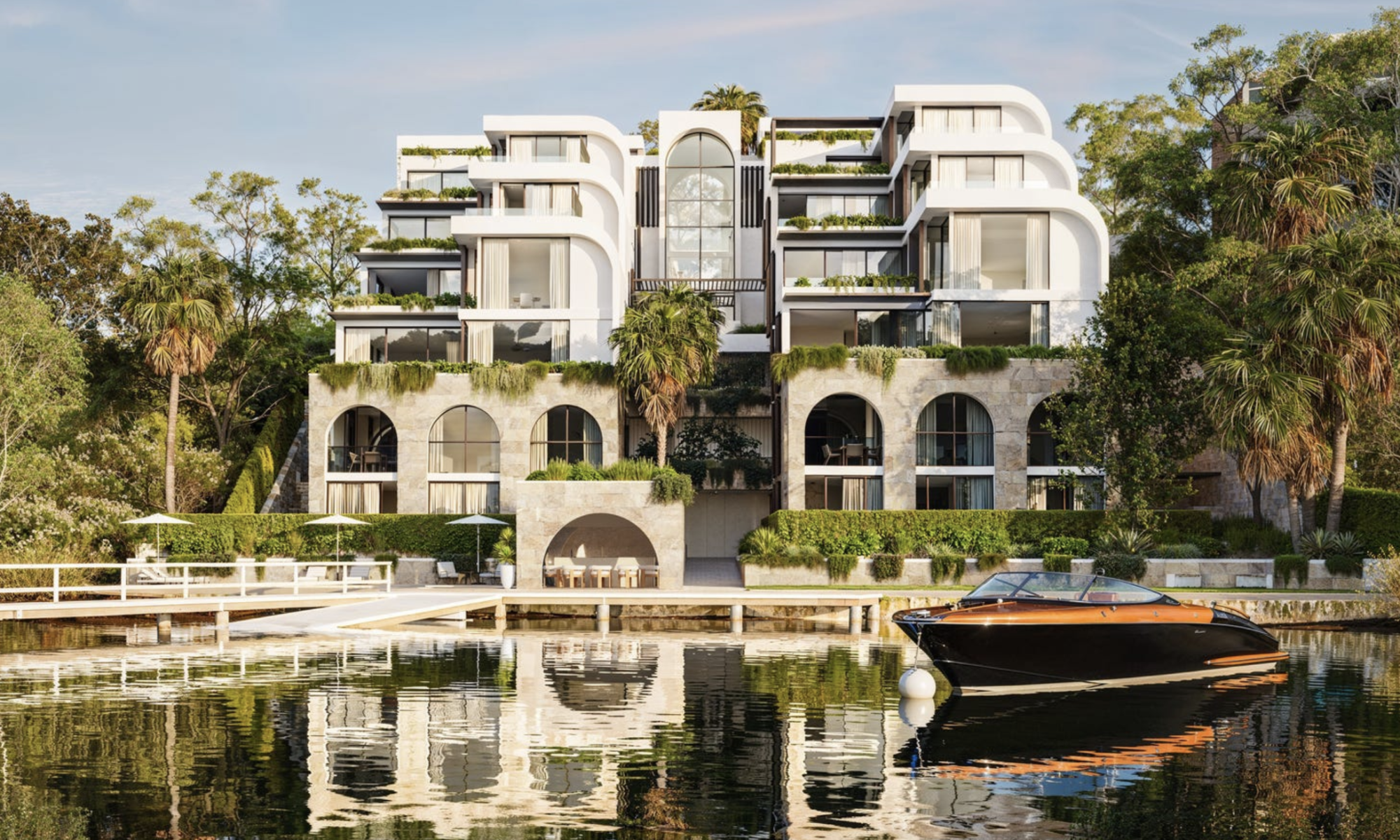
Rumah means “home” in Indonesian and Malay, and it’s clear this designer property in Melbourne’s coveted beachside enclave of Brighton is a dream house in any language.

The uber-contemporary residence is a collaboration between builders Belot Property, Seidler Group architects, and the interiors team at Golden.

The result is a modern marvel that combines a brutalist concrete exterior ready to weather its coastal setting with inviting interiors using a mix of textures, from French oak to metal and brick finishes.

Just listed with Kay & Burton Bayside agents, Rae Mano, Matthew Pillios and Jamie Mi, the prestige property is on the market via a private treaty campaign with price expectations of between $10.5 million and $11.5 million.

Created to be a great entertainer while maintaining a level of discreet privacy, Rumah is, at its heart, a warm, family-friendly home that ticks all the boxes for detail-oriented design connoisseurs.

A palette of contradictions, Rumah blends angular and rounded forms, features hard steel and glass, and effortlessly incorporates the earthy finishes of brick and timber for a holistic sensory experience.

Beyond the oversized pivot door sits a large structural column wrapped in gold leaf, setting the tone for the rest of the residence. The three-storey layout offers a choice of multigenerational spaces, from the ground-floor everyday living level to the accommodation wing on the top floor and the large basement “clubhouse.”

At the heart of the home, a gourmet kitchen features a dramatic island bench, high-end appliances, and a full butler’s pantry. Multiple spaces feed off the kitchen, including a vast dining area and a large living room, which both spill out through full-height glazed doors to either a side barbecue terrace or the poolside deck to the rear.

Even the downstairs entertainer’s room – also known as the club – is effectively poolside thanks to an innovative glass viewing window framing swimmers and cleverly connecting the subterranean level to the rest of the home. This games room also houses a sophisticated bar, a wine cellar, integrated night club style lounge seating and a full bathroom.

Additionally, the lower floor features a hidden laundry room, two store rooms, direct access to a huge five-car garage with a convenient turning circle, and an extra bedroom or home office.

Via the private elevator, the top floor is dedicated to after-hours living. It has four spacious bedrooms, each with its own ensuite and walk-in wardrobes. In the luxurious primary suite, there is a hotel-inspired ensuite with a unique kidney-shaped freestanding bath and a dressing room.

Rumah’s added extras include warming indoor and outdoor fireplaces, automatic blinds, feature lighting, marble accents, bespoke wallpaper, built-in bedheads, an external spa and low-maintenance landscaped gardens.

Positioned on the corner of William and Halifax Sts, the 21st-century beach house is opposite William St Reserve, close to Brighton Primary School.

Rumah at 91 William St, Brighton is on the market via private sale with Kay & Burton Bayside and has a sales guide of $10.5 million and $11.5 million.

Commercial Property Market Set to Rebound Through 2026

The recovery of Australia’s commercial property sector is expected to gather pace throughout 2025 and into 2026, according to new research released by Knight Frank.

The update to the firm’s Horizon 2025 outlook finds that the sector is “sequentially turning the corner back to growth,” with fundamentals for long-term expansion firmly in place.

While global risks, such as the impact of US-imposed tariffs, still linger, the report notes the worst may be behind the market.

Knight Frank Chief Economist Ben Burston said: “In this respect, property is better placed than other asset classes to withstand the trade war,” adding that volatility in equity and fixed income markets has made property a more attractive option once again.

Following a period of disruption, retail and industrial asset values were the first to recover, with all segments and cities returning to growth by late 2024.

“Office values have also now turned positive in Q1, off the back of improving prospects for core CBD assets despite pockets of over-supply elsewhere,” Burston said.

The report also points to increasing liquidity, with large-scale acquisitions becoming more common and investor confidence returning amid expectations of further interest rate cuts.

“Property markets will respond to the rate-cutting cycle, and the shift in the outlook raises the prospect of yield compression in the second half of the year, starting in the most favoured core markets,” said Burston.

Industrial and logistics assets are leading the charge, with competition intensifying for prime properties in Brisbane and Sydney.

Meanwhile, the living sectors continue to gain ground, with nearly 16,000 new student accommodation and build-to-rent units under construction and more than 20,000 approved for future development.

With asset values now well below replacement cost and market rents lagging, Knight Frank reports a growing pool of investors positioning themselves in core markets to take advantage of cyclical recovery and medium-term rental growth.

Soneva’s Coral Program Earns UN Backing in Major Win for Marine Restoration

In a landmark moment for marine conservation, the Soneva Foundation’s Coral Restoration Program has received official endorsement from the United Nations and been listed on the UNESCO Ocean Decade website — an international recognition of its pioneering work in large-scale reef restoration.

Based in the Maldives and operating from Soneva Fushi’s AquaTerra science centre, the program is now the region’s largest coral restoration facility. Combining advanced marine biology with local collaboration, it has redefined how the tourism sector can contribute meaningfully to ocean health.

What sets the program apart is its blend of innovation and scale. The facility includes a Coral Spawning and Rearing Lab—Maldives’ first of its kind—replicating natural reef conditions to stimulate coral reproduction. Thirty micro-fragmentation tanks further accelerate coral growth, enabling up to 150,000 coral fragments to be produced and replanted on damaged reefs each year.

Since launching in 2022, Soneva’s coral team has relocated more than 31,000 coral colonies and fragments from threatened areas, establishing a thriving coral hub in the Indian Ocean.

he initiative is managed by Soneva Conservation, a Maldivian NGO set up by the Soneva Foundation, and forms part of the group’s broader sustainability strategy.

“This milestone is a testament to the scientific rigour and community-driven ethos at the heart of our work,”  Dr Johanna Leonhardt, Soneva’s Coral Project Manager, said.  “It validates the potential of hospitality to lead ocean regeneration at scale.”

Beyond science, the program engages governments, NGOs, research institutions and the wider tourism industry—demonstrating how cross-sector partnerships can drive real environmental impact.

The UN recognition now positions the project as a beacon for similar initiatives globally, reinforcing the Maldives’ role as both a luxury destination and a marine conservation leader.

The Soneva Foundation’s wider environmental efforts include carbon mitigation projects, reforestation, and waste-to-wealth innovation. As part of the Pallion group, Soneva continues to redefine what it means to be a responsible luxury brand.

STARS AND STRIKING METALS: NEW SOUTHERN CROSS COIN CELEBRATES AUSTRALIA IN GOLD

ABC Mint, part of the Pallion group, has unveiled the Southern Cross collection—an elegant new series of investment-grade bullion coins that pays tribute to Australia’s night sky, cultural identity and natural beauty.

The series launches with a 1oz gold coin featuring a detailed engraving of the Southern Cross constellation set above a silhouetted kangaroo and emu—symbols drawn from the nation’s coat of arms. The reverse design, by renowned coin artist Tony Dean, captures the serenity and strength of the Australian outback under a starlit sky.

Designed for both investors and collectors, the coins are part of an open, unlimited edition, ensuring ongoing accessibility. Pricing is based on the market value of the metal plus a modest premium.

Conceptualised by Ross MacDiarmid AO, former CEO of the Royal Australian Mint, the collection is intended as a lasting emblem of Oceania.

“The Southern Cross is more than a constellation—it’s part of who we are,” said MacDiarmid. “This series honours that legacy with the highest standards of craftsmanship.”

Minted in Australian-mined 99.99% gold and 99.95% silver, the coins are ethically sourced and manufactured by ABC Refinery, an LBMA-accredited facility. The full range will roll out in the coming months, with sizes from 1/10oz to 120oz gold and 1 troy ounce silver.

On the obverse, each coin bears the effigy of King Charles III, approved by the authorities in New Zealand and Buckingham Palace. This reinforces the collection’s Oceania connection and global prestige. The coins are legal tender, with face values ranging from NZD $2 to $500.

“This is a landmark release for ABC Mint,” said Andrew Cochineas, CEO of Pallion. “It’s a refined fusion of design, heritage, and precious metal excellence that speaks to both collectors and investors.”

The Southern Cross collection is available exclusively through ABC Bullion. The 1oz gold coin is on sale now at its flagship boutique at 38 Martin Place, Sydney, or online.

Our Retirement Travel Plan? Wing It.

In our 20s, my new husband and I took a year off from our fledgling careers to travel in Southeast Asia. Equipped with paper maps, we began in China and improvised each day’s “itinerary” on the go. A gap year for grown-ups, I called it, although I scarcely qualified as one.

Nearly 40 years later, we are new retirees with the same wanderlust. We wondered: Could we recapture the thrill of winging it, enduring rough roads and cheap hotels?

We could and did, but for 2½ months instead of 12. We mapped out a route that would take us up Africa’s east coast and then—who knows where? Here’s how we rolled and five important lessons we learned on a 6,000-mile trip.

Kenya: Live large by day

Our first stop was the tiny, car-free island of Lamu, well-known for its high-profile visitors, from Kate Moss to the Obamas. This low-key getaway offered white-sand beaches, dhows — boats you can rent for day cruises and snorkelling — and lots of donkeys, the main mode of transport.

We considered the beachside Peponi Hotel in Shela, a hot spot since the 1960s (Mick Jagger bunked there). But room rates start at $250, far above our per-night budget of $70 or less. When contemplating almost 100 nights of travel, price matters.

So we chose a villa in the dunes called Amani Lamu, $61 per night for an en suite room with a private terrace and shared plunge pool.

We still had a cool Peponi moment come sunset: On the hotel’s whitewashed veranda, we sipped Pepotinis and plotted our next day’s interlude at the Majlis, Lamu’s fanciest resort (from $580).
With a $20 day pass, we could lounge around its pools and beach bars like proper resort habitués.

Lesson learned: Live like billionaires by day and frugal backpackers by night.
Must-go: Across the bay on Manda Island, bunk a night in a thatched-roof bungalow on stilts at Nyla’s Guest House and Kitchen (from $48 with breakfast).
After a dinner of doro wat, a spicy Ethiopian chicken stew and rice, the sound of waves will lull you asleep.

Egypt: Ask. Politely.

From Lamu, we flew to Aswan in Egypt. Our “plan”: Cruise down the Nile to Luxor, then take a train to Cairo, and venture to Giza’s pyramids.

Turns out it’s the kind of thing one really should book in advance. But at our Aswan hostel, the proprietor, who treated us like guests deserving white-glove service, secured a felucca, a vessel manned by a navigator and captain-cum-cook. Since we’d booked fewer than 24 hours in advance and there were no other takers, we were its sole passengers for the three-day trip.

One day, we stopped to tour ancient temples and visit a bustling camel fair, but otherwise, we remained on board watching the sunbaked desert slide by. We slept on futons on the deck under the stars. The cost: about $100 per night per person, including three meals.

Lesson learned: Ask for help. We found Egyptians kind and unfazed by our haplessness, especially when we greeted them respectfully with assalamu alaikum (“Peace to you”).
Must-go: For buys from carpets to kebabs, don’t miss Cairo’s massive Khan el-Khalili bazaar, in business since 1382. We loved the babouche, cute leather slippers, but resisted as our packs were full.

Turkey: Heed weather reports

Next stop Tunisia, via a cheap flight on EgyptAir. We loved Tunisia, but left after six days because the weather got chilly.

Fair enough, it was January. We hopped continents by plane and landed in Istanbul, where it snowed. Fortunately, two of Istanbul’s main pleasures involve hot water. We indulged in daily hammams, or Turkish baths, ranging from $30 to $60 for services that included, variously, a massage, a scrub-down and a soak.

Beneath soaring ceilings at the temple-like Kılıç Ali Paşa Halamı, brisk workers sternly wielded linen sacks to dowse my body in a cloud of hot foam.
In between visits to Ottoman-era mosques and the city’s spice markets, we staved off the chill by drinking fruity pomegranate tea and sampling Turkish delight and baklava at tea salons.

A favourite salon: Sekerci Cafer Erol in Kadıköy, a ferry-ride away on the “Asian” side of Istanbul, where the city adjoins Asia.

Lesson learned: Pay attention to the weather gods. We foolishly took the concept of travelling off-season too far.
Must-go: Don’t miss the Istanbul Modern, the Renzo Piano-designed art museum in the historic Beyoğlu district.

Cambodia: Chill out

After a long flight from Istanbul, we spent two weeks in Laos and then hopped another plane to Cambodia, specifically Koh Rong Sanloem, another car-free island.

Like vagabonds, we lolled by the warm, super-blue water of Sunset Beach, steps from our bungalow at Sleeping Trees (from $54 per night).
A caveat: You have to sweat to get to this island paradise. We took a bus, a ferry and then hiked for 40 minutes up and down a steep hill and through a jungle. You’ll find only a handful of “resorts”—simple bungalow complexes like ours. There’s nothing much to do. I’ll be back.

Lesson learned: Until our week in Cambodia, we’d been travelling too much and too fast, prioritising exploration over relaxation. This island taught us the pleasures of stasis.
Must-go: Spend one day in Cambodia’s capital city, Phnom Penh, to delve into its sobering history. Tour the Choeung Ek Genocidal Centre, site of a Killing Field, where nearly 9,000 Cambodians died.

Thailand: Be a frugal hedonist

We spent our last two weeks on the island of Ko Samui, where season three of “The White Lotus” was shot.

We went there for its astounding beauty, not the luxury resort experience that comes with too many boisterous lads on vacation, snake farms and traffic jams in town.

Truth be told, we flouted our budget rules to book an Airbnb with a pool (from $300) in the hills of Lipa Noi on the island’s quiet side. We joined the nearby Gravity Movement Gym to work out, but cooked our own meals to keep our final tabulation of expenses within reach.

Lesson learned: Pinching pennies feels restrictive, no matter how lush the surroundings. And it leads to bickering, as partners tally up who squandered how much on what.
With the end in sight, we splurged on the villa and even bought souvenirs, knowing we’d lug them for days, not weeks.
Must-go: Take the 30-minute ferry to sister island Ko Pha Ngan for its peace, love and yoga vibe and, once a month, full-moon parties.
Via Airbnb, we bunked at a Thai house called Baan Nuit, run by the Dear Phangan restaurant proprietors.

We sampled steamed dumplings, white fish in a Thai basil sauce and spicy noodles for a mere $15 apiece.
Hey, indulge in that “White Lotus” moment if you dare!

Emma Stone Asks $26.5 Million for Freshly Renovated Austin Home

In 2021, actress Emma Stone purchased a historic estate in Austin, Texas, with a plan to move her family there. Four years later, she has instead decided to put the property on the market.

The actress and her husband, comedy writer Dave McCary, are asking $26.5 million for the newly renovated estate, according to Eric Moreland of Moreland Properties/Forbes Global Properties, one of the listing agents. The 1.25-acre property, located in the upscale Tarrytown neighbourhood, will be among the most expensive on the market in Austin.

Stone and McCary have spent more than three years renovating and restoring the Texas property, Moreland said.

A spokesperson for Stone didn’t respond to requests for comment. Moreland said the couple’s New York business interests have expanded since they started the remodel, and while they hope to live in Austin eventually, it doesn’t make sense for now.

The couple, who are co-founders of the production company Fruit Tree, own a roughly $12 million apartment in lower Manhattan, according to property records. Stone is slated to star in the upcoming contemporary Western film “Eddington.”

It’s unclear what Stone and McCary paid for the Austin property, since Texas is a nondisclosure state . The Georgian-style brick house dates to around 1940, making it one of the oldest estates in the area.

The roughly 10,000-square-foot estate includes a main house with four bedrooms and a two-bedroom guesthouse. The property also has a pool, a hot tub, and a garage with a screening room and entertaining space above.

As part of the renovation, the couple removed, cleaned and reused all the exterior brick. They also reconfigured some of the living spaces, opening the kitchen to the living room for a more modern layout. It took more than a year just to install the millwork in the screening room, said Moreland.

The contractors are now putting the finishing touches on the property, he said.

The “La La Land” actress has a track record of buying and selling her homes for significantly more than she paid. In 2022, she sold her blufftop Malibu, Calif., home for $4.425 million after buying it for $3.25 million in 2018, according to property records.

Last year, she sold her home in L.A.’s Comstock Hills neighbourhood for $4.3 million, significantly more than the $2.3 million she paid in 2019.

Austin saw an influx of new residents during COVID, but many of those are now returning to the East and West coasts, particularly workers in the tech sector.

While the market “has come down to earth a little bit” since the pandemic-era boom, Moreland said, he has seen a number of $20 million-plus deals over the past few months.

Moreland has the listing with colleague Diane Humphreys.

7 Ways To Self-Fund Your Retirement Beyond Just Your Super

Superannuation is the first thought when it comes to self-funding retirement. Yet it is hardly the only option for doing so.

Just as we have a choice in how and where we work to earn a living, many people also have a choice in how to fund their retirement.

It is possible and sometimes preferable to leave your superannuation untouched, allowing it to continue growing. Some or all of your income can come from alternative sources instead.

Here are some alternatives you can consider.

1. Downsize your home

For many who own their own homes, the equity accrued over decades can eclipse the funds in superannuation. However, it’s theoretical money only until it is unlocked.

Selling up the family home and downsizing – or rightsizing – for retirement allows you to pocket those gains tax-free and simultaneously relocate to a more suitable home with lower upkeep costs.

Up to $300,000 from the proceeds can be contributed by a downsizer to boost your super, and the remainder can be used to fund living expenses or actively invested.

Remember that while the sale proceeds of your home are tax-free, any future profits or interest earned from that money will be taxable.

2. Part-time work

Semi-retirement allows you to gradually step into retirement. You continue earning income and super while working part-time, keeping a foot in the workforce while testing the waters of your new found free time.

Doing so also offers scope to move into different roles, such as passing on your skills to future generations by teaching/training others in your field of expertise, or taking employment in a new area that interests you and is closer to home.

3. Self-employment

Retirement from a full-time position presents a good opportunity to pursue self-employment. With more time and fewer commitments on your hands, you have greater scope to turn your hobby into a business or leverage your professional skills and reputation as an external consultant.

Also, for the self-employed and those with a family business, director’s loan repayments from the company are typically tax-free, offering a potentially lucrative source of

income and a means of extracting previous investments into the business without selling your ownership stake.

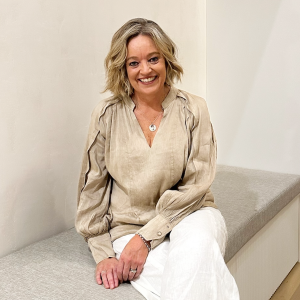
Helen Baker

4. Investments

Rental property income (from residential or commercial properties) can supplement or even provide a generous source of income. The same applies to dividends from shares.

These are likely to be more profitable if you own them well before retirement.

Income that is surplus to your everyday needs can be reinvested using tax-effective strategies to grow your future returns.

5. Family trust

A family trust could be used to house investments for yourself and other relatives, building intergenerational wealth.

Trusts allow funds to be allocated to beneficiaries to manage marginal tax rates and stretch the money further, you have control over how income is split between different family members and have flexibility for changing circumstances.

6. Selling collectables

You may not realise the value of items you have collected over the years, such as wine, artwork, jewellery, vintage cars, and antiques.

Rather than have them collect dust or pay to store them, they could be sold to fund your living costs or new investments.

Where possible, avoid selling growth assets in a depressed market – wait until you can extract maximum value.

7. Obtaining a part-pension

Part-pensions are not only possible but valuable in making your superannuation stretch further. They still entitle you to a concession card with benefits in healthcare, transport, and more.

Take these savings even further by requesting pensioner discounts with other companies, on everything from utilities to travel and insurance to eating out.

Also, don’t overestimate the value of your assets as part of the means test. It’s a common mistake that can wrongly deny you a full or part-pension.

Plan ahead

However, you ultimately fund your retirement, planning is crucial. Advice would hopefully pay for itself.

Understand your spending and how those habits will change before and during retirement, then look to investments that offer the best fit.

Consider a mixture of strategies to diversify your risk, manage your tax liabilities and ensure ongoing income.

Above all, timing is key. The further ahead you plan, the more time you have to embrace additional opportunities and do things at the right time to maximise their value. You’ve worked hard and now is your chance to enjoy the fruits of your labour!

Helen Baker is a licensed Australian financial adviser and author of the new book, Money For Life: How to build financial security from firm foundations (Major Street Publishing $32.99). Find out more at www.onyourowntwofeet.com.au 

MARCEL ZALLOUA CLAIMS PODIUM FINISH AT SYDNEY MOTORSPORT PARK IN GT WORLD CHALLENGE AUSTRALIA

Sydney’s night sky lit up with speed and precision when Tigani Motorsport’s Mercedes-AMG GT3 Evo charged to a second-place finish in the Pro-Am class during Race 1 of the GT World Challenge Australia at Sydney Motorsport Park.

Behind the wheel was entrepreneur and Citizen Kanebridge member Marcel Zalloua, partnered with Supercars regular Thomas Randle in a formidable one-off pairing that impressed from the outset.

The result marks a major milestone for Zalloua, a returning driver with previous success in the Am class, and continues Tigani Motorsport’s strong form in the 2025 season.

Zalloua is part of Citizen Kanebridge, an invitation-only club based in Sydney.

The club curates exclusive events, thought-leadership forums and networking opportunities for high-achieving individuals across investment, innovation and entrepreneurship.

The sleek #44 AMG GT3 Evo also sported a high-end lineup of sponsors, including Robb Report Australia & New Zealand and Citizen Kanebridge, alongside other premium backers — all part of a strategy to align the vehicle with luxury, performance and lifestyle excellence.

Race 1 saw the Zalloua-Randle duo execute a clean, strategic drive to claim the podium, with the car showing strong pace under lights.

Although Race 2 proved more challenging with a ninth-place finish in class, their combined effort across the weekend delivered valuable points to Tigani Motorsport’s championship campaign.

Tigani Motorsport continues to cement itself as a serious contender in the GT racing scene, with smart driver pairings, high-calibre partnerships, and a commitment to performance both on and off the track.

PERIOD GREENWICH ESTATE A SLICE OF SYDNEY HISTORY

Coolabah has earned its place in Sydney’s heritage for several reasons. The period Greenwich estate is not simply a prime example of Victorian era design; the property was also home to Lane Cove’s premier Lord Mayor, Jeremiah Roberts.

Dating back to 1883, the restored residence at 45 Greenwich Rd has only had a handful of owners, including vendor and interior designer Jo Ellis-Doty.

“Our family has lived here for 14 years,” says Ellis-Doty.

“It’s 142 years old and we’re only the fifth family to own it. We’ve loved every moment of restoring and living in this incredible home.”

Ellis-Doty and her husband are downsizing to an apartment, so Coolabah will be auctioned on May 31. It will be sold for a guide of $6.5 million via James Bennett of Belle Property Lane Cove.

Prior to its grand makeover, records show the property last exchanged in 2011 for $2.1 million.

The classic five-bedroom house has been masterfully enticed into the 21st Century by its owner, with meticulous attention to detail.

“Locals have told us how the sitting room was used to hold dances. They would open up the French doors to the porch and linger too late in the night,” Ellis-Doty adds.

“When we were renovating, we found a safe embedded in the primary bedroom wall, and a bag of jewellery was retrieved.

“It had been forgotten by the previous owners, and they were very happy to have it returned. We are so very honoured to have been the custodians of such a beautiful period property. We will miss it terribly.”

The original owner, Lord Mayor Roberts, made his name in publishing before entering politics. He came to office in 1895, marking the beginning of the area’s municipal independence from the borough of Willoughby.

“Homes like this don’t come around often. It’s a true Greenwich treasure,” Bennett says.

With a raft of period features, Coolabah has high ceilings and several ornate fireplaces, including an original made in the 1850s and later imported from England in the downstairs bathroom.

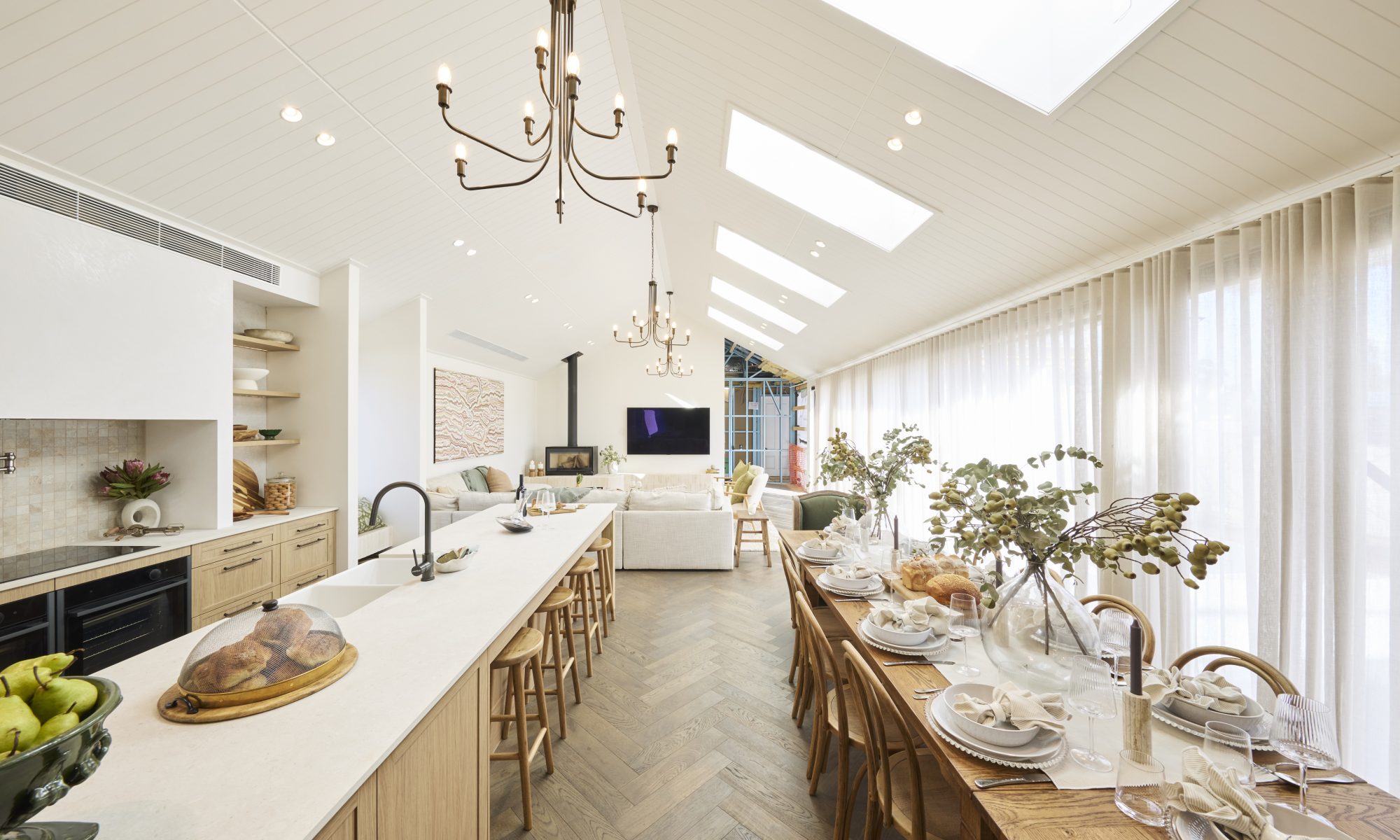
Now updated for modern family living, the heritage home on 663 sq m features two large living areas that spill out through French doors to terraces. In contrast, the state-contemporary provincial kitchen features a vast island bench and a walk-in pantry.

In addition to a ground-floor bedroom and palatial main bathroom, there are three more bedrooms on the upper level, including a primary suite with another grand bathroom and a private balcony showcasing city skyline views.

Outdoors, manicured hedges frame immaculate gardens and a travertine wraps around the backyard mosaic saltwater pool.

Although it was created in the 19th century, Coolabah has a host of modern day amenities from ducted air-conditioning and solar panels, to CCTV security and a gated carport. There is also a separate lock up garage.

Sitting on the corner of Greenwich and the aptly named Coolabah Ave, the stately home is close to village shops and cafes, as well as Wollstonecraft Station and a number of sought-after schools.

Coolabah at 45 Greenwich Rd, Greenwich, is being marketed by Belle Property Lane Cove Principal James Bennett with a $6.5 million price guide and will go to auction on May 31.

HOW TO DEFINE YOUR HOME DESIGN STYLE WITH CONFIDENCE

Whether you’re building from scratch or renovating, locking in a cohesive design style can be one of the trickiest – and most rewarding – parts of the process. It’s not just about looks; it’s about making choices that suit your lifestyle, climate, and long-term comfort.

New resources from building experts, including a detailed style guide by CSR with inspiration from brands such as Bradford, Hebel, Monier, Cemintel, and PGH, are helping homeowners better understand the connection between materials, performance, and aesthetics.

Here are five key elements to consider when defining your home’s style and getting it right from the start.

1. Start with Style

Understanding your overall aesthetic—whether it’s Classic, Coastal, barnhouse, Industrial, or something in between—makes every other decision easier. It affects everything from the roofline to your cladding choice. For example, a Contemporary home often features clean lines and subtle contrasts, while an Industrial style leans toward bold materials and darker colours.

2. Make Colour Count

The right colour palette doesn’t just change how a home looks – it transforms how it feels. Neutral tones like soft greys and crisp whites work well in breezy, coastal designs, while dark charcoals and blacks add drama to modern or industrial exteriors. Rich browns and terracotta tones are gaining traction too, particularly for homes that aim to blend into natural surroundings.

3. Layer in Texture

Texture is one of the most underrated tools in exterior design. Think rough brick next to smooth cladding, or timber detailing beside rendered walls. Using materials with different surfaces can highlight key architectural features and add interest to otherwise flat façades. It’s also an easy way to bring character to newer builds.

4. Don’t Overlook the Invisible

Good design doesn’t stop at what you can see. The hidden layers – insulation, wall wraps, roof sarking – are critical in how liveable and energy-efficient your home is. These are choices that are often hard to change later, so it pays to get them right from the outset.

5. Think Beyond the Walls

Landscaping is more than just a finishing touch. The right mix of plants, materials and pathways can enhance your home’s style and create a seamless indoor-outdoor connection. Match fencing and garden materials to your architectural choices for a polished, intentional feel – and make sure your outdoor areas are as functional as they are beautiful.