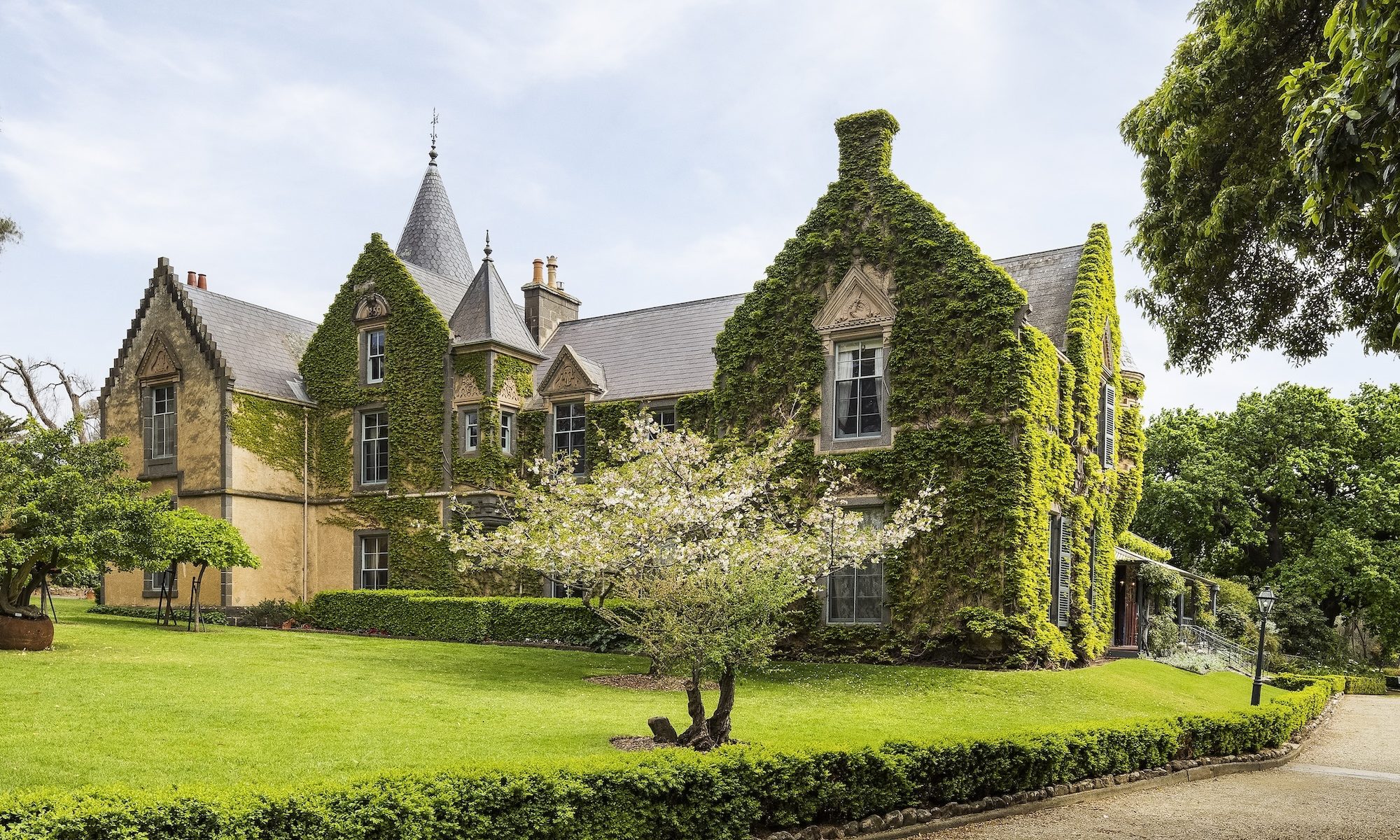
Australia’s castles are few and far between, and the opportunity to buy one rarely pops up. There is, however, now a bona fide 35-room chateau for sale in suburban Melbourne.
Listed for the first time in half a century, Overnewton Castle in Keilor, north west of the city, has launched to market through Sean Cussell of Christie’s International Real Estate with a $6 million to $6.6 million price guide.
The 176-year-old Scottish Baronial-style property has been home to the Norton family for the past 50 years, but was originally built for Scottish settler, grazier and former Mayor of Keilor, William James Taylor.
On a sprawling 2.25ha estate surrounded by rolling grounds filled with sculpted gardens and 170-year-old elm trees, the ivy-clad seven-bedroom three-bathroom residence is layered with a blend of Scottish, French and English influences.
Inside the heritage-listed mansion, there is a grand ballroom seating up to 150 guests, a lavish dining room, and a private chapel that was converted from the original billiards room.
Gastroenterologist Dr LJ Norton and his family have invested five decades in Overnewton Castle, partly preserving its period features while also updating the house for the 21st Century. After a devastating fire in 1979, the Nortons upgraded the infrastructure, installed mains water and access roads, and created a 100-vehicle car park.
Many of the 1849 estate’s original features, including drystone walls, period fireplaces and the dramatic western turret – accessed via a 40-step spiral staircase with a mahogany handrail – have been meticulously maintained. Even the turret’s slate “fish scale” roof tiling and ornate wind vane are straight out of the 19th century.
“Overnewton Castle is not just a property; it is our home and a piece of local history that we have cherished for 50 years,” says Norton family member and managing director of Overnewton Castle, Emma Stott.
“Living here, respectfully updating the facilities and operating our business has been a labour of love. As a family, we have created so many fond memories here, as well as played an important role in countless weddings and other events hosted on our grounds.”
In addition to hosting weddings at Overnewton Castle, the Norton and Stott families also run historical tours and high teas on the property.
Cussell says the unique listing represents an opportunity of historical significance. “Overnewton Castle is one of the finest examples of Scottish Baronial architecture in the Southern Hemisphere and an ideal setting for a private residence, luxury retreat, education facility or event venue,” he explains.
“It represents a rare convergence of architectural grandeur, cultural heritage and enduring family legacy. The listing truly is an extraordinary opportunity to own a piece of Australian history.”
Overnewton’s cultural footprint reaches beyond local tourism, with the castle making its mark in Australian cinema. It played a role as the fictional Monclare mansion in the 1982 cult horror film Next of Kin.
Earlier this year, the period Victoria Racing Club nominated property to display the Melbourne Cup during its prestigious Lexus Melbourne Cup Tour, and in 2024, the site was also a finalist in the Victorian Tourism Awards.
Beyond the grand residence, there are several restored outbuildings suitable for entertaining or accommodation, including The Stables for up ten guests, The Loft which sleeps eight, The Cottage that accommodates six, and The Cabin with space for four people.
The stately address is soon to become even better connected with the forthcoming Suburban Rail Loop and Sunshine Superhub infrastructure projects, improving access to the city. Overnewton is about 20kms from Melbourne’s CBD and 8kms from Melbourne Airport.
Overnewton Castle is listed with Sean Cussell of Christie’s International Real Estate with a price guide of $6 million to $6.6 million. The expressions of interest campaign closes on November 21 at 3 pm.
After years of disrupted routines and shifting priorities, 2026 is emerging as the year travel truly matters again.
No longer just a break from routine, the most compelling journeys now offer deeper meaning: connection with place, immersion in culture, and renewal in nature. With global travel re-opening and aspirations realigned, travellers are looking for destinations that deliver not just escape, but resonance.
Working with its worldwide network of destination experts, luxury operator Abercrombie & Kent has identified the places set to define the year ahead. These are journeys built for those who want more than pretty vistas: they want experiences that provoke, renew and endure.
Amboseli, Kenya
KENYA
Kenya remains the blueprint for luxury safari, where wide-open plains, legendary wildlife and rich cultural layers converge in a way few places can match.
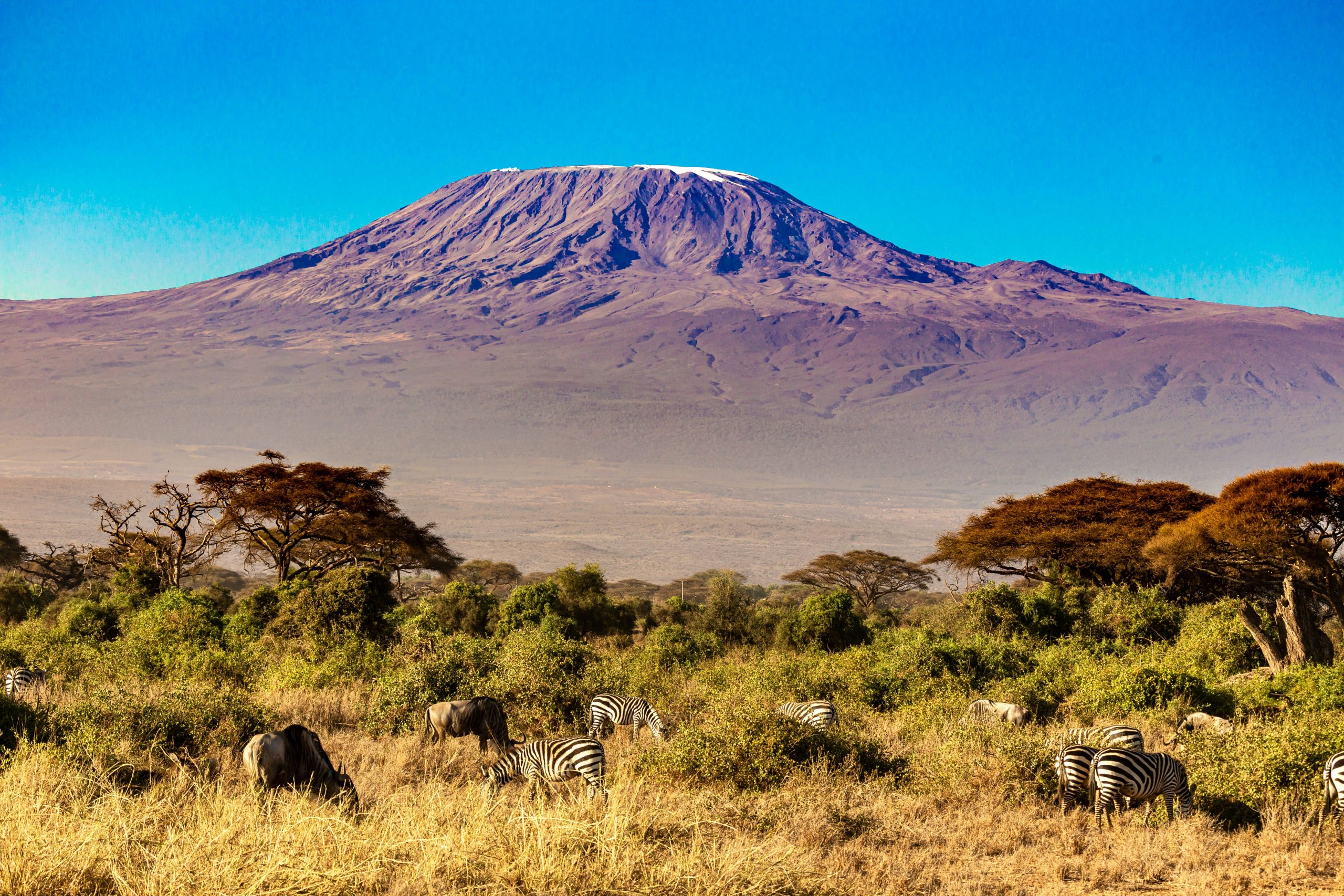
In 2026, focus on the horizons of Amboseli National Park, where Mount Kilimanjaro looms and majestic elephant herds drift across golden savannah.
The mid-year arrival of Kitirua Plains Lodge (an A&K Sanctuary) marks a milestone, arriving six decades after A&K’s founder first pioneered luxury safari here. Set across a private 128-acre concession, its 13 organic standalone suites give guests rare access to wilderness in a polished yet deeply atmospheric setting.
Do it the A&K Way: Combine stays at Olonana in the Maasai Mara and Tambarare Camp in Ol Pejeta for a seamless circuit through Kenya’s wildest ecosystems.
Expert Insight: “Legacy safaris are emerging — multigenerational groups blending meaningful conservation work with classic game drives.”
CHOQUEQUIRAO, PERU
While most travellers are drawn to Machu Picchu, 2026 is the year to head beyond the crowds to the remote Incan stronghold of Choquequirao. Often called the “sister city” of Machu Picchu, this scale-and-solitude site currently attracts far fewer visitors than its legendary neighbour.
With a proposed cable car still in planning phases, now is the moment to explore while it remains unscripted and rare.
Do it the A&K Way: On Peru: Trek to Choquequirao, you’ll undertake a five-day trek to the site, then hike the final stretch of the Inca Trail from KM 104 to the Sun Gate of Machu Picchu.
Expert Insight: “We’re seeing increased bookings for ‘archaeological adventure’ — travellers who want to earn their cultural discoveries through physical challenge.”
Nile Seray, Egypt
EGYPT
In Egypt, the next chapter of luxury travel opens alongside archaeology. With the Grand Egyptian Museum (GEM) slated to open in late 2025, 2026 becomes the moment to experience ancient wonders as they’ve never been displayed.
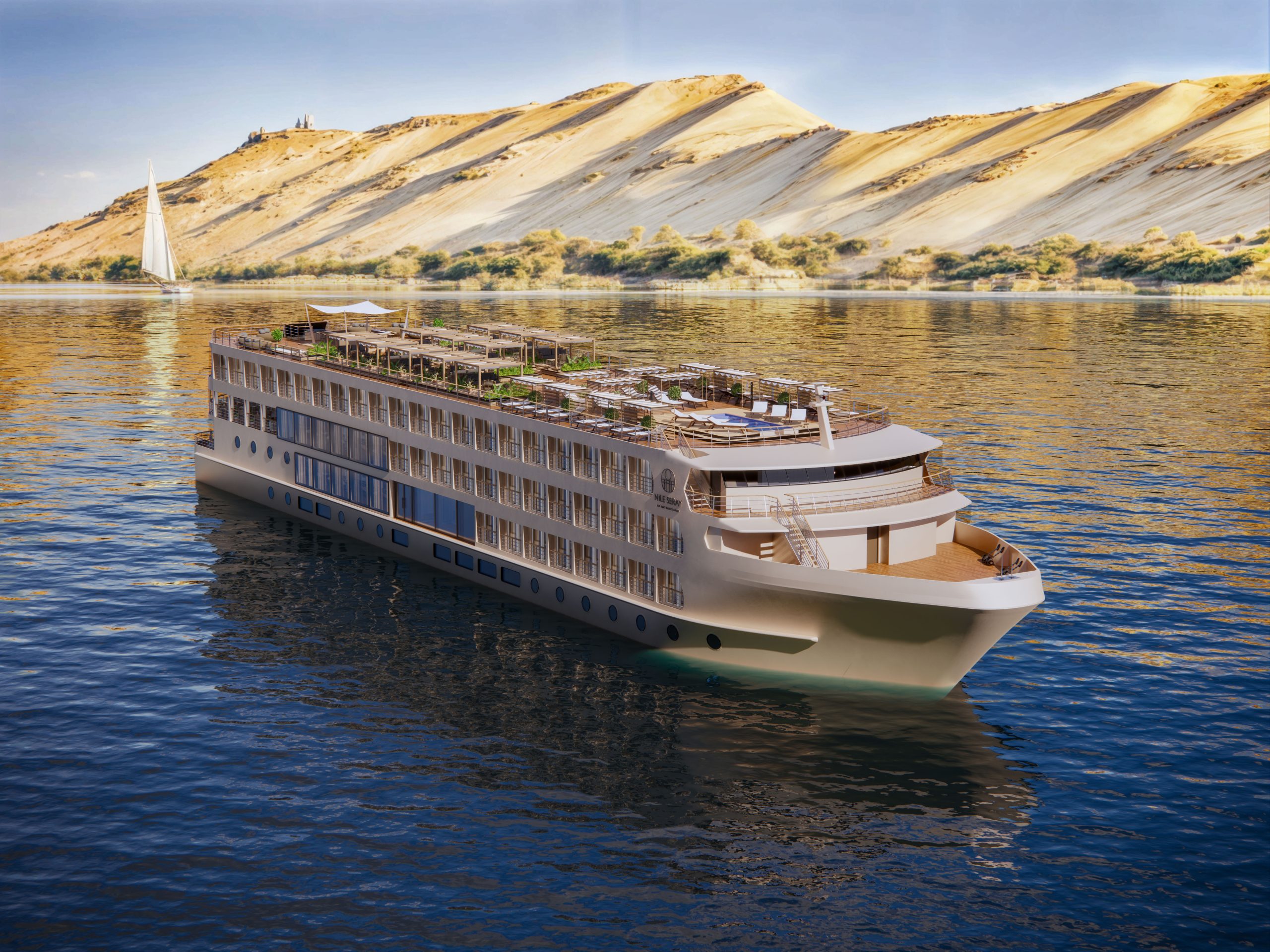
The museum will house 100,000 artefacts — including 5,340 of Tutankhamun’s treasures together for the first time. A&K’s newest Nile cruiser, the Nile Seray, launches 2026 with 32 suites and a rooftop pool deck, offering an elevated journey where Egyptology meets refined travel.
Do it the A&K Way: Join Egypt & the Nile, exploring tombs on the West Bank with a resident Egyptologist, or book a private dahabiya sailing for an intimate vintage-style cruise.
Expert Insight: “Egypt is drawing sophisticated travellers seeking cultural immersion — the museum’s opening has created a ‘now-or-never’ moment.”
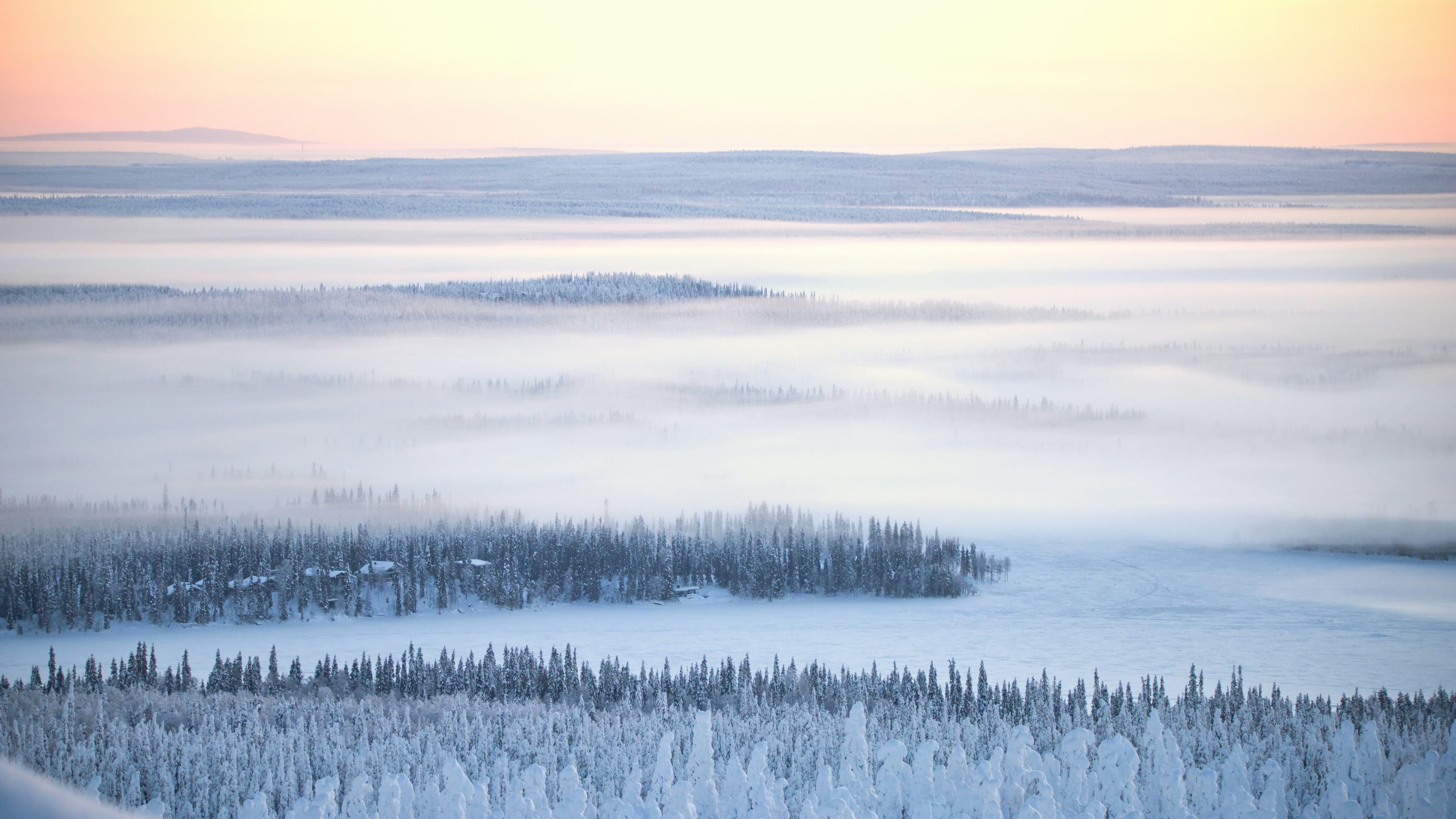
Finland’s stunning landscape.
LAPLAND
2026 is shaping up as the ultimate year for the Arctic. With the solar maximum peaking late in the decade, the Northern Lights are forecasted to flash brighter and more frequently than typical.
In Lapland’s minimalist wilderness, luxury lodges and high-design cabins sit alongside age-old traditions: ice therapy, cold-water plunges, sauna culture. It’s the convergence of celestial spectacle and deep rest.
Do it the A&K Way: Choose Finland & Sweden: Adventures in Lapland or Christmas in Lapland — both deliver tree-house stays, Sami cultural encounters and star-studded skies.
Expert Insight: “Wellness meets wilderness — ice-therapy retreats and aurora-chasing are now major luxury travel drivers.”
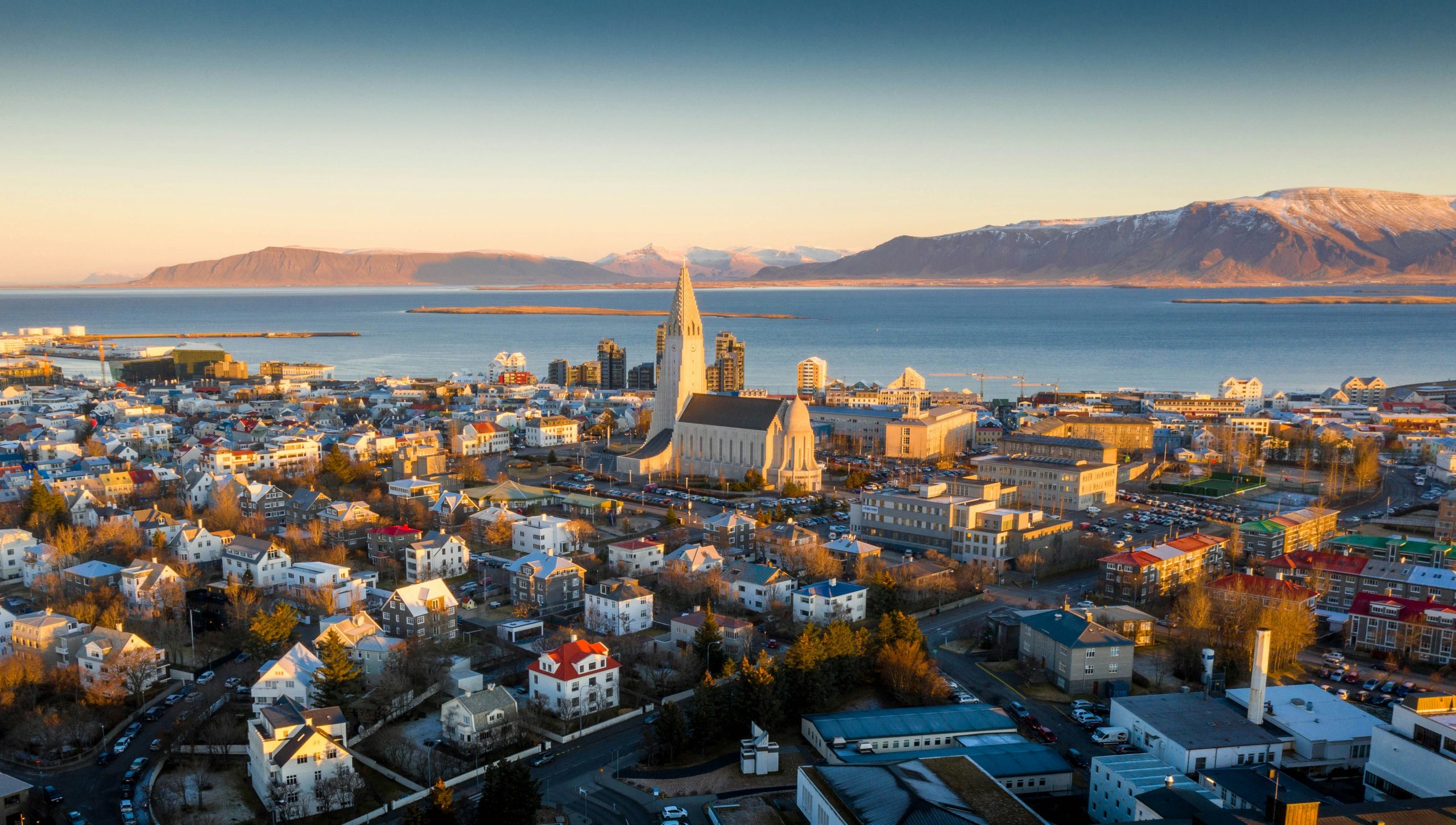
Reykjavik, Iceland
ICELAND
Few destinations combine wild terrain, prime solitude and astronomical phenomena like Iceland. In August 2026, the island lies directly in the path of a total solar eclipse — an event aligning neatly with the peak Northern Lights season and dramatic volcanic landscapes. Glacier-lagoon meets boutique hotel, lava field meets Michelin dining.
Do it the A&K Way: Embark on the Diamond Circle itinerary, leaving the Golden Circle crowds behind for Iceland’s northern wilds — think Lake Myvatn, Ásbyrgi Canyon and boutique lodge nights.
Expert Insight: “Iceland is the ultimate phenomenon-destination: eclipse, aurora and adventure all rolled into one.”
MADHYA PRADESH, INDIA
Once overshadowed by India’s blockbuster wildlife parks, Madhya Pradesh is now emerging as the tiger-tourism powerhouse. Home to about 75% of the world’s wild Bengal tigers, the region’s recovery story is profound.
Luxury lodges are multiplying; one example is the newly opened Oberoi Rajgarh Palace near Panna, built to cater to high-end travellers seeking immersive big-cat encounters.
Do it the A&K Way: On Tailormade Tiger Tracking in India, traverse three national parks, meet local tribes and witness wildlife preservation in action.
Expert Insight: “Impact-safaris have moved beyond spotting big cats — travellers now want ecosystem insight and lodging that invests in conservation.”
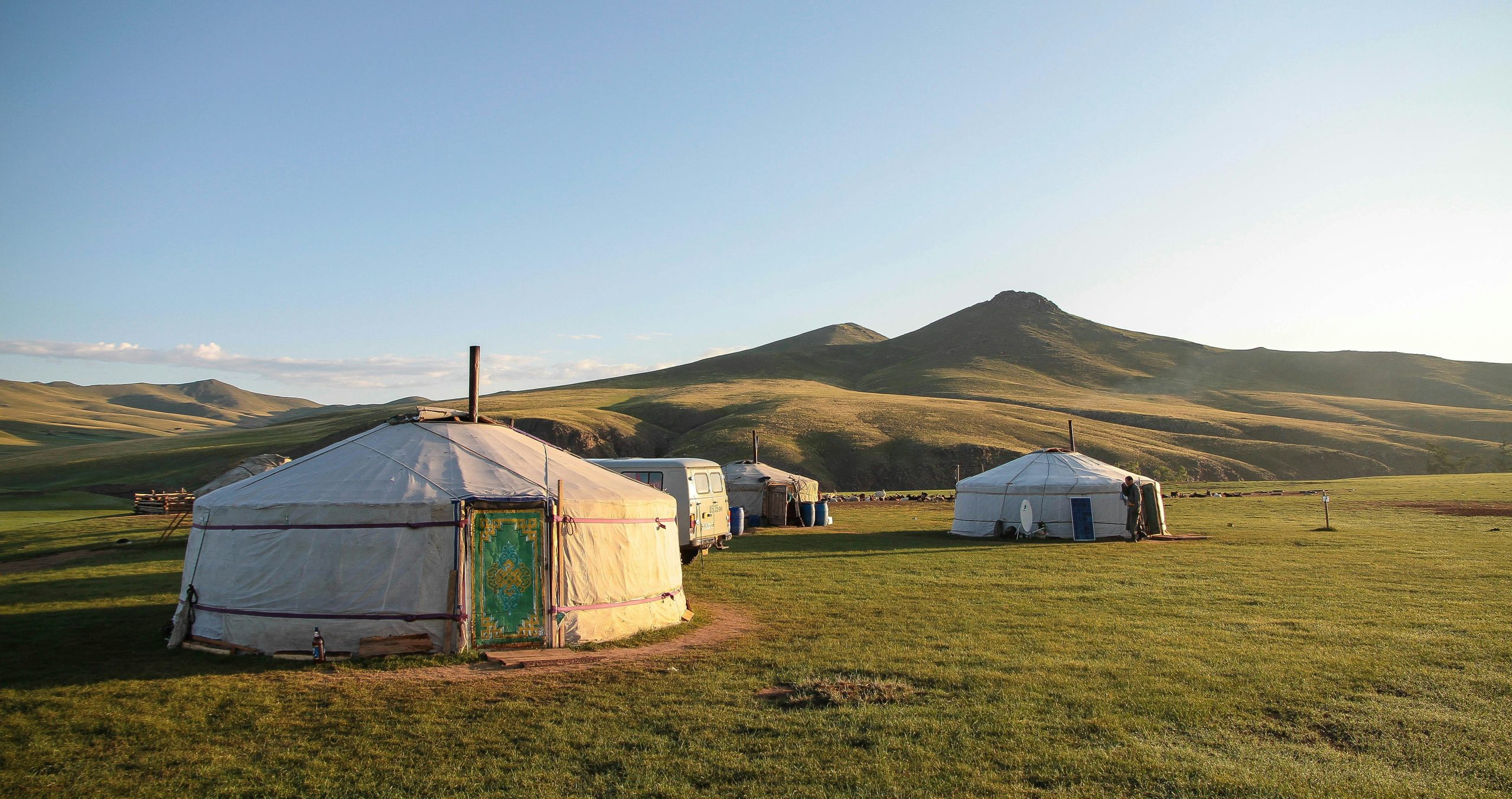
Mongolian yurt, Mongolia
MONGOLIA
Mongolia stands out as one of the last great wilderness frontiers. For 2026, it brings increasing accessibility — direct flights from Tokyo/Narita now make it reachable in a shorter window.
Here, nomadic culture still thrives: gers under open skies, ancient equestrian traditions, stars by the million. For the curious luxury traveller, it’s as raw as it is refined.
Do it the A&K Way: On Mongolia: Naadam Festival & Gobi Desert Adventure, follow traditional contests of horse racing, wrestling and archery, then retreat into the Gobi’s dunes in style.
Expert Insight: “Mongolia is the frontier of cultural immersion — guests who’ve ‘done’ it all are turning to nomadic experience for real perspective.”
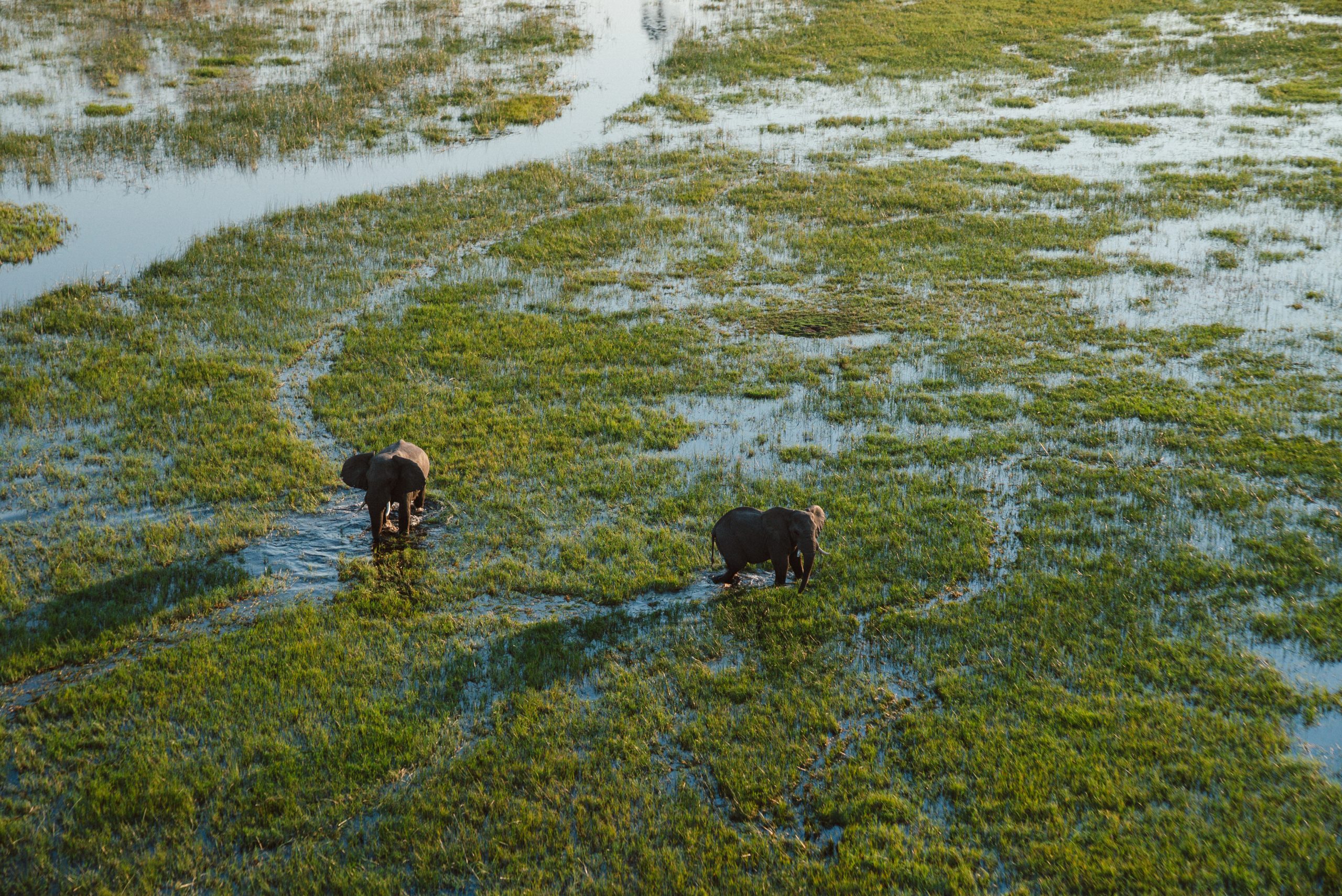
Baines’ Lodge, Okavango Delta, Botswana by Blackbean Productions.
OKAVANGO DELTA, BOTSWANA
Luxury today isn’t just about price — it’s about isolation, responsiveness and rarefied access. The Okavango Delta offers just that: private-concession lodges where you might see more elephants than people. At Baines’ Lodge (an A&K Sanctuary) with only six suites, honeymooners slide into Star Baths and watch water buffalo from private decks.
It’s untouched luxury at its finest.
Do it the A&K Way: Stay at Baines’ Lodge, retrace your path on guided walks and night drives, wake under an African sky in suite-level solitude.
Expert Insight: “The Okavango represents ultra-private luxury — couples seek destinations where fewer people = more privilege.”
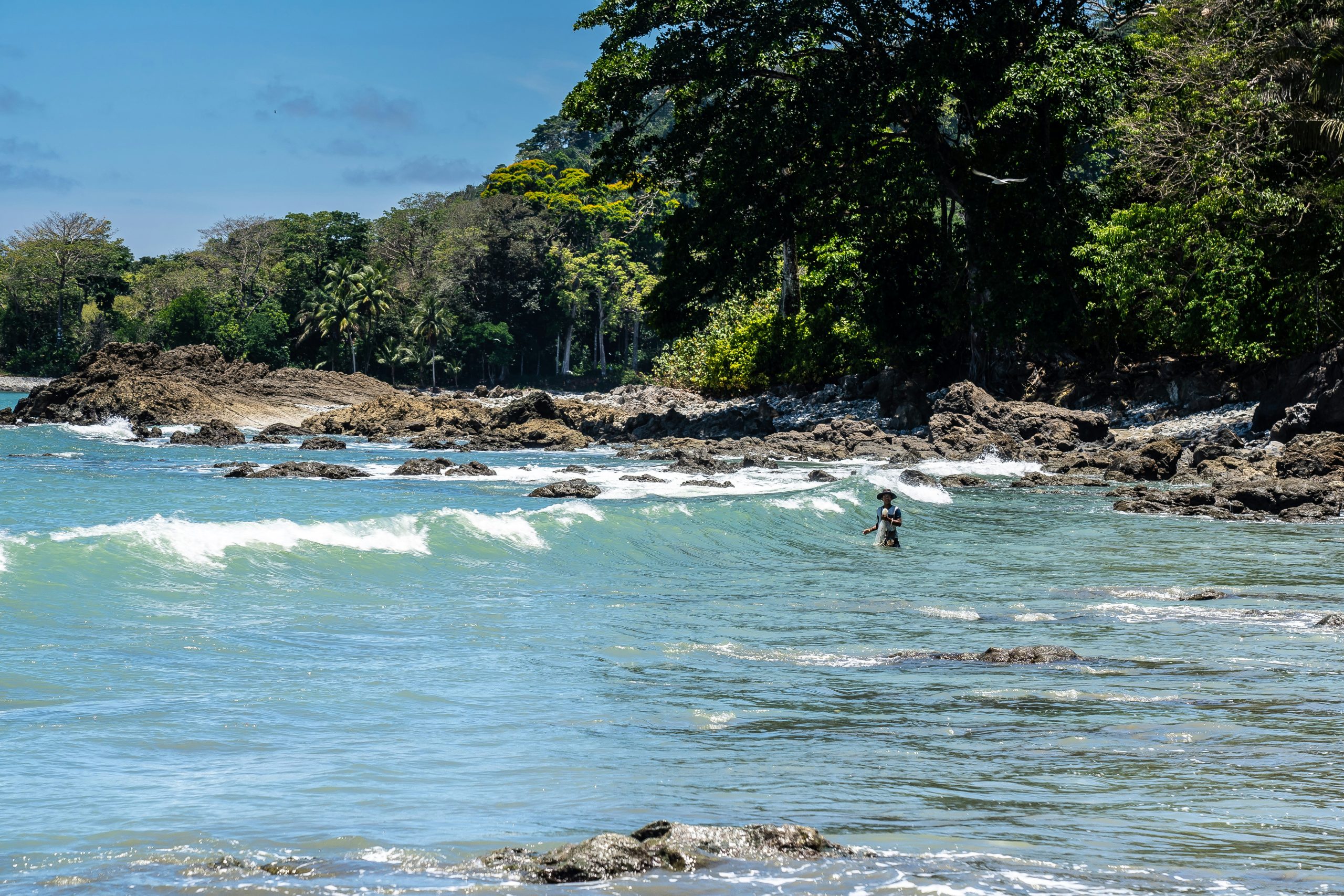
Osa Peninsula, Costa Rica
OSA PENINSULA, COSTA RICA
Costa Rica’s Osa Peninsula remains one of the world’s most biodiverse rainforests — home to nearly 3% of the planet’s species. Accessible only by boat, it’s held a low-profile despite its eco-luxury potential.
In 2026 the trend to remote-luxury means the Osa is ideally placed: wild, wealthy in nature and now serviced by high-end boats and charter options.
Do it the A&K Way: On Cruising & Wildlife in Costa Rica, board a nine-cabin luxury yacht, cruise to Corcovado, dive into jungle hikes by day and spa-soak by evening.
Expert Insight: “The Osa Peninsula captures the ‘last-frontier luxury’ trend — sophisticated comfort deep in the wild.”
Jongno-gu, Seoul, South Korea
SEOUL, SOUTH KOREA
Asia’s luxury travel gaze has long been on Japan, but 2026 puts South Korea firmly in the spotlight. From cutting-edge design and K-culture to the ancient hanoks and royal palaces of Seoul, this is a city where heritage and futurism collude. For luxury travellers wanting food, fashion, wellness and history in one place, it ticks every box.
Do it the A&K Way: With South Korea: Temples & Seoul Food, you’ll balance temple stays with DJ-led nightlife, traditional hanbok portraits with street-style shopping.
Expert Insight: “Seoul is riding K-culture’s global wave — travellers want the city’s genuine face, not just the hype.”
DOLOMITES, ITALY
The 2026 Winter Olympics near Cortina d’Ampezzo may grab headlines this year, but the smart luxury traveller will visit after the crowds depart. The Dolomites’ grand landscapes, alpine chic and recent luxury reopening offer premium mountain stays without the peak-season crush.
Hotel Ancora’s reimagination, the opening of Mandarin Oriental Cortina and Aman Rosa Alpina’s refresh are all part of the rise.
Do it the A&K Way: On Venice & the Dolomites, begin amid Venetian canals, then ride jeeps and hike the Cinque Torri, sip local cheeses and wines in design-led lodges high in the peaks.
Expert Insight: “The Dolomites are the ideal post-Olympic opportunity — dramatic scenery, Italian sophistication and fewer crowds.”
SLOVENIA
Seeking European elegance without the runaway crowds? Slovenia offers alpine lakes, wine valleys, sustainable luxury and next-gen design hotels. From Lake Bled’s fairy-tale charm to Ljubljana’s culinary innovation at Hiša Franko, 2026 is Slovenia’s breakout moment as an insider’s European destination.
Do it the A&K Way: With Tailormade Slovenia, row Lake Bled with an Olympic champion, sip boutique wines in Vipava Valley and stay at design-forward lodges scattered across the hills.
Expert Insight: “Slovenia embodies the ‘anti-overtourism’ movement — intimate luxury, local authenticity and serious style.”
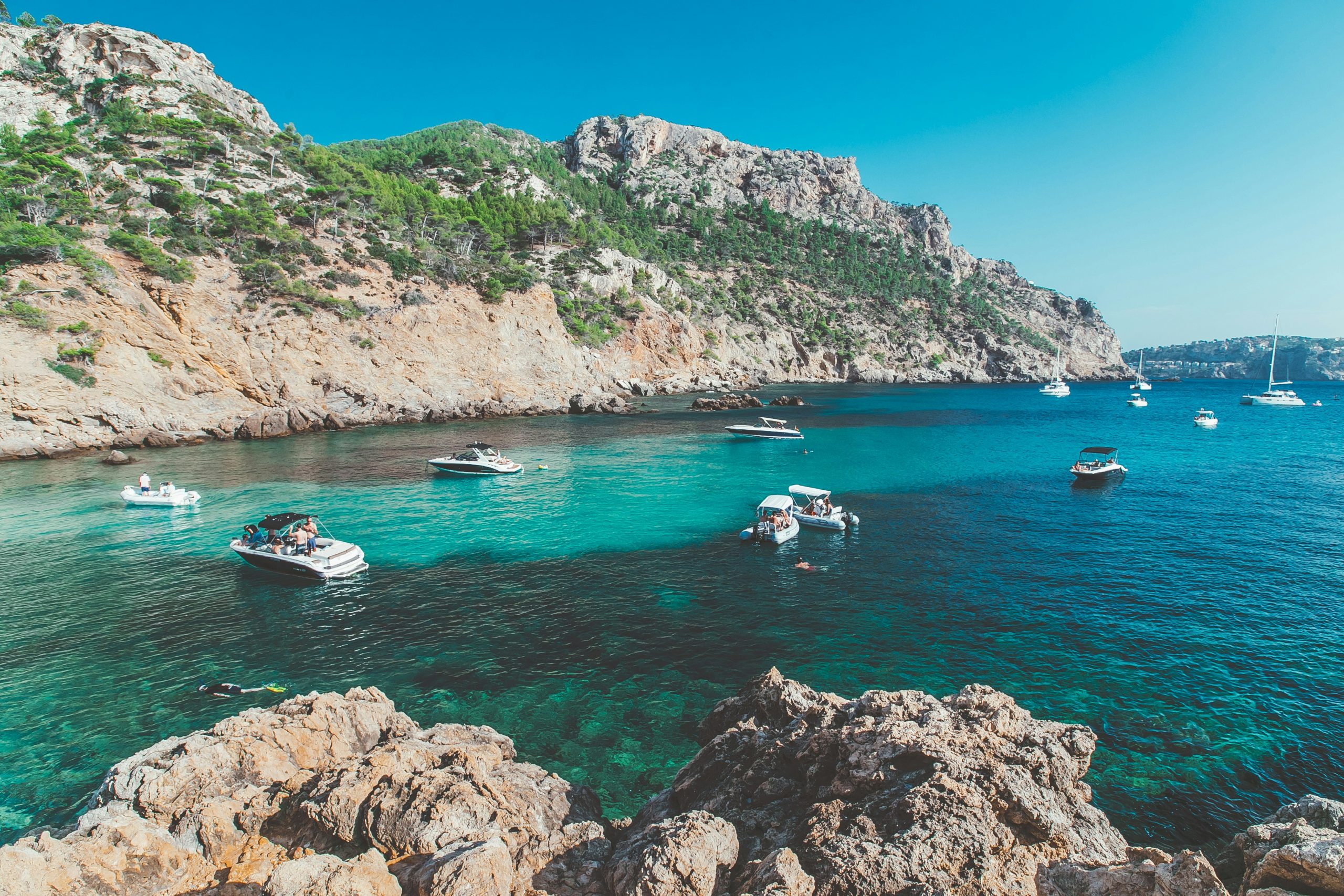
Mallorca, Spain
MALLORCA, SPAIN
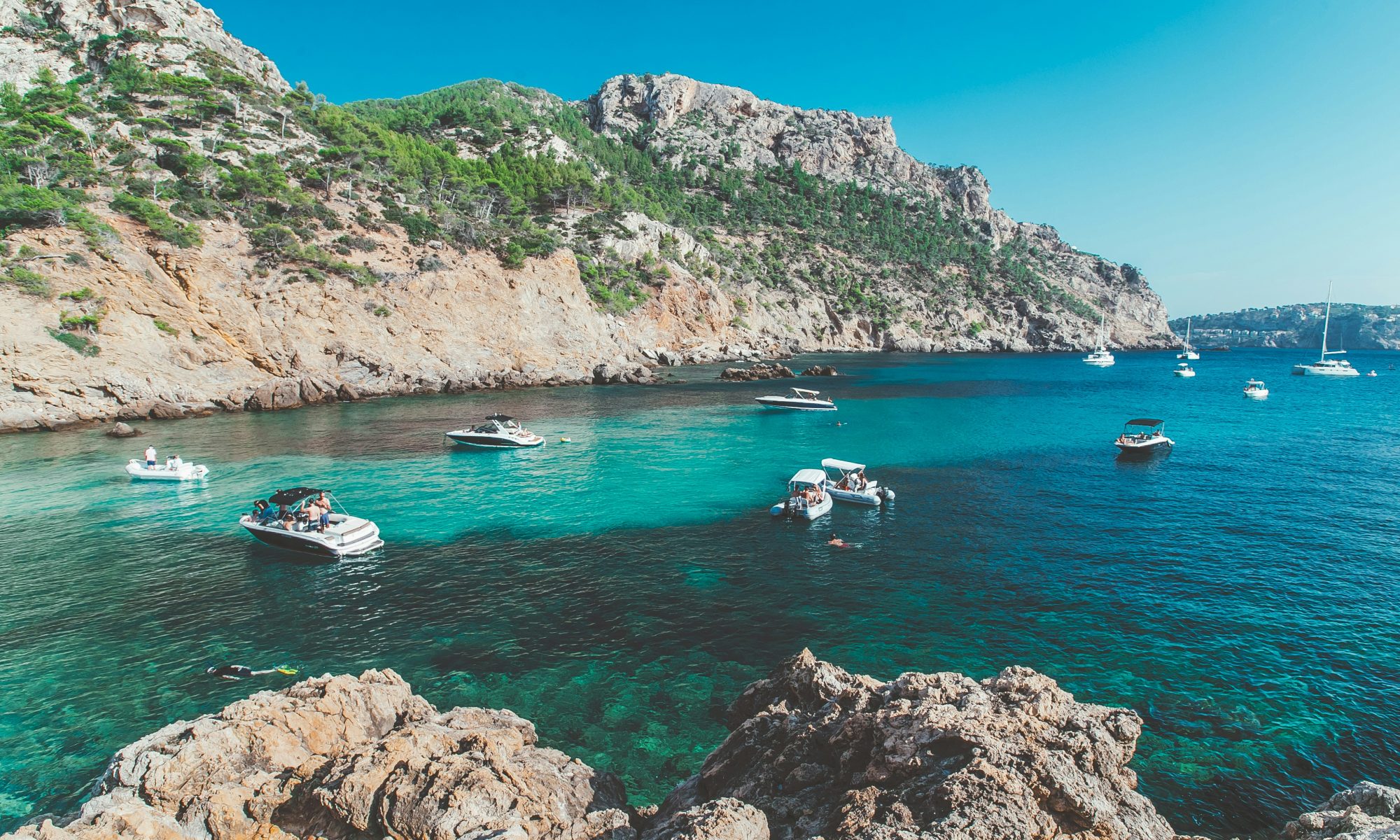
Once a summer hotspot, Mallorca is morphing into a true year-round luxury destination. With new openings from Four Seasons (2025) and Mandarin Oriental (2026), and the island in the path of a total solar eclipse on 12 August 2026, the mix of Mediterranean sunshine, mountain charm and astronomical spectacle makes it irresistible.
Do it the A&K Way: On Spain: Madrid, Valencia & Mallorca, explore art-rich Madrid, Valencia’s culinary scene and then unwind in Mallorca’s coastal villa-style resorts as the eclipse draws near.
Expert Insight: “Mallorca has matured into Europe’s ultimate year-round luxury escape — refined infrastructure, elite hospitality and a rare celestial event on the calendar.”
We’ve quietly slipped into the age of automation. The robots haven’t taken over; they’ve just moved in. They clean our floors, make our coffee and lock our doors. They don’t argue, they don’t forget and the best of them don’t even need us at all.
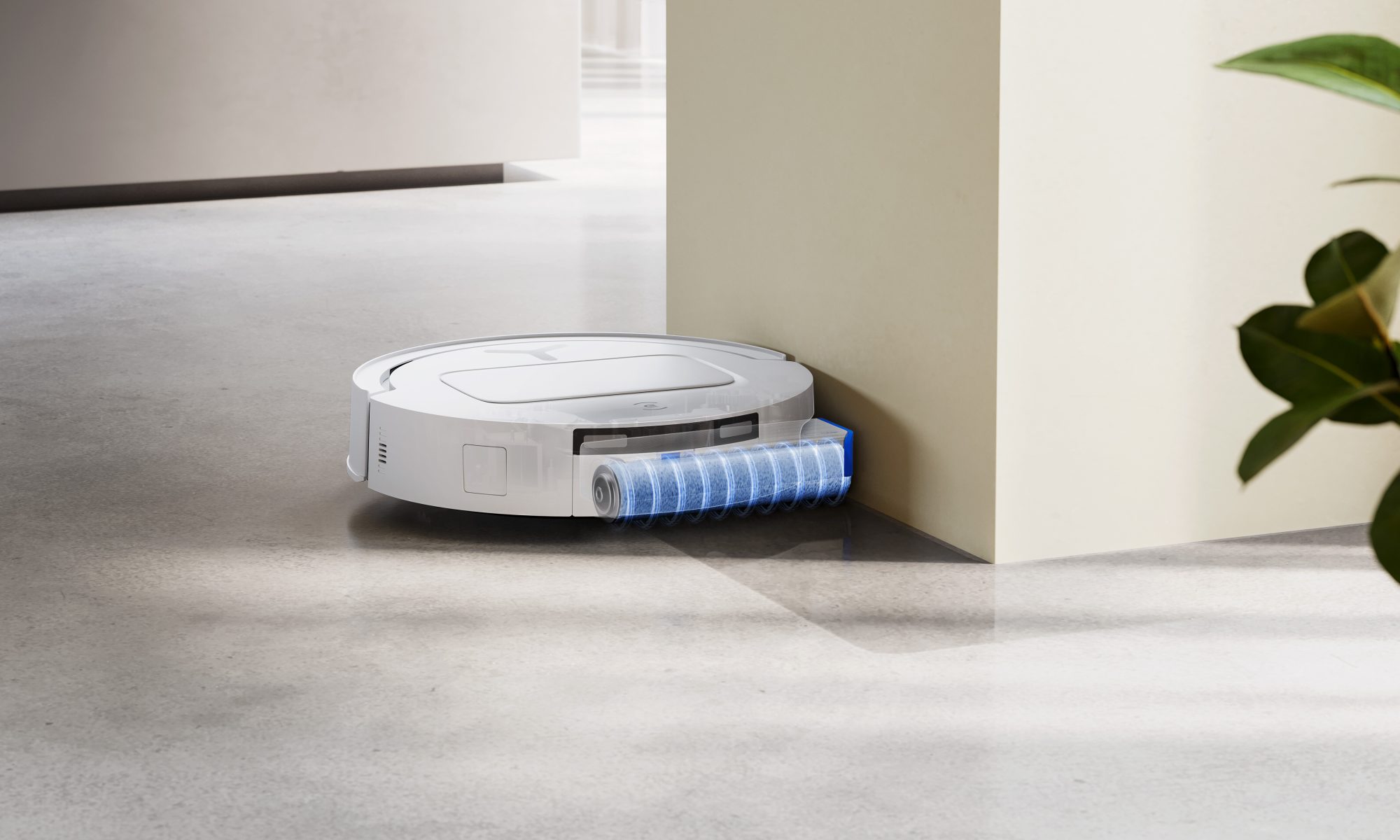
That quiet efficiency is what struck me when I began testing the Ecovacs Deebot T80 Omni. It wasn’t the novelty of a robot vacuum (we’ve all seen them scuttle around in circles) but the sheer intelligence of it.
It moved through rooms like it knew them, mapping and memorising every contour, the furniture and the rugs. It vacuumed, mopped, rinsed itself clean, then returned to base to recharge – telling me where it was off to.
The first time I used it, I couldn’t find it. Turns out, it had taken itself out to the back deck. That’s taking cleaning seriously. And speaking of serious cleaning, one of my favourite things about it is seeing it happily clean under my teenagers’ beds. Believe me, no human would want to go there.
The Deebot T80 Omni doesn’t need gimmicks or noise to prove its worth. Its genius lies in its calm and capable nature. It doesn’t bump into walls, fall down stairs or get snagged on cables; it glides with purpose.
The machine’s AIVI 3D navigation system “sees” its environment and adjusts in real time, a low-key kind of intelligence that makes everything feel considered.
Its mopping system uses what Ecovacs calls OZMO Roller technology, applying 16 times the pressure of traditional mops. It scrubs rather than wipes, rinsing itself clean as it works, while the suction power quietly pulls out whatever the broom missed.
And it’s clever enough to lift its mop when it moves over carpet; no soggy rugs, no streaky patches. And it even washes and dries its own mop.
The design is as elegant as the engineering. The docking station, which in most robotic cleaners is an afterthought, has a clean, white aesthetic.
What makes it feel truly modern, though, isn’t the technology itself; it’s what that technology represents. Help is no longer about people doing more for us; it’s about systems that think for themselves and quietly removing friction from daily life.
That’s luxury now, not extravagance, but absence. Absence of effort, of noise, of time wasted.
I set the Deebot off every morning while I work. It hums softly in the background, unobtrusive and assured, then returns to its base like a butler excusing itself after service. There’s something wonderfully civilised about that.
I love hearing that low, steady hum. It’s not the sound of housework; it’s the sound of progress: calm, precise, and, if I’m honest, a little bit satisfying as it’s one less job I know I have to do.
The author tested the Ecovacs Deebot T80 Omni in her home for a fortnight. The model is available exclusively at Harvey Norman, RRP $2,299.
Serial entrepreneur and investor James Harold Webb has done careful investment and estate planning to pass down his wealth to his five children, their three spouses, and six grandchildren. He also got everyone together to write a family mission statement.
“The entire goal is to preserve the family and to preserve the wealth,” said Webb, 65 years old, whose ventures include buying and building 33 Orangetheory Fitness franchises in Texas that he sold to private equity.
The mission statement for his 16-person blended family: “Life is a gift that cannot be wasted. Family is the essence of that life and, as a family, we will work hard. We will play hard. We will live in the pursuit of knowledge. We will love our family unconditionally. We will give more than we take to ensure a better world.”
A family mission statement lays out principles and goals in a few sentences. The aim is to avoid the fighting that has destroyed fortunes and left relatives battling in court, or just make sure younger generations don’t squander the fortune.
Behind the trend is the extraordinary wealth creation in recent years and a boom in family wealth and concierge services catering to it.
Sometimes known as a declaration of purpose or vision, mission statements aren’t legally binding. Some advisers embrace the statements as a way to increase a family’s chances of what they consider success, preserving their wealth for a century or more.
Advisers point to Gilded Age dynasties that have disappeared to warn about depleted fortunes and families that no longer are connected.
Wealth advisers like to reference a 2023 book written by Victor Haghani and James White, “The Missing Billionaires,” which notes how rare it is for great family fortunes to last beyond a few generations.
Some families opt for a more robust, legalistic document, called a constitution. For families that own businesses, constitutions can lay out what minimum requirements family members and their spouses must meet to be able to work at the business. To try to avoid drama later, they also can define who even counts as family, such as stepchildren.
Some family members put the mission statement on the back of their business cards or hang them, framed, on a wall at home.
“It’s going to be the family’s why. Why are we doing what we’re doing? Why are we making all this money?” said Shawn Barberis, whose firm, More Than Money 360, works with families including Webb’s to create mission statements and prepare the next generation for leadership. “Every family gets off the tracks a little bit and it can get them refocused.”
Webb was born to teenage parents in rural Mississippi. He says he is astonished that he has been able to create what he calls “generational wealth” for his family, including from a medical-imaging business he sold in 2017 for $94 million. He and his wife, Cathy, split their time between Frisco, Texas, and San José del Cabo, Mexico.
Webb and his wife, plus the children and their spouses, sat around a conference room at a Frisco hotel several years ago to come up with their mission statement at the encouragement of Barberis, with whom they’d started working several years after they got married.
With Barberis guiding the discussion, Webb and his family spent a few hours talking about what was important to them to brainstorm their mission statement.
Webb now kicks off his family’s annual meeting by reading the mission statement aloud and leading a discussion of whether it needs revision. Then, he updates the family on his finances and estate plans before they break for games and a meal.
The mission statement by itself isn’t enough to hold the family together long-term, Webb said. But, coupled with transparency and financial education, he figures his family has a shot at maintaining its wealth for generations.
At UBS , which has a big business advising wealthy families, Sarah Salomon, head of family advisory and philanthropy, and her team help families that typically are worth at least $50 million write mission statements.
They’ll often kick off discussions by handing each family member a pack of cards inscribed with words such as “curiosity,” “reliability” and “spirituality”—and asking them to choose the cards that resonate with them the most.
Advisers sometimes have family members look at a series of images and riff on what they see. A photo of redwood forests, said Elisa Shevlin Rizzo, head of family office advisory at J.P. Morgan Private Bank, has prompted themes of permanence and environmental stewardship.
“If we know one of our core values is stewardship and legacy, maybe we don’t use the trusts for current consumption to fund extravagant lifestyles,” Rizzo said.
Colorado vacation homes and luxurious Airbnbs in Utah are popular sites for brainstorming mission statements, Salomon said. She typically steers clients away from offices, preferring settings where family members can relax and reflect.
Doug Baumoel, whose Boston-based consulting firm, Continuity LLC, focuses on resolving conflict among family business owners, says values exercises work best when the values family members choose are ones they actually practice.
“Inevitably, the most difficult family member will choose ‘family harmony’ as their most important value,” he said.
As Sam Schmidt, 61, an investor in businesses for decades, simplified his interests in recent years, including by recently selling his IndyCar racing team to the McLaren motor-racing outfit, he wanted to gather his family in Las Vegas to discuss the family’s purpose.
Coming together to share and communicate, Schmidt said, was just as valuable as the end statement, if not more so. With a third-party facilitator, they came up with a mission.
It reads, in part, “Our mission is to preserve, grow and steward resources while prioritizing generosity so that we may invest in family through education, life enriching experiences, and quality time together.”
Schmidt also is trying to pass on financial advice to the next generation, naming family trusts different variations of DSTP, for “Don’t Spend the Principal.”
Some families’ rallying cries have been passed down like well-worn stories. Anya Paiz, 23, said her family’s mission statement is so ingrained it’s rarely discussed. Her take on it: Do good by doing well.
She grew up in the U.S. hearing the family lore about her great-grandfather, an orphan who started a grocery store in Guatemala in 1928 that his children turned into one of Central America’s leading supermarket chains—and later sold to Walmart .
Her grandfather’s philosophy was that the better he did, the more he would be able to provide for his family and community. Paiz said setting herself up to do well was part of the reason she emphasized education; she recently graduated from New York University.
These days, she sees her extended family at its annual reunion, which stretches from lunch to dinner at a relative’s home in Guatemala City.
With members flying in from the U.S., Switzerland and parts of Central America, the family in attendance numbered 103 last December, she recalled. Tags listed people’s names, their branch of the family and the generation they represent.
Rodolfo Paiz, Anya’s father and a family business consultant, said various branches of the family have evolved their own versions of the informal family mission statement. That can make sense as families change, he said.
“You can’t expect children of a sixth-generation family worth $200 million to go through the kind of cold and hunger and scarcity that their parents or grandparents or great-grandparents went through,” he said.
Strong earnings reports briefly helped power the Dow Jones Industrial Average above 47000 for the first time, the latest milestone in stocks’ three-year bull run. The blue-chip average pared gains to close below the mark, but still finished at a record.
With sky-high earnings expectations baked into stock prices, Wall Street has been watching this third-quarter reporting period closely. So far, Corporate America has delivered.
Heavyweights Coca-Cola , 3M and General Motors all reported results that exceeded analyst expectations before the opening bell on Tuesday. 3M shares rose 7.7% to a four-year high, leading the Dow.
GM soared 15% to the highest level since its 2010 post-bailout initial public offering after Chief Executive Mary Barra raised guidance and told analysts the automaker can’t make enough full-size SUVs to keep up with demand.
GM said it is making faster-than-expected progress reducing a multibillion-dollar tariff bill—a key topic for investors who are still laser-focused on trade tensions between the U.S. and China.
A solid start to third-quarter earnings has helped buoy investor sentiment, taking stocks back toward record highs after concerns over trade and credit quality bubbled up earlier this month.
As of last Friday, 86% of companies overshot earnings estimates, according to FactSet. Nearly one-fifth of S&P 500 companies are scheduled to give financial updates over the course of this week.
The S&P 500 was little changed Tuesday, while the Nasdaq composite dropped 0.2%. The Dow rose 0.5% to a record closing level of 46924.74. Treasury yields slipped, with the benchmark 10-year yield closing at 3.962%, its lowest reading since October 2024.
“This is a market being driven by strong fundamentals,” said Scott Helfstein , head of investment strategy at asset manager Global X. “Earnings growth is largely driving equity values.”
Elsewhere Tuesday, it was a historically ugly day for precious metals after an epic run-up switched abruptly into reverse. Gold tumbled 5.7%, its worst single-day decline since 2013. Silver fell 7.2%.
Some analysts tied the selloff in safe-haven assets like gold to optimism that the U.S. will reach a new trade deal with China, after the U.S. and Australia signed a rare-earths trade agreement on Monday. The drop followed a remarkable run of gains : Gold remains up 55% on the year and only fell to its lowest level since Oct. 10.
In company news, Warner Bros. Discovery said it is exploring a potential sale of some or all of its media holdings, which include a movie studio, HBO Max and CNN. Its shares rose 11% on the news, which could reshape the entertainment industry.
Hayman Island may have been ravaged by Cyclone Debbie in 2017, which saw the island, one of the smallest of the major Whitsunday islands, all but shut down, but the 390-hectare paradise has made an extraordinary comeback.
The InterContinental brand took over the island’s only resort, which was completely devastated by the Category 4 cyclone. The same year the cyclone hit, The Residence at Hayman was built, one of just two private residences on the island.
Constructed by Hutchinson Builders, a Tier 1 builder better known for delivering some of South East Queensland’s finest multi-residential developments, the lavish home is made from reinforced concrete with a blend of glass and timber battening.
It was designed by the late, internationally renowned architect Kerry Hill, widely regarded as a key figure in refining tropical modernist architecture. Hill was an island specialist, having designed several major resorts in Bali.
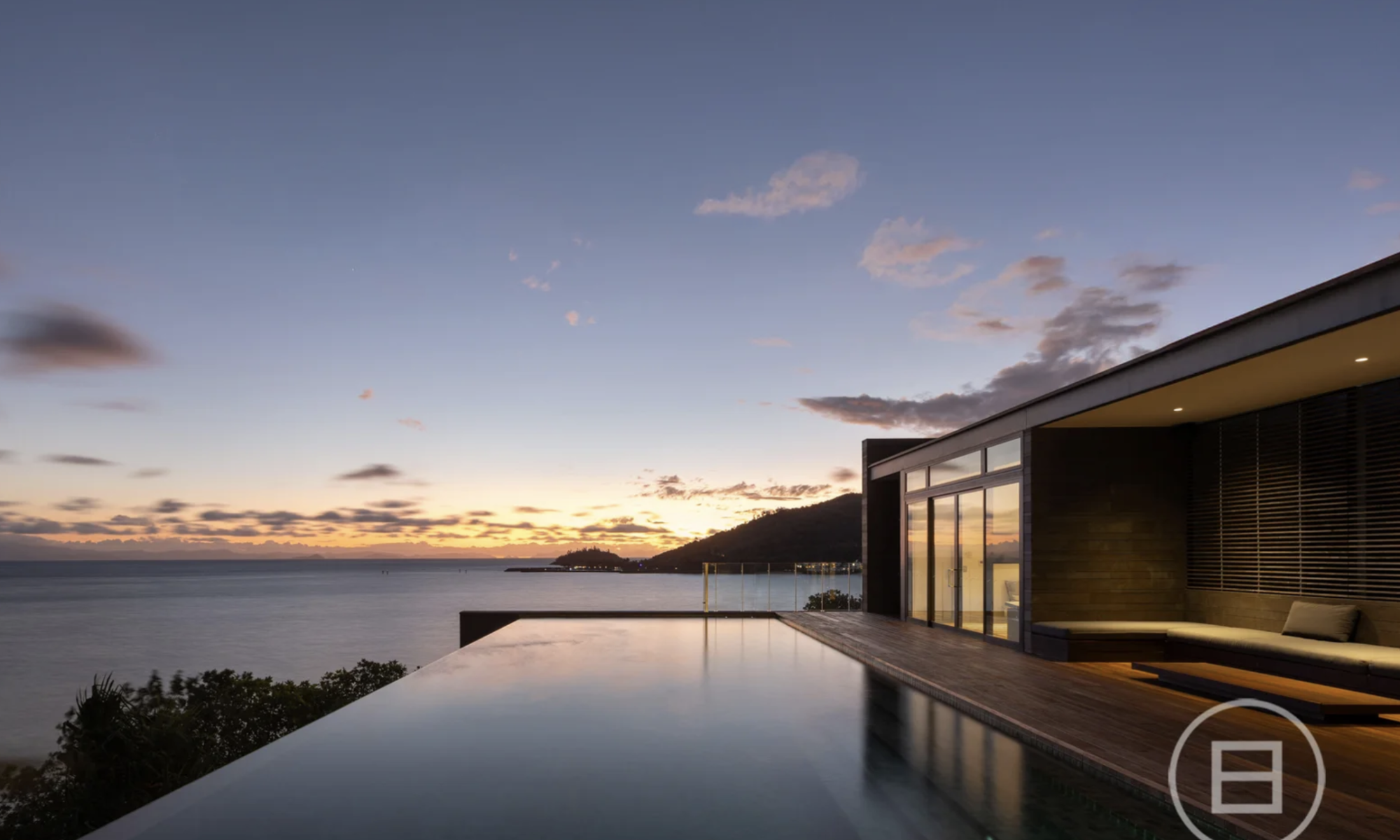
The Residence at Hayman spans three levels and offers over 1,400 sqm of living space, including around 580 sqm of internal living areas. The remainder comprises breezeways, terraces, and balconies designed to embrace the island’s subtropical climate.
Entry to the home is via the upper level, as the property tiers down the site with direct access to the beach. The top and lower levels accommodate most of the home’s eight bedrooms, as well as a study and a double garage with buggy parking, the preferred mode of transport throughout the Whitsundays.
The middle level is home to the main kitchen, living, and dining areas, complete with a full butler’s pantry. It opens to a large, L-shaped terrace featuring an outdoor kitchen, alfresco dining and lounge zones, and a sundeck. The terrace flows to the basalt-clad infinity swimming pool, deck, and cabana with integrated seating, as well as a pool house.
Owners or guests of The Residence also have access to the InterContinental Hayman Island Resort facilities, including 24-hour room service, butler assistance, private chefs, and the resort’s wellness centre.
Whitefox agents Cheyne Fox and Nic Whitehead are marketing The Residence as “a rare and extraordinary find.”
“This is more than just a home, it’s an opportunity to own a piece of paradise, a legacy to share with family and friends for generations to come,” Fox said.
The only other private residence on Hayman Island, Hayman House, is also on the market. Commissioned by Terry Peabody, former billionaire and Transpacific Industries founder, Hayman House was first listed last year with hopes of $27 million, later reportedly reduced to $20 million in early 2025.
Designed by Kerry Hill and also built by Hutchies (in 2010), Hayman House shares a similar design ethos to The Residence, albeit on a smaller scale. Its 18-week construction endured three cyclones, with all site access via the beach, which had to be reinforced to prevent heavy vehicles from sinking into the sand.
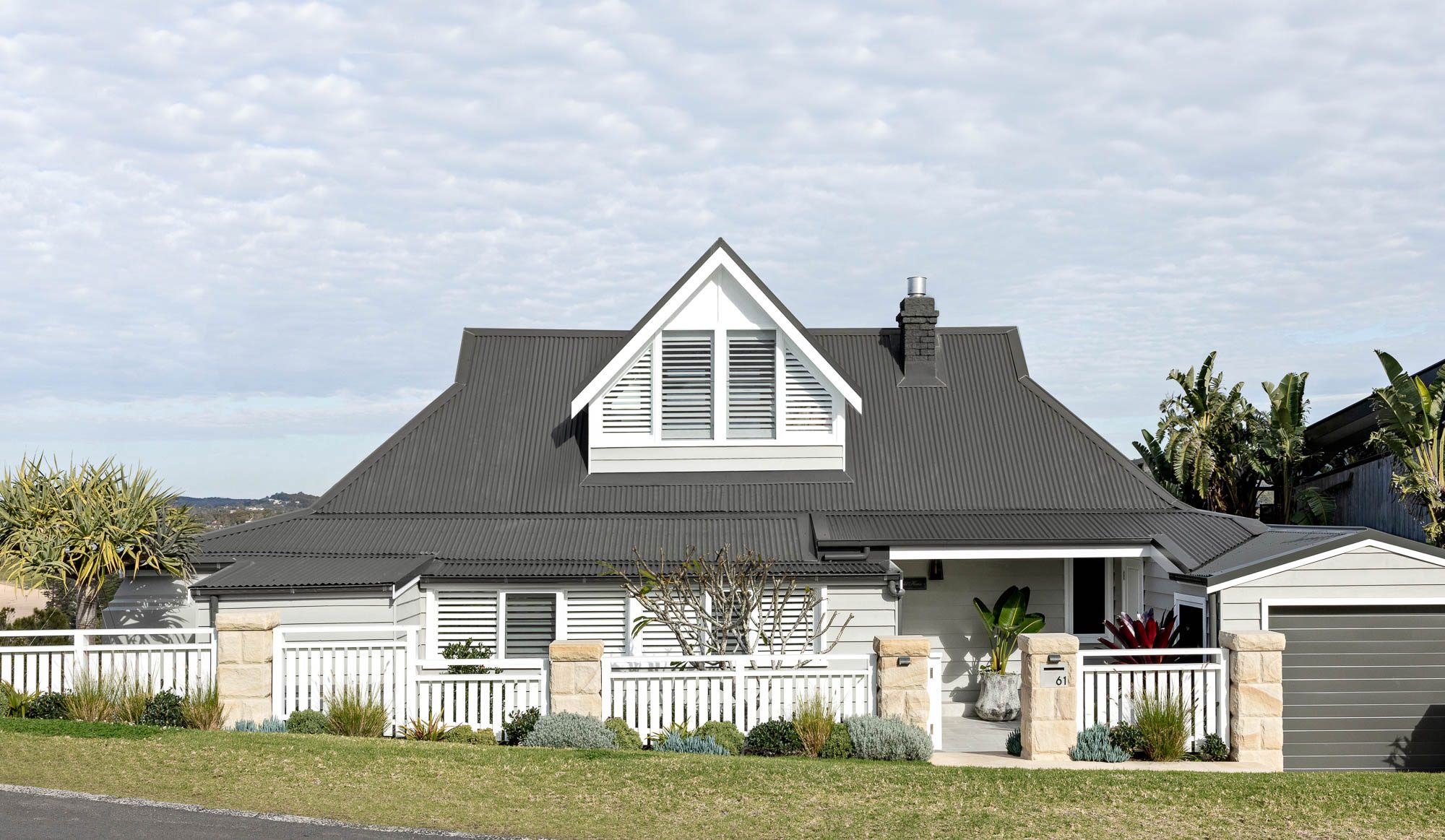
A beautifully renovated New South Wales home in a never-to-be-built-out location by the beach is on the market.
The property at 61 Hillcrest Avenue, Mona Vale, in New South Wales, has a price guide of $7.5+ million and is being marketed by Ray White Northern Beaches agents Emma Blake and Sasha de Bilde.
The property is set to go to auction on October 26.
Ms Blake said the “historic home” with direct beach access was set at the end of a cul-de-sac in one of Mona Vale’s most prestigious streets.
“The property is in a never-to-be-built-out position and there are large open plan living spaces looking out to Mona Vale Beach and beyond,” she said.
“The elevated position offers uninterrupted 270-degree views across Mona Vale Beach, the ocean horizon, and surrounding headlands – with expansive open-plan living spaces designed to embrace the coastal lifestyle.”
The home was once owned by local surf entrepreneur Shane Stedman, founder of Shane Surfboards and credited with popularising the Ugg boot in Australia.
Over the years, the property became something of a local icon – hosting several well-known guests, including Richard Branson.
In 2021, the home was purchased by Justin Riddett and his family, who were living in Singapore at the time.
Together with design firm Whitney & Co and Northern Beaches Constructions, the owners undertook a major renovation that transformed the home into a contemporary beachside haven while preserving its original character.
The four-bedroom, two-bathroom home features a high-quality build with thoughtful architectural enhancements, blending timeless coastal charm with modern functionality.
The renovation was led by Julie Fisk of Whitney & Co and Elliot Ryan of Northern Beaches Constructions, in close collaboration with the owners.
“From the outset, we wanted to honour the spirit of the home while elevating it to a new standard,” Mr Riddett said.
“The result is something truly special – a place where our family has thrived and connected deeply with the beach and community.”
While the family is ready to downsize, Mr Riddett said the lifestyle will be hard to leave behind.
“Most days the kids and I go to the beach after school – there’s no road to cross,” he said.
“For us, this house was about the kids, and I think it would best suit another family who can enjoy its location just like we have.”
The property’s location is unmatched – one of the few homes in the entire Northern Beaches with direct beach access and panoramic views, he said.
In the domain of design, Jacquie Naylor knows what works, so it is no surprise that her Melbourne home is an essay in style and sophistication.
The acclaimed fashion entrepreneur and founder of luxury lifestyle brand Husk has been front and centre in shaping the nation’s retail landscape for decades.
Naylor has previously held senior non-executive roles with Michael Hill, Macpac, Cambridge Clothing, and the PAS Group. The fashion doyenne also sat on the board of the Melbourne Fashion Festival for 12 years. Earlier this year, she stepped down after six years as a non-executive director on the board of Myer.
Now she is making another significant move, selling her Armadale home of three decades.
Listed with Kay & Burton agents, Gerald Delany and Nicole Gleeson, the grand late-Edwardian residence at 39 Glassford St is a refined blend of heritage charm and contemporary flair in one of the city’s most desirable postcodes.
“Jacquie’s home reflects the same sophisticated aesthetic and attention to detail that have defined her professional life,” said Delany, who is marketing the property with a $5.5 million to $6 million price guide.
“It’s a rare chance to purchase a residence shaped by an industry leader with an exceptional eye for design and quality.”
Designed in collaboration with Mark Simpson of Design Office, the home expertly combines classic architectural features with sleek modern interiors.
Original Edwardian detailing includes ornate ceilings, leadlight windows, and decorative fireplaces sitting seamlessly beside 21st-century finishes and clever design principles that bring in natural light and provide functional living areas.
The two-storey home is connected by both a spiral staircase and an internal elevator, with the main living level on the ground floor, and three bedrooms, plus a rooftop terrace above.
Downstairs, there are multiple entertainment areas, including a lounge room with a fireplace and French doors to the yard, as well as a sitting room and a second living space.
A chef’s kitchen features ILVE, Miele, and Liebherr appliances, a butler’s pantry, and marble bench tops. The dining area feeds through full-height metal-framed glass doors to the north-facing terrace, gardens and gas-heated swimming pool.
Conveniently sitting on the ground floor, the main bedroom suite has a walk-in wardrobe and a hotel-inspired ensuite with a tub.
Upstairs, three more bedrooms feature custom-made cabinetry. Two bedrooms share a full family-friendly bathroom, while a guest room has an ensuite with underfloor heating.
Up above, a roof terrace is the ideal vantage point to enjoy panoramic views of the city and its surroundings.
Additional highlights of the home include zoned heating and cooling, heated towel rails, a lock-up garage, electric-gated driveway parking, and irrigated gardens with feature lighting.
Armadale is synonymous with leafy streets, grand period homes, and designer boutiques. The Glassford St house is 6kms southeast of the CBD and is close to the High St shopping strip, Beatty Ave cafés, and Armadale Station. Lauriston Girls’ School, Armadale Primary School, St Catherine’s and Scotch College are also nearby.
The property at 39 Glassford St, Armadale, is listed via an expression of interest closing October 28, at 5pm, with a $5.5 million to $6 million price guide.
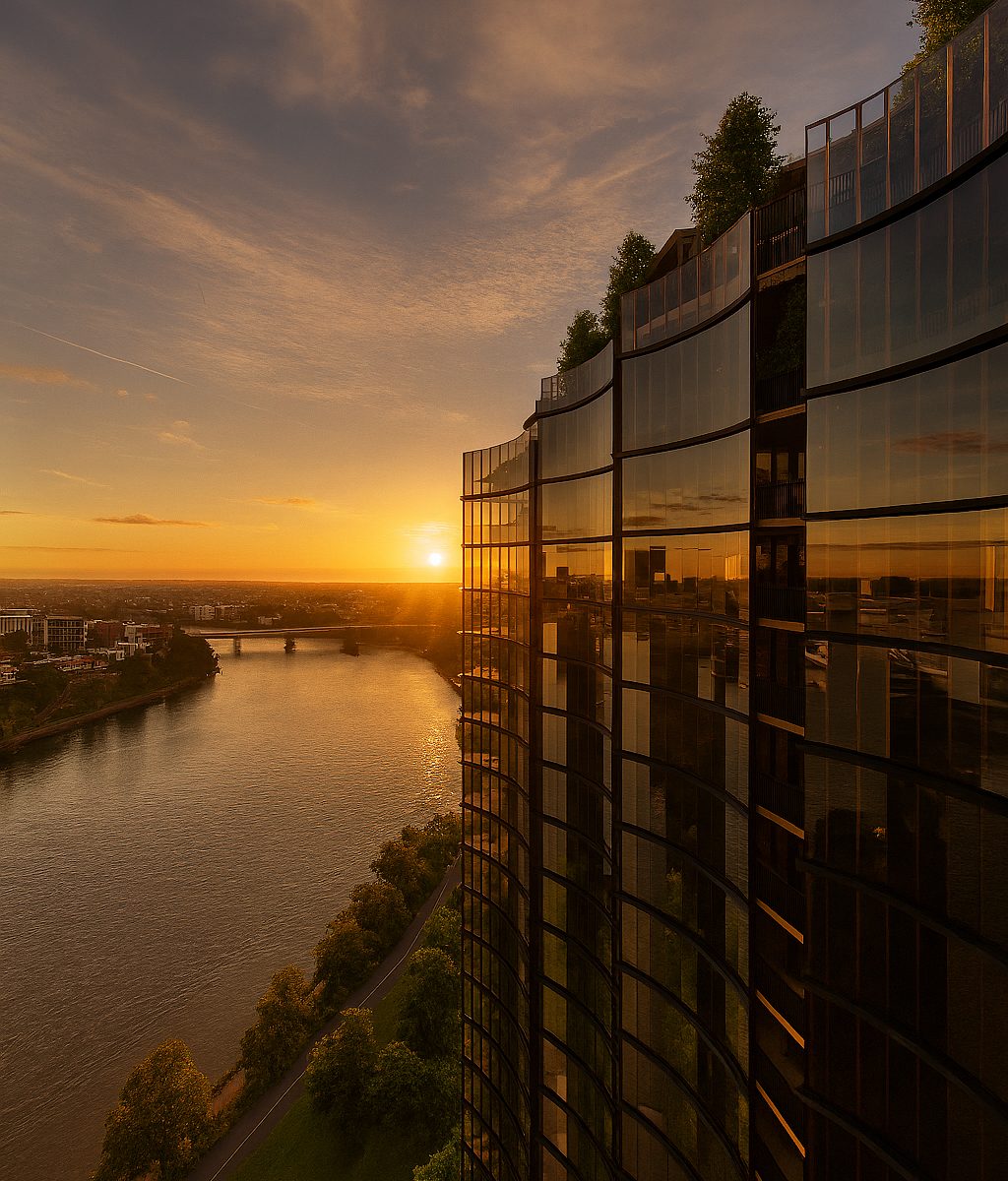
Mosaic Property Group has made its long-anticipated move into South Brisbane, acquiring a $30 million north-facing riverfront site at 91 Montague Road for what will become its largest project to date, with Stage 1 expected to carry an end value of around $500 million.
The 4,282-square-metre parcel, purchased from the Schiavello Group through Knight Frank’s Christian Sandstrom, commands 35 metres of uninterrupted Brisbane River frontage and sits in the city’s cultural heart, with access to West End and the CBD.
The site adjoins a precinct earmarked for new parkland, housing, and cultural infrastructure, putting the development at the centre of Brisbane’s next wave of riverside regeneration.
Mosaic has begun concept planning with Bureau Proberts for a luxury, owner-occupier-focused tower consistent with its flagship projects across South-East Queensland.
Founder and Managing Director Brook Monahan said the acquisition represented a pivotal step in the company’s growth and its evolution as a leader in the luxury residential market.
“This is one of the most extraordinary opportunities we have ever secured — a once-in-a-generation riverfront site that gives us the platform to deliver something truly transformative for Brisbane,” Monahan said.
He added that Mosaic’s vertically integrated model and disciplined site-selection strategy had been key to maintaining momentum despite industry headwinds.
“Escalating costs, tighter finance, planning complexity and labour shortages are causing many projects to stall or be shelved. Mosaic’s vertically integrated model and disciplined approach — targeting only the most exceptional locations where people genuinely want to live — has enabled us to continue bringing projects to life.”
Founded in 2004 and rebranded in 2012, Mosaic has completed more than 70 projects worth over $2 billion and has another $2 billion pipeline secured. This year alone, the group has delivered five luxury developments totalling $580 million and currently has six active construction sites worth $1.35 billion.
Monahan said Mosaic’s philosophy remained customer-first. “We had to learn to crawl before we could walk — steadily building capability, growing our people, refining our model, investing heavily in our business, and deepening our understanding of what customers truly value.”
The South Brisbane project is scheduled for release in early 2026.
Investors normally don’t talk about the risks of a bubble forming in the asset that they’re buying to hedge against a different bubble, but gold’s extraordinary surge is starting to trigger uncomfortable conversations about the yellow metal’s bullish prospects.
Gold prices have gained more than 55% this year, blowing past the $3,000 an ounce mark in early spring and topping the $4,000 threshold for the first time on record last month. Gold was up another 3.3% to $4,108.60 in Monday trading, a new record high.
Myriad reasons have been cited for the surge, including the slumping U.S. dollar, soaring tech stocks that have concentrated broader market risks into a handful of megacap tech names, purchases by central banks seeking to diversify away from the dollar, and renewed inflation risks tied to ongoing tariff and trade disputes.
Central bank buying has also been significant, with China alone adding 39.2 tons to its overall holdings since it returned to the market in November of last year.
“Central banks’ appetite for gold is driven by concerns from countries about Russian-style sanctions on their foreign assets in the wake of decisions made by the U.S. and Europe to freeze Russian assets, as well as shifting strategies on currency reserves,” said ING commodities strategist Ewa Manthey.
“The pace of buying by central banks doubled following Russia’s invasion of Ukraine in 2022.”
Gold-backed ETFs , meanwhile, are attracting billions in new investments, with overall additions likely to have topped 100 tons over the three months ending in September. That’s more than triple the quarterly average over the past eight years.
The combination of forces is likely to drive more gains for gold in the months ahead, according to Société Générale’s commodity research team, headed by Mike Haigh.
“Gold’s ascent to $5000 seems increasingly inevitable,” Haigh wrote in a note published Monday, citing both strong ETF flows and renewed central bank purchases.
Haigh also notes that ETF flows are tracking a rise in SocGen’s U.S. uncertainty index, which is now pegged at more than three times the level it reached over the five months before last year’s presidential election win for President Donald Trump.
“We cannot imagine a situation where we return to pre-Trump index uncertainty normalcy over our forecast horizon, so ETF flows are a key component to our price forecasting,” Haigh said. His $500o price target is pegged for the end of 2026.
Lisa Shalett, chief investment officer at Morgan Stanley Wealth Management, has a different take, tied in part to what she sees as a way for governments to “challenge the dollar’s stranglehold on global money movements.”
Gold holdings, Shalett argues, can “improve collateralisation of their fiat currencies and/or cryptocurrencies in a world where currency markets undefined may be remade by digital assets, cryptocurrencies, and stablecoins.”
The gold market’s mimicry of previous historic booms, however, has caught the attention of Bank of America analyst Paul Ciana, who cautioned in a note published last week that “prices have tended to pivot near round-number levels.”
Citing data showing “midway corrections” in long term bull markets for gold, Ciana sees the chances for a near-term pullback that “rhymes” with pullbacks of around 40% in the mid-1970s and 25% following the global financial crisis in 2008.
“This boom is about 10 years old, smaller in size than the 1970s and 2000s boom but nearly as old,” Ciana wrote. “This warrants caution into round number resistance at $4,000, or again later at $5,000.”
Gold isn’t likely a bubble. It’s hard for central banks to sell, and many of the countries encouraging its import, like China and India, also make it difficult for investors to move offshore.
But gold did lose around 60% of its value in the two decades that followed its 1970s boom, with bear markets following in 2008 and 2015.
This year’s really is still going strong, of course, but with gold’s advance tied to nearly all of the concerns currently gripping financial markets, maybe it’s worth asking if it’s being “all things to all people” is the best kind of hedge—or just another risky bet on rising prices.
Australia’s luxury property market is once again reaching dizzying heights. After a brief slowdown, national home values have surged to new records in 2025, and nowhere is that more evident than at the top end of town.
While median prices are rising across most capital cities, the ultra-prestige segment is seeing even sharper growth, with trophy homes fetching never-before-seen sums.
Demand for harbourfront, beachfront, and blue-chip inner-city estates remains intense, driven by a mix of local billionaires, global buyers and intergenerational wealth.
This year alone, Australia’s residential record has been rewritten, with sales surpassing $130 million, and even an apartment now holding the crown as the nation’s most expensive dwelling.
From Sydney’s Point Piper to Melbourne’s Toorak, Brisbane’s riverfronts to Perth’s Golden Triangle, these exclusive enclaves continue to define the country’s property elite.
We’ve taken a closer look at the most expensive houses across Australia’s largest capitals, the landmark sales that have set new benchmarks, and the homes that could challenge those records if they ever hit the market.
Elaine Gardens
Sydney
House Price Record: $130 million Residential Record: $141.5 million
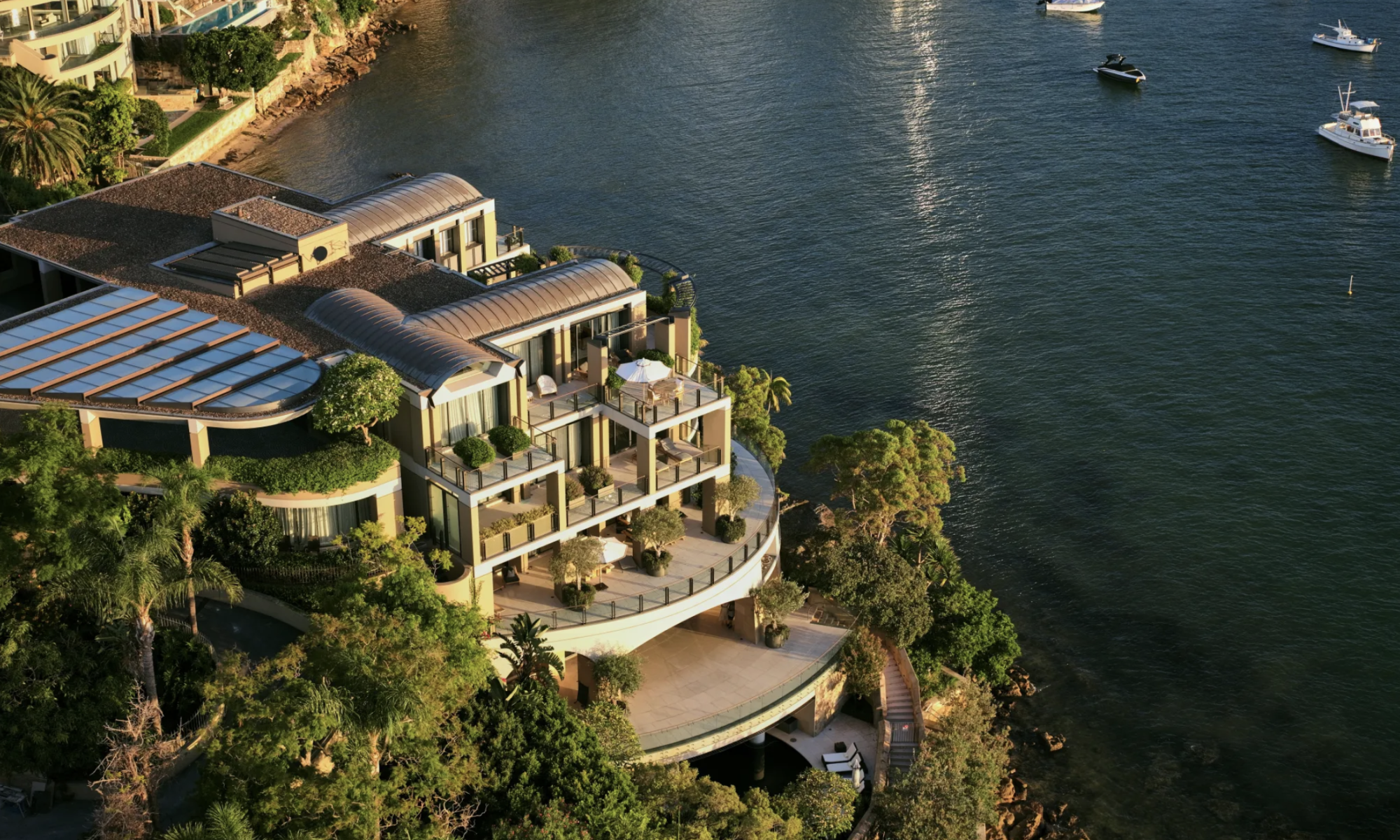
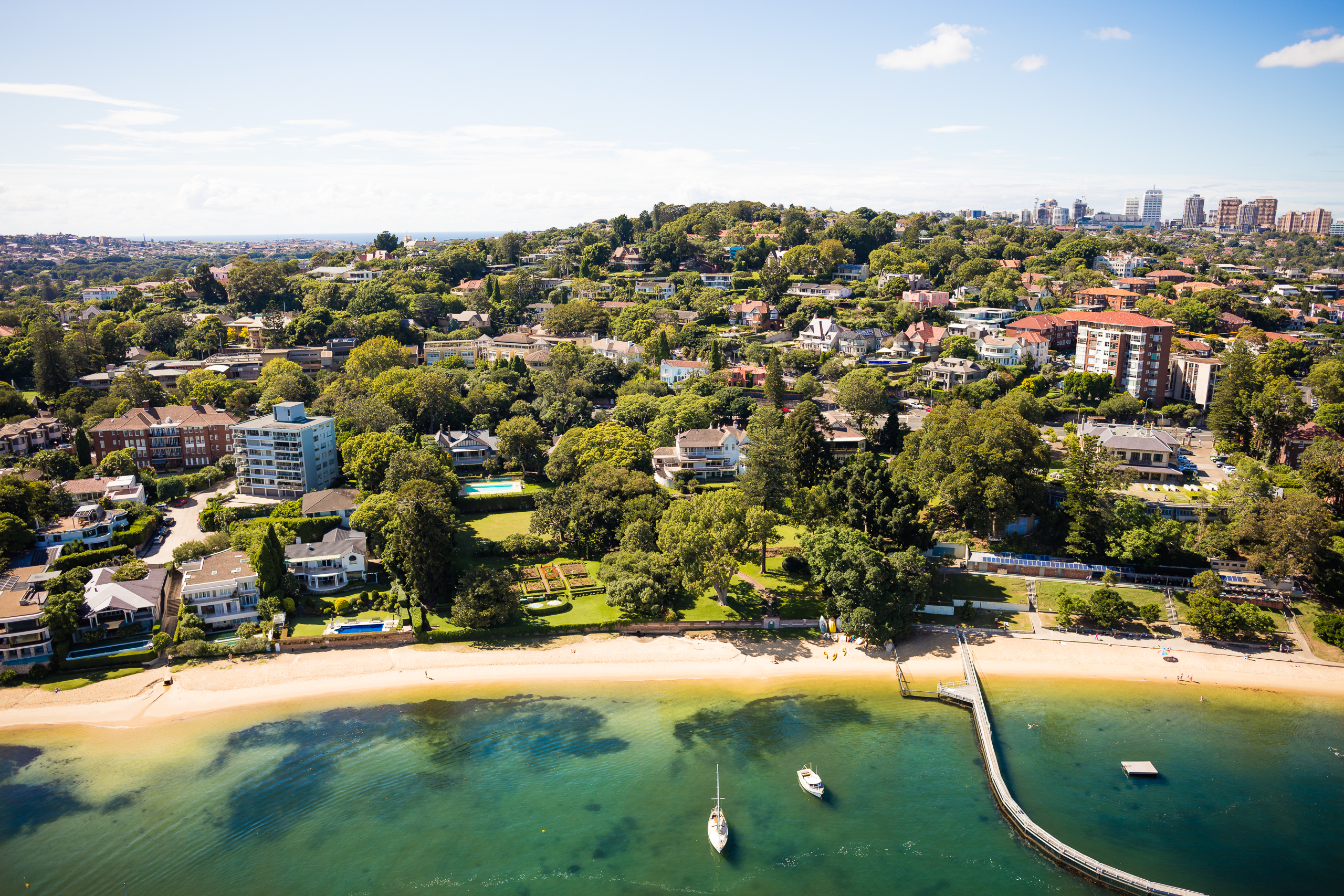
Sydney’s harbour has always commanded the city’s highest price points, with Point Piper the main epicentre.
For years, the residential house price record was held in Point Piper. First, Atlassian billionaire Scott Farquhar spent a record $71 million on Elaine, the Seven Shillings beachfront estate that had been in the Fairfax family for generations.
That 2017 sale held the top spot until the following year, when Farquhar’s Atlassian co-founder Mike Cannon-Brookes spent $100 million on Fairwater next door, following the death of Lady Mary Fairfax.
The grand heritage-listed mansion dates back to the early 1880s and sits on 1.12 hectares, far larger than Elaine, which is just shy of 7,000 sqm.
The Fairwater sale has only been topped twice. Last year, Farquhar purchased Uig Lodge for $130 million, one of the highest homes in Point Piper, with sweeping views of the harbour.
In turn, he sold Elaine for the same amount to a consortium led by tech entrepreneur Patrick Shi, CEO of Acce Investments Group. The group reportedly intends to subdivide the 7,000 sqm parcel into four blocks for new trophy homes.
There are several harbourfront properties that could challenge the record should they ever transact. This year, Aussie John Symond reportedly turned down offers exceeding $200 million for his home, colloquially known as “Aussie Stadium.”
The four-level residence, one of only three on Wolseley Road’s Windmill Point, took eight years to build and features six bedrooms, an eight-car garage, a 22-seat theatre, and a 2,500-bottle wine cellar.
Another contender is the Vaucluse waterfront compound owned by Menulog founder Leon Kamenev. Kamenev spent $80 million on the land alone in 2016, four amalgamated blocks totalling 4,200 sqm, before demolishing the existing homes to create a mega-mansion that cost more than $30 million to construct.
Meriton founder Harry Triguboff’s Wentworth Road property, also in Vaucluse, would likely compete for top spot. He first bought a block on the prized waterfront street in 1983 and acquired the adjacent property in 1998 to create over 5,200 sqm.
The Packer family compound could return the record to Bellevue Hill if it ever sold. Sir Frank Packer began assembling the estate, Cairnton, in 1935; his son Kerry added further titles through the 1980s and 1990s. The property now spans 1.1 hectares across Kambala and Victoria Roads.
The aforementioned Fairwater would almost certainly exceed $130 million today, given its larger harbourside footprint compared to Elaine.
Sydney’s highest property price, however, isn’t a house, it’s a penthouse. The One Sydney Harbour penthouse in Barangaroo sold off the plan in 2019 for $141.55 million. The three-level residence spans over 1,600 sqm and includes nine bedrooms, a private rooftop pool, spa, and gym.
Blair House, Toorak
Melbourne
House Price Record: $130 million+
In Melbourne, Toorak is the equivalent of Point Piper. The rich-lister suburb home to the nation’s highest concentration of billionaires, including Lindsay Fox, John Gandel, and Solomon Lew.
The highest price achieved, though yet to settle, is for Coonac, the 1867-built mansion reportedly sold earlier this year for around $130 million. It was the longtime home of billionaire developer Paul Little and his wife, University of Melbourne Chancellor Jane Hansen.
While Coonac sits on Clendon Road, alongside the Myer family’s Cranlana compound, currently seeking around $100 million, Toorak’s most consistently expensive street is St Georges Road.
It previously held the Victorian record when crypto billionaire Ed Craven bought the long-abandoned “Ghost Mansion” for $80 million in 2022. He has since demolished the structure and is set to build a new luxury residence on the vast 7,187 sqm site.
Other notable St Georges Road sales include Blair House, which fetched $74.5 million in 2022 when purchased by tech entrepreneur Grant Rule.
Outside Toorak, billionaire Anthony Pratt’s Raheen estate in Kew remains one of the state’s most valuable homes. The heritage-listed Italianate mansion, built in the 1870s for Edward Latham of Carlton Brewery, has been in the Pratt family since 1981 and was recently refurbished by Anthony following his father Richard’s passing in 2016.
Sutherland Ave, Ascot
Brisbane
House Price Record: $23 million
The Brisbane record was set earlier this year when BWC Group construction boss Brett Walker sold his Ascot home for $23 million.
Walker had bought the 1930s Queenslander from Ray White Chairman Brian White in 2021 for $10 million and spent another $7 million on extensive upgrades.
The 1920s home with six bedrooms sits on a private 3,035 sqm block with a championship-size floodlit tennis court, swimming pool, and cricket pitch.
The sale comfortably surpassed the previous record, set in 2023 when the 1890s waterfront Amity House in New Farm sold for $20.5 million.
New Farm also holds the city’s apartment record, set this year when coal baron Matthew Latimore, founder of M Resources, spent $17.5 million on a two-level penthouse atop the Cutters Landing building on Refinery Parade. The 740 sqm residence includes a sauna, steam room, ice bath, and spa.
There had been suggestions the penthouse atop the Pier building in Newstead would sell for $20 million, but it ultimately settled for $16 million.
Queensland’s priciest homes, however, sit beyond Brisbane. The state record was set earlier this year when DISSH fashion owners Lucy Henry-Hicks and Mitchell Lau purchased three adjoining beachfront properties for $40 million on Palm Beach’s Jefferson Lane.
Some don’t consider it a record, given it was an amalgamation. If it wasn’t to be a record, the highest price is $34 million, in Sunshine Beach. Webb House was bought by Peter Tighe, Non-Executive Chairman of AuKing Mining and part-owner of champion mare Winx, in 2021.
Western Australia
House Price Record: $56 million
Western Australia’s luxury market has surged. According to Knight Frank’s Prime Global Cities Index, Perth ranked 16th globally in Q1 2025 for luxury property price growth, rising 3.8 per cent over the year to March.
The priciest homes typically cluster in Dalkeith, Mosman Park, and Peppermint Grove. The state’s record was set when Mineral Resources co-founder Chris Ellison purchased a Mosman Park residence on Saunders Street for $56 million.
That same street saw another notable sale this year, a 2016-built luxury home with dual Gaggenau and Sub-Zero kitchens, a solar-heated magnesium pool, 600-bottle wine cellar, 13-person lift, and panoramic river views, for $22.75 million.
Many of Perth’s top-end sales occurred in the post-GFC mining boom, though some values later softened.
In 2011, Mineral Resources co-founder Steve Wyatt paid $39 million for a Dalkeith mansion; it resold in 2020 for $27.5 million to entrepreneur Danny Pavlovich and his wife, Suza.
Sydney’s ultra-luxury property market continues to move to its own rhythm.
Scarcity, lifestyle appeal and a new generation of high-net-worth buyers are reshaping how prestige projects are designed, marketed and sold.
We asked Abadeen’s Executive Chairman and Founder Justin Brown to unpack what’s driving demand, where he sees opportunity and how the definition of luxury living is changing.
Q: Sydney’s ultra-luxury property market has remained remarkably resilient. Why?
Supply is structurally tight, and the best sites are almost impossible to replicate. Planning is slow, construction costs are high, and true blue-chip land rarely changes hands. That keeps premium stock scarce.
Much of the demand at this level is from owner-occupiers, and their numbers are increasing exponentially. With long horizons, they help stabilise values through cycles.
As a developer, we manage release strategies carefully. Private placements and staged launches absorb volatility and protect pricing integrity. Sydney’s quality of life, stability, and the international desire to live here do the rest.
Q: Off-market transactions are a hallmark of prestige property sales. What advantages do they offer buyers and sellers?
Both channels have a role. On market provides full exposure, public benchmarking and visible competitive tension. It’s useful when we want to set a new reference price or showcase a precinct at scale.
Off-market delivers privacy, precision and control. There is a smaller pool of qualified buyers who set the tempo and negotiate the terms that actually matter.
It protects residents’ privacy, reduces disruption on site, and keeps the brand experience consistent. Buyers gain early access to irreplaceable products and the ability to tailor outcomes quietly.
For true trophy assets and pre-release allocations, I prefer off-market. We are able to customise and personalise the outcome.
Q: Luxury buyers expect more than location. What must-have features and amenities drive demand?
Views and villages is simplistic but precise. Long, protected outlooks, correct orientation, and a connected neighbourhood that offers vibrancy seven days a week.
Then privacy and a sense of arrival. Generous indoor–outdoor living, a primary kitchen plus a catering space for real entertaining, serious wellness facilities, secure multi-car garaging with EV infrastructure, and building services that feel five-star without fuss.
Technology should disappear into the experience and be reliable. Acoustic and thermal performance matter as much as marble. Designing homes is our craft. We obsess over those details because they determine how a home actually lives and breathes.
Q: Beyond Sydney, are there emerging luxury markets in Australia that high-net-worth investors should watch?
We have further expanded in Melbourne, Perth and Queensland. That is where we see sustained depth for the premium owner-occupier product in the right areas, targeting similar demographics to the Sydney market.
Think Melbourne’s inner bayside and east, Perth’s western suburbs and river precincts, and select Brisbane and Gold Coast locations where scarcity is real and community amenity is maturing.
Q: What has been your most remarkable sale, and what made it unique?
I have been fortunate over the last 30 years to be involved in Australia’s premium apartment revival from Bennelong, Hyde Park precinct and Barangaroo in Sydney, to HMAS in Melbourne, and the waterfront precincts of South-East Queensland and Perth, amounting to more than $200 million in property sales. We have also transacted a high proportion of development opportunities, up to $750 million.
Q: What is one piece of advice you always give high-net-worth buyers?
Choose the developer first. At this level, counterpart risk matters as much as postcode. Buy in the best village with the best views you can, but make your first filter the team delivering it: if you trust the people and the product, move early and buy with confidence.
This interview appeared in the Spring issue of Kanebridge Quarterly magazine. You can buy your copy here.
If any home could tell the tale of sustainable luxury down under, it’s Belah House – the unique off-grid capable waterfront creation of landscape designer and television icon, Jamie Durie and his partner Ameka Jane.
Anchored into the cliffs of Stokes Point overlooking Pittwater, their recently completed eco mansion was designed by Silvester Fuller Architects in collaboration with the Backyard Blitz and The Block alumni and builder Antoine Gittany, from Dilcara.
The six-bedroom, six-bathroom, two-car garage home also features in the first season of Durie’s latest show, Growing Home.
Despite Durie reportedly knocking back an offer of $30 million earlier this year – and the couple revealing to media that money couldn’t buy the experience of living life in their eco dream home – the Northern Beaches residence has come to market this week with a $33 million price tag through McGrath Pittwater agent James Baker.
The high-profile pair are reportedly moving to the Byron Bay hinterland. Crafted to define what it means to live harmoniously with nature, Belah House is set over four levels on a dramatically elevated 1017sq m block on the prestigious peninsula. The enviable beach house has about 720sq m of internal living with seamless spaces flowing through to the great outdoors.
Wrapped in sandstone, with vertical gardens and carefully curated native greenery throughout the site, the property had been orientated to connect with the vast bushland of Ku-ring-gai National Park.
As a horticulturalist by trade and a sustainability advocate in practice, Durie is best known for his design programs, including appearances on The Oprah Winfrey Show. The couple poured five years of research into their Avalon project, treating their own home as a test run for revolutionary technology to change the way Australians live with nature at home.
The house sits high on seven geothermal probes sunk 120m into the earth to harness the ground temperature to heat or cool the home, as well as its zero-chemical infinity-edge pool, and hydronic floors.
The property features 42 solar panels, a 20kW Skybox solar system for near-total energy independence, and water harvesting systems that recycle every drop. The concrete has been engineered with up to 75 per cent reduced carbon emissions, and the Control4 Smart Home system manages elements from climate control to lighting and irrigation.
Inside Belah House, there are multiple living areas inside and out, walls of glass to capture the outlook, a gourmet open-plan kitchen with a butler’s pantry and coffee station, as well as a full bar and terrace on the same level.
The lower ground floor is home to a palatial main bedroom with dual walk-in wardrobes, a large ensuite with a freestanding tub overlooking the water and three more bedrooms, including one with its own ensuite.
Additional features at the property include a media room, a self-contained guest suite, home cinema, wine cellar, outdoor kitchen, infinity pool, 160sq m rooftop garden containing a vegetable patch, interior hanging gardens, and a wellness retreat complete with a gym, sauna, steam room, plus ice bath.
A 35-metre inclinator services the 37-degree slope to private deep-water facilities, including a jetty, slipway, and grotto entertainment space carved into the natural rock.
Belah House at Avalon Beach is on the market with James Baker of McGrath Pittwater for $33 million via an expressions of interest campaign that closes at 5 pm on November 11.
If you’re looking to run into Cristiano Ronaldo, this six-bedroom villa near the coastal Portuguese town of Cascais, where the footballer lives, might up your chances.
The detached home, which came to market earlier this month asking €10 million (US$11.79 million), is within the gated Quinta Patino community in the town’s Estoril suburb, and comes with a private green-tiled pool, its own wine cellar and cinema, as well as a moody six-car show garage.
The eclectic house comes with a little French flair, including a grey mansard roof, as well as arched windows and a cream-stucco facade.
The interiors showcase a mix of modern floor-to-ceiling windows as well as more old-school elegance, including black-and-white checkered flooring, extensive crown moldings, a wood-paneled library and classic columns in between arched windows.
There are six bedrooms across 7,000 square feet, as well as a wine cellar, game room, a pergola and easy transitions between the indoors and outdoors.
“This residence was created for the way people truly want to live, with light-filled spaces that flow naturally from the kitchen and dining areas out to the garden and pool,” said listing agent Yared Hagos of Nest Seekers International via email.
Cascais is located in the Portuguese Riviera, roughly 30 minutes from Lisbon, and features sandy beaches, resorts and other visitor attractions.
“This property represents the best of both worlds, complete privacy in one of Portugal’s most prestigious gated communities, and yet you’re just minutes from the beach, the golf courses, and Lisbon’s cultural scene,” Hagos wrote.
Cascais is also one of many Portuguese cities to have benefited from the popularity of the country’s real estate among foreign investors, particularly its high-end homes , according to Hagos. Mansion Global could not determine the identity of the seller.
“With six consecutive months of rising buyer demand and price growth now exceeding 15% annually, prime areas like Lisbon, Cascais and the Algarve are seeing international buyers compete for an increasingly scarce supply of high-end homes,” he said.
The Portuguese Riviera also has seen an influx of celebrities in recent years, including most notably, soccer legend Cristiano Ronaldo, Mansion Global previously reported.
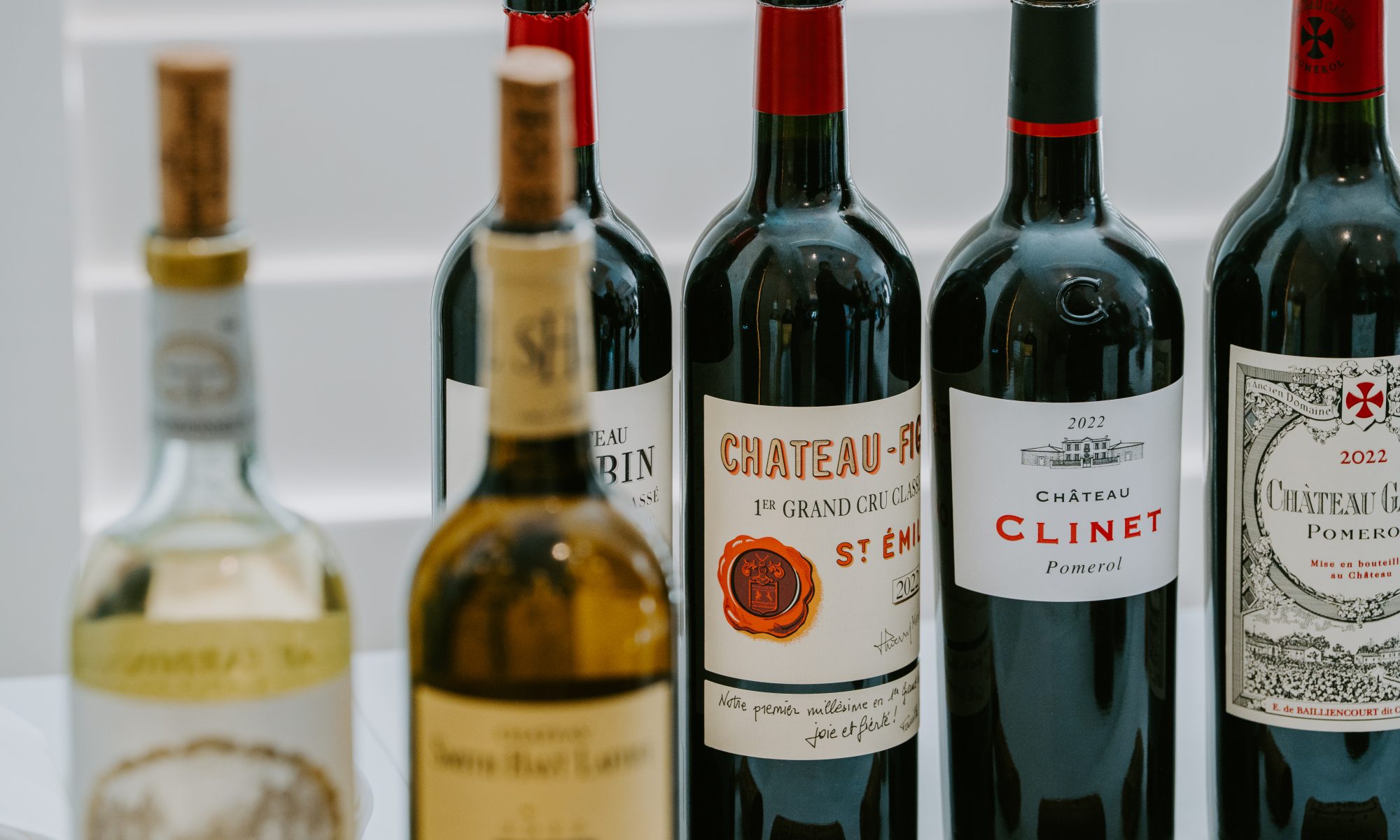
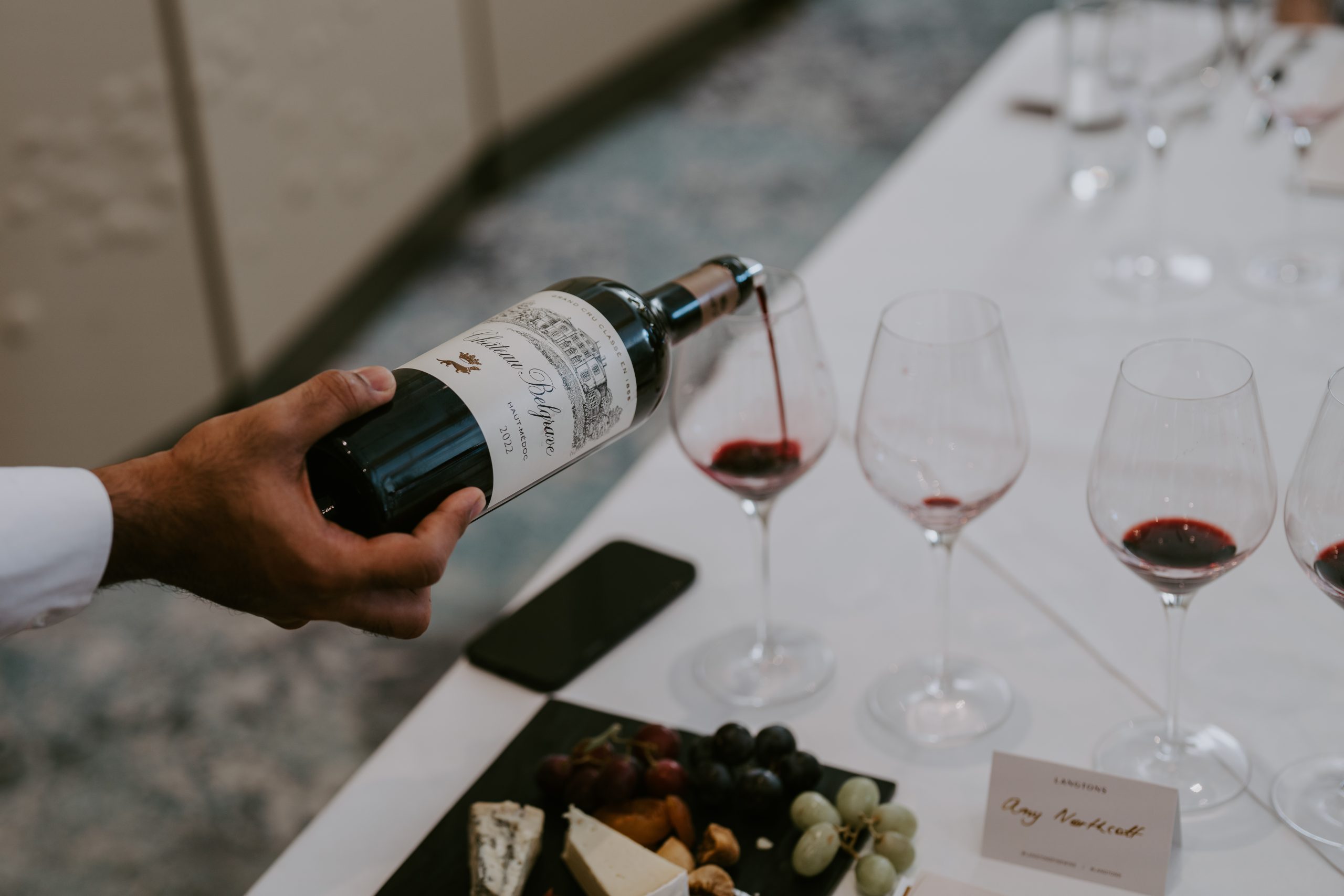
There are Bordeaux drops and then there are Bordeaux moments. This is the latter. The 2022 vintage has arrived through LANGTONS with depth across communes and enough quality to satisfy both the curious and the die-hard.
Here is your guide to what deserves a place in the cellar, and in years to come, your dining table.
1. Château Carbonnieux Blanc 2022, Graves, $110
The story of the legendary white of Château Carbonnieux Blanc (Graves, $110) stretches back to the 18th century when, thanks to its crystal clarity, it was introduced to the Sultan of Constantinople’s palace disguised as ‘mineral water from Carbonnieux. Today, the wine retains that luminous freshness in youth but develops dried and candied fruit characters with maturity, making it one of the most versatile whites in the region. This is a wine that can be drunk now through to 2029, so not a long termer.
2. Château Figeac 2022, St-Émilion, $850
If Carbonnieux speaks of crystalline youth, Château Figeac (St-Émilion, $850) speaks of longevity. Few estates can match its claim to 2000 years of continuous occupation, and the 2022 vintage bears that gravitas. Deeply garnet in colour, Cabernet Sauvignon shines here with notes of blackcurrant, blueberry, lilac, tobacco and bay leaf. On the palate, the wine is elegant and mineral, yet vibrantly alive. It’s a stunning effort that will reward those with patience – I’d suggest drinking from 2034–2060. It’s a great investment wine given Figeac’s ascent, too.
3. Château Gazin 2022, Pomerol, $235
In Pomerol, the quiet achiever is Château Gazin ($235), whose neighbours happen to be Petrus and L’Evangile. The 2022 shows deep crimson colour, with aromas of violet, musky plum, roasted chestnut and mocha. Classically proportioned, it offers a palate of ripe black fruits, chalky tannins and mid-palate depth that places it among the appellation’s most compelling releases. This wine sees its best drinking between 2029 and 2040.
4. Château Palmer 2022, Margaux, $1,050
Further south in Margaux, Château Palmer ($1,050) continues its reputation as a ‘Super Second’, officially ranked a Third Growth but revered as the equal of the First Growths. The 2022 is abundant in blackberry jam, chocolate, lavender and smoke, a wine of sheer extract and richness with remarkable intensity. It is best from 2035 and should be showing nicely to 2065. It’s a wine nipping at the heels of the Firsts and a wonderful investment opportunity.”
5. Château Haut-Bailly 2022, Pessac-Léognan, $415
Another of Bordeaux’s historic properties, Château Haut-Bailly (Pessac-Léognan, $415), dates to the mid-15th century. Its 2022 vintage shows blackcurrant pastille, violet and graphite, with a refreshing yet dense palate that finishes chalky and minerally. It is incredibly elegant now, so try from 2030–2045 with ease. A wine worth buying 6–12 bottles of to watch this ‘value’ Bordeaux evolve in the cellar over time.
6. Château Pontet-Canet 2022, Pauillac, $330
The Pauillac commune offers two contrasting but equally celebrated estates. Château Pontet-Canet ($330), founded in 1725, is full-bodied and packed with ripe black fruits supported by finely integrated tannins. The wine is remarkably compelling now, but best after 2029 through to 2045. It’s also a hit in the secondary market amongst speculators.
7. Château Lafite-Rothschild 2022, Pauillac, $1,950
Then there is Château Lafite-Rothschild (Pauillac, $1,950), perhaps the most recognised name in the Médoc. The 2022 vintage has immense grip and presence, offering loganberry, blueberry, wet stones, and forest floor. For me, this is one of the definitive wines of the vintage. It’s one of the world’s most collected and cellared wines. Best from 2034–2070+ and is a triumph.
8. Château Montrose 2022, St-Estèphe, $595
North in St-Estèphe, Château Montrose ($595) demonstrates why this Second Growth is often regarded as a rival to the First Growths. Ample blackberry, cassis and briary fruits meet velvety tannins and cedar, creating a wine of both richness and precision. The wine is fine, aromatic and worth the investment. Most joy to be extracted from 2033 onwards with a 25-year satisfaction window.
9. Château Suduiraut 2022, Sauternes, $99
The sweet wines of Bordeaux complete the spectrum. Château Suduiraut (Sauternes, $99), a neighbour to d’Yquem, delivers a 2022 that is full of marmalade, saffron, lime and orange zest. Its sweetness is cut with a lifted bitterness that lends focus. This wine is showing beautifully now and best from 2028–2035+.
10. Château Cos d’Estournel 2022, St-Estèphe, $690
Finally, another St-Estèphe giant, Château Cos d’Estournel ($690), speaks with intensity and power. A blend dominated by Cabernet Sauvignon and Merlot, the 2022 is tannic, commanding and built for the long haul like every vintage of Cos.