Dubai’s Top Hotel Concierge Provides an Insider’s Glimpse to the Glitzy City

Dubai’s Burj Al Arab hotel is regarded as one of the most extravagant properties in the world, and its sail-shaped architectural design has become an icon of the city and the region. One of the people making the magic happen behind the scenes for such an over-the-top luxurious outpost is its chief concierge, Roger Geadah.

Any hotel concierge must be prepared to cater to and meet the needs of their guests, fostering long-term relationships and turning first-time visitors into repeat clients by delivering memorable moments. But at Burj Al Arab, the bar is perhaps even more difficult to clear than it is elsewhere.

“Delivering on the expectations of our guests at the Burj Al Arab is not just about meeting their high standards—it’s about consistently exceeding them,” Geadah says. “To achieve this, I place myself on the same level as our guests, seeing the world through their eyes. This involves a great deal of emotional intelligence, storytelling, and fun.”

At a hotel regarded as one of the world’s most opulent, Geadah’s tasks are different from those of a concierge at a more typical city hotel. Guests make use of around the clock butler service and stay in gilded two-story suites bedecked in enough marble and gold as to border on the palatial, after entering the property through a world-record, almost 600-foot high atrium. Expectations are even higher.

Geadah, who’s been in Dubai for a decade and with the Jumeirah Burj Al Arab team for the past three years, strives to connect with his guests, think outside the box, and stay up to date with a city amid constant evolution. There may be no better person to offer his handpicked recommendations for what to experience in and around the city.

Geadah, 48, spoke with Penta about his top tips and insider recommendations for a memorable visit to Dubai. undefined

Stay

Beyond the swanky confines of his offices at the Burj Al Arab, Geadah’s top choice elsewhere in town is the XVA Art Hotel in Bur Dubai.

One of the people making the magic happen behind the scenes for such an over-the-top luxurious outpost is its chief concierge, Roger Geadah.
Courtesy of Burj Al Arab

“It’s a true hidden gem that beautifully combines heritage, art, and tranquility,” he says. The property is set within a traditional Emirati house in the heart of the Al Fahidi historical neighborhood, and guests enjoy the area’s charming traditional architecture, heritage sites, and history, along with the artistic touches of its 15 individually designed rooms.

“What I love most about XVA is how it fosters conversations around art, culture, heritage, and creativity,” Geadah says. For those looking to escape the city for a night or two, head to Bab Al Shams Desert Resort.

“It’s a luxurious oasis hidden away in the Arabian desert, just about an hour’s drive from the lively city,” Geadah says. “Bab Al Shams offers breathtaking desert views that make for a truly unique getaway, and the resort beautifully combines traditional Arabian design with modern comforts, and also offers unique activities like camel rides, adding a touch of adventure to your stay.”

Adjacent to the Burj Al Arab is the Madinat Jumeirah, the largest resort in Dubai at about 100 acres in size. It’s a destination to itself featuring a handful of different hotels and hideaways sharing an expansive property interconnected with walkways and boat canals, including a huge lagoon-style resort pool, a lengthy stretch of private beach, and a staggering lineup of about 50 dining and drinking venues.

Shop

Dubai is home to every luxury brand and retailer on the planet, including at Dubai Mall, one of the largest in the world. Finding smaller, local purveyors for a more authentic shopping experience may be more rewarding. “When it comes to immersing yourself in the vibrant culture and sensory delights of Dubai, the city’s souks [marketplaces] are an absolute must-visit,” Geadah says.

Different souks are focused on different types of goods, and Geadah recommends a few in particular. “First up is the Dubai Spice Souk, nestled in the heritage area; this colorful market is a sensory feast, brimming with aromatic herbs and spices that fill the air with their tantalising scents,” he says.

From there, the Gold Souk is close by, as well as the Perfume Souk, another of his top picks. “It is a fragrant paradise in its own right, and here you will encounter some of the most authentic and enticing scents Dubai has to offer: Oud, a signature fragrance derived from resin is beloved by both Emirati men and women for its earthy allure.”

Explore

The most difficult ticket in Dubai right now is the Museum of the Future.

“Delivering on the expectations of our guests at the Burj Al Arab is not just about meeting their high standards-it’s about consistently exceeding them,” Roger Geadah, chief voncierge, said.
Courtesy of Burj Al Arab

“It’s quickly become a must-visit destination and it’s easy to see why, as the building itself is an architectural marvel, featuring a stunning torus-shaped structure adorned with Arabic calligraphy across 1,024 stainless steel panels,” Geadah says. Visitors enter an experiential space that transports them to the year 2071. “It is a captivating experience for anyone interested in what the future might hold.”

A more off-the-beaten-path pick is the Al Shindagha Museum in the historical neighbourhood of the same name, which takes people on a journey through time in the other direction. “Visitors explore the meticulously restored heritage houses along the serene Dubai Creek, houses which aren’t just structures, but living museums, each telling its own story of traditional crafts and bustling commercial activities from bygone eras,” he says.

Another choice is the Coffee Museum. “Lose yourself in a treasure trove of antique items that trace the rich history of coffee, from its humble beginnings to its global significance,” Geadah says. “For a dose of authentic culture, head to the Sheikh Mohammed Centre for Cultural Understanding where locals offer hands-on explorations of traditional ways of life while showcasing hospitality and serving a traditional meal. The arts district at Alserkal Avenue, meanwhile, features contemporary galleries, studios, and exhibition spaces.

Visit the Al Farooq Omar Bin Al Khattab Mosque for a glimpse at a splendorous structure inspired by Istanbul’s Blue Mosque. “Beyond its architectural marvel, the mosque embodies a deeper purpose — to foster understanding, harmony, and unity,” Geadah says. “Within its walls, words like moderation, peace, and tolerance reverberate, echoing local values and serving as a bridge between Arabic civilisation and the world beyond. Non-Muslims are welcome to visit the mosque outside of praying times.”

The most popular choice for an excursion outside the city is a desert safari to the Dubai Desert Conservation Reserve. Ride in a heritage vehicle across the dunes and enjoy activities such as falconry, wildlife viewing, and a Bedouin-style barbecue feast. For a different take, Geadah recommends starting the adventure with a sunrise hot air balloon ride.

The terraforming marvels of Palm Jumeirah should be seen and explored by every visitor. There are several viewpoints to consider, and Geadah also suggests taking to the water with a yacht trip or jet ski tour to gain an additional perspective. And of course, the iconic Burj Khalifa remains one of Dubai’s signature sights. The best way to soak it all in is via the At The Top experience, sending visitors to the 152nd floor along with a series of viewing points and lounges on different floors.

“To achieve this, I place myself on the same level as our guests, seeing the world through their eyes. This involves a great deal of emotional intelligence, storytelling, and fun,” Geadah says. Courtesy of Burj Al Arab

Eat & Drink

“Dubai’s culinary scene is incredibly diverse, offering everything from Michelin-starred restaurants to authentic street food,” Geadah says. Many of the world’s most well known culinary fixtures have locations in the city, from Massimo Bottura and Gordon Ramsay to Daniel Boulud , Nobu Matsuhisa, Jamie Oliver, and scores of others. When possible, though, Geadah prefers arranging for a more unique experience, once putting together a secret culinary tour for a food-loving family with the help of a local historian and guide.

“The older part of town boasts a rich culinary heritage, with influences from India, Persia, and the Arab world, and it’s home to some of the most unique and charming eateries,” Geadah says.

Geadah has no shortage of restaurant recommendations, though, many of which come with particular vantage points. He suggests Shimmers for an on-the-beach taste of Greek fare with a view of the Burj Al Arab; Coucou offers “festive French” from atop Palm Tower, offering a 360 degree view of Palm Jumeirah; and in downtown Dubai, Urla offers Aegean dining with a view of The Dubai Fountain Show and Burj Khalifa.

At Burj Al Arab, consider L’Olivo at al Mahara, an outpost of Capri’s only two Michelin-starred restaurant. The restaurant is immersed within an enormous coral reef aquarium providing a captivating scene.

Always one to look for a local touch, Geadah also suggests Orfali Bros. “Three brothers, Mohammad, Wassim, and Omar Orfali, bring culinary magic to life, blending tradition and innovation inspired by their cultural roots and adventurous spirit,” he says. “Their small bistro offers a sensory experience where flavours dance and ingredients shine, reflecting their culinary journey.”

A Window Has Cracked Open For Buyers Looking For Homes Along the French Riviera

As the French escape to the Mediterranean to beat the heat this summer, something else is cooling off along the Côte d’Azur—luxury home prices.

That has opened an opportunity for buyers looking to get good deals in a French region that’s seen as a safe long-term bet.

Prices along the French Riviera dipped slightly in 2023 from the year before dipping by 7% around Cannes and 5% in St. Jean Cap Ferrat. In Saint Tropez, which tends to be more resistant to the fluctuations in the market, prices remained steady from last year.

“We’re seeing prices coming down a small amount,” said Jack Harris, an agent with Knight Frank. “It’s by virtue of the fact that we’ve seen such growth over the last few years—it’s that wind coming out of the sails.”

Prices along the Mediterranean shot up during the peak pandemic years, as both domestic and international buyers flocked to the sun-drenched region with its expansive villas and outdoor space. During that time, prime prices increased by 14.8% on average across the Riviera, according to the Knight Frank report. In St. Tropez, prices increased 17.1% between 2019 and 2022.

An overheated market? Probably, argues Stephen Moroukian, head of product and proposition for real estate financing at Barclays Private Bank.

“During the pandemic, we saw a once-in-a-generation uplift in prices,” he said. “It’s right that some of that should come off proportionate to the increases that we saw.”

Stunted demand from buyers is in part to blame for the cooling prices.

Foreigners make up 70% of the total buyers in the prime sector, Knight Frank research shows. Those buyers in particular may be hesitant to invest during a major election year for both the U.S. and France, where president Emmanuel Macron last month held snap legislative elections in response to his party’s poor performance in the European elections.

“Global political and economic uncertainty has certainly had an impact on the market,” Harris said.

Beyond uncertainty, buyers have also hesitated at higher interest rates across Europe. Though the increased cost of borrowing may not directly impact the ultra-wealthy—many of the Riviera’s buyers make all-cash offers—it does impact buyers’ overall sentiment toward luxury purchases.

Despite the price deflation, buyers shouldn’t expect to get away with major price reductions—most agents are seeing the ability to negotiate 5% or 10% off the sales price, Harris said.

“A lot of people hear ‘softening market,’ and they think they can offer half the price and they’ll get a house,” he added. “Sellers don’t need to sell right now—it’s a question of selling at the right price, rather than desperation.”

New Development Pushes Down Prices

Also keeping prices low is a gradual increase in inventory.

Despite high building costs , the French Riviera has seen continued construction since the pandemic, when developers looked to capitalise on increased interest in the region. As a result, the Riviera has seen new subdivisions on vacant land, mostly around the Cannes area, as well as tear-downs of older apartment buildings in denser urban blocks.

In Nice, several luxury apartment buildings are going up near the marina and the Vielle Ville (or “Old Town”)—a posh area that has seen limited construction in recent years. And in Cannes, developers recently purchased the historic Palm Beach complex, which they are renovating into an exclusive members club and bar, a casino, and a luxury shopping mall, which has also attracted nearby luxury apartment developers .

“As those properties get delivered and the demand weakens, we are seeing a softening in prices,” Harris said.

The glut of supply may only be temporary. Some of the cities that approved ambitious developments in recent years are now seeing residents resist new housing. In Cannes, residents have expressed concerns about new housing blocking existing apartment’s views. And in Vence, northwest of Nice, the mayor recently blocked the second phase of a 220-unit project, saying that the project needed to be “reduced and revised,” according to French newspaper Nice-Matin .

Variation Across Housing Types and Location

Few sweeping generalizations can be made about the French Riviera market as a whole.

“This is an expansive stretch of coast, and the market is very diverse,” Harris said.

Don’t expect to find prices falling in the most sought-after neighbourhoods, though. In Saint Tropez, median home prices increased to €20,900 (US$22,598)  per square meter in May, an 18% increase year-over-year, while apartments increased in price by 1%, to €12,929 per square meter. In Saint-Jean-Cap Ferrat, home prices increased 13% to €23,431 per square meter while apartments increased 4% to €13,997 per square meter.

Meanwhile, prices in Monaco—whose geography severely constrains new construction—continue to blow nearly every other city out of the water. Prices there reached €51,500 per square metre in 2023. Of the 28 sales in the tiny tax haven last year, 17 were valued at more than €20 million.

“There’s been a flight to best-in-class assets,” Moroukian said. “These properties will always outperform other properties. It’s once in a generation that these come onto the market.”

Signs of Improving Prices

Despite a cooldown in prices over the last year, real estate experts say that the fundamentals around the French Riviera—its pristine beaches, the east access to international airports, its renowned film festival and the Monaco Grand Prix—continue to be a draw for buyers.

“There will always be lots of international buyers, as well as domestic interest,” Moroukian said. “It’s a place where many French think about retiring, but you also have many young people moving there.”

In the last decade, Nice has also positioned itself as a hub for tech, allowing the city to evolve from a retiree’s paradise into an employment centre as well.

“There’s now a much broader spectrum of people coming to the region,” Moroukian added. “All these things mean that demand will remain.”

Early sales events push retail spend higher

Early end-of-financial-year promotions and mid-year sales events attracted consumers to the shops in May, with Australian retail turnover rising 0.6 percent, according to seasonally adjusted figures from the Australian Bureau of Statistics (ABS). This compares to a 0.1 percent rise in April and a 0.4 percent fall in March.

Robert Ewing, ABS head of business statistics, said consumers were “watchful” and motivated by discounts amid today’s high cost of living.

“Many retailers started end-of-financialyear sales early, offering larger discounts than usual and noted that shoppers remain price-sensitive in response to persistent cost-of-living pressures,” Mr Ewing said. “Retail businesses continue to rely on discounting and sales events to stimulate discretionary spending, following restrained spending in recent months.”

However, May’s boost belies “stagnant” underlying demand trends. Mr Ewing notes retail trading in trend terms is up by 1.5 percent over the year to May, which is very low. Gareth Aird, Head of Australian Economics at CBA, points out that population growth in 2023 was 2.5 percent, so on a per-capita basis a 1.5 percent lift in spending is exceptionally weak.

Mr Aird said shoppers are “savvy, cautious and price sensitive” and “more tactical than usual when determining when to spend on discretionary items. Non-food retail was stronger than food retail in May, with the highest rise being a 1.6 percent lift in clothing, footwear, and personal accessories spending. Household goods spending lifted 1.1 percent.

Deloitte Access Economics partner, David Rumbens, says frugality is “back in vogue with persistently rising prices for essentials like rent, insurance and utilities forcing consumers to cut back on discretionary purchases. An expected reduction in population growth as immigration reduces over the next year may also keep retail spending weak.

Deloitte’s latest retail forecasts point to a rocky road ahead, particularly if unemployment rises. Mr Rumbens said the 3.75 percent lift in minimum and award wages give consumers more spending power but will put pressure on business costs. He points out retail and hospitality insolvencies are increasing in today’s economy.

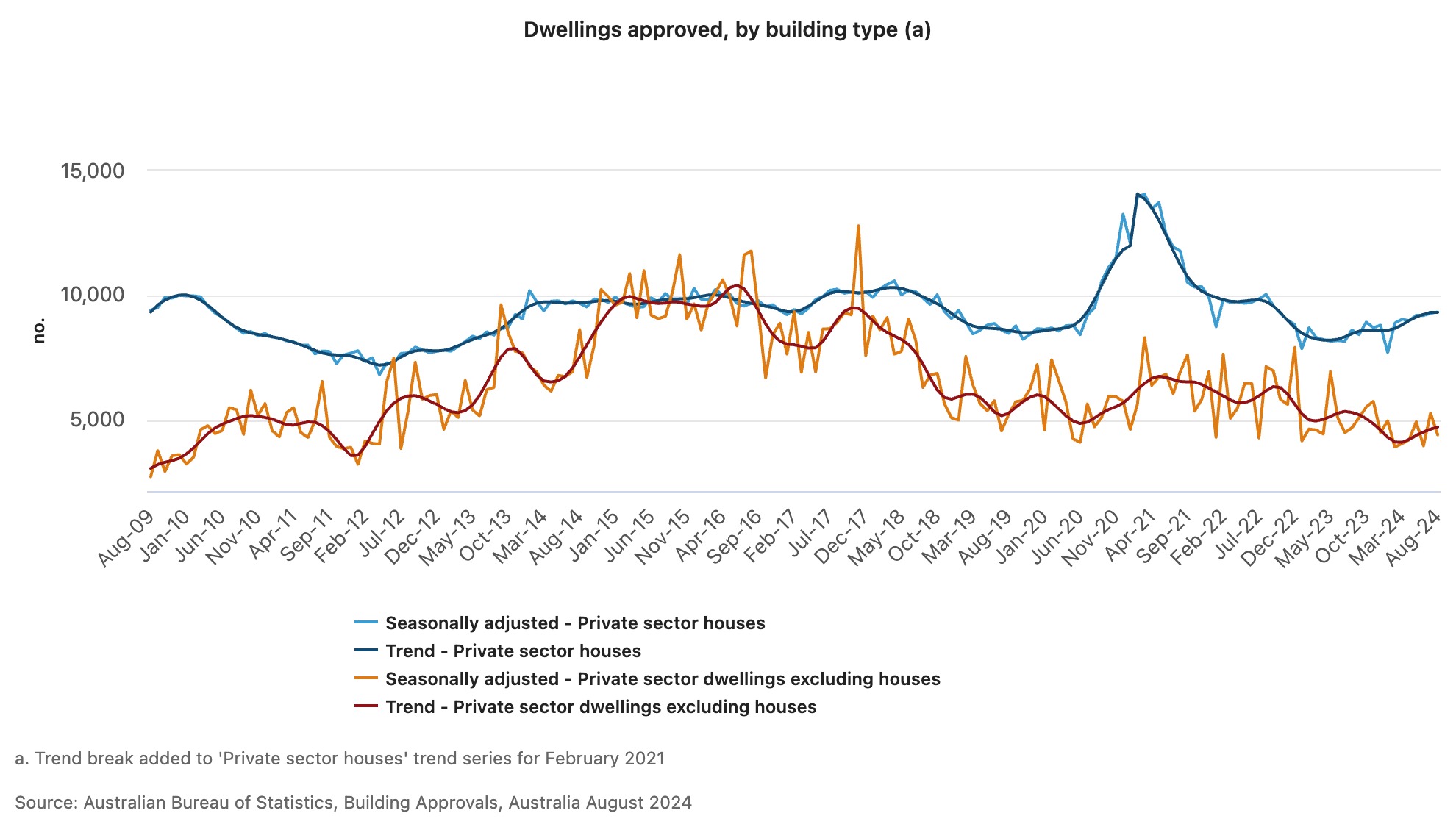
However, tax cuts and eventual interest rate cuts should lead to more retail spending in the second half of 2024 and in 2025. Deloitte forecasts no growth for retail spending overall in 2024 but a 2.5 percent uplift in 2025. Household goods turnover should pick up more with better economic conditions and with an uplift in national building activity, supported by the Government’s ambitious housing targets,Mr Rumbens said.

Swapping Your Home for a Vacation? What You Need to Know

Would you let a stranger vacation in your home if you got free lodging in return?

A free stay in someone else’s home, long a budget-friendly way to travel, has become more appealing as costs rise and travelers seek out local vibes.

Home-swapping platform People Like Us has more than 10,300 homes listed on its site. Chief Executive Drew Seitam says, by the end of June, members had completed or arranged for 30% more swaps than in all of 2023. Another platform, HomeExchange, has more than 175,000 members, a number it says has grown 17% this year.

Home-swap platforms like these charge annual membership fees north of $100. Swaps also happen more informally in Facebook groups and between friends. Travellers can do a simultaneous swap, where they travel during the same dates, but can also plan to host each other at different times.

While home exchanges can save travellers thousands on lodging, they aren’t for everyone. Home swappers give the following tips to consider before listing your home.

Get a read on the situation

The person you are swapping with shouldn’t feel like a stranger by the time you arrive, home exchangers say.

Barbara Osterwisch , 66 years old, and her husband, both retirees, have swapped their home in Houston and their cabin in Texas’ Hill Country for stays in the Netherlands, France, Canada, Austria and California. They video chat with potential matches to establish rapport, and to give tours of their homes. Many exchangers begin planning their swaps months, if not years, in advance. This gives ample time for getting to know one another, Osterwisch says.

Apprehensive travellers should consider a swap within a few hours’ drive as a trial run, rather than jumping into an exchange in another country, she says.

Home swaps aren’t for tourists who like everything just so, travelers say. Unlike a short-term rental, home swaps are more likely to be people’s primary residences. People leave clothes in the closets, tools in the garage and photos on the walls. Living in someone’s home is part of the charm, but it isn’t the same as staying in a hotel with a front desk and staff to fix issues that arise.

Using a platform can ensure some safety and quality guarantees, swappers say. Some companies, such as Kindred, a members-only platform, offer 24/7 text support for problems.

Osterwisch says she and her husband have stayed in touch with the families they swapped with and now have connections all over the world.

Check your insurance policy

Some travelers use membership-based services to provide supplemental insurance or support if things go wrong.

Oleg Pynda is a 31-year-old New York City tech worker who has swapped with travellers from France. He says, based on his experience, U.S. travellers tend to worry more about strangers staying in their homes and damaging their belongings. Most of the initial messages he gets from U.S.-based travellers emphasise their trustworthiness, while European travelers focus on the quality of the home they are offering to exchange.

Pynda says he is comfortable with people staying in his apartment for a short time, so he doesn’t feel compelled to sign up for services that provide extra insurance for members. The people he swaps with end up becoming familiar to him and don’t feel like complete strangers.

He says his lease prohibits situations with a monetary exchange, such as a short-term rental or sublet, but not home exchanges.

Homeowners and renters-insurance policies might limit the number of days a guest can stay in your home during a swap, says Janet Ruiz of the Insurance Information Institute. They might also limit compensation for damage done to hosts’ and visitors’ possessions while people are in your home.

“People don’t want to tell their insurance agents what they are doing,” she says. Having a conversation with the agent before anything happens can help you make informed choices about coverage, she adds, including whether to buy a supplemental policy for vacation-rental coverage.

Travelers should also ensure the home they are staying in has coverage. And renters ought to check their leases before entering into a swap.

Some swappers let travellers borrow their cars. Ruiz recommends first asking the person you’re exchanging with about their driver’s licenses and insurance coverage.

Shawn and Bill Personke , from Michigan, had a potential swap fall through because the other family wanted to use their car. They had promised it to someone else while they were away.

Some travelers say they lock valuables in one room of the house or put them in the trunks of their cars and take the keys with them. Problems can arise, but none of the travellers interviewed had any horror stories to share.

“My only regret regarding home exchanging is not figuring it out sooner,” Osterwisch says.

Travel somewhere new

Marina Wanders , a photographer, lives in a suburb of Austin, Texas. She floated the idea of a summer house swap in a Facebook group. A Dallas woman, whose home has a backyard swimming pool and a shower with a chandelier in it, responded and said she was game. Wanders says Dallas isn’t her ideal vacation destination, but as a 29-year-old single mom of two, she looks for affordable travel alternatives.

“I’m like a middle-class American single mom and make enough to pay my bills and buy $40 shampoo, but I do not have a chandelier in my shower,” Wanders says.

She decided to go for the swap because she can give her sons a memorable vacation in a beautiful home while saving thousands on lodging. The Dallas family will stay in her home during the same dates.

Travelers with flexible dates and locations will have more options. The Personkes once scored a swap in Angers, France, on their preferred dates.

People who live in major cities have more luck requesting specific dates because their locations are in demand, but travelers like the Personkes, who live in a small city outside of Detroit, often need to work harder marketing their homes and communities. The Personkes’ swappers have experienced their town’s local parade and nearby nature trails.

The retirees have swapped as part of People Like Us and HomeLink. They also use the People Like Us Facebook group to speak with other travellers, get advice and suss out exchanges.

They say they love living like locals, getting baguettes from vending machines in remote French towns and joining neighbours for dinner.

“Sometimes we are the first Americans people are ever going to meet, and I want to make a good impression,” Shawn says.

Why In-the-Know Men Are Dressing Like Cary Grant in 2024

On a recent trip to the new Manhattan flagship for Stòffa, a menswear brand, Colin King made a beeline for the back of the store. The 36-year-old stylist and artistic director had booked a made-to-measure appointment—but not for a suit. Instead, he chose a cotton-silk shirt, relaxed pants in a classy wool, and a drapey, chocolate-brown shirt-jacket, all for his everyday wardrobe. He also snapped up slipperlike suede loafers. “They’re so handsome,” he said.

Lately, the way men like King dress has undergone a subtle shift. Those in the know have been embracing a more refined and considered, if not quite formal, style. “There’s a real move toward relaxed elegance,” said London designer and tailor Charlie Casely-Hayford. “It looks effortless, there’s a nonchalance, but it projects power and confidence.” Stòffa, a newly buzzy, 10-year-old label embodies the look.

Despite a few modern tweaks, we’re talking about the kind of get-ups that Cary Grant might have worn to lounge about—polished yet unstuffy, and with a certain old-timey appeal. The look is linked to the much-talked-about “quiet luxury” movement, but it often has “more personality than quiet luxury,” said David Telfer, creative director at British brand Sunspel. Think flowy, pleated pants, bold polos, souped-up chore jackets and loafers with waferish soles.

Lots of men who now crave easy elegance were stocking up on streetwear a year ago, according to Dag Granath, co-founder of Saman Amel, a Stockholm brand known for its tasteful tailoring. “What we’re seeing is that a 28-to-38-year-old customer is swapping out [streetwear from] high-end fashion labels for a bit of tailoring to anchor the rest of their wardrobe on,” said Granath.

Jon Gorrigan, 43, a fashion photographer in London, used to live in casual streetwear. But he’s “dressing smarter now,” he said, “more like my grandfather, who was a real sharp dresser. He wasn’t a rich man, but he always looked elegant.” He’s swapped sweatshirts for striped polos from London brand King & Tuckfield, and the odd fun piece like a faded Gitman Vintage Hawaiian shirt. Dressing “with more consideration,” as he put it, “makes you feel more grown-up.”

A pair of Saint Laurent loafers were Gorrigan’s entrée into elegance. “They are lower profile, which feels more streamlined, with a subtle monogram,” he said. Indeed, slim-soled shoes, from moccasins to sneakers, help define the modern Cary Grant look. “Men want slimmed-down shoes to go with the new, smarter, classic look,” said Tim Little, creative director and CEO at Grenson, a British shoemaker. The chunky, lug-sole bases that have reigned for years appear to have undertaken a juice cleanse. Current hot, refined styles include leather slippers by Lemaire, Saman Amel’s suede moccasins, and super-lean sneakers like Dries Van Noten’s suede style and Miu Miu’s interpretation of the New Balance 530. A finer shoe “feels a bit more dressy and chic, and won’t dominate the whole outfit in the way a chunky boot would,” said Granath.

Such streamlined kicks go nicely with flowy linen trousers, dark denim and polo shirts—whether preppy buttoned styles or “Johnny collar” polos , a sexier, buttonless take. Sunspel reports that sales of its Riviera polo, a trim design sported by Daniel Craig in “Casino Royale” (2006), have increased by 51% in the U.S. in the last four months, year on year. On the brand’s website, this polo is most often bought with an unstructured linen blazer, noted Telfer.

Those who want a tad less formality than a blazer will appreciate how the humble chore jacket is being reworked in luxe fabrics. The results feel easy yet urbane. See Zegna ’s floppy, silk-linen take, or upcoming fall designs from Scotland’s Johnstons of Elgin made from premium merino and Scottish tweed.

Though elegant dressing reads as expensive, you can score the look at reasonable prices. Accessible labels like Madewell, Percival and Cos sell sophisticated polos and roomy, pleated trousers. Meanwhile, you can find streamlined loafers at OG brand G.H. Bass for $175.

Elegant needn’t be boring, noted Bryan O’Sullivan, 42, a design-studio founder who’s based in both London and New York. His workday uniform consists of high-waist pants and taupe knit polos, “which does feel quite Cary Grant,” he said. But he’ll occasionally add “a splash of flair” with choice items like Bode cream pants embellished with quilted cats.

He said the confidence that this pulled-together, slightly offbeat look projects is good for business. “When you’re trying to convince a client of your creative vision, it does help if you look the part.”

The Wall Street Journal is not compensated by retailers listed in its articles as outlets for products. Listed retailers frequently are not the sole retail outlets.

What would another rate rise do to home values? It’s complicated

Australian home values rose by 8 percent over FY24 despite the impact of 13 interest rate rises between May 2022 and November 2023 putting immense strain on household budgets. A lack of supply of homes for sale amid strong buyer demand trumped the usual dampening effect of higher rates in FY24. Additionally, strong jobs and population growth coupled with relative affordability turbocharged home values in the two bestperforming capital city markets of Perth and Brisbane, where median prices lifted 23.6 percent and 15.8 percent, respectively, in FY24.

CoreLogic’s head of research Eliza Owen notes that when interest rates began to rise in May 2022, there was a peak-to-trough 7.5 percent fall in the Australian median home price before a new growth cycle began in early 2023. Since then, there have been 17 consecutive months of growth. Property values in Sydney, Brisbane, Adelaide and Perth are now at record highs, having recovered all their losses in the downturn of 2022. Regional Queensland, South Australia and Western Australia are also at record-high median values.

There are a few explanations for why housing values have continued to rise even as the cost of debt has risen, and borrowing capacity has eroded,” Ms Owen said. Tight labour market conditions and an accumulation of savings through the pandemic have broadly underpinned mortgage serviceability, mitigating a need to sell as rates have increased, the construction sector remains squeezed, and unable to deliver a large backlog of dwellings, and strong population growth has increased demand for housing, both for purchase and rent.

The composition of buyers may also be propping up purchases, with higher deposit sizes indicating the current buyer profile may be less debt-dependent than when interest rates were at record lows,” she said.

Many first home buyers have higher deposits because of the Bank of Mum and Dad. Additionally, data from property settlement company PEXA shows one in four sales across the eastern states in 2023 were cash sales to buyers not purchasing with debt, who were therefore unaffected by higher mortgage rates. Such buyers included downsizing baby boomers and high-income earners and foreign investors in the prestige sector.

For most of this year, interest rate cuts have been anticipated due to falling inflation, which may have also stoked some buyer enthusiasm, Ms Owen said. However, recent data indicates inflation may be stickier than expected as it nears the Reserve Bank’s target band of two to three percent. As a result, some economists now expect at least one more rate rise to keep inflation on a downward course.

“Another rate rise would slow housing demand, and some cracks are already showing,” Ms Owen said. “Despite resilience in the headline numbers, there are some suggestions that demand is already weakening. Another 25 basis point rise in the cash rate in August, all else being equal, would take monthly repayments on the current median dwelling value to over $4,000 per month.

Not only is this further out of reach for prospective buyers, it would likely also represent a further blowout in the premium of holding a mortgage relative to renting. The bigger that premium becomes, the weaker demand for purchases may become relative to renting, despite rent growth still sitting well above average.

The Reserve Bank released the minutes of the board’s June meeting on Tuesday. In its deliberations, the board noted that the narrow path to returning inflation to target by 2026 “was becoming narrower” and recent economic data “reinforced the need to be vigilant to upside risks to inflation”. The board also noted that the extent of uncertainty at present meant it was difficult to rule in or rule out future changes in the cash rate target”.

Global Charities Say Using Companies’ Carbon Offsets to Lower Emissions Undermines Climate Targets

More than 80 global charities and climate industry bodies are voicing their opposition to the use of carbon offsets by companies and countries to lower their carbon emissions, saying that implementing those projects only delays climate action.

Charities including Oxfam, Greenpeace and Amnesty International as well as industry bodies and pressure groups like the European Federation for Transport and Environment and NewClimate Institute signed a letter on Tuesday urging companies to stick to scientifically backed methods to lower carbon emissions and in particular for the Science Based Targets Initiative and the Greenhouse Gas Protocol to continue to exclude carbon offsets from their methodologies on how companies can lower emissions.

“Climate targets must focus primarily on reduction of greenhouse gas emissions within companies’ and countries’ own boundaries, including the phasing out of fossil fuel production, transport, sale and use,” the letter said.

“An urgent scale-up of financial support from both public and private actors is needed for this. But allowing companies and countries to meet climate commitments with carbon credits is likely to slow down global emission reductions while failing to provide anything like the scale of funds needed in the Global South, and reducing pressure to develop large-scale mechanisms such as ‘polluter pays’ fees on emission-intensive sectors,” it added.

Scrutiny of carbon offsets has grown in recent months after the SBTi, a nonprofit organisation that helps companies set targets for lowering emissions, said in April it was considering allowing carbon offsets to be part of the tool kit companies could use to reduce their impacts on the environment. That decision had been in opposition to its longstanding policy of excluding offsets, resulting in backlash from within the organisation itself as well as partner companies like Hennes & Mauritz , better known as H&M.

However, companies in industries from technology to mining argue that offsets are key to reducing private-sector emissions and moving to net zero. Microsoft for example has spent hundreds of millions on carbon offset projects, arguing that without doing so the company wouldn’t be able to move to net zero, especially over its indirect emissions.

“It is about creating a market for high-quality high-integrity durable carbon-removal assets,” said Melanie Nakagawa, Microsoft’s chief sustainability officer in a recent interview . “Think about sequestering carbon into the soils using enhanced rock weathering or rocks that are absorbing carbon that is being turned into concrete. Or Mombak, which is a large forestry project in Brazil. These are the ways that we think about applying it.”

In May, the U.S. government also gave its backing for the voluntary carbon market , saying that “high-integrity” voluntary carbon markets can play a role in reaching net-zero emissions globally.

The letter added that offsetting “at best, doesn’t reduce the concentration of GHGs in the atmosphere, it simply moves emission reductions from one place to another.” The charities also argued that allowing offsets to grow means that high-emitting activities are able to carry on.

To add to this, the charities and industry bodies said that there are only so many high-quality projects that can be used to reduce emissions, meaning that demand is likely to outstrip supply. They also questioned offsets’ effectiveness, saying that their use could just lead to deforestation in other areas or lead to social and environmental harm.

“The science clearly shows that offsets fail to deliver additional emissions reductions and are an unreliable tool for fighting the climate crisis,” the groups added.

A spokesperson for SBTi said that the organisation is still in the research phase of its policy revision. “The Corporate Net-Zero Standard hasn’t been changed, and it cannot and will not change until the Standard Operating Procedure for the revision of the Corporate Net-Zero Standard has been completed,” the spokesperson said.

Microsoft didn’t respond to a request for comment.

Your Old Clothes Are Worth Billions

Closets are full of unworn clothes ready for purging, thrifting is in vogue , and everybody’s looking for a good deal these days. It all sounds like a golden business opportunity—if anyone can figure it out.

Americans on average throw away some 70 pounds of clothes a year, and thrifting is becoming more popular by the day—particularly among younger consumers. The U.S. secondhand apparel market was worth about $43 billion last year, according to an annual market report from the online apparel reseller ThredUp . It estimates that the market could grow about 11% a year on average through 2028. The market is fragmented, with about 74% of thrift stores being independently run, according to a report from Piper Sandler.

Companies specialising in thrift, though, are struggling to stitch together a compelling investment case. Shares of the online seller ThredUp and the bricks-and-mortar thrift-store chain Savers Value Village are each down around 29% year to date. The luxury online resale platform RealReal has fared better, but in large part thanks to a debt exchange it announced in late February to address liquidity concerns. ThredUp and RealReal are both down significantly from their peaks a few years back.

This could simply be air coming out of highly inflated expectations. ThredUp and the RealReal made their debuts with much fanfare in 2021 and 2019, respectively. Savers listed last year with a lofty valuation. But sales growth for all three companies has slowed, and they are all growing slower than the overall market.

Nonprofits such as Goodwill control a sizeable portion of the secondhand market, with a steady supply of donations, and eBay dominates the resale market online. ThredUp and RealReal’s bet is that consignors and buyers would be willing to pay a premium for a more convenient selling and buying experience. Sellers need only mail in or drop off their goods, and the platforms do the work of photographing, pricing and tagging each item by size, brand, colour and condition so that items are easily searchable. For RealReal, there is an extra human step of making sure the products aren’t fakes. A single-item distribution system is difficult to recreate and is therefore a powerful moat, says Dylan Carden, an equity analyst at William Blair, referring to ThredUp.

But the expensive process also means profitability is distant: Neither ThredUp nor RealReal is expected to turn a profit on the basis of generally accepted accounting principles for the next four years, according to analyst estimates polled by Visible Alpha.

Balancing the quantity of supply with quality has been difficult. ThredUp last year introduced fees that are subtracted from the payout customers receive if their items are sold on the platform. The change is meant to encourage consumers to send in high volumes of high-quality clothes. RealReal last year tweaked its commission structure to motivate consignors to send in expensive items priced above $100.

While these moves could attract higher quality, they might also divert consignors to platforms such as Poshmark and eBay, where selling involves more work but potentially higher payout. Notably, both of those marketplaces have authentication features for high-end items, and eBay has been trying to simplify sellers’ listing process through generative AI .

Meanwhile, the bricks-and-mortar Savers comes with the promise of a more efficient shopping experience than nonprofits. Piper Sandler estimates that its sales per store is nearly twice that of Goodwill and more than six times that of the Salvation Army. But the retailer faces similar quality challenges.

Only about half the items that Savers gets actually end up on the sales floor, and of those about half actually are sold, according to a company filing. Savers receives all of its items—whether directly or indirectly—by paying nonprofits by the pound for donated products. Savers has previously said that it might be able to snag higher-quality donations by placing its drop-off trailers—known as GreenDrop—near locations frequented by wealthier shoppers.

While Savers has been profitable for the past three years, same-store sales have unexpectedly slowed in recent quarters, and its investment case is highly dependent on new-store growth. This remains a risk. Previous management had trouble opening up stores because they weren’t able to procure enough supplies of secondhand clothing, notes Peter Keith, equity analyst at Piper Sandler, who is still confident about the company’s ability to expand.

Much like that shirt you only wore once, secondhand-apparel sellers so far hold more promise than substance.

Why Cheap Toilet Paper Sets Off Alarm Bells Among Some Investors

Sellers of everyday consumer goods are experiencing a growing divide in their customer base between the more and less affluent. How they respond depends in part on where their products sit in the pecking order.

Both packaged-food companies and makers of household goods such as cleansers and paper towels are describing a bifurcation whereby higher-income consumers are spending freely, but those with lower incomes are feeling increasingly pinched by the cumulative impact of years of inflation.

“I think there’s certainly been much more bifurcation of the market, and it’s been creeping up over time. I wouldn’t say it’s been a sudden change,” Bank of America analyst Anna Lizzul said in an interview. Companies that are more exposed to low-income consumers “have mentioned the word bifurcation many times over the last 12 months,” she added.

Yet things appear to have come to a head recently. For food companies in particular, discounts and promotions are now back on the table after years of price increases—a significant concern for their investors. General Mills , during its latest quarterly earnings conference call, said it would step up coupon offerings in the current fiscal year and described the intensity of promotions in the industry as back to pre-Covid levels. The company’s stock fell 4.8% in response.

But for those targeting better-off households, the imperative is to keep investing and innovating to continuously improve their products, justifying still-higher prices in a process referred to as premiumisation.

This has long been the strategy of Procter & Gamble , which tends to occupy the premium tier of the categories in which it operates, from Gillette razors to Bounty paper towels. “The consumer within our categories, the consumer that represents our consumption base is actually holding up very well,” P&G Chief Financial Officer Andre Schulten said at an investor conference in June.

Most consumer-staples companies, however, have products targeting various income levels. General Mills, for instance, boasts organic Annie’s mac and cheese and high-end Blue Buffalo pet food among its brands. Kimberly-Clark competes with P&G at the high end in many categories, while also offering value-tier brands such as Scott toilet paper and paper towels.

The premium tier of products “continues to grow very, very robustly,” Kimberly-Clark Chief Executive Michael Hsu said on the company’s first-quarter conference call in April. “That all said, clearly, I would say, middle- to lower-income households look like they are becoming more stretched.”

“I think the growth driver for us over the long term is by making products better, premiumising, elevating our categories. But we want to serve the value-oriented consumer as well, too,” Hsu said.

Compared with P&G and Kimberly-Clark, Clorox stands out as more exposed to low-income consumers thanks to the categories it plays in, such as cleansers that face more competition from private-label goods, said Bank of America’s Lizzul. This is the case even though Clorox too often occupies the higher end of those categories, such as with its Glad-brand trash bags.

The company “is returning to pre-COVID levels of promotion to support a return to volume growth,” she wrote in a recent note. While much of that promotion spending will go to things such as displays as well as discounts, she still sees it having an impact on pricing and sales mix in the near term. Many other companies in the household-goods space are preferring for now to spend on stepped-up marketing and other investments in their brands instead of discounts, she said.

To be sure, lower-income American households are in aggregate still better off than they were before the pandemic, even accounting for inflation. Goldman Sachs forecasts that real, inflation-adjusted incomes for the bottom 20% will rise 1.8% this year. They also expect the top 20% to earn 2.7% more. At the same time, cash cushions built up during the pandemic have declined. The percentage of Americans who say they have enough cash to cover an unexpected $400 expense fell to 63% in 2023, equivalent to 2019 but down from 68% in 2021, according to Federal Reserve surveys.

Among those living paycheck to paycheck, there have been other shocks as well. Notably, the expiration of higher pandemic-related Supplemental Nutrition Assistance Program benefits in March 2023 hit the food budgets of certain households by hundreds of dollars a month. Speaking on an earnings conference call in April, Nestlé CFO Anna Manz said that benefit change plus years of cumulative inflation had together reduced the purchasing power of lower-income American households by about 50% as of the first quarter.

“Now those are the consumers that predominantly buy in the frozen-food category, which is why we see a continued ongoing impact there,” Manz said. The Swiss food company owns frozen brands such as DiGiorno, Stouffer’s and Lean Cuisine. In its first-quarter earnings report , it said real internal growth, its measure of underlying sales volume, fell 5.8% year-to-year in North America, “primarily driven by a decline in frozen food.”

Yet even here, the company expects product innovation to be part of the solution. “There’s a lot to come, particularly on frozen actually, which is a high-innovation category. Consumers like seeing new stuff coming through; they want new meals,” Manz said.

Over time, premiumisation is a fundamental growth driver for all consumer-staples companies. The unit volume growth of diapers, for instance, is essentially just a function of birth rates. Only by making them better over time and charging more for that improvement can companies really drive revenue growth.

When lower-income consumers are feeling pressured, however, that long-term imperative might conflict to a degree with near-term necessities. So while it is understandable that companies often say they prefer to invest in marketing and innovation, many will also capitulate on price.

Investors could punish them for that.

Marlon Brando’s ‘Godfather’ Tuxedo Heads to Auction for the First Time

It’s an offer fans of The Godfather can’t refuse: The tuxedo Marlon Brando wore in Francis Ford Coppola’s 1972 masterpiece will be heading to auction for the first time in September.

Carrying a pre-sale estimate of US$200,000, the complete formal tuxedo—which previously had been held in a private collection—was worn by Brando in the opening wedding scenes of his Academy Award-winning role as “Vito Corleone.” (According to Hollywood lore, Brando wore his own personal tuxedo in the film as he refused to have a fitting for a new one.) It’s just one of several Brando items scheduled to be sold by Studio Auctions; also going up for grabs will be his filming script (no estimate provided) from The Godfather , as well as his personal Rolodex containing the names and phone numbers of Hollywood’s elite. (Pre-sale estimate: US$40,000).

The three-day event—titled “From Bombshells to Blasters: An Auction You Can’t Refuse” —will be held from Sept. 20-22 at the auction house’s headquarters in Burbank, Calif.

Robert Downey Jr.’s suit from Iron Man: Civil War .
Thann Clarke

“Each item tells a unique story and holds a piece of cinematic history that has left a major impact on American culture,”says Brad Teplitsky, co-founder at Studio Auctions.

“These pieces span generations and ensure there’s something for everyone, from Star Wars fans to admirers of Hollywood’s Golden Age.”

Collectors of Hollywood memorabilia will get the chance to own authenticated items from icons like Marilyn Monroe and James Dean, as well as collectibles from classics such as The Wizard of Oz, Iron Man, and Alien . The auction will also feature the artwork collection of Academy Award-winning production designer/art director Rick Carter, which spans several films Steven Spielberg had a role in creating, including Back to the Future and Jurassic Park , as well as Avatar and Star Wars.

A wand prop used on screen by Billie Burke as Glinda the “Good Witch of the South” in The Wizard of Oz
Thann Clarke

Among the instantly recognisable props never before seen at auction is the rare appearance of a screen-used character suit from the Marvel Cinematic Universe: Iron Man’s “Mark 46 TA Hero Suit Torso,” worn by Robert Downey Jr. in Iron Man: Civil War (2020). Constructed of cast fibreglass, resin, and mixed-media components, the electrically wired torso is expected to sell for upward of US$200,000.

Bidders will also have the chance to own the hero wand prop used on screen by Billie Burke as Glinda the “Good Witch of the South” in The Wizard of Oz (1939), which carries a pre-sale estimate of US$100,000.

“These are extremely rare items, and the fact that none of the mentioned pieces have ever been to auction before adds a layer of exclusivity,” says Teplitsky. “Owning something like Marlon Brando’s tuxedo from The Godfather , one of the most iconic movies of all time, is a once-in-a-lifetime opportunity to own a fragment of cinematic history.”

The live auction will be streamed for bidders worldwide, and pre-bidding will open on Aug. 20 at StudioAuctions.com.

The top 20 local government areas where more homeowners are selling at a loss

The Australian property market has recorded 17 consecutive months of growth overall, as limited supply and high demand in most markets continue to trump the impact of higher interest rates. The median Australian home value lifted 8 percent over FY24, but not every part of the market is strong.

The profitability of resold properties provides an insight into how home or investment property ownership can go right and wrong, with a key factor being the length of time the asset is held. CoreLogic’s latest Pain and Gain report reveals 94.3 percent of 85,000 resales in the March quarter sold at a profit. That’s the highest rate of profitability since July 2010 and reflects recent strong selling conditions in most markets except Victoria and Tasmania.

The median gain per profitable resale was $265,000. Houses were more likely to resell at a profit, with 97.1 percent of house resales profitable compared to 89 percent of apartment resales. The flipside to the data is 5.7 percent of all resales resulted in a loss. The median amount of that loss was $40,000, however, that’s just in the value of the property. It does not factor in the significant costs of buying the property, such as stamp duty; nor the selling costs, such as the agents’ fee.

CoreLogic’s Head of Research Eliza Owen said short-term resales indicate how households are responding to higher interest rates. According to the report: The two-year resales trend seems to have peaked in the year to August 2023, roughly two years after the peak in fixed term borrowing back in 2021. This data suggests the sticker shock from higher mortgage rates may have had some influence on decisions to sell more property than otherwise would have transacted after a short hold period.

The median hold period of all resold homes was 8.8 years in the March quarter. “Time in the market rather than timing the market is critical to maximising returns for most resales,” Ms Owen said. Generally, the longer a vendor holds a property the higher the returns, with vendors selling after 30 or more years attracting the largest median gain of $780,000.” By comparison, the median gain among profitable resales that occurred within two years of purchase was $82,000.

Within the top 20 local government areas (LGAs) of each capital city where the highest proportion of loss-making sales occurred, a common theme was shorter hold periods for the loss-making sales compared to the profit-making sales in 14 of those 20 areas.

Here are the top 20 capital city LGAs for the most loss-making sales in the March quarter.

Melbourne LGA

Loss-making sales totalled 38.9 percent of all resales in Melbourne. The median hold period among loss-making sales was 9.8 years and the median capital loss was $54,500.

Perth LGA

Loss-making sales totalled 38.4 percent of all resales in Perth. Vendors who sold at a loss held their properties for a median of 11.5 years and the median loss was $54,000.

Darwin LGA

Loss-making sales totalled 33.6 percent of all resales in Darwin. The median hold period among loss-making sales was 10.4 years and the median capital loss was $70,000.

Stonnington LGA, Melbourne

Loss-making sales totalled 29.8 percent of all resales in Stonnington. Home or investment owners who sold at a loss held their properties for a median of nine years. The median loss was $57,000.

Palmerston LGA, Darwin

Loss-making sales totalled 26.5 percent of all resales in Palmerston, which is a satellite city to Darwin. The median hold period among loss-making sales was 10.2 years and the median loss was $82,000.

Parramatta LGA, Sydney

Loss-making sales totalled 25.3 percent of all resales in Parramatta. The median hold period among loss-making sales was 7.8 years and the median capital loss was $49,750.

More than a quarter of properties sold in Parramatta made a loss in the past financial year. Image: Shutterstock

Yarra LGA, Melbourne

Loss-making sales totalled 24.7 percent of all resales in Yarra. Owners who sold at a loss held their properties for a median of 8.2 years. The median loss was $40,000.

Port Phillip LGA, Melbourne

Loss-making sales totalled 23.9 percent of all resales in Port Phillip. Vendors who sold at a loss held their properties for a median of 8.7 years and the median capital loss was $42,000.

Strathfield LGA, Sydney

Loss-making sales totalled 22.8 percent of all resales in Strathfield. The median hold period was 7.4 years and the median loss was $60,000.

Ryde LGA, Sydney

Loss-making sales totalled 22.4 percent of all resales in Ryde. The median hold period among loss-making sales was 7.8 years. The median capital loss was $51,500.

Burwood LGA, Sydney

Loss-making sales totalled 20.9 percent of all resales in Burwood. Home or investment owners who sold at a loss held their properties for a median of just 5.3 years and the median loss was $63,500.

20.9 percent of properties in Burwood sold at a loss in the past financial year.

Vincent LGA, Perth

Loss-making sales totalled 20.5 percent of all resales in Vincent. The median hold period among loss-making sales was 10.2 years. The median loss was $40,000.

Maribyrnong LGA, Melbourne

Loss-making sales totalled 20.4 percent of all resales in Maribyrnong. The median hold period was 6.7 years and the median capital loss was $37,250.

Boroondara LGA, Melbourne

Loss-making sales totalled 19.7 percent of all resales in Boroondara. Property owners who sold at a loss held their assets for a median of 9.1 years and the median loss was $40,000.

Moonee Valley LGA, Melbourne

Loss-making sales totalled 17.9 percent of all resales in Moonee Valley. The median hold period was 7.3 years. The median capital loss was $41,000.

Belmont, Perth

Loss-making sales totalled 17.4 percent of all resales in Belmont. The median hold period among loss-making sales was 10.1 years and the median loss was $35,000.

Cumberland LGA, Sydney

Loss-making sales totalled 15.4 percent of all resales in Cumberland. Home or investment owners who sold at a loss held their properties for a median of 7.2 years. The median loss was $35,000.

Subiaco LGA, Perth

Loss-making sales totalled 14.3 percent of all resales in Subiaco. The median hold period among loss-making sales was 10 years and the median loss was $50,000.

Victoria Park LGA, Perth

Loss-making sales totalled 13 percent of all resales in Victoria Park. The median hold period was 10.2 years. The median capital loss was $42,500.

Sydney LGA

Loss-making sales totalled 12.6 percent of all resales in Sydney. The median hold period among loss-making sales was 7.2 years and the median loss was $57,000.

‘Magical’ Sydney site takes out prestigious architectural award

Shannon Foster talks a lot about the magic of place.

A D’harawal eora Knowledge Keeper, Dr Foster and her partner Wugulora woman Jo Paterson at Sydney-based indigenous design consultancy Bangawarra believe that when we truly engage with the environment and its traditional custodians, something special occurs.

Last week, something special did happen.

Foster and Paterson were awarded the NSW Australian Institute of Architects NSW Medallion for Sydney’s north head viewing platforms, which they designed in collaboration with fellow recipients, Sydney architectural firm CHOFRI. 

Dr Foster is still trying to process the win.

“You see all these amazing projects, these big elaborate buildings worth millions of dollars and they award this to our project,” she says. “I didn’t even know there was a NSW Medallion.”

The project, which provides space to contemplate views of the endless Pacific Ocean in one direction and the celebrated Sydney Harbour in the other, is shaped by the bandicoots that inhabit the local area, as well as the unique position the locations hold in indigenous communities. Dr Foster says the site, known as Car-rang gel by local indigenous people, has been used to celebrate Gawura, the whale and Car-rang, the pelican, for centuries, and is a popular spot for whale watching.

The North Head Viewing Platforms are a popular spot for whale watching. Image: Clinton Weaver

“We wanted to put a fire circle in the middle of each lookout because it’s a circular space and you can see the smoke (from long distances) and fire circles are used for important events like initiation ceremonies, but it’s up to National Parks and Wildlife Service (who manage the site). 

“It’s a stunning place and when you visit, you get the full understanding of the scale. We are creating these spots where something magical can happen.”

Parramatta Aquatic Centre, designed by Grimshaw and Andrew Burges Architects with McGregor Coxall won the Sulman Prize.

The project was among 82 winners announced at the state awards held in Sydney over the weekend. Other winners included Grimshaw and Andrew Burges Architects with McGregor Coxall, who were awarded the prestigious Sulman Medal for Parramatta Aquatic Centre, Studio Bright, who won the Wilkinson Award for Maitland Bay House, Bates Smart, who won the Aaron Bolot Award for their multi-residential project, Iglu Mascot, SJB, who won the Premier’s Prize for the Nightingale Project and Candalepas Associates, who were awarded The Greenway Award for The Porter House Hotel.

Studio Bright won the Wilkinson Award for Maitland Bay House. Image: Rory Gardiner

The North Head Viewing Platforms also took out the Robert Woodward Award for Small Project Architecture.

While Dr Foster is thrilled to have received the award for the work Bangawarra did alongside CHOFRI, which was largely managed through COVID lockdowns, she says Indigenous voices were still under-represented in awards for the built environment.

“Our project, other than one at Redfern Station (by Nguluway DesignInc), was the only one with an Indigenous collaborator,” she says. “There is a startling lack of meaningful collaboration with Country. 

“I was quite shocked there was not much of an Aboriginal presence at the awards.”

She says acknowledging Australia’s Indigenous past and laying down connection for the future is about more than choosing a few native plants for the perimeter of the site.

The shape of the North Head Viewing Platforms take their cues from the bandicoots that frequent the area. Image: Clinton Weaver

“We always asked ourselves: how can we do this really well and make sure these stories are told? Every aspect of the built form can be informed by Country,” she says.

In announcing the award, the AIA jury said designing with, and for, Country honoured First Nations perspectives and values.

“At its core, this project is about fostering relationships with Country that are reciprocal and respectful,” the jury said. “It involves engaging with Indigenous knowledge and recognises that Country is not merely a backdrop for human activities but a living entity with its own agency and significance.

“Both the southmost platform, Burragula (the time of sunset), and the northern viewing platform, Yiningma (a cliff edge) understands its responsibilities to engage meaningfully; creating poetic, generous ways to share stories and opportunities for learning, and create a truly meaningful connection with Country.”

While the viewing platforms may appear to sit modestly in the landscape, Dr Foster says they reveal their charms to those who take the time to contemplate.

“When you stand in that space, the acoustics are extraordinary — the sound reverberates and circles back to you. It’s incredible,” she says. 

“Country is amazing and if you hold space, you get magic.”

When You Have a New Therapist and Her Name Is Zillow

Ellisha Caplan has exercised , maintained a healthy diet and gotten sleep to manage stress. Lately she’s found something that makes her feel even better: Zillow .

In spare moments, the 47-year-old consultant in Delaware searches real-estate websites for homes in her price range in Philadelphia, where she went to college, and in the small German town where her family has spent several idyllic summers. She looks up nearby restaurants and bike trails, too, imagining her life if she retired there.

“It’s calming, like a massage for my brain,” Caplan says. “I get to let my mind run awhile and just go with the flow.”

Rising prices , few options and high mortgage rates have made home buying uniquely painful right now. But make-believe house hunts are different. They transport people out of their current problems into a fantasy of a better future, a relaxing habit one fantasizer likens to a “digital glass of wine.” I call it Zillow therapy.

Trawling Zillow for alternate versions of your life isn’t the same thing as gawking at real-estate porn, memorably captured in this “ Saturday Night Live ” skit. People using Zillow for therapeutic reasons tend to focus on a specific place, perusing homes they think they can afford and imagining life there. Down the rabbit hole, they cruise Google Maps and local websites for bars, hiking trails or—guilty as charged—bookstores and libraries.

“The fantasy is sustaining,” says Giulia Poerio, a lecturer at the University of Sussex, in the U.K., who studies how daydreaming can help regulate our emotional well-being. “Even if you can’t get what you need right now, you can Zillow it and get a little bit of energy or hope to keep you going.”

Walking trails, room to write

In reporting this column, I heard from people whose Zillow fantasies focus on homes with large backyards, where kids and dogs can romp outside unsupervised, and on places with a detached studio for writing or drawing. Nostalgia powers lots of people’s searches: They look at homes in a childhood town or another place they lived when life seemed simpler. Others use their daydreams to identify what’s missing from their current lives, such as community or nature.

My Zillow therapy sessions centre on Seattle . It’s far from hurricane season in Miami, where I live. I have a close friend there. And there’s plenty of water   where I can sail . I search for (and imagine renovating) homes near walking trails and marinas, with a room where I can write with a view of some magnificent trees. Instant Zen.

Looking at worse houses rather than better ones is a balm for some people. Unattractive or cramped homes make them feel better about where they currently live, especially if their own home is less expensive. Psychologists call this phenomenon downward social comparison.

“If you want to see the 900 square feet that $1.8 million can get you, just put in a San Francisco ZIP Code,” says Hooria Jazaieri, an assistant professor of management at Santa Clara University’s business school who studies how people regulate their emotions. “It’s a great way to make you feel grateful.”

Zillow is helping Bill Marklein, 39, get through an expensive kitchen remodel—he and his wife have a baby daughter and have been doing dishes in the bathtub for months. He browses listings in his price range within a 30-mile radius of his home in Plymouth, Wis., lingering on the kitchens. Nice ones make him feel good about his investment. But hideous ones with 1970s avocado-green cabinets or battered white refrigerators sticking out into the room cheer him up, too.

“It’s like having a digital glass of wine,” says the business owner. “It shows you that life isn’t so bad.”

The limits of Zillow therapy

Zillow’s user data suggests that plenty of us are doing this. The company’s real-estate websites and apps, which include Trulia and StreetEasy, have a combined 217 million average unique monthly users. Yet just slightly more than four million existing homes were sold in the U.S. last year, according to the National Association of Realtors.

Zillow is “not a replacement for therapy,” says the company’s home trends expert Amanda Pendleton, though it can give people an emotional boost.

“It’s a judgment-free zone,” she says. “Unlike on social media, no one is going to comment on the home you’re looking up and tell you it’s a terrible choice.”

Still, there are drawbacks to spending too much time in our imagination.

“The fantasies zap your energy,” says Gabriele Oettingen, a professor of psychology at New York University, who studies the psychology of motivation. Her research shows that while people who have positive fantasies about the future feel better in the moment, they often don’t achieve the goals they’re dreaming about. “Your attention is away from your current reality,” Oettingen says.

The solution, if you want to make your dream come true, is to identify the obstacle in the way of achieving your goal, she says. If you can’t move right now, accept that and choose a more immediate goal. Can’t buy a house in the seaside town your family vacationed in as a child? Plan a trip to the beach.

And if you’re serious about a future move, take steps to make it a reality down the road.

Elizabeth Uslander, 42, lives in San Diego but enjoys perusing house listings in small towns in the Colorado mountains to help her cope with the pressures of running a business and blending her family with her new husband’s. She looks for homes with direct access to nature and enough bedrooms for all, then researches how close they are from the ski slopes, shops and the local bar.

She shares her favorite listings with her husband, which she says is “like making drip castles in the sandbox with your bestie.” Recently, they found a home they like so much near Steamboat Springs that they visited it—and then bought it.

They have no plans to move right now but plan to visit often. Uslander says that just owning it makes her feel that her current stressors are temporary.

“I actually made the fantasy come to life,” she says.

Monaco, Venezuela Placed on Global Money-Laundering Watch List

A global financial watchdog has censored Monaco and Venezuela for not doing enough to strengthen their anti-money-laundering and counterterrorist financing systems.

The Financial Action Task Force, a Paris-based intergovernmental body that sets anti-money-laundering law standards, met this week in Singapore and added the two countries to its “grey list” of nations requiring increased monitoring. The FATF said it would work with the two countries to address the deficiencies identified in their anti-money-laundering systems.

The FATF also removed Jamaica and Turkey from the grey list, saying the two nations had made significant progress in improving their anti-money-laundering and counterterrorism financing regimes.

There has been speculation for some time that Monaco would be added to the gray list, according to news reports earlier this year.

Wealthy people from around the world have in recent years flocked to Monaco, one of the smallest sovereign states, because of its favorable tax policies, forking over millions for luxury rental apartments . Some real-estate agents in Monaco said before Friday’s announcement that they expect little impact on the residential market from the principality being added to the gray list.

The FATF said Monaco has made some improvements to its anti-money-laundering regime since December 2022, including through the establishment of a new combined financial intelligence unit and anti-money-laundering supervisor. But the principality still needs to improve in six areas, including its understanding of the risks related to money laundering and income-tax fraud committed abroad, and its implementation of penalties for violations of anti-money-laundering and beneficial ownership requirements, the FATF said.

For Venezuela, the FATF said the country needs to work on issues such as its investigation and prosecution of money laundering and terrorist financing, as well as ensuring its measures to prevent the misuse of nonprofit organizations for terrorism financing aren’t disrupting or discouraging legitimate humanitarian efforts.

Representatives for Monaco’s embassy in Washington and Venezuela’s mission to the United Nations didn’t immediately respond to requests for comment.

The FATF’s plenary also ​marked the end of T. Raja Kumar of Singapore as president of the organisation. Elisa de Anda Madrazo of Mexico will take over as FATF president on July 1.

Slowing U.S. Inflation Fuels Expectations of Interest Rate Cuts

The U.S. Federal Reserve’s preferred inflation gauge met forecasts in May, keeping alive expectations that interest rates could fall faster than policy makers forecast.

The core Personal Consumption Expenditures Price Index, which excludes volatile energy and food prices, increased 2.6% from a year ago, slowing from April’s 2.8% pace. The reading met the consensus of economists surveyed by The Wall Street Journal.

Core PCE inflation rose 0.1% in the month, compared to a 0.2% increase in April. The headline 12-month reading was 2.6%, slowing from April’s 2.7% pace. In the month, the PCE was flat after rising 0.3% in April, marking the first time consumer prices didn’t go up in six months.

Consensus was met in all readings.

The Fed targets 2% inflation.

“The overall trend we’ve been seeing of disinflation in general isn’t always going to be a smooth ride,” said Kevin Flanagan, head of fixed income strategy at WisdomTree. He expects inflation to keep ticking lower in coming months. “It may be a little more difficult finding out that last mile to get to the Fed 2% goal.”

Treasury yields fell following the data release. Markets have been mostly pricing in an initial 25-basis point interest rate cut in September, plus a second trim still in 2024, according to CME data. Fed officials project only one cut this year. They have said repeatedly that inflation data will determine their next step, and some even left the door open to an interest rate increase.

Forecasts of a more aggressive easing cycle rely mostly on estimates that inflation could collapse as the economy is weighed down by high borrowing costs.

June PCE inflation is due July 26, just ahead of the next rate-setting Fed meeting on July 30- 31.

Inflation is unlikely to accelerate as it did earlier this year, said Scott DiMaggio, director of global fixed income at AllianceBernstein . He warned that year-over-year readings are likely to decline more slowly when compared to the weakening gauges of late 2023.

“We still have some sticky components specially on the services side and that is going to take time to move down,” he said. “We don’t see us getting back to the Fed target until 2025.”