Former President Donald Trump said he would ban undocumented immigrants from obtaining home mortgages, a move he indicated would help ease home prices even though these buyers account for a tiny fraction of U.S. home sales.
Home loans to undocumented people living in the U.S. are legal but they aren’t especially common. Between 5,000 and 6,000 mortgages of this kind were issued last year, according to estimates from researchers at the Urban Institute in Washington.
Overall, lenders issued more than 3.4 million mortgages to all home purchasers in 2023, federal government data show.
Trump, the Republican presidential nominee, made his comments Thursday during a policy speech to the Economic Club of New York in Manhattan.
Housing remains a top economic issue for voters during this presidential election. Rent and home prices grew at historic rates during the pandemic and mortgage rates climbed to levels not seen in more than two decades. A July Wall Street Journal poll showed that voters rank housing as their second-biggest inflation concern after groceries.
Both major candidates for the 2024 presidential election have made appeals to voters on housing during recent campaign stops, though the issue has so far featured more prominently in Vice President Kamala Harris ’s campaign.
Trump has blamed immigrants for many of the nation’s woes, including crime and unemployment. Now, he is pointing to immigrants as a cause of the nation’s housing-affordability crisis. Yet some affordable-housing advocates and real-estate professionals said Trump’s mortgage proposal would fail to bring relief to priced-out home buyers.
“It’s unfortunate that given the significant housing affordability crisis that is widely acknowledged across most partisan lines, we are arguing about a minuscule segment of the market,” said David Dworkin, president of the National Housing Conference, an affordable-housing advocacy group.
Gary Acosta, chief executive of the National Association of Hispanic Real Estate Professionals, a trade organization, said, “It’s just another effort to vilify immigrants and to continue to scapegoat them for any issues that we have here in the United States.”
A Trump campaign spokeswoman didn’t immediately respond to a request for comment.
Undocumented immigrants in the U.S. can obtain an obscure type of mortgage designed for taxpayers without Social Security numbers, most of whom are Hispanic. The passage of the USA Patriot Act of 2001 allowed banks to use identification numbers from the Internal Revenue Service as an alternative to Social Security, extending a number of financial services to people without legal status for the first time.
Mortgage loans for undocumented immigrants are typically higher interest and borrowers include legal residents who have undocumented spouses, Acosta said. Lenders include regional credit unions and community-development financial institutions.
In his speech, Trump said that “the flood” of undocumented immigrants is driving up housing costs. “That’s why my plan will ban mortgages for illegal aliens,” he said.
Trump didn’t elaborate on how he would enact a ban on such loans.
Though mortgages for undocumented people living in the U.S. are relatively rare, residential real-estate purchases by foreign nationals are big business , especially in expensive coastal cities such as New York and Los Angeles. These sales have declined in recent years, however.
Close to half of foreign purchases are made by people residing abroad, while the other half are made by recent immigrants or residents on nonimmigrant visas, according to an annual survey by the National Association of Realtors. Many affluent foreigners buy U.S. homes with cash instead of obtaining mortgage financing.
In his Thursday speech, which focused mostly on other economic matters such as energy and taxation, Trump proposed other measures to bring down housing costs, including cutting regulations for builders and allowing more building on federal land. Similar ideas appeared in the housing policy outline Harris released in August .
The former president has spoken on housing-related issues in speeches at other recent campaign stops, including in Michigan last month, where he touted his administration’s 2020 overturn of a policy that had encouraged cities to reduce racial segregation .
“I keep the suburbs safe,” Trump said. “I stopped low-income towers from rising right alongside of their house. And I’m keeping the illegal aliens away from the suburbs.”
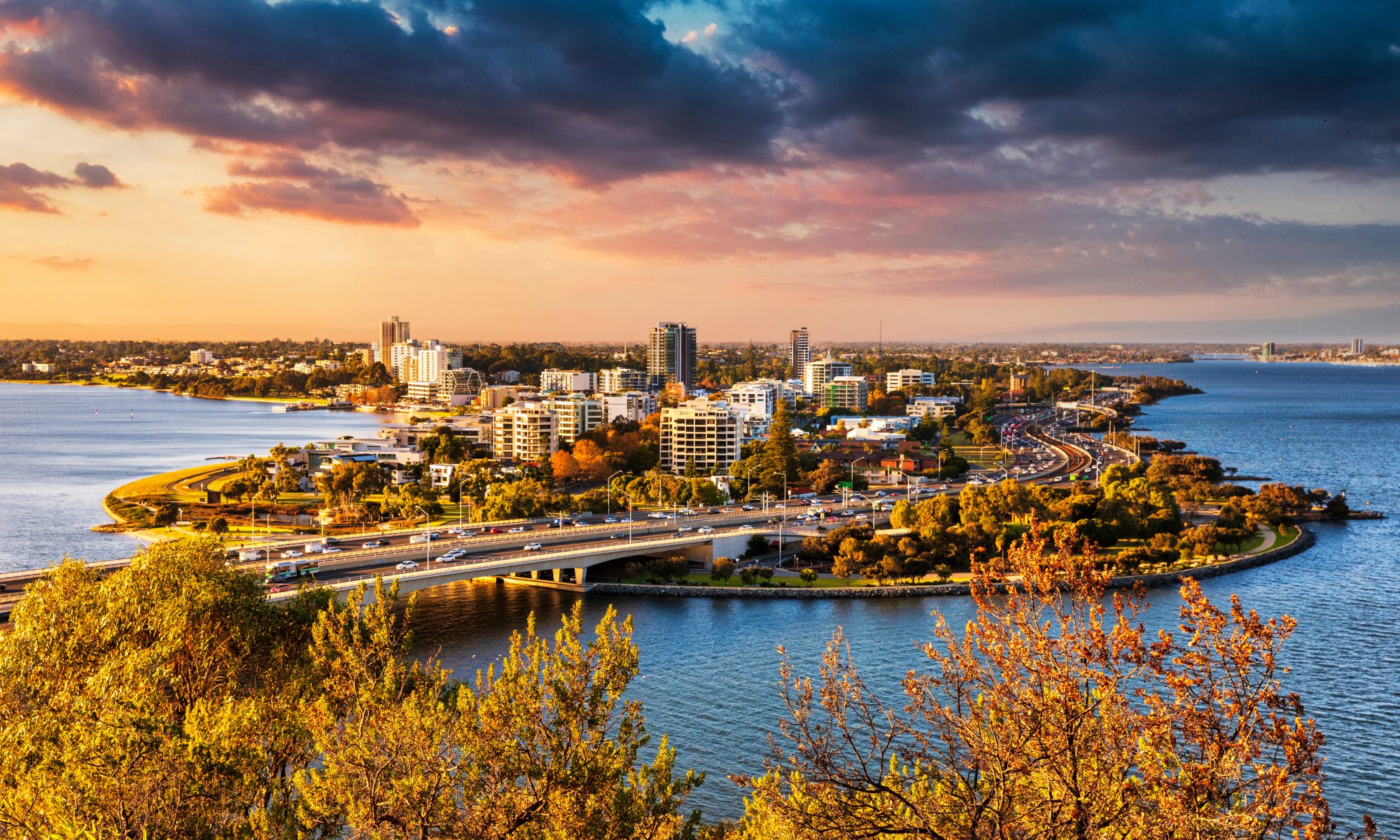
Western Australia remains Australia’s strongest property market, with home values up 23.2% to a median price of $751,000 in Perth and 14.9% to a median of $528,000 in regional Western Australia over the year to August. This is the highest rate of annual capital growth among Australia’s capital cities and regional areas, according to Proptrack data.
Rents have also risen more in Western Australia than anywhere else. The latest available Proptrack data covering the March quarter shows a 15.5% annual increase in rents in Perth and a 14.3% uplift in regional Western Australia. The state has also seen the strongest growth in property investment lending as investors from all over the country seek to buy in the booming market. Proptrack economic analyst Megan Lieu said investor lending in Western Australia was 48% higher in the June quarter compared to the same period last year, according to Australian Bureau of Statistics data.
Rapid increases in weekly rents have led to more suburbs across the country offering positive gearing opportunities for investors. Proptrack has identified 140 positive gearing suburbs nationwide where rental returns entirely cover the investment loan repayments for investors.
“Rent growth has … outpaced home price growth over the last 12 months, making conditions increasingly favourable for investors,” Ms Lieu said. “While many of them are benefiting from the current market, those with properties in select suburbs are not only seeing their rental income cover their mortgage but also deliver positive cash flow.”
The data shows Western Australia has 57 positive gearing suburbs, which is the most of any state and territory. Examples of these suburbs are listed below. The data assumes a 30-year loan at an 80% loan-to-value ratio (LVR) with an interest rate of 6.52%.
Positive gearing suburbs in Western Australia
Baynton
Baynton is in the Pilbara mining region and is the best positive gearing suburb in the state. Investors can cover their mortgage repayments with $2,100 per month to spare, according to Proptrack data. A typical house in Baynton costs a median of $682,500 and fetches $5,600 per month in rent. This is more than enough to cover the monthly loan repayment of $3,458.
Kambalda West
Kambalda West is in the Goldfields-Esperance mining region of Western Australia. A typical house costs $180,000 and rents for $1,520 per month. The mortgage costs $912 per month, which gives investors surplus cash of $607 per month to help cover other expenses like council and water rates.
Port Headland
Port Hedland is the second largest town in the Pilbara mining region and another strong positive gearing suburb. The median house price is $730,000 and the rental return is $4,900 per month. The investment loan repayment costs $3,698 per month, leaving the investor with $1,201 per month in their pocket. Investors on a lower budget can buy an apartment for a median of $474,396, which will rent for $3,200 per month and easily cover the mortgage of $2,403 per month.
Cable Beach
In the Broome region of Western Australia, Cable Beach sits on a 22km stretch of white sandy coastline along the Indian Ocean. The suburb was named after a telegraph cable that was laid between Broome and Java in 1889. Cable Beach houses have a median price tag of $670,000 and rent for $3,930 per month which is more than enough to cover the loan repayment of $3,394 per month.
Perth CBD
Investors can purchase a unit for a median of $465,000 and rent it out for $2,480 per month in Perth CBD. While the loan repayment gobbles up most of this, costing $2,356 per month, it is a notable rarity for a CBD suburb in the centre of an Australian capital city to deliver positive gearing.
Mosman Park
Mosman Park is an affluent suburb along the Swan River in Perth. An Australian house price record was set here in 2009 when mining magnate Chris Ellison bought a waterfront mansion for $52.5 million. Property investors can achieve positive gearing in this suburb with apartments. The median unit costs $380,000 and commands $2,000 per month in rent. This covers the monthly mortgage repayment of $1,925.
Somerville
Somerville is a positive gearing suburb in the city of Kalgoorlie-Boulder in the state’s Eastern Goldfields region. An investment unit here will cost a median of $282,000 and command a monthly rent of $2,440. This easily covers the loan repayment of $1,428 per month, with more than $1,000 to spare.
Agave may only be six years young, but the glamorous Central Coast beach house is already a record holder two times over.
Crowned HIA-CSR Australian House of the Year in 2018, the Dennis Rabinowitz-designed waterfront residence set a price benchmark for the region in 2020 when it sold for $9.5 million, then again in 2022 after reportedly achieving “well above” its $13.5 million price expectations.
Cathy Baker, principal of Belle Property Central Coast, sold the property each time and has just listed the insta-worthy retreat again with a $16 million guide.
“This is a world class offering. The parcel of land is incredible and it has such a unique north-facing aspect in an exclusive gated community,” Ms Baker said.
“It’s rare to find properties like this one which tick all the boxes for a beautiful home or luxury holiday house.”
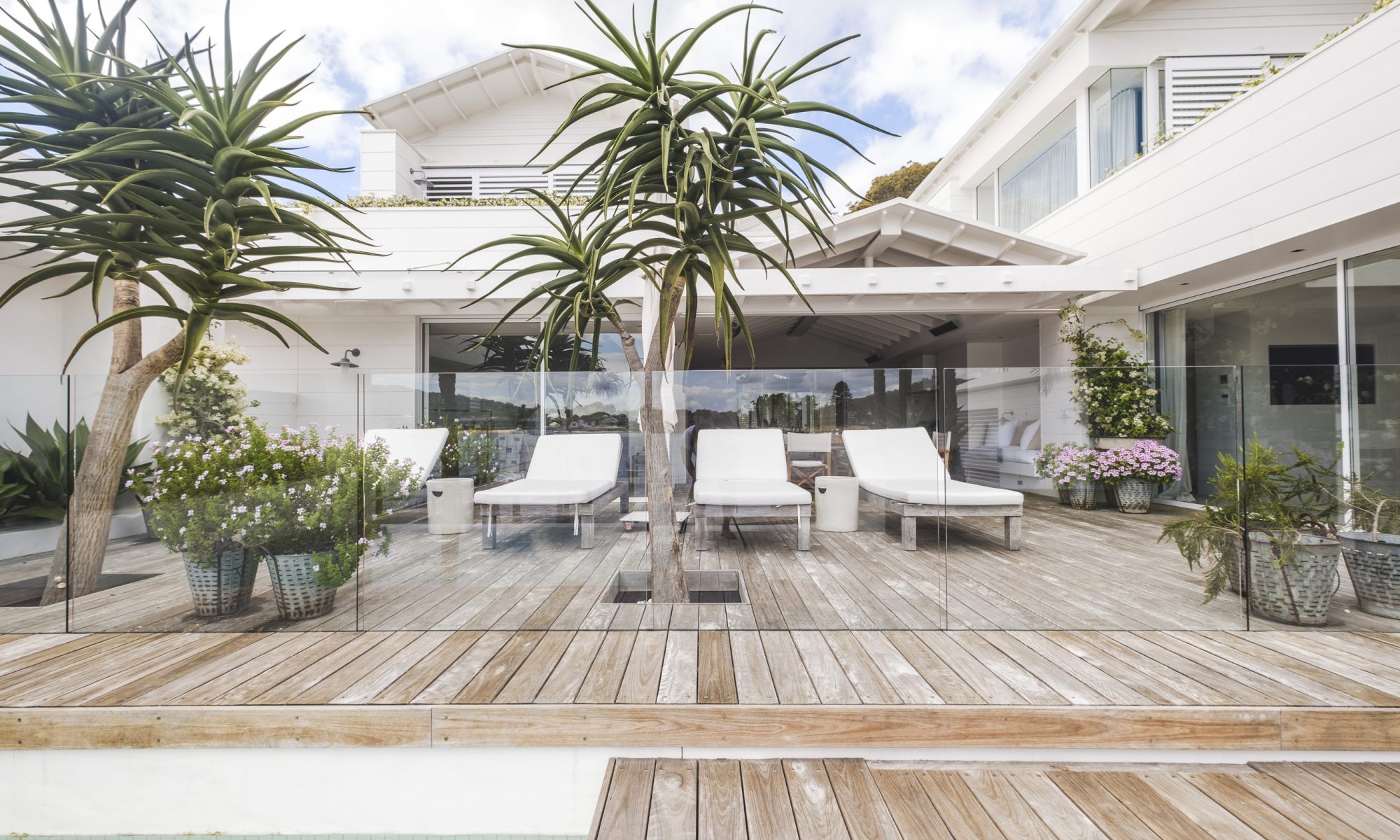
Set in the private San Toy Estate on 2188sq m, the Wagstaffe weekender is a sophisticated snapshot of laidback coastal design blending the great outdoors with carefully curated interiors featuring clean white lines and a minimalist palette.
Created for outdoor entertaining on a grand scale, or just lazy days on the water’s edge, Agave’s savvy open-plan design flows freely from three separate living zones onto alfresco decks a lanai-style internal courtyard with welcoming palm trees and feature tiles.
The grand central deck is focussed on capturing the tranquil water outlook and has an integrated barbecue area with ample room for all year round dining or soaking up the sun by the saltwater pool or private sandy beach.
Boating enthusiasts can pull right up to the jetty with deepwater mooring suitable for a super yacht or luxury cruiser while a separate deck is home to a private boathouse retreat that is ideal for yoga or meditation. There is also plenty of space for kayaks and stand up paddleboards.
At the heart of the home an open plan dining area takes centre stage and the state of the art kitchen has sleek marble bench tops, high-end appliances and a big butler’s pantry.
The indulgent seven-bedroom layout features five deluxe ensuites including a luxury hotel-inspired primary suite on the ground floor privately positioned away from the main living areas and other bedrooms. A second level houses six more bedrooms including a bunk room, ideal for multiple family getaways.
Previously listed as a luxury holiday rental earning in excess of $4000 a night, Agave can sleep up to 14 people comfortably, and with multiple entertaining areas and lounging spaces there is a place for everyone to retreat to inside and out.
In addition to landscaped gardens, there is a a top-of-the-line security system, air-conditioning and a double lock-up garage.
Agave is close to Lobster Beach, the Palm Beach and Ettalong ferries and the Bouddi National Park.
The Federal Government is proposing a cap on international students in 2025, with legislation recently put forth to limit enrolments to 270,000. This would comprise 145,000 university students and 95,000 vocational education training (VET) placements. Many people in the tertiary education sector argue that this is an immigration policy designed to curb new arrivals amid a housing crisis.
The Federal Government has been criticised for a record surge in immigration following the pandemic, which has placed additional pressure on the rental market. According to the Australian Bureau of Statistics, 737,000 migrants arrived in Australia in FY23, up from 427,000 in FY22. Among them were 554,000 people on temporary visas, 283,000 of which were international students.
REA economist Anne Flaherty said the post-pandemic surge in overseas students in 2023 and 2024 coincided with building sector constraints that exacerbated the housing undersupply and contributed to rapidly rising rents and record-low vacancy rates over the past two years.
“There is no question that high levels of migration have been a key driver of the rental crisis,” Ms Flaherty said. “Rent growth from surging student numbers can be seen in “student suburbs”. Examples include Clayton, home to Australia’s largest university Monash, which saw unit rents up 20% over the 12 months ending July, and Glebe, near the University of Sydney which saw rents up 17%.”
Ms Flaherty said the new cap in 2025 would have little immediate impact on the market, given the students here now will stay for several more years while they complete their studies.
The Federal Government wants universities to provide more purpose-built student accommodation (PBSA) to free up homes in the strained private rental market. CBRE estimates that only 6 percent of students currently have the opportunity to live on-campus or in PBSA close to their universities.
In a new report on student accommodation, CBRE estimates there are 223,000 overseas students in Sydney and 334,000 in Melbourne. It estimates an unmet demand for 25,000 PBSA beds in the University of Sydney and UTS catchment alone and 15,000 beds in the University of Melbourne and RMIT catchment.
The Student Accommodation Council says there are 7,700 new PBSA beds in the pipeline for 2026 but 84,000 are needed. The council’s executive director, Torie Brown, said governments need to incentivise foreign investors to build more student housing. “Ridiculously high state taxes on international investors who build PBSA continue to be a handbrake on new development,” she said. “International students have been unfairly blamed for the rental crisis … There are more domestic students in rental homes than international – yet no one is suggesting we ban share-houses for local university students.”
For years, global companies showcased their Chinese operations as a source of robust growth. A burgeoning middle class, a stream of people moving to cities, and the creation of new services to cater to them—along with the promise of the further opening of the world’s second-largest economy—drew companies eager to tap into the action.
Then Covid hit, isolating China from much of the world. Chinese leader Xi Jinping tightened control of the economy, and U.S.-China relations hit a nadir. After decades of rapid growth, China’s economy is stuck in a rut, with increasing concerns about what will drive the next phase of its growth.
Though Chinese officials have acknowledged the sputtering economy, they have been reluctant to take more than incremental steps to reverse the trend. Making matters worse, government crackdowns on internet companies and measures to burst the country’s property bubble left households and businesses scarred.
Lowered Expectations
Now, multinational companies are taking a hard look at their Chinese operations and tempering their outlooks. Marriott International narrowed its global revenue per available room growth rate to 3% to 4%, citing continued weakness in China and expectations that demand could weaken further in the third quarter. Paris-based Kering , home to brands Gucci and Saint Laurent, posted a 22% decline in sales in the Asia-Pacific region, excluding Japan, in the first half amid weaker demand in Greater China, which includes Hong Kong and Macau.
Pricing pressure and deflation were common themes in quarterly results. Starbucks , which helped build a coffee culture in China over the past 25 years, described it as one of its most notable international challenges as it posted a 14% decline in sales from that business. As Chinese consumers reconsidered whether to spend money on Starbucks lattes, competitors such as Luckin Coffee increased pressure on the Seattle company. Starbucks executives said in their quarterly earnings call that “unprecedented store expansion” by rivals and a price war hurt profits and caused “significant disruptions” to the operating environment.
Executive anxiety extends beyond consumer companies. Elevator maker Otis Worldwide saw new-equipment orders in China fall by double digits in the second quarter, forcing it to cut its outlook for growth out of Asia. CEO Judy Marks told analysts on a quarterly earnings call that prices in China were down roughly 10% year over year, and she doesn’t see the pricing pressure abating. The company is turning to productivity improvements and cost cutting to blunt the hit.
Add in the uncertainty created by deteriorating U.S.-China relations, and many investors are steering clear. The iShares MSCI China exchange-traded fund has lost half its value since March 2021. Recovery attempts have been short-lived. undefined undefined And now some of those concerns are creeping into the U.S. market. “A decade ago China exposure [for a global company] was a way to add revenue growth to our portfolio,” says Margaret Vitrano, co-manager of large-cap growth strategies at ClearBridge Investments in New York. Today, she notes, “we now want to manage the risk of the China exposure.”
Vitrano expects improvement in 2025, but cautions it will be slow. Uncertainty over who will win the U.S. presidential election and the prospect of higher tariffs pose additional risks for global companies.
Behind the Malaise
For now, China is inching along at roughly 5% economic growth—down from a peak of 14% in 2007 and an average of about 8% in the 10 years before the pandemic. Chinese consumers hit by job losses and continued declines in property values are rethinking spending habits. Businesses worried about policy uncertainty are reluctant to invest and hire.
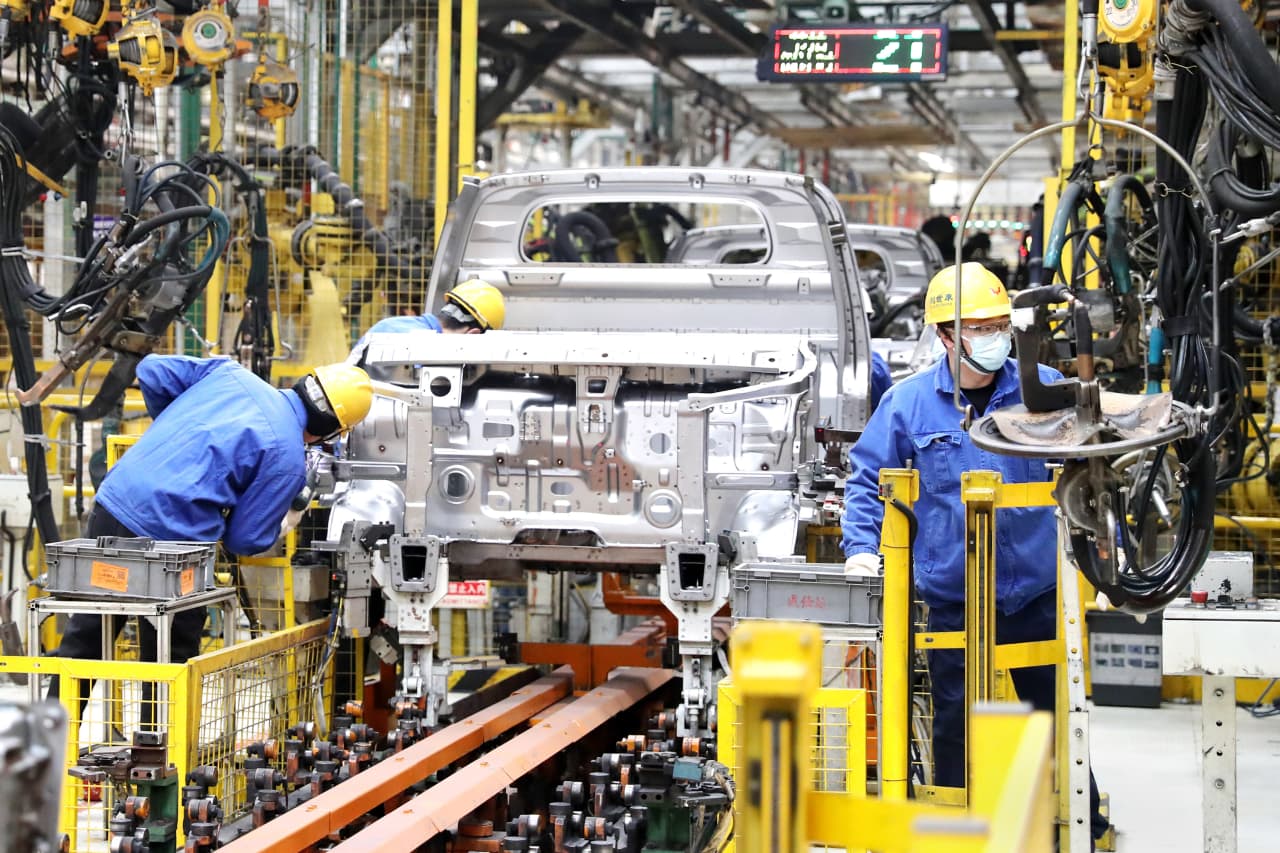
The trouble goes beyond frugal consumers. Xi is changing the economy’s growth model, relying less on the infrastructure and real estate market that fueled earlier growth. That means investing aggressively in manufacturing and exports as China looks to become more self-reliant and guard against geopolitical tensions.
The shift is hurting western multinationals, with deflationary forces amid burgeoning production capacity. “We have seen the investment community mark down expectations for these companies because they will have to change tack with lower-cost products and services,” says Joseph Quinlan, head of market strategy for the chief investment office at Merrill and Bank of America Private Bank.
Another challenge for multinationals outside of China is stiffened competition as Chinese companies innovate and expand—often with the backing of the government. Local rivals are upping the ante across sectors by building on their knowledge of local consumer preferences and the ability to produce higher-quality products.
Some global multinationals are having a hard time keeping up with homegrown innovation. Auto makers including General Motors have seen sales tumble and struggled to turn profitable as Chinese car shoppers increasingly opt for electric vehicles from BYD or NIO that are similar in price to internal-combustion-engine cars from foreign auto makers.
“China’s electric-vehicle makers have by leaps and bounds surpassed the capabilities of foreign brands who have a tie to the profit pool of internal combustible engines that they don’t want to disrupt,” says Christine Phillpotts, a fund manager for Ariel Investments’ emerging markets strategies.
Chinese companies are often faster than global rivals to market with new products or tweaks. “The cycle can be half of what it is for a global multinational with subsidiaries that need to check with headquarters, do an analysis, and then refresh,” Phillpotts says.
For many companies and investors, next year remains a question mark. Ashland CEO Guillermo Novo said in an August call with analysts that the chemical company was seeing a “big change” in China, with activity slowing and competition on pricing becoming more aggressive. The company, he said, was still trying to grasp the repercussions as it has created uncertainty in its 2025 outlook.
Sticking Around
Few companies are giving up. Executives at big global consumer and retail companies show no signs of reducing investment, with most still describing China as a long-term growth market, says Dana Telsey, CEO of Telsey Advisory Group.
Starbucks executives described the long-term opportunity as “significant,” with higher growth and margin opportunities in the future as China’s population continues to move from rural to suburban areas. But they also noted that their approach is evolving and they are in the early stages of exploring strategic partnerships.
Walmart sold its stake in August in Chinese e-commerce giant JD.com for $3.6 billion after an eight-year noncompete agreement expired. Analysts expect it to pump the money into its own Sam’s Club and Walmart China operation, which have benefited from the trend toward trading down in China.
“The story isn’t over for the global companies,” Phillpotts says. “It just means the effort and investment will be greater to compete.”
Corrections & Amplifications
Joseph Quinlan is head of market strategy for the chief investment office at Merrill and Bank of America Private Bank. An earlier version of this article incorrectly used his old title.
Australia’s commodity-rich economy recorded its weakest growth momentum since the early 1990s in the second quarter, as consumers and businesses continued to feel the impact of high interest rates, with little expectation of a reprieve from the Reserve Bank of Australia in the near term.
The economy grew 0.2% in the second quarter from the first, with annual growth running at 1.0%, the Australian Bureau of Statistics said Wednesday. The results were in line with market expectations.
It was the 11th consecutive quarter of growth, although the economy slowed sharply over the year to June 30, the ABS said.
Excluding the Covid-19 pandemic period, annual growth was the lowest since 1992, the year that included a gradual recovery from a recession in 1991.
The economy remained in a deep per capita recession, with gross domestic product per capita falling 0.4% from the previous quarter, a sixth consecutive quarterly fall, the ABS said.
A big area of weakness in the economy was household spending, which fell 0.2% from the first quarter, detracting 0.1 percentage point from GDP growth.
On a yearly basis, consumption growth came in at just 0.5% in the second quarter, well below the 1.1% figure the RBA had expected, and was broad-based.
The soft growth report comes as the RBA continues to warn that inflation remains stubbornly high, ruling out near-term interest-rate cuts.
RBA Gov. Michele Bullock said last month that near-term rate cuts aren’t being considered.
Money markets have priced in a cut at the end of this year, while most economists expect that the RBA will stand pat until early 2025.
Treasurer Jim Chalmers has warned this week that high interest rates are “smashing the economy.”
Still, with income tax cuts delivered at the start of July, there are some expectations that consumers will be in a better position to spend in the third quarter, reviving the economy to some degree.
“Output has now grown at 0.2% for three consecutive quarters now. That leaves little doubt that the economy is growing well below potential,” said Abhijit Surya, economist at Capital Economics.
“But if activity does continue to disappoint, the RBA could well cut interest rates sooner,” Surya added.
Government spending rose 1.4% over the quarter, due in part to strength in social-benefits programs for health services, the ABS said.
Boeing stock has fallen to its lowest level since 2022 after a downgrade from a Wall Street analyst put a number on one of investors’ worst fears: stock dilution.
Wells Fargo analyst Matthew Akers on Tuesday downgraded Boeing stock to the equivalent of Sell from Hold. His price target was reduced to $119 a share from $185.
That is the lowest target price on Wall Street by almost $70 a share, according to FactSet. At $119 a share, down about 30% from recent levels, Boeing would have a market value of roughly $73 billion, levels not seen since early 2020 during the Covid-19 pandemic.
Boeing stock closed down 7.3% at $161.02, while the S&P 500 and Dow Jones Industrial Average were off 2.1% and 1.5%, respectively. It was the lowest close since Nov. 4, 2022, when it finished at $160.01, according to Dow Jones Market Data.
“We think Boeing had a generational free cash flow opportunity this decade, driven by ramping production on mature aircraft and low investment need,” wrote Akers. “But after extensive delays and added cost, we now see growing production cash flow running into a undefined new aircraft investment cycle, capping free cash flow a few years out.”
At this point in its product cycle, Boeing simply should be generating north of $10 billion in free cash flow a year. However, production and quality problems have pushed output lower and added costs. Wall Street sees Boeing using almost $8 billion in cash to fund operations in 2024.
What is more, Boeing likely will need to design a new single-aisle jet in the coming years to better compete with the Airbus A321 family of aircraft. That will take tens of billions of dollars spread out over several years.
Akers sees $30 billion in equity being raised by 2026 to help cover the cost of new investment. Some of that hefty total will go toward repairing Boeing’s balance sheet. The company ended the second quarter with more than $53 billion in long-term debt, up from less than $11 billion at the end of 2018, before the pandemic and significant problems with Boeing’s 737 MAX jet.
Raising $30 billion of equity at recent prices would require issuing roughly 190 million new shares, increasing the share count by about 31%. All things being equal, a higher share count reduces earnings per share.
“If Boeing were to postpone new plane development for several more years (launch early next decade) and instead just pay down debt, we estimate free cash flow per share could grow to about ~$20 late this decade,” added Akers. That might justify a $150 share price in coming years, but postponing a new plane would mean “ ceding significant narrowbody share” to Airbus.
Narrowbody is industry jargon for single-aisle aircraft such as the 737 MAX or A320.
Raising equity and offering customers a new plane, or not offering a new jet and holding off on raising equity: Boeing doesn’t have easy choices to make in coming years.
Overall, 60% of analysts covering Boeing stock rate shares at Buy, according to FactSet. The average Buy-rating ratio for stocks in the S&P 500 is about 55%. Even though Boeing’s Buy-rating ratio is above average, it has been sliding. Coming into the year, before an emergency- door plug blew out in midair on an Alaska Air flight on Jan. 5, the ratio was north of 75%.
The average analyst price target for Boeing shares is about $214.
Australian home prices increased for the 19th consecutive month in August, with the national median price rising by 0.5% to a median $802,357, according to new figures from CoreLogic. However, there is significant diversity between the capital city markets, with some areas recording price falls. Home values rose the most in Perth at 2 percent but fell the most in Canberra by 0.4 percent.
CoreLogic says the pace of price growth across the country is slowing, primarily due to affordability constraints and an easing of very tight supply and demand in the strongest markets. Over the three months ending August 30, the national median rose by 1.3 percent, which is less than half the 2.7 percent increase recorded over the same period last year.
Perth remains the hottest property market in the country, with values rising 2 percent to a median of $785,250 last month. Values rose by 1.4% in Adelaide to a median $790,789, and by 1.1% in Brisbane to a median $875,040. Sydney home values lifted by 0.3% to a median price of $1,180,463.
Four capital cities saw a fall in home prices in August, led by Canberra with an 0.4 percent fall to a median value of $845,875. Melbourne and Darwin recorded an 0.2 percent drop to a median of $776,044 and $504,367, respectively. Hobart values softened by 0.1 percent to $655,114.
For the first time since February 2015 when Western Australia was coming out of a mining boom, Perth’s median home value is now higher than Melbourne’s median price. Adelaide has also reached a new milestone with its median value also exceeding Melbourne’s for the first time in the four decades that CoreLogic has been tracking home prices.
Melbourne’s median price is now the third lowest among the capital cities. While the city’s higher proportion of apartments skews its overall home price median lower, there are other factors behind Melbourne’s softening market. These include higher supply, with Victoria building more homes over the past decade than any other state or territory, and lower investor demand due to increased taxes.
CoreLogic’s Head of Research, Eliza Owen said seasonality may have contributed to weaker overall value growth throughout Winter, but affordability was the greater factor. Higher interest rates are limiting buyers’ borrowing capacity and high cost of living pressures are reducing demand.
CoreLogic estimates that an affordable purchase for a median-income household is just $500,000. However, the national median value has just risen above $800,000. Ms Owen said this discrepancy has likely narrowed the buyer pool to wealthier and higher-income buyers.
Sydney
Sydney’s median house price rose by 0.3 percent in August to $1,471,892. The median apartment price rose by 0.5 percent to $859,050.
Melbourne
Melbourne’s median house price fell by 0.2 percent in August to $929,715. The median apartment price dipped 0.1 percent to $610,652.
Brisbane
Brisbane’s median house price increased by 0.9 percent in August to $966,382. The median apartment price rose by 1.7 percent to $653,325.
Adelaide
Adelaide’s median house value lifted 1.4 percent in August to $844,963. The median apartment price rose by 1.5 percent to $555,464.
Perth
Perth’s median house price rose strongly by 1.9 percent in August to $818,839. The median apartment price increased by 2.2 percent to $561,582.
Canberra
Canberra’s median house price eased 0.3 percent in August to $967,933. The median apartment price fell 0.5 percent to $579,774.
Hobart
Hobart’s median house price dipped 0.4 percent in August to $692,606. The median apartment price went the other way, rising by 1.3 percent to $549,569.
Darwin
Darwin’s median house price dipped by 0.1 percent in August to $589,392. The median apartment price fell 0.5 percent to $355,297.
There are lots of embarrassing ways to lose money, but it is particularly galling to lose when you correctly identify the theme that will dominate the market and manage to buy into it at a good moment.
Pity the investors in the three artificial-intelligence-themed exchange-traded funds that managed to lose money this year. Every other AI-flavored ETF I can find has trailed both the S&P 500 and MSCI World. That is before the AI theme itself was seriously questioned last week, when investor doubts about the price of leading AI stocks Nvidia and Super Micro Computer became obvious.
The AI fund disaster should be a cautionary tale for buyers of thematic ETFs, which now cover virtually anything you can think of, including Californian carbon permits (down 15% this year), Chinese cloud computing (down 21%) and pet care (up 10%). Put simply: You probably won’t get what you want, you’ll likely buy at the wrong time and it will be hard to hold for the long term.
Ironically enough, Nvidia’s success has made it harder for some of the AI funds to beat the wider market. Part of the point of using a fund is to diversify, so many funds weight their holdings equally or cap the maximum size of any one stock. With Nvidia making up more than 6% of the S&P 500, that led some AI funds to have less exposure to the biggest AI stock than you would get in a broad index fund.
This problem hit the three losers of the year. First Trust’s $457 million AI-and-robotics fund has only 0.8% in Nvidia, a bit over half what it holds in cybersecurity firm BlackBerry .
WisdomTree ’s $213 million AI-and-innovation fund holds the same amount of each stock, giving it only 3% in Nvidia.
BlackRock ’s $610 million iShares Future AI & Tech fund was also equal weighted until three weeks ago, when it altered its purpose from being a robotics-and-AI fund, changed ticker and switched to a market-value-based index that gives it a larger exposure to Nvidia.
The result has been a 20-percentage-point gap between the best and worst AI ETFs this year. There is a more than 60-point gap since the launch of ChatGPT in November 2022 lit a rocket under AI stocks—although the ETFs are at least all up since then.
The market has penalized being equal weighted recently, instead rewarding big holdings in the largest stocks.
Jay Jacobs , U.S. head of thematic and active ETFs at BlackRock, says it is best to be market-value weighted when a theme has winner-takes-all characteristics, which he says generative AI has. When the firm’s AI fund included robotics it was spread across a lot more stocks that didn’t compete with each other, so equal weighted made more sense.
For investors, it isn’t so simple. Global X takes the opposite approach with its two $2 billion-plus AI funds, AIQ and BOTZ. BOTZ only buys stocks that focus on AI and robotics, but takes larger positions. AIQ spreads its bets on AI and tech more widely, and its 3% cap on its biggest holdings each time it rebalances means it has far less in Nvidia than BOTZ, with a cap of 8%. AIQ still managed to beat BOTZ this year, though.
So far, so confusing. The basic lesson: Picking among funds within a theme is hard, and depends on luck as well as close reading of the fund’s documents. A more advanced lesson is that it is hard to pick a theme in the first place, or to stick with it. The three problems:
1. Defining the theme is hard . Nvidia features in the anti-woke YALL ETF, which pitches itself as for “God-fearing, flag-waving conservatives.” The chip maker is also held by vegan, gender-diverse and climate-action ETFs. Its shares are clearly driven by the prospects for AI, but it is still big in computer-game and bitcoin ETFs, where its chips were originally used.
2. Timing the theme is even harder. Get in too early, and there aren’t any companies to buy. Get in when the funds are being launched, and the chances are the theme is already widely known and overpriced, as there are typically large numbers of launches during bubbles and late-stage bull markets.
“They are trendy by design,” says Kenneth Lamont, a senior researcher at Morningstar. “They play to our worst instincts, because we’re narrative-driven creatures.”
A recent example was the race to launch clean-energy and early-stage-tech ETFs during the bubble of late 2020 and early 2021. Performance since then has been miserable as prices corrected, with many of the ETFs halving or worse.
Dire timing is common across themes: According to a paper last year by Prof. Itzhak Ben-David of Ohio State University and three fellow academics, what they call “specialized” ETFs lose 6% a year on average over their first five years due to poor launch timing.
3. Long-term investing is pitched by fund managers as the goal for thematic investing, to hang on until the theme bears fruit. But even investors who really want to commit to a theme for the long run often find it hard, as so many funds are wound up, merged or change strategy when they go out of fashion.
The boom in internet funds of the late 1990s vanished after the dot-com bubble burst, with few surviving to see the internet theme blossom a decade later, while six of the 50 “metaverse” funds launched after Facebook switched to Meta Platforms in 2021 have already shut, according to Lamont.
The oldest thematic fund, the DWS Science and Technology mutual fund, started as the Television Fund in 1948 before adding electronics, and has gone through at least four other names. I only have data back to 1973, but it has lagged far behind the wider market since then, despite golden ages for television, electronics, science and now tech. (Yes, it has a lot of Nvidia.)
So what to do? At a very minimum, don’t buy based on the name of a fund. Look at the holdings, look at the index it follows and how it is structured, and consider whether it does what it says. Then think about just how expensive the idea has already become. Watch for the theme coming into fashion and getting overpriced, as that is a good time to sell (or to launch a fund).
But mostly, look at the fees: They will be many times higher than a broad market index fund, and the dismal history of poor timing suggests that for most people they aren’t worth paying.
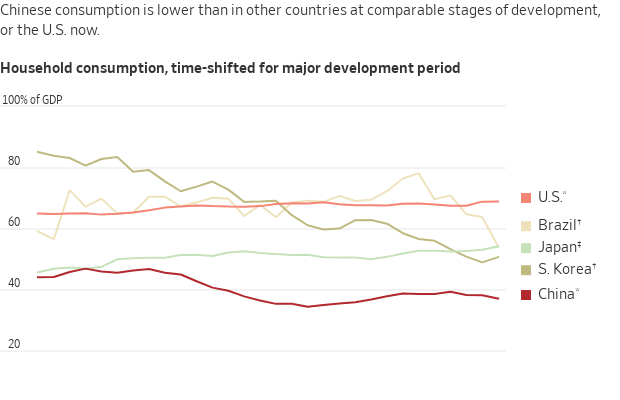
China’s economy is unusual. Whereas consumers contribute 50% to 75% of gross domestic product in other major economies, in China they account for 40%. Investment, such as in property, infrastructure and factories, and exports provide most of the rest.
Lately, that low consumption has become a headwind to China’s growth because property investment, once a major component of demand, has collapsed.
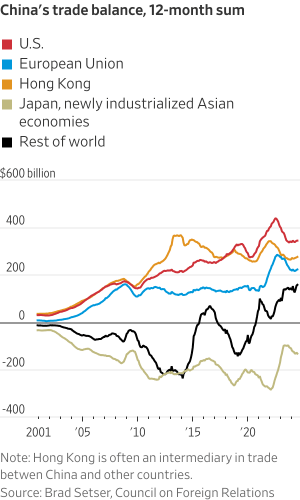
This isn’t just a problem for China; it’s a problem for the whole world. What Chinese companies can’t sell to Chinese consumers, they export. The result: an annual trade surplus in goods now of almost $900 billion, or 0.8% of global gross domestic product. That surplus effectively requires other countries to run trade deficits.
China’s surplus, long a sore spot in the U.S., increasingly is one elsewhere, too. While China’s 12-month trade balance with the U.S. has risen by $49 billion since 2019, it’s up $72 billion with the European Union, $74 billion with Japan and Asia’s newly industrialised economies, and about $240 billion with the rest of the world, according to data compiled by Brad Setser of the Council on Foreign Relations.
Logan Wright , head of China research at Rhodium Group, a U.S. research firm, said China accounts for just 13% of the world’s consumption but 28% of its investment. That investment only makes sense if China takes market share away from other countries, rendering their own manufacturing investment unviable, he said.
“China’s growth model is dependent at this point on a more confrontational approach with the rest of the world,” he said.
While many developing countries relied on investment and exports to fuel early growth, China is an outlier for how low its consumption is, and its sheer size. In a report, Rhodium estimates that if China’s consumption share equaled that of the European Union or Japan, its annual household spending would be $9 trillion instead of $6.7 trillion. That $2.3 trillion difference—roughly the GDP of Italy—is equal to a 2% hole in global demand.
The sources of this underconsumption are deeply embedded in both China’s fiscal systems and its policy choices.
Chinese incomes are highly unequal, and because the rich spend less of their income than the poor, this automatically depresses consumption. Rhodium cites data that says the top 10% of households had 69% of total savings, while a third had negative saving rates.
Other countries address such disparities by taxing the rich more heavily and boosting the spending power of lower and middle classes through cash transfers, and public health and education. China does much less of this. Just 8% of its tax revenue comes from personal income taxes, compared with 38% from value-added taxes, similar to sales taxes, which fall much more heavily on lower-income families, Rhodium estimates.
China also spends less on health and education than major market economies, forcing poor and middle-income families to spend more of their disposable income on both.
Meanwhile, suppressed wages and interest rates depress household income and spending while boosting the profits of state-owned enterprises. The limited taxing authority of local governments forces them to raise revenue by selling property for manufacturing and infrastructure, which further inflates investment.
A decade ago top Chinese policymakers shared Western economists’ perspective that, at the macro level, China needed to rebalance away from investment to consumption. In 2013, the ruling Communist Party said growth would henceforth rely on market forces and consumers.
President Xi Jinping ended up going in the opposite direction; consumption stayed weak while state control over the economy grew. He has replaced reformers with loyalists more preoccupied with sector-specific targets than overall growth.
The bedrock principle behind trade is comparative advantage: countries specialise in what they do best and then export it in exchange for imports. Xi rejects this principle. In pursuit of “independence and self-reliance,” he wants China to make as much and import as little as possible.
Officials in China boast that it is the “only country to produce in every single one of the United Nations’ industrial product categories,” notes Andrew Batson of Gavekal Dragonomics.
Even as China targets advanced products such as electric vehicles and semiconductors, it refuses to surrender market share in lower-value products: “Establish the new before breaking the old,” Xi has instructed his bureaucrats , my colleagues have reported.
As a result, Rhodium argues , “China provides fewer opportunities as an export market for emerging countries while competing head-on with them in the low-tech and mid-tech space.”
Countries that once saw China as a customer now see a competitor. “Many Chinese businesses are manufacturing intermediate goods, which we mainly export,” Rhee Chang-yong , the governor of the Bank of Korea, said last year. “The decadelong support from the Chinese economic boom has disappeared.”
Mexican Finance Minister Rogelio Ramírez de la O complained last month , “China sells to us but doesn’t buy from us and that’s not reciprocal trade.”
Ironically, foreign officials have tended to see the U.S. as the biggest threat to the world trade system, ever since President Donald Trump in 2018 imposed steep tariffs on China and narrower tariffs on other trading partners. He has promised to expand those tariffs if elected this fall.
And yet Trump’s tariffs should be seen as a reaction to China’s beggar-thy-neighbour economic model, one that has proved impervious to existing trade rules.
Still, no single country can fix the problem. Like a dike deflecting floodwaters, U.S. tariffs have diverted Chinese exports to other markets.
Those other countries are now taking action. Mexico, Chile, Indonesia and Turkey have all announced or said they are considering tariffs on China this year. This week Canada announced steep new tariffs on Chinese electric vehicles, steel and aluminum, aligning with those already announced by the U.S.
Yet the world thus far lacks a unified solution to Chinese underconsumption, because China refuses to accept that it’s a problem.
Xi has rejected fiscal support for households as “welfarism” that breeds laziness. In April, Treasury Secretary Janet Yellen complained that China’s “weak household consumption and business overinvestment” were threatening jobs in the U.S. The state news agency Xinhua called it a pretext for protectionism. Earlier this month the International Monetary Fund advised Beijing to spend 5.5% of GDP over four years buying up uncompleted homes. Beijing politely declined.
With China dug in, more friction is sure to follow, and an already fragile world trading system will be stressed to its breaking point.
It launched with fanfare earlier in the year at an exclusive black tie event with entertainment by top violinist Yena Choi, but the head-turning Gill House — named after its form resembling a shark’s gills — has only now surfaced for sale with an expressions of interest campaign.
The unique four-bedroom riverside residence has become a local landmark and talking point since developer Max Panettiere first planned the unique design. Despite its notoriety, the house nearly didn’t come to fruition after Brisbane City Council originally rejecting the plans, declaring them in “extreme conflict” with neighbours.Panetierre eventually appealed, and won, in the Planning and Environment court.
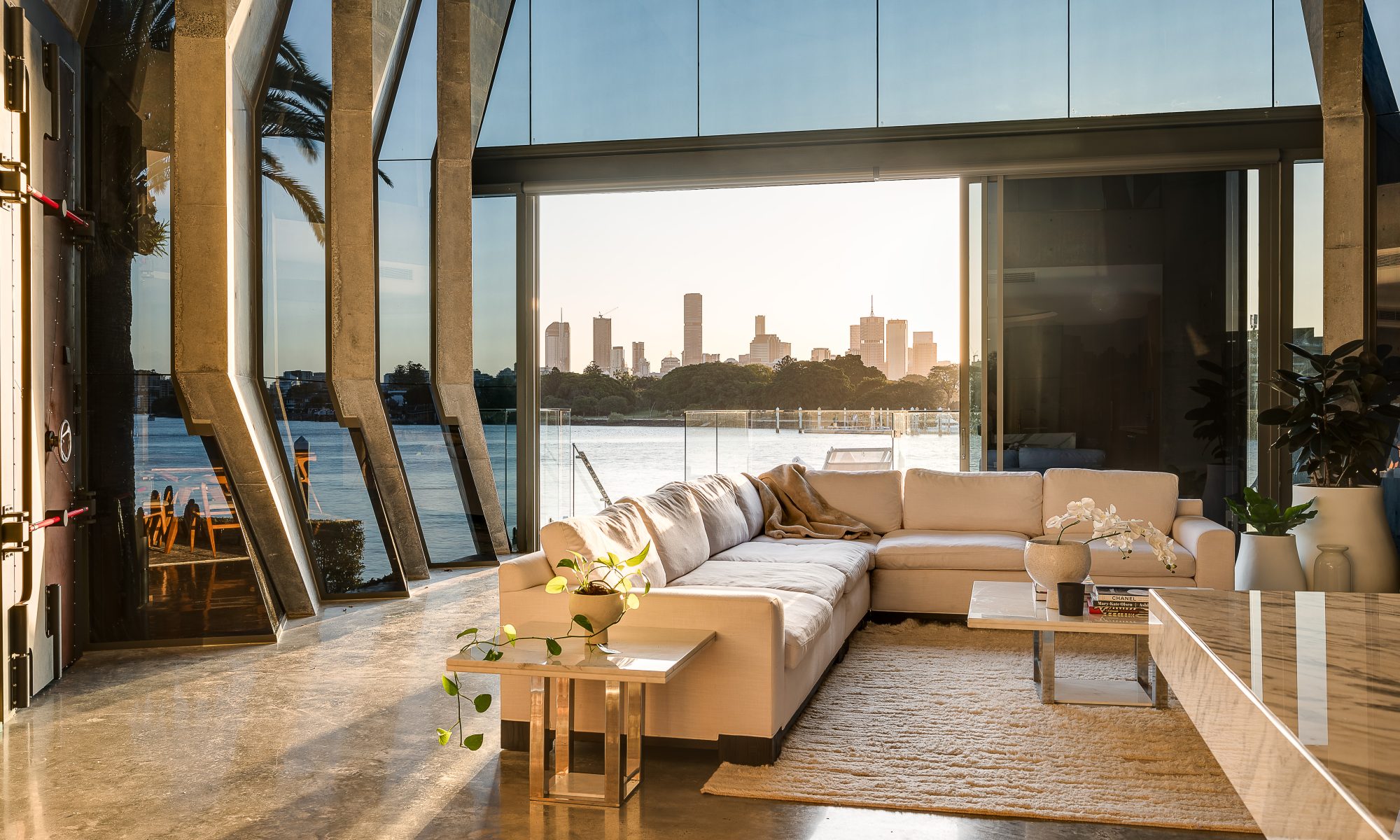
Panettiere forged ahead, and the iconic pre-cast concrete home was born on the banks of the Brisbane River in Norman Park with sweeping views of New Farm Park and the city.
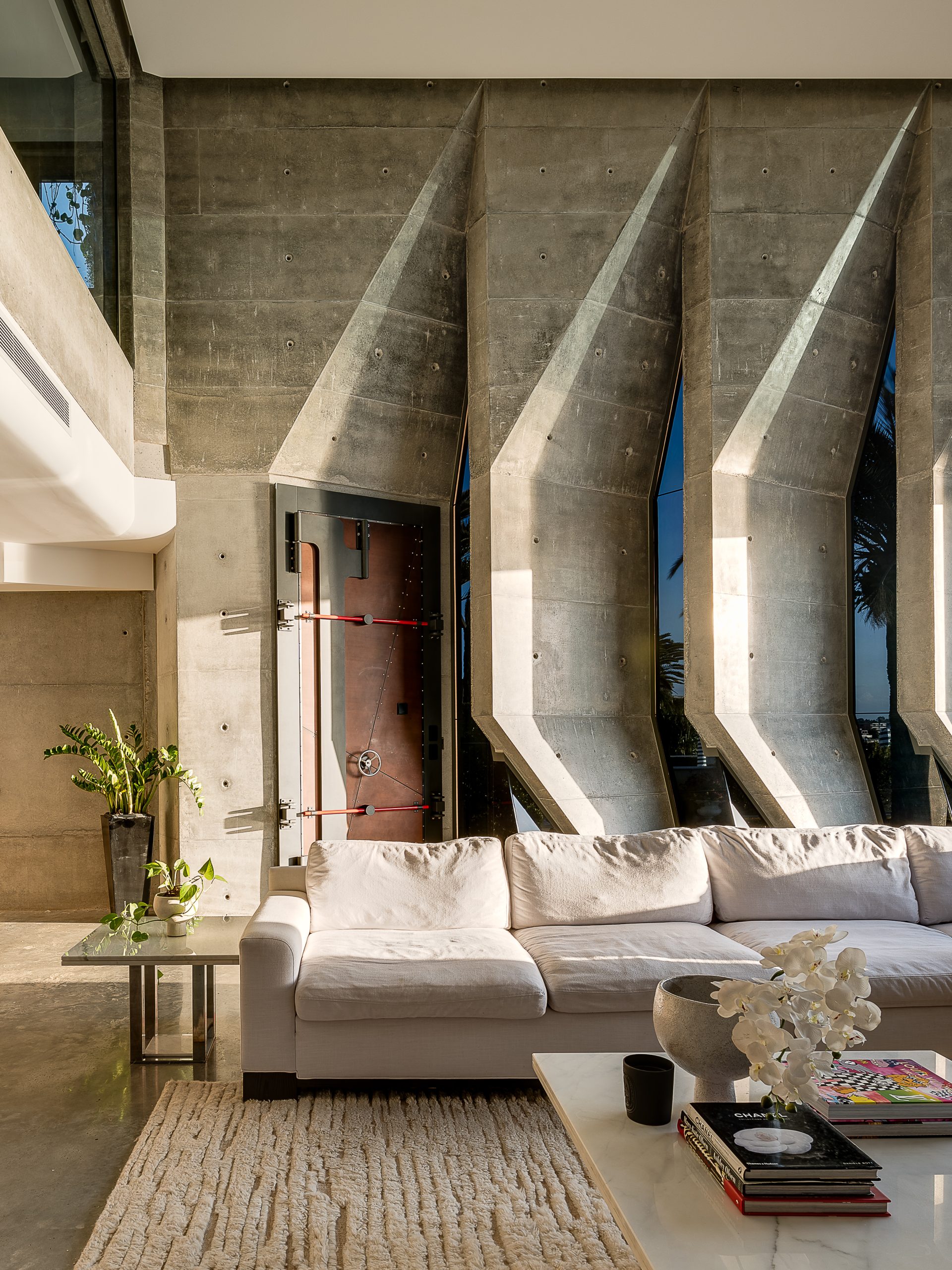
Within its striking concrete skeleton, the four-level floor plan features curved internal lines, wave-inspired ceilings, full-height windows and marble accents, as well as engineered oak and polished concrete floors.
Light plays across the ‘gills’ of this extraordinary property in Brisbane.
Created to be a great entertainer, the ground floor at Gill House is dedicated to openplan living and dining with a seamless flow to the alfresco spaces and the riverfront. The jagged “gills”create a striking framework for the water views and a 6.3m void adds to the drama. A designer chandelier illuminates bespoke joinery and a marble-clad gas fireplace.
Grand sliding doors open to a riverside terrace and an infinity-edge swimming pool surrounded by an enviable backdrop overlooking the Brisbane River and established gardens down to a private pontoon.
With all the ingredients for an ultimate party pad, the gourmet kitchen has a vast stone island bench, Gaggenau appliances, and a fully equipped butler’s pantry.
Down on the basement level, a designer den features a huge media room with an adjoining sauna and powder room.
The top two floors are home to all four bedrooms including three on the first floor, each with ensuites and built-ins. One suite doubles as a home office complete with private wraparound balcony.
The crowning glory of Gill House is its palatial top floor primary suite with river views through the “gills” as well as a covered balcony, a lavish dressing room and a marble ensuite with a circular bath perfectly placed below a matching skylight.
Gill House, Norman Park is close to sought after schools, Brisbane’s CBD, Bulimba’s popular eateries and boutiques as well as the Howard Smith Wharves retail precinct.
A price guide has not been revealed for this property. Gill House is on the market with Place New Farm with an expressions of interest closing at 4pm on September 25.
Bosses are quietly trying to reset worker pay levels, saying the era of overpaying for talent is over.
Pay for many white-collar recruits shrank last year , and now wages for new hires in construction, manufacturing, food and other blue-collar sectors appear to be ebbing too, according to an analysis of millions of jobs posted on ZipRecruiter.com .
Job seekers report seeing roles that once offered salaries between $175,000 and $200,000 a year ago now being advertised for tens of thousands of dollars less, a change that has had them rethinking their pay expectations. Companies are also moving job openings to lower-cost cities or offering them as lower-paying contractor roles, recruiters and corporate advisers say.
The push to reset employee salaries reflects a power shift in the cooling hiring market. Employers have more choice of who they can hire, and at what pay level, and are questioning whether they really need star hires when a workhorse will do . Even hourly jobs that were until recently the toughest for employers to fill are being advertised at lower pay than a year ago, as are some professional roles, according to business leaders and recruiters. undefined undefined “A lot of companies are thinking they can get away with paying a cheaper salary because they know us job seekers are desperate,” said Eric Joondeph, 31 years old, who has been looking for a senior customer-experience role for nine months. He has lowered his pay expectations by at least $20,000 a year since he started looking.
Among listings for more than 20,000 different job titles on ZipRecruiter.com this year, sectors including retail, agriculture, transportation and warehousing, manufacturing, and food all registered drops in average posted pay. The biggest was retail, where average wages advertised for new hires is down 55.9%; agriculture is down 24.5% and manufacturing, down 17.3%.
Tom Locke, a McDonald’s franchisee who owns 56 restaurants in Ohio, Pennsylvania and West Virginia, starts hourly workers at $13 an hour, but the signing bonuses and other hiring incentives he offered during the pandemic are gone. He said he is constantly asking his managers if they can reduce hourly wages to $12 an hour.
Labor expenses at Locke’s McDonald’s locations now exceed his food costs—something he said hasn’t happened in his 24 years with the company.
“I want everybody to do well in America, but there’s cost pressures,” he said. “It’s just a constant battle.”
‘Geographic arbitrage is real’
Pay resets continue to ripple through the white-collar world too. Joondeph has been looking for a senior role in customer experience since he was laid off from a customer-experience associate role.
“I’ve seen salaries slowly dropping little by little for roles I’ve been targeting,” he said.
Based in Boise, Idaho, Joondeph said he is struck by the number of jobs he has applied for that now advertise salaries not much higher than $60,000. Many used to advertise with a range between $80,000 and $100,000 in the past six to nine months, he added.
In some cases, companies are looking to attract less experienced, but still coachable, people who can be paid less than industry veterans, corporate advisers say.
Brooke Weddle, a senior partner at McKinsey & Co., said one client recently decided to stop recruiting stars, putting in place a “no more unicorns” hiring strategy, in part, to lower costs. (Unicorns are top performers with specialised skills who can command outsize salaries.)
Other businesses are considering moving jobs overseas, said Weddle, a leader in McKinsey’s group that advises on personnel issues. Instead of hiring data analysts in the U.S., for example, companies want to add people in Mexico and cheaper parts of Europe, like Poland, to save on labor costs.
“Geographic arbitrage is real,” she said.
In the U.S., some Fortune 1000 companies are moving enterprise software jobs from expensive cities such as Chicago and San Francisco to places with a lower cost of living, such as Cincinnati and St. Louis, Mo., said Keith Sims, president of Integrity Resource Management, a recruiting firm based in the Indianapolis area.
Sims, who for 25 years has helped companies recruit professionals who work with software systems like SAP and Oracle , said he hasn’t seen bosses so intent on reining in pay since the recession of 2009.
Salaries for tech jobs working with back-office and core operations business software that paid between $110,000 and $130,000 a year ago now go to less experienced hires for $85,000 to $100,000, he said. Some companies are laying off entire service areas, renaming the division and populating it with new hires at much lower compensation levels.
Hiring managers gain leverage
Overall pay for new hires in white-collar sectors increased this year, after falling in 2023, buoyed by gains in certain corners of the professional world, including law, engineering and healthcare, according to Julia Pollak , ZipRecruiter’s chief economist.
Although some tech roles that require artificial intelligence skills still offer hefty pay, many other tech jobs are advertised at lower salaries than two years ago, according to some Silicon Valley recruiters.
“Most people we interview are seeing lower salaries,” said Jill Hernstat, chief executive of Hernstat & Co., a tech recruiting firm based in the San Francisco Bay Area. “Hiring managers know they are more in control now.”
Other white-collar professions with declining new-hire salaries include finance, down 9.2% in the past year, other professional services, down 2.4% and insurance, down 1.6%, according to Gusto, a payroll and benefits software company with more than 300,000 small and midsize businesses as customers.
Pay adjustments are easing some tensions among colleagues who may have resented how much new hires were making, and the fact that tenured employees’ pay hadn’t kept up, said Tom McMullen , a senior client partner at Korn Ferry , a global organizational consulting firm.
“A lot of leaders wanted this market to cool down because they got themselves into some internal equity messes by paying through the nose for all this hot talent,” he said. “What we’re hearing is, ‘Hey, I don’t have to offer the exorbitant in-hire rates that I was offering.’”
Same work, less pay
Kate Ball was at Amazon .com for eight years, some of them as a senior recruiter, before being laid off in 2023. External recruiters have since repeatedly called her about a contract role there as a senior recruiter. Ball said the job is virtually the same as the one she had once held, but for up to 65% less pay.
Some of her former co-workers who were also laid off have taken lower-paid contract positions with Amazon: “I don’t know anyone that came back on the same package,” said Ball, 44, who has started her own HR advisory practice, Sparkle & Sass Consulting.
As Ball has applied for roles elsewhere, she has noticed some openings get reposted with lower pay ranges than were advertised weeks or months before. She applied for one job, as an employee-experience manager, went through two interview rounds, then heard nothing. A few weeks later, she saw the same job re-advertised, this time at roughly a third less than the six-figure salary she’d been quoted by the recruiter.
It is understandable, Ball said, that companies are reining in pay when they have a greater pick of job candidates than they did a couple of years ago. Still, some tactics could create ill will for employers when they have to compete more intensely for talent again.
“People will take a job now because it pays them and they’re scared, but that’s not going to last forever,” she said.
Zero-carbon technologies comprised more than 40% of global electricity generation for the first time in 2023, according to a report released Tuesday from BloombergNEF.
Renewable energy sources like wind and solar made up 17% of total electricity generation, and hydroelectric and nuclear power contributed 24%. Fossil fuels including coal and natural gas produced 57% of global electricity last year.
“We’ve consistently seen the penetration of renewables rising every year, and this year we hit quite a few milestones that had felt harder to reach in past years,” said Meredith Annex, head of clean power at BNEF.
One such milestone: Solar and wind represented more than 90% of global energy capacity additions last year, a step up from 2022. Global wind capacity also crossed the one-terawatt threshold. And Brazil, the country with the cleanest power mix of the G-20 economies, hit 88% renewable power generation in 2023.
“It just shows the momentum that the space is having. A lot of that does tie into the investment story, where you’ve got rising—skyrocketing, honestly—investment into solar,” Annex said.
Mainland China accounted for almost a third of total renewable energy output last year. The country recently reached its 2030 target for wind and solar energy six years early, according to a statement from its National Energy Administration, and it has pulled back on permits for new coal-fired power plants. The country’s rapid deployment of renewables has some analysts wondering if it will reach peak fossil fuel consumption this year. Declining emissions in China would signal a turning point because it is the world’s largest polluter, comprising nearly a third of global greenhouse gas emissions, according to the International Energy Agency.
Despite rapid growth in renewables, countries’ current commitments aren’t sufficient to limit global warming to 1.5 degrees Celsius, the goal outlined in the 2015 Paris Agreement, according to the IEA. Advanced economies would need to slash emissions by 80% by 2035 to meet the goal.
At last December’s COP28, a global climate conference hosted by the United Nations, participating countries agreed to triple renewable energy capacity by 2030. BNEF has forecast that achieving this goal would require investments in renewables to increase to 1.6 times 2023 levels from 2024 to 2030.
So far, that increase hasn’t materialised. Global investments in renewables are roughly on par with 2023 levels, at $313 billion in the first half of 2024, according to the new BNEF analysis. “We’re expecting steady growth, but steady growth does not get you to net zero,” Annex said.
The topline numbers obscure bigger changes under the surface. Average spending in the U.S. is up by about 63% compared with levels before the 2022 Inflation Reduction Act, which offers generous subsidies and tax breaks to promote decarbonisation. And while Chinese investment is actually down 4% from the same period in 2023, Annex said the dip is due to cheaper equipment for wind and solar, not a decline in demand.
The second half of this year will be a “defining moment,” for the investment landscape, Annex said. Steady growth “is definitely a positive, and it could be a sign that the industry as a whole is reaching a new kind of status quo, but we need to help expand even faster if we’re going to be in line with net zero.”
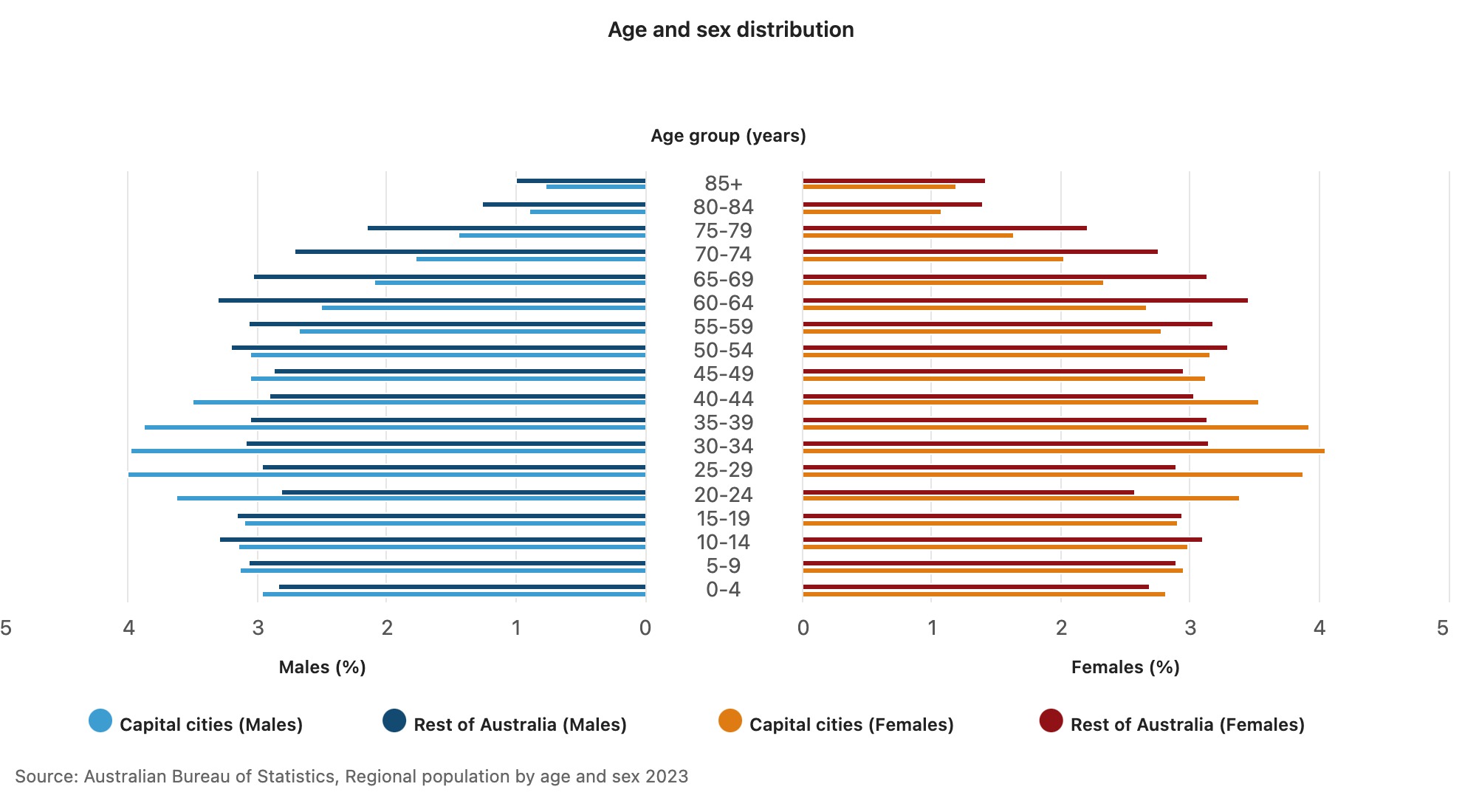
Our cities are home to more women than men and there are more younger people choosing the capitals over regional areas, new data from the Australian Bureau of Statistics has shown.
The Regional Population by Age and Sex Report revealed Darwin was the capital with the lowest median age at 34.6 years, as well as being the only capital with a higher proportion of males to females.
Once known as the city of churches, Adelaide had the oldest population by median age at 39.2 years. The breakdown by town or suburb is even more revealing, with Acton and Duntroon in the ACT recording the lowest median age at 20.8 years and 21.8 years respectively. One area is popular with university students while the other is home to a high number of military personnel.
At the other end of the scale, the retirement hotspots of Tea Gardens-Hawks Nest in NSW (66.2 years), Bribie Island (63.6 years) and Cooloola (62.4 years) in Queensland and Point Lonsdale-Queenscliff (62.2 years) in Victoria had the highest median ages in the country.
Higher median ages were also reflected in the male to female ratios, with women’s higher life expectancy resulting in more women relative to men in some areas. In the Sydney suburb of Woollahra, there were 80.9 males to every 100 females and in Mornington West in Melbourne, there were 82.4 males to every 100 females.
Areas with extremely high proportions of males to females were either mining communities (274.2 males per 100 females in East Pilbara), male correctional facilities (278.1 males per 100 females in Wacol near Brisbane) or military training centres (227.0 males per 100 females at Duntroon in the ACT).
WALK INTO any Kate Spade or Frances Valentine store today, and you’d be forgiven for thinking the retailers are uncomplicatedly preppy—the kind of place where your mother might find an innocuous floral shift or clutch for a luncheon. But Katherine Noel Valentine Brosnahan Spade, the woman who co-founded those brands, was no Lilly Pulitzer during her outsize life, which was cut short by suicide in 2018.
With her partner, Andy Spade, she started Kate Spade with six boxy handbags in 1993. They weren’t married yet; she was the “Kate” and he was the “Spade.” The former fashion editor at Mademoiselle magazine and the brilliant adman made a dashing couple straight out of a Wes Anderson film: she with her chignons, heels and big jewellery, he with his Brooks Brothers—with-a-twist button-downs and jeans. They lived in pre-billionaire Tribeca; they drank martinis; everyone wanted in. Kate and Andy dreamed of a company they hoped would bridge the gap between L.L. Bean and Prada.
“We were just kids,” says Andy today from his new home in the San Francisco Bay Area. “We wanted to control our destiny so we just started a handbag company with no experience whatsoever.”
And boy, did they succeed. The household-name American brand would go on to include stationery, books, clothing, home goods, jewellery, shoes, the men’s line Jack Spade and licensing deals worldwide. Kate Spade’s nylon bags were coming-of-age talismans for girls and women at the turn of the 21st century, spawning oodles of Canal Street knockoffs. When Kate died, Vogue ’s Anna Wintour said, “There was a moment when you couldn’t walk a block in New York without seeing one of her bags, which were just like her; colourful and unpretentious.”
Yet despite the TikTok generation’s thirst for everything Y2K—from Fendi baguette bags to Juicy Couture tracksuits—Kate Spade’s brand heat under current owner Tapestry is lukewarm.
“Gen Zers and TikTok consumers are constantly looking to the ’90s and early aughts for trends,” says Casey Lewis, a consultant who writes “After School,” a youth-culture newsletter. “And so this seems like it would be prime time for a Kate Spade comeback.”
Some interest is bubbling up: Kate Spade recently reissued one small ’90s baguette bag with Urban Outfitters. Last year, it relaunched its original “Sam” bag. And prescient trendsetters are dusting off their vintage Kate Spade pieces. Yet a recent collaboration with Heinz ketchup left some consumers and analysts scratching their heads. Tapestry, which declined to comment, reported a 6% decrease in Kate Spade sales for the nine-month period ending in March 2024 compared with the previous year.
The challenge of evolving Kate’s aesthetic without her began while she was still alive, when the company she co-founded with Andy, Pamela Bell and Elyce Arons was sold to Neiman Marcus Group in 2006. The group, which had already bought 56 percent of the company in 1999, in turn sold it to Liz Claiborne. Coach, which is now Tapestry, acquired the brand in 2017 for $2.4 billion.
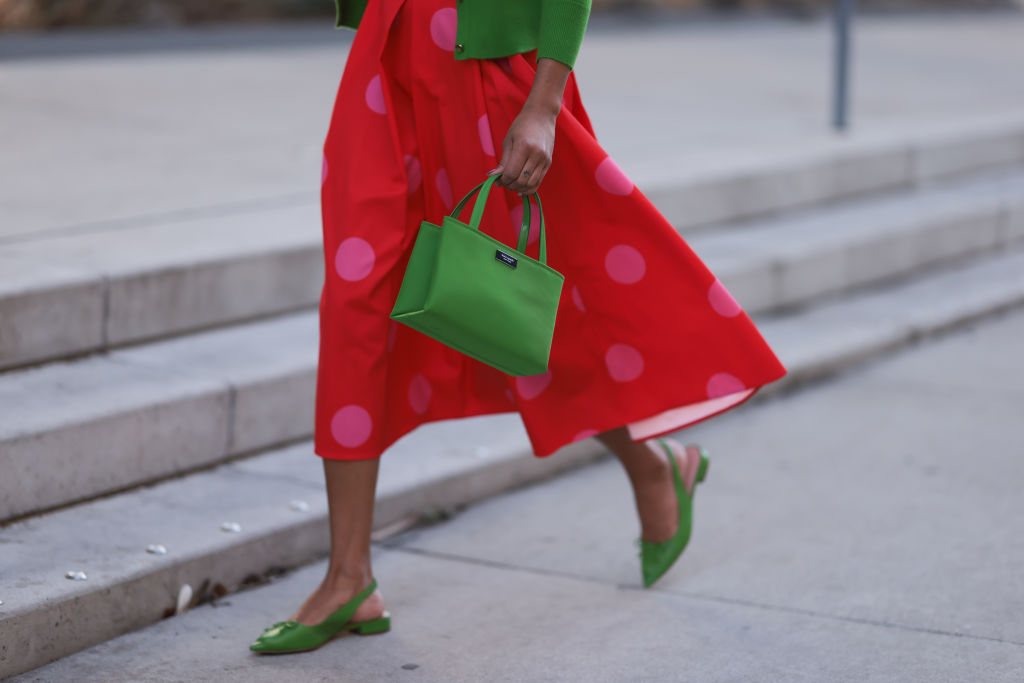
NEW YORK 2023: Kate Spade knit green top and cardigan, Kate Spade red long skirt with pink polka dot pattern, Kate Spate green leather bag and green leather mules. (Photo by Jeremy Moeller/Getty Images)
The enigma lies in decoding a fashion icon who was always more complex than polka dots or pink and green. Under Kate and Andy, the brand’s American joie de vivre was tempered with intellectual, offbeat references: architect Buckminster Fuller, Eames furniture, Rei Kawakubo. And along with joy and eclecticism, there was darkness. Her death at age 55 left behind a grieving husband, a 13-year-old daughter, Frances Valentine Beatrix Spade—and a towering style legacy that is often misunderstood.
After a company changes hands multiple times, and its founder dies, can its original vision endure?
“THE INTERPRETATION of [Kate’s] legacy is a little different from how she actually was,” says her co-founder Bell. “Because she was petite and so adorable, everyone associates her with the words cute or happy, and she was much more complicated and sophisticated than that.”
Andy, Kate, Bell and Arons all came from the Midwest. Their partnership coalesced at a summer share house in tony Amagansett, New York. Kate (friends called her Katy) was one of six kids from Kansas City, Missouri; Andy, the brother of comedian David Spade, was born in Birmingham, Michigan, and raised in Arizona. Kate and Andy both went to Arizona State University and met while working at the same Phoenix clothing store. Andy’s car broke down one day, and Kate offered him a ride.
“Katy was more subversive than anyone knew,” says Andy. “They just pigeonholed her as the girl next door. But she was a girl next door and a girl across the street, down the alley and across the hall.”
Kate wore avant-garde Japanese designs from Comme des Garçons and Sacai and hippie slips from Dosa. She loved dining on steaks at Raoul’s and Lucky Strike in SoHo, and hanging out with artists and weirdos. She played Bob Dylan loudly and read books by John Knowles and W. Somerset Maugham. She scoured Indian import stores in the East Village for brightly coloured silk tunics to wear with cigarette pants, pairing them with wild costume jewellery she’d picked up at the wholesalers on Sixth Avenue.
She and Andy also appreciated simplicity. As a design inspiration, the two often cited advice from The Elements of Style, Strunk and White’s manual for writers—“To achieve style, begin by affecting none.”
Kate’s niece Whitney Pozgay, a designer who worked at Kate Spade for years, describes the company culture as freewheeling and fun, with beer carts on Fridays and Phoenix and Björk on the sound system. She says Kate was bubbly and effervescent, coming down to the studio with her little dog Henry to tease, “Working hard or hardly working?”
In the early days, Kate and Andy gave each new employee a copy of Emily Post’s Etiquette. But in 2004, to put her own spin on propriety, Kate published three volumes: Manners, Style and Occasions. The advice offered was more madcap than proper: Admire the polka dots on a Wonder Bread package! Play “Electric Version” by the New Pornographers to start a party! Gift your beloved an Etch A Sketch for your iron wedding anniversary!
Writer Jill Kargman, who was Kate’s intern at Mademoiselle and stayed close with her, says the designer was a master of the written note, pairing formality with casualness and “sparkling chutzpah.” Whether in her correspondence or her style, she says, Kate had “total edge,” musing, “To think outside the box, you have to know what the box is. It’s like she studied the box, but then she flipped it a little bit and gave it a blood transfusion.”
The Spades were funny. When Kate and Andy hosted their first adult dinner party, the invitation went out with a copy of instructions for the Heimlich manoeuvre. While the brand was built on highlighting all the things Kate liked, she told Index magazine in 1998 that her customers were free to say: Who the hell cares what Kate Spade likes? (Andy says that David Spade always considered Kate to be funnier than all his comedian friends, including the late Chris Farley.)
Even the company’s signature—a small, humble black clothing label in the place of a logo—came from a place of irreverence: Kate thought the bag needed a little something, so right before the launch she put the inside label on the outside. For its first order, Barneys New York requested that the label be put back inside. But, Bell says, “Of course, after they became popular, they wanted them on the outside.”
As the brand took off, so did the couple’s social life. Although Andy, more than Kate, became a collector of bohemian downtown characters, she was always game. Gabi Asfour, co-founder of the artistic collective As Four, who once worked for the couple as a clothing designer, remembers staying up late drinking with the Spades at the Hôtel de Crillon during a trip to Paris. “What I loved is the clash of the roughness of downtown mixing with the cleanness of uptown,” he says.
That creative clash came through in the brand’s advertising, as masterminded by Andy alongside Julia Leach, now chief creative officer at Athleta. Andy commissioned filmmakers like Mike Mills and the Safdie brothers to direct shorts for the brand. The print ads, such as those photographed by artists Larry Sultan and Tim Walker, rarely did the basic job of displaying the handbags. The goal was something else entirely: to evoke feelings.
One campaign, shot by art-world chronicler Jessica Craig-Martin, was produced as an actual party at The Explorers Club in Manhattan, with Kate and Andy hosting. “The party was very real, totally madcap, and had been set up to elegantly fall apart in just the photogenic way I desired,” remembers Craig-Martin.
Another, by artist Tierney Gearon, depicted a day in the life of an elegant New England family: loading up the car, playing hide-and-seek, getting ready in the bathroom. Gearon says that although the pictures depicted a “perfect family,” she now finds them a little eerie.
Some collaborators have suggested that with these ads Andy was chasing a vision of perfection that is hard to achieve in real life. Today he says, “It definitely reflected how we felt as people.”
“It wasn’t trying to paint the picture-perfect version of white picket fences,” says Leach, who wrote scripts for these ads. She and Andy were thinking about John Updike’s and John Cheever’s stories about the beautiful flaws of American life.
KATE AND ANDY’S lightning in a bottle was all about giving glamour an off-kilter spin. Yes, an ad showing a kid seated on a toilet was weird, but it was playful—and just pretty enough. As Craig-Martin says, “The brilliance lay in the understanding of how the esoteric or sophisticated could be used to appeal to the mass market.”
Striking that balance without Kate and Andy’s input is tricky, and gets harder as the years go by.
“They get the ingredients, but not the recipe,” says Pozgay when discussing how her aunt’s style legacy is often interpreted. Yes, she loved pink, but it had to be the right pink, and perhaps shot through with a dark poppy-red stripe.
After selling the brand in 2006, Kate and Andy Spade agreed to stay on for six months to help with the transition. In the intervening years, the company has grown incrementally but lost some of its cultural cachet. This year, the Federal Trade Commission sued to block Tapestry’s $8.5 billion acquisition of Capri Holdings, which owns Michael Kors and Versace. In the meantime, Tapestry must prove its mettle with the heritage brands it already owns.
As for Frances Valentine, where Kate was working alongside her old friend and Kate Spade co-founder Arons when she died, the brand is owned by Andy, Arons and other investors, including venture-capital fund Sweater. The company reports 200 percent growth in its wholesale business from 2023 to 2024, and will launch at Dillard’s this fall. A recent visit to its small, quiet Sag Harbor, New York, store (one of nine) revealed preppy, retro classics like beaded sandals and beachy caftans. Arons is working on a forthcoming book about her friendship with Kate.
In the weeks following Kate’s death, sales surged at both Kate Spade and Frances Valentine. When a fashion designer or an artist dies, scarcity fuels demand—Alexander McQueen’s suicide in 2010 inspired a similar frenzy. It’s what happens after that bump that determines a brand’s longevity.
“How do you do justice to the spirit of the thing, but bring it to more people?” asks the chief creative officer of luxury resale retailer TheRealReal, Kristen Naiman, who worked at Kate Spade from 2014 to 2023. “That’s the name of the game when you scale something as special as what Kate and Andy made.”
While they were running the company, Andy would quote advertising executive Jay Chiat, who asked: How big can we get before we get bad? Today, he is at peace with how they handled the sale, which he equates with getting your teen child into college and then backing off.
“There are roots in that brand—Kate Spade—that are about values and people, and that’s what I wanted to do,” Andy says. “Build roots for the brand to exist forever. And I never looked back.”
During Kate and Andy’s time at Kate Spade, the company didn’t resort to one of the fashion industry’s lesser publicized strategies for growth: making products specifically targeted for outlet stores. Today, there is an extensive outlet network, including a newly launched dedicated e-commerce site. Kate Spade pajamas produced under a license were recently sold at Costco for less than $20.
“I think they have a lot of potential,” says Casey Lewis, the youth-culture consultant. “I would be shocked if they did not successfully make a comeback in the coming years, because the brand isn’t so watered down or so irrelevant that no one knows it at this point. They can just reclaim the cool.”
HANDBAGS ASIDE, Kate’s legacy also includes opening up conversations about mental health in fashion, a notoriously punishing industry.
When she died, the Kate Spade New York Foundation contributed $1 million immediately to mental-health and suicide prevention causes. “We really have the authentic responsibility to talk about it and to try to amplify it,” says Liz Fraser, Kate Spade’s current CEO. The company says it is now one of the world’s largest corporate donors to women’s mental-health initiatives.
During Kate’s time, such things weren’t spoken of. While the designer’s friends and family maintain that she was for the most part a genuinely happy, ebullient woman who loved her life and her family, everyone has their private struggles, and she was no different.
“Everyone’s like, ‘Well, what happened?’ ” says Bell. “I don’t think any one thing happened.”
Andy and Kate Spade were separated at the time of her death, but they were still very much a family unit with their daughter, known as Bea. “We loved each other very much and simply needed a break,” he said at the time.
Bell, who is a co-founder with Kenneth Cole of the Mental Health Coalition, says that she and Kate had a euphemism for therapists: “the contractor”—as in, someone who can fix you. “I regret that, because I think that we could have just said therapist…. I think we should have talked about it more openly,” she says.
The co-founder talks about how rough menopause can be on women and says that she’s been recommending Miranda July’s novel All Fours, which deals with that very topic, to everyone she knows: “I read it and I was like, I wish I knew this then.”
Kargman remembers thinking that Kate’s drinking had gone from celebratory to solitary in the last years of her life. She says, “I think I was already looking at it through the prism of slight worry, but never in a million years did I think she would take her life, not in a million years.” In a statement at the time of her death Andy said Kate was on medication for depression and anxiety but that there were no substance-abuse issues.
When a person becomes a brand, even when they are beloved, boundaries blur. Kate talked about adding “Frances Valentine” to her many names in 2016 to differentiate herself from the namesake brand she sold. But in a panel talk with Andy the following year, she seemed unsure about it. “I get confused,” she said. She ended up adding just “Valentine.”
One day, while shopping with Bea at a Kate Spade store after she had left the company, she was tickled when a sales associate asked if she was on the mailing list. She would have never cried, “I am Kate Spade.” When she appeared on her brother-in-law David’s sitcom Just Shoot Me in 2002, her only request was that her part become smaller.
While some might see a contradiction between a brand built on colour and optimism and the spectre of mental-health issues, Naiman thinks that makes the message behind Kate’s legacy all the more potent. She says, “I think that the deepest truth is that there’s something so powerful and incredible about saying that this person who made this incredibly joyous brand struggles.”
Today, Andy runs his Partners & Spade creative agency in California, and is still a partner in Frances Valentine as well as his pajama company, Sleepy Jones. He’s working on a sculpture show about Kate called Uncommon Flowers. He is, as ever, brimming with ideas, and very much still processing the death of the person he calls “the most beautiful woman I’ve ever seen.”
He chose the Bay Area, for one, to be off the grid: “It was purposeful to be disconnected, because my daughter and I didn’t want to be around the mayhem.”
In the early Kate Spade days, Andy would use the word mercury to describe a certain undefinable je ne sais quoi, a taste, a feeling. Recalling an old thermometer, he notes how you can’t put your finger on the quicksilver—it jumps at the merest touch. “I always thought we were mercury,” he says. “Just when they think they know who we are, it changes.”
Or as Kate herself put it, in 1998: “I mean, shit, we’re just doing what we like.”